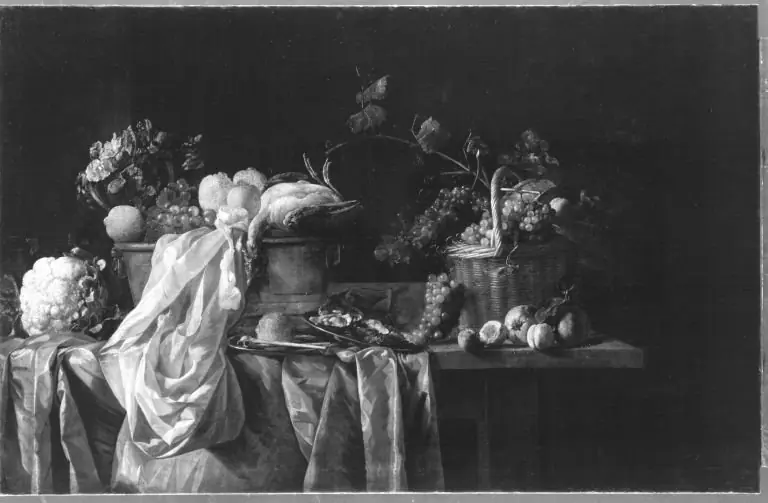
Artwork
Fruit and flower pendants
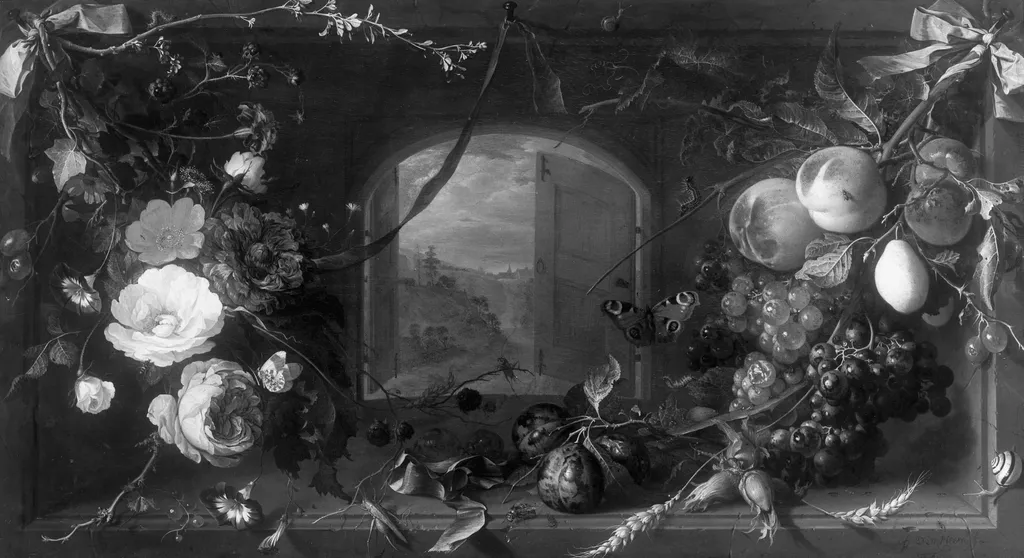
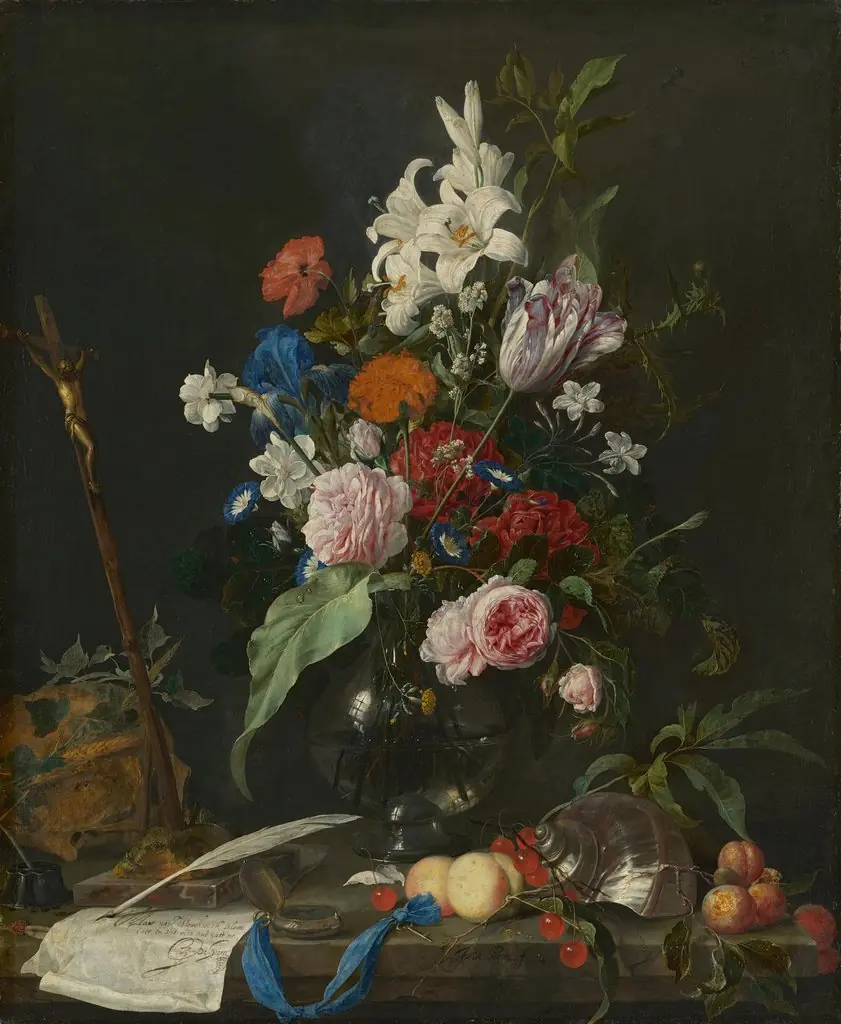
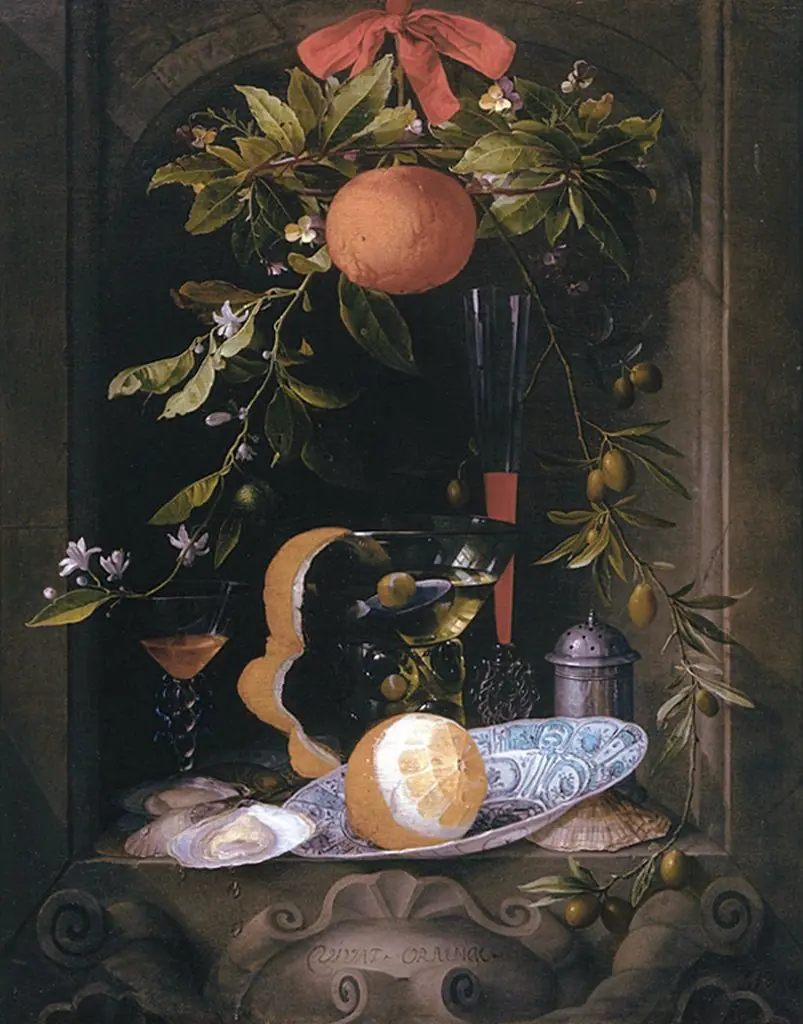
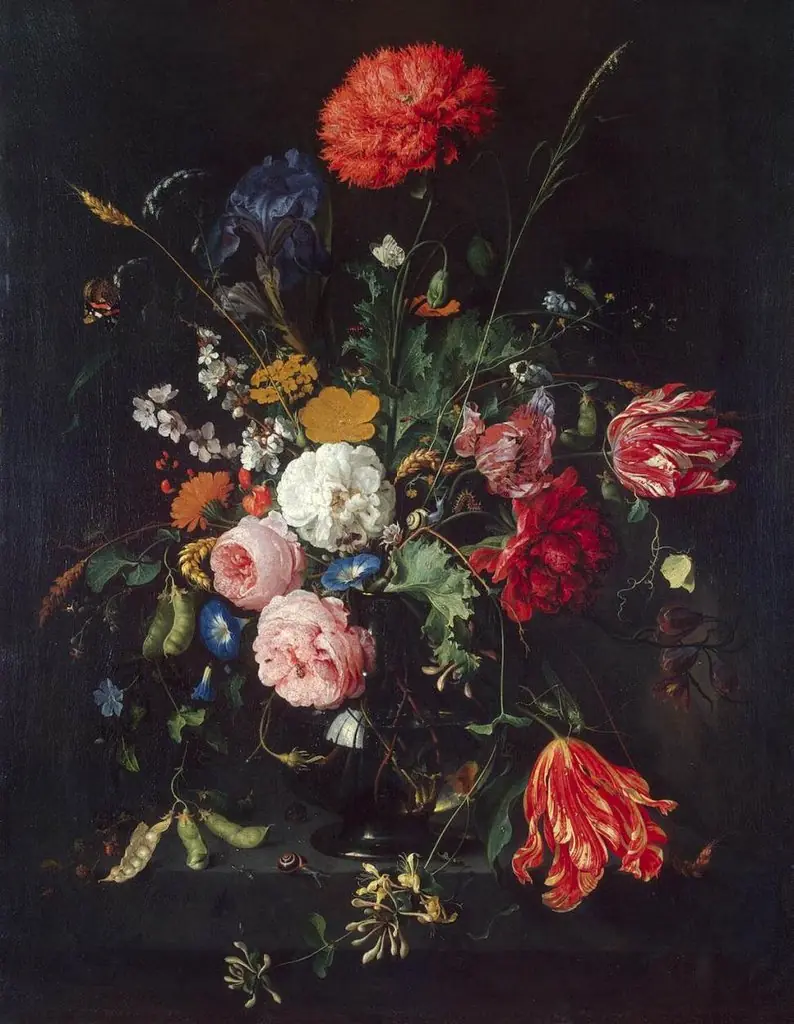
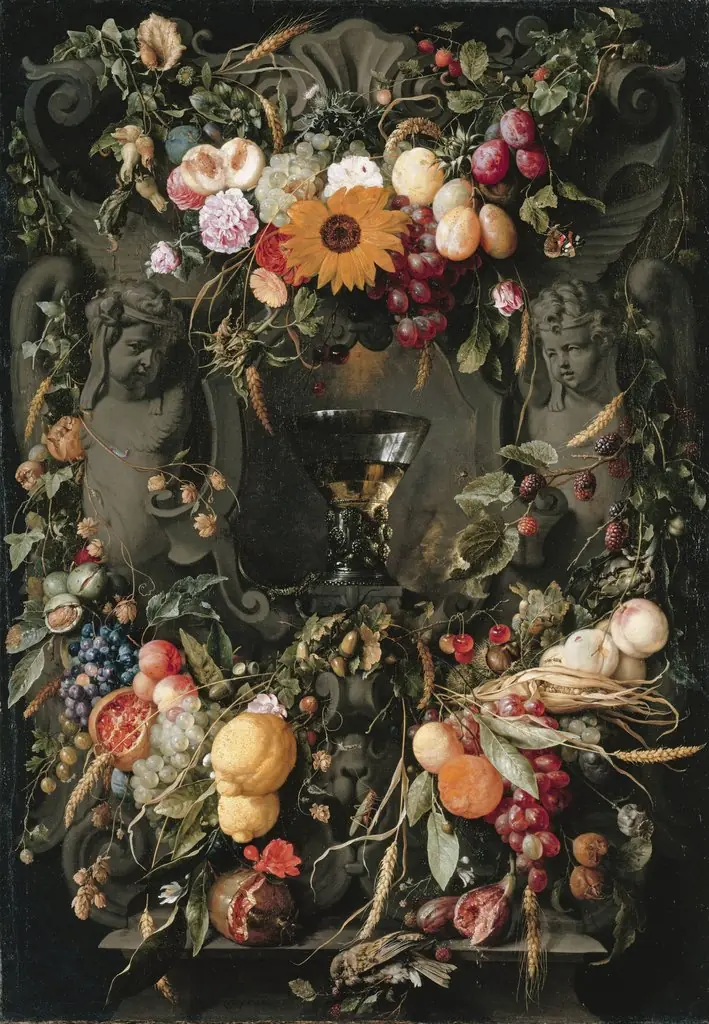
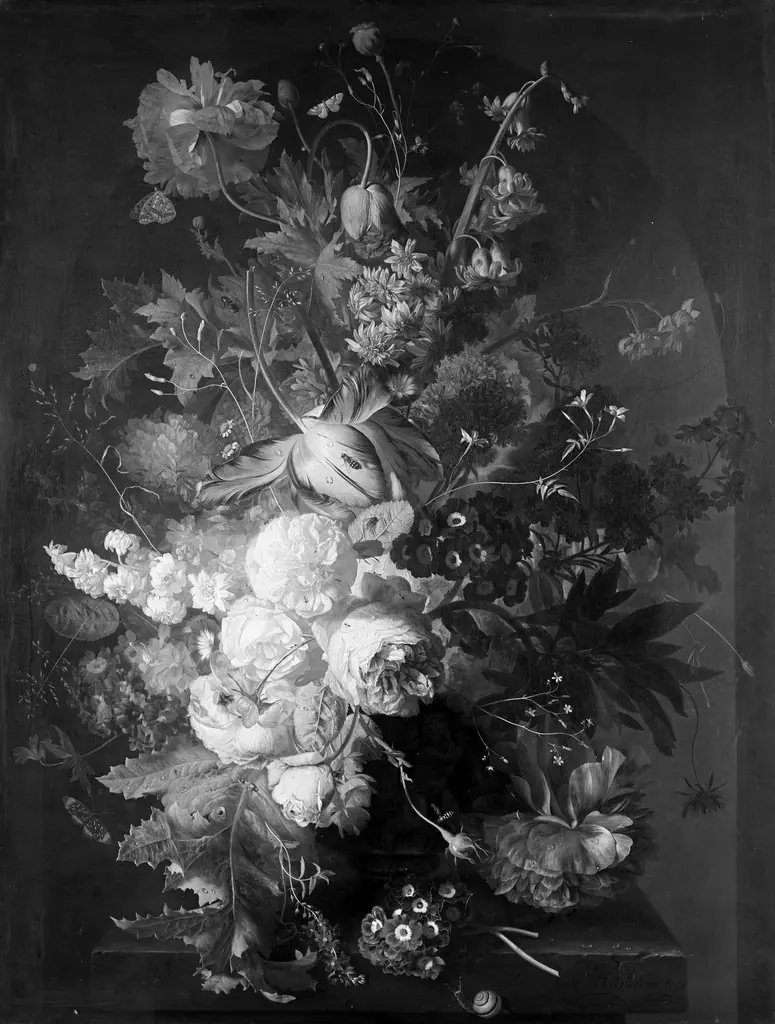
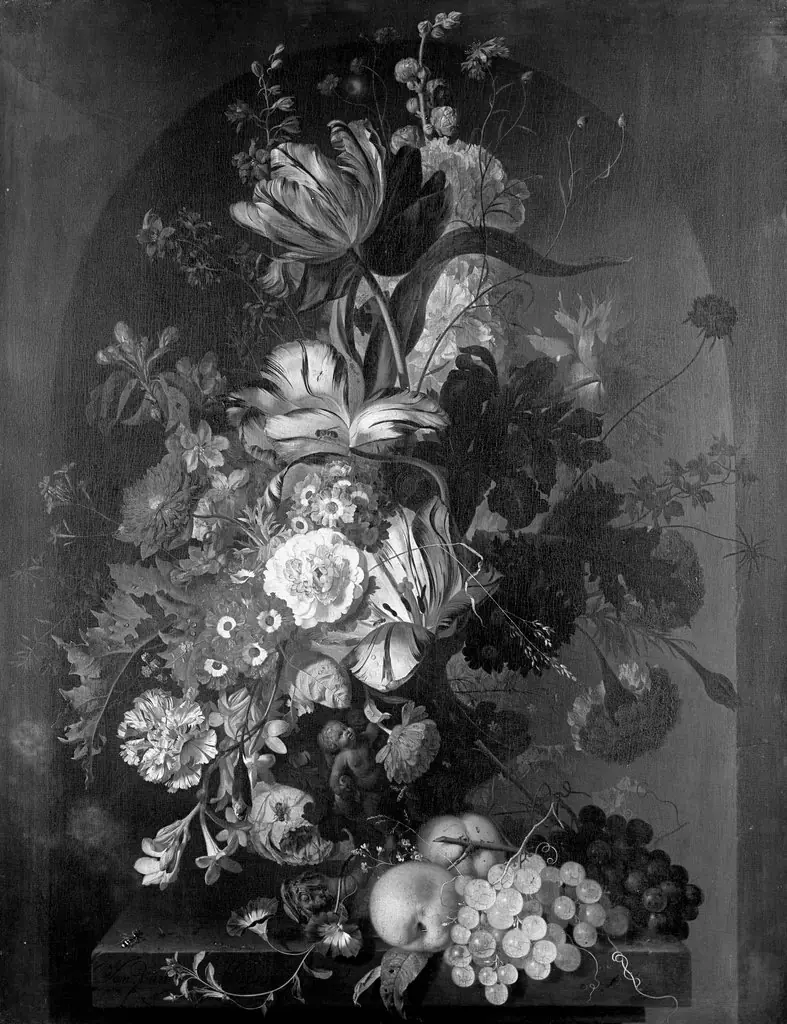
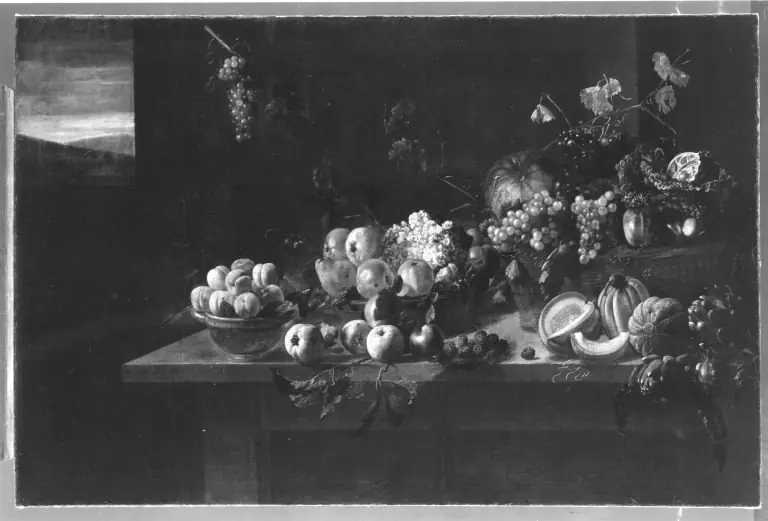
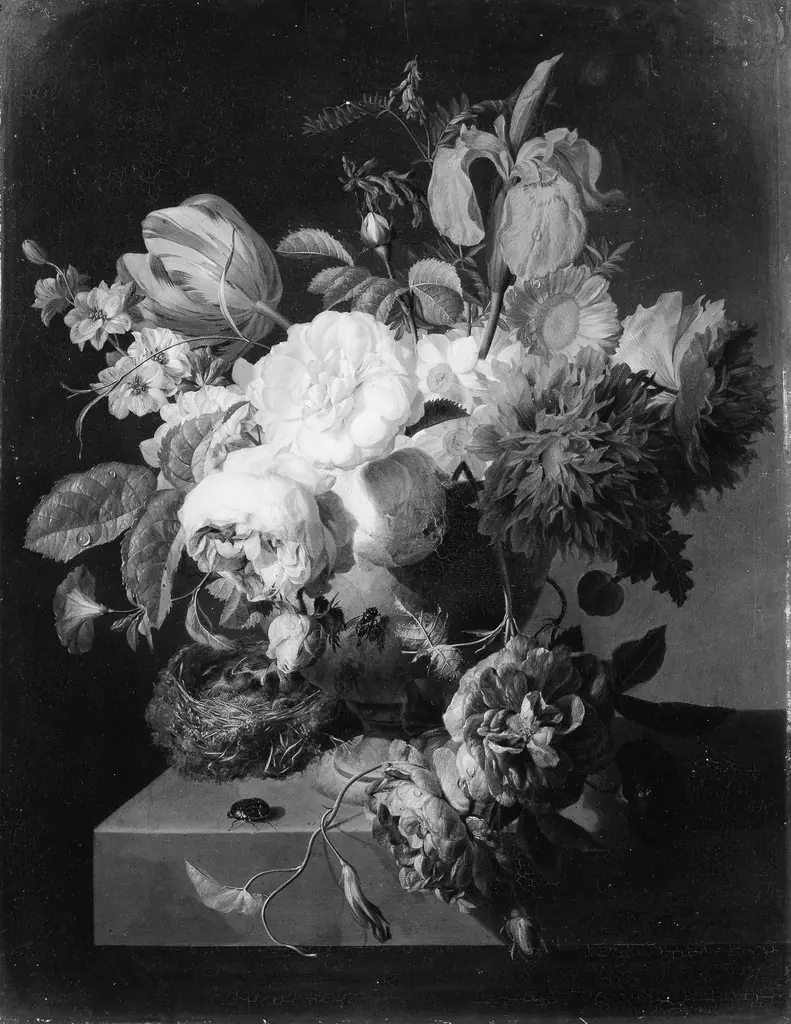
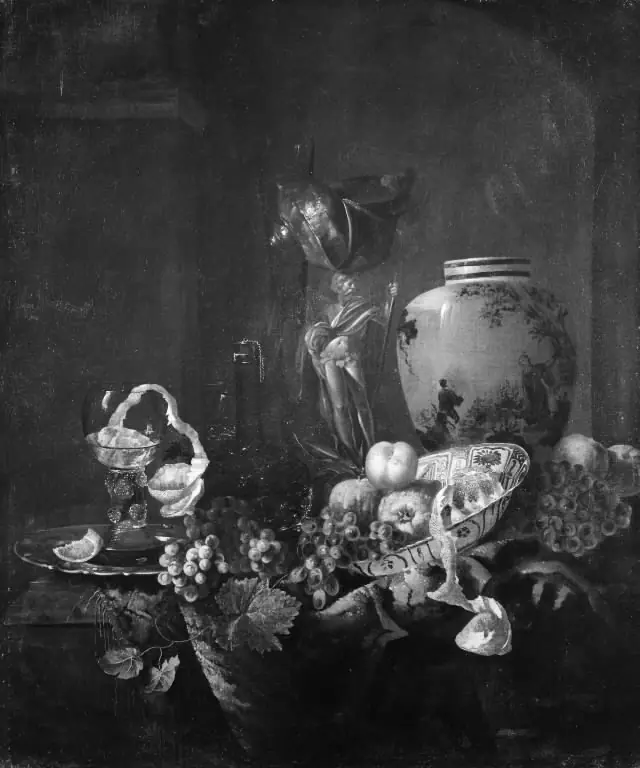
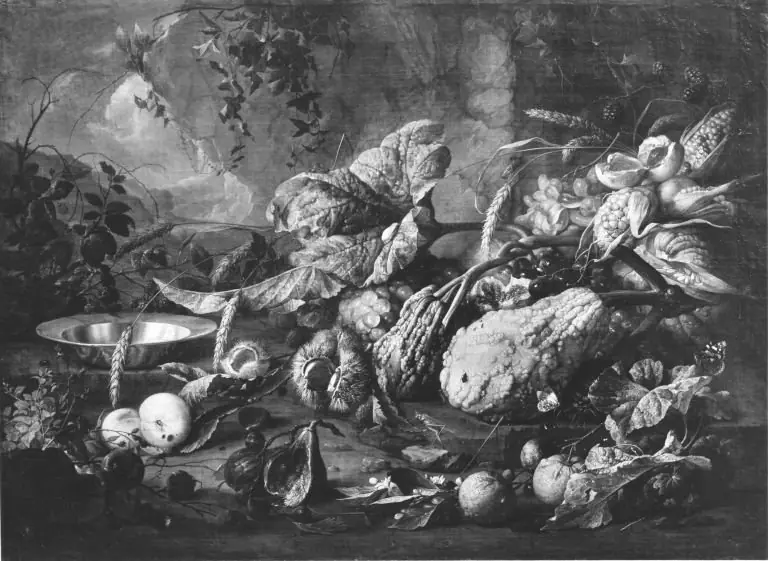
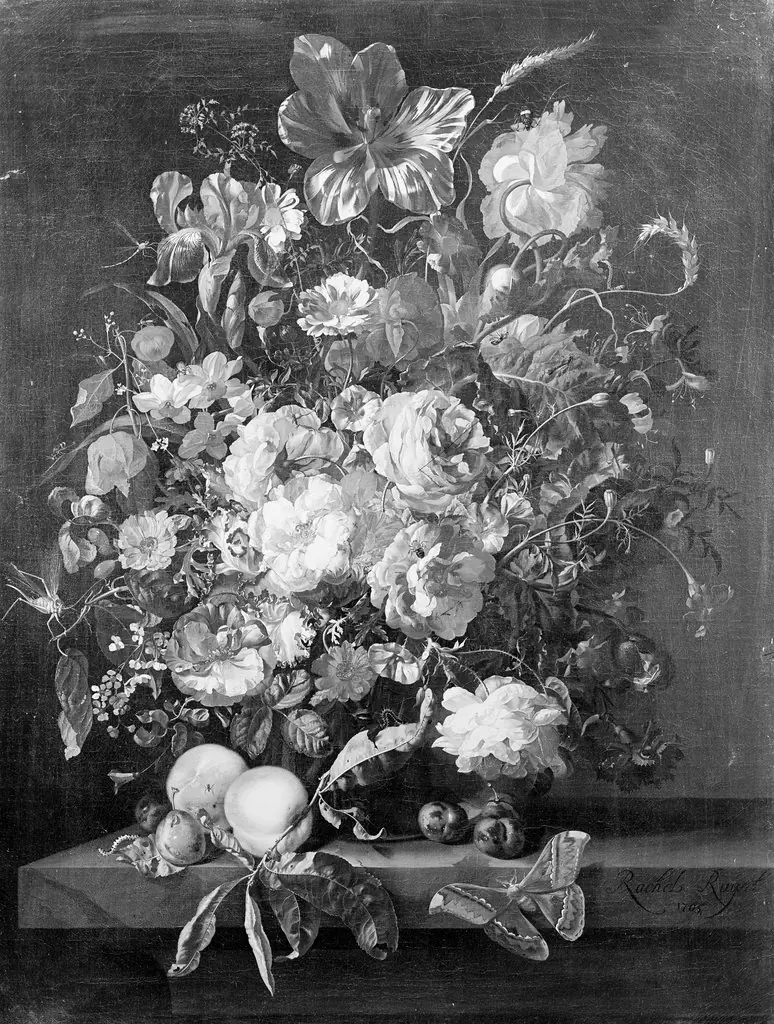
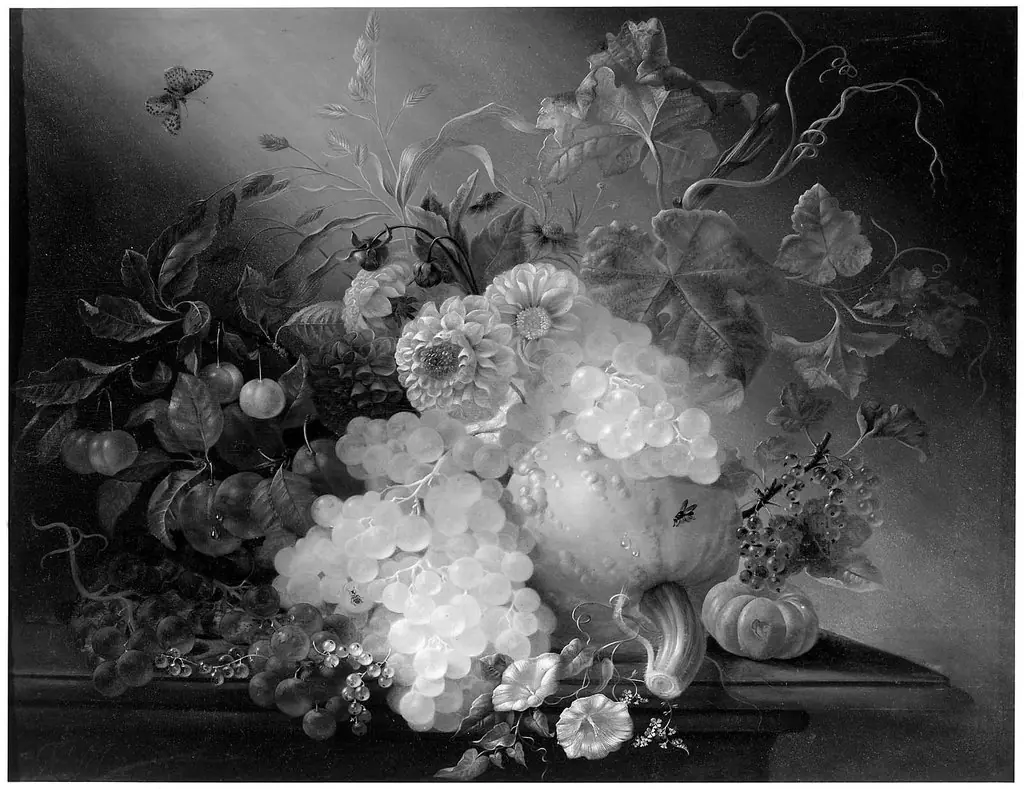
Fruit and flower pendants is an unspecified painting by the Dutch Golden Age artist Jan Davidsz. de Heem. It dates from 1690 and is held in the collection of the Gemäldegalerie Berlin. Painted in 1690 by Jan Davidsz.
About this work
Overview
The compositions extend toward a distant landscape visible through a window, anchoring the still life within a broader natural world.
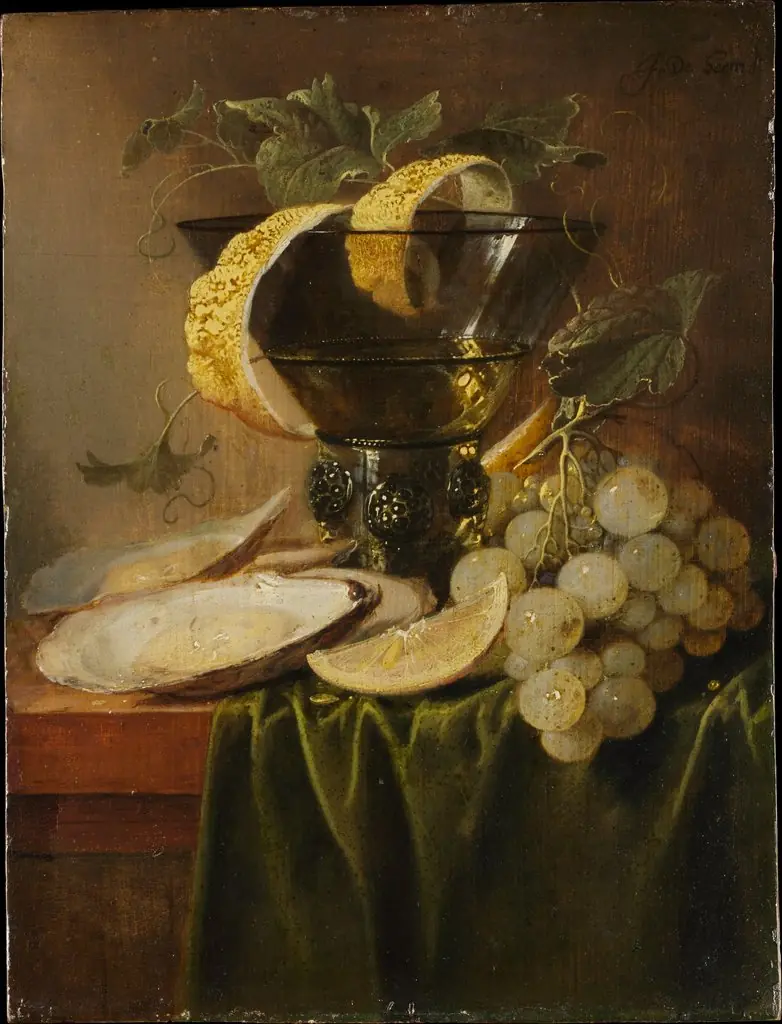
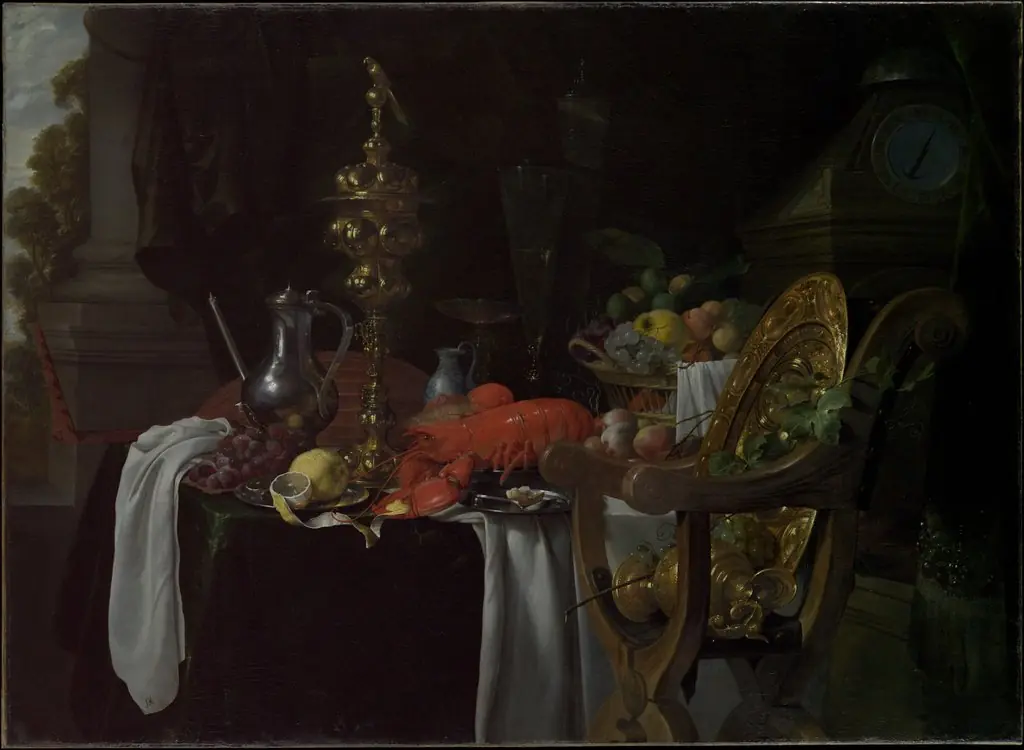
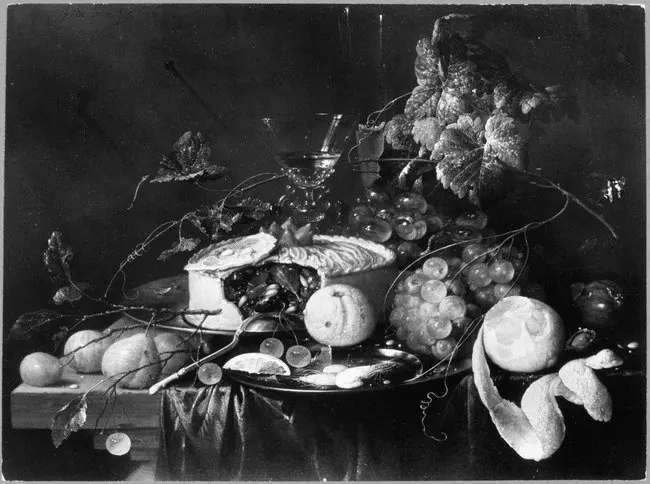
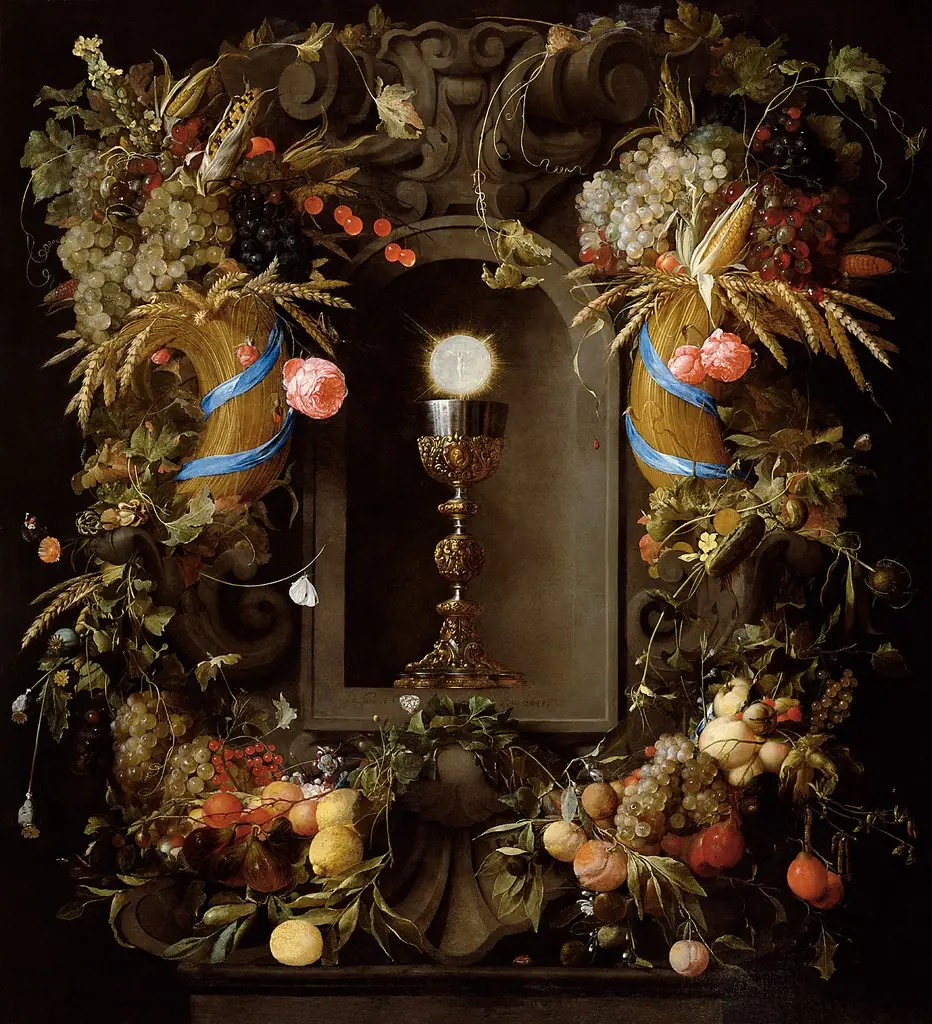
Painted in 1690 by Jan Davidsz. de Heem, these twin still-life panels exemplify the Dutch Golden Age’s preoccupation with natural abundance. Each panel presents a carefully arranged ensemble of seasonal fruits and blossoms, rendered with quiet precision. Though rich in detail, the palette remains restrained, favoring earthy greens, muted grays, and soft browns over vivid hues. The compositions extend toward a distant landscape visible through a window, anchoring the still life within a broader natural world.
Subject & Meaning
The arrangement includes grapes, pears, plums, and a selection of white and pink flowers, chosen for their seasonal transience and symbolic associations. These elements evoke themes of ephemerality and the passage of time, common in Dutch still life. The inclusion of a landscape beyond the window suggests a connection between cultivated beauty and the wider environment, subtly reinforcing the harmony between human observation and nature’s cycles.
Technique & Style
De Heem employed subtle chiaroscuro to model forms with soft gradations of light and shadow, lending volume and realism to each petal and fruit surface. Brushwork is refined but unobtrusive, avoiding overt brushstrokes to maintain a seamless surface. The textures—glossy skin, velvety petals, dewy droplets—are rendered with quiet authority, reflecting the artist’s mastery of optical fidelity without theatrical flourish.
History & Provenance
The pair of panels entered the collection of the Gemäldegalerie Berlin in the 19th century, where they remain today. Their survival as a matched set is uncommon, as many such pendants were separated over time. Their attribution to de Heem is supported by stylistic consistency with his late works, particularly in composition and handling of light, though no documented early provenance survives beyond the 1800s.
Context
Created near the end of the Dutch Golden Age, these pendants reflect a shift from overt displays of wealth to more contemplative still lifes. While earlier works emphasized exotic imports and luxury, de Heem’s focus on local produce and subdued tones signals a growing appreciation for quiet observation. The genre remained popular among urban collectors who valued art as a medium for meditating on nature’s order and impermanence.
Legacy
De Heem’s influence extended beyond his lifetime, shaping the development of still-life painting in northern Europe. His balanced compositions and restrained palette became models for later artists seeking emotional depth over spectacle. These pendants, though not widely exhibited, remain important examples of late 17th-century Dutch realism, preserving a quiet, enduring vision of natural beauty.
Artist & collection
Artist
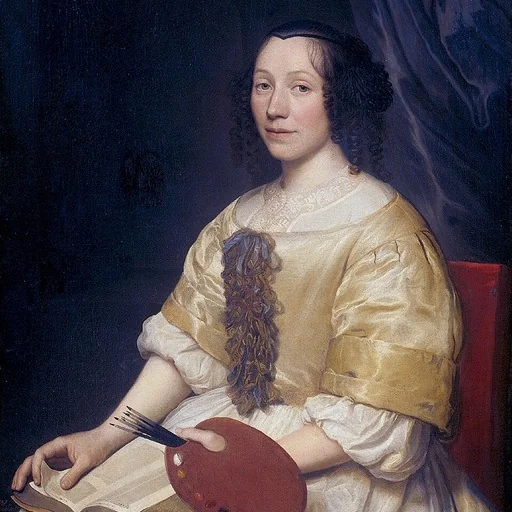
Maria van Oosterwijck (1630–1693), also spelled Oosterwyck, was a Dutch Golden Age painter, specialising in richly detailed flower paintings and other still lifes.