Artwork
Früchtestück (zugeschrieben)
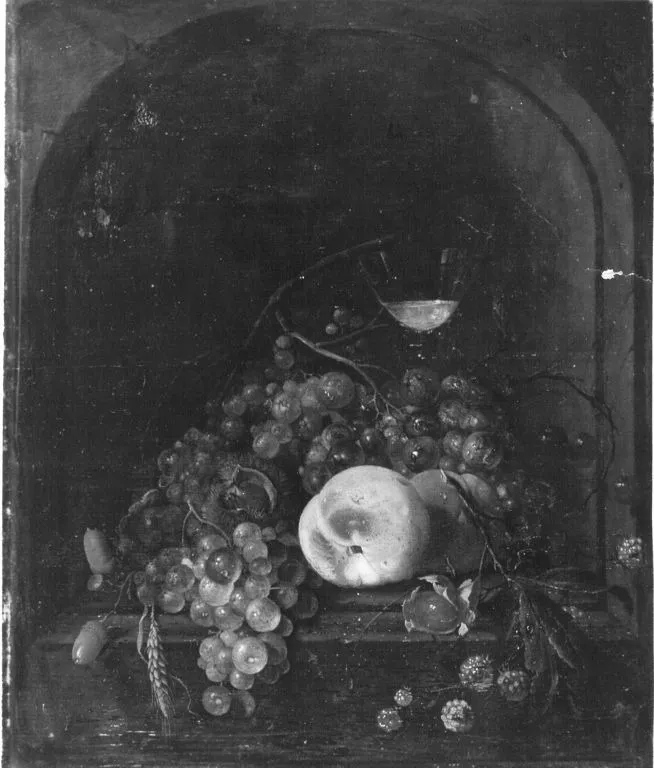
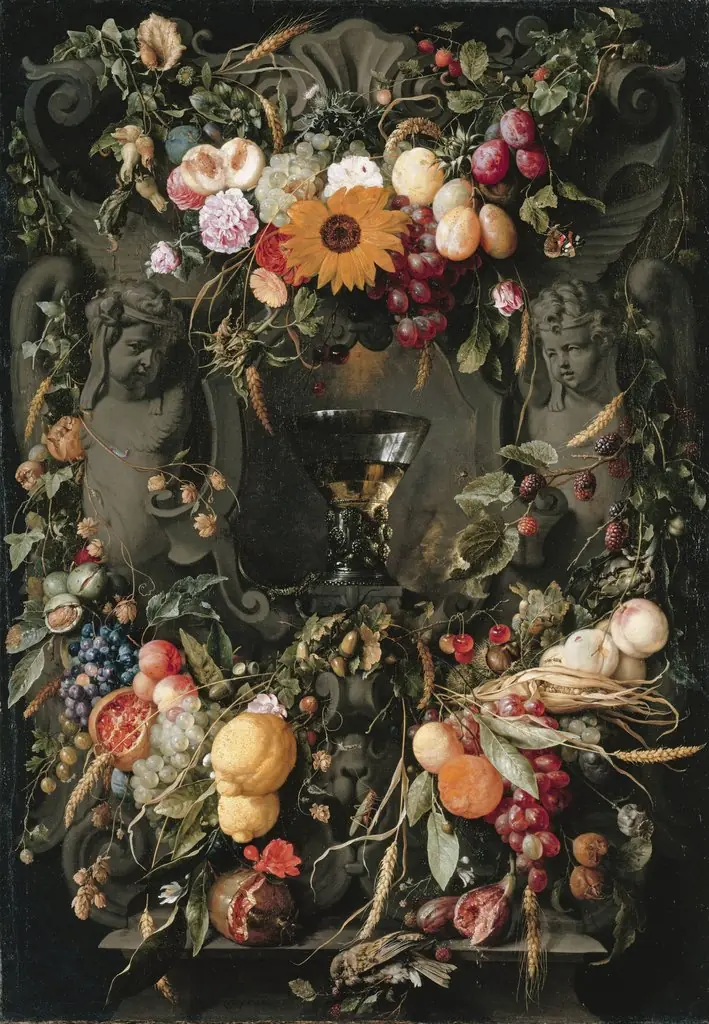
Früchtestück (zugeschrieben) is an unspecified painting by the Dutch Golden Age artist Jan Davidsz. de Heem. It dates from 1645 and is held in the collection of the Bavarian State Painting Collections.
About this work
Overview
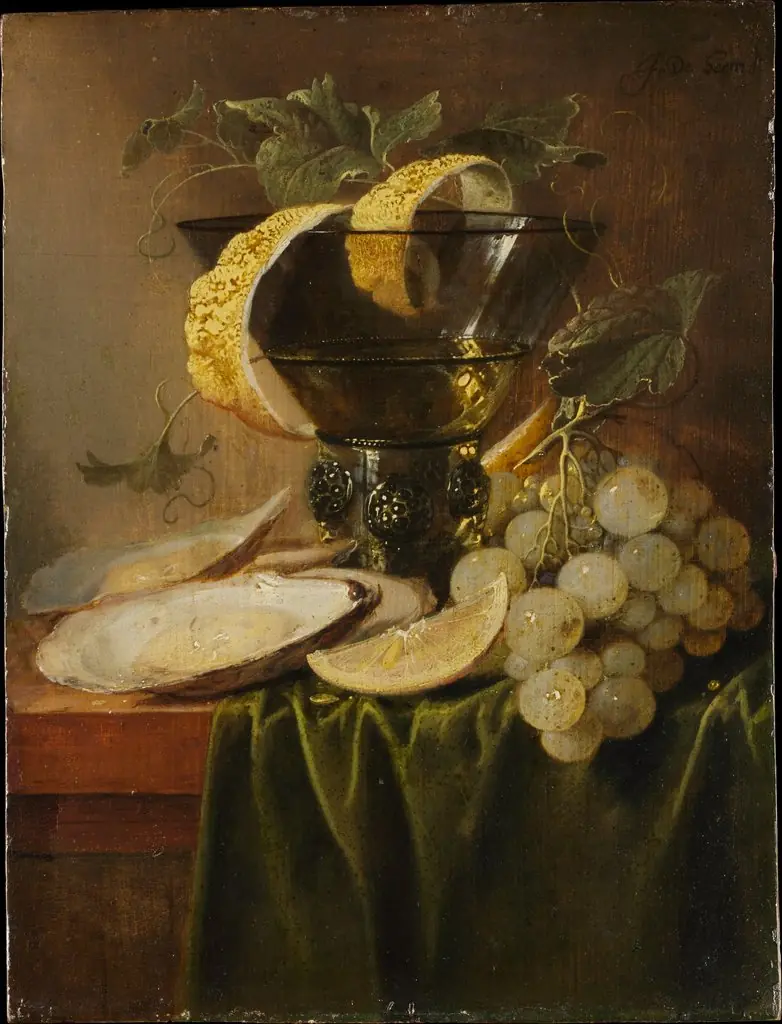
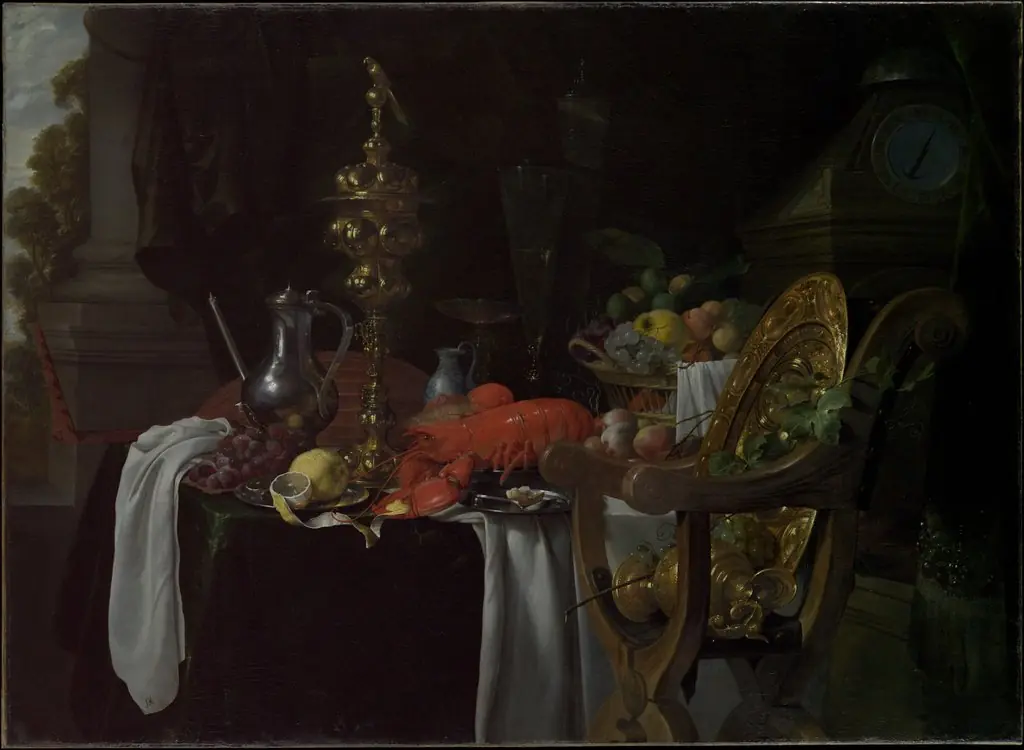
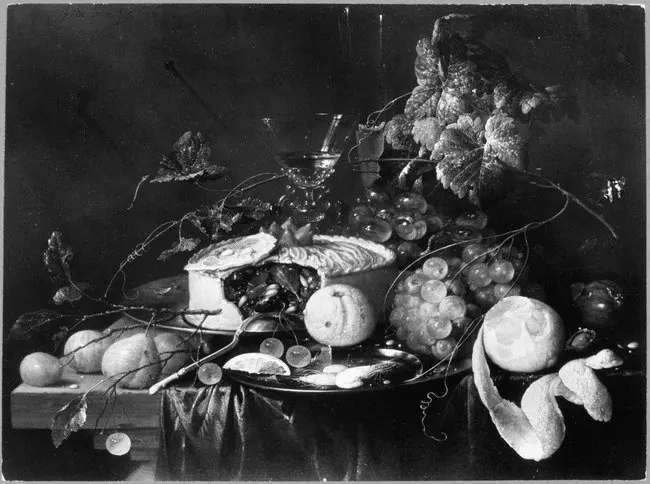
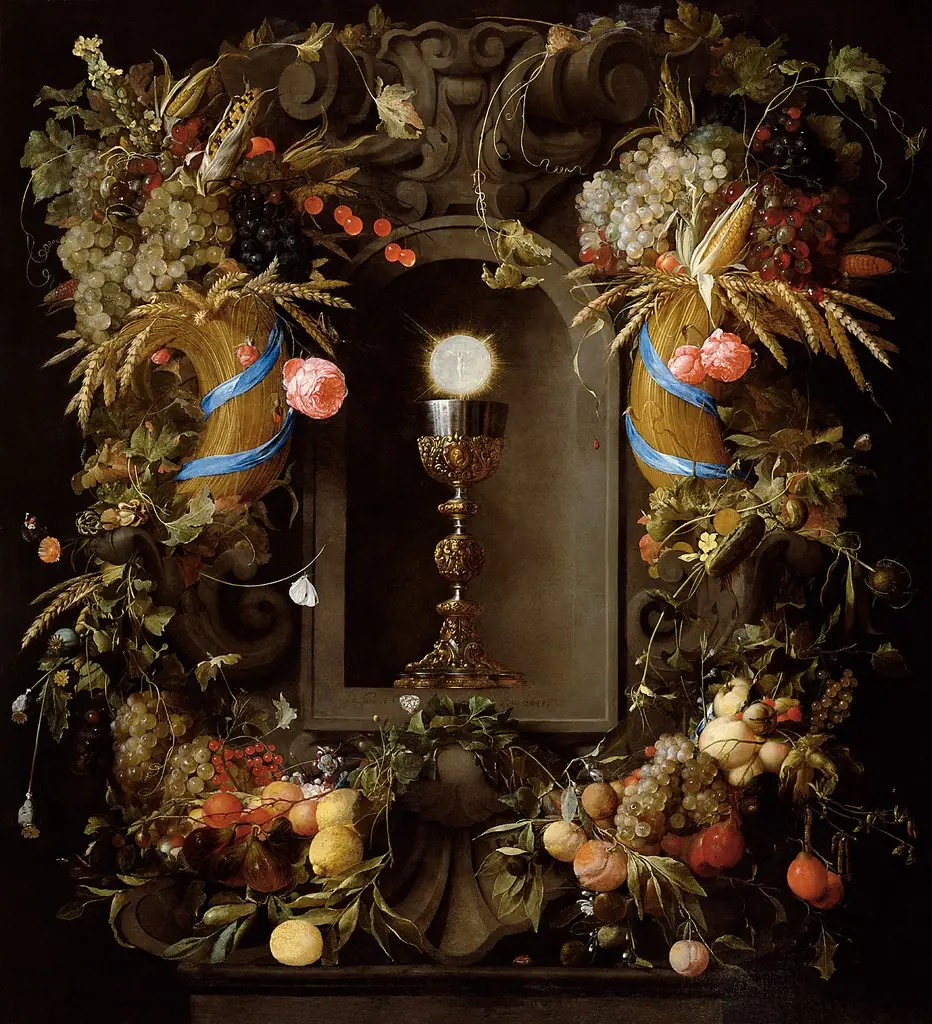
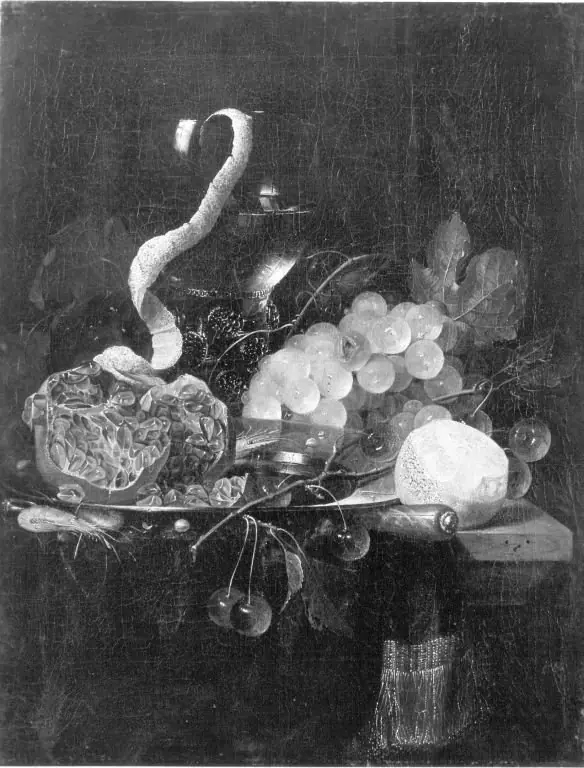
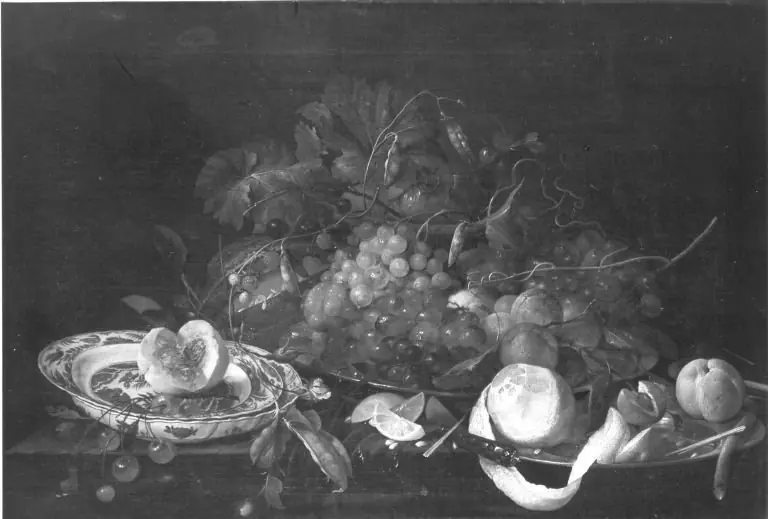
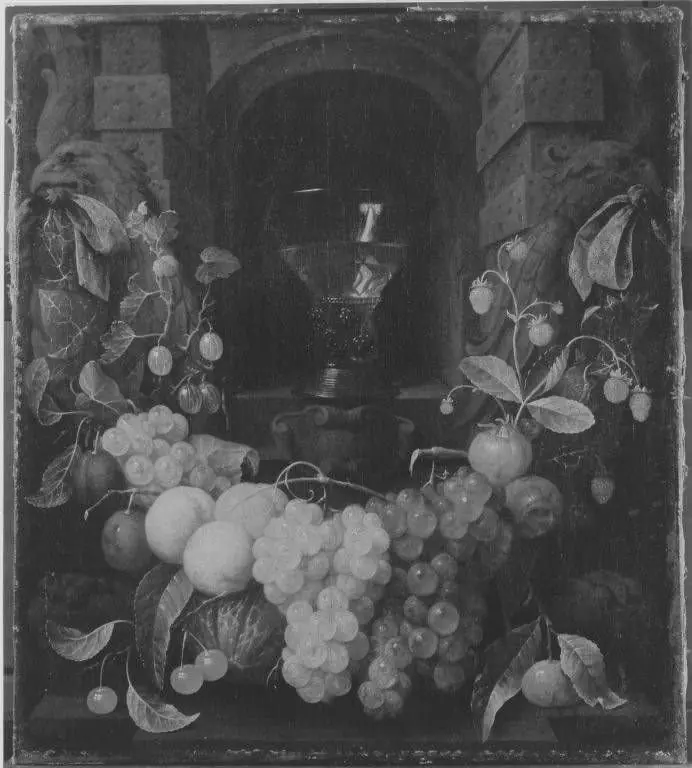
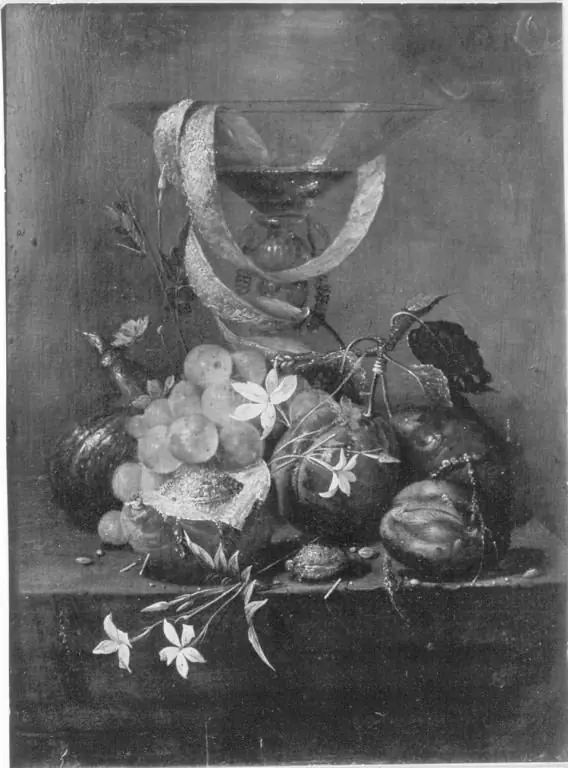
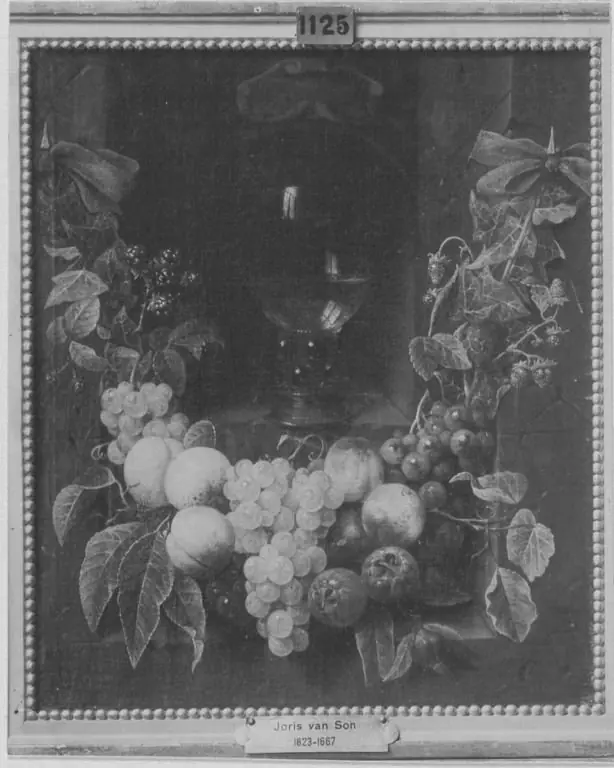
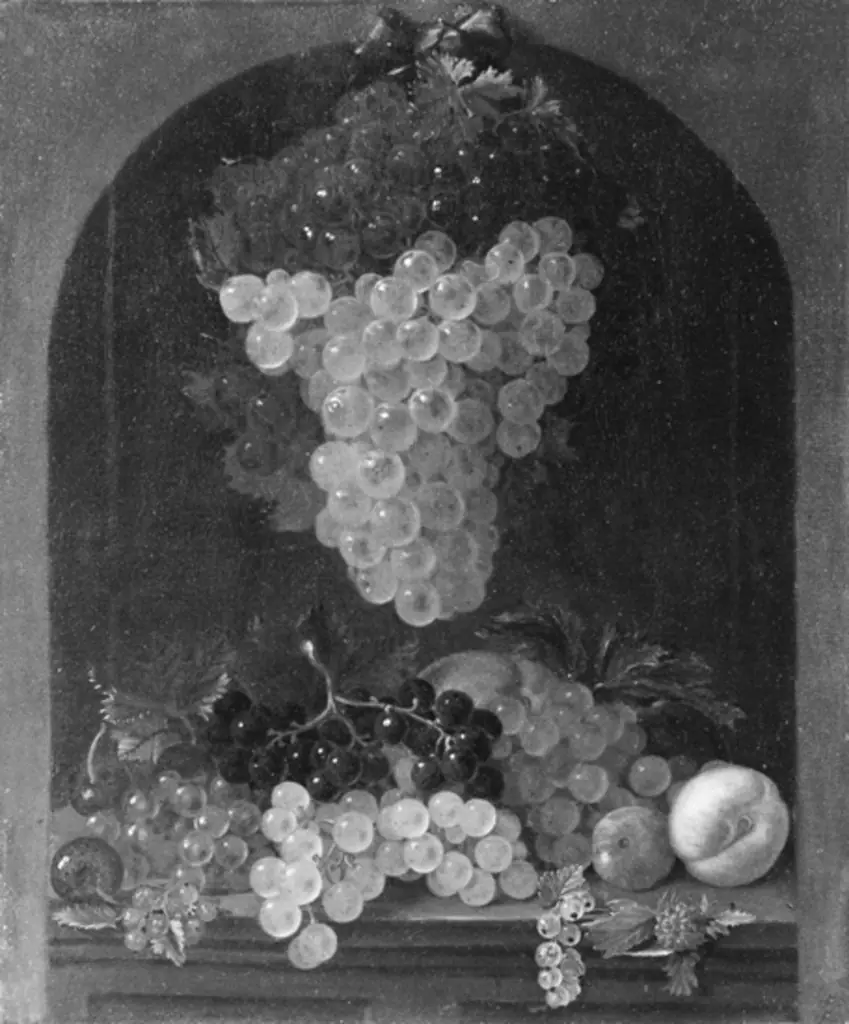
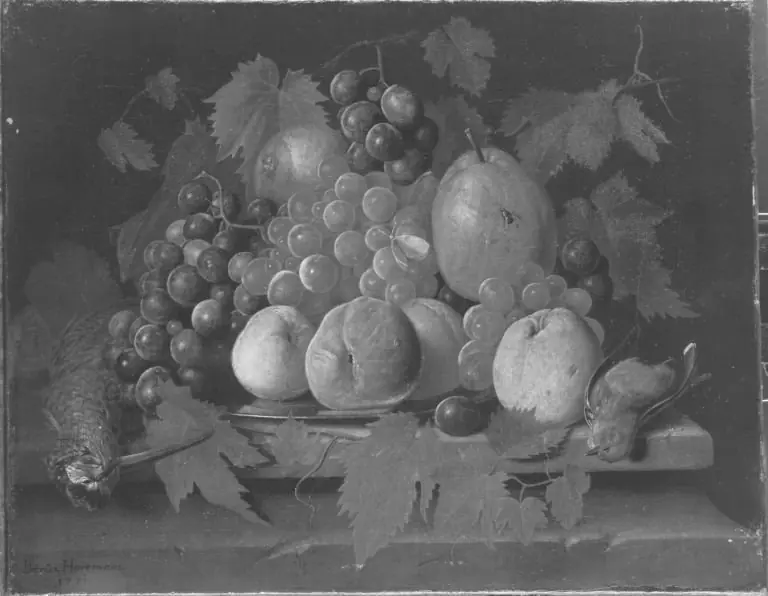
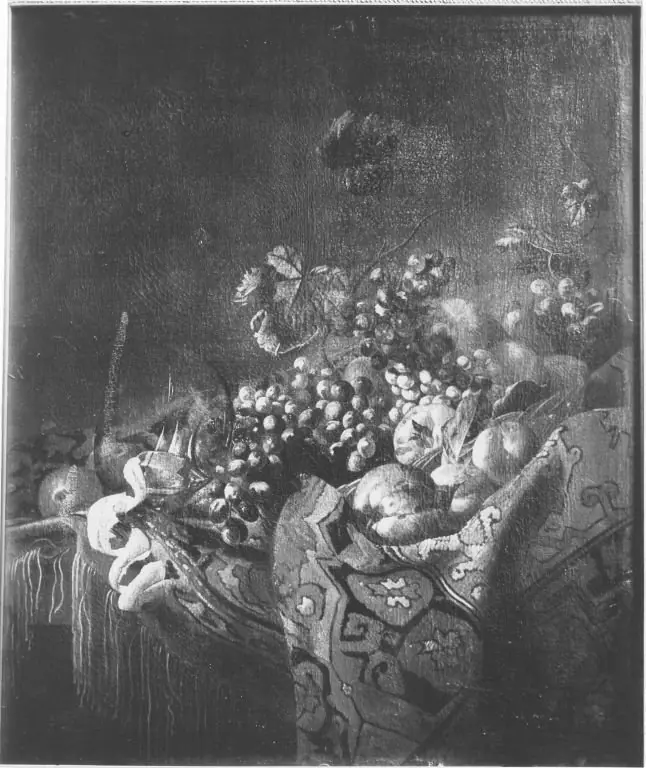
The canvas presents a dense arrangement of fruit—clusters of grapes, ripe peaches, assorted berries—spilled from a bowl and scattered across a darkened ledge. A modest glass of wine rests atop the display, lending a subtle note of refinement. The composition exudes a sense of plentiful harvest, rendered against a muted backdrop that emphasizes the vivid colors and textures of the produce.
Subject & Meaning
The work celebrates the bounty of the orchard, juxtaposing the varied stages of ripeness to suggest the passage of time and the cycles of nature. The inclusion of a wine glass hints at convivial consumption, while the dark interior space frames the abundance, inviting contemplation of material wealth and the fleeting pleasure of fresh food.
Technique & Style
Executed with meticulous brushwork, the painting showcases the characteristic Dutch Golden Age attention to surface detail: the translucency of grape skins, the soft sheen of peach flesh, and the delicate translucence of glass. A restrained chiaroscuro model creates depth, while the careful placement of light highlights the texture of each fruit, reflecting the artist’s skill in rendering materiality.
History & Provenance
Attributed to Jan Davidsz. de Heem and dated to 1645, the piece belongs to the collection of Munich’s Alte Pinakothek. Its attribution rests on stylistic parallels with de Heem’s known oeuvre, though definitive documentation is lacking. The museum acquired the work as part of its broader assembly of Dutch still‑life paintings from the 17th century.
Context
During the mid‑1600s, Dutch still‑life painters often used lavish fruit arrangements to convey prosperity and the fleeting nature of earthly pleasures. De Heem, a leading figure in this tradition, combined Flemish influences with Dutch realism, producing compositions that balanced decorative richness with moral undertones. This painting reflects those prevailing artistic concerns.
Artist & collection
Artist
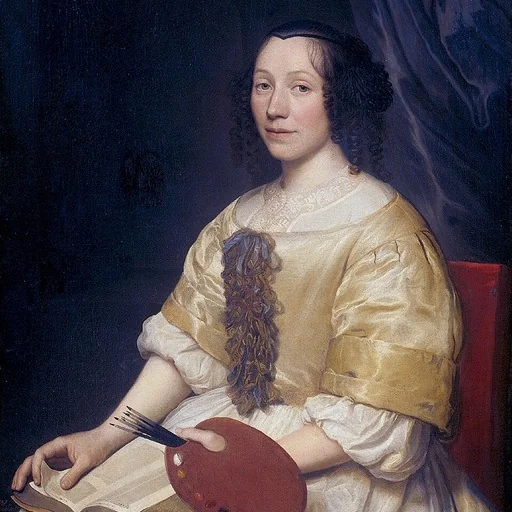
Maria van Oosterwijck (1630–1693), also spelled Oosterwyck, was a Dutch Golden Age painter, specialising in richly detailed flower paintings and other still lifes.