Artwork
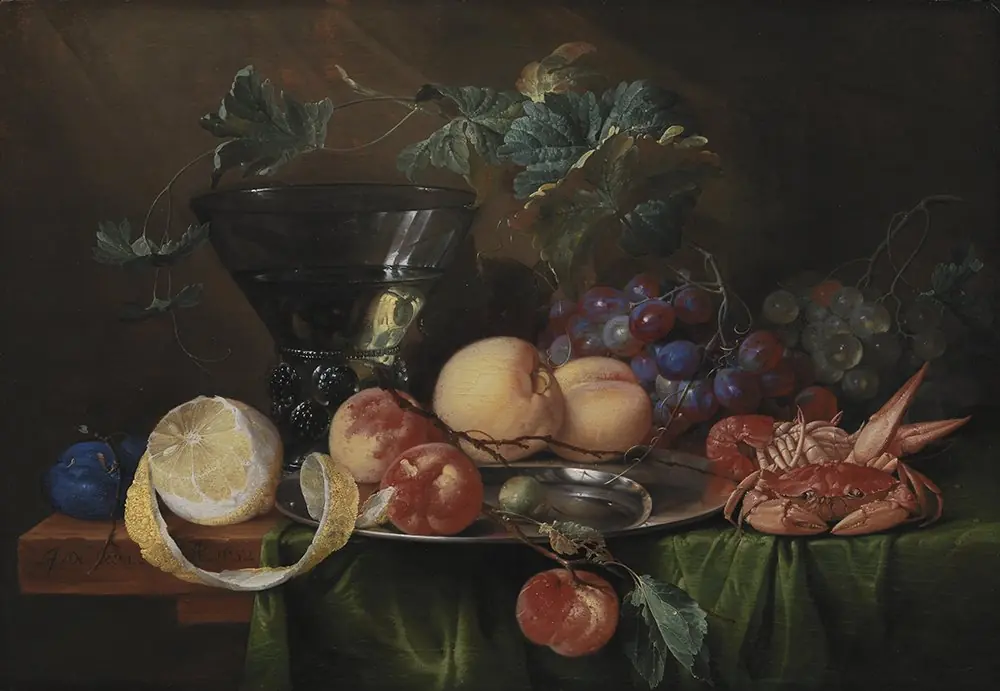
Still life with fruit
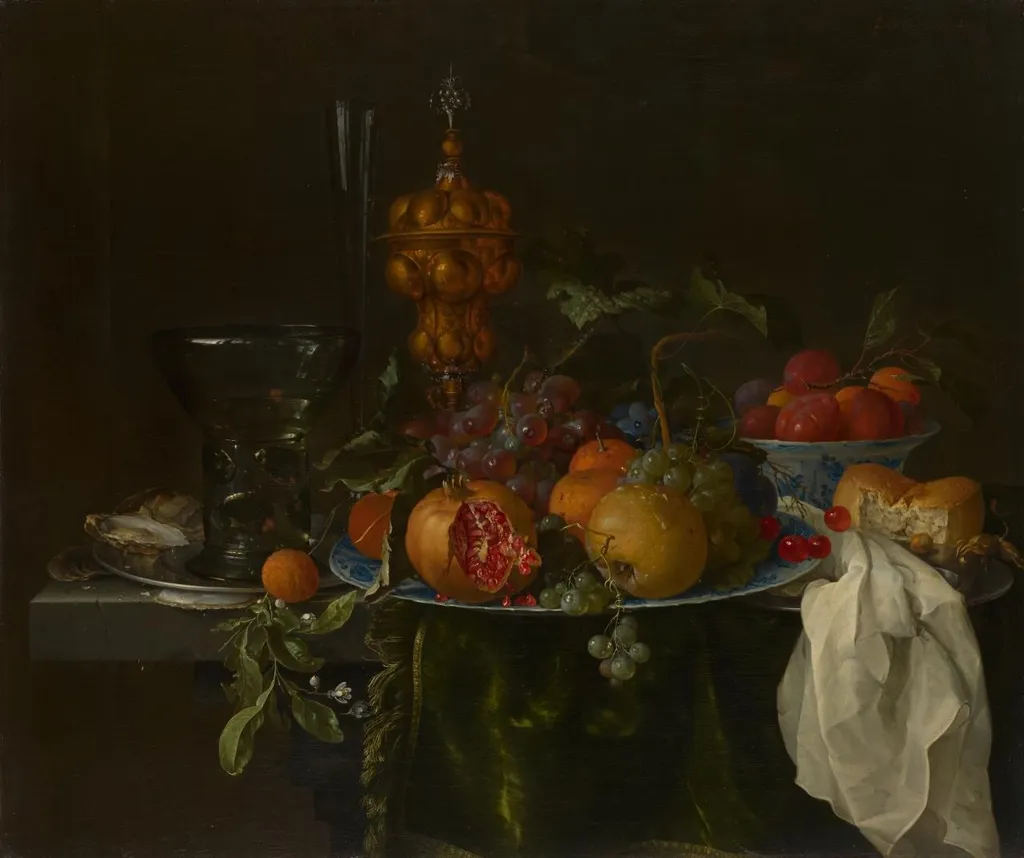
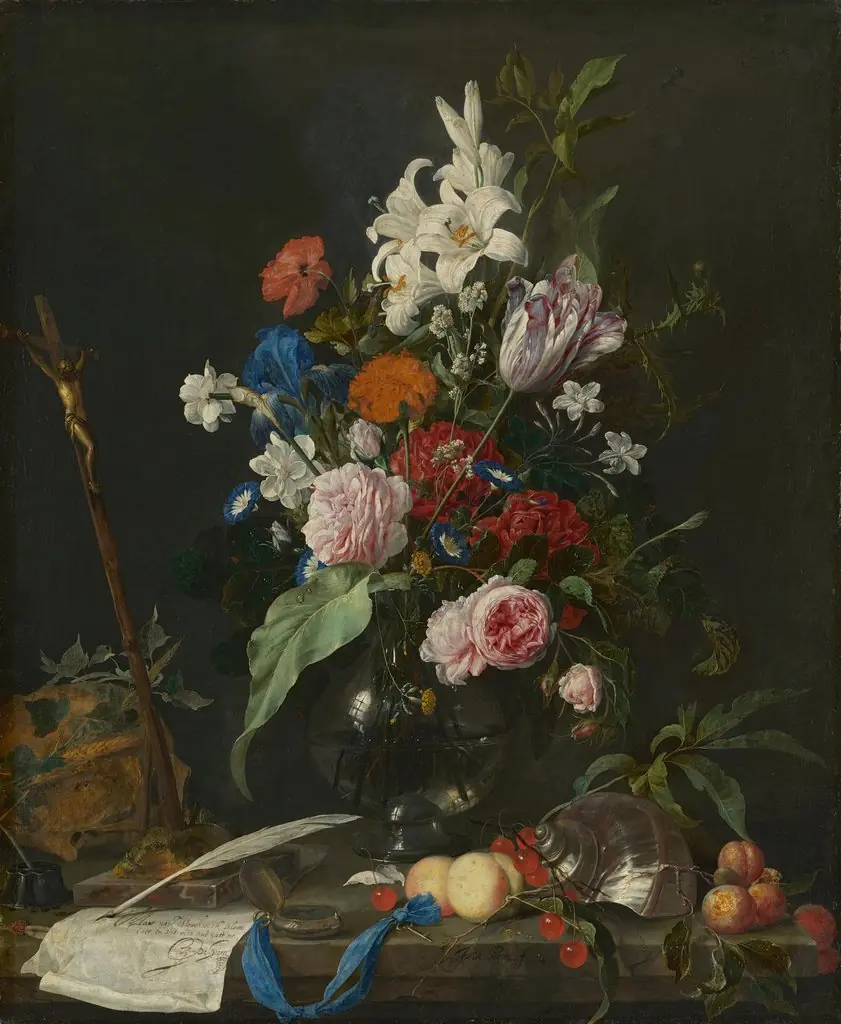
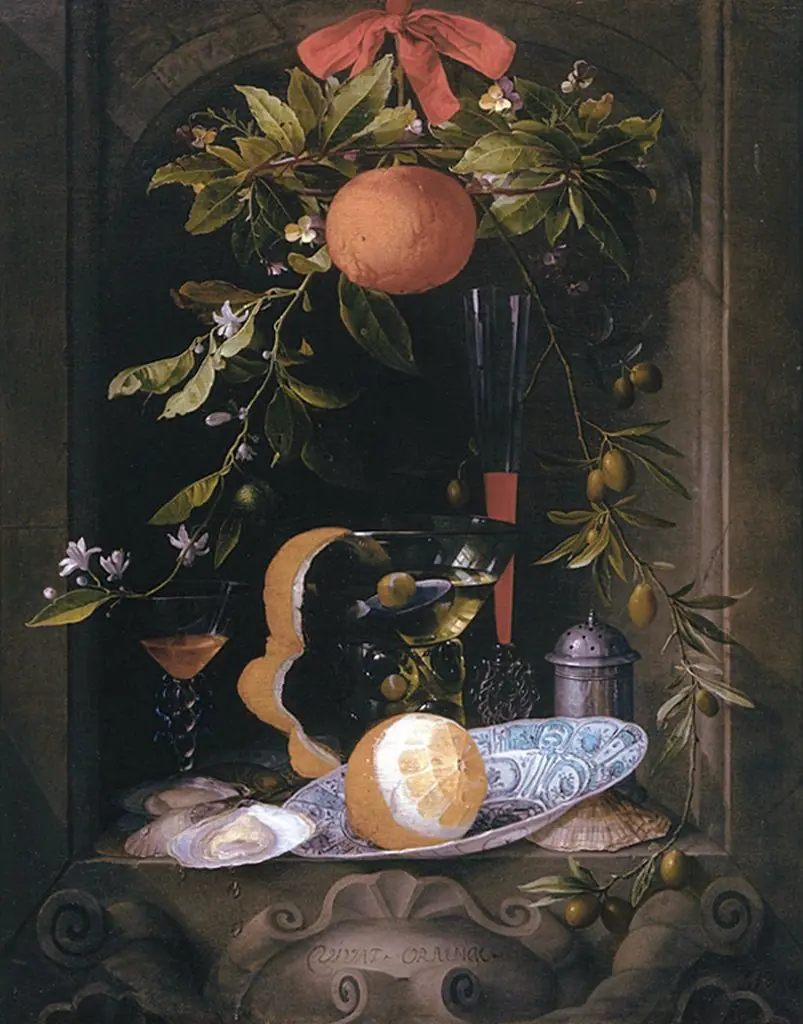
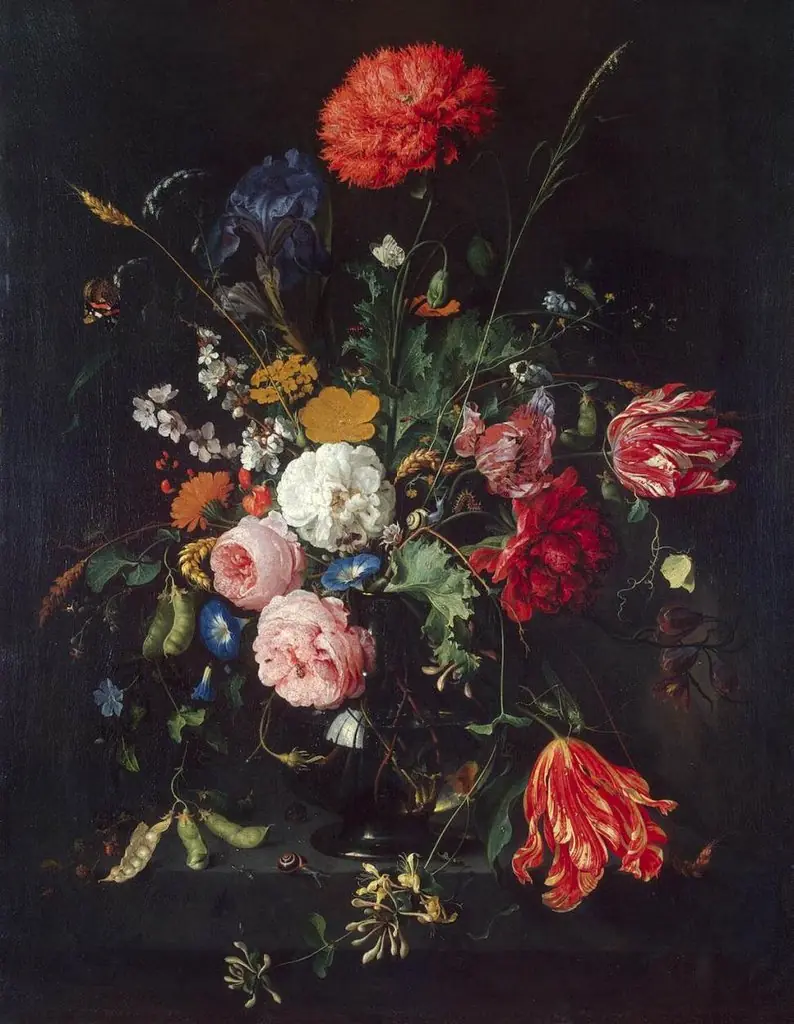
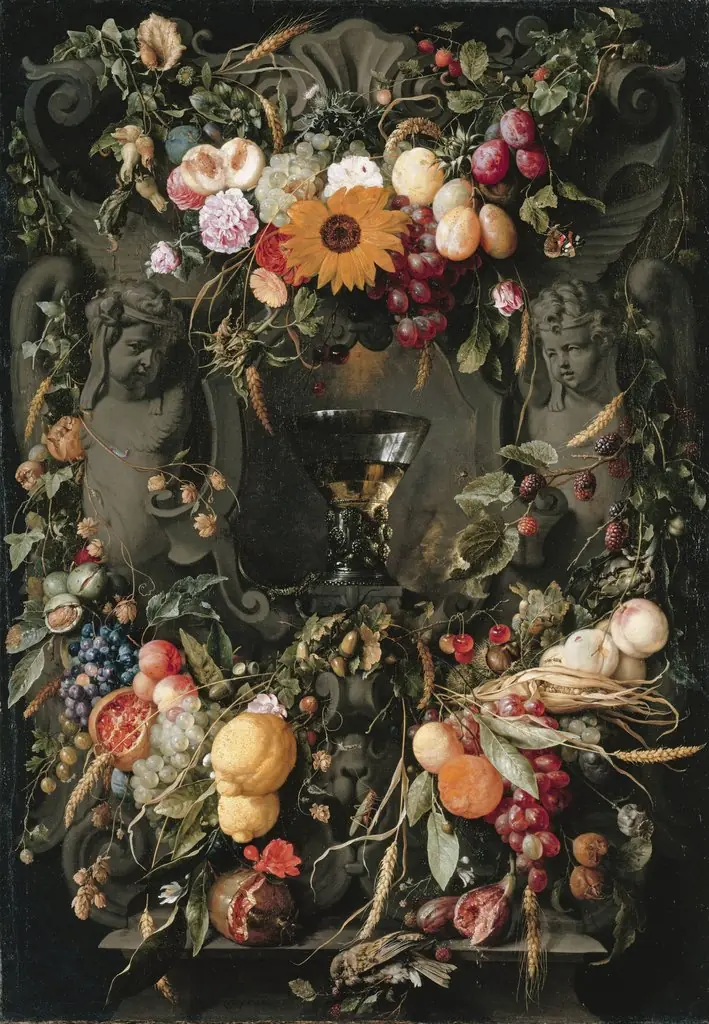
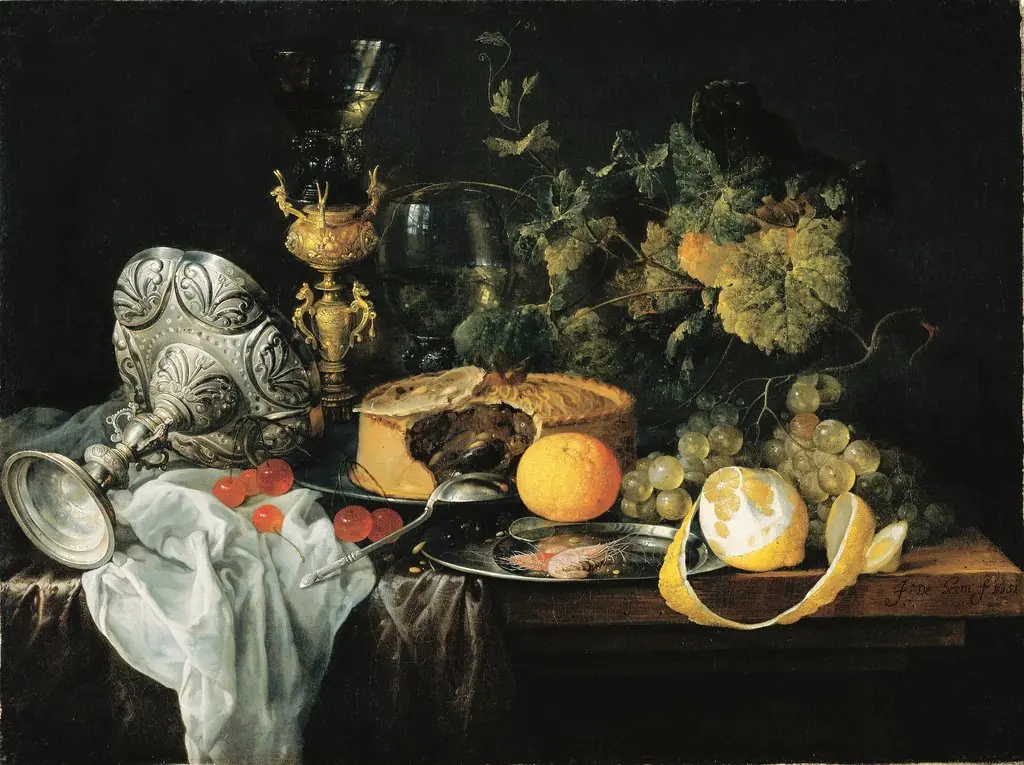
Still life with fruit is an oil painting by the Dutch Golden Age artist Jan Davidsz. de Heem. It dates from 1645 and is held in the collection of the National Gallery of Victoria. Painted in 1645, this oil on canvas work by Jan Davidsz.
About this work
Overview
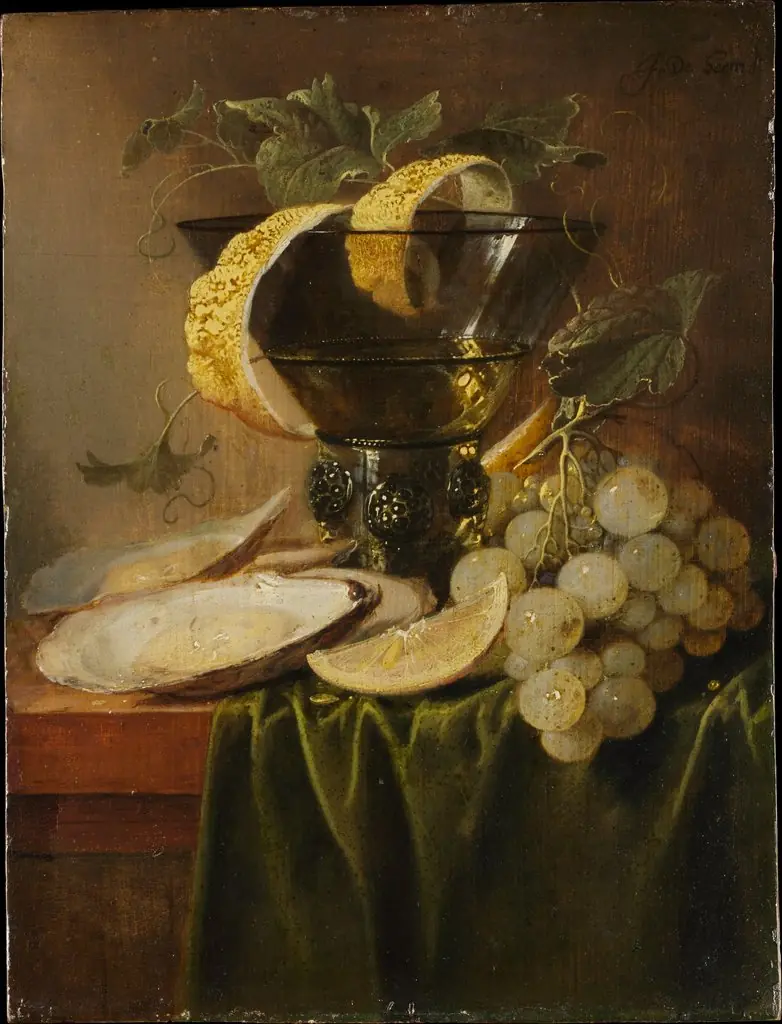
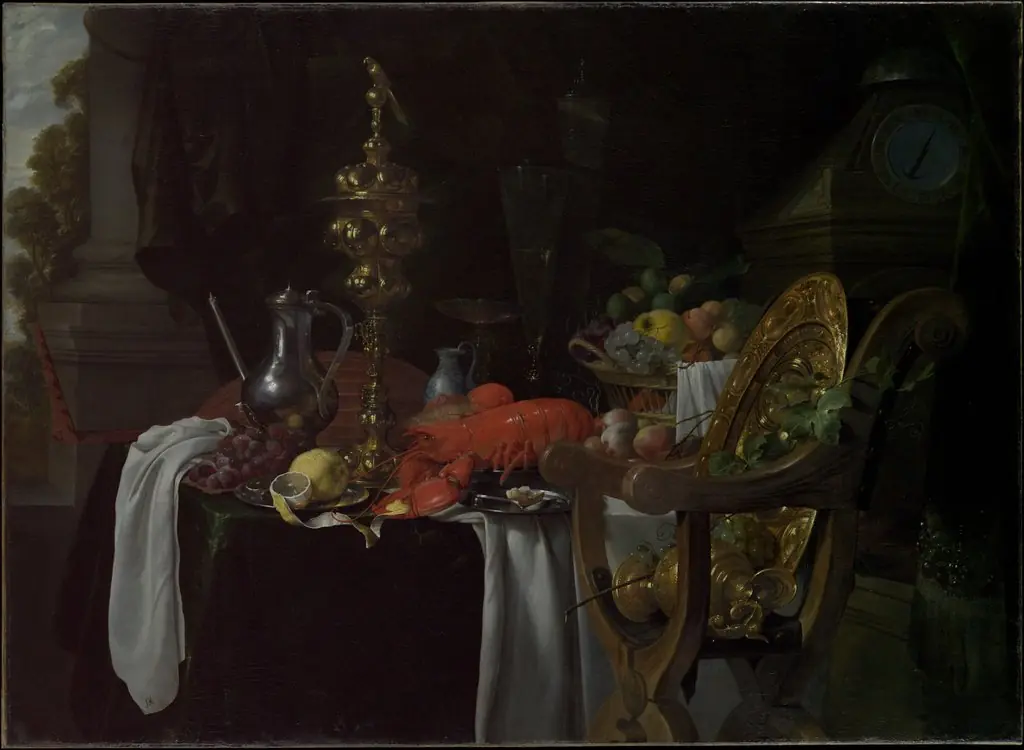
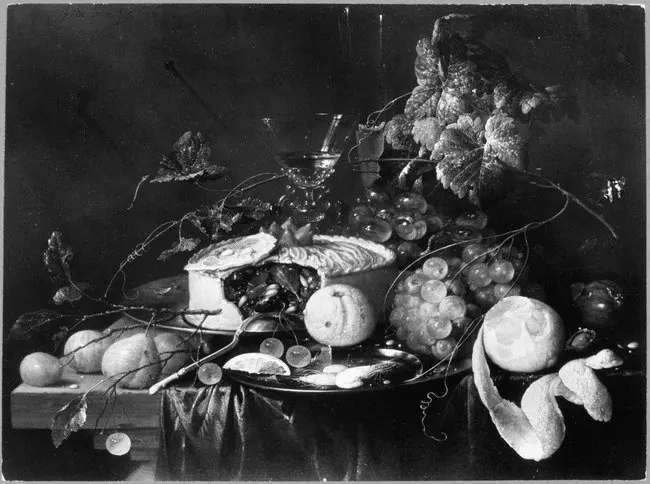
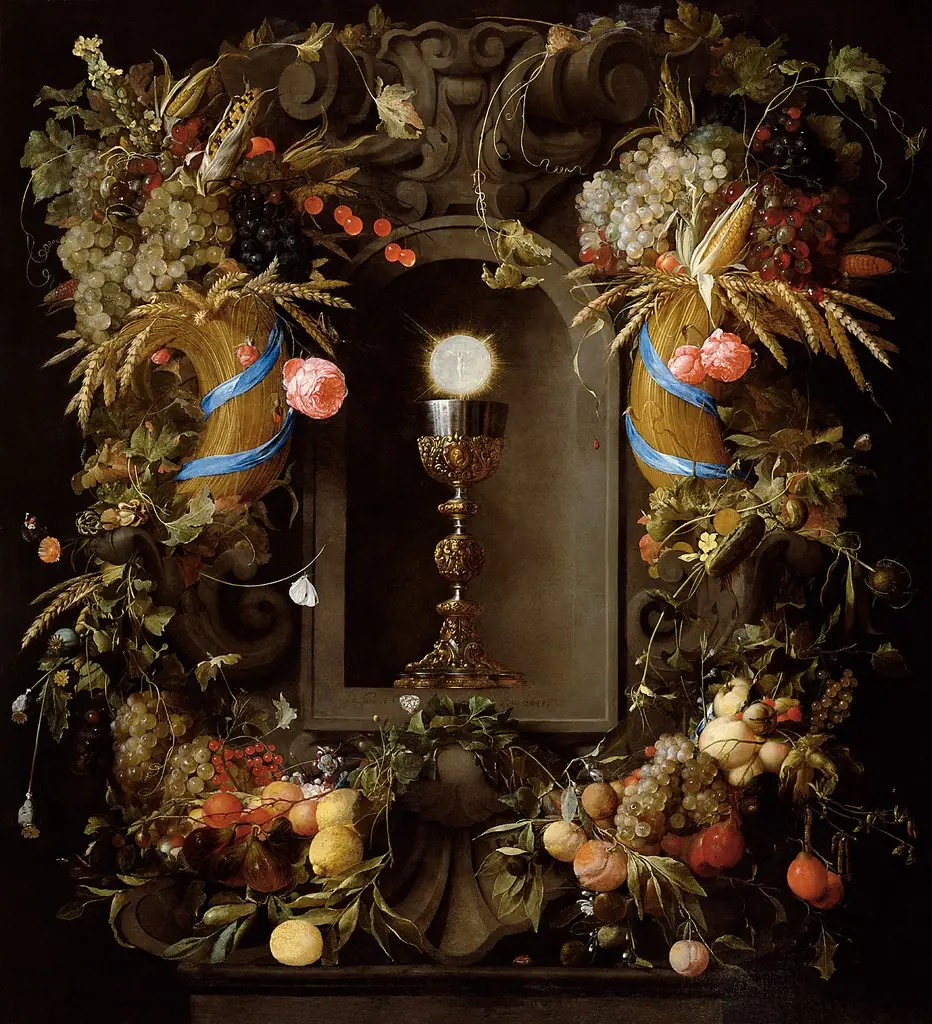
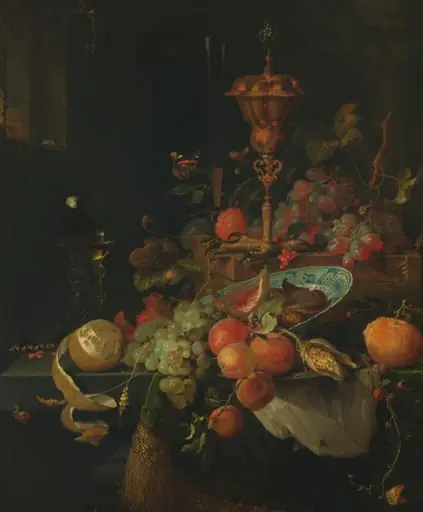
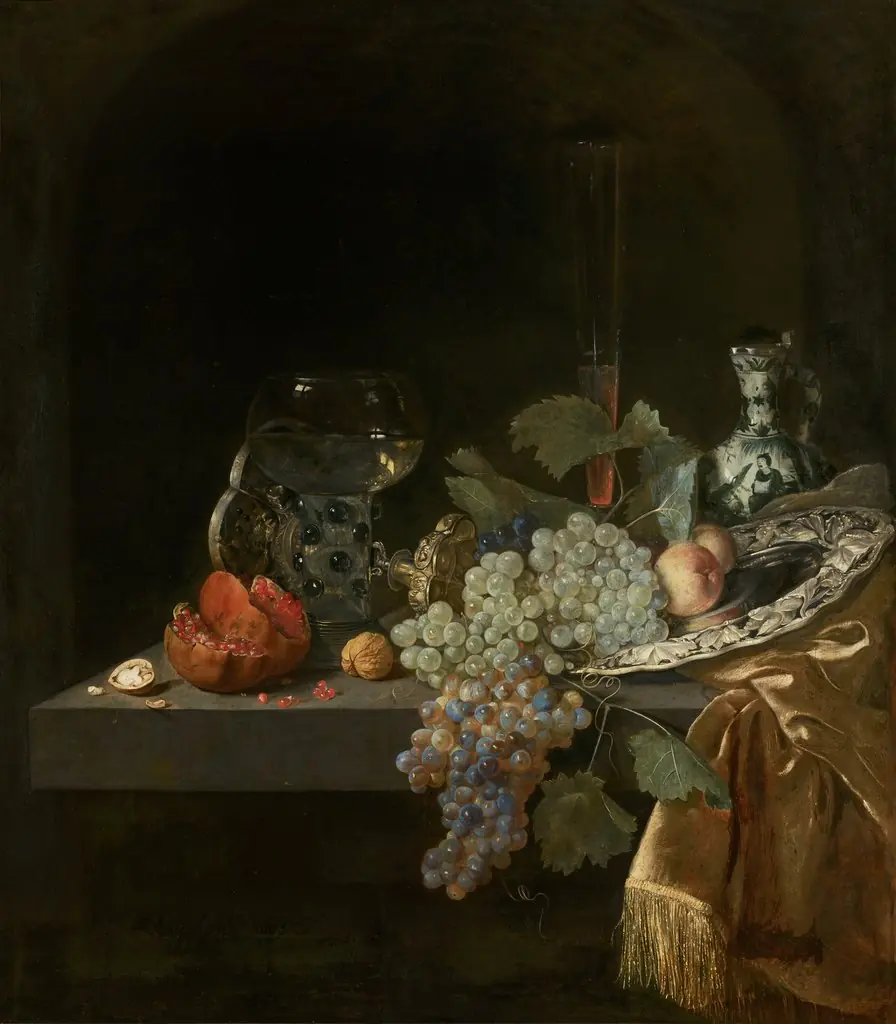
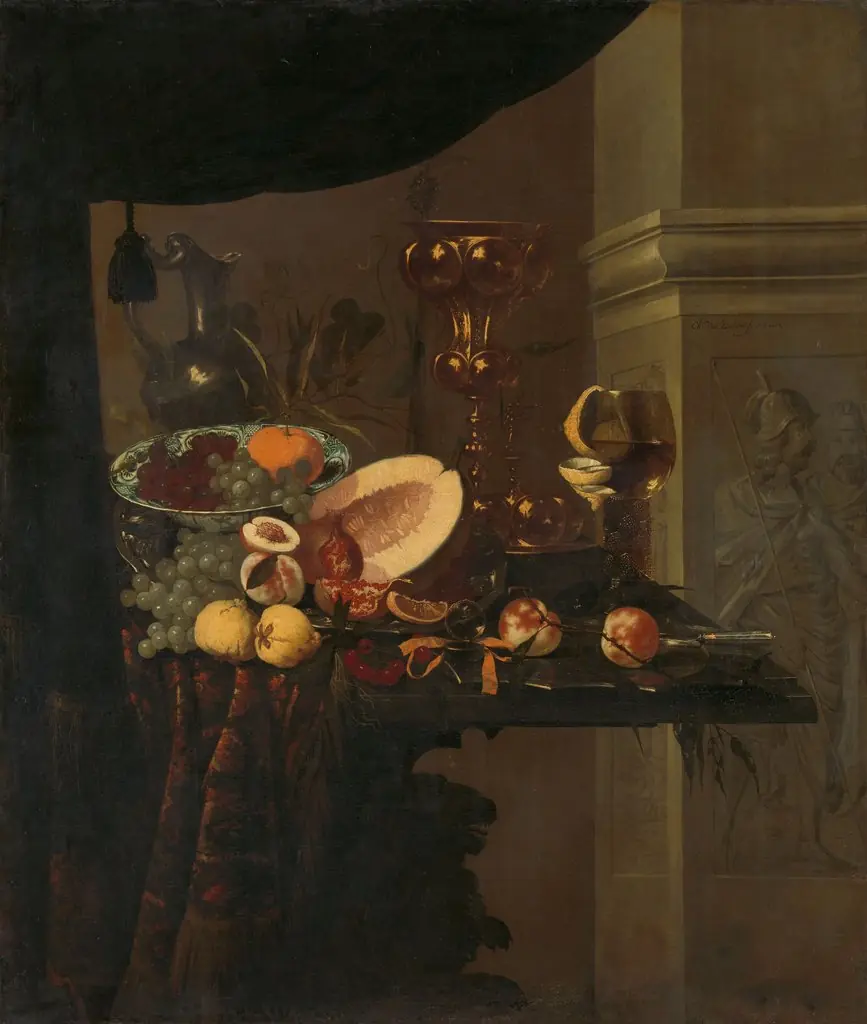
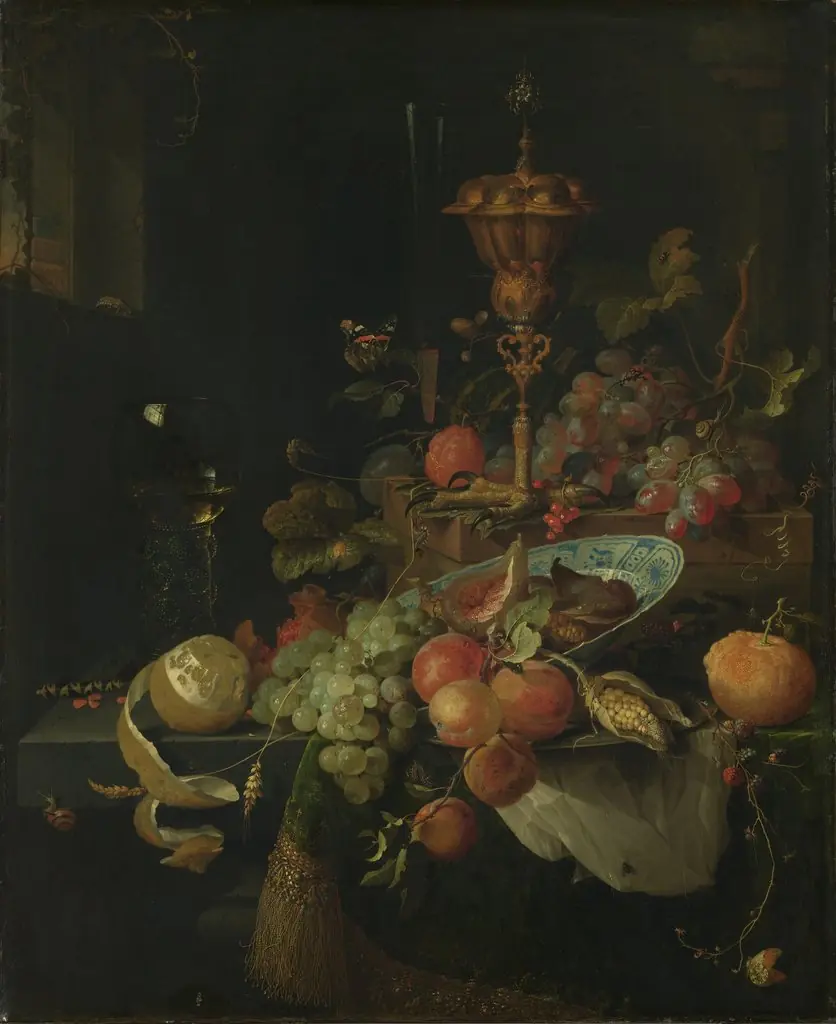
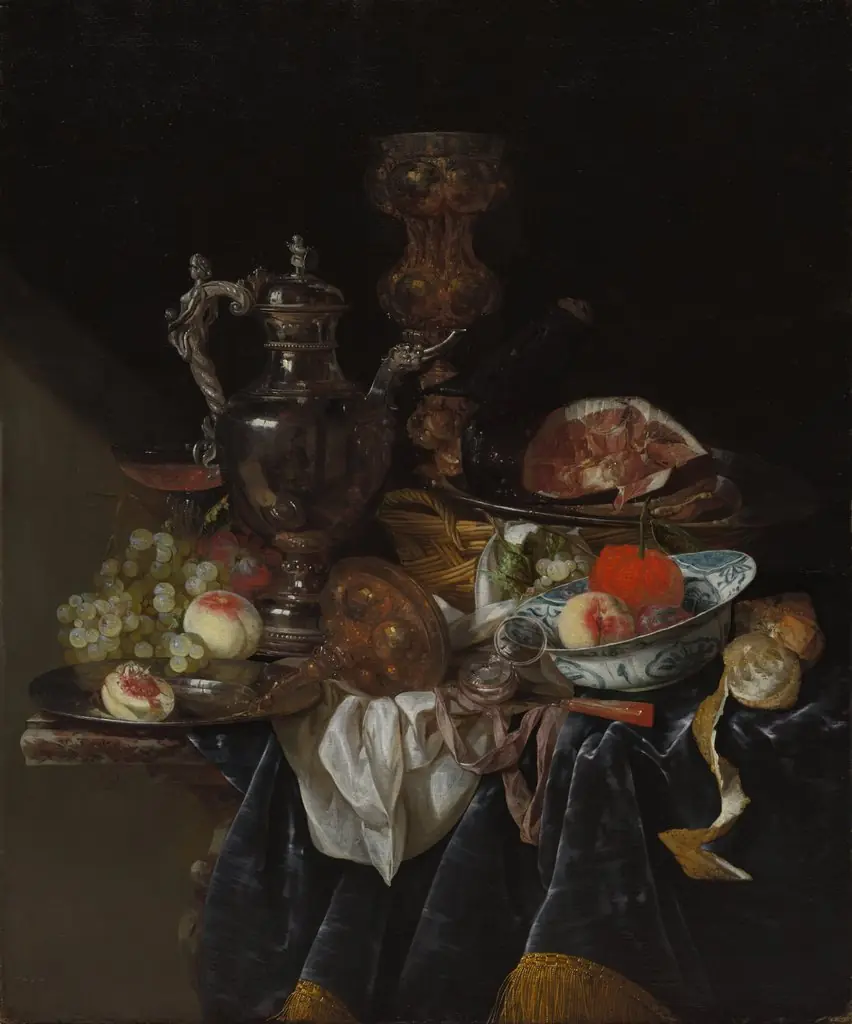
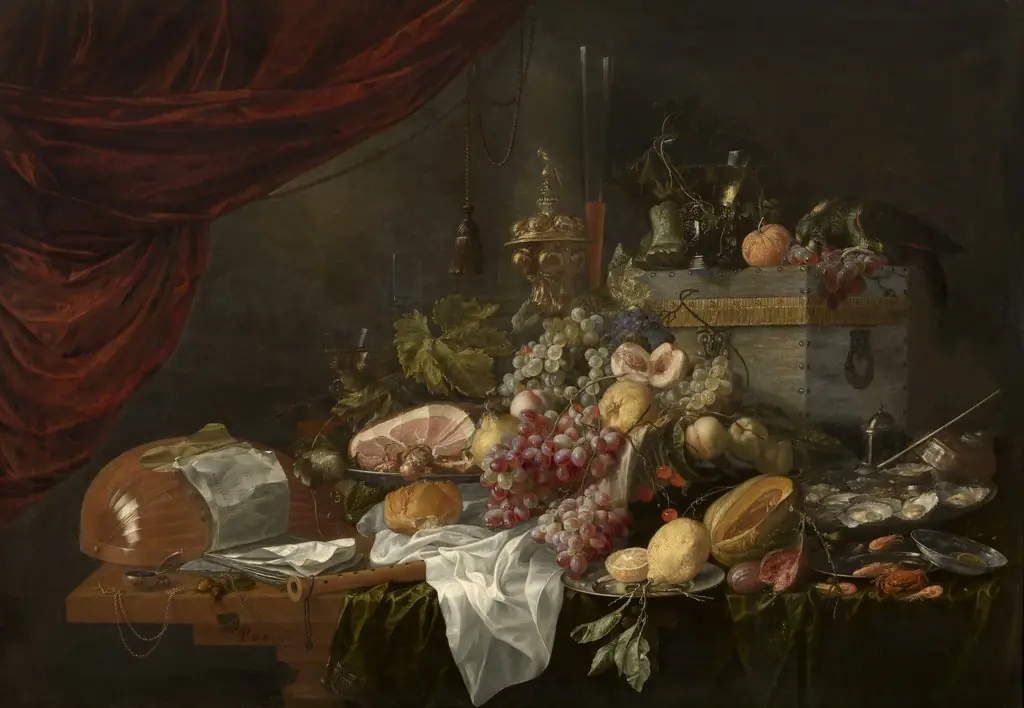
Painted in 1645, this oil on canvas work by Jan Davidsz. de Heem belongs to the Dutch Golden Age tradition of still life painting. It presents a carefully arranged assortment of seasonal fruits on a table, set against a deep, neutral background. The composition emphasizes abundance and tactile realism, hallmarks of de Heem’s approach to the genre during this period of Dutch artistic flourishing.
Subject & Meaning
The draped white cloth adds a sense of domestic order, while the variety of produce reflects global trade networks of the time.
The painting features grapes, pomegranates, and other fruits, their ripeness suggesting both harvest and transience. The draped white cloth adds a sense of domestic order, while the variety of produce reflects global trade networks of the time. Though not overtly symbolic, the work subtly evokes themes of temporality and earthly plenty, common undertones in Dutch still lifes of the mid-seventeenth century.
Technique & Style
De Heem employs chiaroscuro to model the forms of the fruit with subtle gradations of light and shadow, enhancing their three-dimensionality. Brushwork is precise yet fluid, capturing the glossy sheen of grapes and the textured rind of pomegranates. The dark background isolates the objects, directing focus to their surfaces and the play of naturalistic illumination that defines his mature style.
History & Provenance
Created during de Heem’s time in Utrecht, this painting reflects his established reputation as a leading still life artist. While its early ownership is undocumented, it entered a major European collection by the late eighteenth century. Its preservation in good condition allows continued study of de Heem’s technical methods and compositional choices from the 1640s.
Context
In mid-seventeenth-century Holland, still life painting flourished as a reflection of urban prosperity and scientific curiosity. Artists like de Heem responded to public interest in botany, trade, and optical realism. This work aligns with broader trends in Dutch art that valued meticulous observation and the aesthetic potential of everyday objects, elevated through careful arrangement and lighting.
Legacy
De Heem’s influence extended beyond his lifetime, shaping the development of still life in both the Netherlands and Flanders. His integration of naturalism with compositional harmony became a reference point for later painters. This painting remains a representative example of how Dutch artists transformed humble subjects into enduring studies of form, light, and material presence.
Artist & collection
Artist
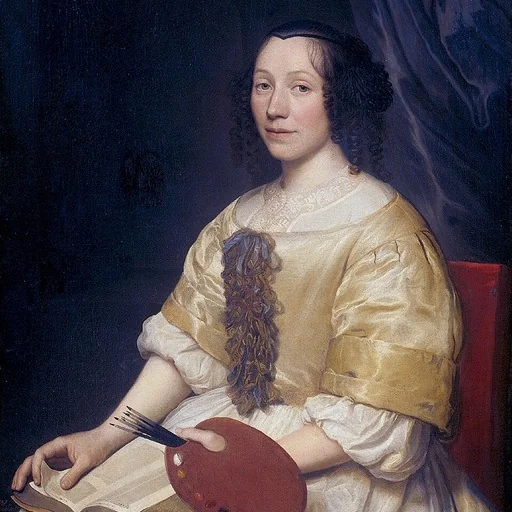
Maria van Oosterwijck (1630–1693), also spelled Oosterwyck, was a Dutch Golden Age painter, specialising in richly detailed flower paintings and other still lifes.