Artwork
The Corpses of the De Witt Brothers
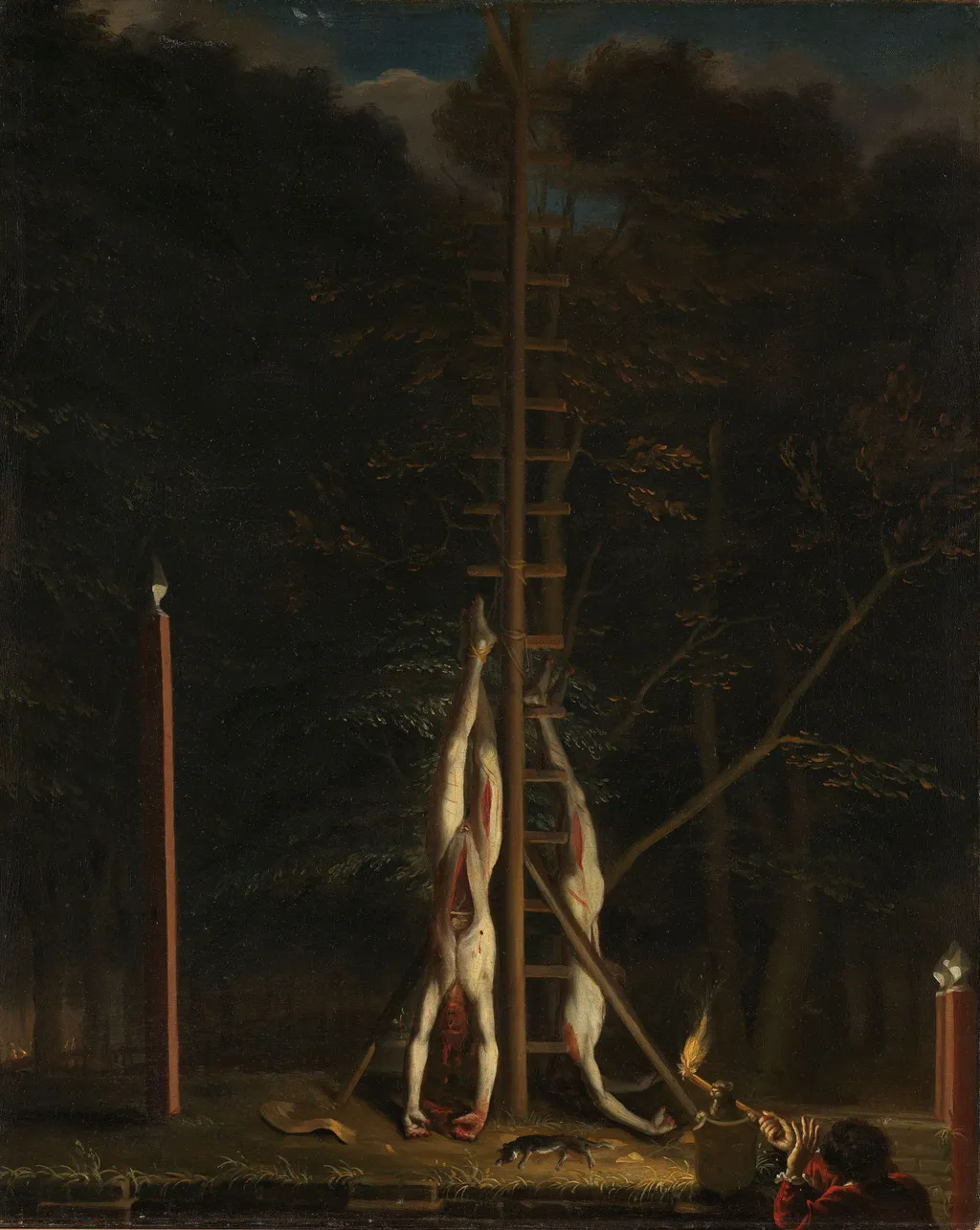
The Corpses of the De Witt Brothers is an oil painting by the Dutch Golden Age artist Jan de Baen. It dates from 1673 and is held in the collection of the Rijksmuseum.
About this work
Overview
Jan de Baen’s oil on canvas, executed between 1672 and 1675, portrays the gruesome aftermath of a political murder. The work, now housed in Amsterdam’s Rijksmuseum, captures the bodies of the De Witt brothers suspended upside down on a wooden post at the Groene Zoodje, the execution site before The Hague’s Gevangenpoort.
Subject & Meaning
The composition records the brutal killing of Johan and Cornelis de Witt, prominent Dutch statesmen. Their lifeless forms, arms outstretched, convey both the physical violence inflicted and a stark, unsettling calm, suggesting a commentary on the fragility of power and the public nature of political retribution in the 17th‑century Dutch Republic.
Technique & Style
De Baen employs a pronounced chiaroscuro, allowing limited illumination to fall on the brothers’ faces and hands while the surrounding darkness engulfs the scene. The contrast of light against the shadowed backdrop, the subtle glow of a nearby fire, and the stark rendering of rope and wood heighten the painting’s dramatic tension.
History & Provenance
Created shortly after the 1672 lynching, the painting entered the Rijksmuseum’s collection as part of its Dutch Golden Age holdings. Its survival offers a rare visual record of a contemporary event, preserving both artistic and historical perspectives on the episode.
Context
The De Witt brothers’ deaths occurred during the political upheaval of the Rampjaar, when the Republic faced external threats and internal dissent. By situating the bodies before the Gevangenpoort, de Baen anchors the tragedy within a recognizable civic space, underscoring the intersection of public justice and mob violence.
Own this work as a print
Artist & collection
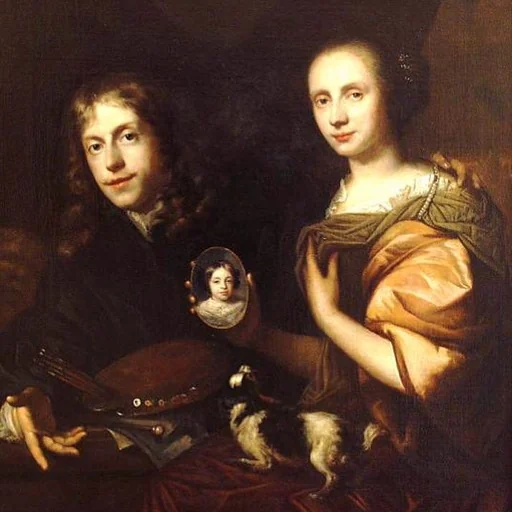
Artist
Jan de Baen (20 February 1633 – 1702) was a Dutch portrait painter who lived during the Dutch Golden Age.

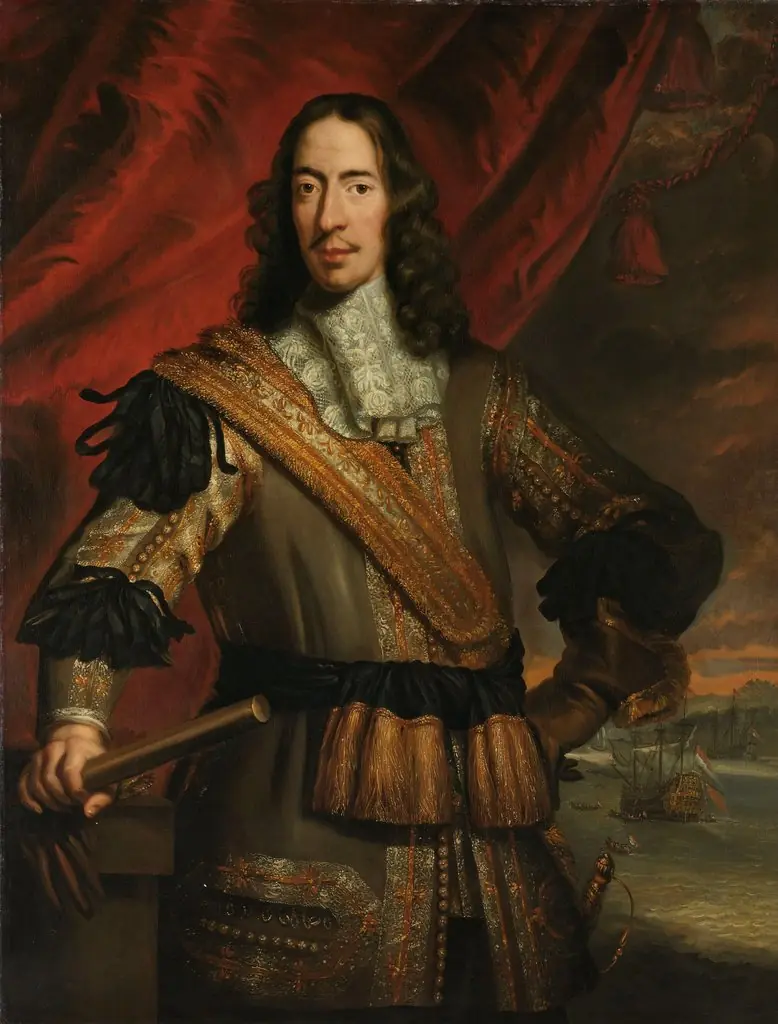 Portrait of Cornelis de Witt (1623-72), Burgomaster of Dordrecht and lord lieutenant of Putten
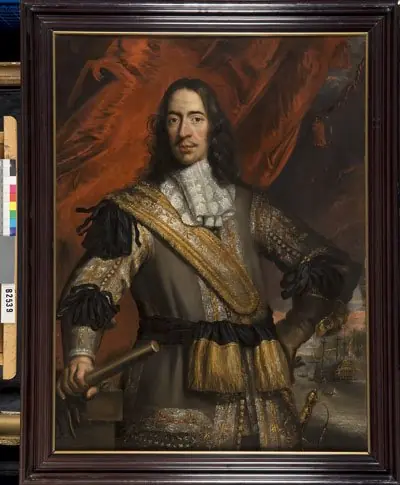 Portrait of Cornelis de Witt (1623-1672)
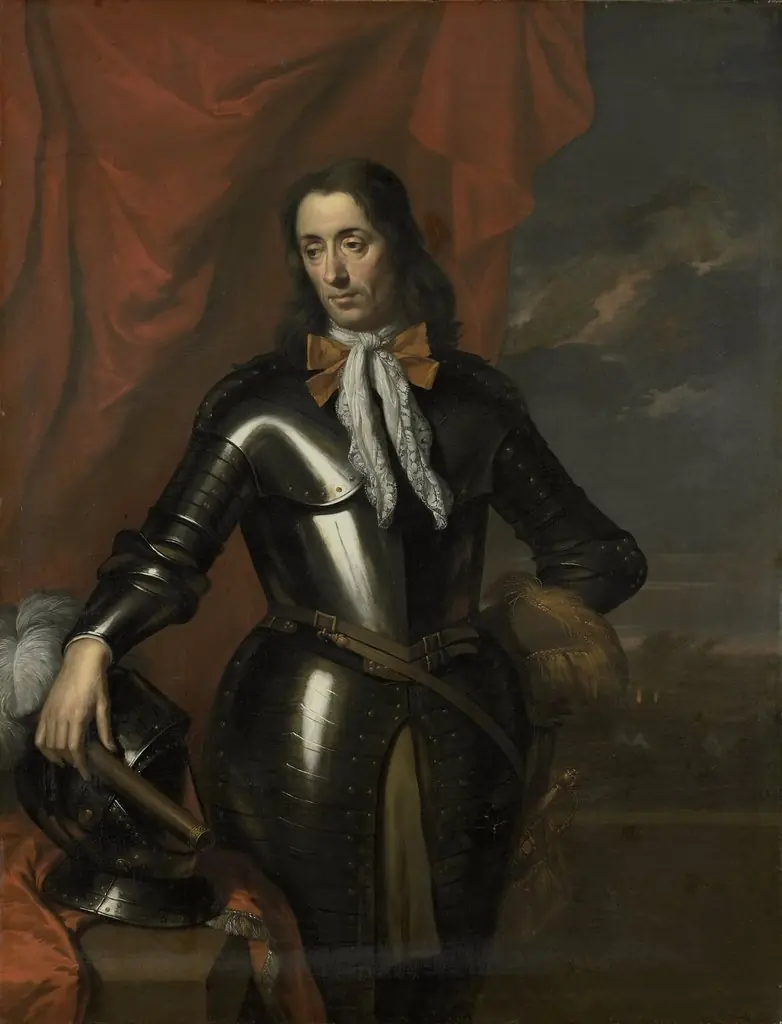 Portrait of Isaac de l'Ostal de Saint-Martin (ca 1629-96), governor of the Dutch East Indies and commander of the garrison at Batavia
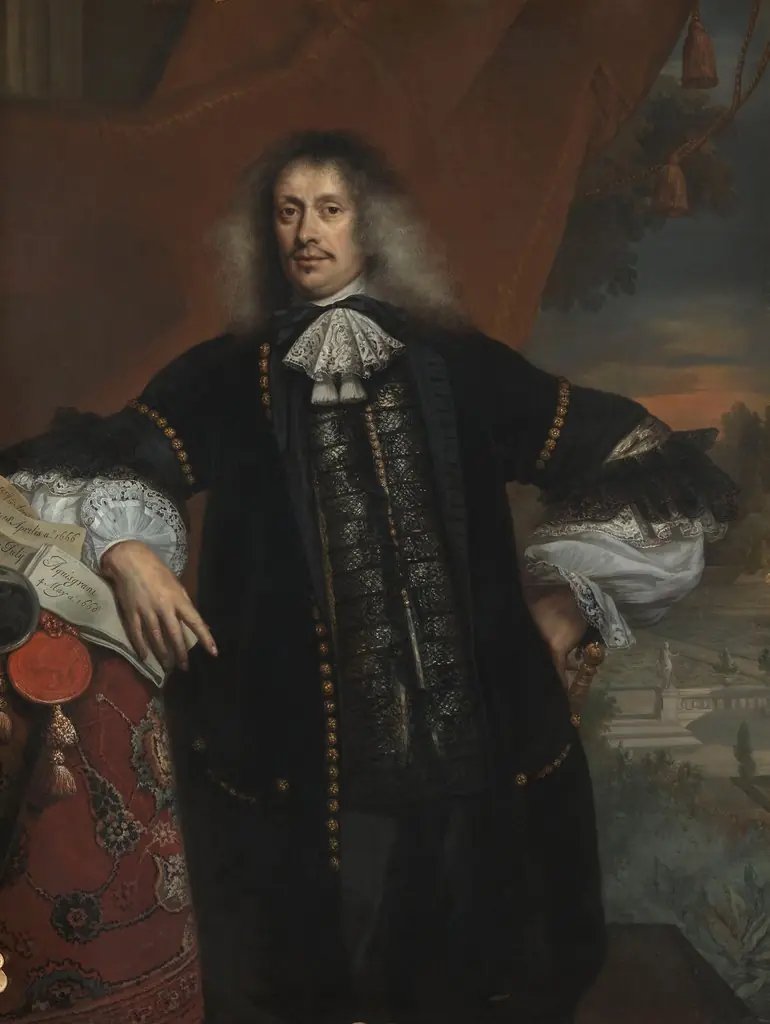 Hieronymus van Beverningk
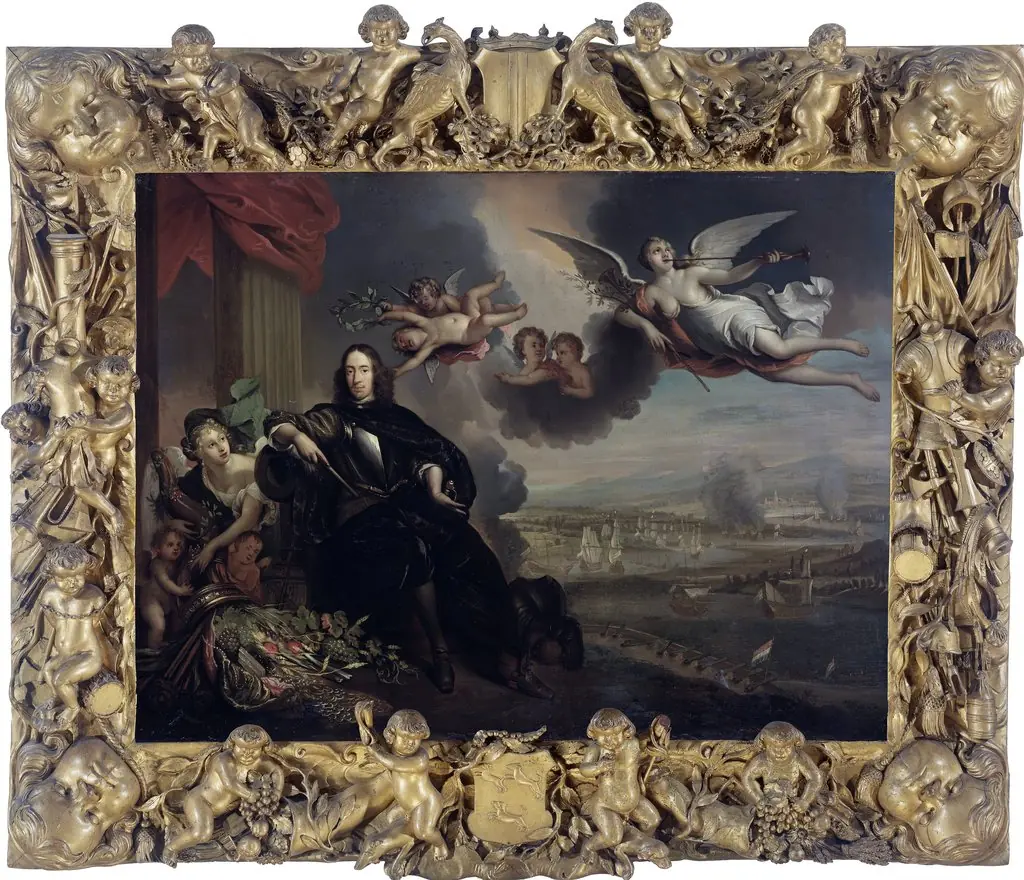 The apotheosis of Cornelis de Witt, with the raid on Chatham in the background