Artwork
Hieronymus van Beverningk
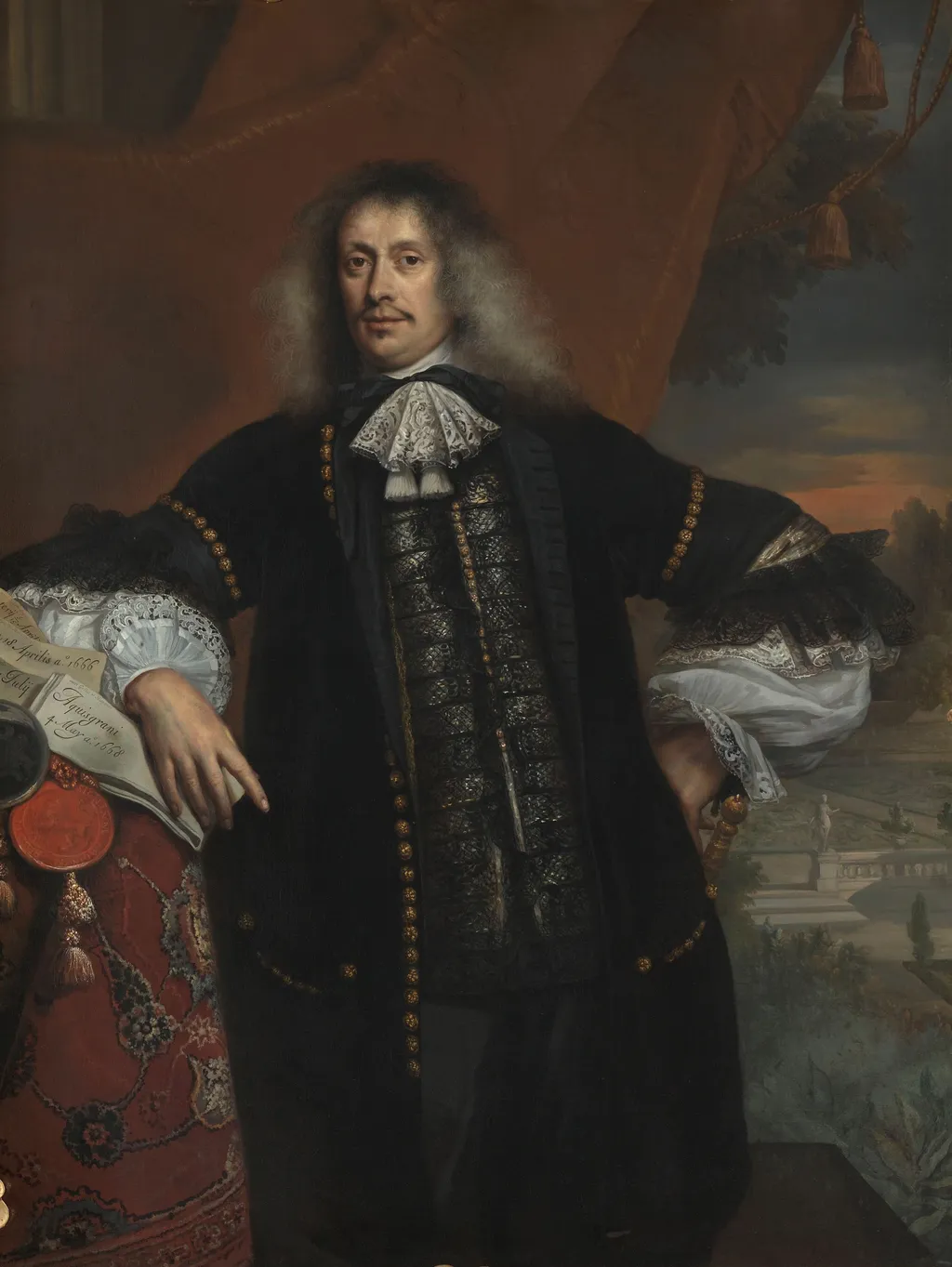
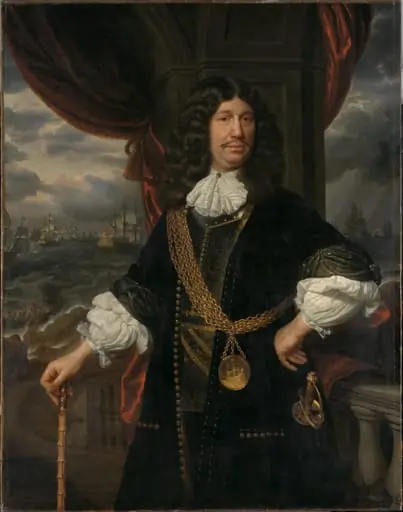
Hieronymus van Beverningk is an oil painting by the Dutch Golden Age artist Jan de Baen. It dates from 1670 and is held in the collection of the Rijksmuseum.
About this work
Overview
Jan de Baen’s oil-on-canvas portrait, executed in 1670, presents the Dutch statesman Hieronymus van Beverningh. The work belongs to the Rijksmuseum’s collection and exemplifies the portraiture typical of the Dutch Golden Age, combining a formal pose with a richly detailed costume.
Subject & Meaning
Hieronymus van Beverningh, a prominent political figure of mid‑17th‑century Holland, is shown in full regalia, emphasizing his status and civic authority. The inclusion of a feathered hat and a decorative sash underscores his rank, while the distant landscape hints at his connection to trade and maritime power.
Technique & Style
De Baen employs a restrained chiaroscuro, allowing the sitter’s face to emerge from a darkened backdrop. Fine brushwork renders the velvet coat’s gold stitching, lace collar, and jeweled chain, while the soft modeling of the wig and the subtle gradations of light convey a tactile realism characteristic of Dutch portraiture.
History & Provenance
The painting was created after de Baen settled in The Hague, where he served an elite clientele. It entered the Rijksmuseum’s holdings through 19th‑century acquisitions aimed at documenting the period’s political elite, and it has remained in the museum’s collection since.
Context
Produced during a period when Dutch portraiture celebrated civic leaders, the work reflects the broader cultural emphasis on individual achievement and public service. De Baen’s training under Jacob Adriaensz Backer and his experience at the English court informed his polished, courtly style, evident in the portrait’s refined details.
Artist & collection
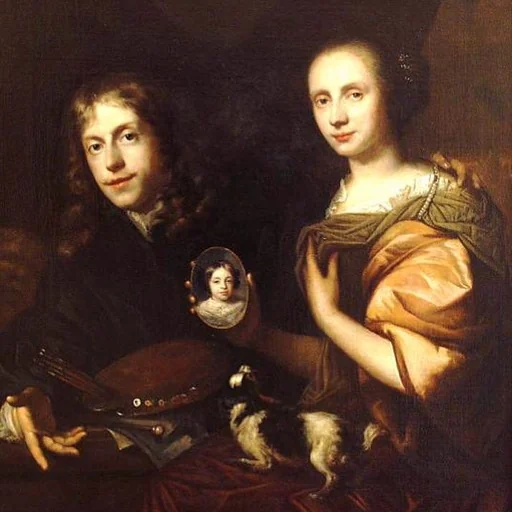
Artist
Jan de Baen (20 February 1633 – 1702) was a Dutch portrait painter who lived during the Dutch Golden Age.

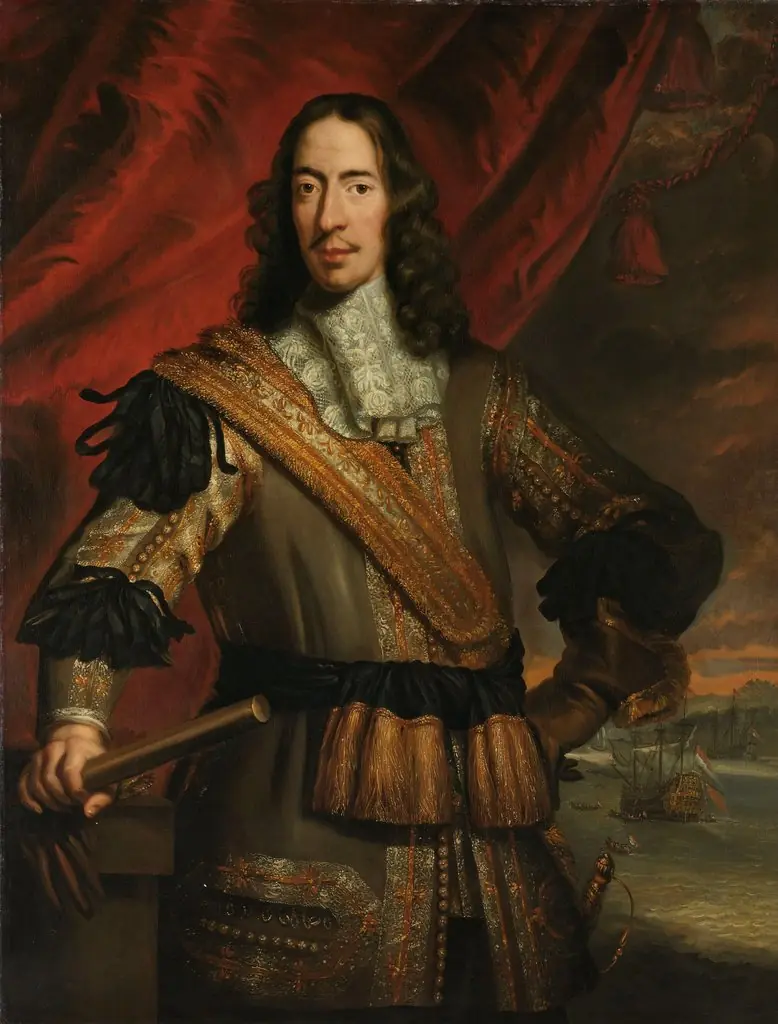 Portrait of Cornelis de Witt (1623-72), Burgomaster of Dordrecht and lord lieutenant of Putten
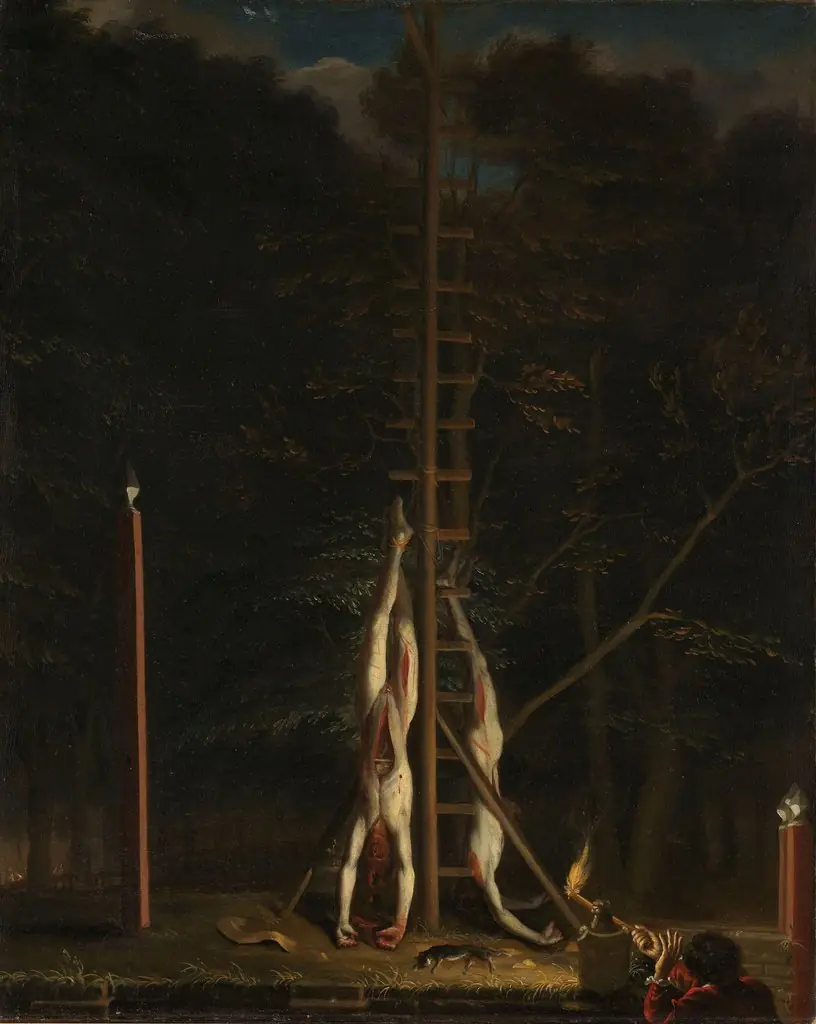 The Corpses of the De Witt Brothers
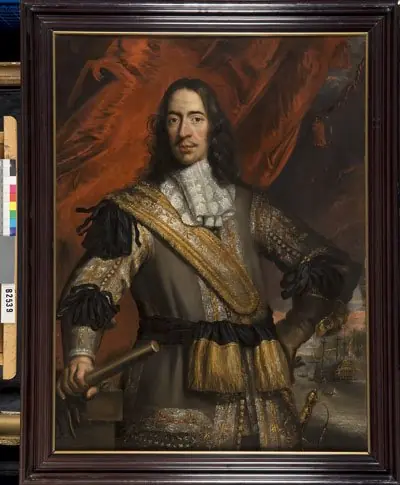 Portrait of Cornelis de Witt (1623-1672)
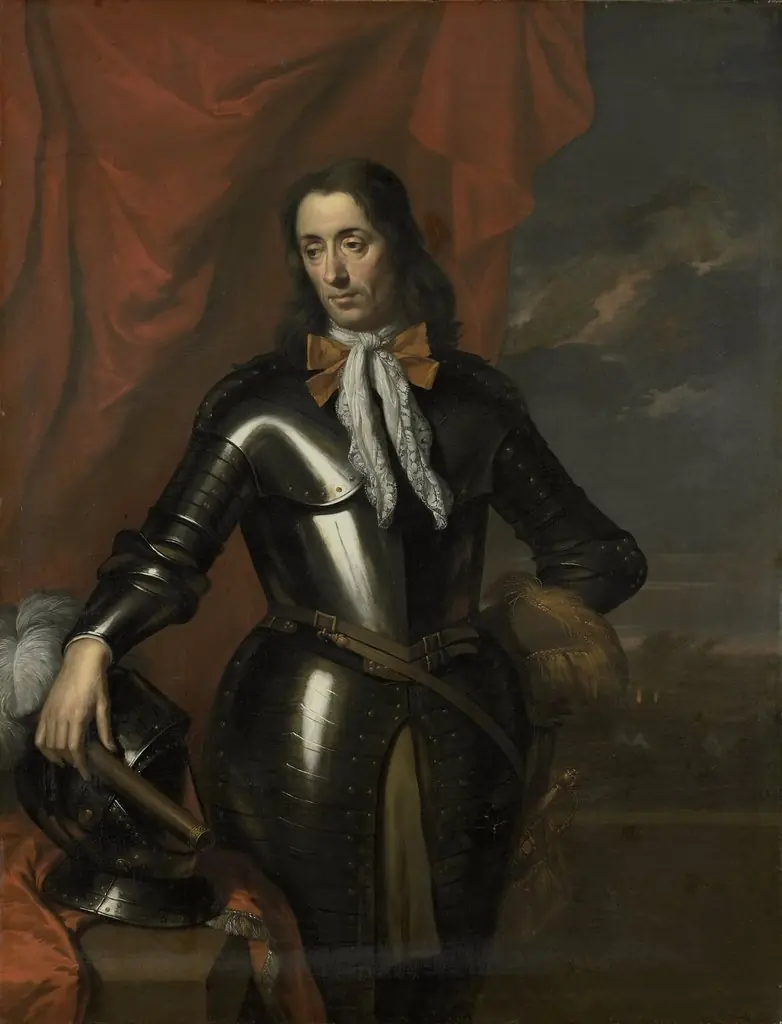 Portrait of Isaac de l'Ostal de Saint-Martin (ca 1629-96), governor of the Dutch East Indies and commander of the garrison at Batavia
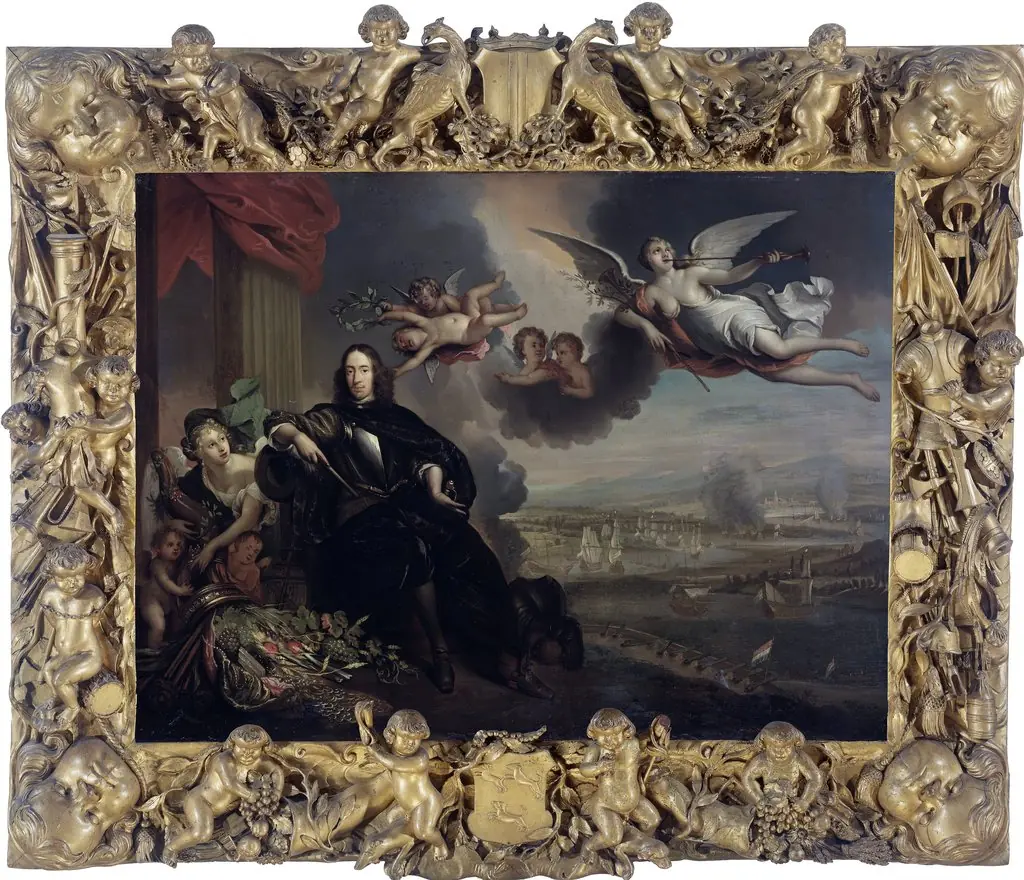 The apotheosis of Cornelis de Witt, with the raid on Chatham in the background