Artwork
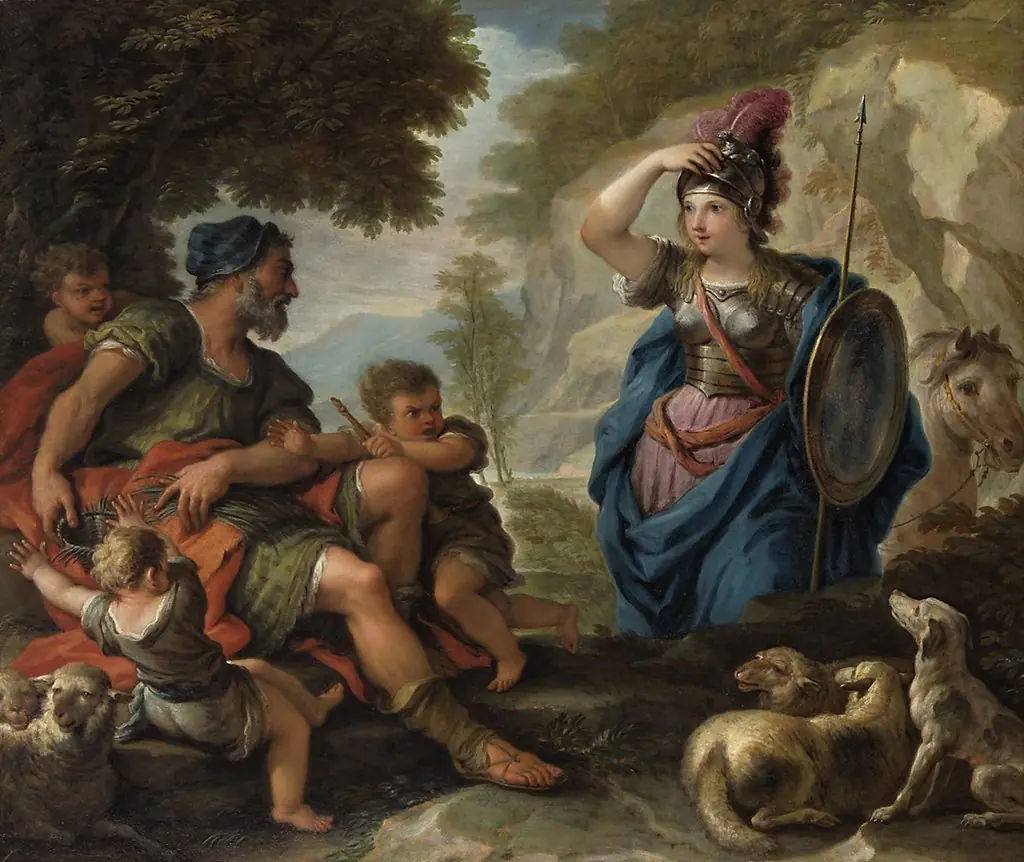
Erminia and the shepherds
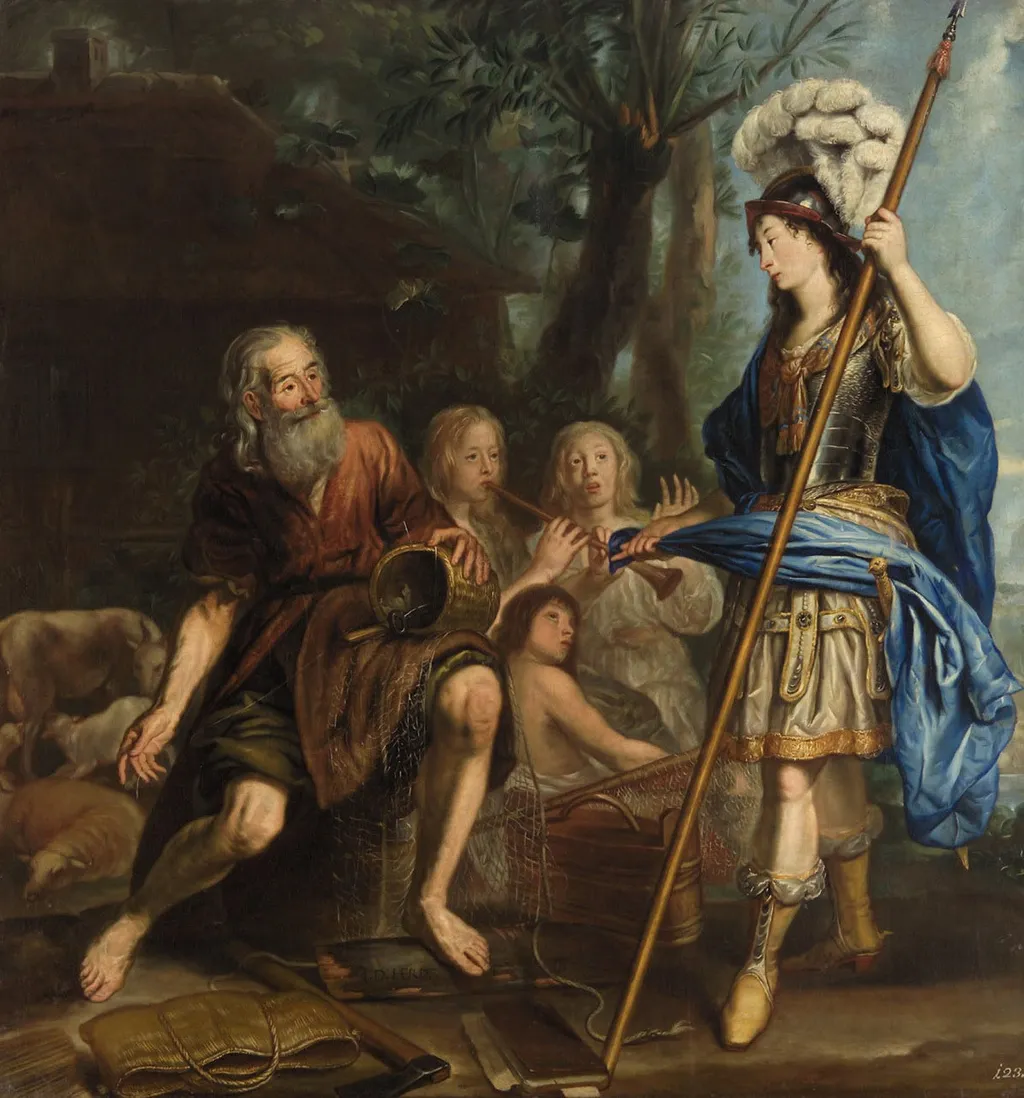
Erminia and the shepherds is an oil painting by the Flemish Baroque painting artist Jan de Herdt. It dates from 1667 and is held in the collection of the Kunsthistorisches Museum.
About this work
Overview
Erminia and the Shepherds, executed in oil in 1667, exemplifies the Flemish Baroque style. The canvas is part of the collection of the Kunsthistorisches Museum, reflecting the artist’s engagement with mythological subjects alongside his more frequent portrait commissions.
Subject & Meaning
The composition depicts Erminia, a figure from classical mythology, surrounded by shepherds, suggesting a narrative drawn from epic poetry. The pastoral setting and interaction between the heroine and the rustic figures convey themes of innocence, protection, and the juxtaposition of noble lineage with rural life.
Technique & Style
De Herdt employs the rich coloration and dynamic lighting typical of Baroque painting, using chiaroscuro to model forms and create depth. The brushwork balances detailed rendering of fabrics and foliage with broader, more fluid strokes in the background, highlighting his Antwerp training.
History & Provenance
Born in the Southern Netherlands, Jan de Herdt trained in Antwerp before establishing a career across central Europe. While primarily known for portraiture, he also produced works for aristocratic and ecclesiastical patrons, including this mythological piece, which entered the Kunsthistorisches Museum’s holdings in the 20th century.
Artist & collection
Artist
Jan de Herdt, in Italy also called Il fiammingo (Antwerp, c. 1620 – between 1686 and 1690) was a Flemish painter and draughtsman. After training in Antwerp, he spent his entire career abroad, first in Northern Italy and…

 Erminia ja paimenet
 Meeting of Isaac and Rebeca
 The Levite at Gibeah
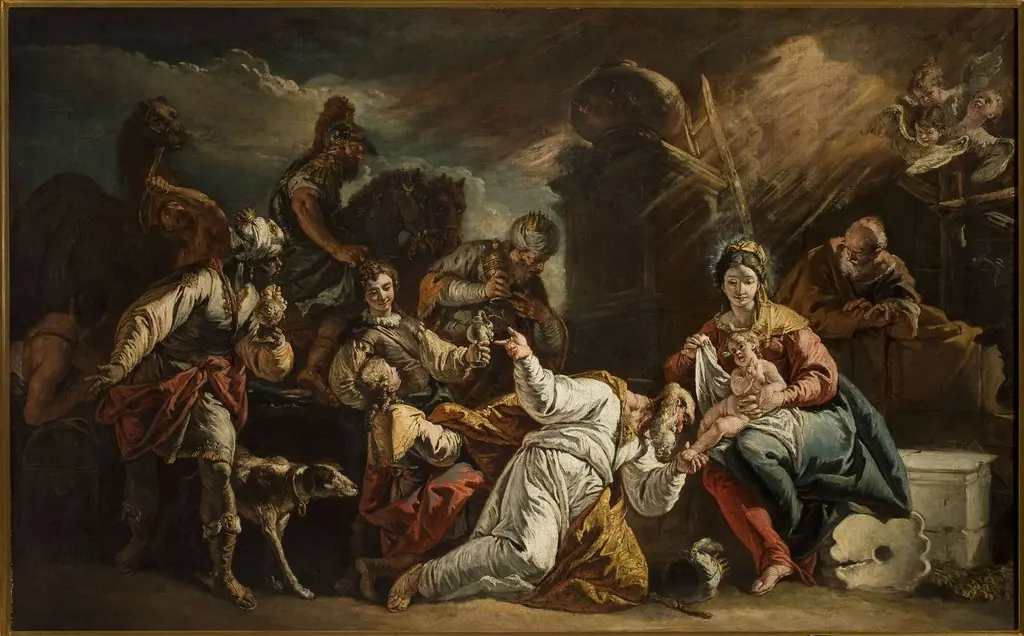 Adoration of the Magi
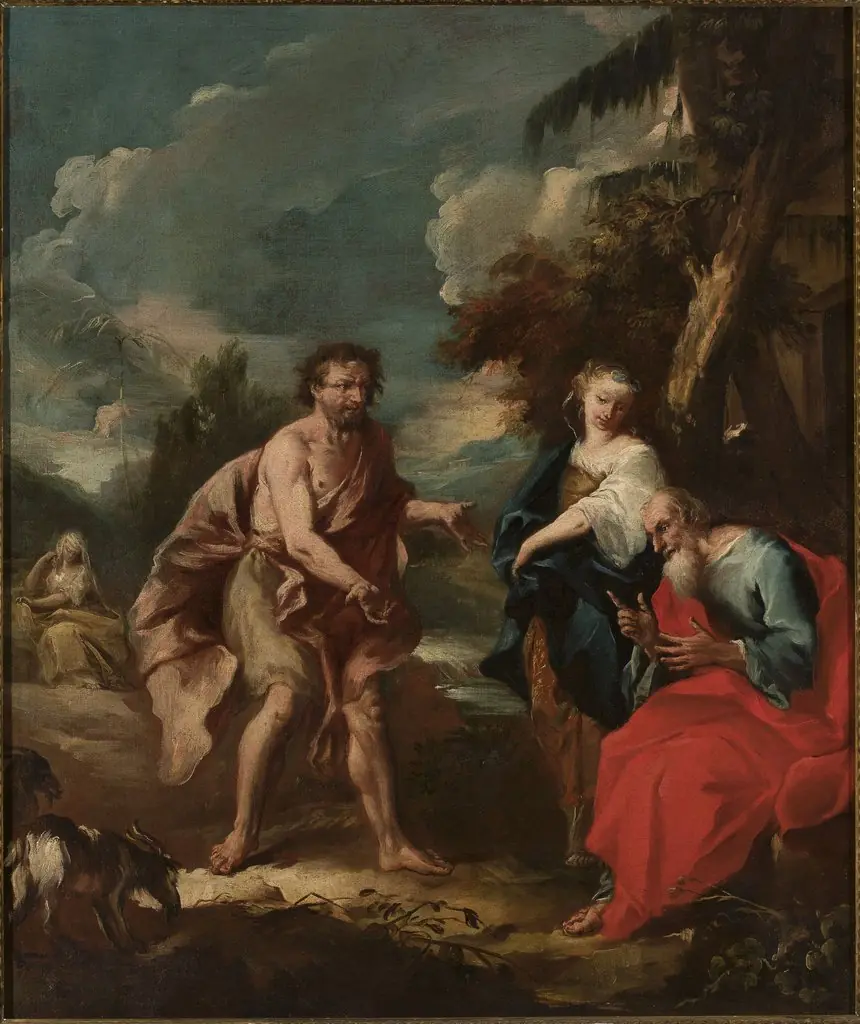 Jacob and Rachel
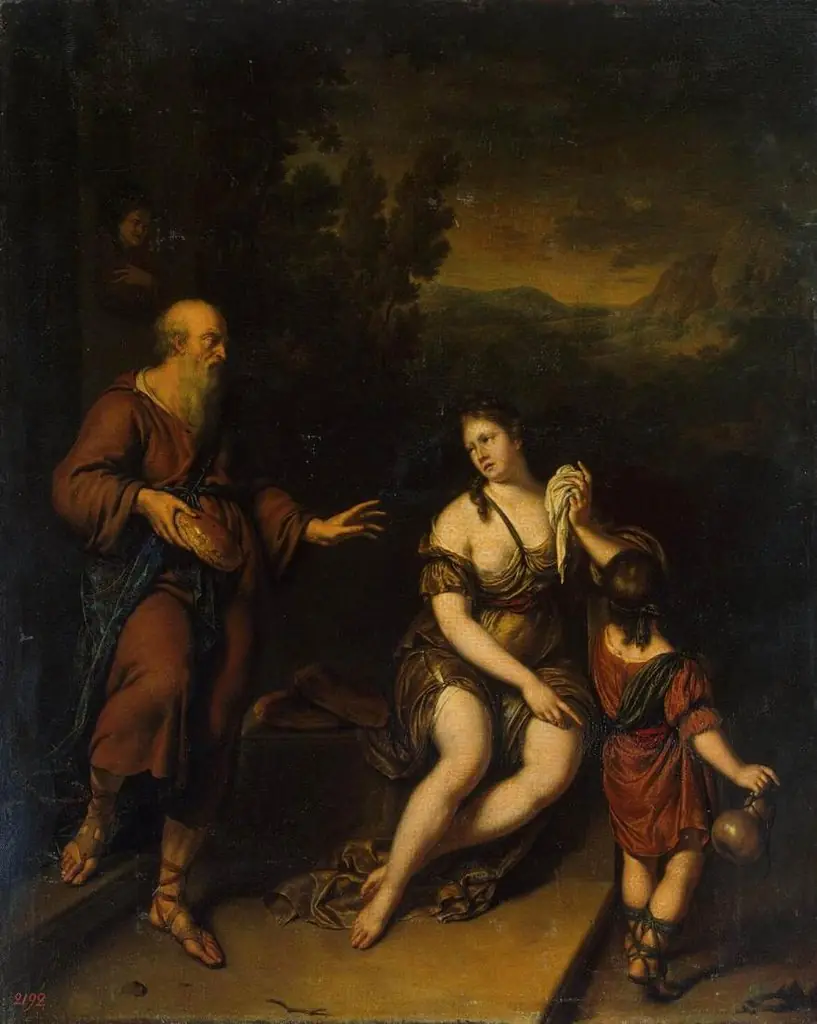 Banishment of Hagar and Ishmael
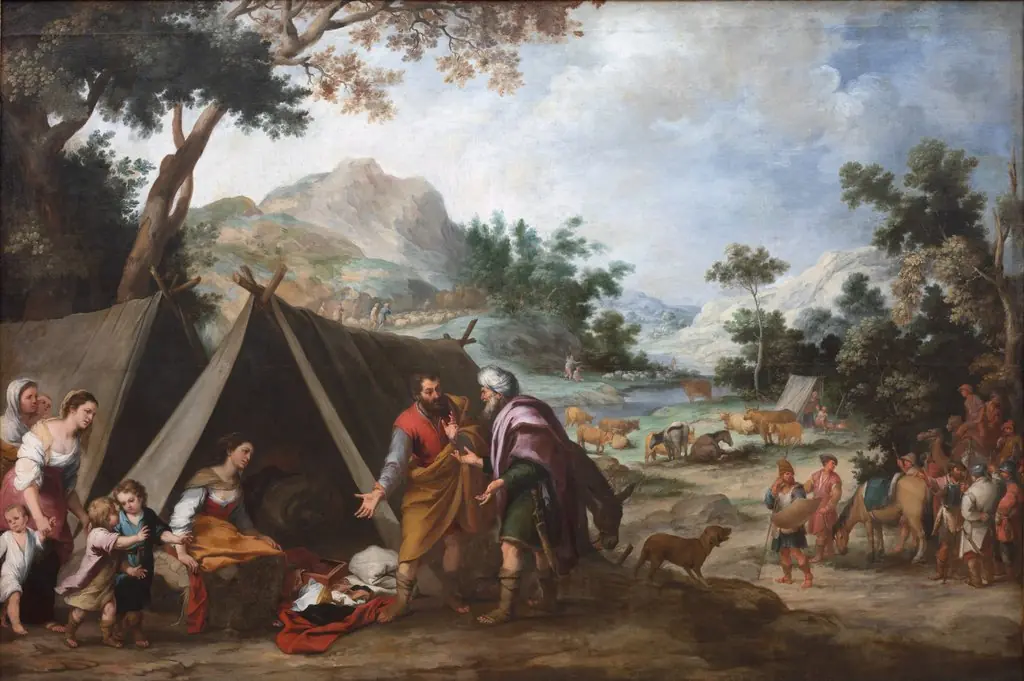 Laban Searching for his Stolen Household Gods
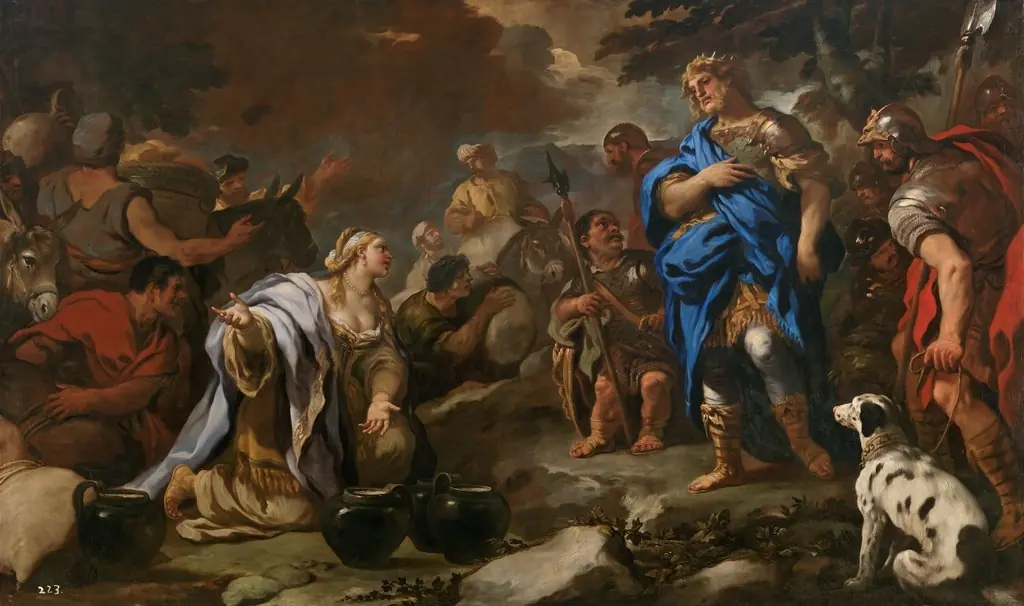 La prudente Abigail
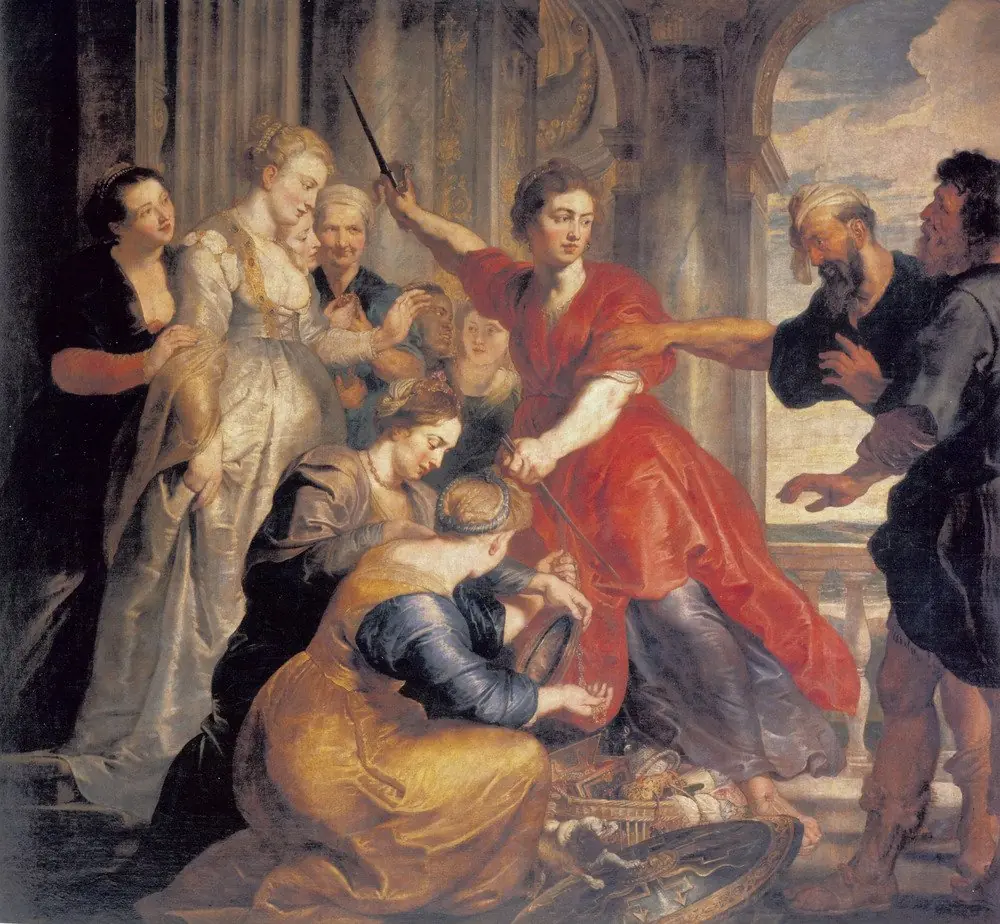 Achilles discovered by Ulysses and Diomedes
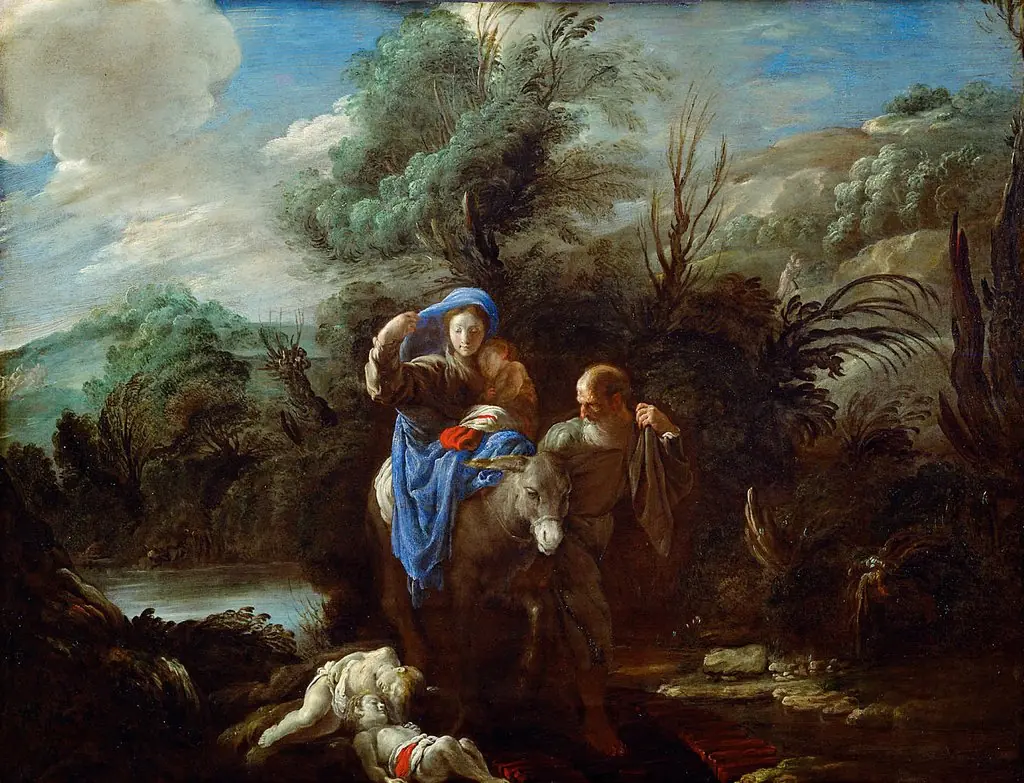 Flight into Egypt
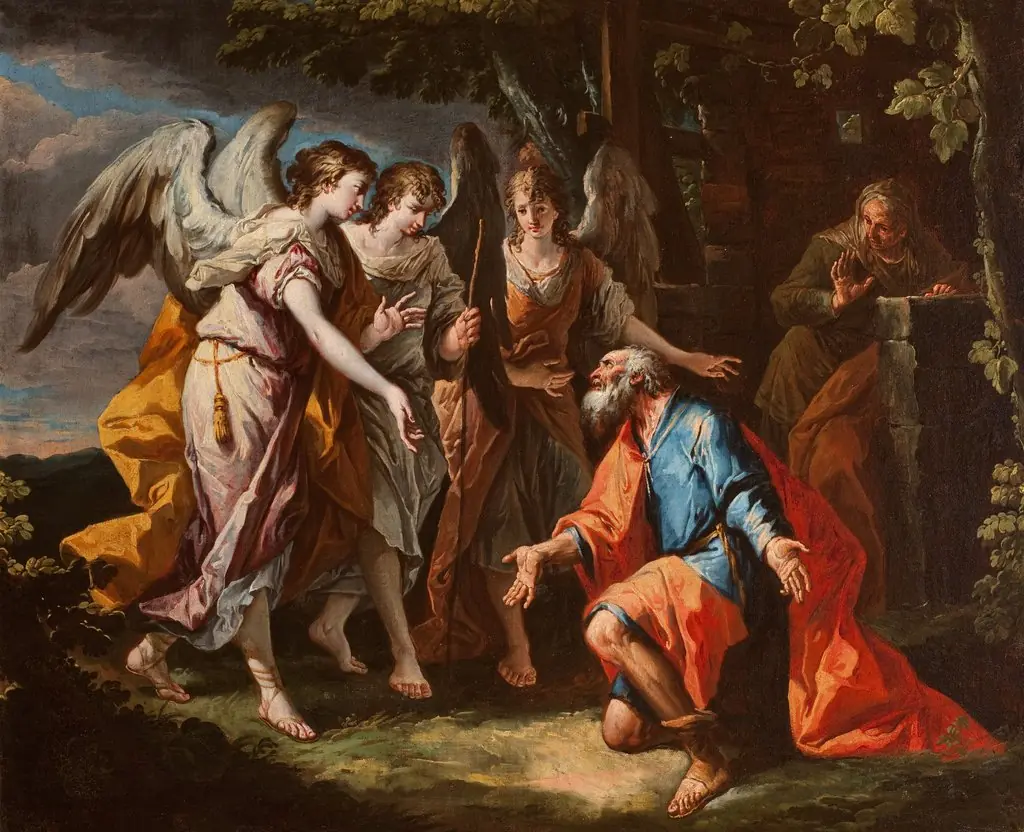 Abraham and the Angels
 Erminia with the Shepherds