Artwork
Two Greyhounds
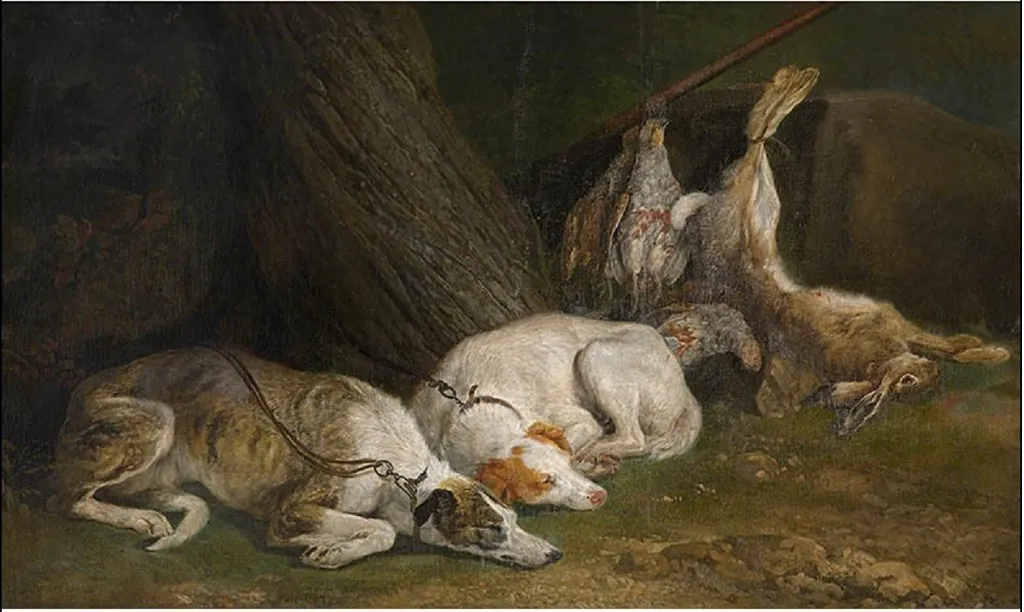
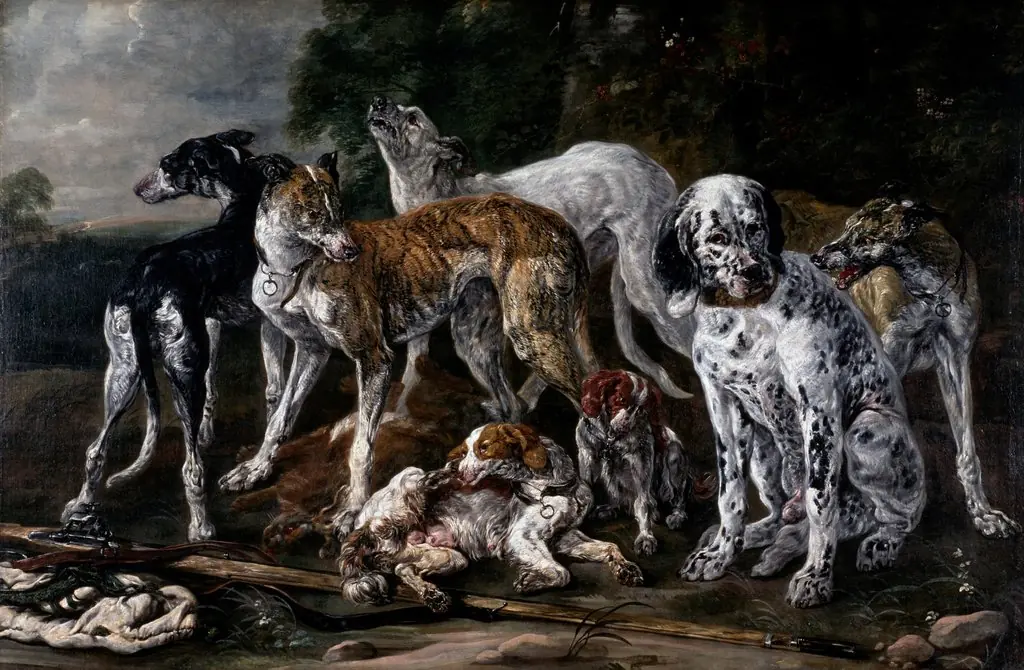
Two Greyhounds is an oil painting by the Flemish Baroque painting artist Jan Fyt. It dates from 1650 and is held in the collection of the Royal Museum of Fine Arts Antwerp.
About this work
Overview
Fyt, known for his precise renderings of animals and hunting trophies, here combines elements of still life and animal painting.
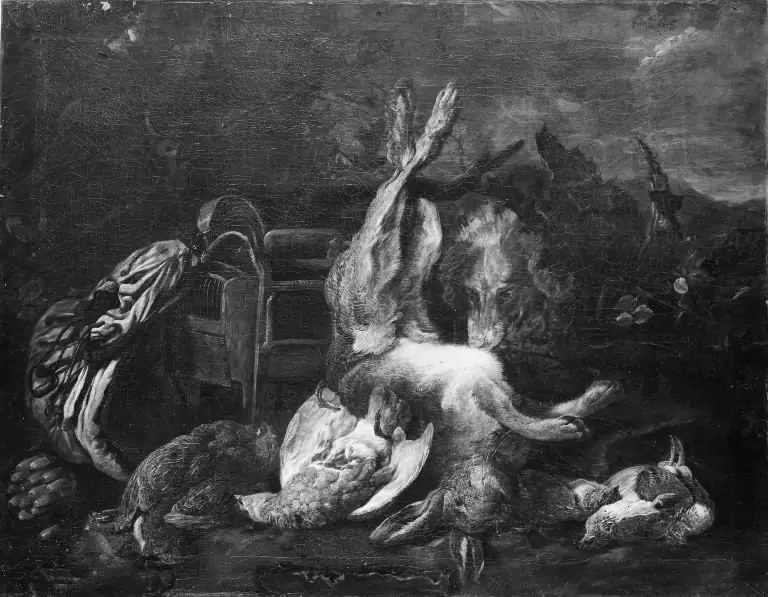
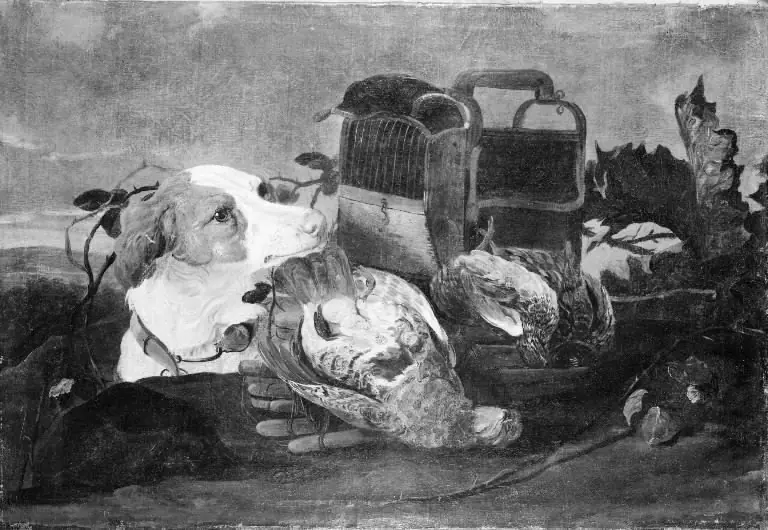
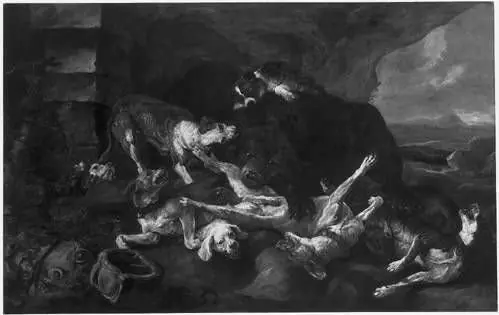
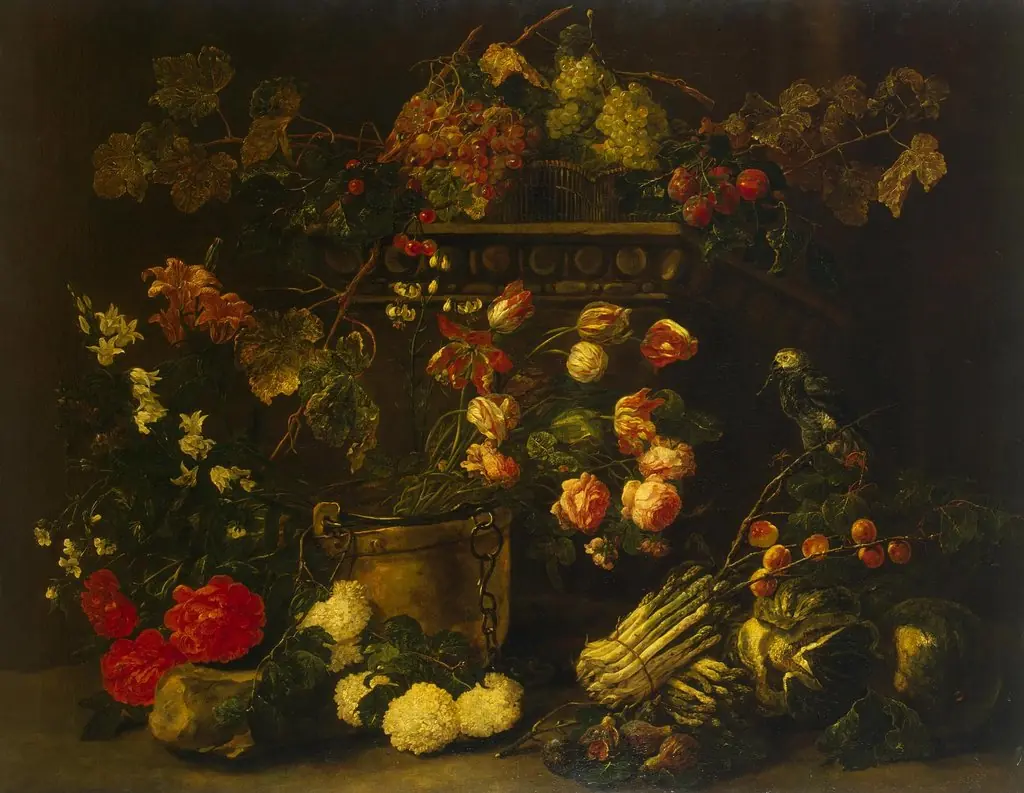
Painted around 1650 by the Flemish artist Jan Fyt, this oil on canvas depicts two greyhounds resting in a woodland setting. Fyt, known for his precise renderings of animals and hunting trophies, here combines elements of still life and animal painting. The work is part of the Flemish Baroque tradition, emphasizing naturalism and quiet observation over dramatic action. It resides in the Royal Museum of Fine Arts Antwerp.
Subject & Meaning
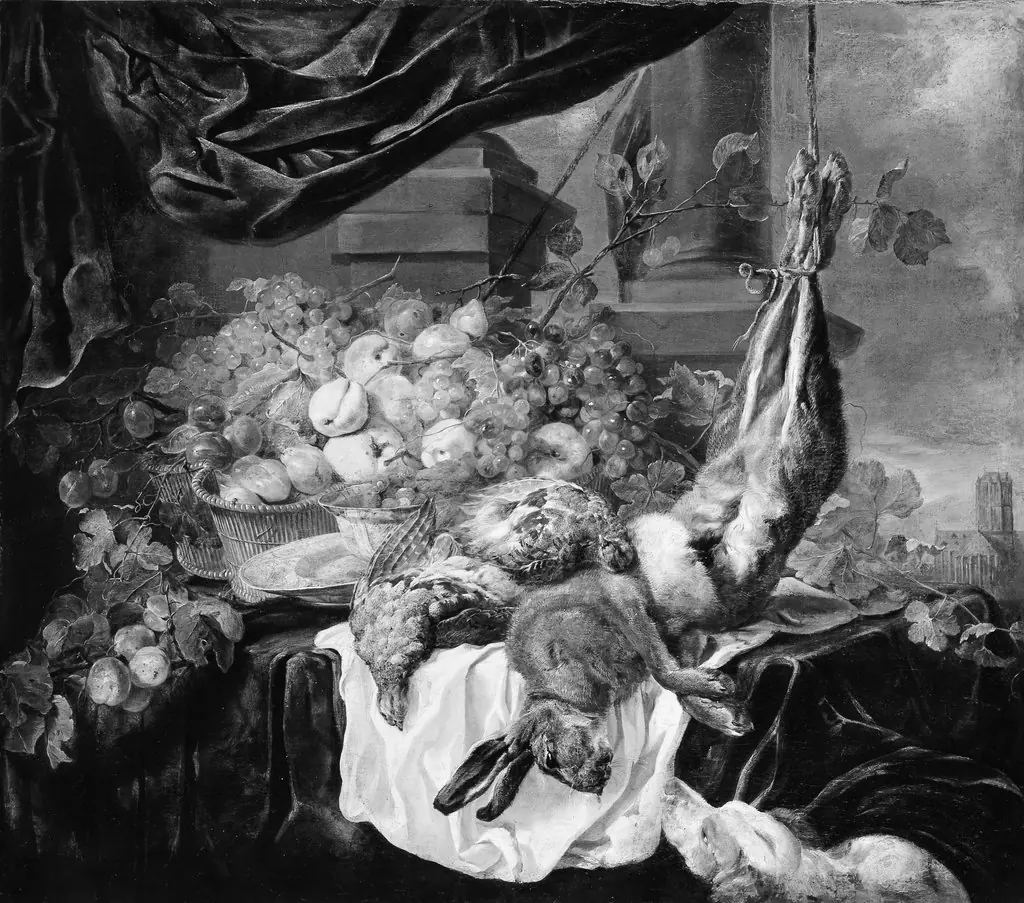
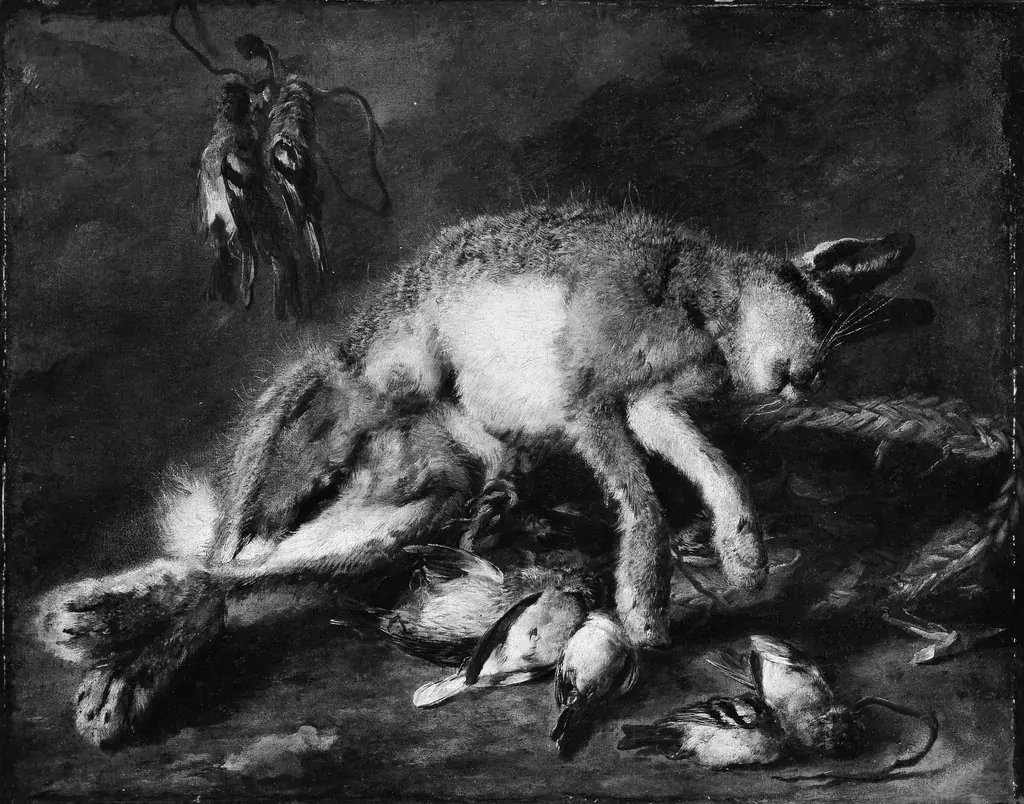
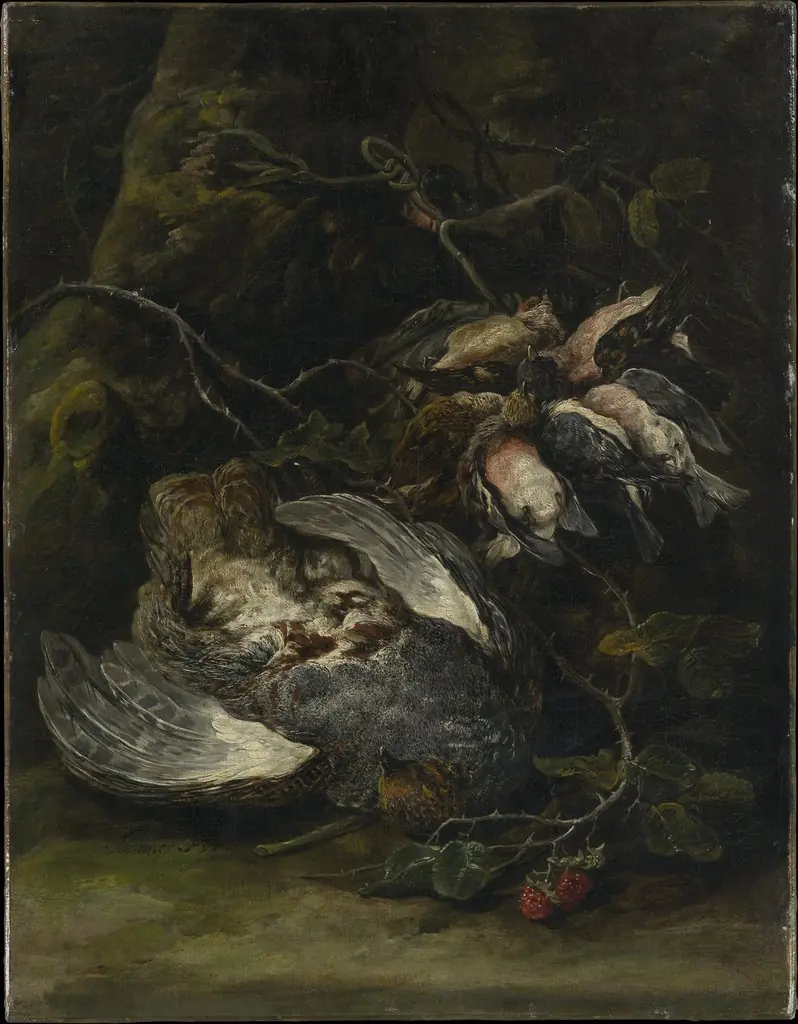
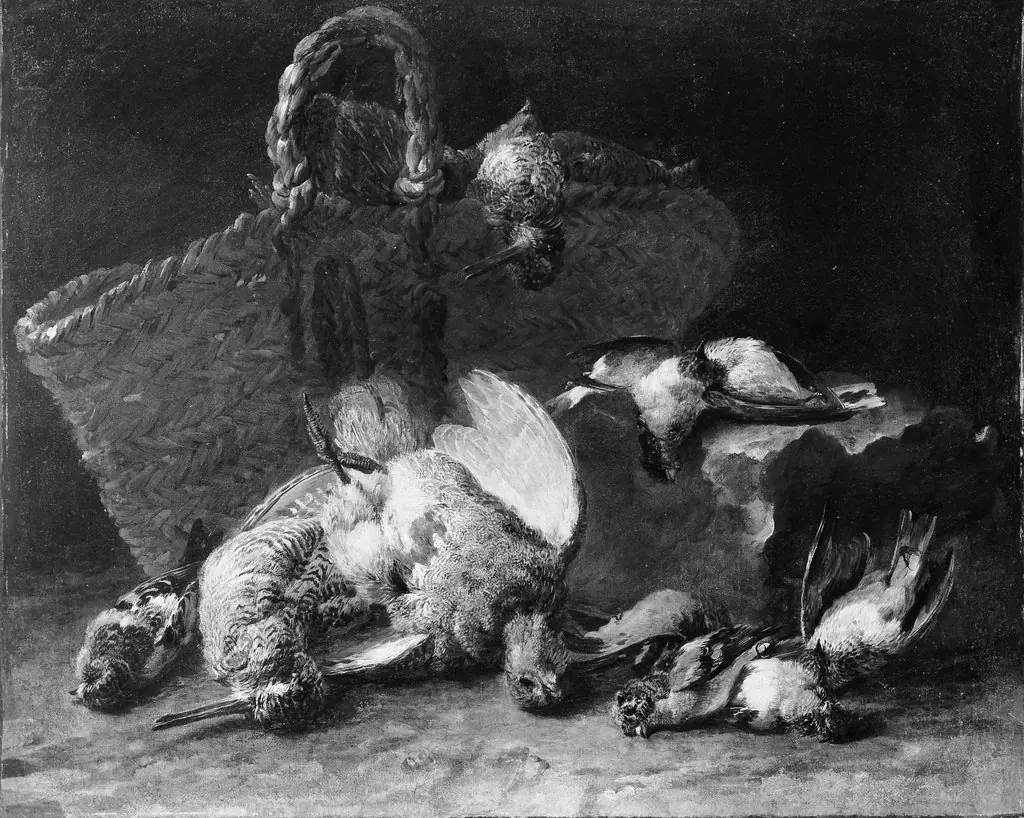
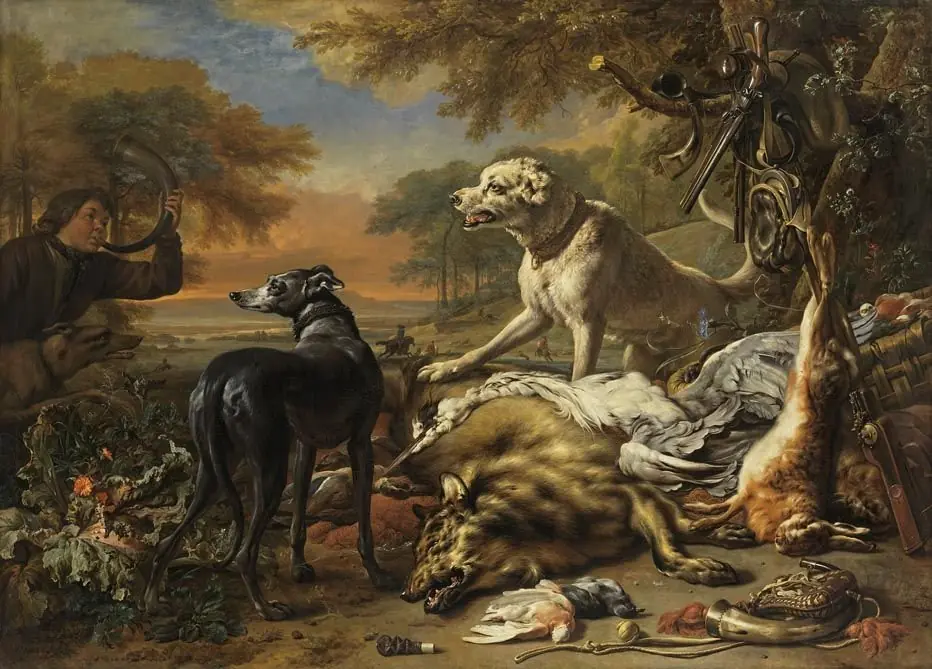
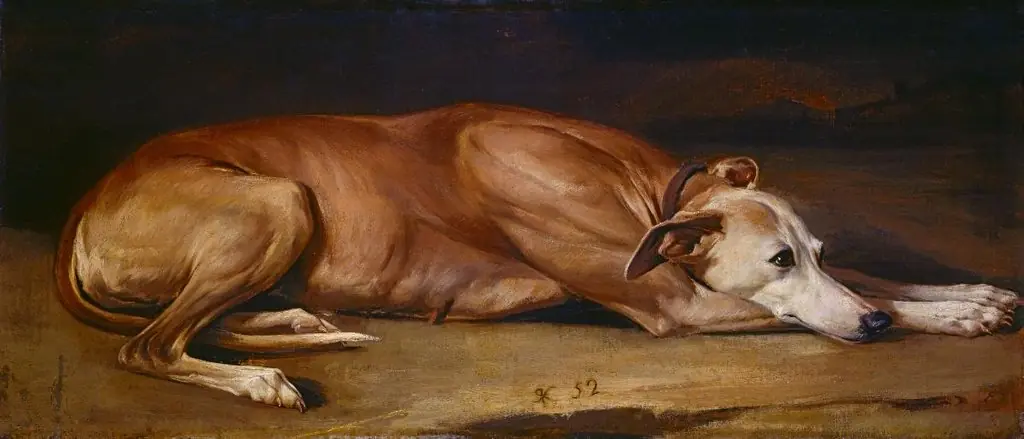
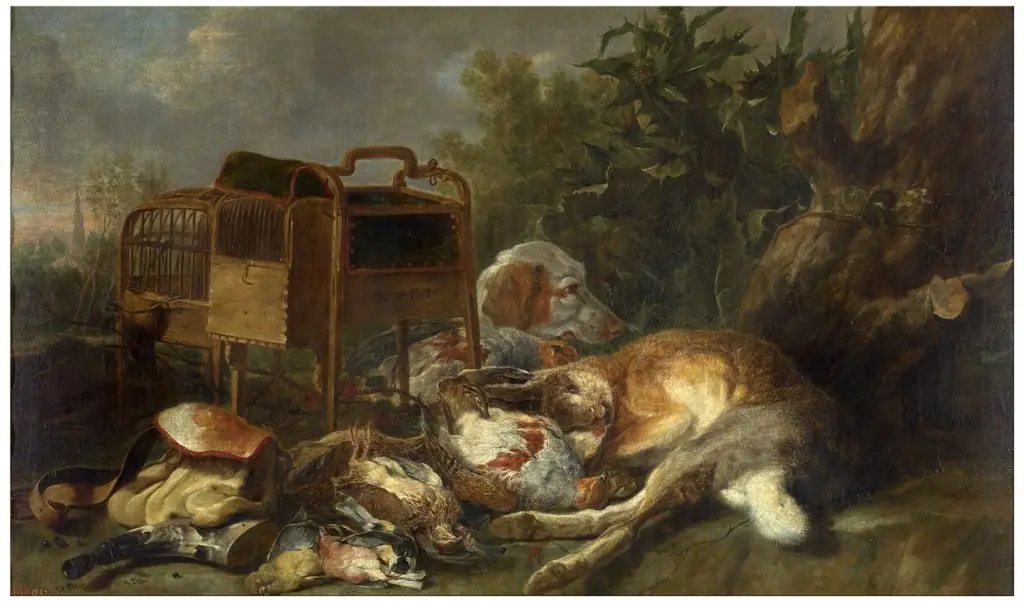
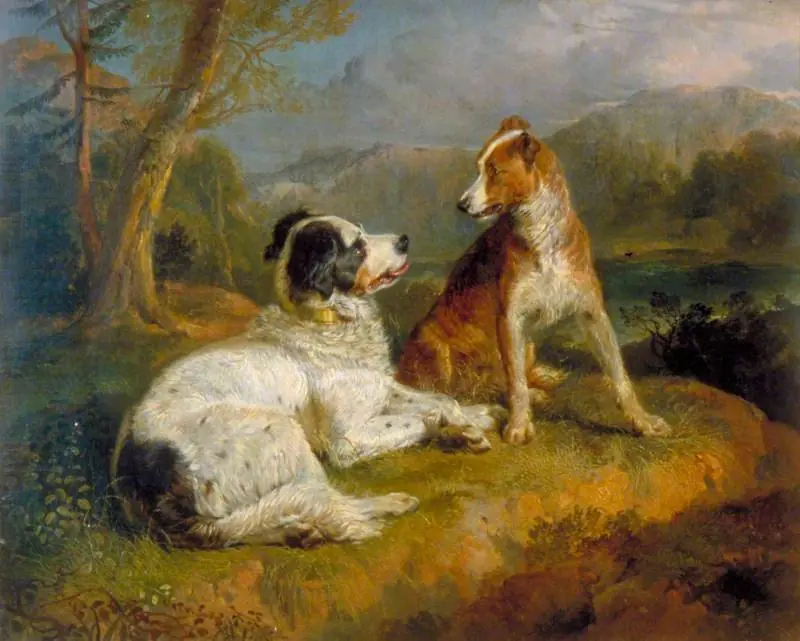
The two greyhounds, one white with brown markings and the other brown and white, lie at rest, their collars and chains suggesting domestication and ownership. Behind them, dead birds and a rabbit hang or lie on the ground—hunting spoils rendered with quiet dignity. The scene evokes the aftermath of a hunt, not its violence, implying themes of control, leisure, and the relationship between humans and the natural world in aristocratic life.
Technique & Style
Fyt employed fine brushwork to capture the texture of fur, feathers, and bark with subtle realism. The palette is restrained, dominated by earthy browns and muted greens, enhancing the scene’s stillness. Light falls gently across the dogs and game, creating soft contrasts without strong chiaroscuro. The composition is balanced and low-angle, drawing the viewer into the dogs’ tranquil space without theatricality.
History & Provenance
The painting was likely commissioned by a wealthy patron interested in hunting culture and natural observation. It entered the collection of the Royal Museum of Fine Arts Antwerp in the 19th century, where it remains today. Its survival in good condition reflects its early recognition as a refined example of Flemish animal painting, though its specific early ownership is not fully documented.
Context
In mid-17th-century Flanders, depictions of game and hunting dogs were popular among the elite, reflecting both status and a fascination with nature’s order. Fyt’s work aligned with broader trends in Flemish art that valued detailed observation and the aestheticization of the natural world. Unlike overtly religious or mythological subjects, such paintings celebrated the tangible and the domesticated.
Legacy
Fyt’s *Two Greyhounds* exemplifies a quiet strand of Baroque art focused on stillness and observation rather than grandeur. It influenced later still-life painters who sought to elevate everyday or natural subjects through careful rendering. While not widely reproduced, it remains a key reference for understanding the nuanced relationship between animals, ownership, and artistic representation in Flemish culture.
Artist & collection
Artist
Jan Fijt, Jan Fijt or Johannes Fijt (or Fyt) (19 August 1609 – 11 September 1661) was a Flemish Baroque painter, draughtsman and etcher.