Artwork
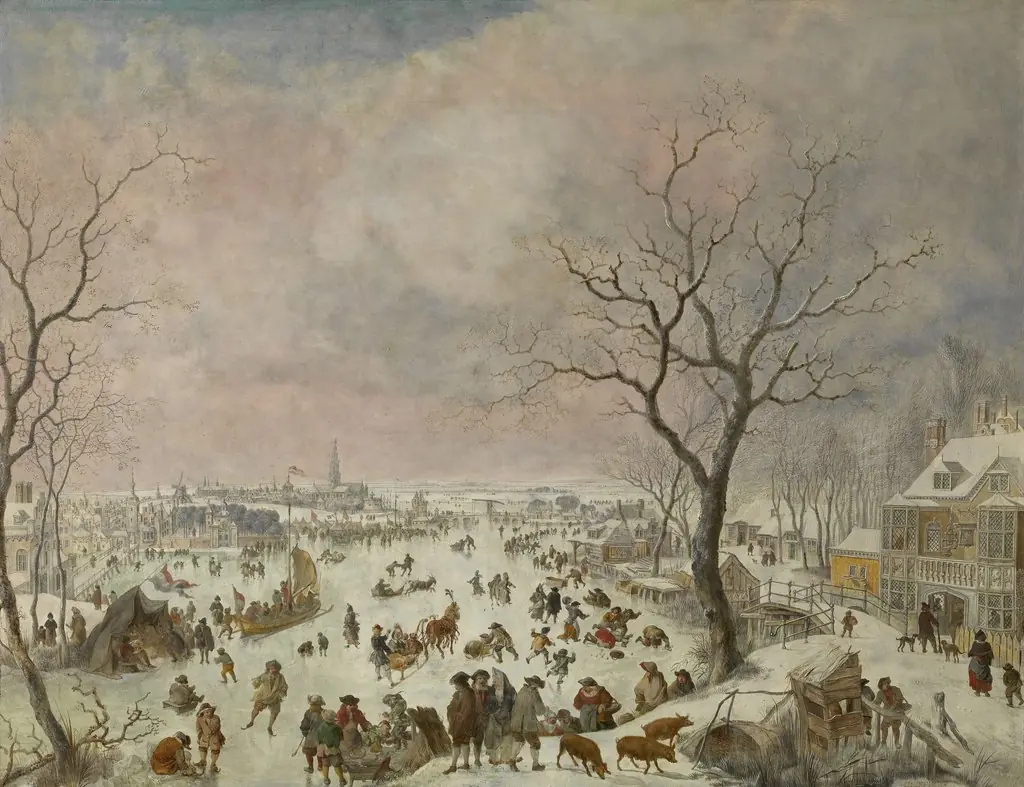
Winter Landscape
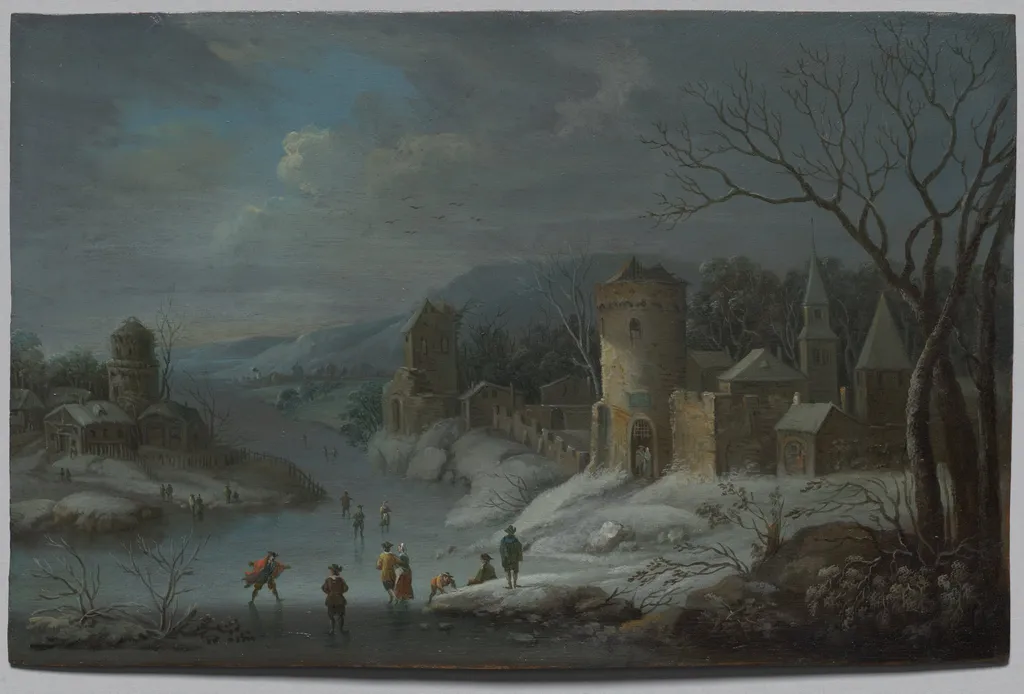
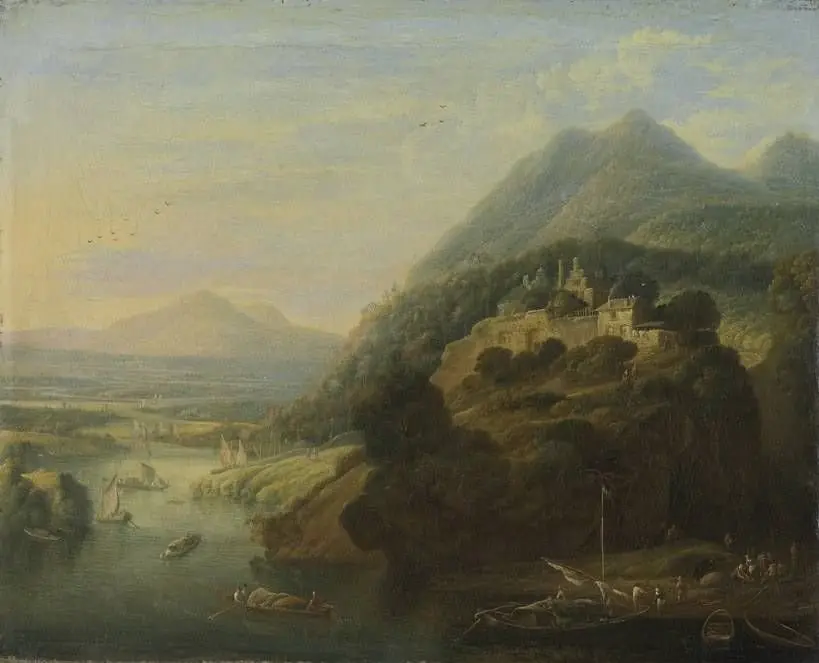
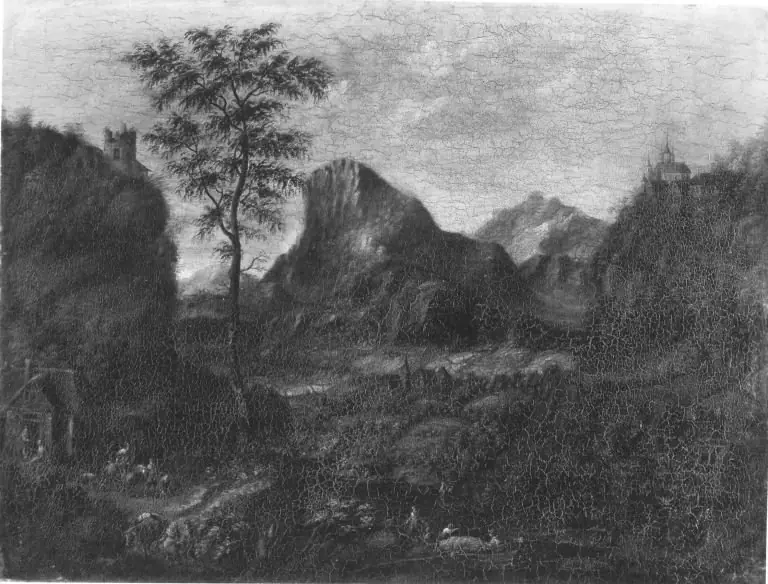
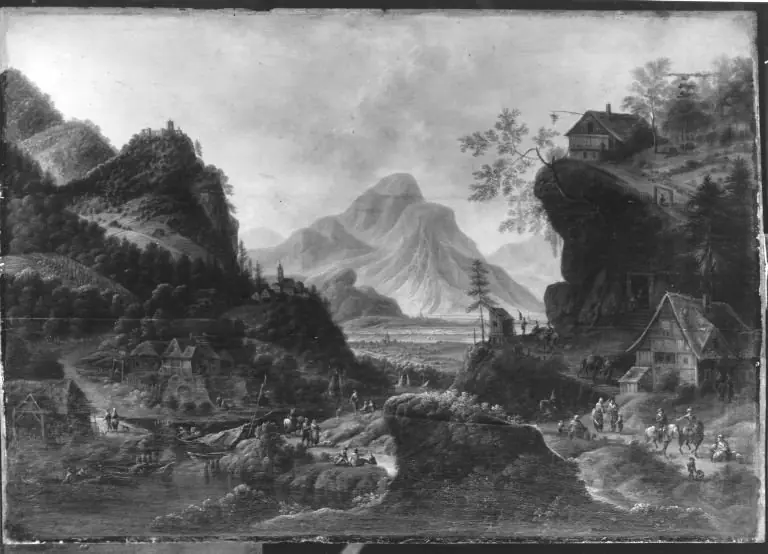
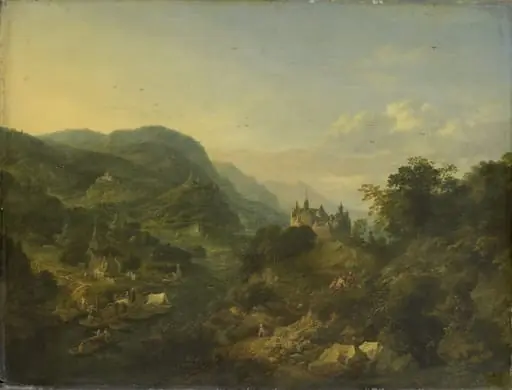
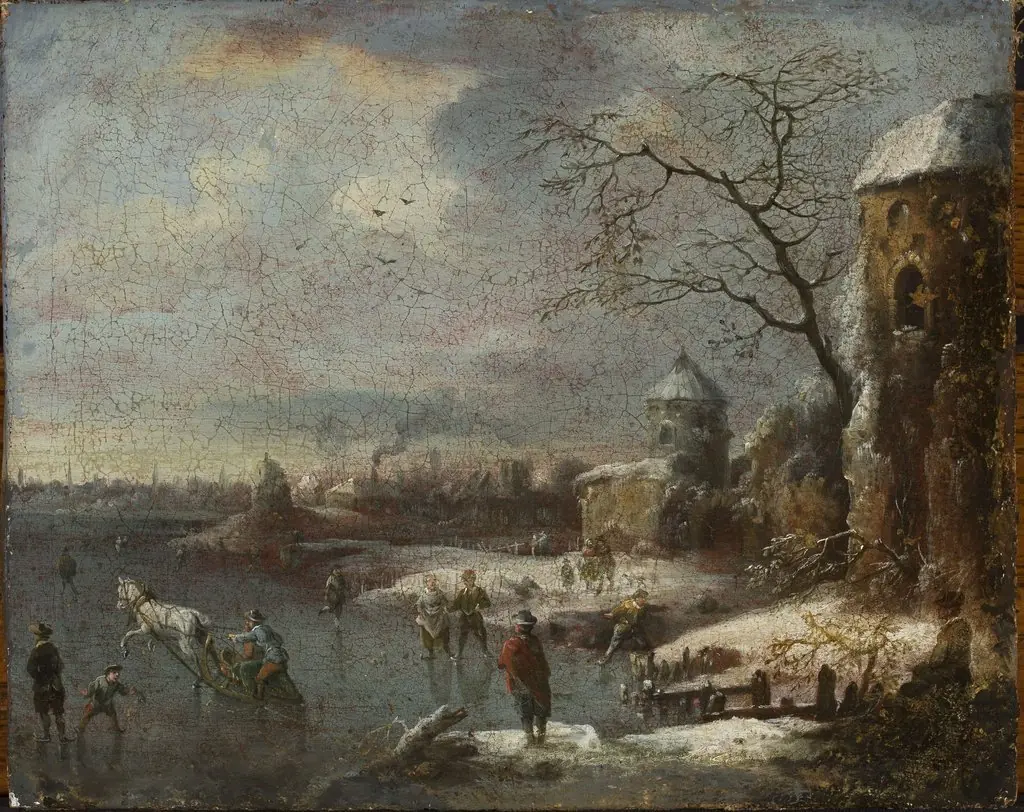
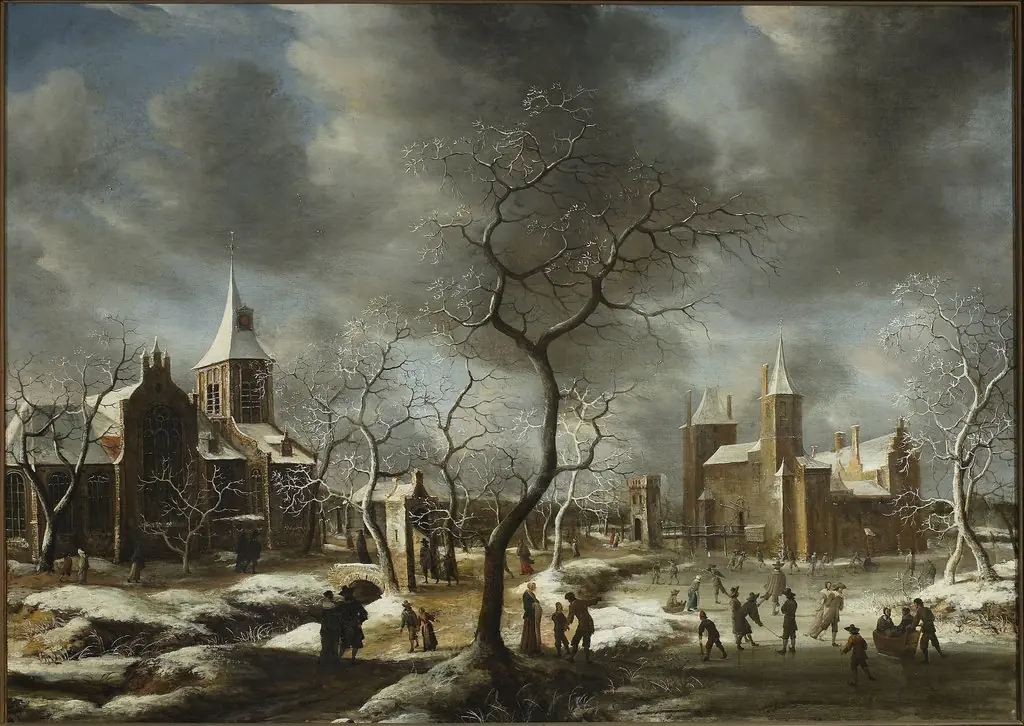
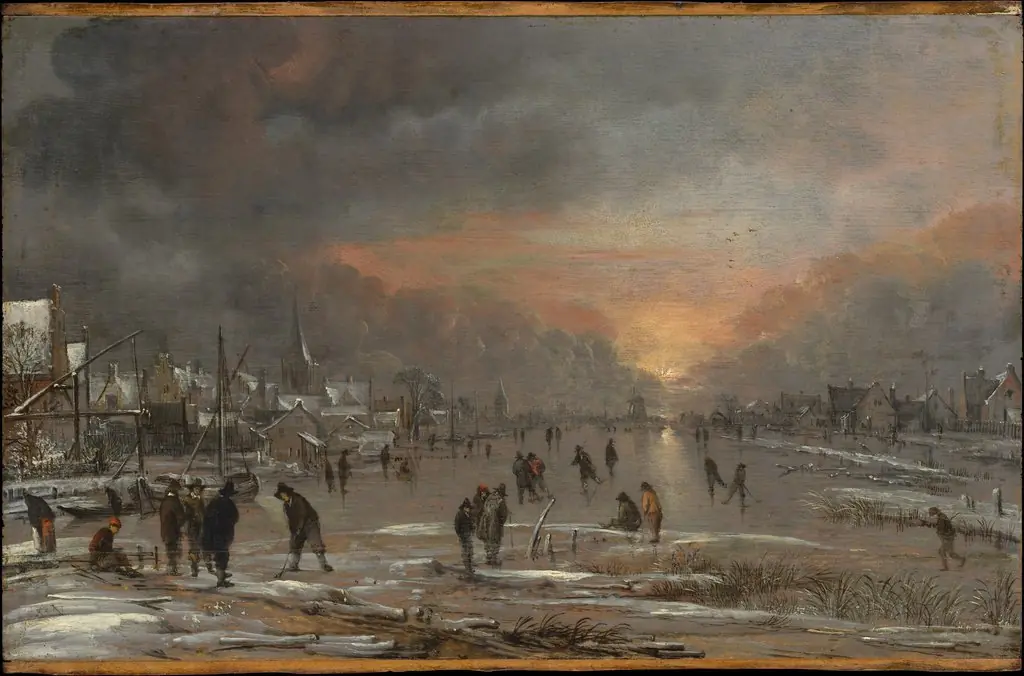
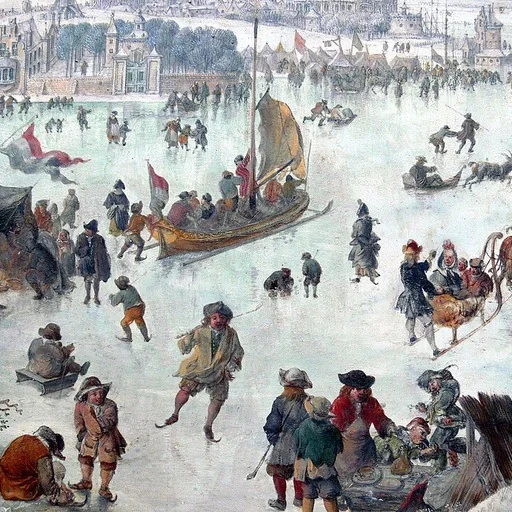
Winter Landscape is an unspecified painting by the Baroque artist Jan Griffier. It dates from 1699 and is held in the collection of the Cleveland Museum of Art.
About this work
You can learn more about this style by looking at the work of artist: Jan Griffier (Dutch, 1648–1718).
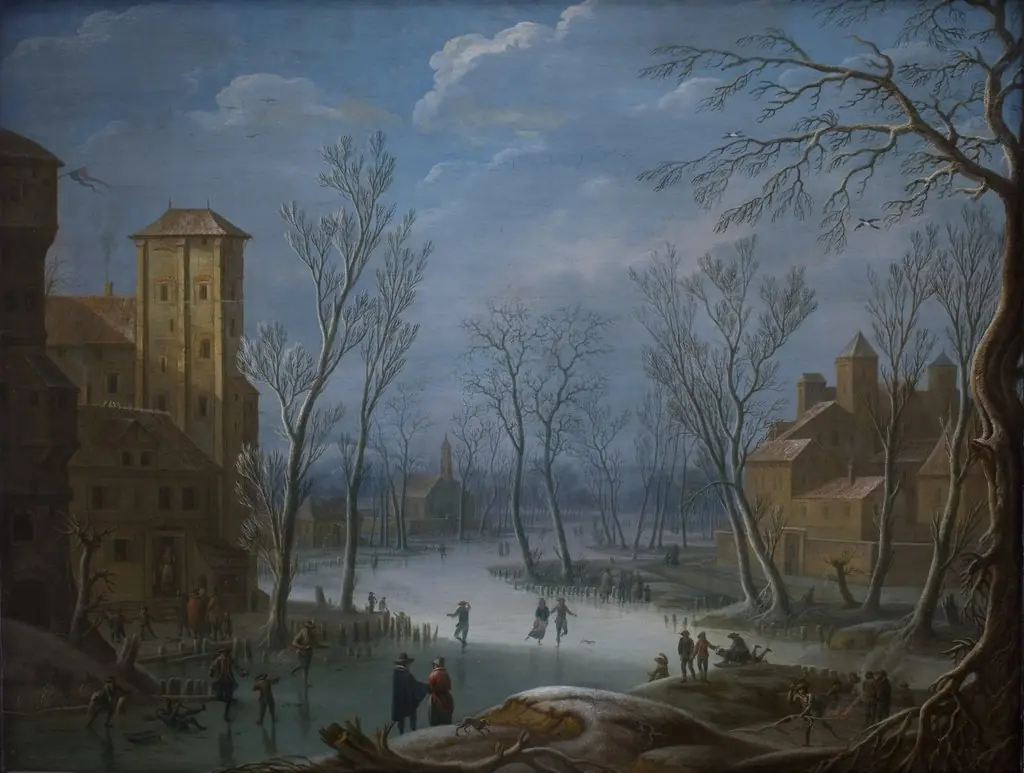
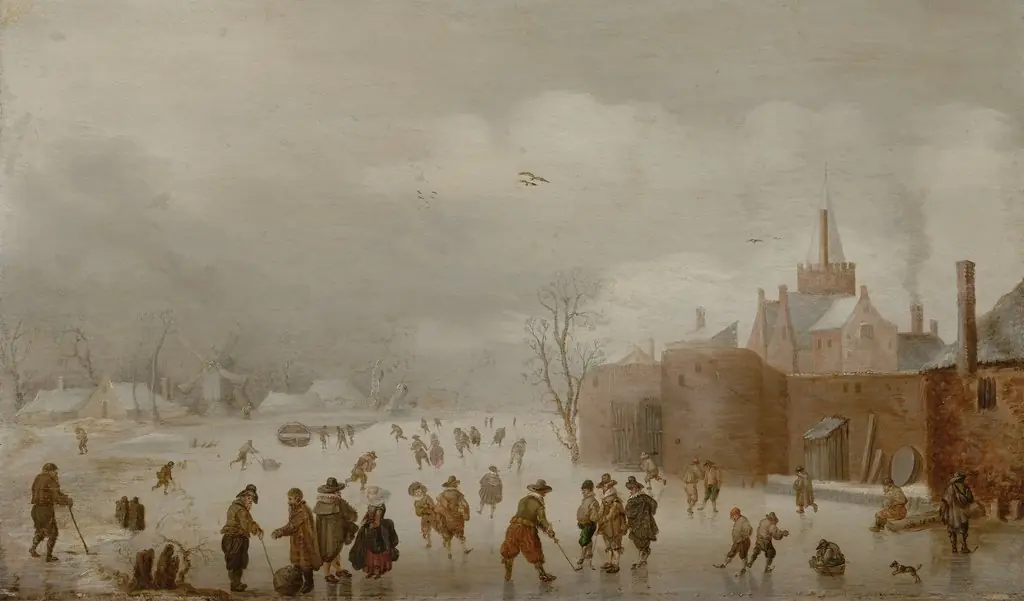
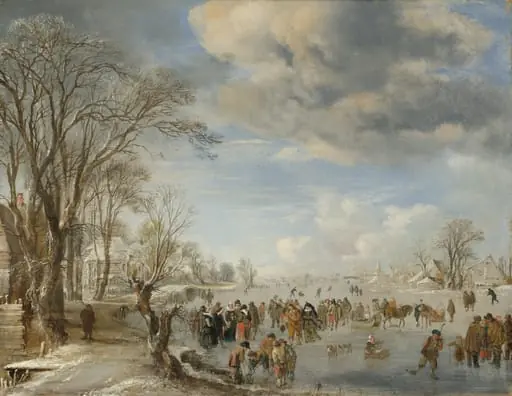
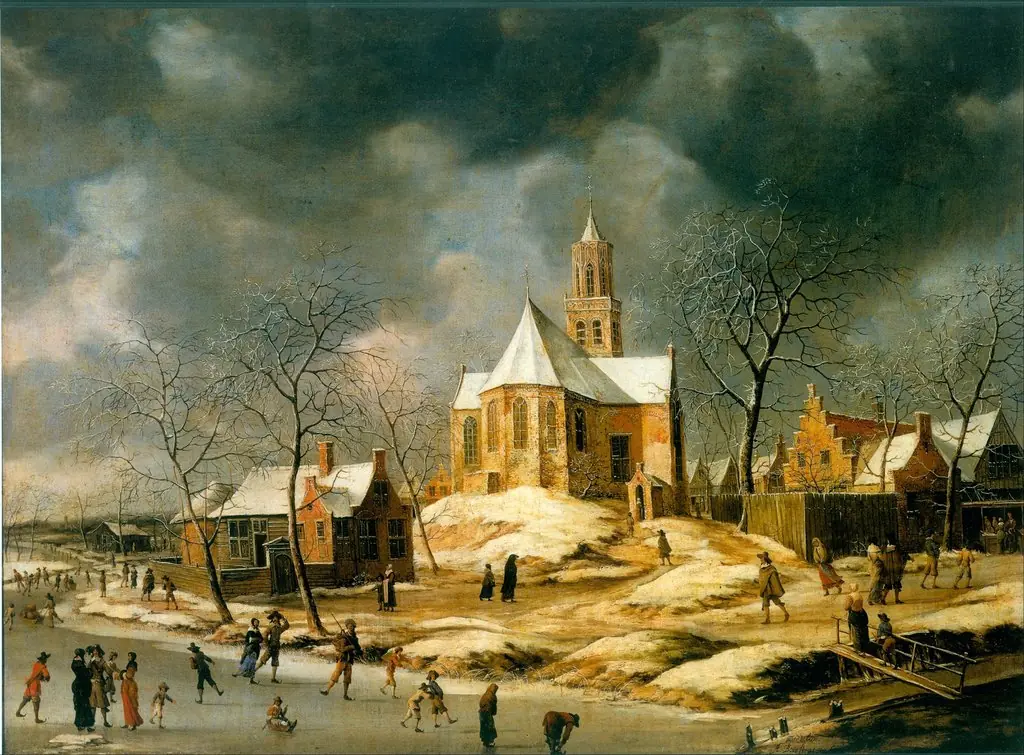
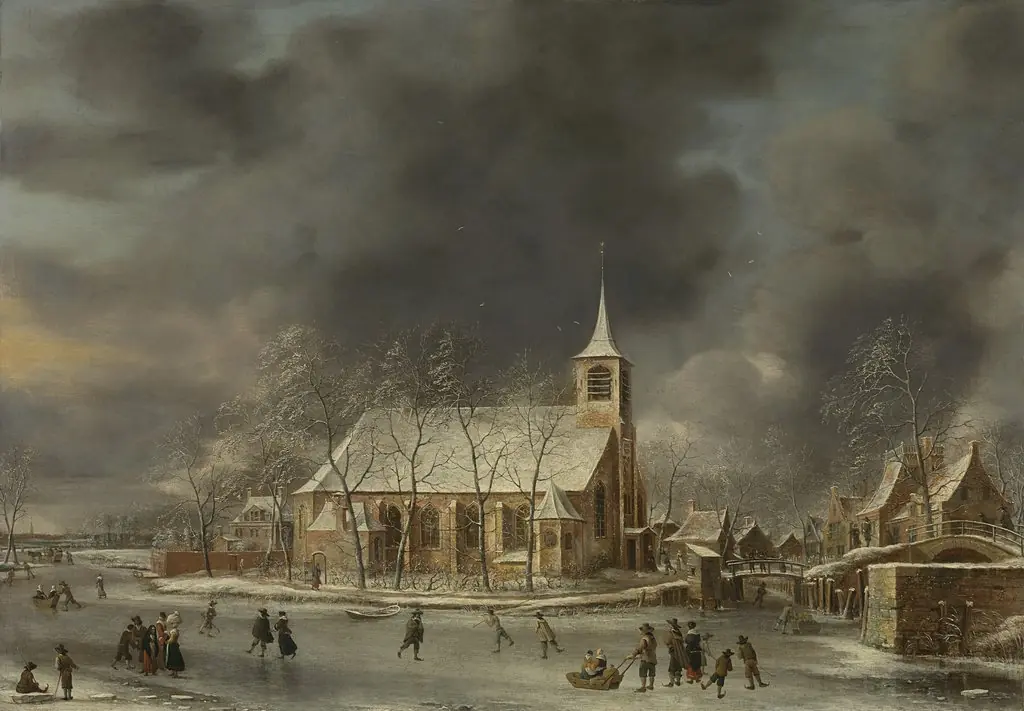
This painting shows a winter scene with snow and trees.
It's interesting because the artist didn't usually paint landscapes like this.
The artist's style is a bit different here, which makes some scholars question who really made it, and they think it might be based on a print, but they're not sure.
You can learn more about this style by looking at the work of artist: Jan Griffier (Dutch, 1648–1718).
Overview
The work titled Winter Landscape presents a snowy tableau of trees and a muted horizon, rendered in a manner that departs from the artist’s usual repertoire. The composition captures a quiet, cold season, emphasizing the starkness of the landscape under a blanket of snow.
Subject & Meaning
The painting depicts a winter environment, focusing on the natural elements of snow‑covered ground and leafless trees. The absence of human activity directs attention to the atmospheric conditions and the quietude of the season, suggesting contemplation of nature’s dormant phase.
Technique & Style
Executed on copper, the piece employs a delicate handling of light and texture that differs from the artist’s typical oil on canvas works. The brushwork and tonal palette are softer, and the overall approach aligns more closely with print‑derived compositions, hinting at a possible reliance on an earlier engraving.
History & Provenance
Attribution to Jan Griffier has been contested because the Dutch‑born painter, active between 1648 and 1718, is primarily known for hunting scenes and rarely worked on copper supports. The lack of a identified source print further fuels scholarly debate over the work’s true origin.
Own this work as a print
Artist & collection
Artist
Jan Griffier (c. 1652 – 1718) was a Dutch Golden Age painter who was active in England, where he was admitted to the London Company of Painter-Stainers in 1677.