Artwork
Winter Landscape
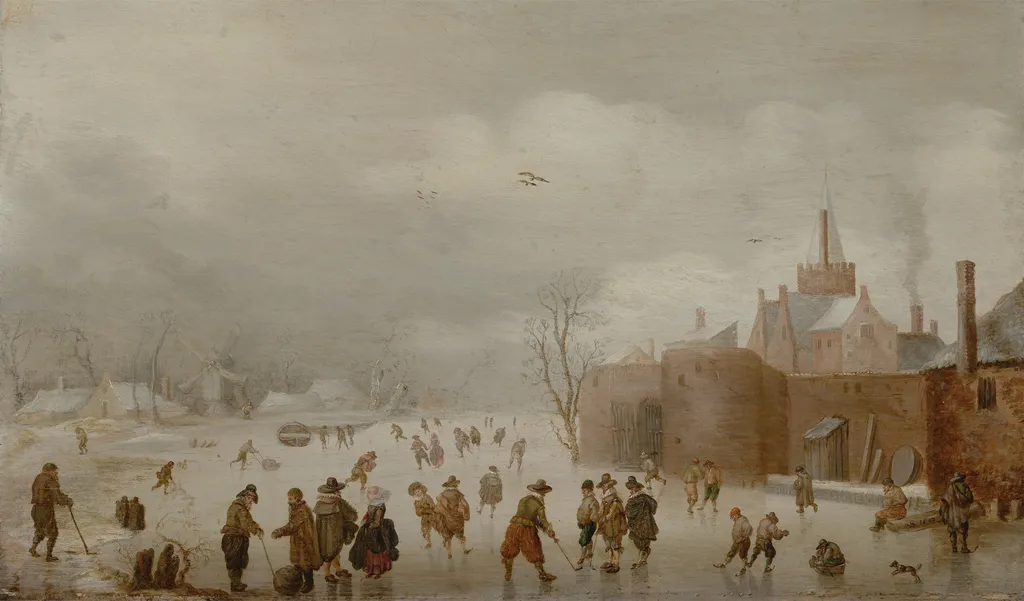
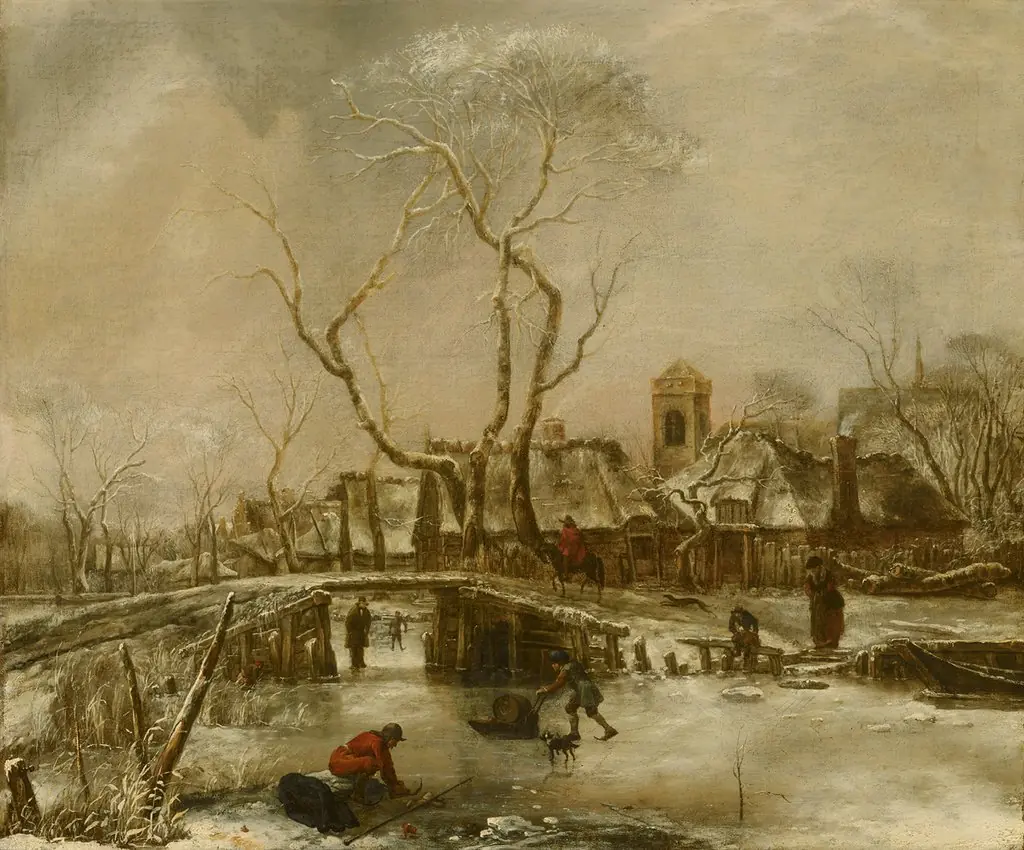
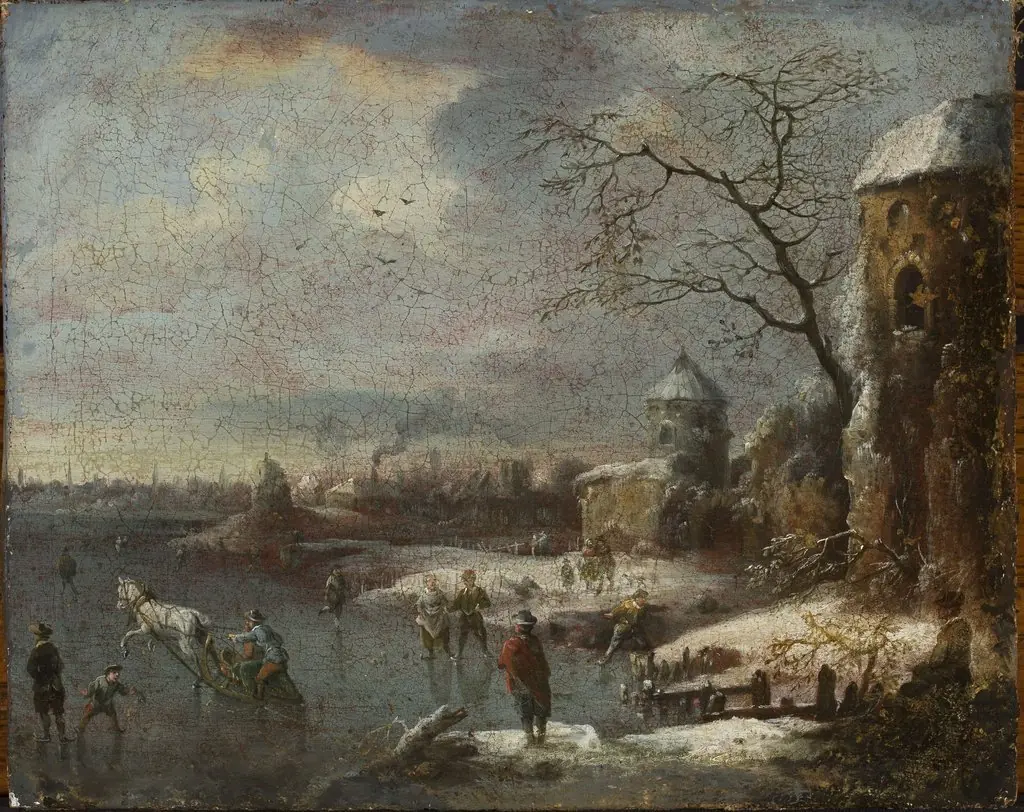
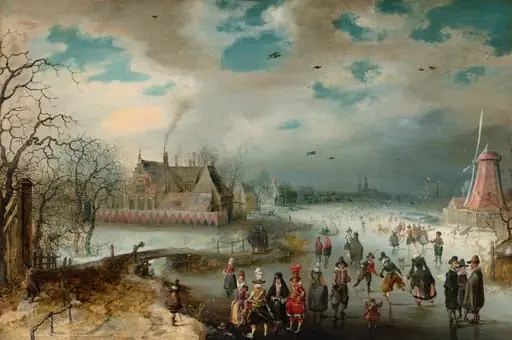
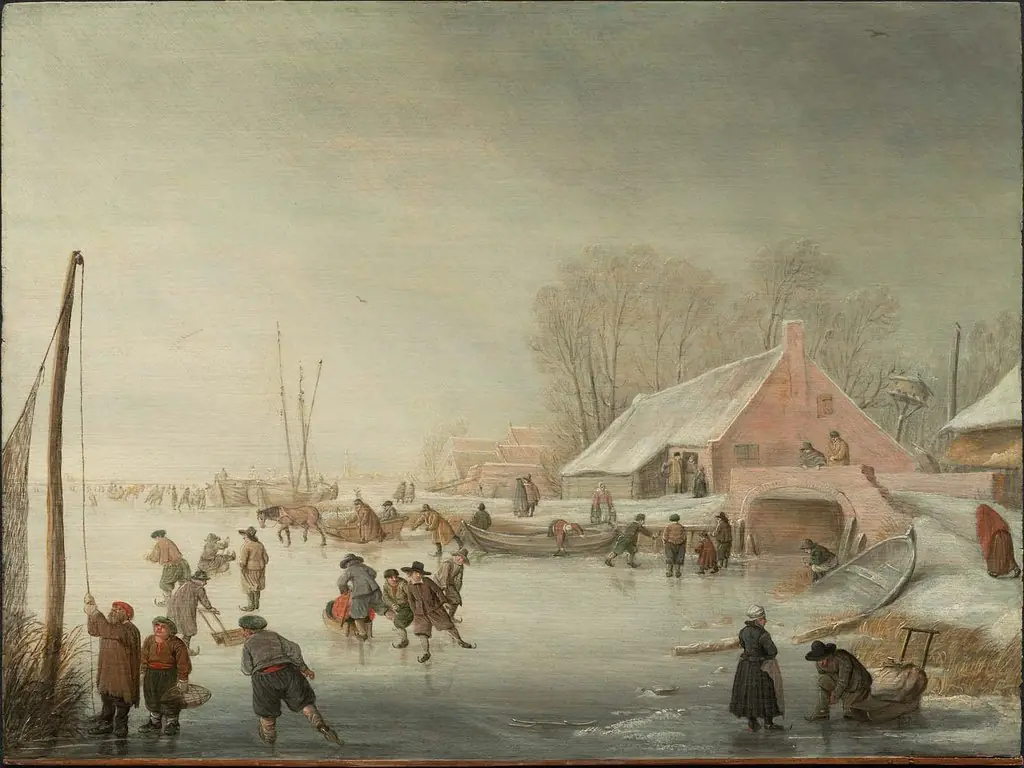
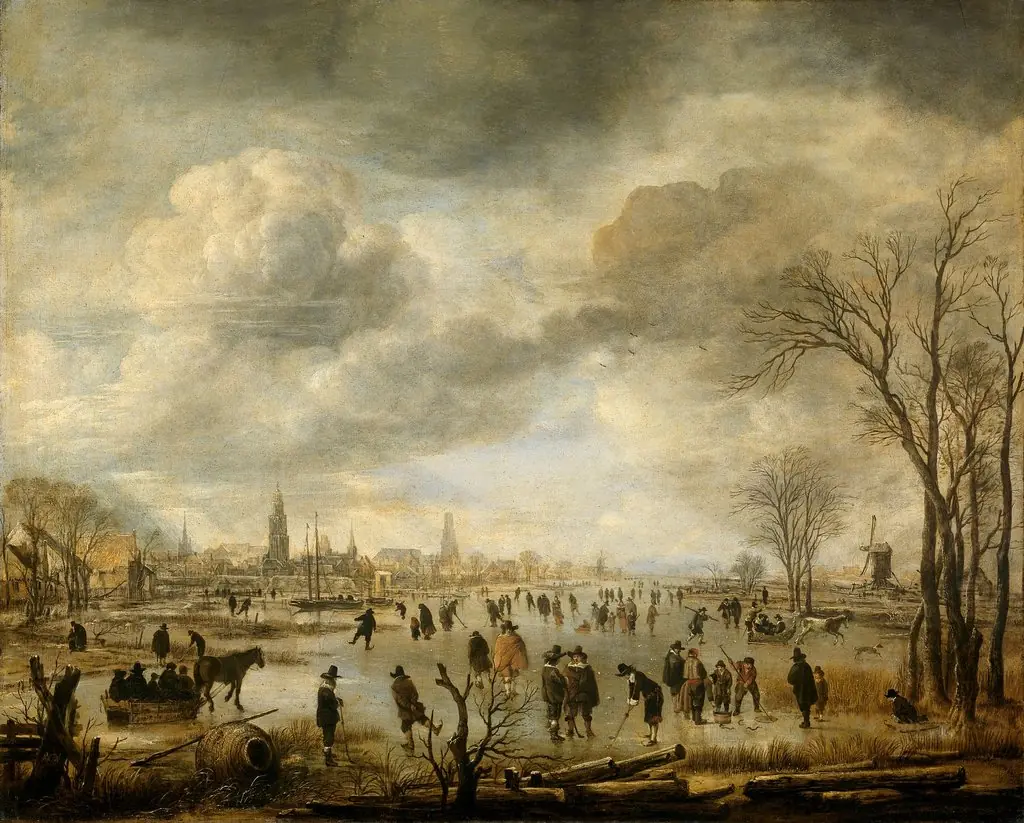
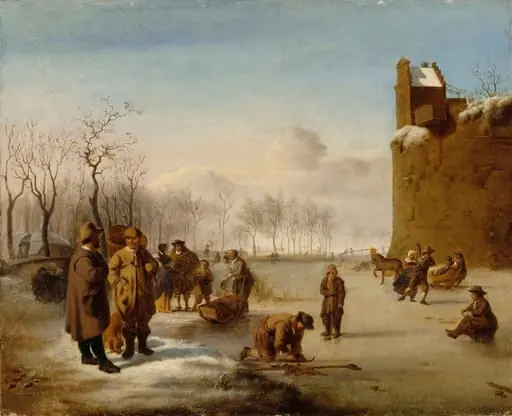
Winter Landscape is an oil painting by the Dutch Golden Age artist Anthonie Verstraelen. It dates from 1623 and is held in the collection of the Mauritshuis.
About this work
Overview
Its subdued palette and observable brushwork align with the naturalistic tendencies of Northern European landscape painting at the time.
Anthonie Verstraelen painted *Winter Landscape* in 1623, capturing a quiet winter scene during the Dutch Golden Age. The work reflects the era’s growing fascination with everyday life in seasonal settings. Executed in oil on panel, it presents a frozen waterway populated by figures engaged in routine winter activities. Its subdued palette and observable brushwork align with the naturalistic tendencies of Northern European landscape painting at the time.
Subject & Meaning
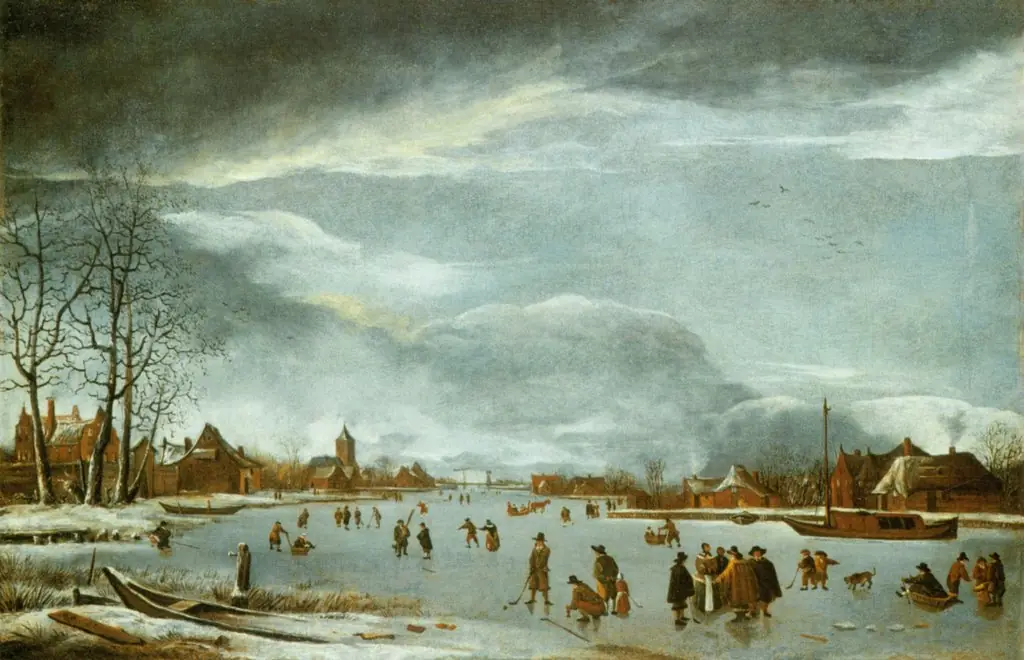
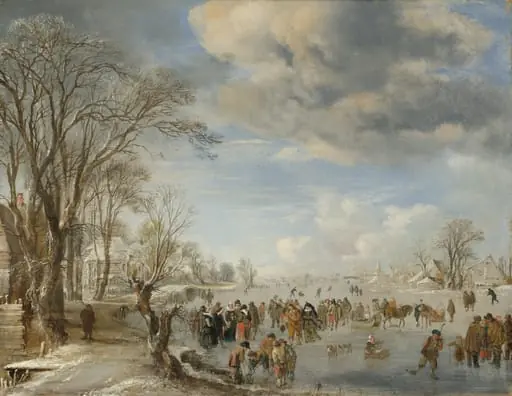
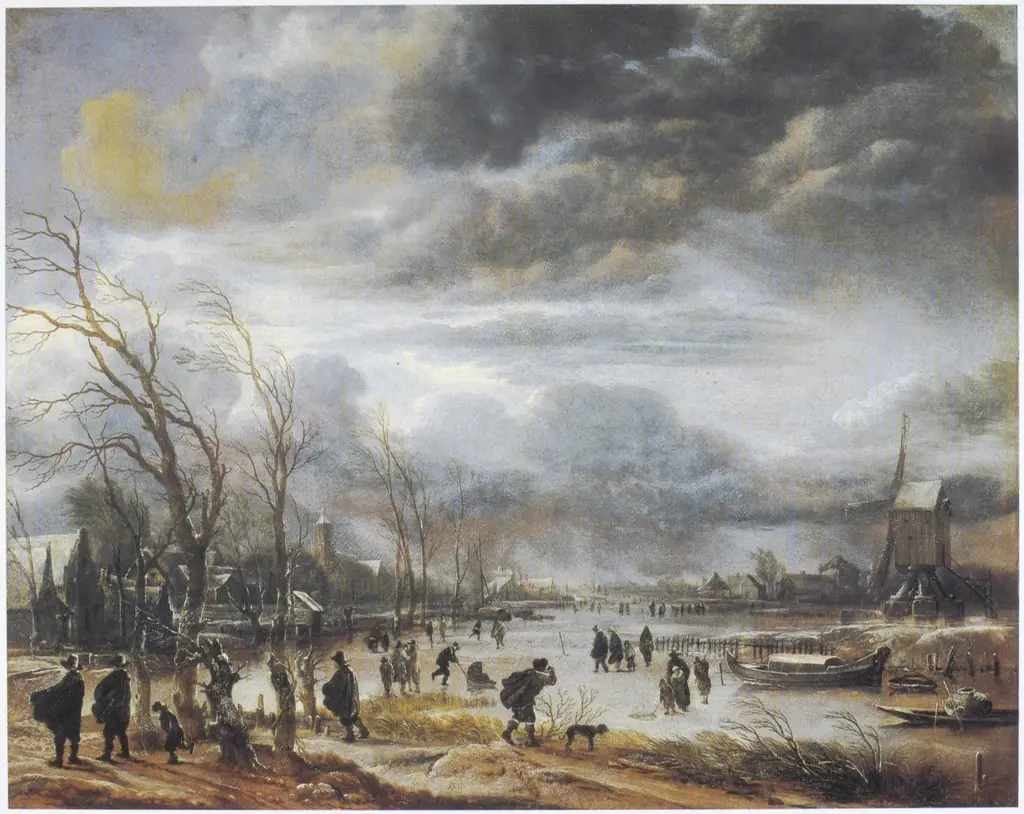
The painting depicts a frozen river lined with modest buildings and bare trees, where people skate, walk, and pause in the cold. No grand narrative is present—instead, the focus lies in the ordinary rhythms of winter life. The figures, small yet distinct, suggest community and resilience in harsh conditions. The scene avoids idealization, offering a grounded view of how ordinary Dutch citizens interacted with their wintry environment.
Technique & Style
Verstraelen employed visible, deliberate brushstrokes to render ice, sky, and architecture, creating a tactile surface that enhances the sense of chill and texture. Cool blues and muted grays dominate the palette, reinforcing the winter atmosphere. The composition is horizontally balanced, with receding planes guiding the eye from foreground skaters to distant buildings. His approach is observational rather than theatrical, emphasizing atmosphere over drama.
History & Provenance
Born in Gorkum around 1593–1594, Verstraelen moved to Amsterdam by the 1620s, where he became part of a circle of landscape painters. *Winter Landscape* dates from early in his career, before his 1635 marriage. The painting entered the Mauritshuis collection in The Hague, where it remains today. Its survival and preservation reflect its status as a representative example of early 17th-century Dutch winter scenes, though Verstraelen’s oeuvre remains relatively small compared to peers like Avercamp.
Context
During the early 1600s, the Dutch Republic experienced unusually cold winters, making frozen waterways central to daily life and artistic interest. Artists like Verstraelen responded to public fascination with seasonal change, producing scenes that celebrated both the beauty and hardship of winter. Unlike Italianate landscapes, these works prioritized local observation over classical ideals, reflecting a broader cultural shift toward realism and domestic subject matter.
Legacy
Verstraelen’s *Winter Landscape* contributes to a genre that helped define Dutch Golden Age painting’s commitment to everyday realism. Though not as widely known as some contemporaries, his work exemplifies the quiet, detailed observation that characterized regional landscape traditions. The painting endures as a document of how ordinary people adapted to and found rhythm within the natural cycles of their environment.
Own this work as a print
Artist & collection
Artist
Anthonie Verstraelen or Van Stralen (Gorkum, 1593/1594 - Amsterdam, 1641) was a Dutch landscape painter.