Artwork
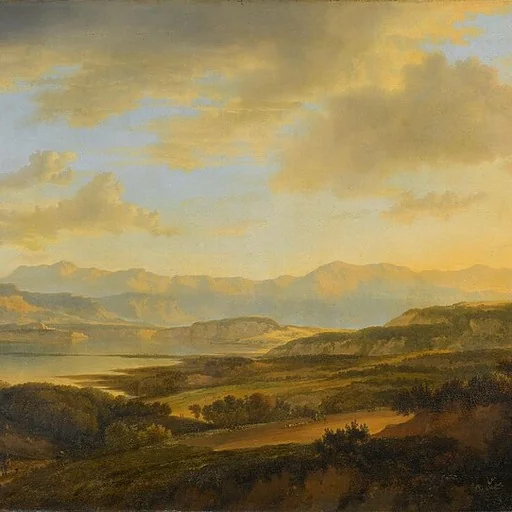
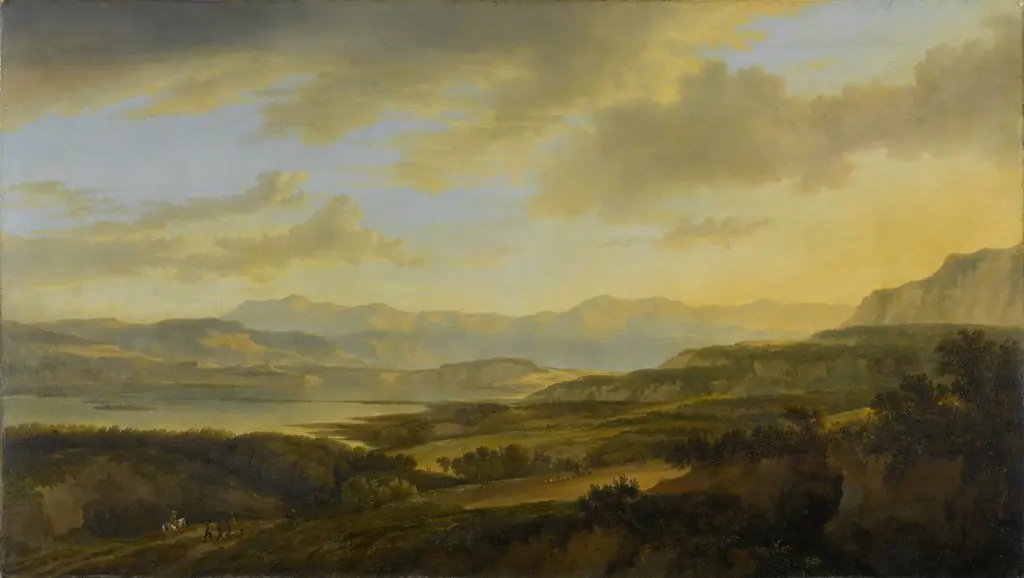
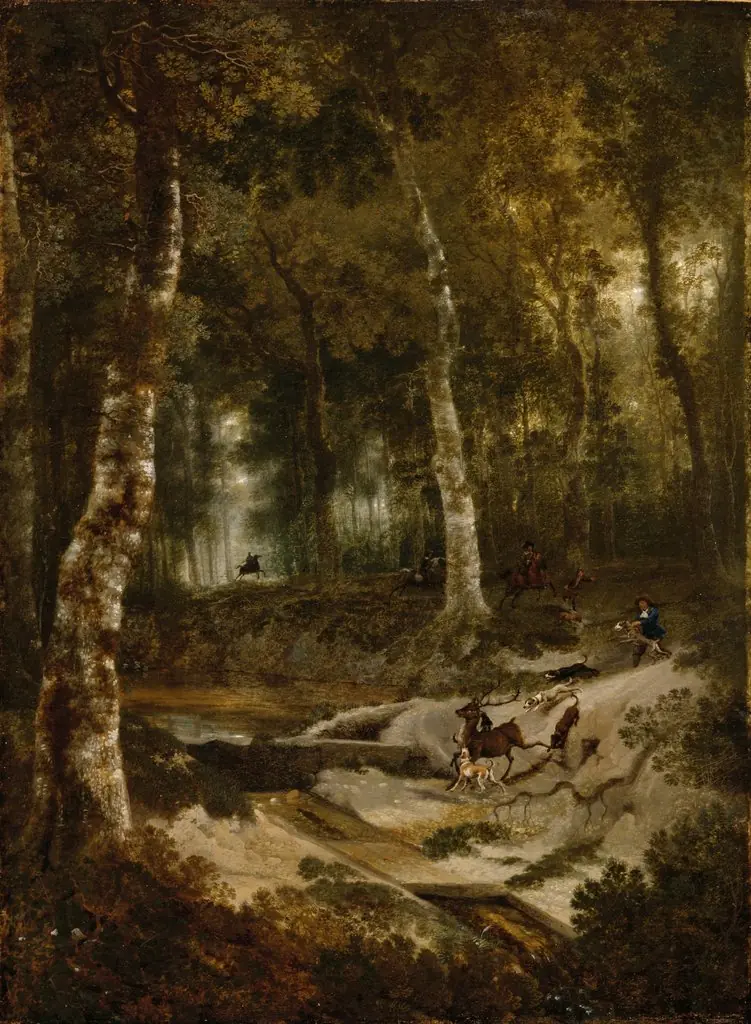
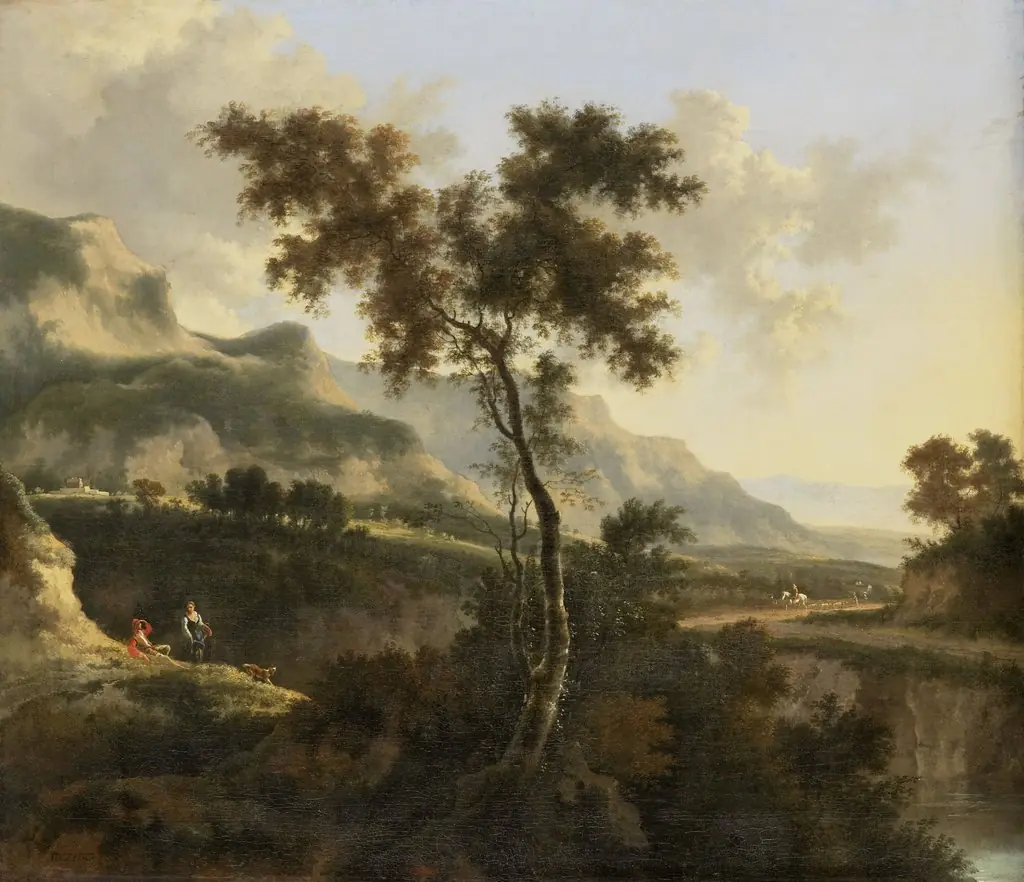
Landscape with cattle herders
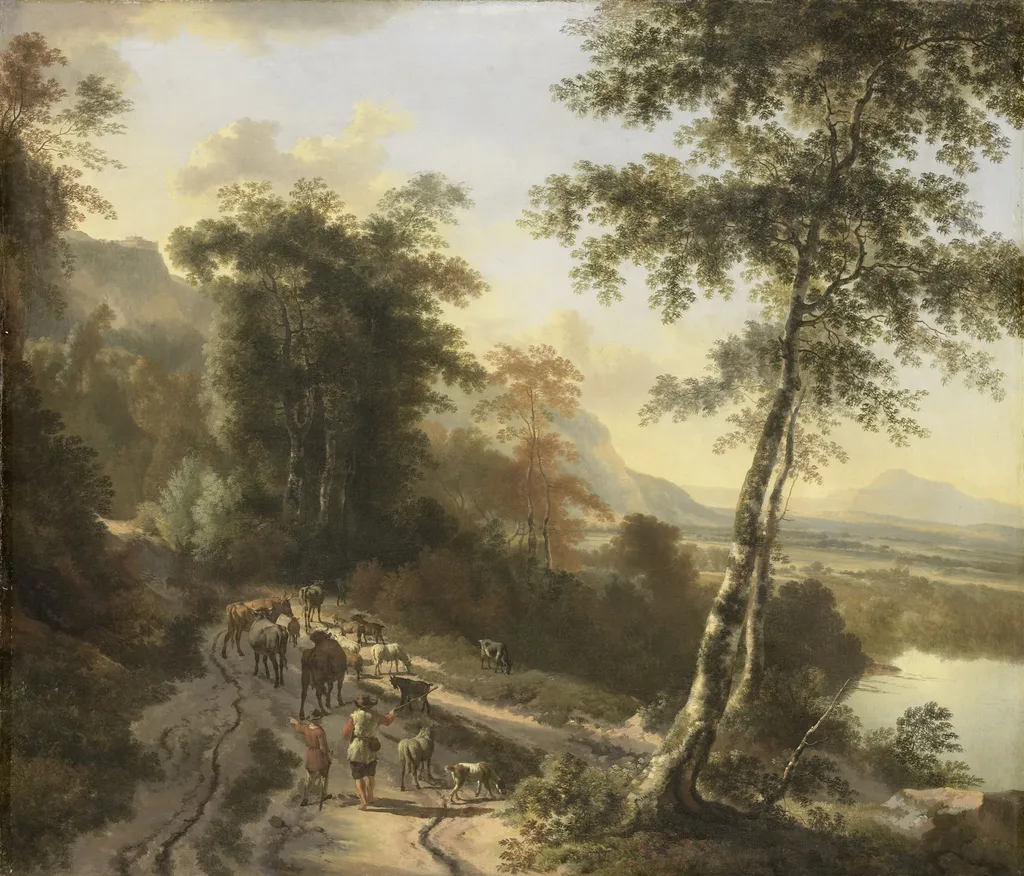
Landscape with cattle herders is an oil painting by Jan Hackaert. It dates from 1672 and is held in the collection of the Rijksmuseum.
About this work
Overview
Jan Hackaert’s 1672 oil painting, titled Landscape with Cattle Herders, presents a tranquil rural setting. A winding earthen track cuts through a forest of tall, leafy trees, while a modest herd of cows and three plainly dressed figures move along the path. A gentle river flows in the distance beneath a soft, hazy sky, suggesting a calm, early‑autumn atmosphere.
Subject & Meaning
The work foregrounds the relationship between humans, livestock, and the natural world, emphasizing the modest scale of the shepherds and their animals against the imposing forest. The subtle shift in leaf colour hints at the approach of autumn, evoking themes of seasonal change and the passage of time within a seemingly timeless countryside.
Technique & Style
Hackaert employs a nuanced handling of light, allowing shafts of illumination to pierce the canopy and create a pattern of bright and shadowed patches across the scene. The painting’s depth is achieved through layered glazing, a method that builds thin, translucent layers of pigment to render atmospheric perspective and the texture of foliage.
History & Provenance
Created in the Dutch Golden Age, Landscape with Cattle Herders entered the collection of the Rijksmuseum, where it remains on display. The painting’s provenance traces back to the artist’s workshop in the late 17th century, reflecting the period’s interest in pastoral landscapes that combined realistic observation with idealized serenity.
Own this work as a print
Artist & collection