Artwork
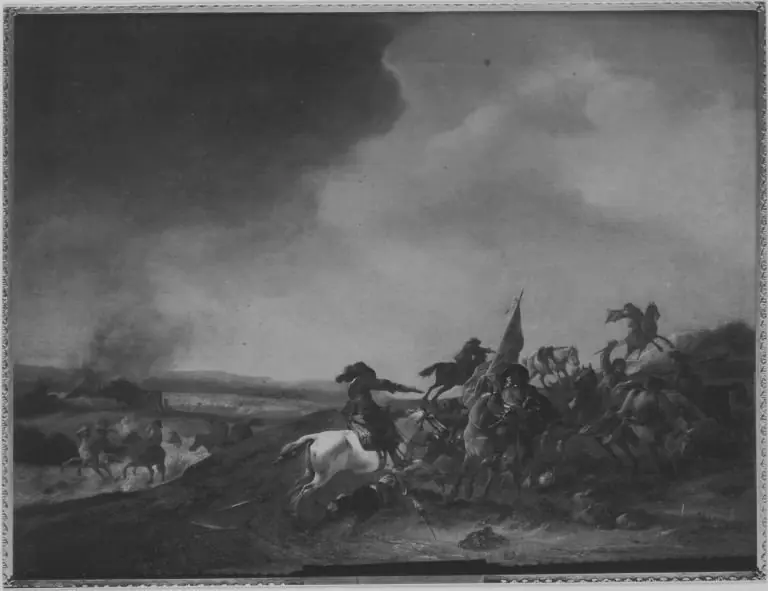
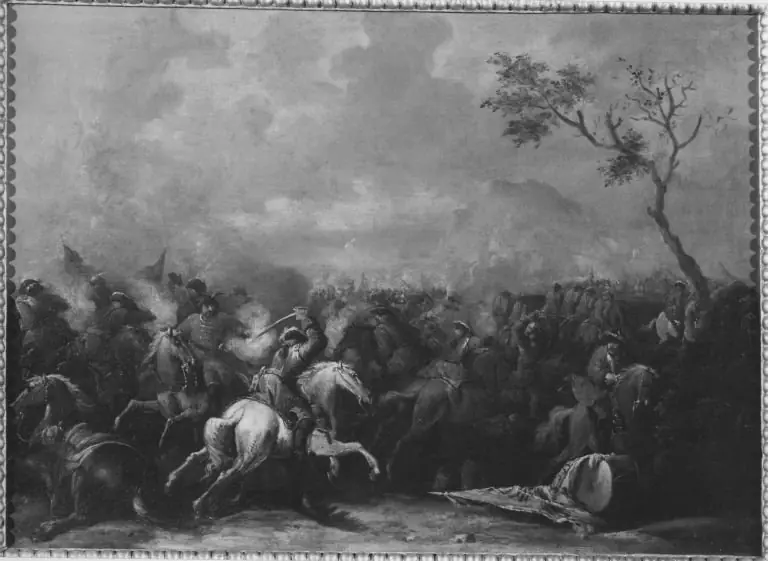
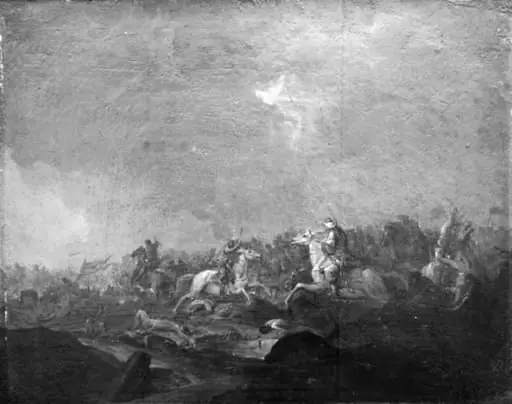
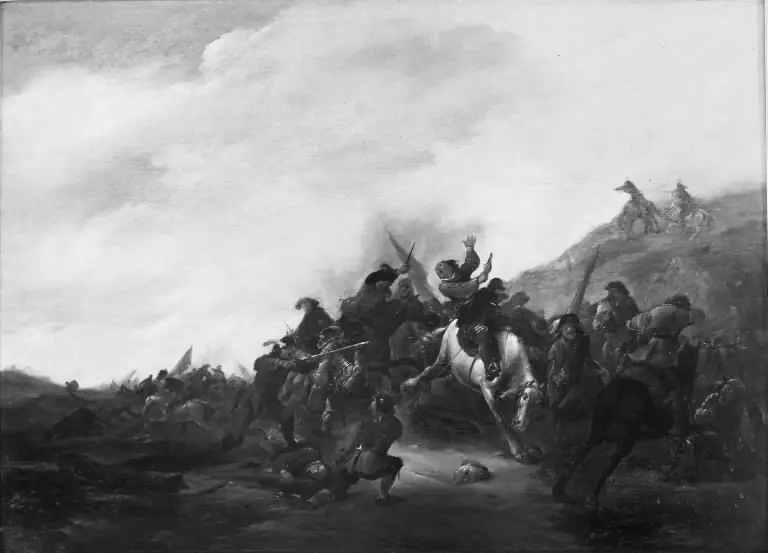
Reitergefecht
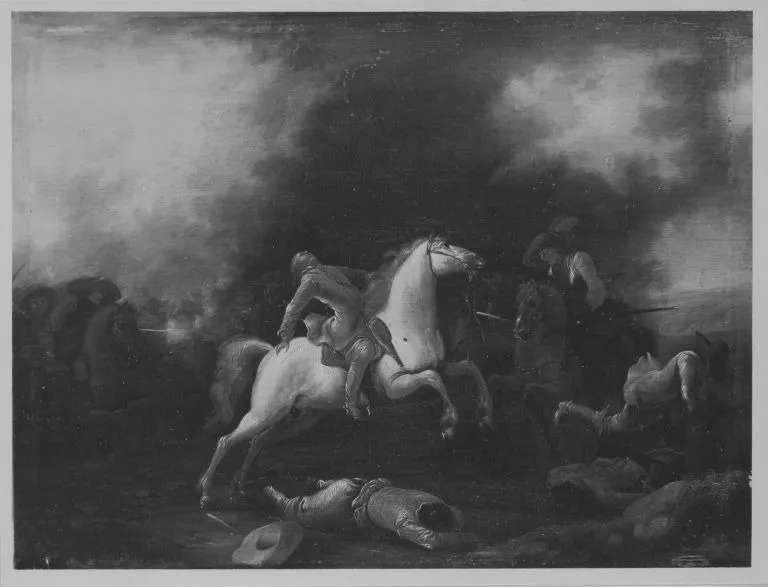
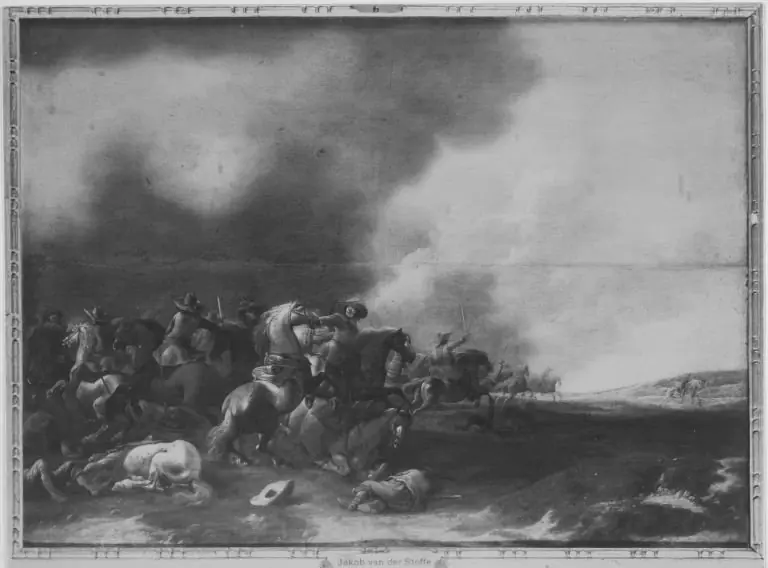
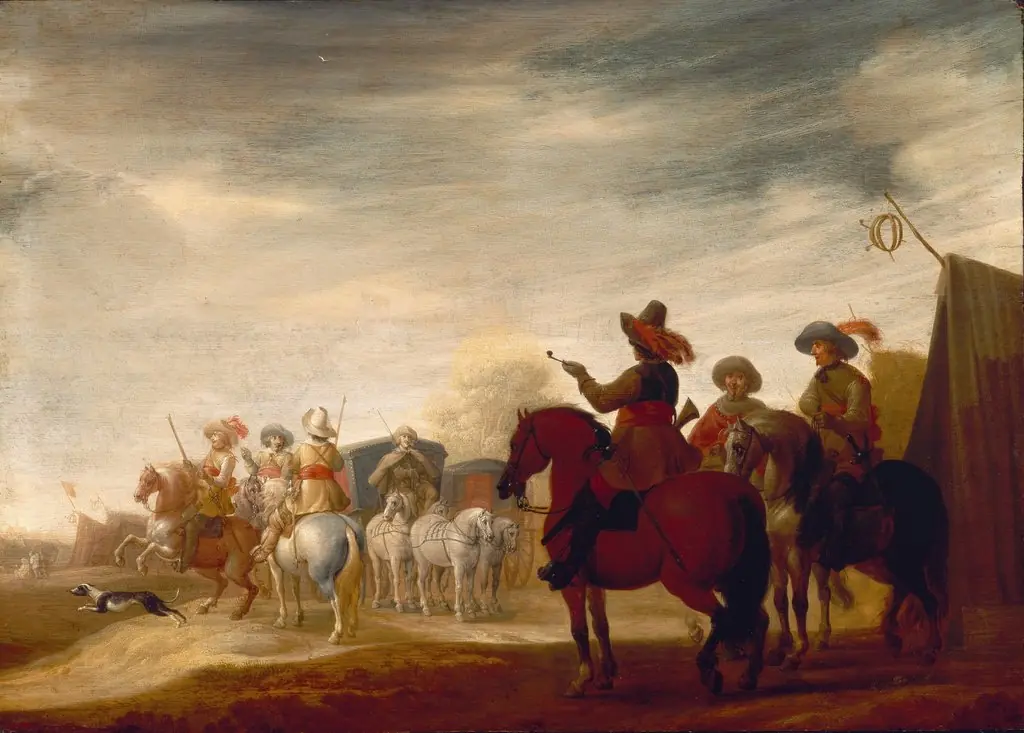
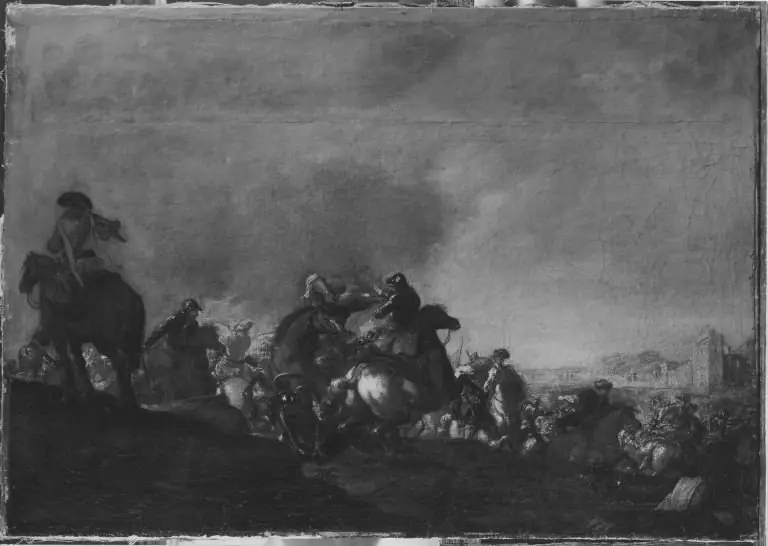
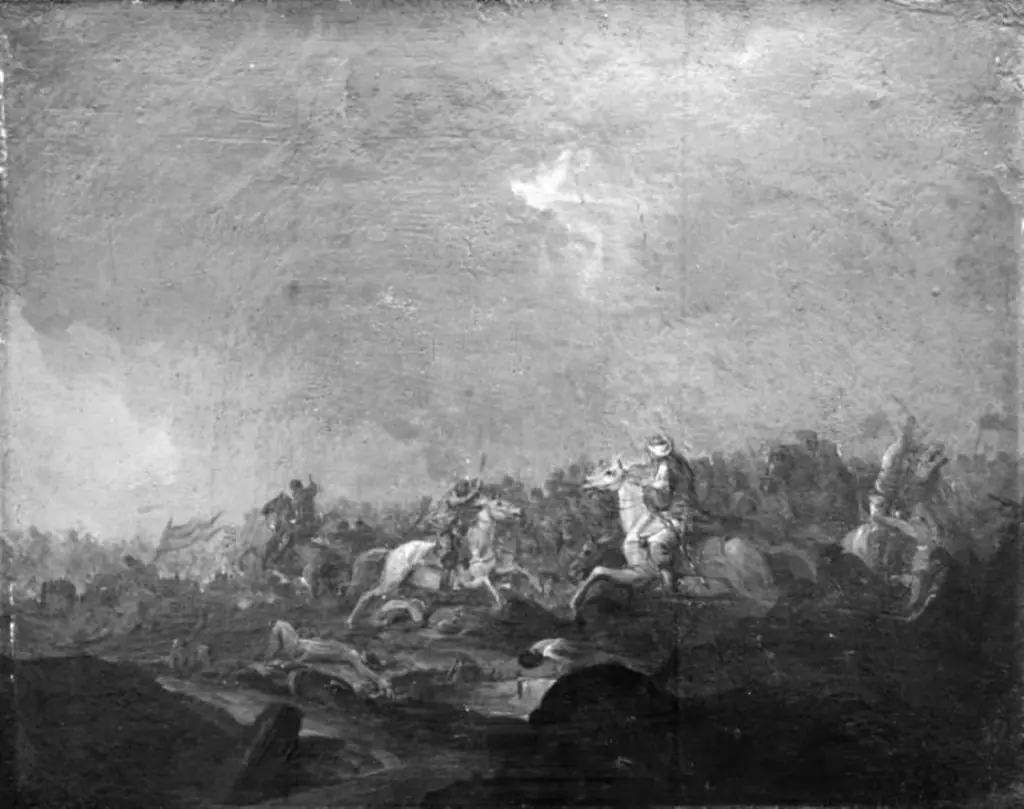
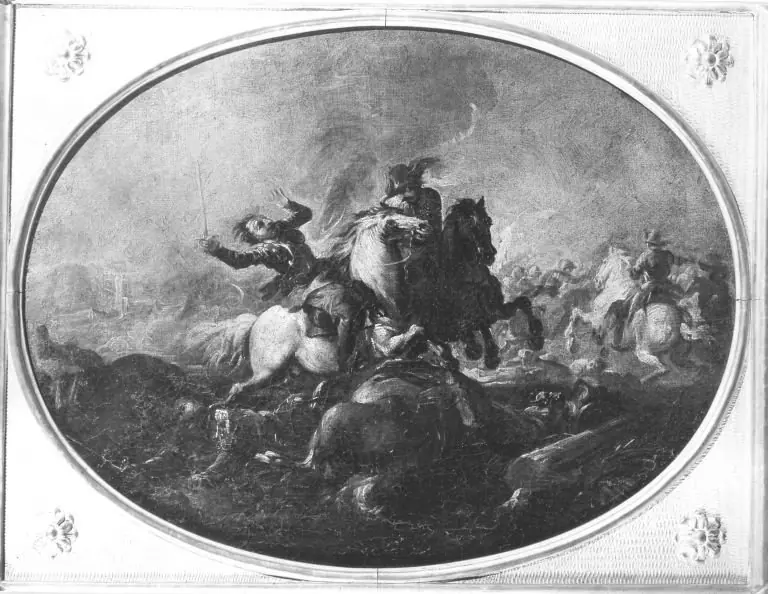
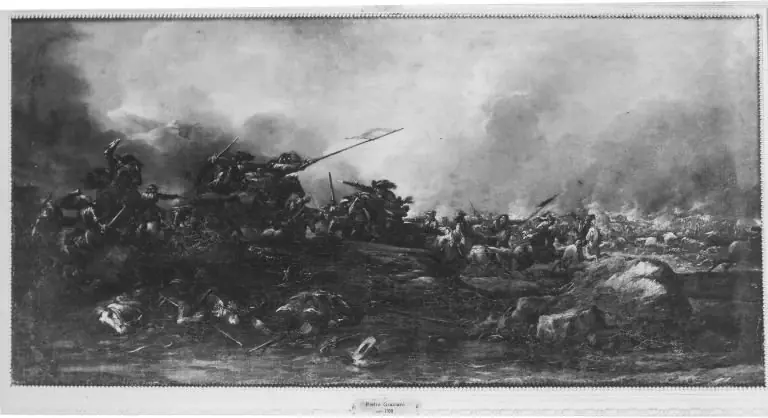
Reitergefecht is an unspecified painting by the Dutch Golden Age artist Jan Jacobsz van der Stoffe. It dates from 1650 and is held in the collection of the Bavarian State Painting Collections.
About this work
Overview
Painted around 1650 by Jan Jacobsz van der Stoffe, this equestrian battle scene is part of the Alte Pinakothek’s collection.
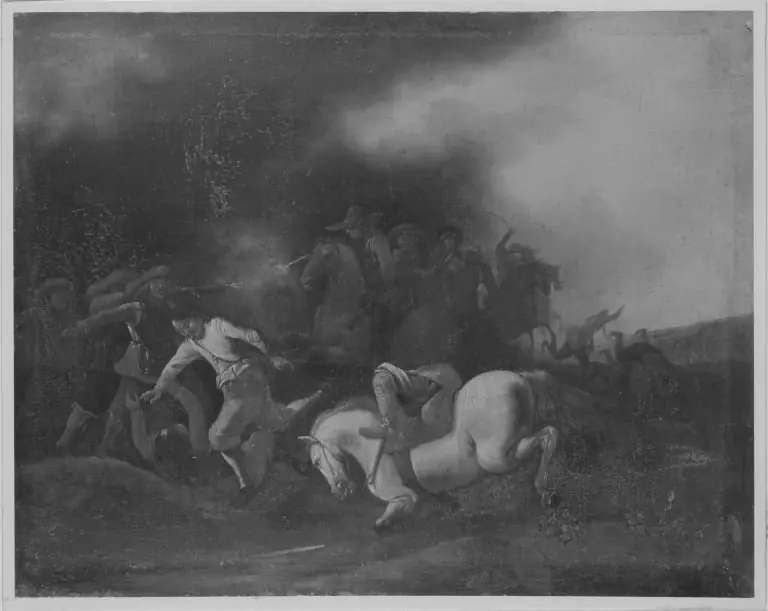
Painted around 1650 by Jan Jacobsz van der Stoffe, this equestrian battle scene is part of the Alte Pinakothek’s collection. It captures a moment of violent disruption on horseback, centered on a rearing white stallion and its falling rider. The composition emphasizes motion and disarray, with figures and animals caught in mid-action, suggesting a fleeting instant of chaos rather than a structured military engagement.
Subject & Meaning
The painting portrays a single, intense episode from a cavalry skirmish, not a grand historical event. The falling rider, distinguished by his hat and coat, may represent a noble or officer, his loss of control symbolizing the fragility of authority in combat. Surrounding figures—some engaged, others fleeing—reinforce the unpredictability of battle, conveying a sense of disorder rather than heroism or triumph.
Technique & Style
Van der Stoffe employs dark, muted tones and sharp contrasts of light to heighten the drama. Brushwork is loose and energetic, particularly in the rendering of hooves, fabric, and smoke, enhancing the feeling of movement. The central white horse acts as a visual anchor, its pale form stark against the shadowed background, drawing the eye to the moment of collapse and upheaval.
History & Provenance
The work has been in the Alte Pinakothek’s holdings since at least the 19th century, though its earlier ownership remains undocumented. It is one of few known paintings by van der Stoffe, a Dutch artist active in the mid-17th century whose output was limited and largely focused on equestrian and military subjects. Its survival suggests it was valued by early collectors for its dynamic composition.
Context
Created during the later years of the Eighty Years’ War, the painting reflects a period when cavalry actions remained central to European warfare, even as infantry tactics evolved. Dutch artists of the time often depicted military scenes, but few focused so narrowly on the visceral chaos of a single mounted encounter, distinguishing van der Stoffe’s approach from more formal battle paintings of the era.
Legacy
Though van der Stoffe’s oeuvre is small and largely overlooked in broader art histories, this painting endures as a compelling example of Dutch genre-inflected military art. Its emphasis on individual turmoil over collective narrative influenced later 17th-century depictions of cavalry engagements, offering a more intimate, human-centered view of war than the grandiose compositions of his contemporaries.
Artist & collection
Artist
Jan Jacobsz van der Stoffe (1610–1682) was an artist, born in Leiden.