Artwork
Gijsbertus Martinus Cort Heyligers (1770-1849). Lieutenant General in the Infantery
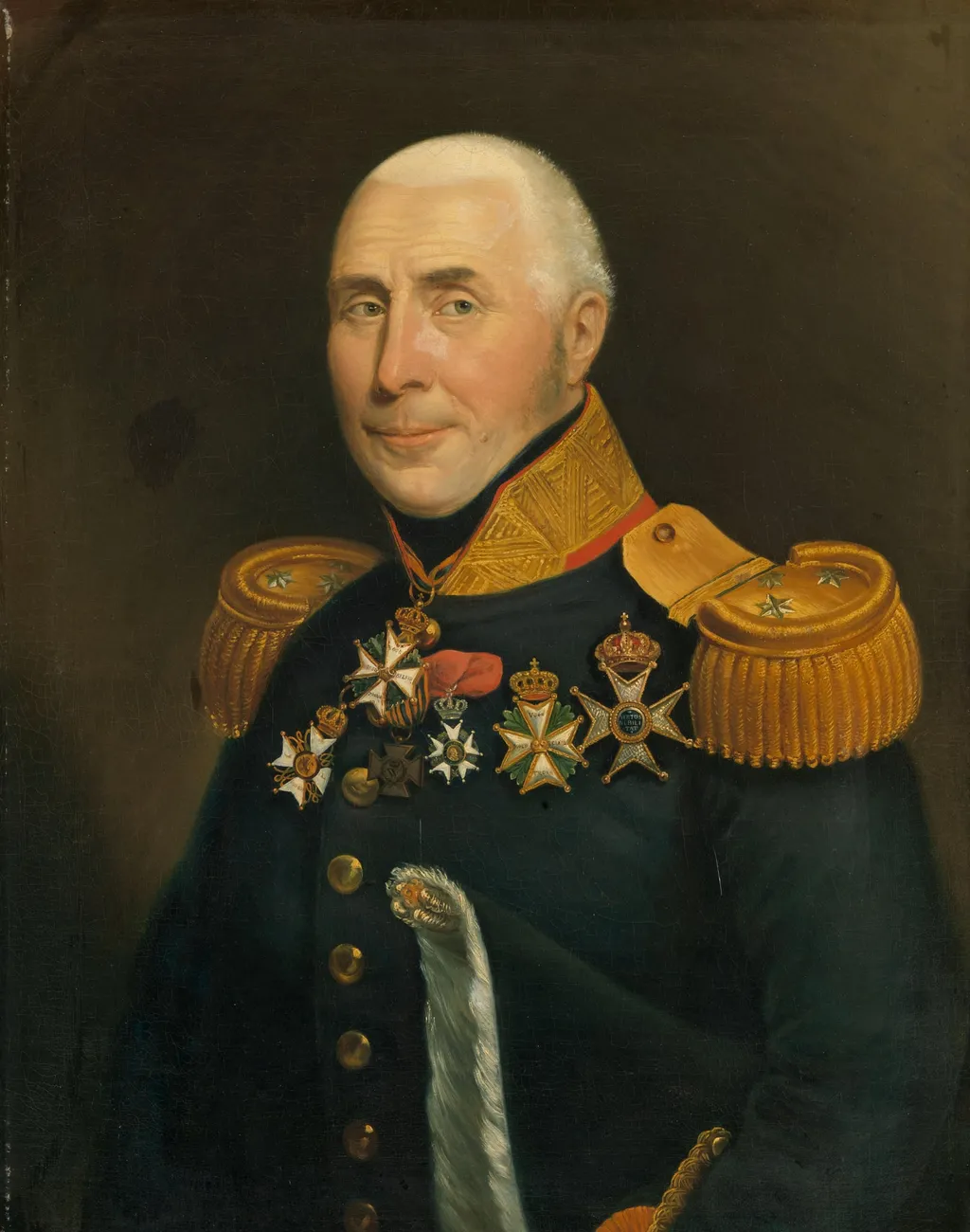
Gijsbertus Martinus Cort Heyligers (1770-1849). Lieutenant General in the Infantery is an unspecified painting by the Biedermeier artist Jan Kieft. It dates from 1831 and is held in the collection of the Rijksmuseum. This portrait depicts Gijsbertus Martinus Cort Heyligers, a lieutenant general in the Dutch infantry, painted in 1831.
About this work
The artist didn’t sign it, so we don’t know who made it, but the careful brushwork on the medals suggests someone used to painting details.
You see a man in a dark military uniform, medals pinned thick across his chest. His face is turned slightly left, a black bicorne hat tucked under his arm. The background is plain, so your eye goes straight to the gleam of gold braid and polished buttons.
This portrait was painted in 1831, right after Belgium broke away from the Netherlands. The man was a high-ranking officer—his medals show he’d been in battles. The artist didn’t sign it, so we don’t know who made it, but the careful brushwork on the medals suggests someone used to painting details.
To see more portraits like this, look up the Rijksmuseum.
Overview
This portrait depicts Gijsbertus Martinus Cort Heyligers, a lieutenant general in the Dutch infantry, painted in 1831. He is shown in bust form, facing slightly left, with a black bicorne hat held beneath his right arm. The composition is tightly focused on his figure, set against a neutral background that emphasizes the precision of his uniform and the array of medals on his chest. The artist remains unidentified, though the rendering suggests a skilled hand accustomed to detailed military portraiture.
Subject & Meaning
Heyligers is presented as a decorated officer, his chest adorned with multiple medals signifying service in military campaigns. His posture and attire convey authority and discipline, typical of official military portraiture of the era. The timing of the painting—just after Belgium’s secession from the Netherlands—adds subtle political weight, as it captures a senior officer of the Dutch state during a period of territorial and institutional upheaval.
Technique & Style
The painting employs a restrained palette dominated by dark tones, with highlights drawn from polished brass buttons and gold braid. The medals are rendered with meticulous attention to texture and reflection, indicating the artist’s focus on material realism. Brushwork is controlled and precise, avoiding dramatic flourishes; the emphasis remains on accuracy and the dignified representation of rank rather than expressive individuality.
History & Provenance
Commissioned in 1831, the portrait was likely created to affirm Heyligers’s status within the Dutch military establishment amid the political instability following Belgian independence. The absence of the artist’s signature suggests it may have been a state or institutional commission rather than a private one. Its current location and earlier ownership are not documented in public records, though it aligns with the collection practices of Dutch military archives of the period.
Context
In the early 1830s, the Netherlands was redefining its military identity after losing the southern provinces. Portraits like this served to reinforce continuity and loyalty among senior officers. The genre was common in Dutch and Belgian military circles, where visual representation of rank and honor played a role in institutional cohesion. Similar portraits from this era can be found in the Rijksmuseum’s collection of 19th-century military imagery.
Legacy
Though unsigned and not attributed to a known artist, the portrait remains a representative example of Dutch military portraiture from the post-Napoleonic era. It contributes to the visual record of officers who served during a turbulent transition in the Low Countries. Its preservation reflects the institutional value placed on documenting military leadership, even when the artist’s identity was considered secondary to the subject’s rank.
Own this work as a print
Artist & collection

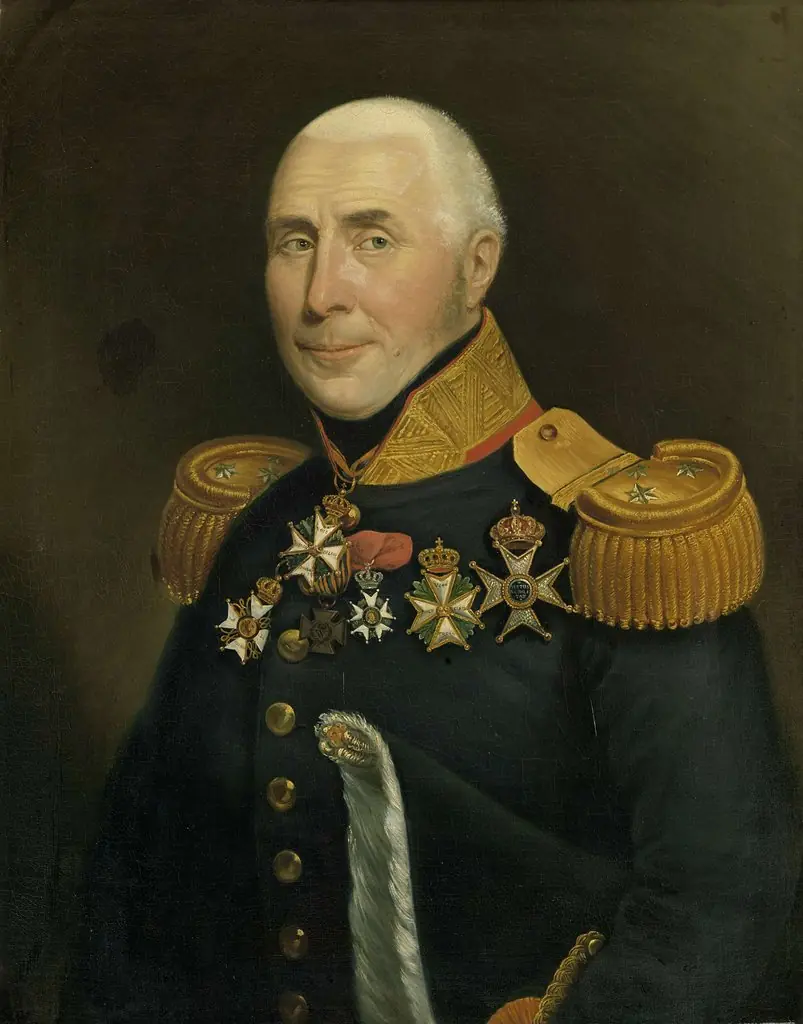
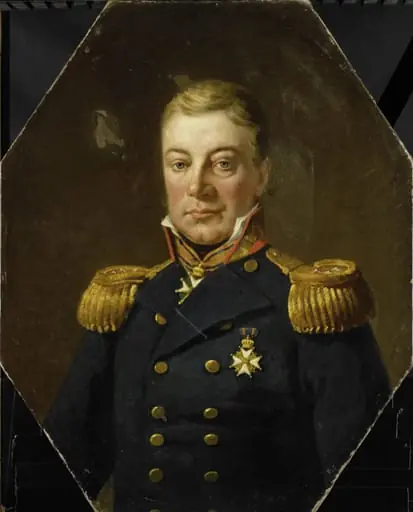
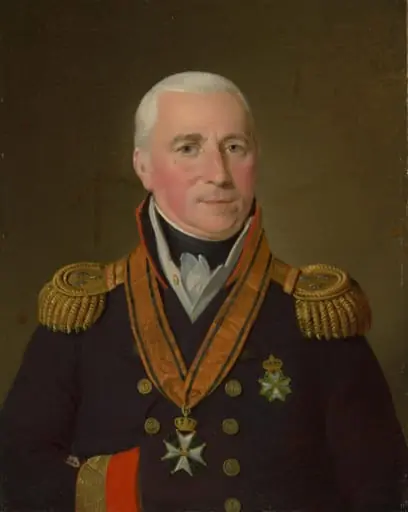 Portrait of Gerrit Verdooren (1757-1824), Vice-admiral
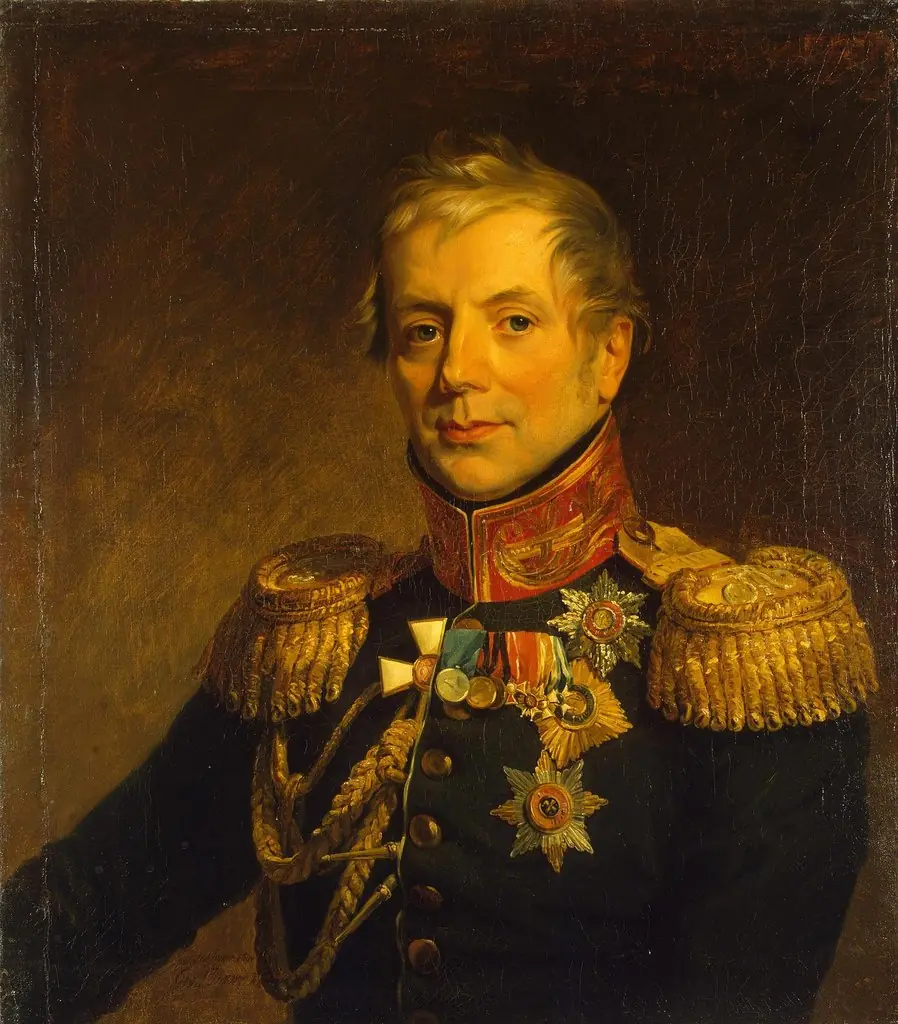 Portrait of Pyotr P. Konovnitsyn (1764-1822) (replica of the 1821 portrait)
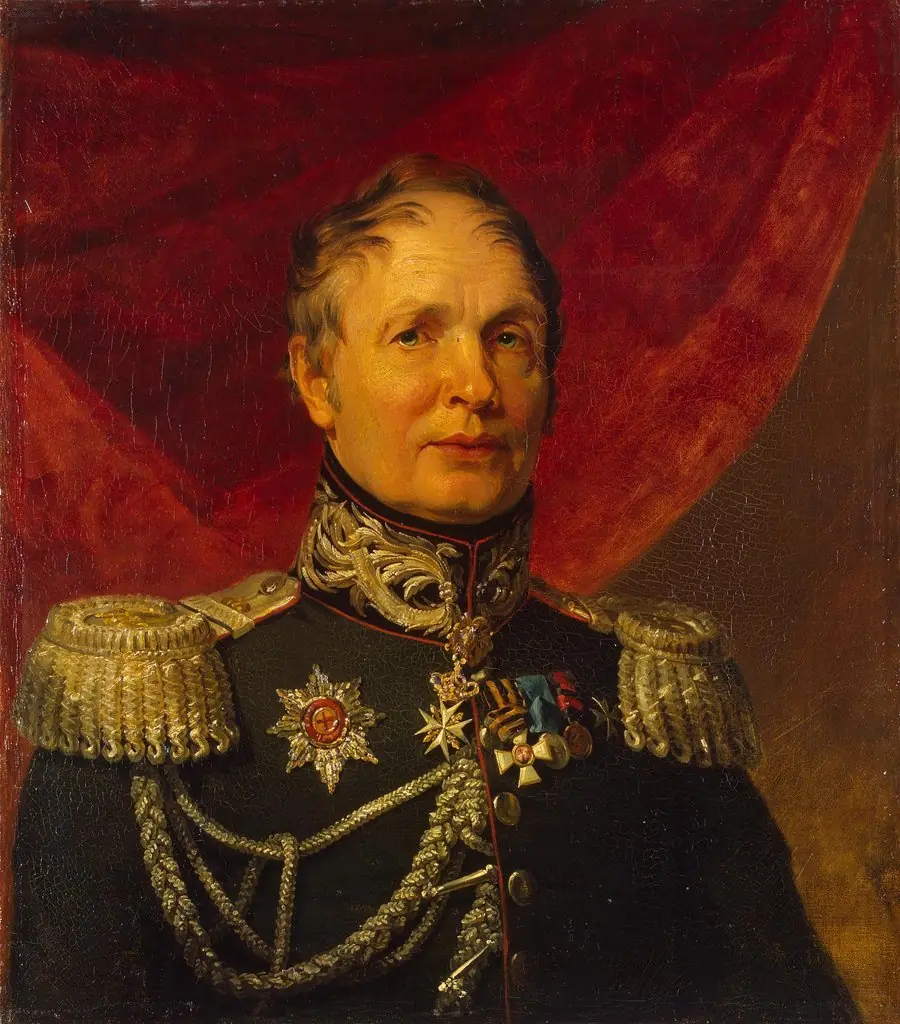 Portrait of Mikhail S. Vistitsky (1768-1832)
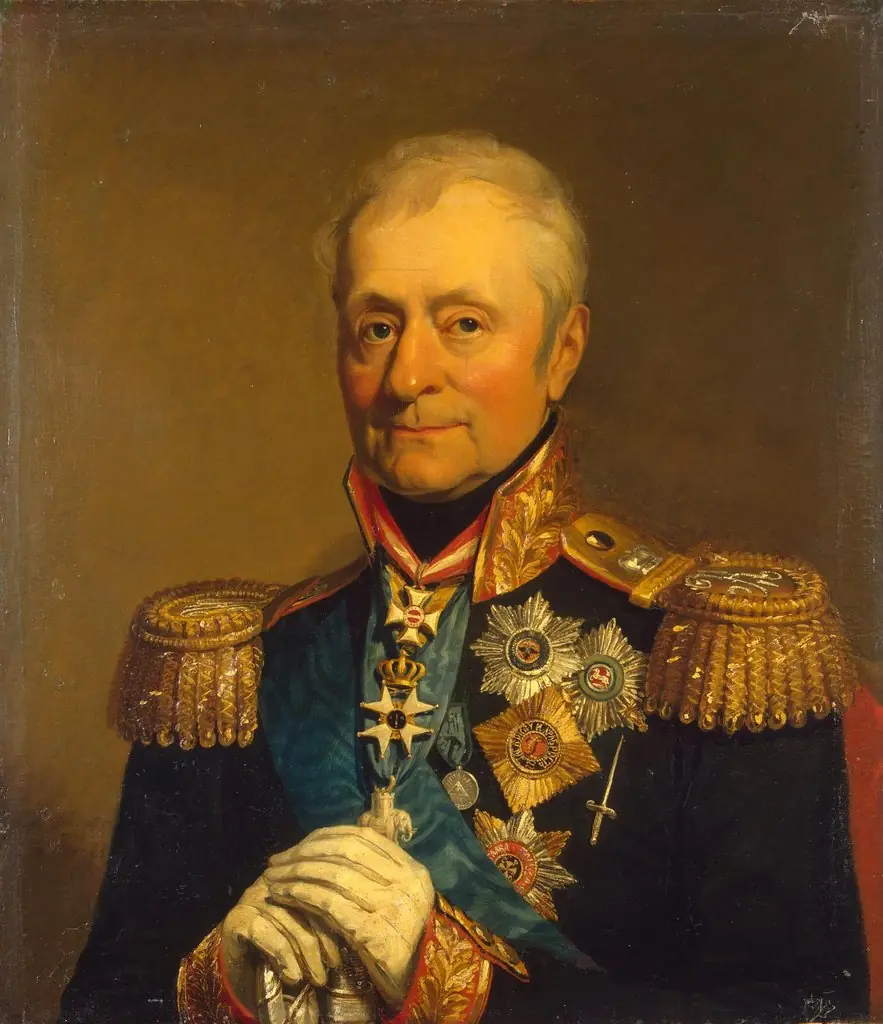 Portrait of Leonty L. Bennigsen (Levin) (1745-1826)
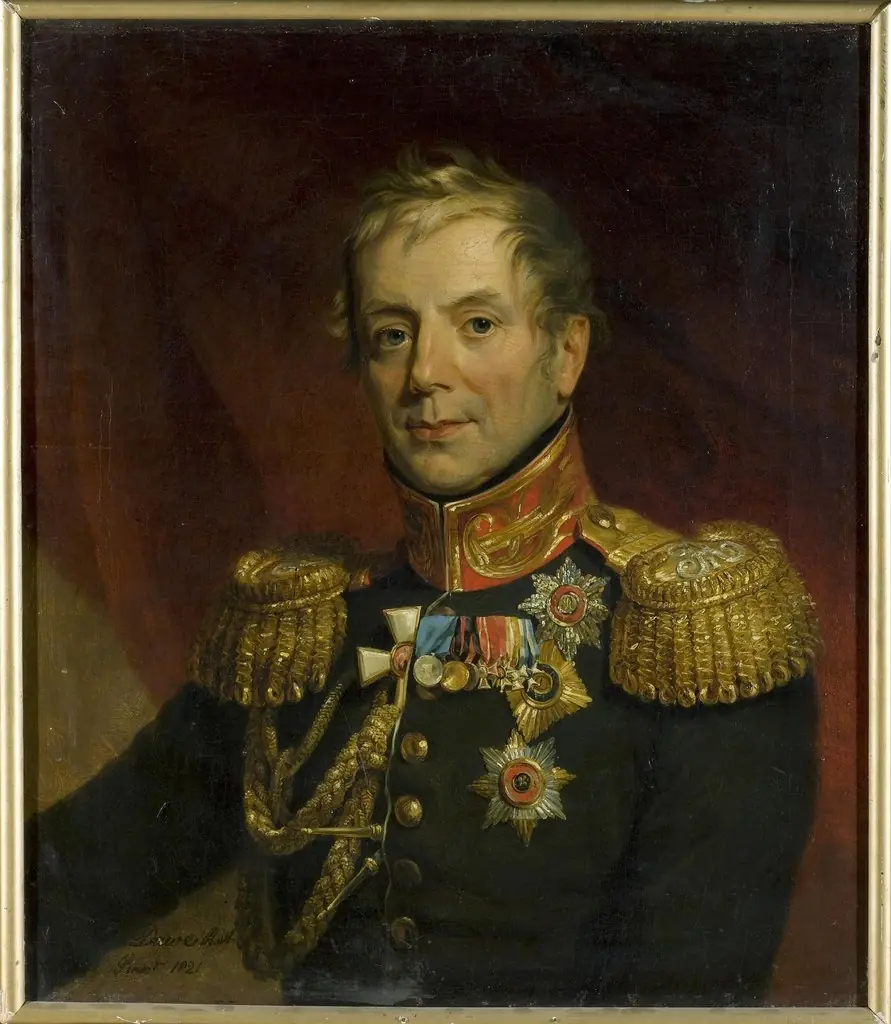 Portrait of Piotr Konovnitsyn (1764-1822)
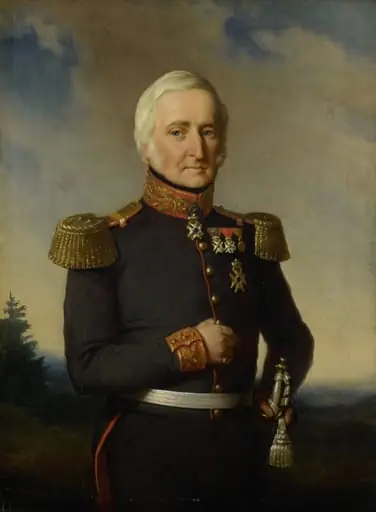
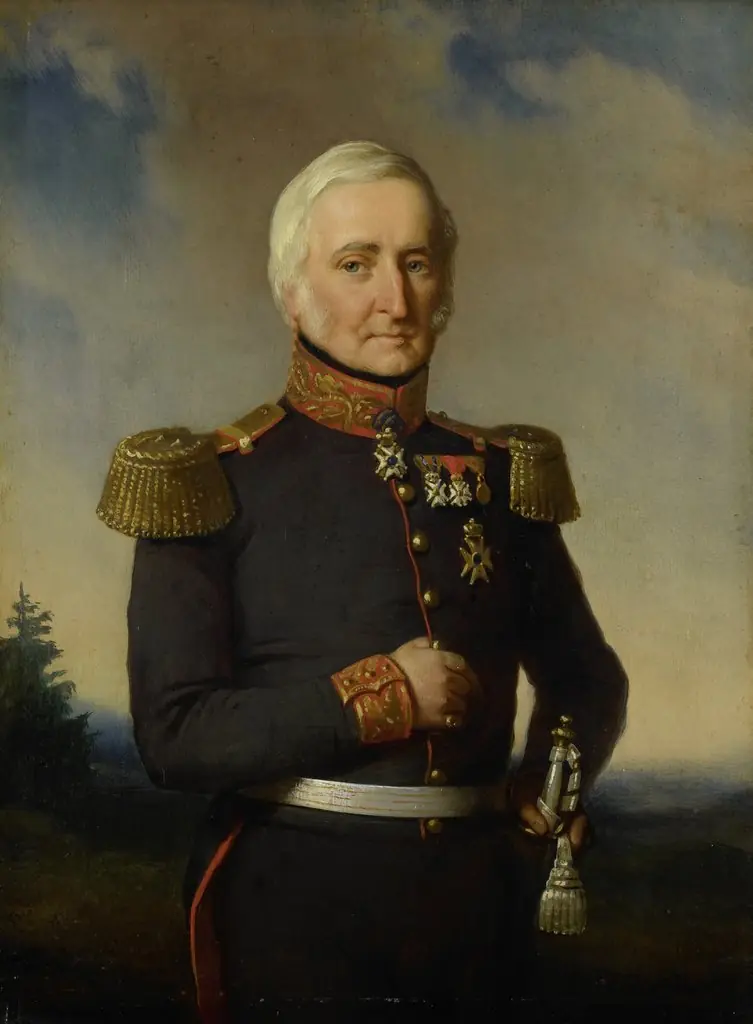 Huibert Gerard Baron Nahuys van Burgst (1782-1858). Lid van de Raad van Nederlands Oost Indië, in het uniform van generaal-majoor titulair
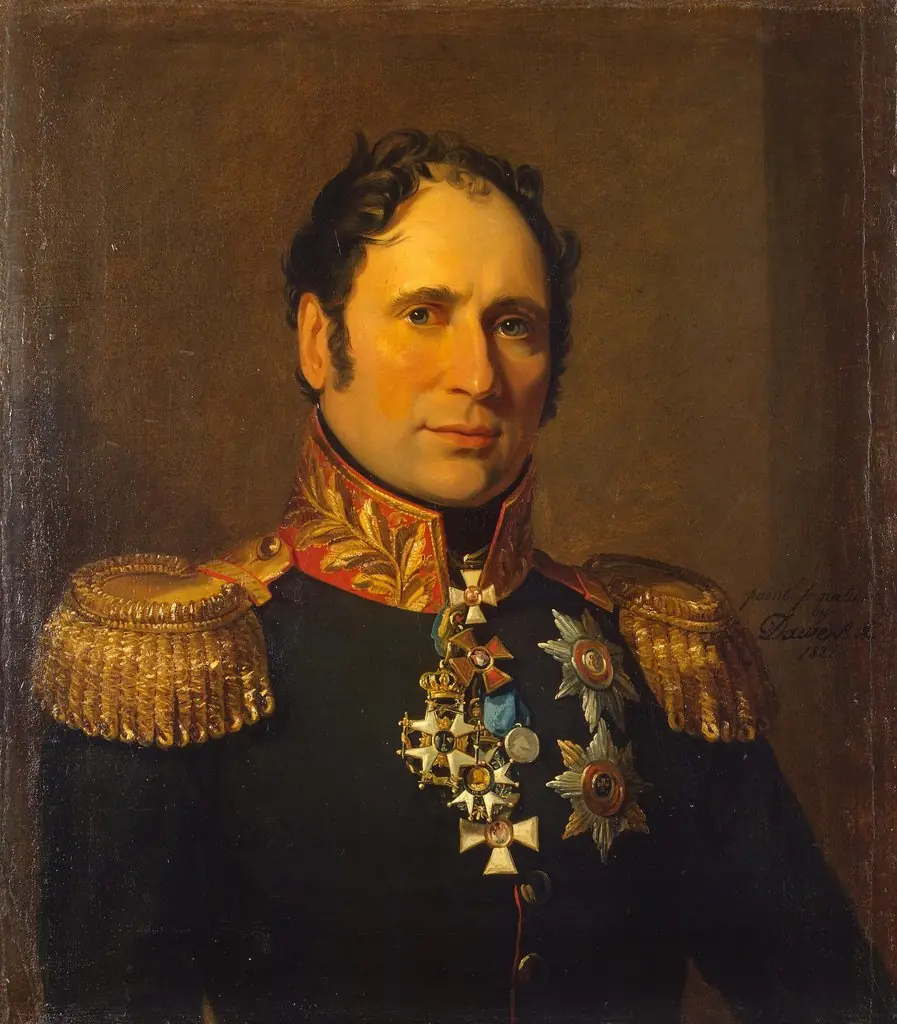 Portrait of Karl I. Oppermann (1765/66-1831)
 Portrait of Admiral F.F.Ushakov
 Portrait of Andrey T. Maslov (1770-1828)