Artwork
Portrait of Leonty L. Bennigsen (Levin) (1745-1826)
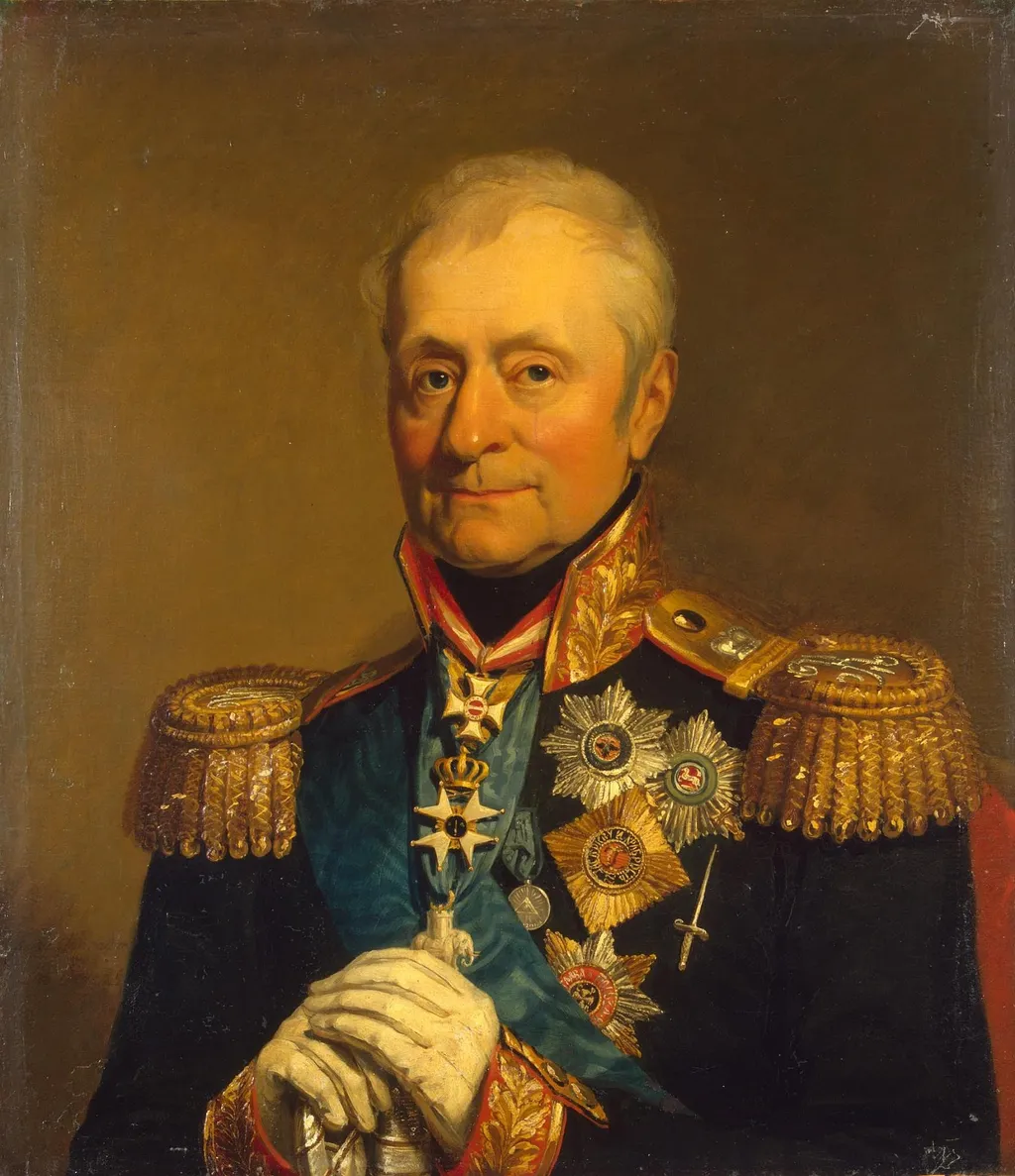
Portrait of Leonty L. Bennigsen (Levin) (1745-1826) is an oil painting by the British Romanticist artist George Dawe. It dates from 1822 and is held in the collection of the Hermitage Museum.
About this work
Overview
Painted in 1822 by English portraitist George Dawe, *Portrait of Leonty L. Bennigsen* is an oil-on-canvas work depicting Levin August von Bennigsen, a distinguished Russian general. The piece is characteristic of the British Romanticism style.
Subject & Meaning
The portrait captures General Levin August von Bennigsen in later life, emphasizing his military stature through meticulous detail on his adorned dark blue uniform. The calm, serious expression and prominent display of medals and insignia underscore his esteemed rank and experience, notably his role in Napoleon's Russian campaign.
Technique & Style
Dawe employed characteristic British Romanticism techniques, focusing on the subject's dignity and the play of light on metallic decorations. The plain, dark background contrasts with the vibrant, intricately rendered uniform, drawing attention to Bennigsen's honors and status.
History & Provenance
Created during Dawe's Saint Petersburg period (after 1819), the portrait is now part of the State Hermitage Museum's collection, reflecting Dawe's acclaim among the Russian artistic elite, including recognition from poet Alexander Pushkin.
Context
The work reflects the cultural exchange of Dawe's relocation to Russia, blending British Romantic portraiture with the subject's significance in Russian military history, particularly the Napoleonic Wars.
Legacy
As part of the Hermitage's holdings, the portrait contributes to the museum's collection of early 19th-century European portraiture, offering insight into both Dawe's oeuvre and the historical figure of Bennigsen.
Own this work as a print
Artist & collection
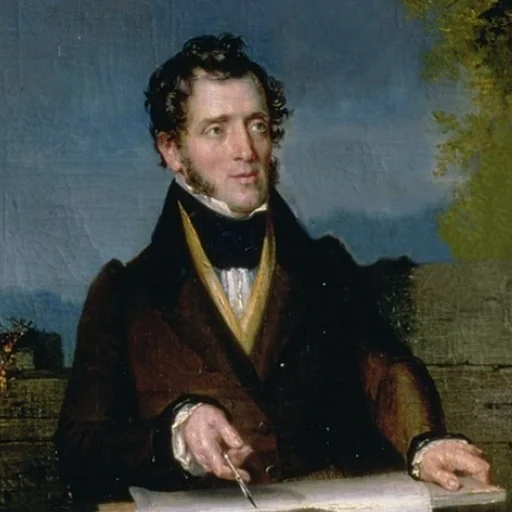
Artist
George Dawe (6 February 1781 – 15 October 1829) was an English portraitist who painted 329 portraits of Russian generals active during Napoleon's invasion of Russia for the Military Gallery of the Winter Palace.

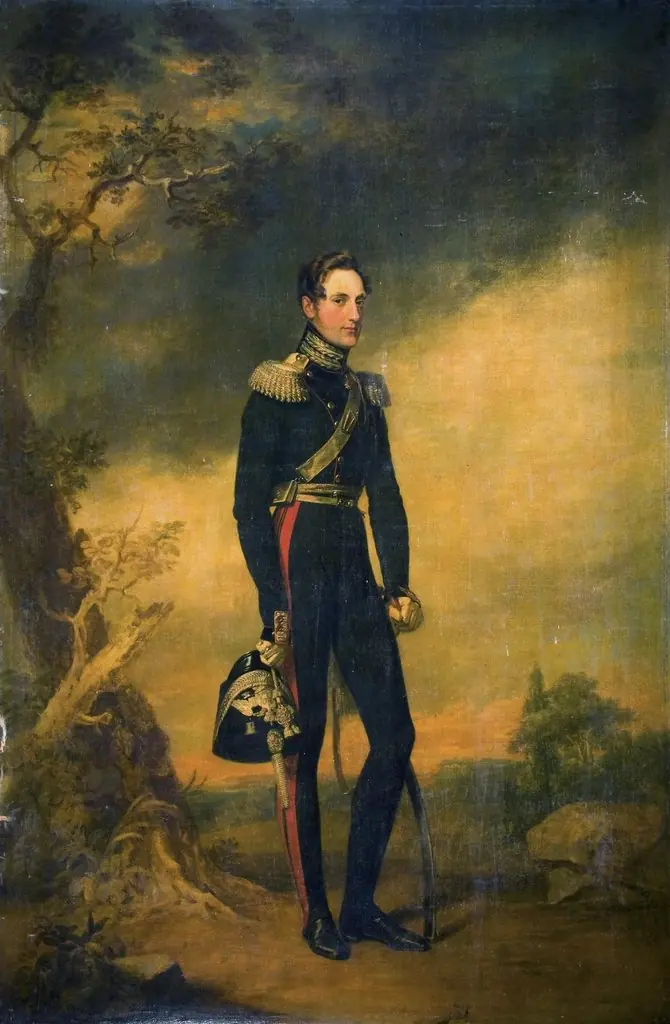 Portrait of Grand Duke Nikolai Pavlovich
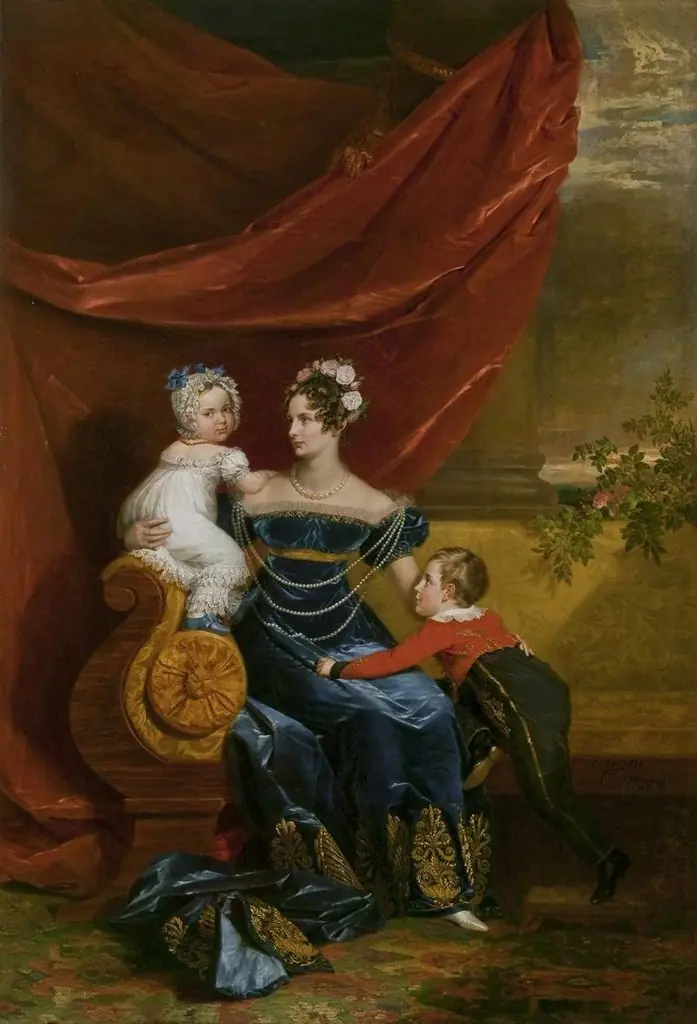 Portrait of Grand Duchess Alexandra Fiodorovna with Children
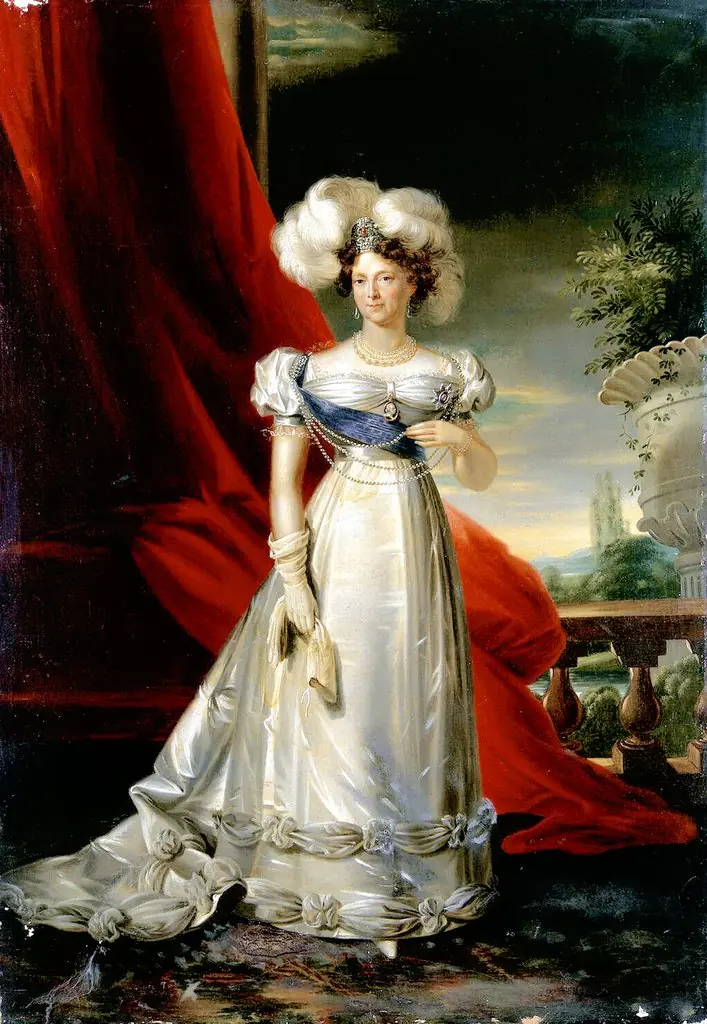 Portrait of the Empress Dowager Maria Feodorovna
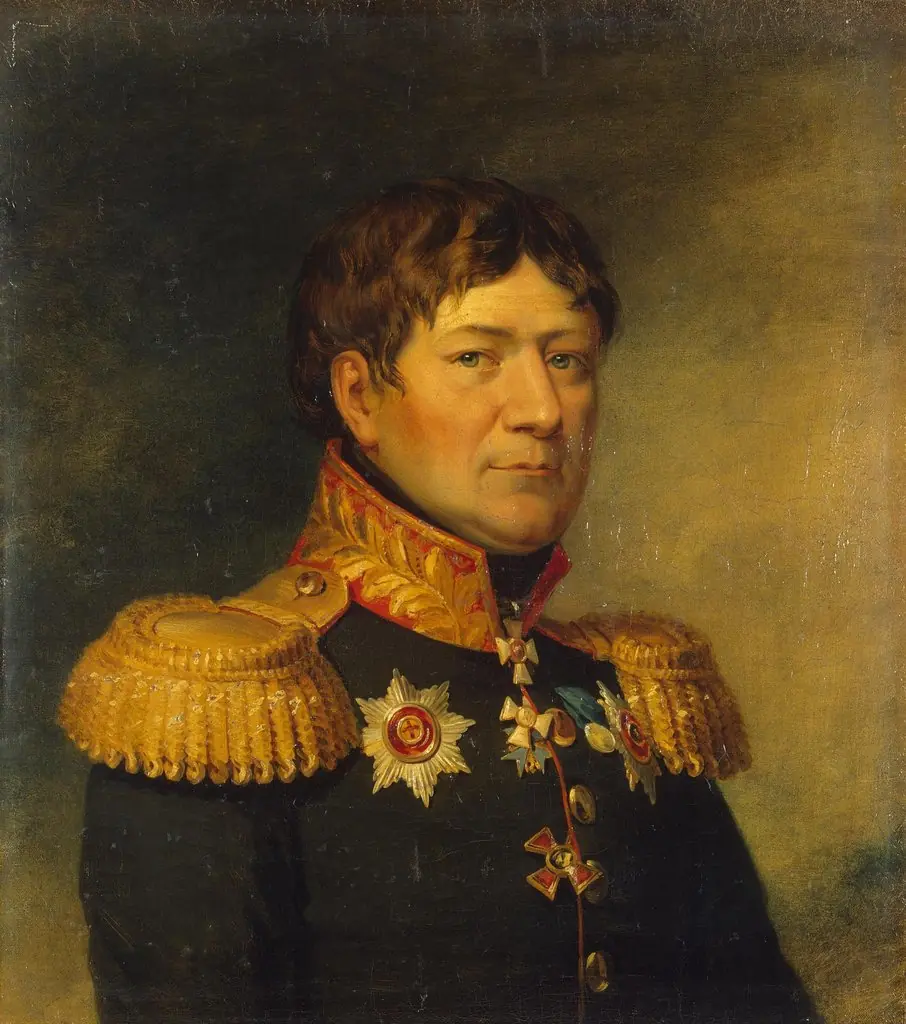 Portrait of Yegor M. Pillar (1767-1830)
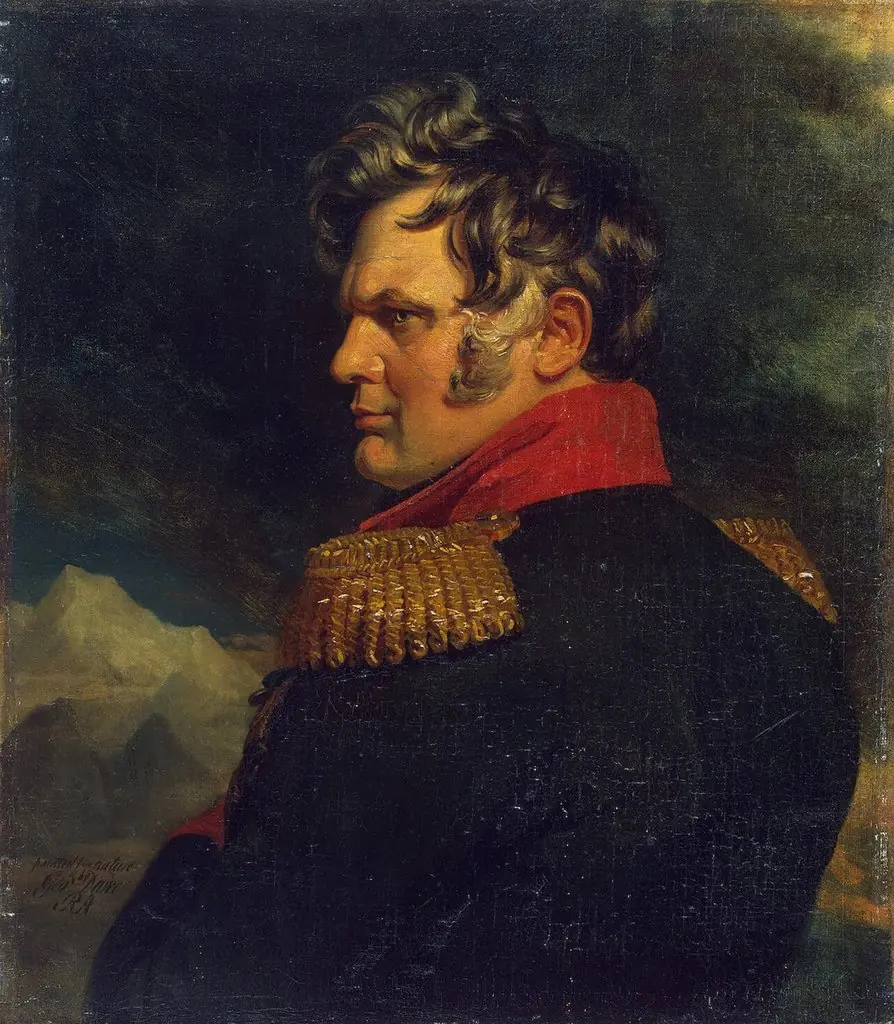 Portrait of Alexei P. Yermolov (1772/77-1861)
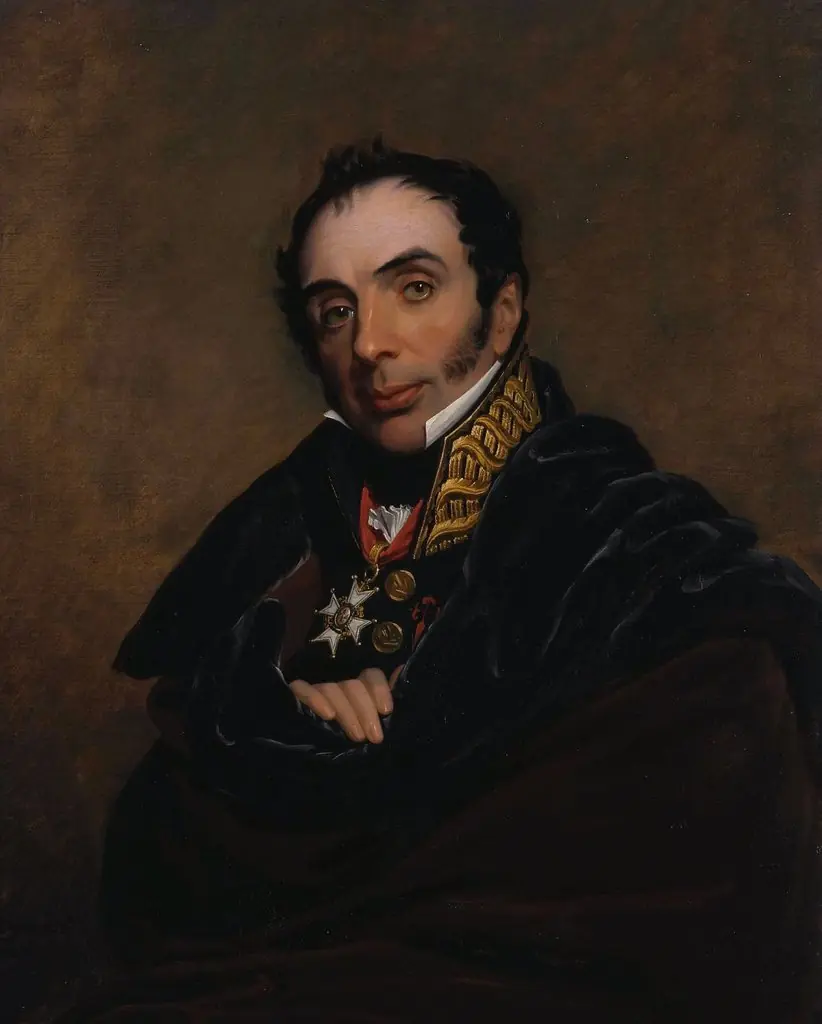 Portrait of Miguel Ricardo de Alava
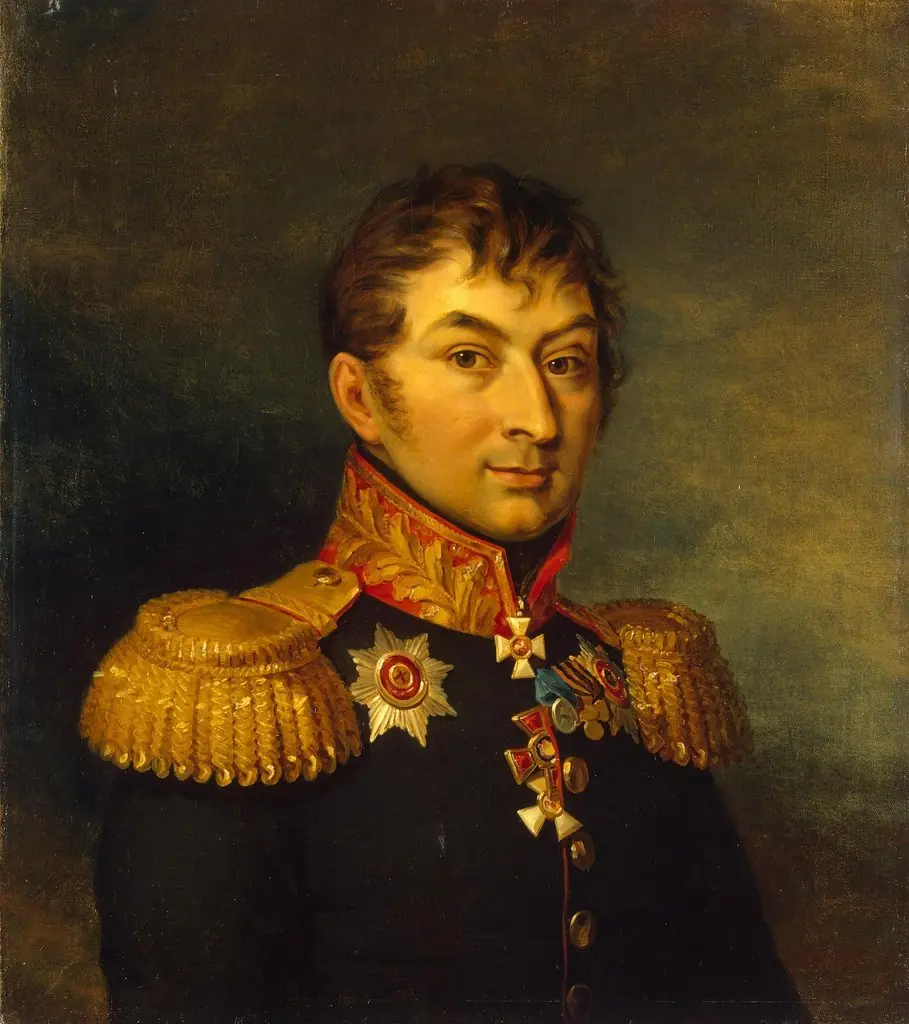 Portrait of Ivan D. Panchulidzev (1759-1815) (1st)
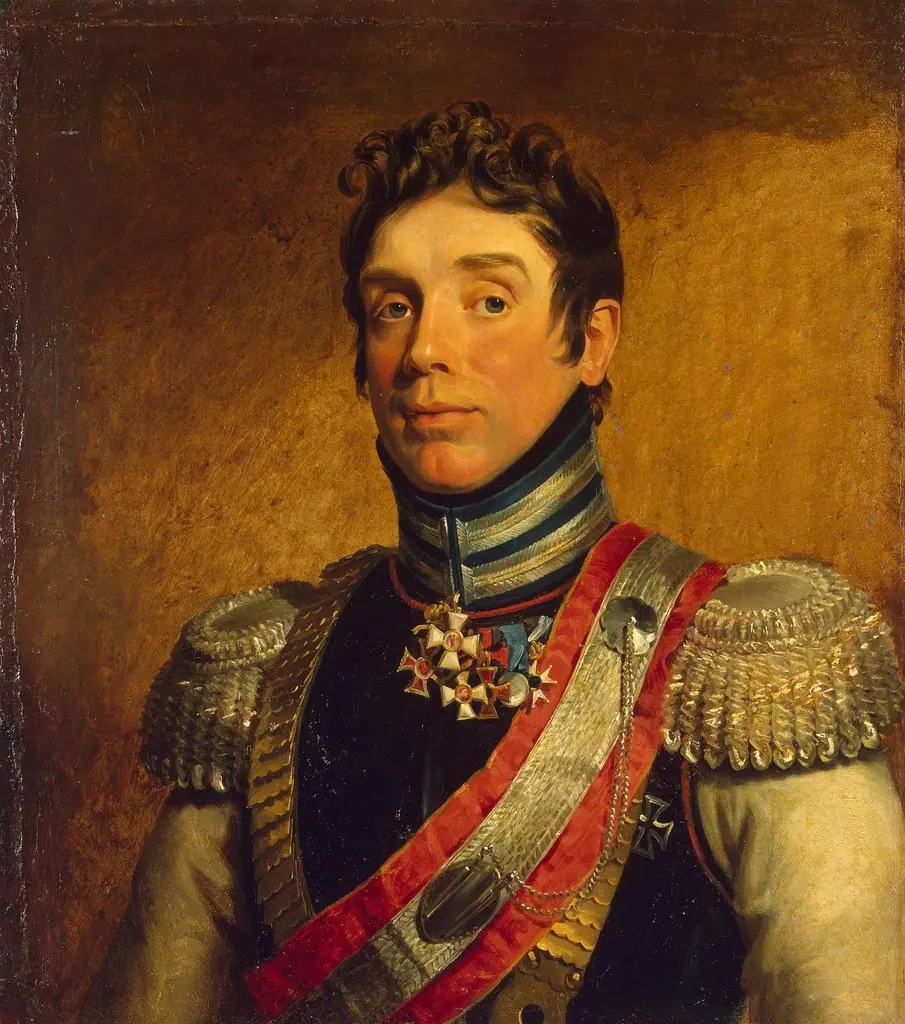 Portrait of Karl V. Budberg (1774-1829)
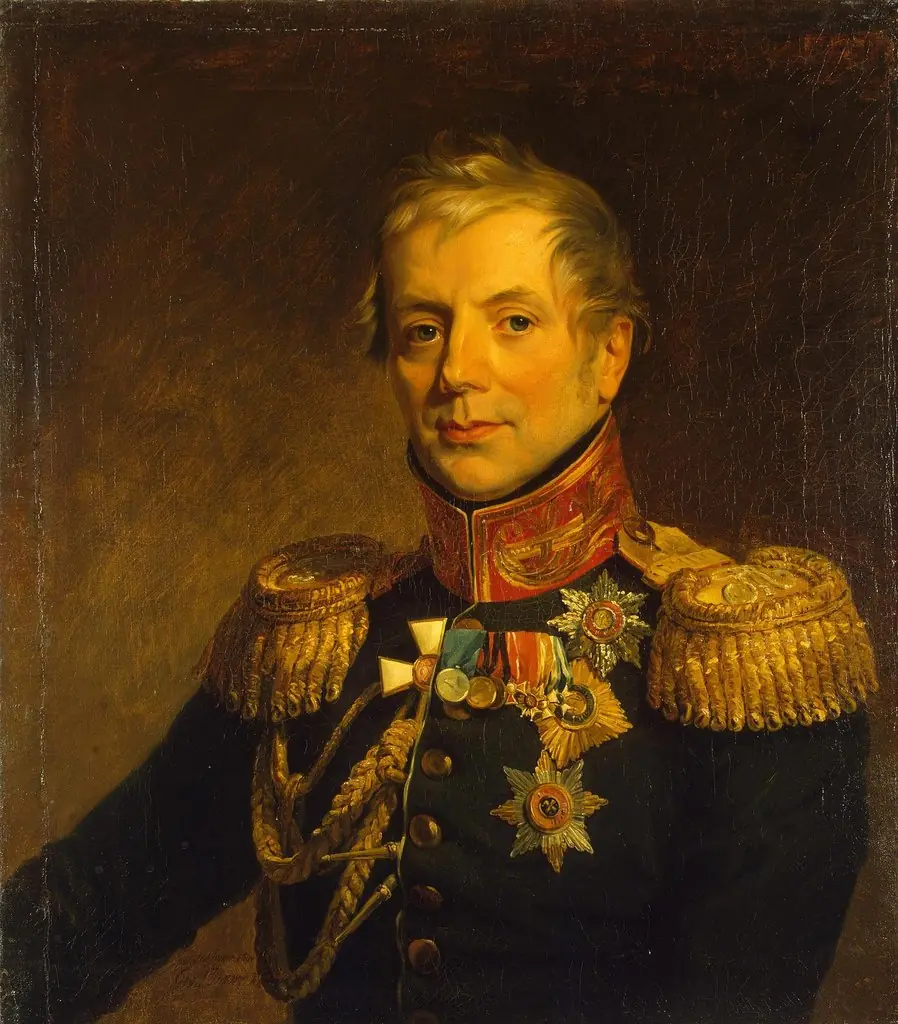 Portrait of Pyotr P. Konovnitsyn (1764-1822) (replica of the 1821 portrait)
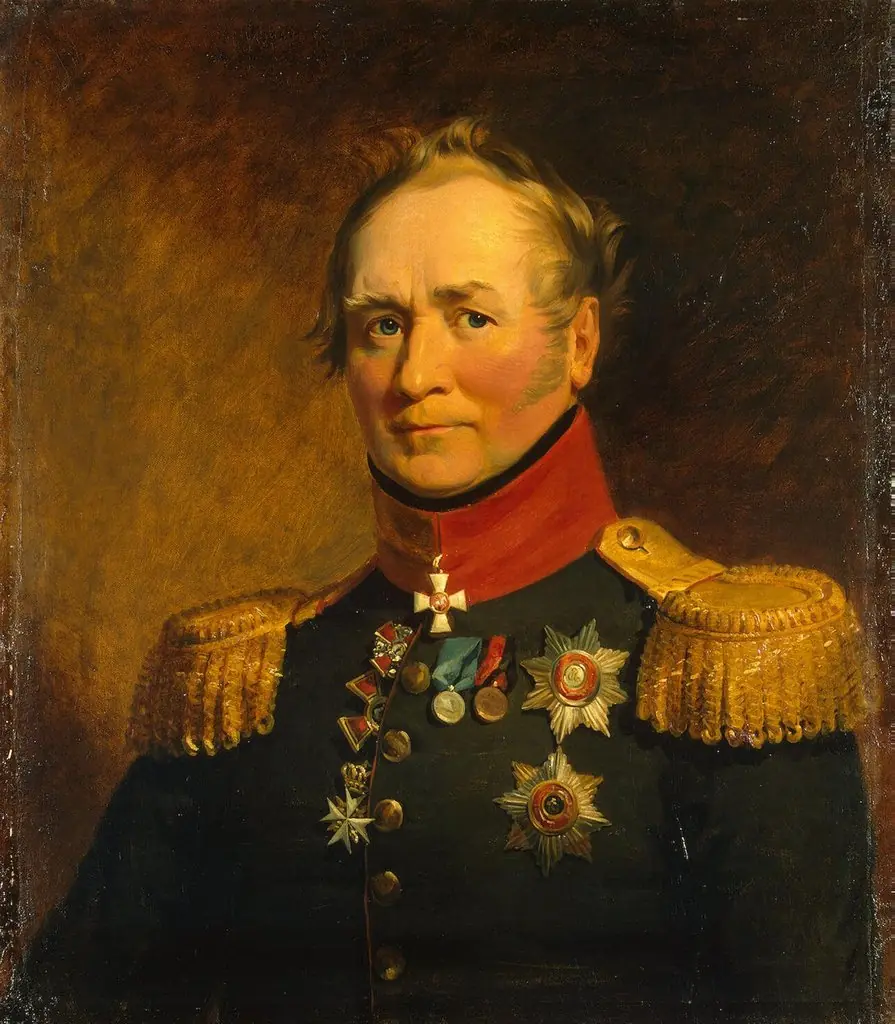 Portrait of Fyodor F. Oerthel (1767/68-1825)
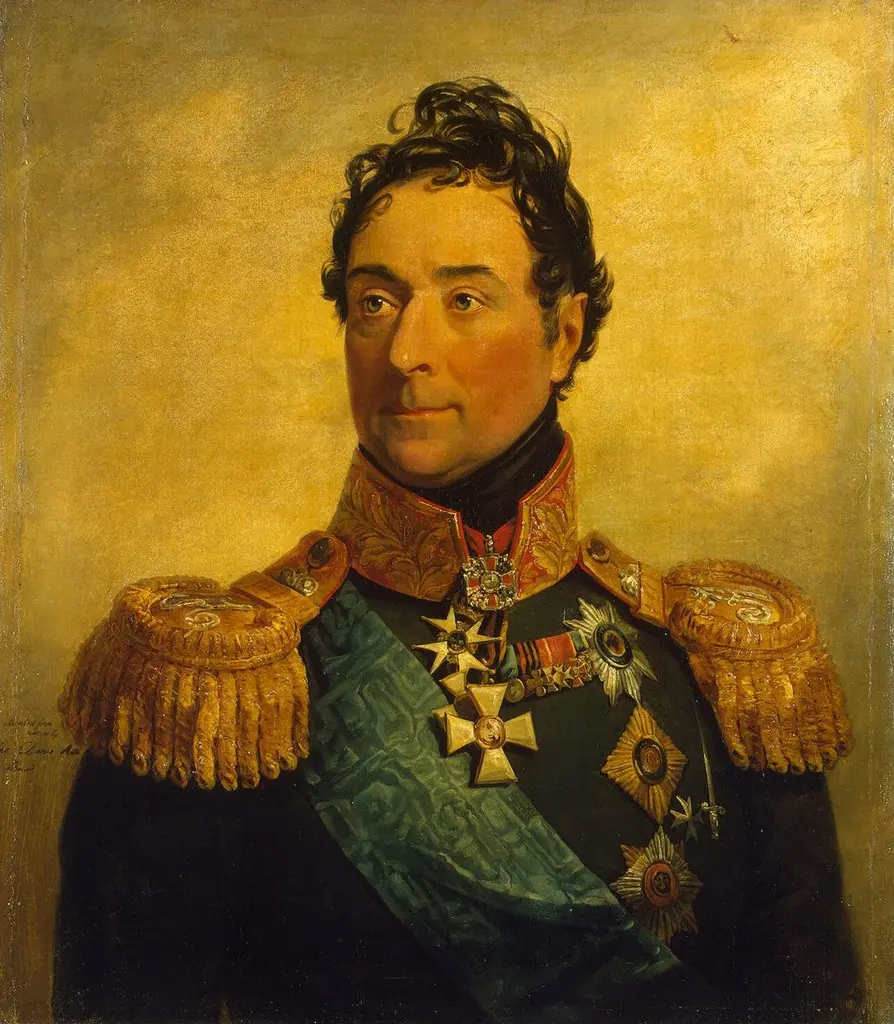 Portrait of Alexander F. Langeron (1763-1831)
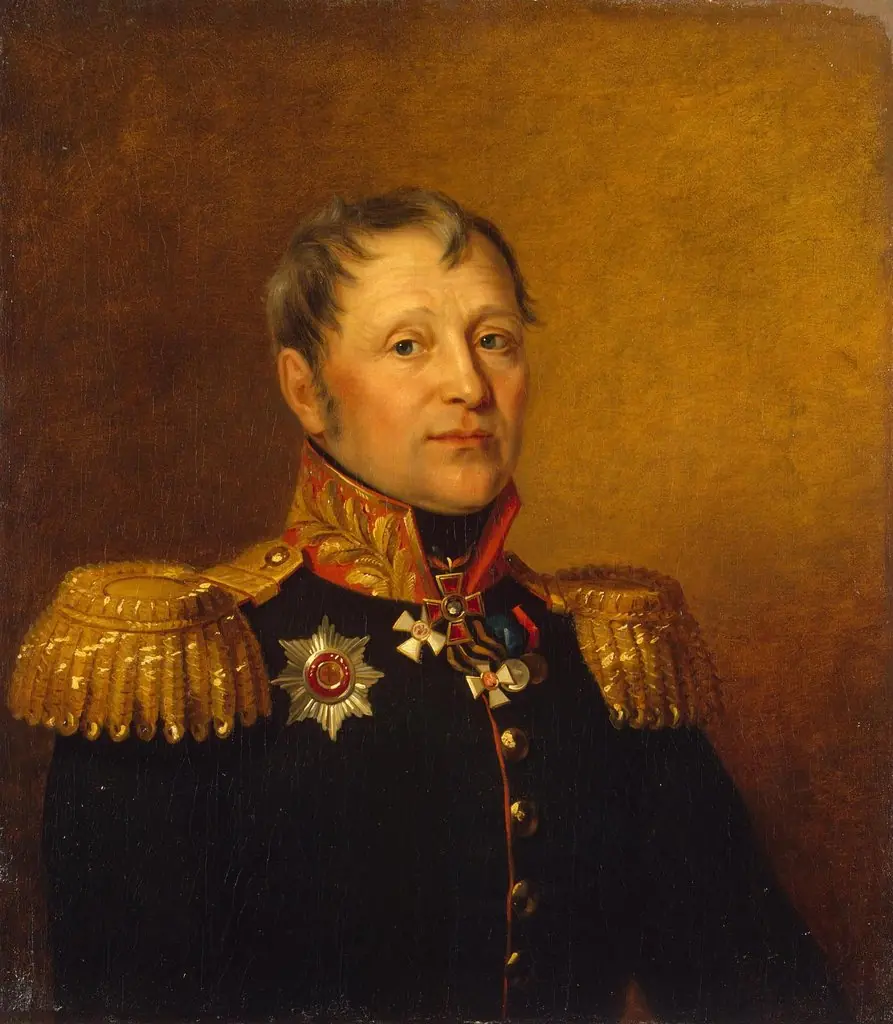 Portrait of Nikolai F. Yemelyanov (1768-1829)
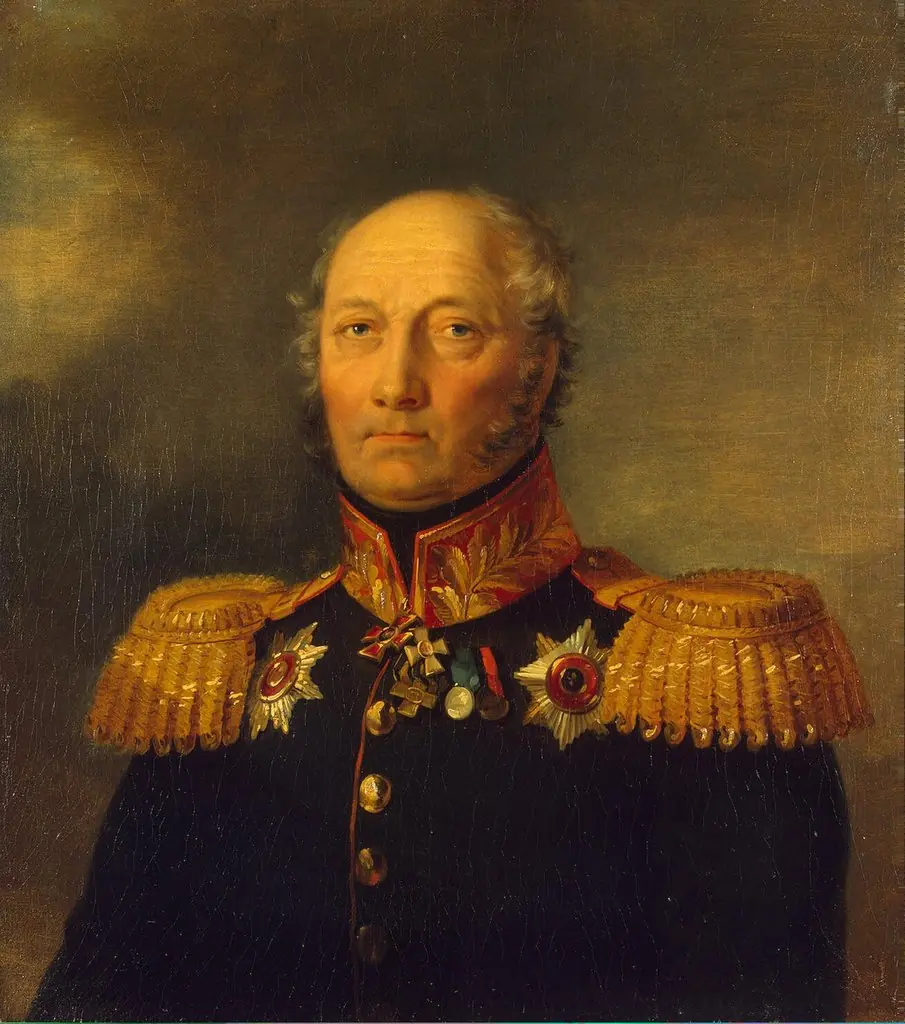 Portrait of Andrey S. Umanets (1762 - after 1828)
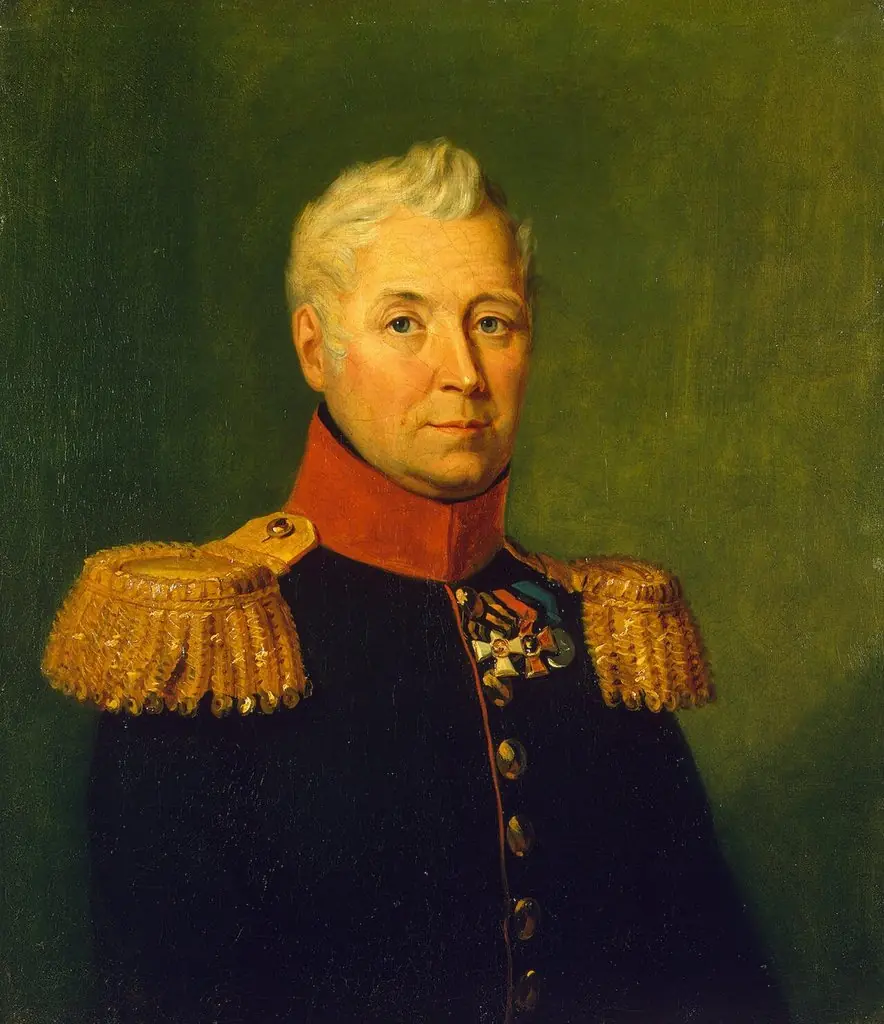 Portrait of Andrey T. Maslov (1770-1828)
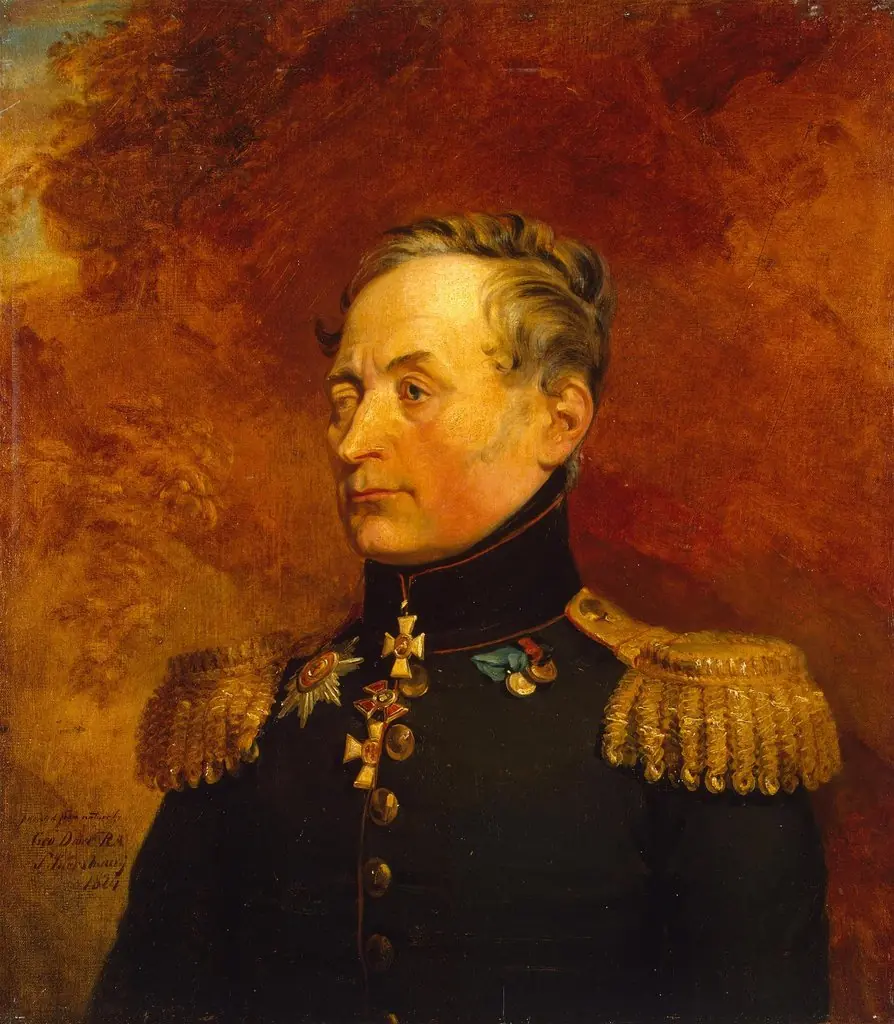 Portrait of Pavel I. Merlin (1769-1841/42)
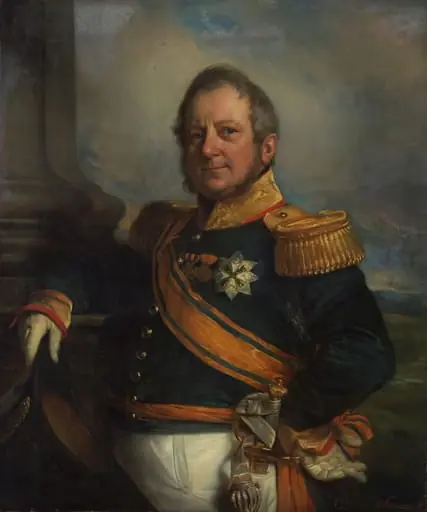 Portrait of Hendrik Merkus, Baron de Kock, Army Commandant and after 1826 Lieutenant Governor-General of the Dutch East Indies
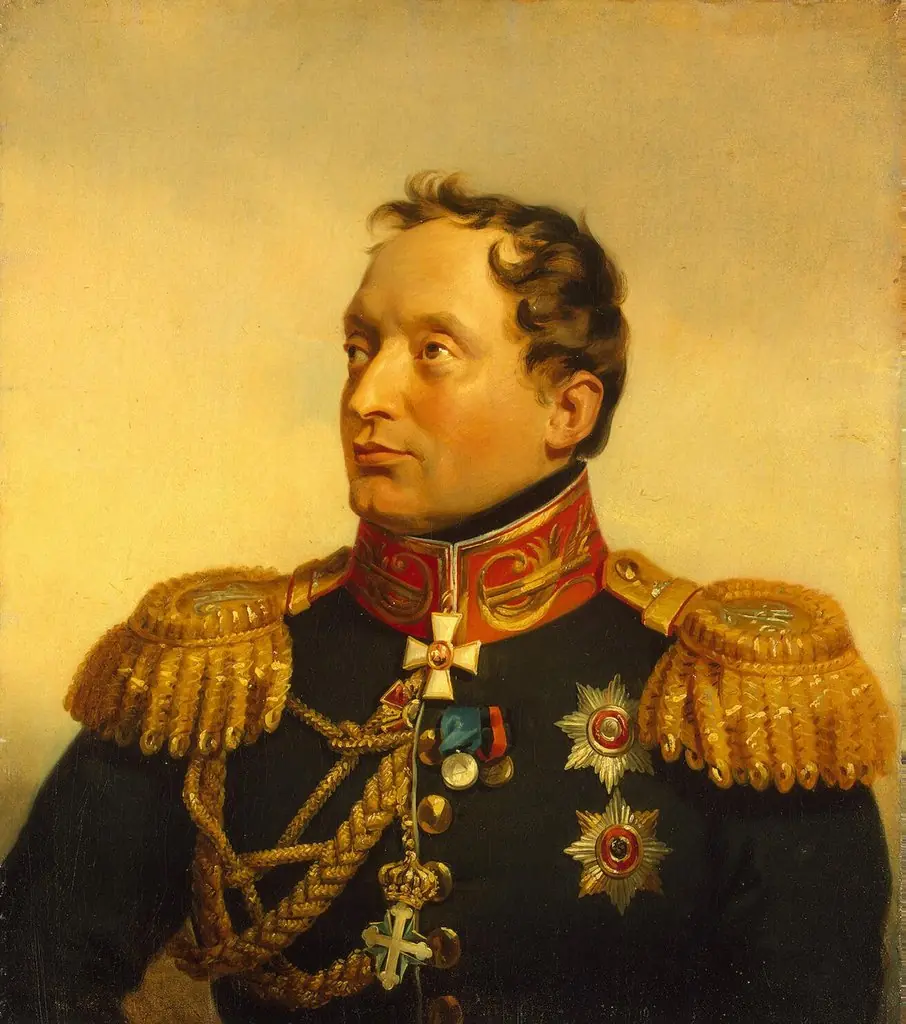 Portrait of Filippo (Filipp Osipovich) Paulucci (1779-1849)
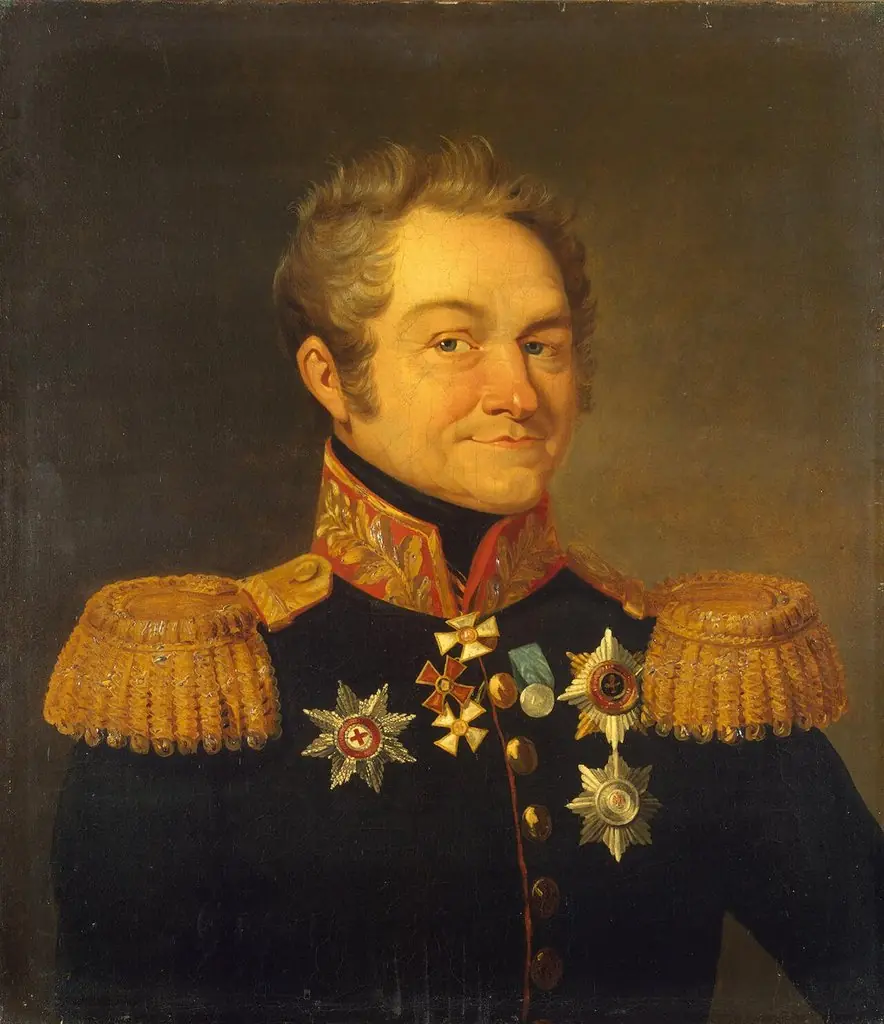 Portrait of Alexander B. Fock (1763-1825)