Artwork
Ephraim Bonus
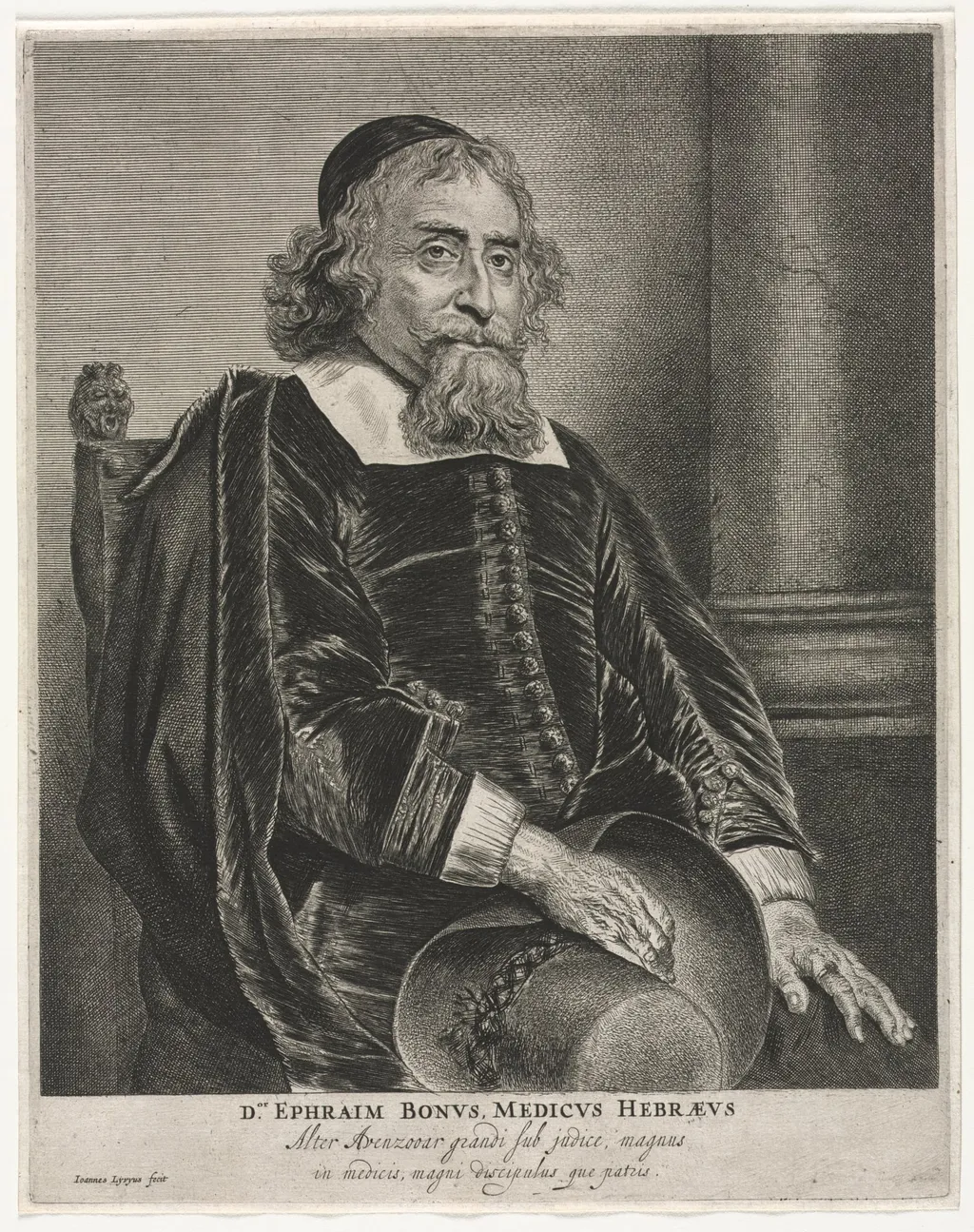
Ephraim Bonus is a print by the Baroque artist Jan Lievens. It dates from 1652 and is held in the collection of the Cleveland Museum of Art.
About this work
Overview
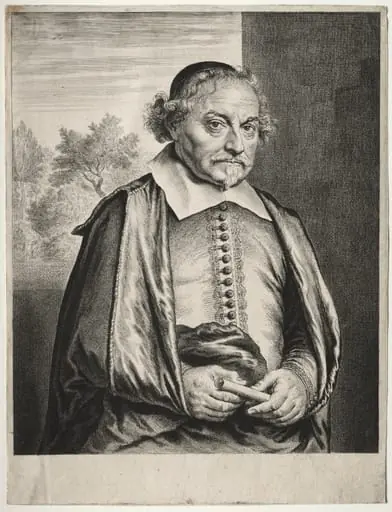
Ephraim Bonus is a portrait print created by Jan Lievens in 1652, depicting a Jewish physician and author of the same name. The work showcases Lievens' proficiency in portraiture, a consistent theme throughout his career.
Subject & Meaning
The subject, Ephraim Bonus, is portrayed as a learned figure, indicated by the book or paper in his hand and his designation as 'Medicus Hebraeus' (Jewish Doctor). His serious expression and the simplicity of the background underscore his intellectual and professional persona.
Technique & Style
The print exhibits meticulous detailing, particularly in the textured rendering of the subject's clothing, achieved through intricate line work. The composition utilizes chiaroscuro, emphasizing the play of light and shadow to add depth, notably in the folds of the robe and the subject's facial features.
History & Provenance
Created in 1652 by Jan Lievens, a Dutch Golden Age artist, the print reflects his experience training under Pieter Lastman and collaborating with Rembrandt. Lievens' later travels influenced his work, though the specific provenance of 'Ephraim Bonus' after its creation is not detailed here.
Context
'Ephraim Bonus' sits within the broader context of 17th-century Dutch portraiture, characterized by realism and attention to detail. Lievens' choice of subject—a Jewish physician—also speaks to the religious and professional diversity depicted in Dutch art of the era.
Legacy
While specific lasting impacts of 'Ephraim Bonus' on the art world are not highlighted, the piece contributes to the legacy of Jan Lievens as a versatile artist of the Dutch Golden Age, known for his contributions to portraiture and his collaborations with renowned figures like Rembrandt.
Artist & collection
Artist
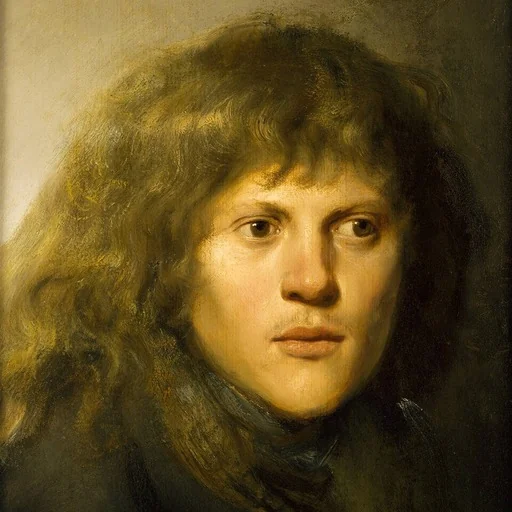
Jan Lievens (24 October 1607 – 4 June 1674) was a Dutch Golden Age painter who was associated with his close contemporary Rembrandt, a year older, in the early parts of their careers.