Artwork
Portrait of a Young Man
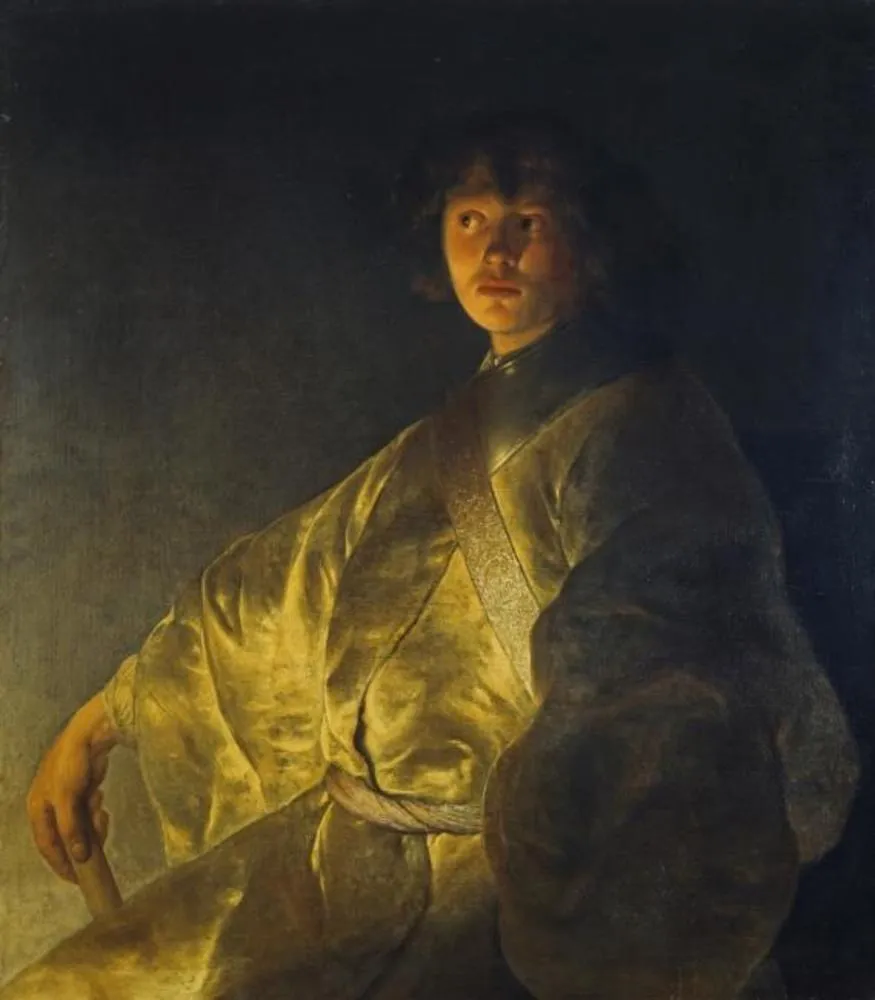
Portrait of a Young Man is an oil painting by the Dutch Golden Age artist Jan Lievens. It dates from 1631 and is held in the collection of the National Galleries Scotland.
About this work
Overview
Painted in 1631 by Jan Lievens, this oil on canvas portrait captures a young man in quiet contemplation.
Painted in 1631 by Jan Lievens, this oil on canvas portrait captures a young man in quiet contemplation. Created during Lievens’s time in Leiden, shortly after his collaborative period with Rembrandt, the work reflects the artist’s engagement with psychological portraiture. The figure is rendered with careful attention to texture and lighting, set against a deep, unmodulated background that isolates and intensifies the subject’s presence.
Subject & Meaning
The subject is a young man, likely from a modestly affluent background, dressed in a loose, light robe with a sash and holding a cane. His direct gaze and composed posture suggest introspection rather than formal display. The absence of identifying symbols or attributes leaves his identity ambiguous, inviting interpretation as a study of character rather than a record of status or profession.
Technique & Style
Lievens employs chiaroscuro to model the figure’s face and upper body, using sharp contrasts between light and shadow to create volume and spatial depth. The brushwork is precise in the facial features, while the robe and background are handled more loosely, enhancing the focus on the sitter’s expression. This interplay of detail and suggestion reflects the influence of Rembrandt’s early style, though with a distinct emphasis on restrained drama.
History & Provenance
The painting has been in the collection of the Scottish National Gallery since the 19th century. Its early provenance is not fully documented, but it likely entered the gallery through a private acquisition or bequest. As a work from Lievens’s mature early period, it represents a transitional phase in his career, following his partnership with Rembrandt and preceding his later stylistic shifts.
Context
Created in Leiden in 1631, the portrait emerges from a vibrant artistic environment where Lievens and Rembrandt were pioneering new approaches to portraiture. Both artists were experimenting with emotional intensity and lighting effects, moving away from rigid conventions. This work aligns with a broader trend in Dutch art toward intimate, psychologically nuanced depictions of individuals, often without overt narrative or symbolism.
Legacy
Though less widely known than Rembrandt’s portraits, Lievens’s work contributed to the evolution of Dutch psychological portraiture. This painting exemplifies his ability to convey presence and inner life through subtle lighting and restrained composition. It remains a key example of early 17th-century Dutch painting that bridges the collaborative innovations of Leiden with the individual voice of its creator.
Artist & collection
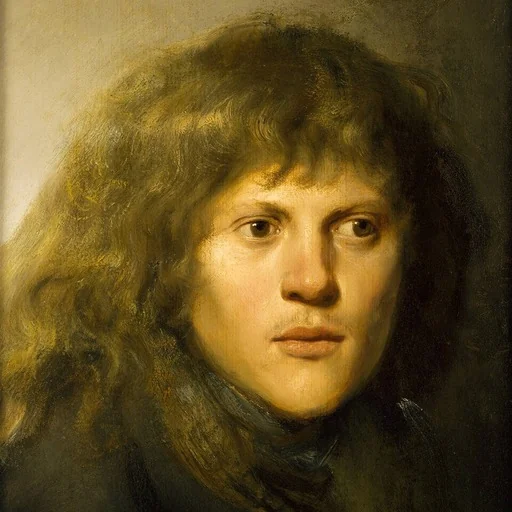
Artist
Jan Lievens (24 October 1607 – 4 June 1674) was a Dutch Golden Age painter who was associated with his close contemporary Rembrandt, a year older, in the early parts of their careers.

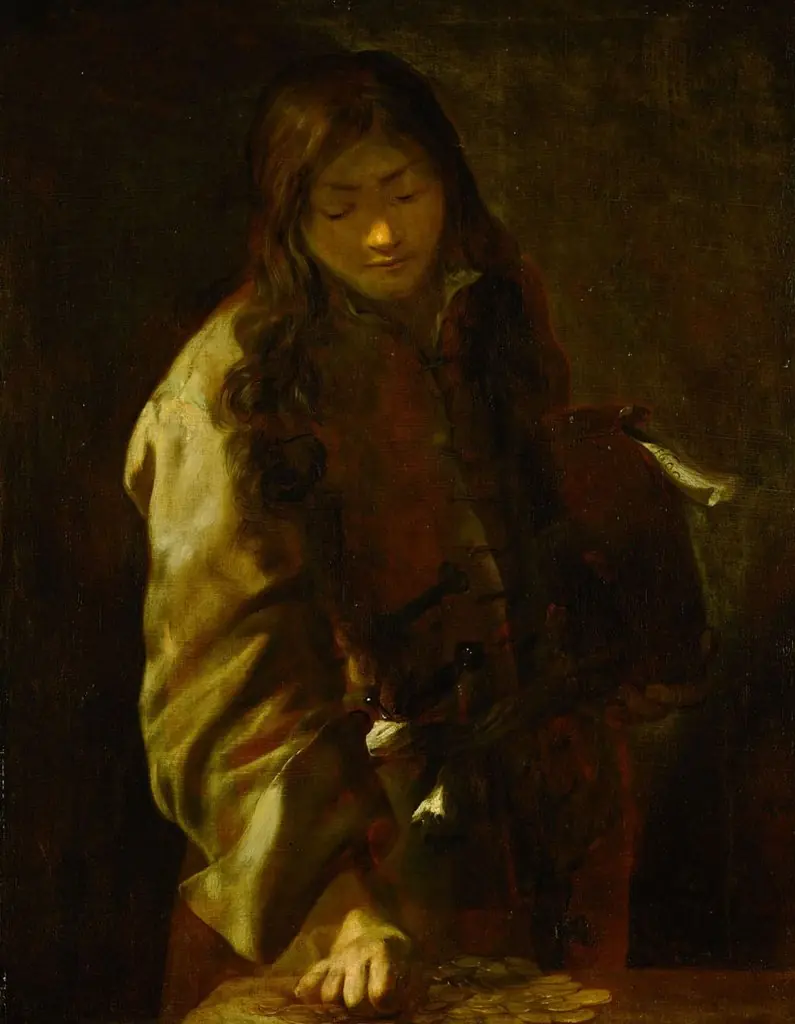 Feeling
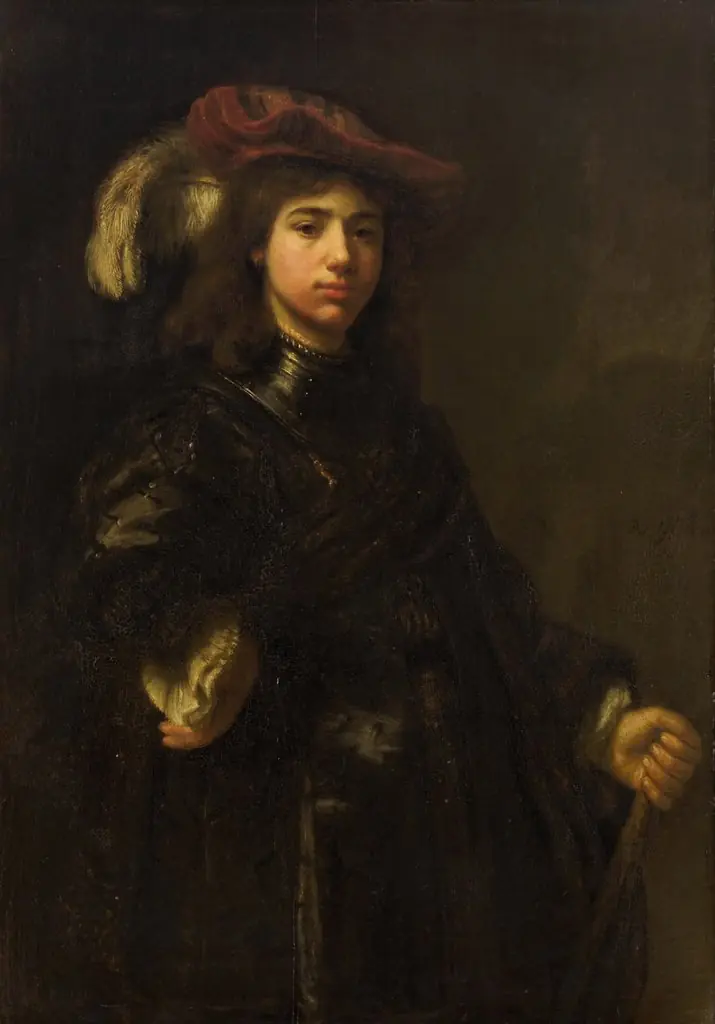 Young man with a plumed cap and a gorget
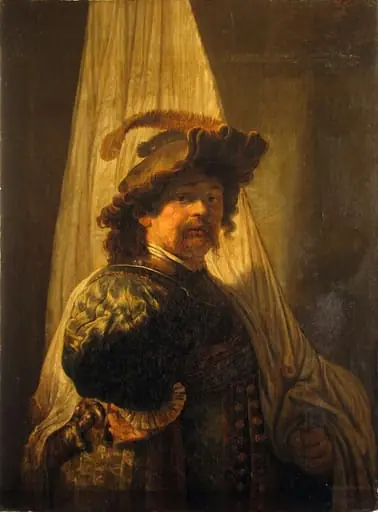 Stegar civil
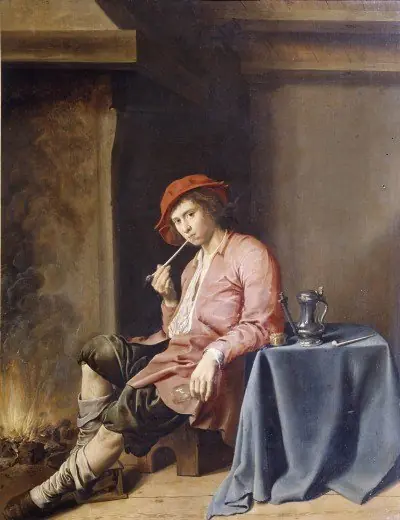 A Boy with a Pipe
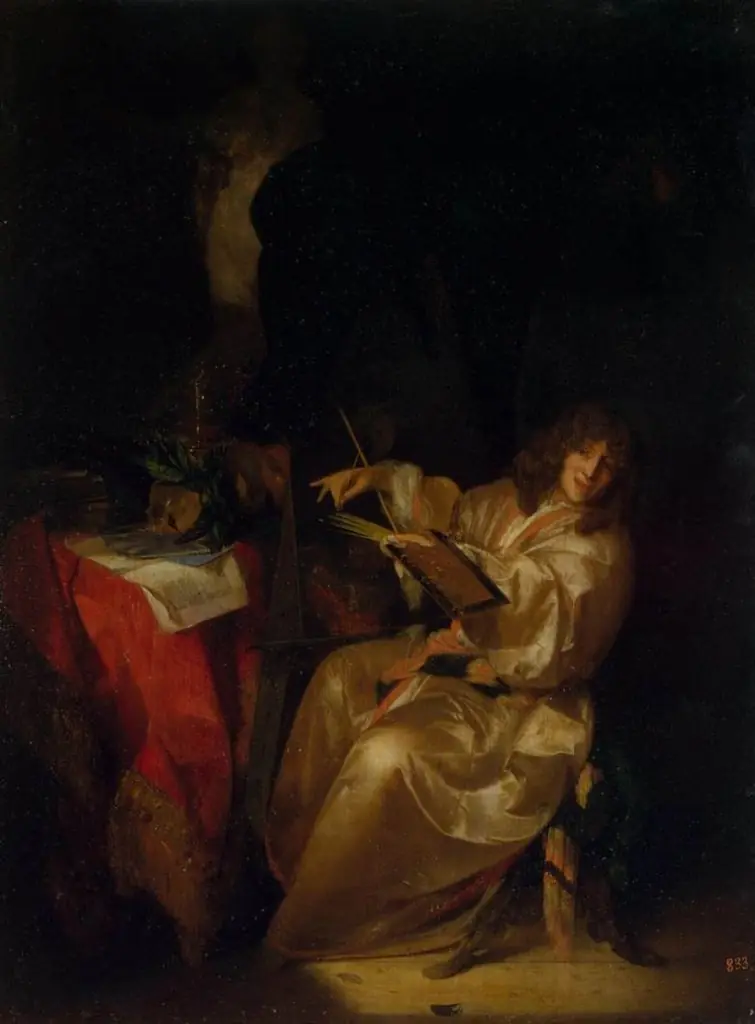 Self-Portrait
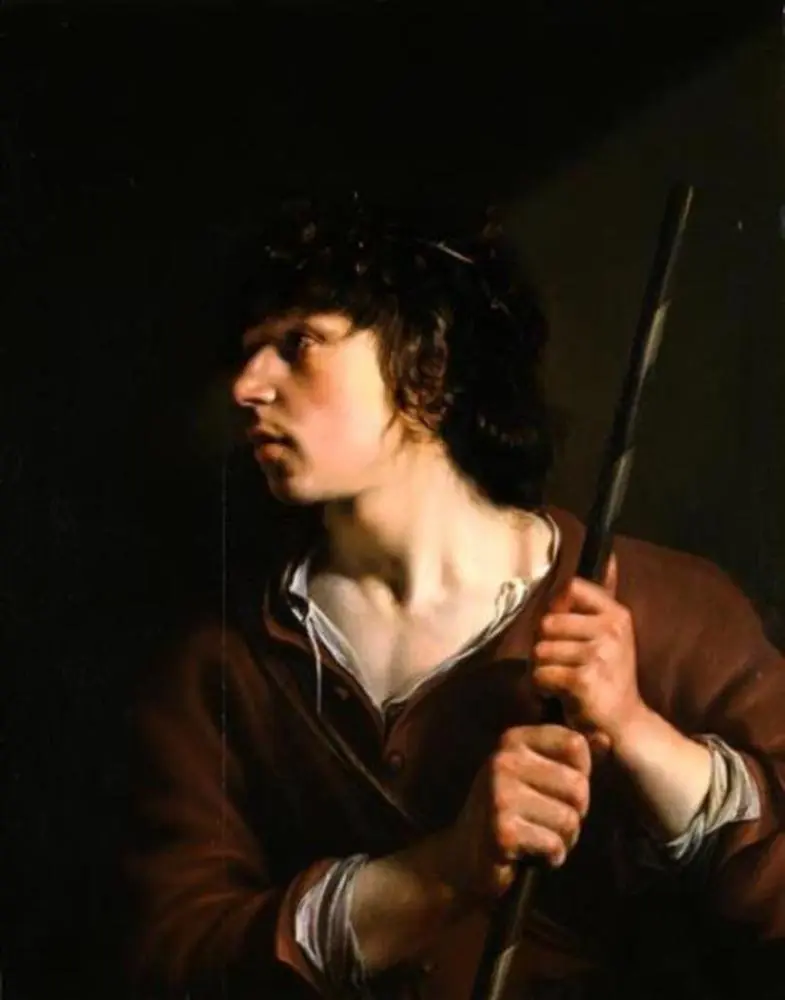 Young man with a wreath on the head
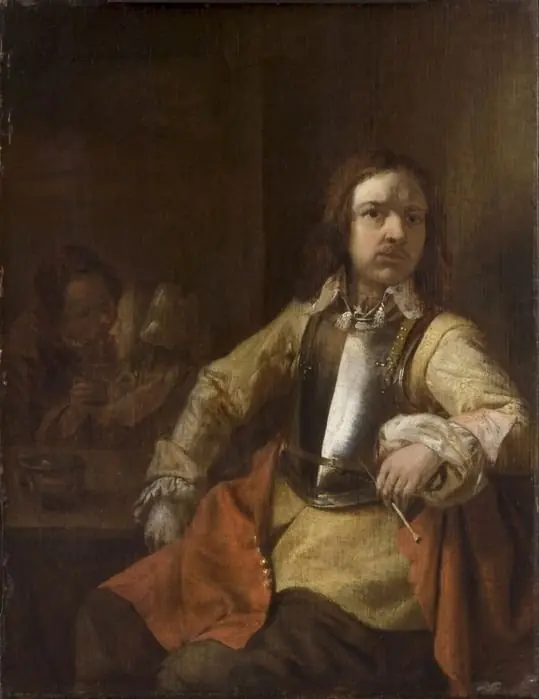 A soldier smoking a pipe
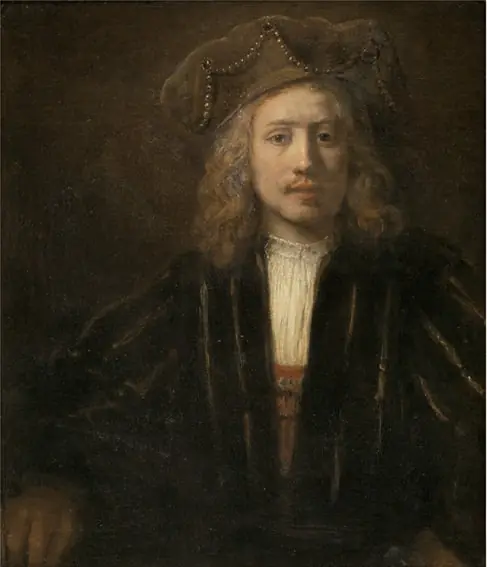 Young Man in a Pearl-trimmed Cap
 Portrait of Ernest de Beveren, Lord of West-IJsselmonde and De Lindt
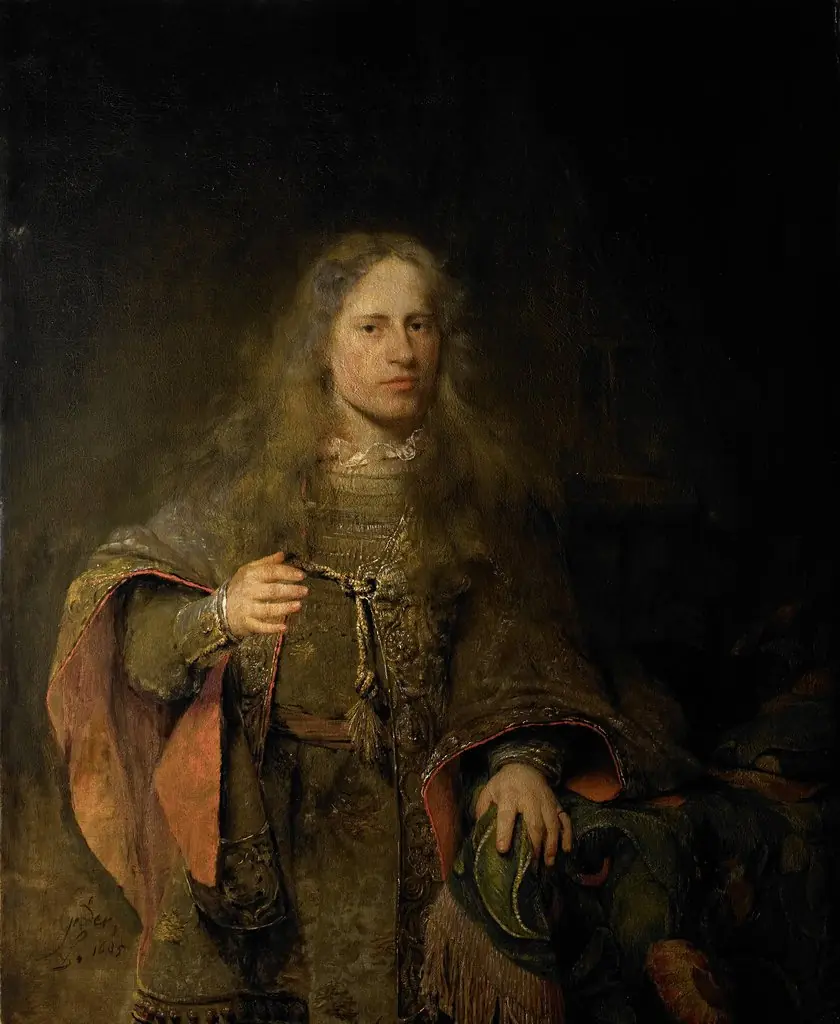 Portrait of Ernest de Beveren, Lord of West-IJsselmonde and De Lindt
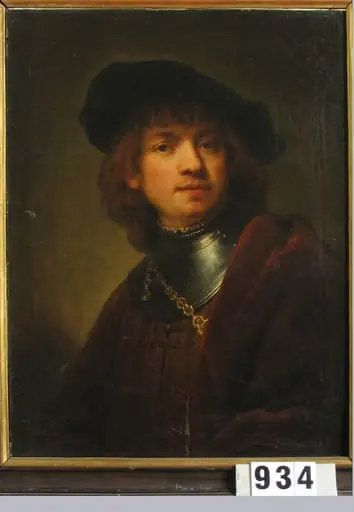 Autoportret cu guler de fier (în Reg. Inv.: Autoportret)
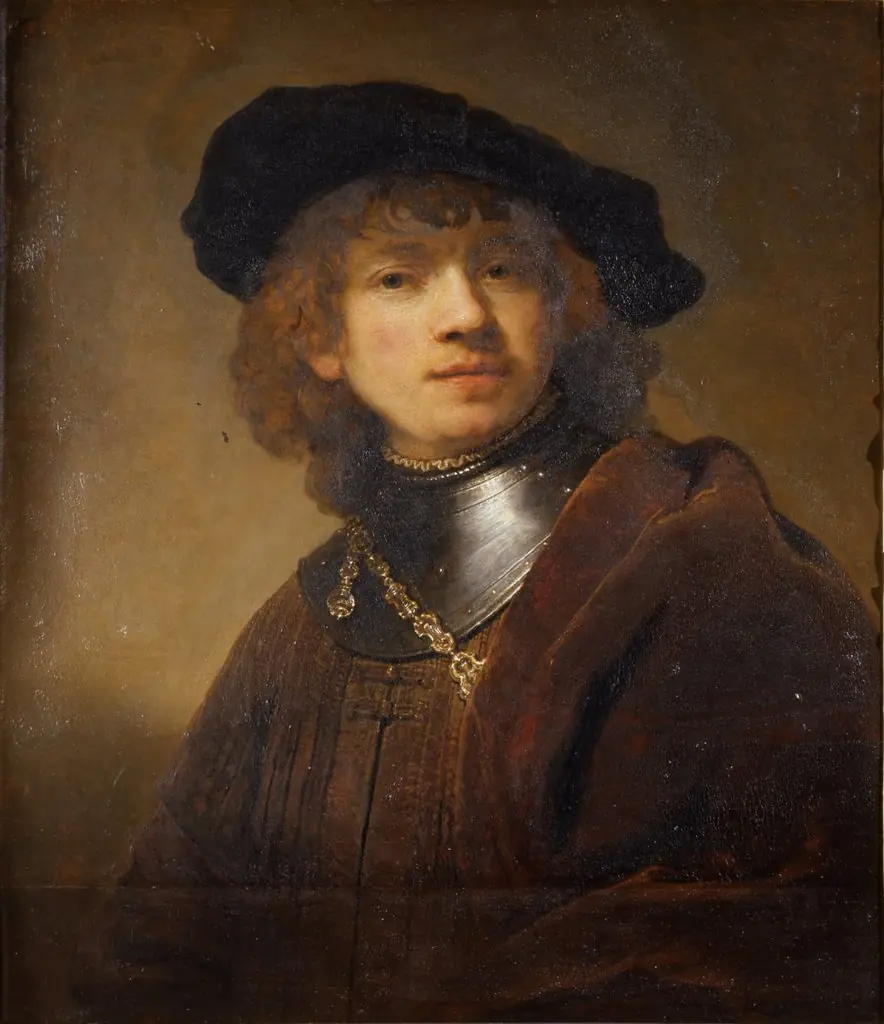 Tronie of a Young Man with Gorget and Beret