Artwork
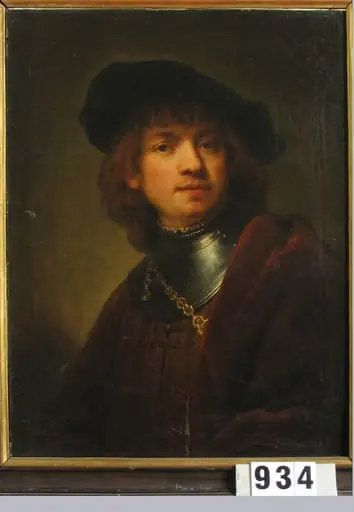
Tronie of a Young Man with Gorget and Beret
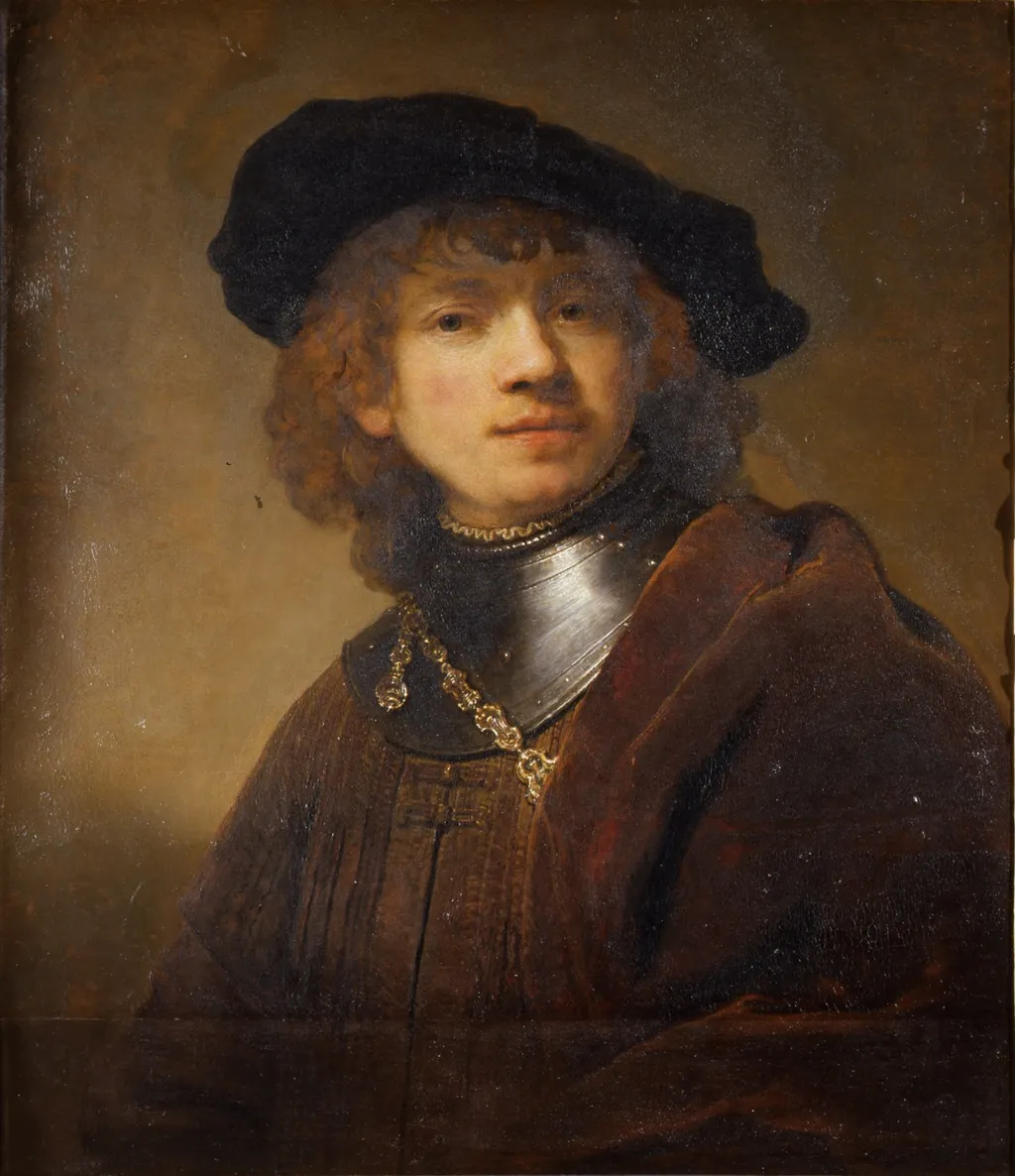
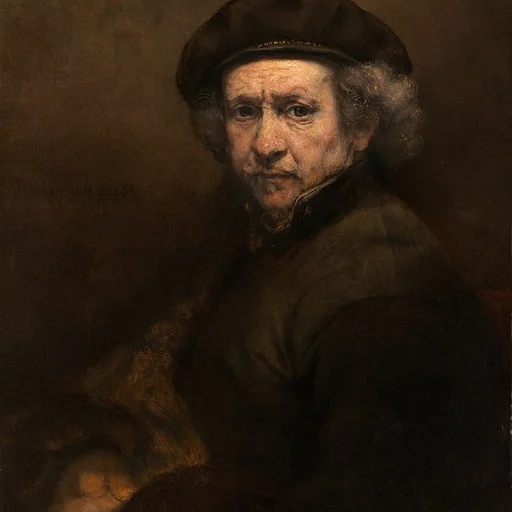
Tronie of a Young Man with Gorget and Beret is an oil painting by the Dutch Golden Age artist Rembrandt. It dates from 1639 and is held in the collection of the Uffizi Gallery.
About this work
For years it was listed as a self‑portrait, one of more than forty that Rembrandt painted of himself.
Tronie of a Young Man with Gorget and Beret is an oil painting by Rembrandt, dated 1639. It shows a young man wearing a gorget and a beret.
For years it was listed as a self‑portrait, one of more than forty that Rembrandt painted of himself. A recent restoration by Daniele Rossi removed old varnish and uncovered a hidden signature. The work is an example of a tronie, a study of facial expression rather than a formal portrait.
Uffizi Gallery.
Overview
The oil painting dated 1639 depicts a youthful figure dressed in a metal gorget and a beret, rendered in Rembrandt’s characteristic handling of light and texture. Currently displayed in the Galleria degli Uffizi in Florence, the work exemplifies the Dutch artist’s interest in expressive studies of the human face rather than formal commissioned portraiture.
Subject & Meaning
The figure is presented as a tronie—a study of character and expression—rather than a specific individual. The inclusion of the protective gorget and the modest beret suggests a theatrical or costume motif, allowing the artist to explore the interplay of light on varied surfaces and to convey a particular mood through the sitter’s gaze.
Technique & Style
Executed in oil on canvas, the painting showcases Rembrandt’s early mastery of chiaroscuro, with deep shadows contrasting against illuminated areas of the face and armor. The brushwork combines fine detail in the metallic gorget with looser, more gestural strokes in the surrounding fabric, reflecting the artist’s evolving approach to texture and volume.
History & Provenance
Long catalogued as a self‑portrait, the work was once counted among more than forty self‑representations attributed to Rembrandt. Recent conservation work by Daniele Rossi removed aged varnish layers, revealing a concealed signature that confirms the artist’s hand and clarifies its classification as a tronie rather than a personal likeness.
Context
Created during Rembrandt’s Leiden period, the painting aligns with contemporary Dutch practices of producing tronies for the open market, catering to collectors interested in studies of expression and costume. The use of exotic armor reflects the period’s fascination with foreign attire and the artist’s willingness to experiment with diverse subject matter.
Legacy
Now part of the Uffizi’s collection, the work contributes to a broader understanding of Rembrandt’s early oeuvre and his exploration of character studies. The recent restoration has reinforced scholarly consensus regarding its authorship and highlighted the importance of technical analysis in re‑evaluating attributions within the artist’s corpus.
Own this work as a print
Artist & collection
Artist
Rembrandt Harmenszoon van Rijn (15 July 1606 – 4 October 1669), known mononymously as Rembrandt, was a Dutch Golden Age painter, printmaker, and draughtsman.