Artwork
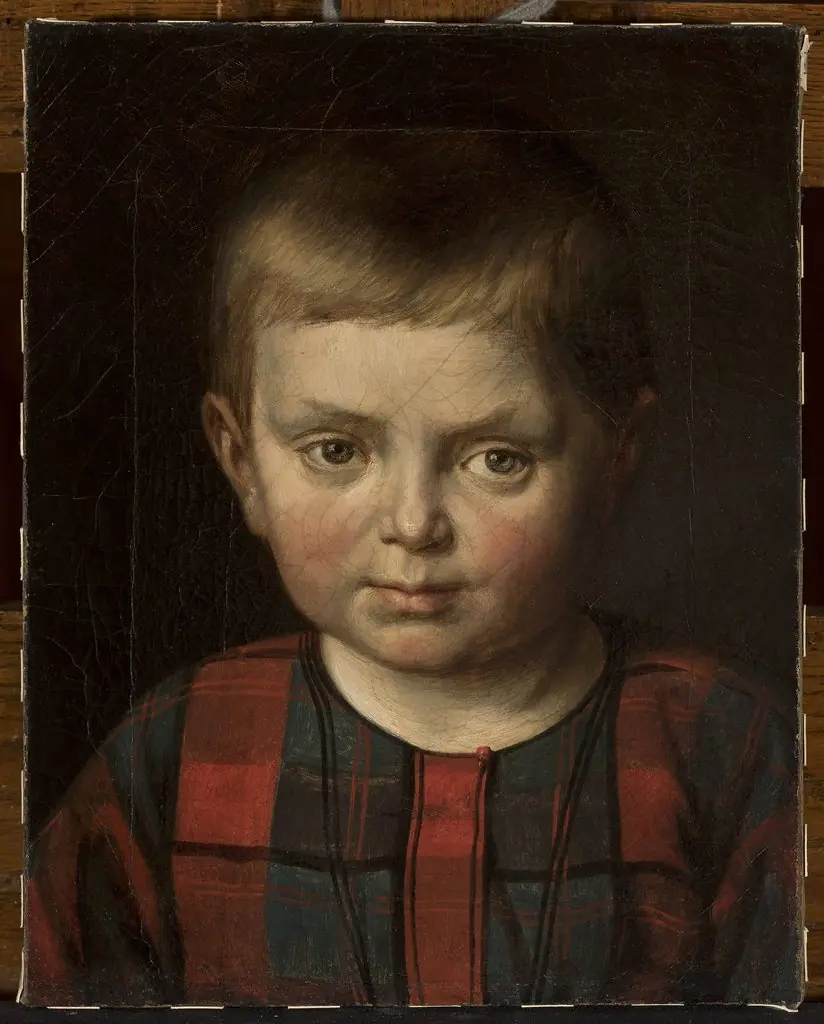
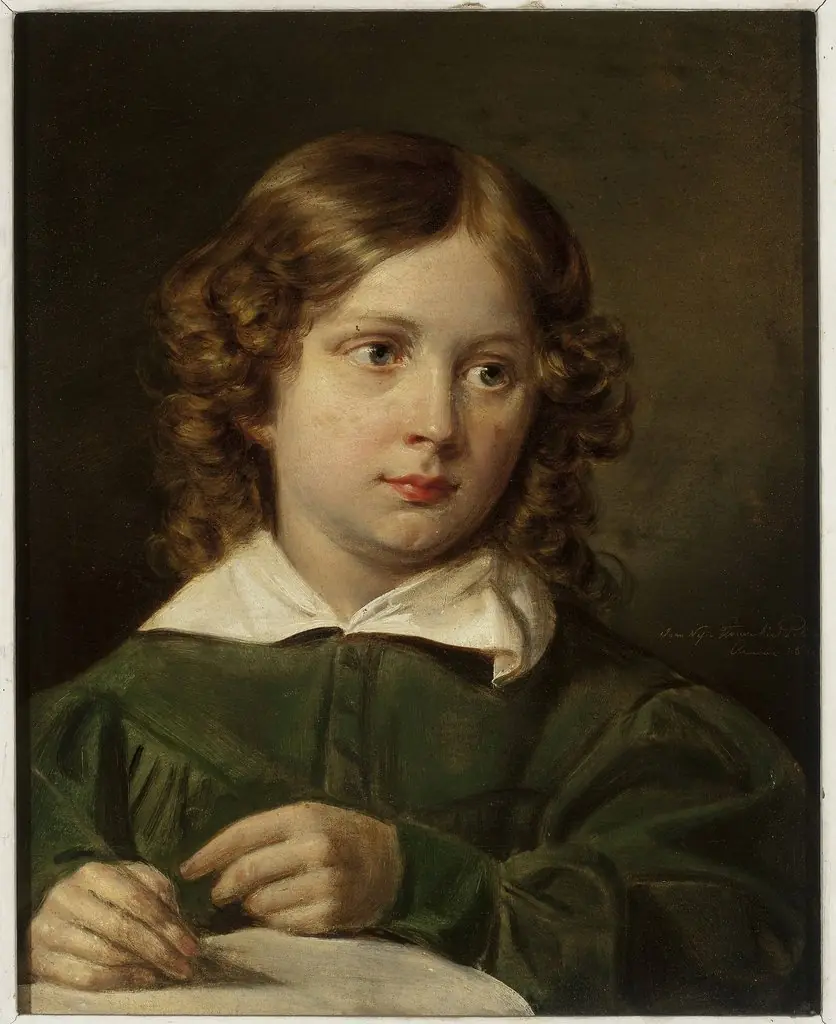
Portrait of a Little Boy
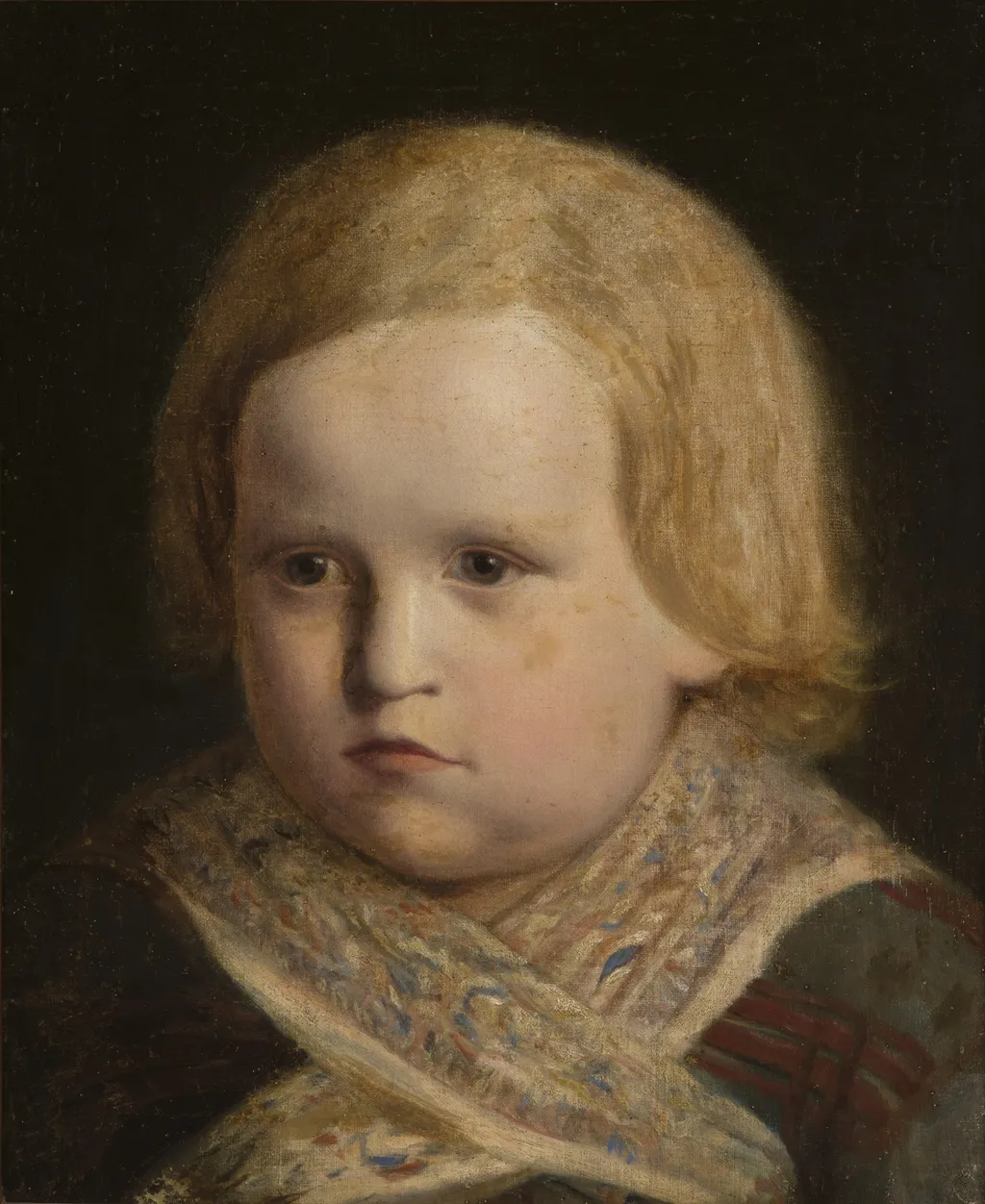
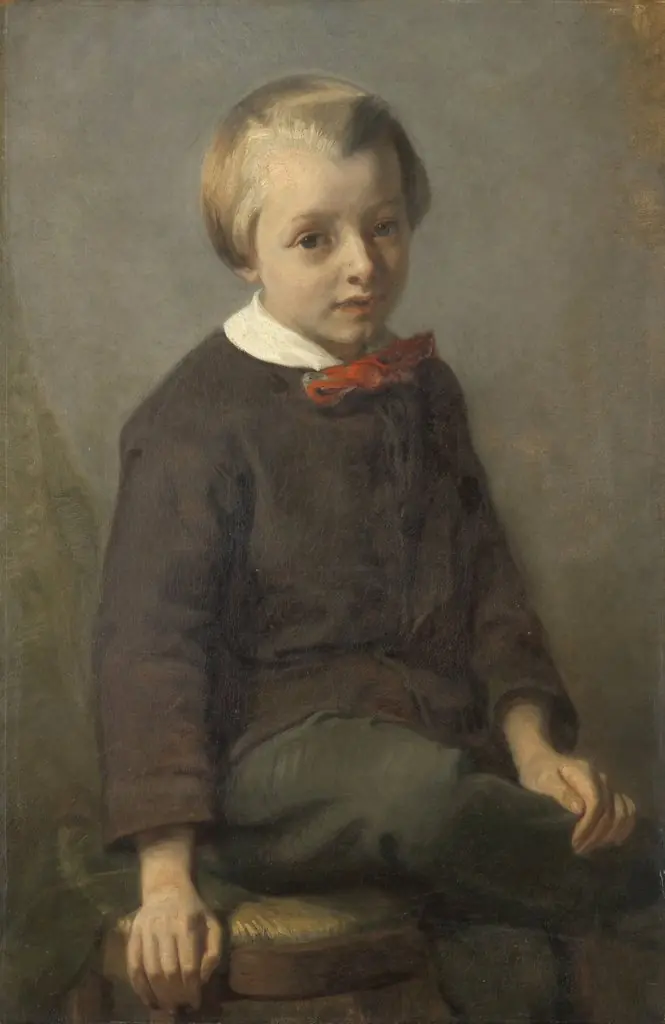
Portrait of a Little Boy is an oil painting by Jan Matejko. It dates from 1855 and is held in the collection of the National Museum in Kraków.
About this work
Overview
Though Matejko is best known for large-scale historical scenes, this intimate work reflects his skill in capturing individual presence.
Painted in 1855 by Jan Matejko, this oil portrait depicts a young boy against a dark, undetailed background. Though Matejko is best known for large-scale historical scenes, this intimate work reflects his skill in capturing individual presence. The boy’s calm gaze and simple attire suggest a focus on quiet dignity rather than grandeur, aligning with the artist’s broader practice of portraiture alongside his epic compositions.
Subject & Meaning
The subject is a young boy, rendered with restrained emotion and direct eye contact. His neutral expression and unadorned clothing emphasize naturalism over idealization. The colorful scarf, the only vivid element, introduces a subtle contrast without distracting from the boy’s stillness. The portrait does not convey narrative or social status but instead invites contemplation of childhood presence in a moment of stillness.
Technique & Style
Matejko employed oil paint to achieve soft transitions in the boy’s skin tones and a muted, atmospheric depth in the background. The scarf’s pattern is rendered with loose, suggestive brushwork, contrasting with the more defined contours of the face. The dark setting isolates the figure, focusing attention on form and expression. The technique balances precision with economy, avoiding excessive detail to preserve a sense of immediacy.
History & Provenance
The painting has remained in the collection of the National Museum in Kraków since its creation. It was produced early in Matejko’s career, during a period when he was developing his portraiture alongside historical projects. While not publicly exhibited as prominently as his larger works, it has been consistently preserved as part of the museum’s holdings, reflecting its role in documenting the artist’s range.
Context
In mid-19th-century Poland, portraiture served both personal and cultural functions, often affirming identity amid foreign partitions. Matejko’s portraits, though less publicized than his historical scenes, contributed to a broader artistic effort to preserve Polish subjectivity. This work, created before his major historical commissions, reveals his early engagement with individual likeness as a form of quiet resistance and documentation.
Legacy
Though overshadowed by Matejko’s monumental history paintings, this portrait endures as a quiet testament to his versatility. It illustrates his ability to convey presence with minimal means, influencing later Polish realist portraiture. Its continued presence in Kraków’s national collection underscores its value as a personal, unadorned record of a child’s gaze, preserved beyond the grand narratives of the era.
Own this work as a print
Artist & collection
Artist
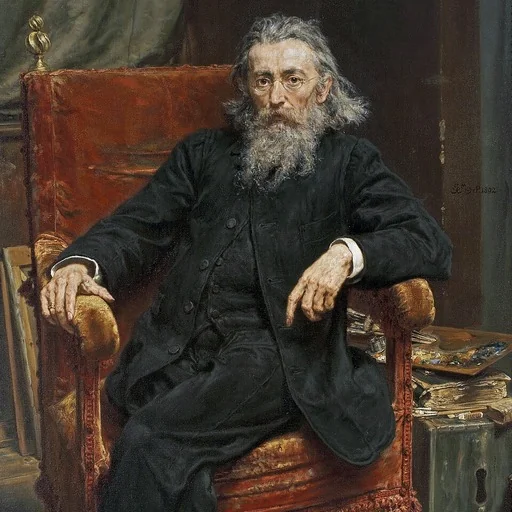
Jan Alojzy Matejko (Polish pronunciation: ; also known as Jan Mateyko; 24 June 1838 – 1 November 1893) was a Polish painter, a leading 19th-century exponent of history painting, known for depicting nodal events from Polish history.

 Portrait of a Boy
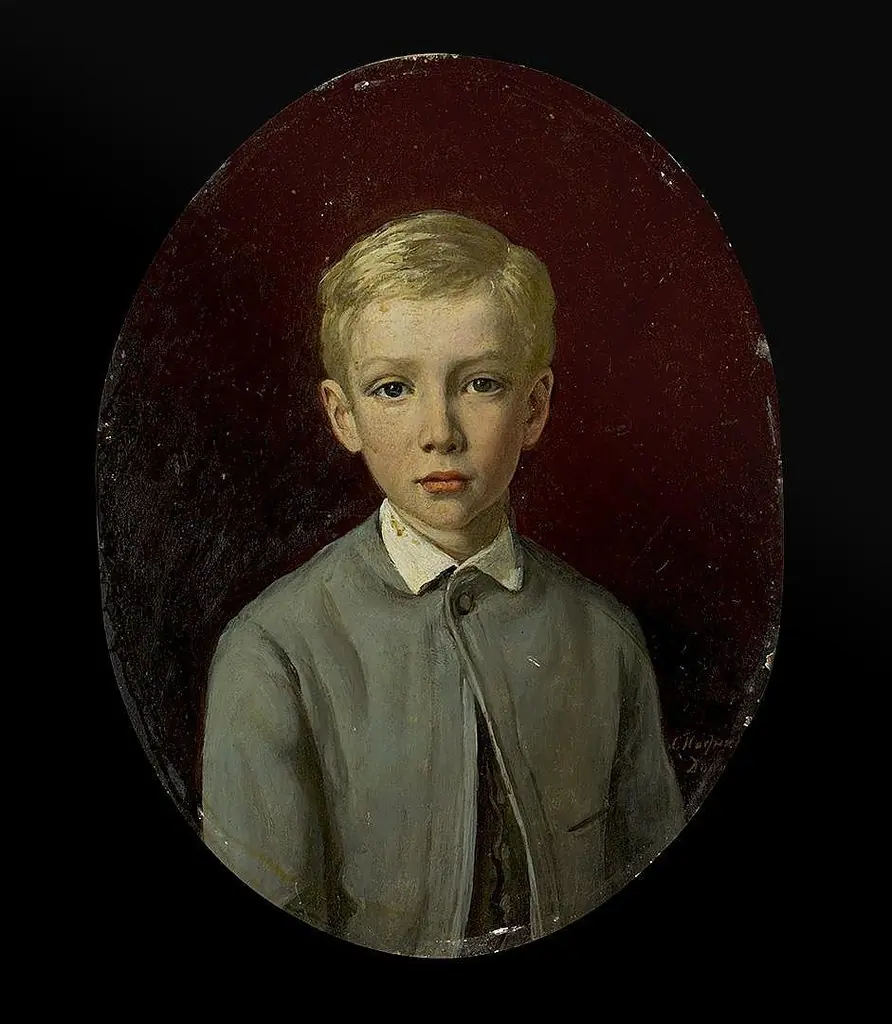 Portrait of a Boy
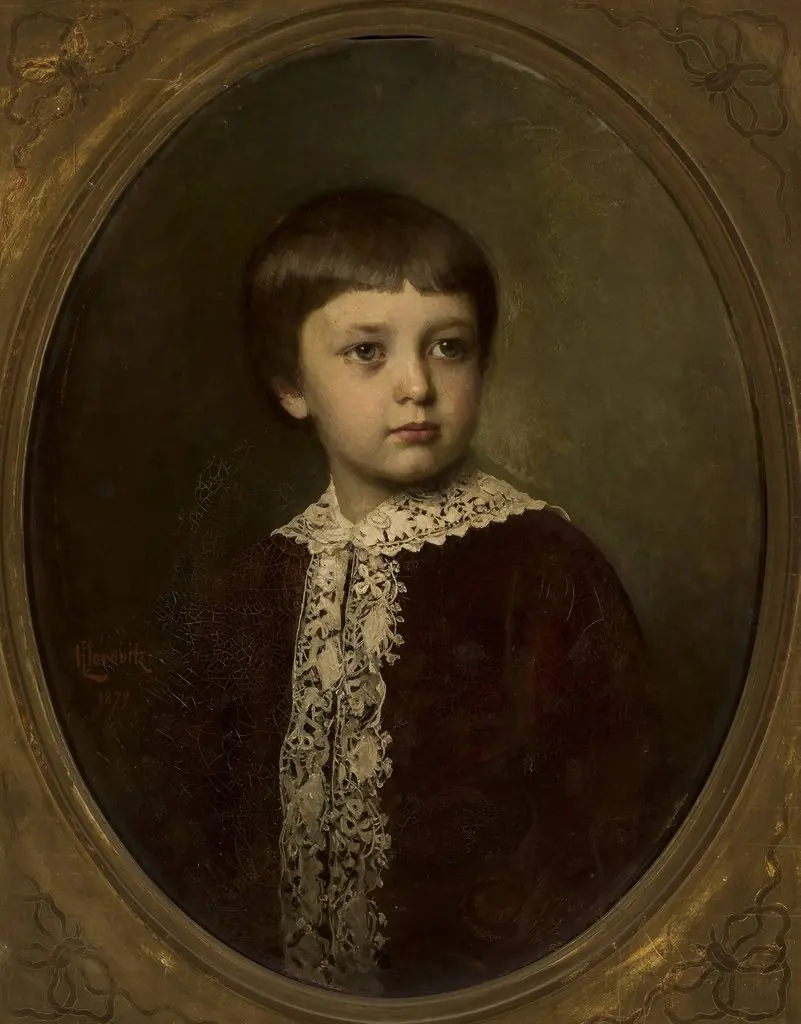 Portrait of a boy
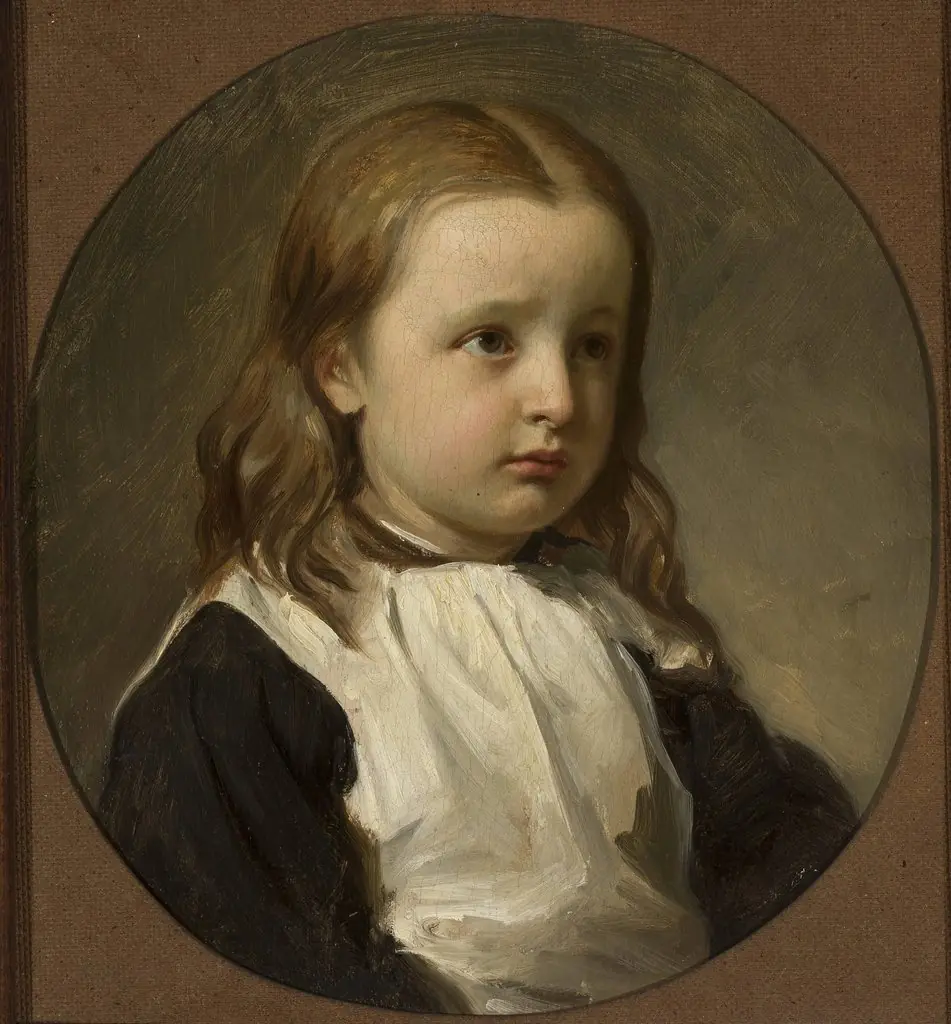 Portrait of Julia Simmler, artist's daughter
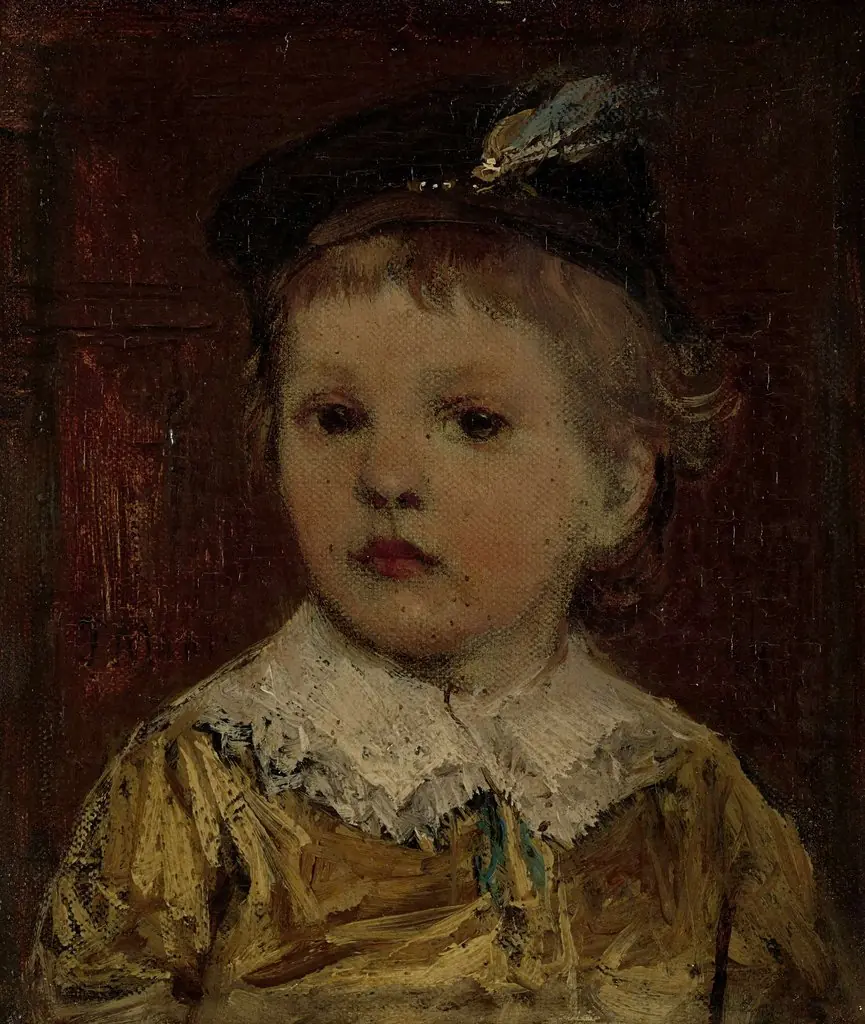 Portrait of Willem
 Portrait of Rudolf (1838–?), son of Stanisław Jachowicz
 Ángela Tegeo
 Bust portrait of a boy
 Paul Sulzberger
 Marguerite-Juliette Pierret
 Portrait of a writing child
 Portræt af Holger Aagaard Hammerich som 4-årig