Artwork
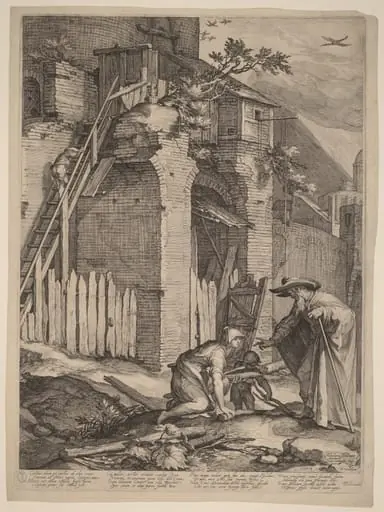
Heroines of the New Testament: The Canaanite
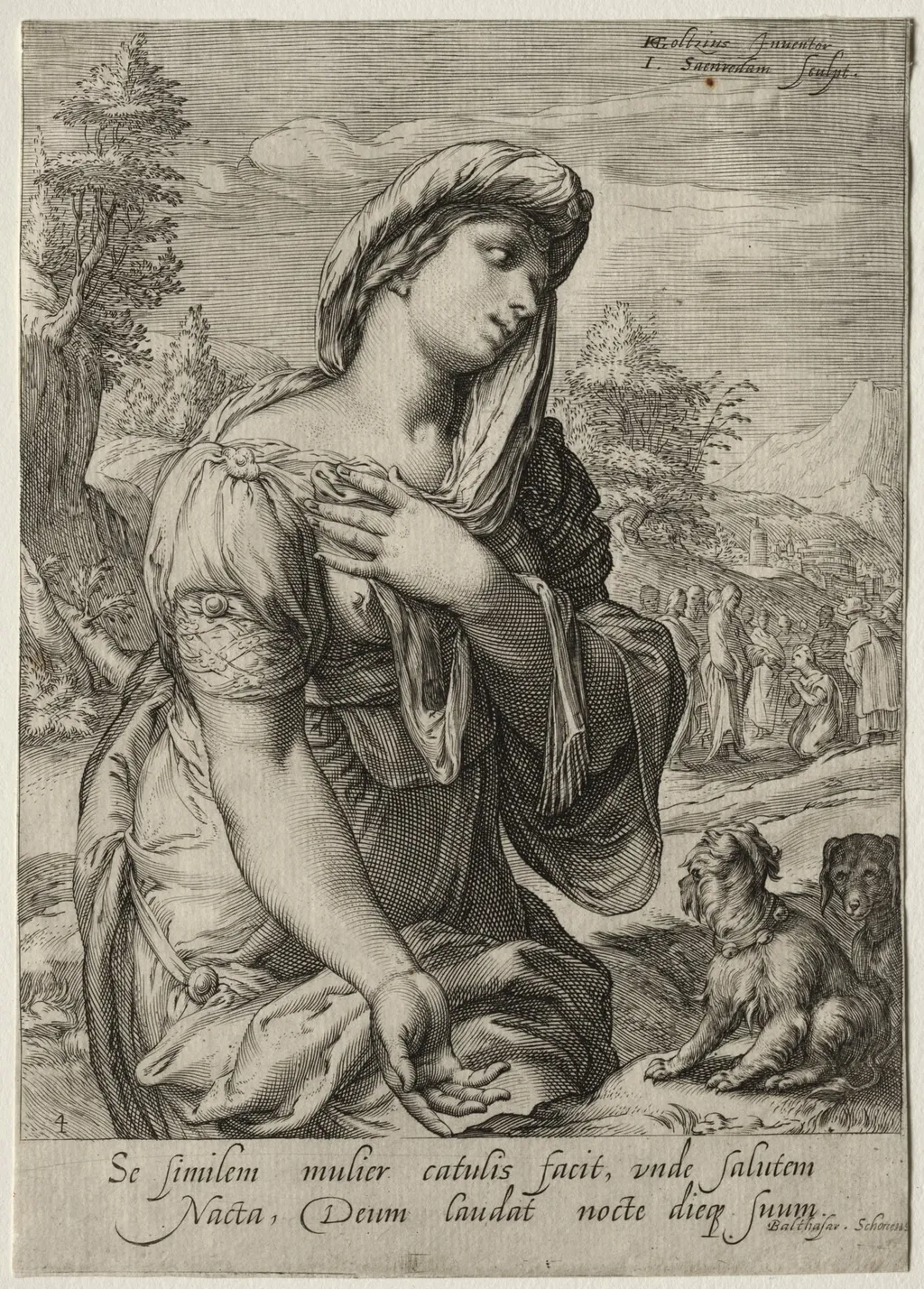
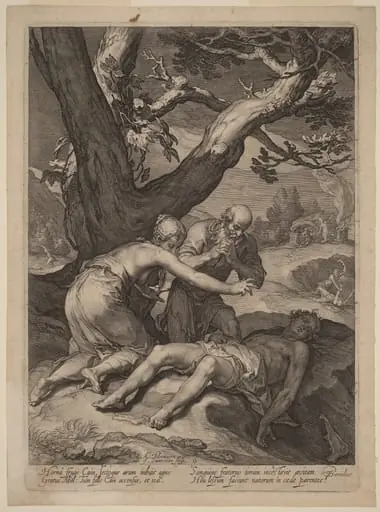
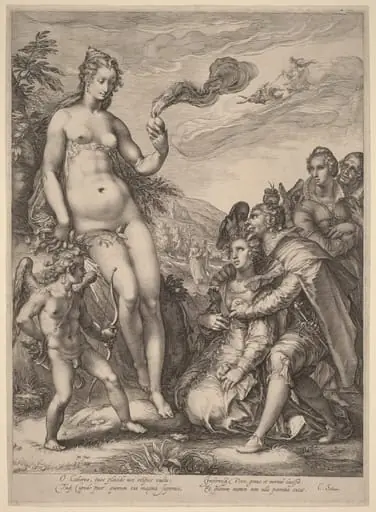
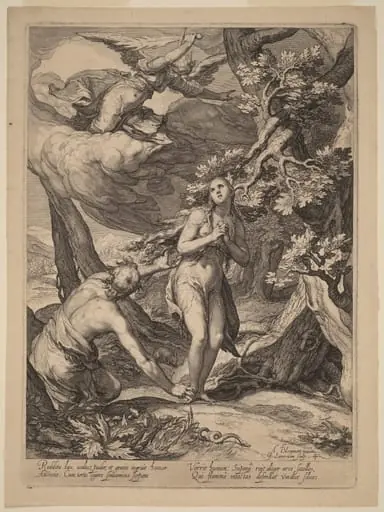
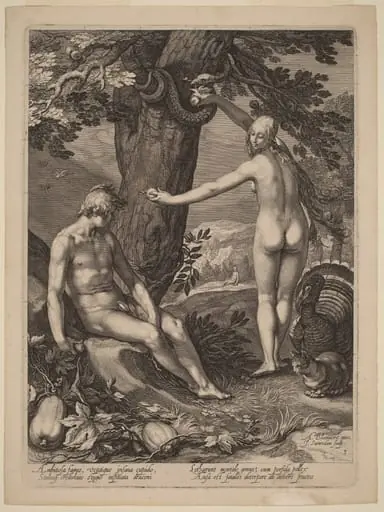
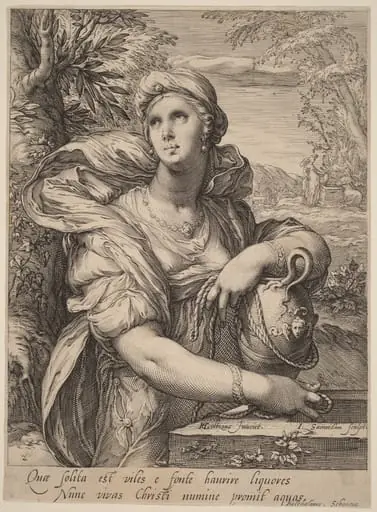
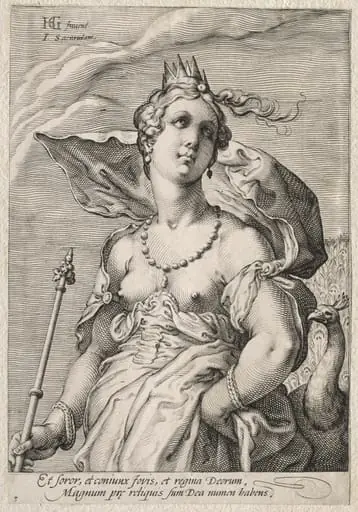
Heroines of the New Testament: The Canaanite is a print by the Renaissance artist Jan Pietersz Saenredam. It dates from 1595 and is held in the collection of the Cleveland Museum of Art. Jan Saenredam, a Dutch engraver active in the late 16th century, produced this print as part of a series illustrating New Testament women.
About this work
Overview
Known for his precise line work and classical influences, he adapted biblical narratives through the refined aesthetics of Northern Mannerism.
Jan Saenredam, a Dutch engraver active in the late 16th century, produced this print as part of a series illustrating New Testament women. Known for his precise line work and classical influences, he adapted biblical narratives through the refined aesthetics of Northern Mannerism. The work reflects his engagement with religious themes and his family’s broader contribution to printmaking, including his son Pieter’s later focus on architectural subjects.
Subject & Meaning
The figure represents the Canaanite woman from the Gospel of Matthew, who pleaded with Jesus to heal her daughter. Saenredam captures her in a moment of quiet resolve, seated with her sleeping child, suggesting both vulnerability and steadfast faith. The absence of Christ in the scene invites contemplation of her inner strength, while the Latin inscription alludes to the scriptural account, reinforcing the narrative without literal depiction.
Technique & Style
Executed in engraving, the print employs fine, controlled lines to model form and texture. Saenredam uses chiaroscuro to suggest soft light falling across the woman’s robe and the rocky terrain, enhancing the scene’s stillness. The Mannerist influence appears in the elongated proportions and deliberate compositional balance, avoiding naturalism in favor of symbolic poise and emotional restraint.
History & Provenance
Created around 1595, the print entered the Cleveland Museum of Art’s collection as part of its broader holdings in Northern Renaissance prints. Its survival in good condition reflects its early circulation among educated collectors interested in biblical allegory and print culture. The Saenredam family’s reputation ensured the work’s preservation, though few individual prints from the series remain intact today.
Context
In late 16th-century Holland, religious imagery adapted for private devotion was increasingly popular, especially in print form. Saenredam’s series responded to this demand, offering contemplative scenes that avoided overt Catholic iconography while still engaging Protestant audiences. His choice of lesser-known biblical women aligned with humanist interests in moral exemplars drawn from scripture.
Legacy
Though less celebrated than his son Pieter’s architectural engravings, Jan Saenredam’s biblical prints contributed to the development of narrative printmaking in the Netherlands. His restrained style and intellectual approach influenced later generations of engravers who sought to merge religious subject matter with refined technique, bridging Mannerist elegance and emerging Dutch realism.
Artist & collection
Artist
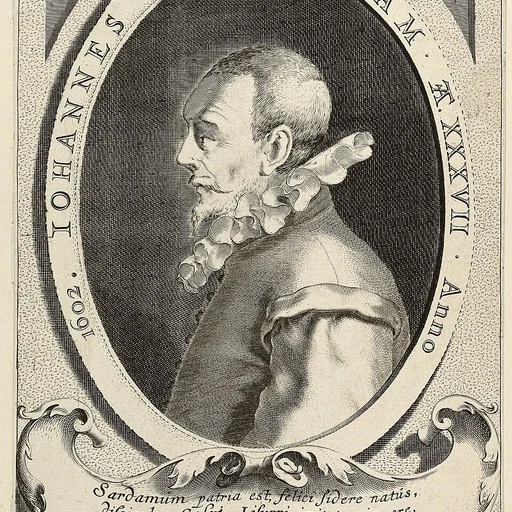
Jan Pieterszoon (abbr. Pietersz.) Saenredam (c. 1565 – 6 April 1607) was a Dutch Northern Mannerist painter, printmaker in engraving, and cartographer, and father of the painter of church interiors, Pieter Jansz…