Artwork
Juno
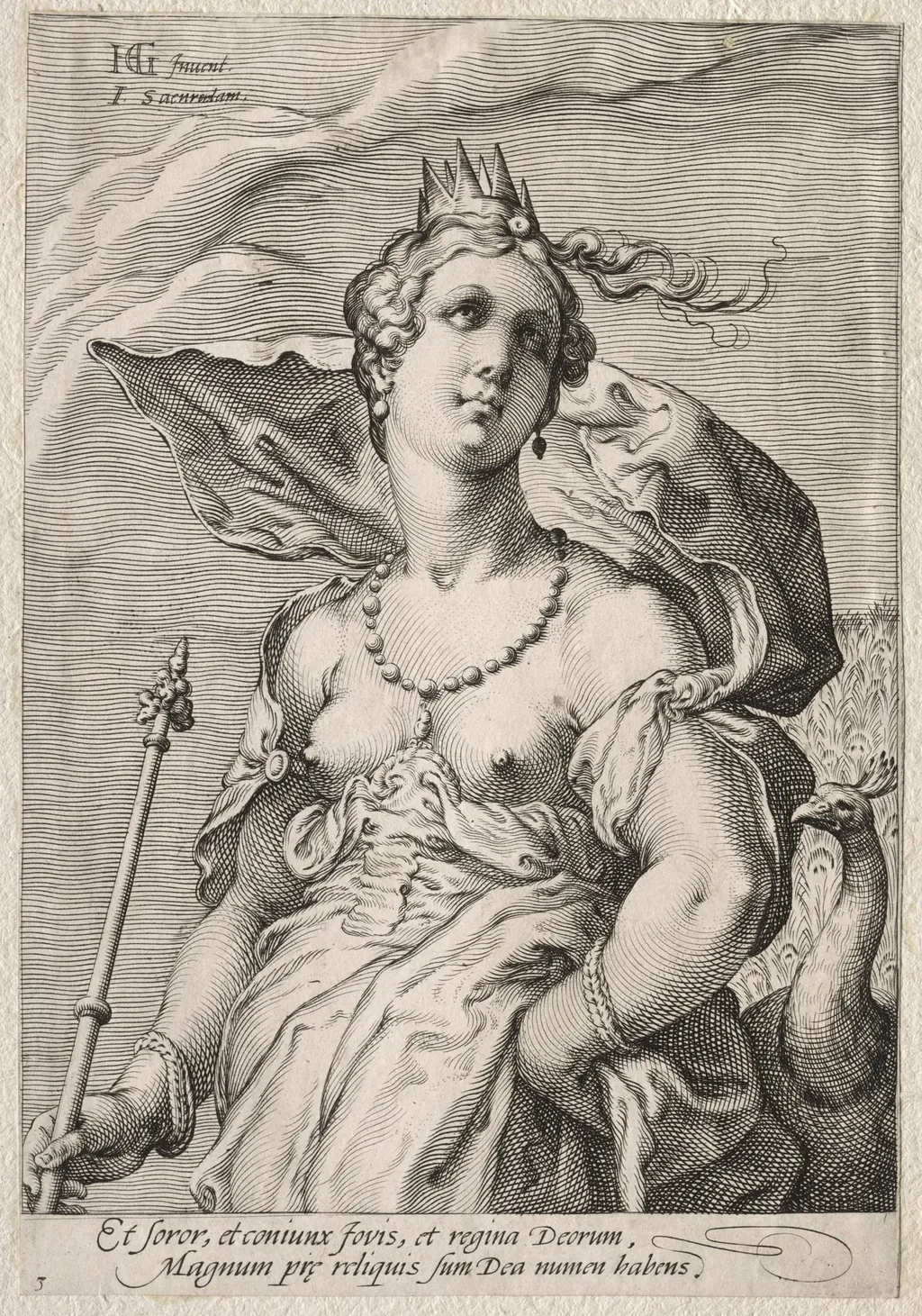
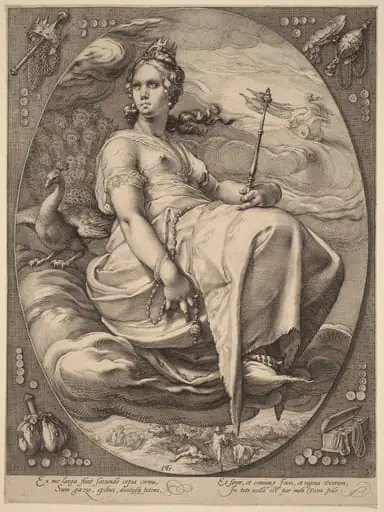
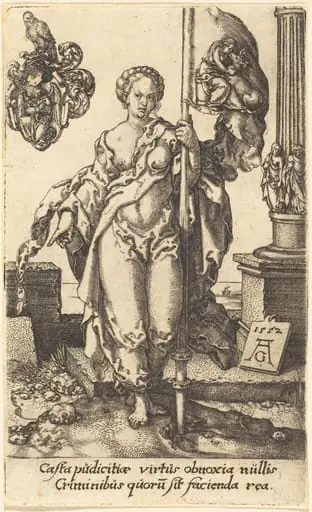
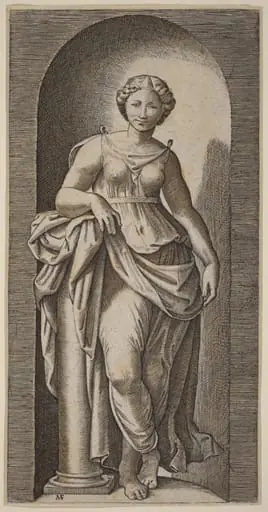
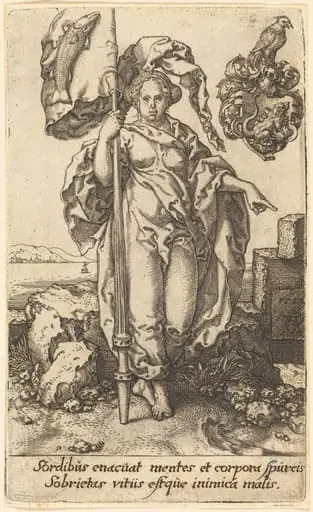
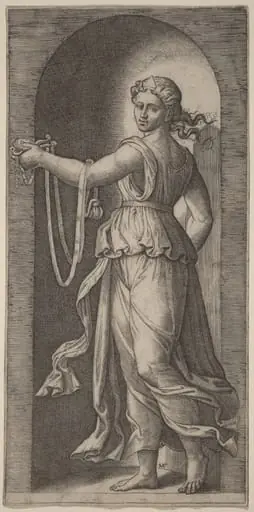
Juno is a print by the Renaissance artist Jan Pietersz Saenredam. It dates from 1595 and is held in the collection of the Cleveland Museum of Art.
About this work
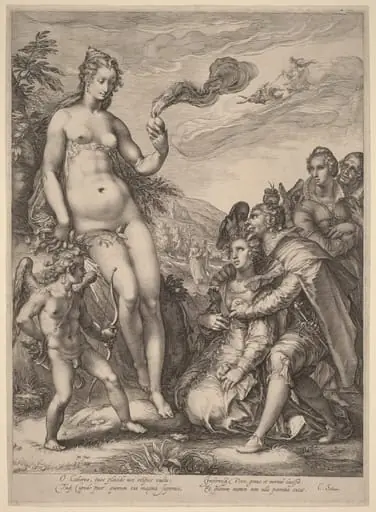
The story behind this painting is interesting - it's based on a famous tale where Juno and other goddesses competed for a golden apple.
This painting shows Juno, a goddess from ancient myths.
She's depicted in a classic style.
The story behind this painting is interesting - it's based on a famous tale where Juno and other goddesses competed for a golden apple.
The artist designed this print to showcase intricate patterns and details.
These patterns were popular in the late 1500s and were often used in engravings.
You can learn more about this style by looking at the work of artist: Jan Saenredam (Dutch, 1565–1607)
Overview
The print 'Juno' is part of a series depicting three goddesses from ancient mythology. It showcases the artist's skill in creating intricate patterns and details through engraving.
Subject & Meaning
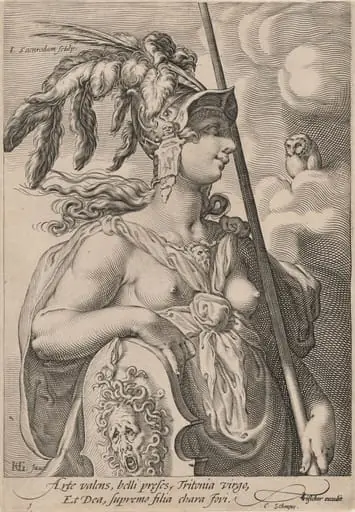
Juno is identified by her accompanying peacock and represents the queen of the gods. The print is linked to the tale of The Judgment of Paris, where Juno, along with Athena and Venus, competed for a golden apple symbolizing the most beautiful.
Technique & Style
The print features complex patterns of curving and crisscrossing lines, characteristic of a style popularized in the late 1500s. The design, intended for engraving by Jan Saenredam, highlights the artist's mastery of this technique.
Context
The series of prints, including 'Juno', allows viewers to compare the three goddesses and decide for themselves which is depicted as the most beautiful, echoing the role of Paris in the mythological tale.
Artist & collection
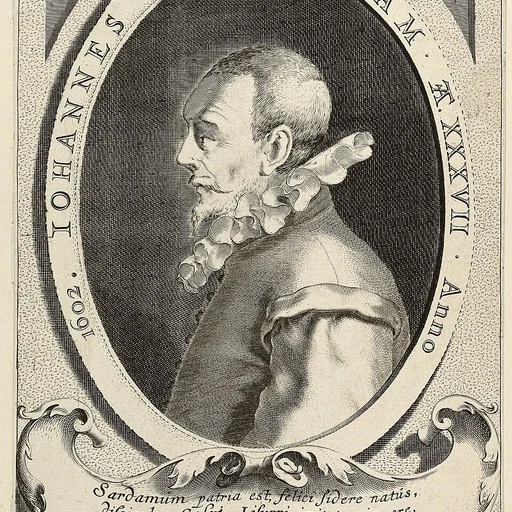
Artist
Jan Pieterszoon (abbr. Pietersz.) Saenredam (c. 1565 – 6 April 1607) was a Dutch Northern Mannerist painter, printmaker in engraving, and cartographer, and father of the painter of church interiors, Pieter Jansz…