Artwork
The Calling of Saint Matthew
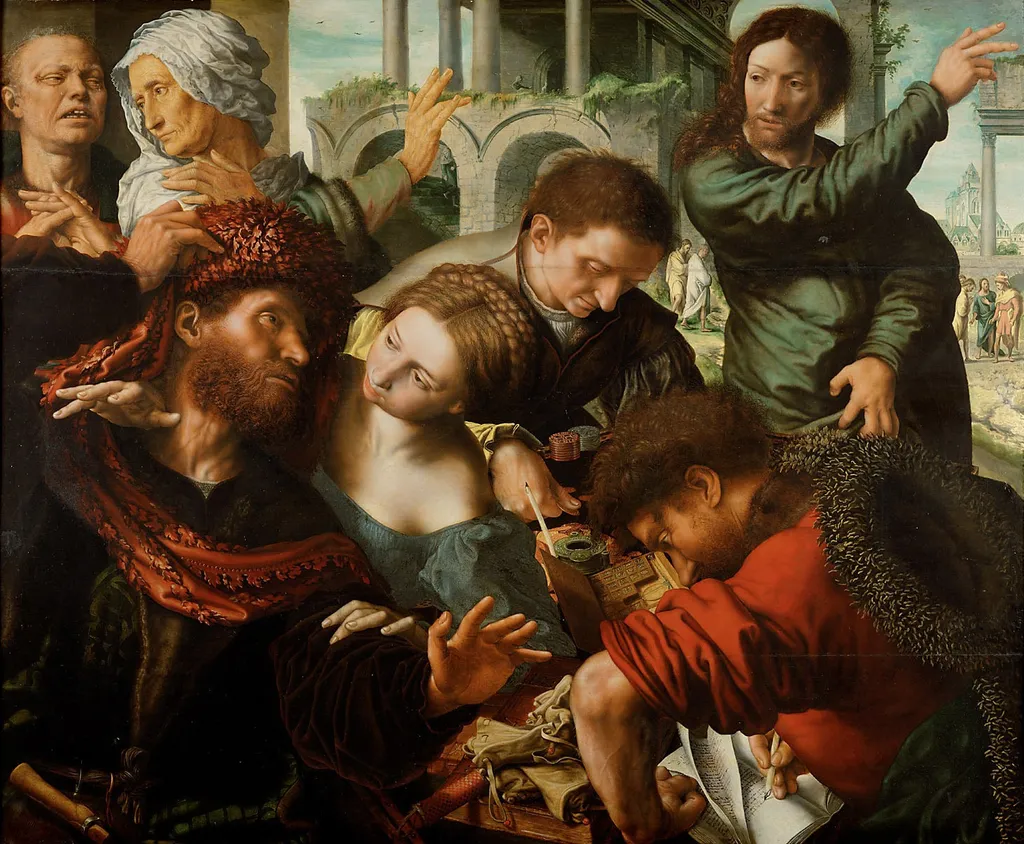
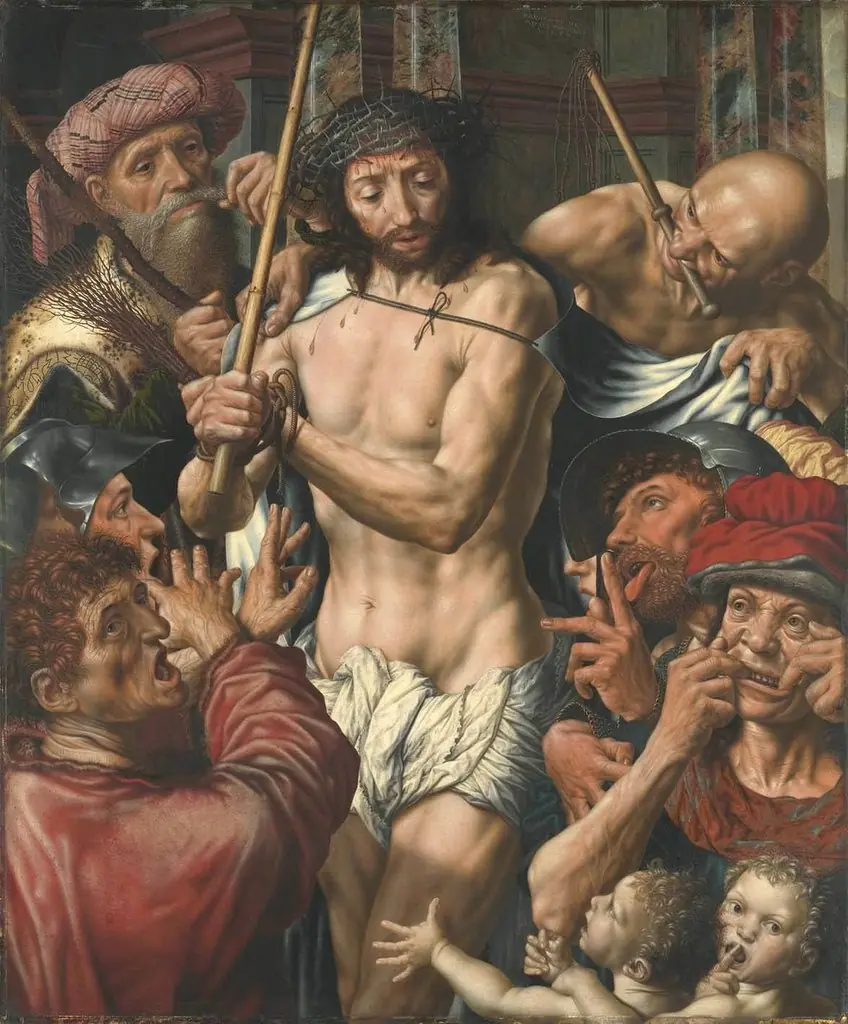
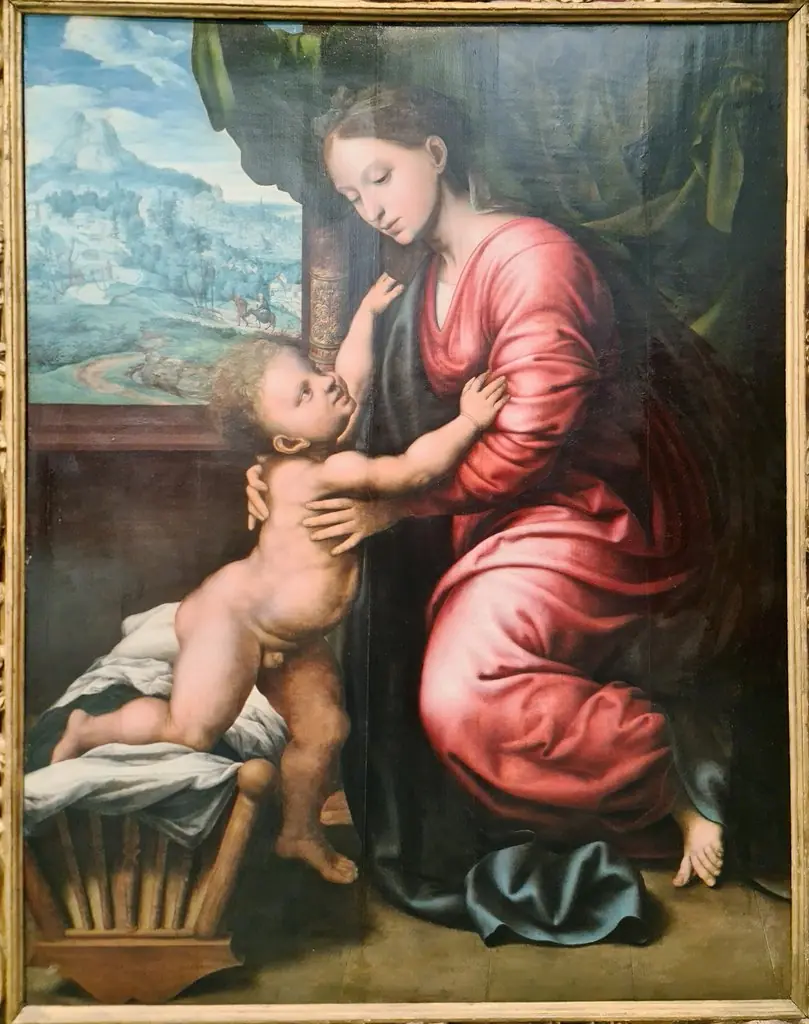
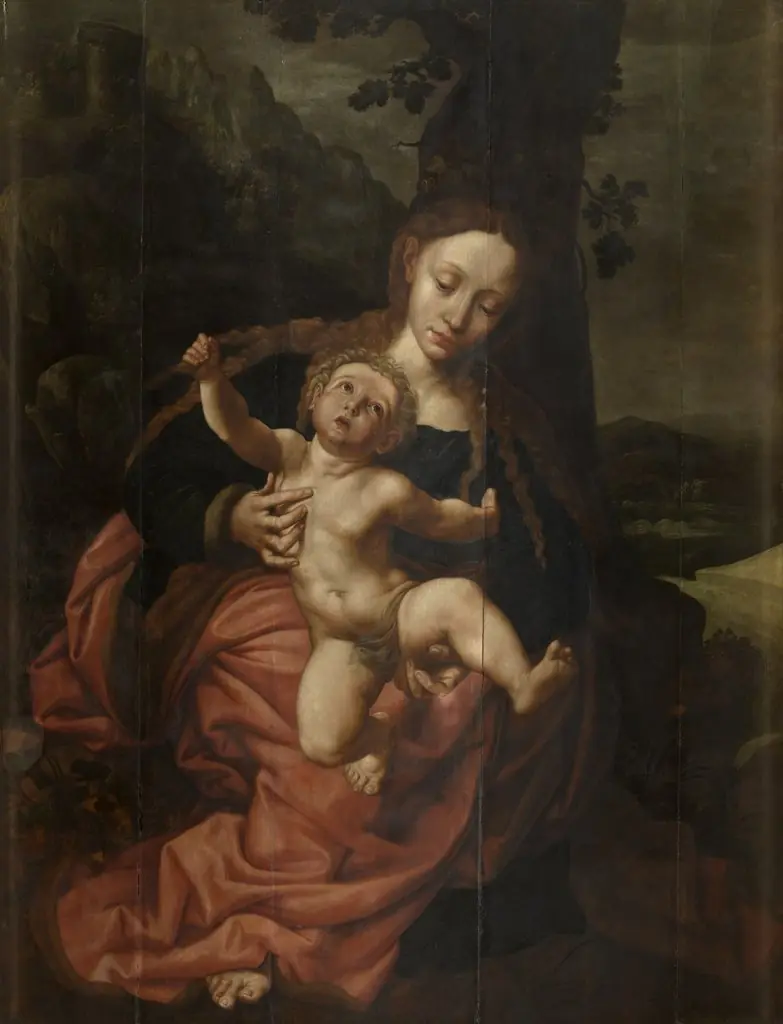
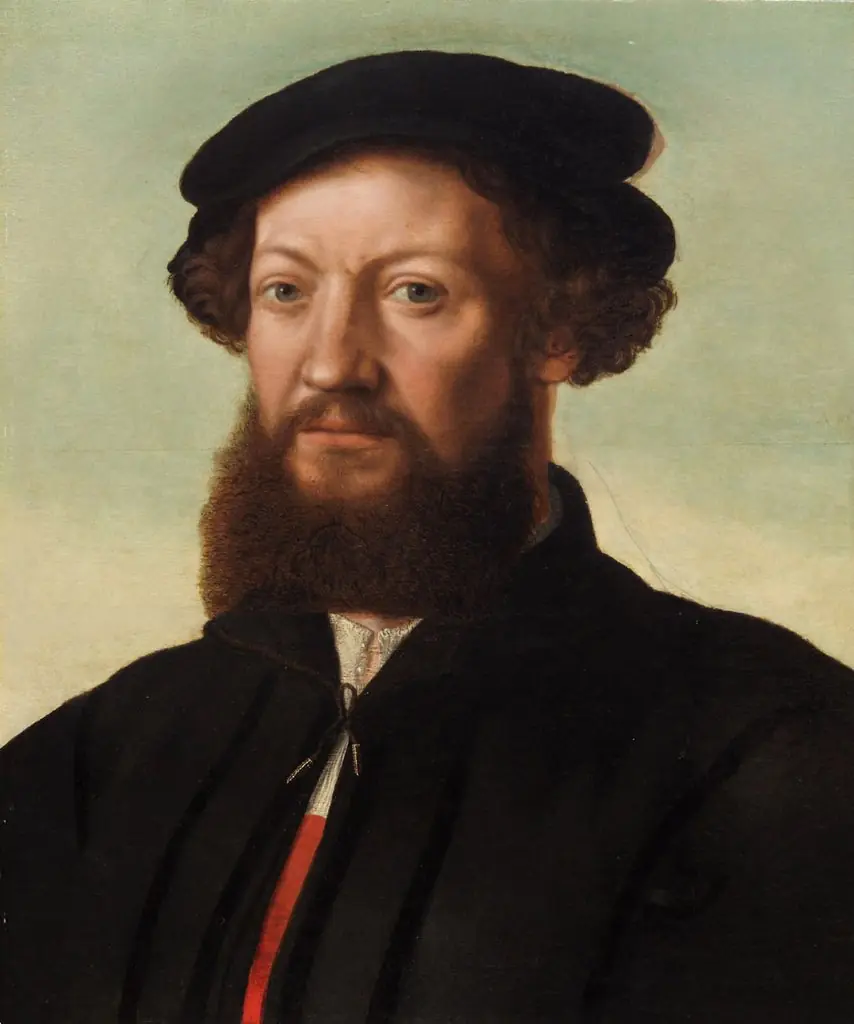
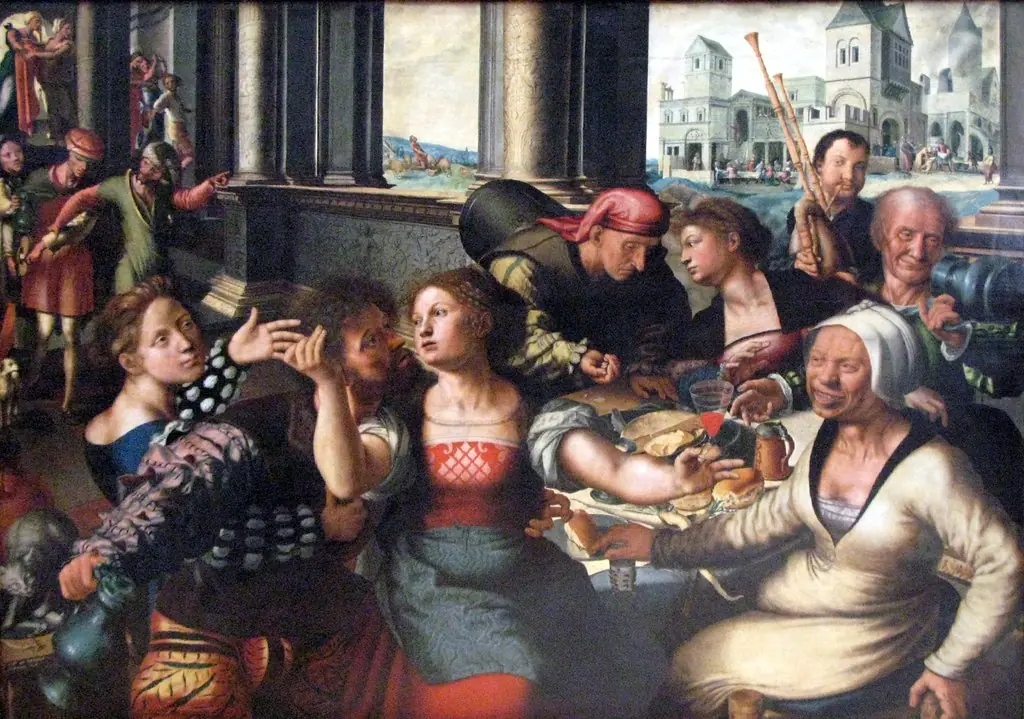
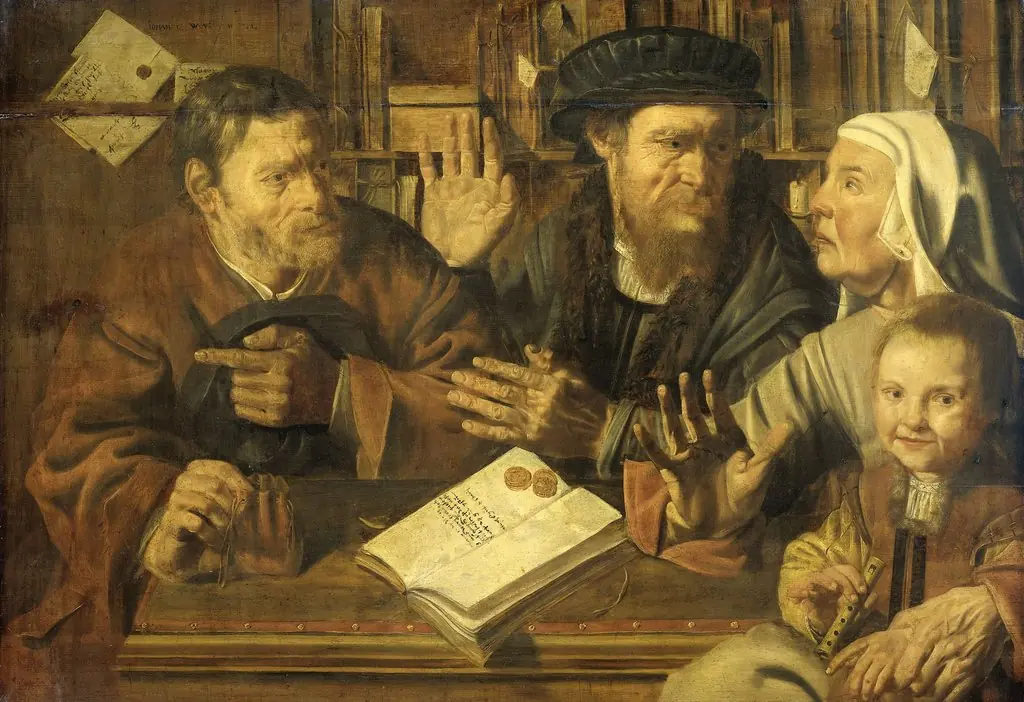
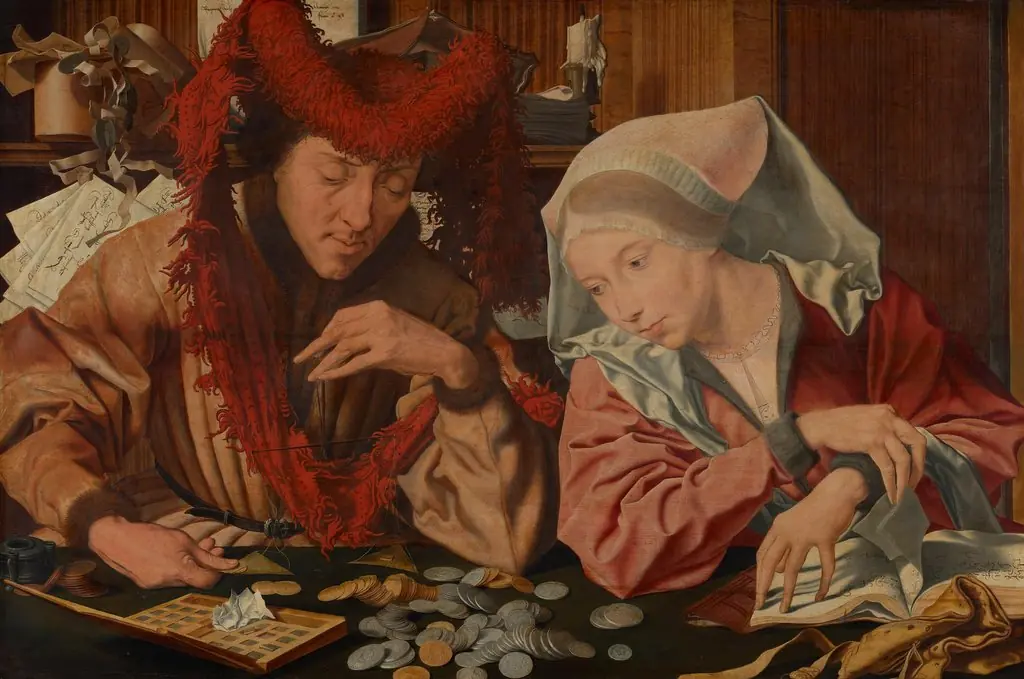
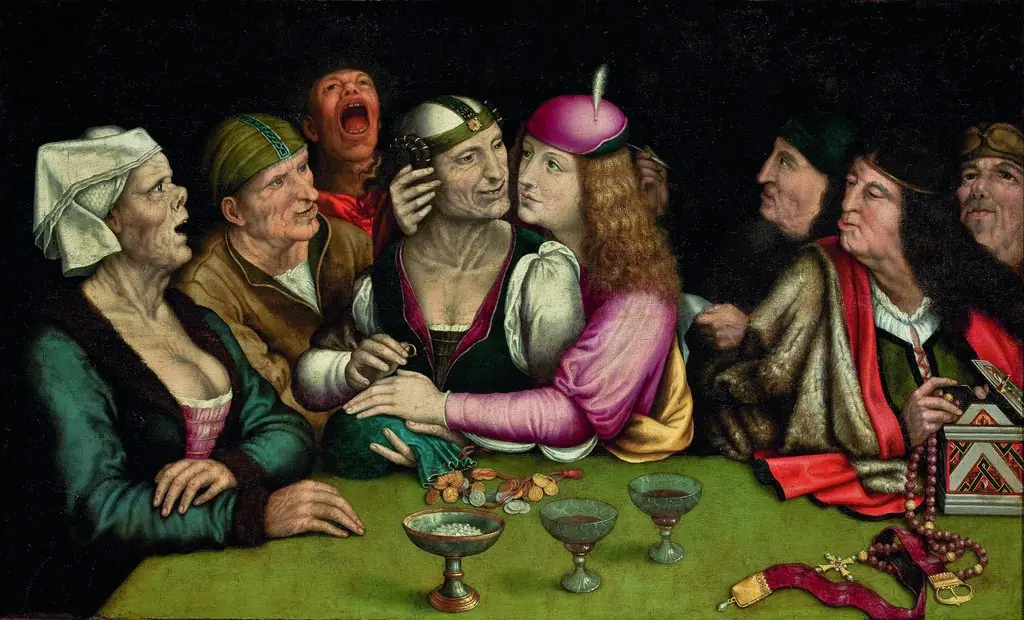
The Calling of Saint Matthew is an oil painting by the Mannerist artist Jan Sanders van Hemessen. It dates from 1548 and is held in the collection of the Kunsthistorisches Museum.
About this work
Overview
Jan Sanders van Hemessen’s *The Calling of Saint Matthew* was painted in 1548 and now belongs to the Kunsthistorisches Museum’s collection. Executed in oil on canvas, the work presents a compact interior scene illuminated by a dramatic play of light and shadow, drawing attention to the figures gathered around a table as they react to an unseen summons.
Subject & Meaning
The composition captures the moment from the Gospel of Matthew when Christ points to the tax collector, inviting him to become an apostle. The central figure, a man in a red hat clutching a coin, embodies the worldly occupation that is about to be transformed, while the surrounding characters—clad in green, blue, and other hues—react with a mixture of curiosity, reverence, and tension.
Technique & Style
Van Hemessen employs a pronounced chiaroscuro, using deep shadows to conceal the room’s corners and bright highlights to model the faces and garments.
Van Hemessen employs a pronounced chiaroscuro, using deep shadows to conceal the room’s corners and bright highlights to model the faces and garments. This contrast, characteristic of the mannerist approach, emphasizes the psychological intensity of the scene. The painter’s handling of oil allows for fine detail in the textures of fabric and metal, while the overall composition reflects his synthesis of Italian Renaissance modeling with Flemish attention to surface.
History & Provenance
After completing his studies in Italy during the 1520s and later at Fontainebleau in the 1530s, van Hemessen returned to the Low Countries, where he integrated the Italianate language into his native tradition. *The Calling of Saint Matthew* entered the Kunsthistorisches Museum’s holdings in the 19th century, where it has remained a representative example of the artist’s Romanist phase.
Context
Part of the Flemish Romanist movement, the painting illustrates how Northern artists of the mid‑16th century absorbed Italian compositional principles while preserving local narrative vigor. Van Hemessen’s work reflects broader Counter‑Reformation concerns, using a biblical episode to underscore themes of conversion and divine intervention within a familiar, everyday setting.
Artist & collection
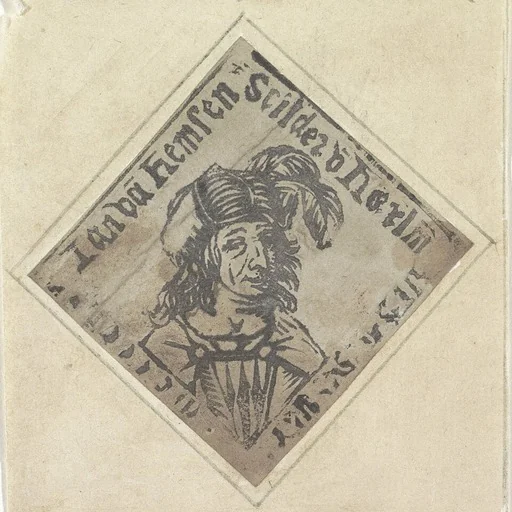
Artist
Jan Sanders van Hemessen (c. 1500 – c. 1566) was a leading Flemish Renaissance painter, belonging to the group of Italianizing Flemish painters called the Romanists, who were influenced by Italian Renaissance painting.…