Artwork
Ecce Homo
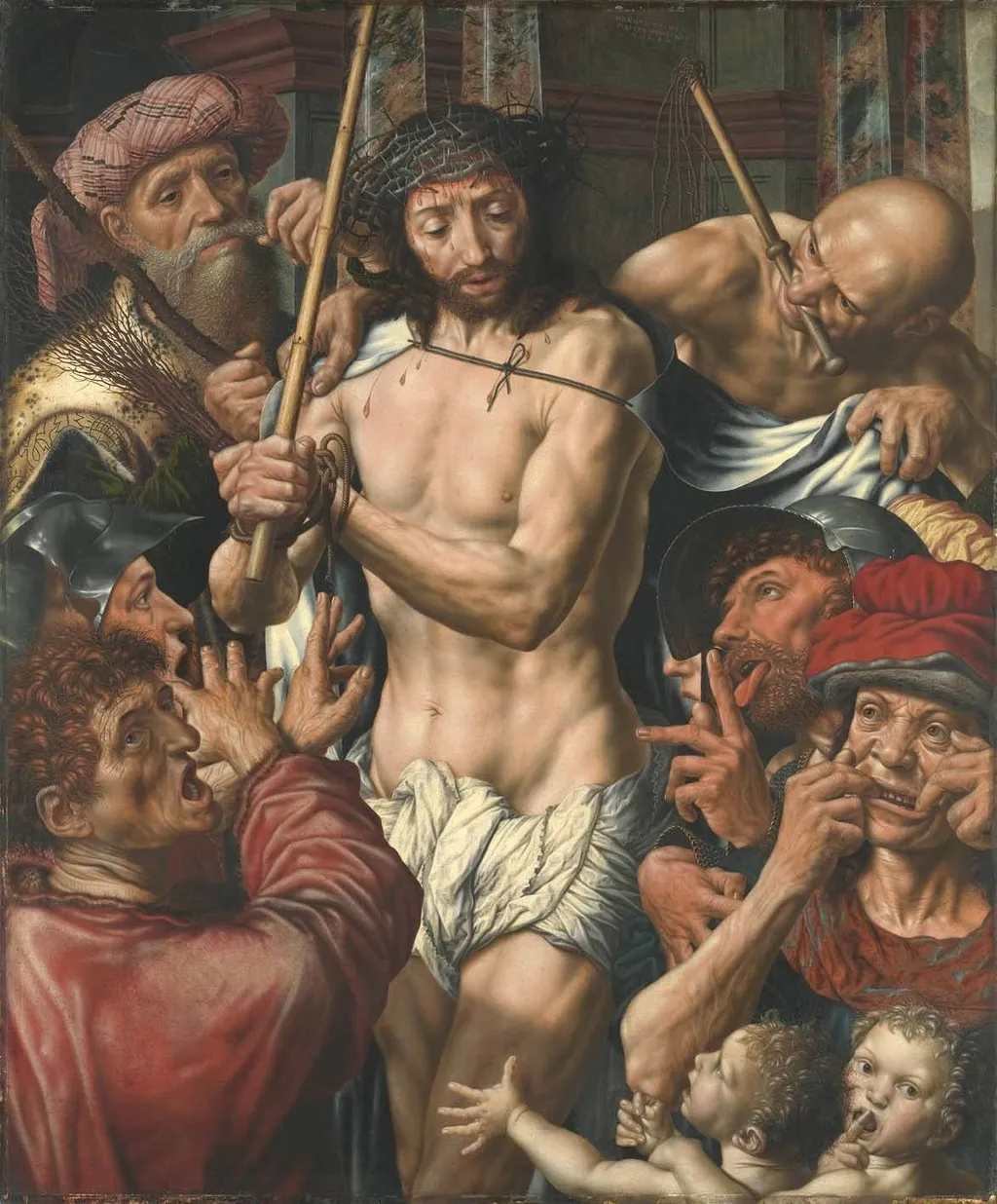
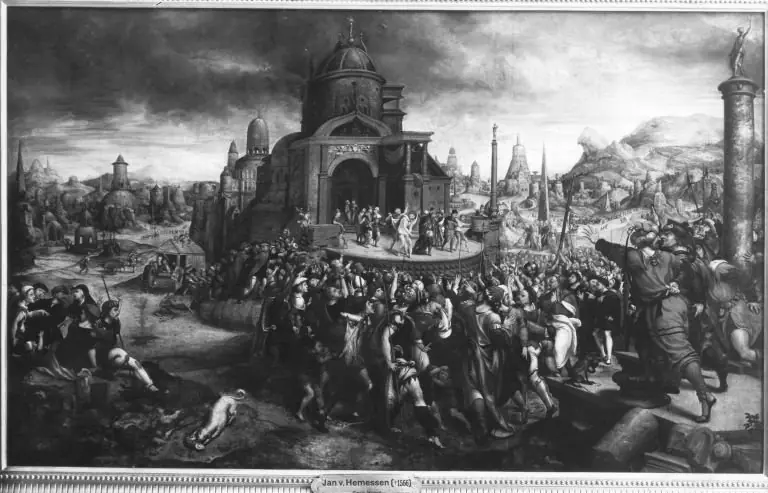
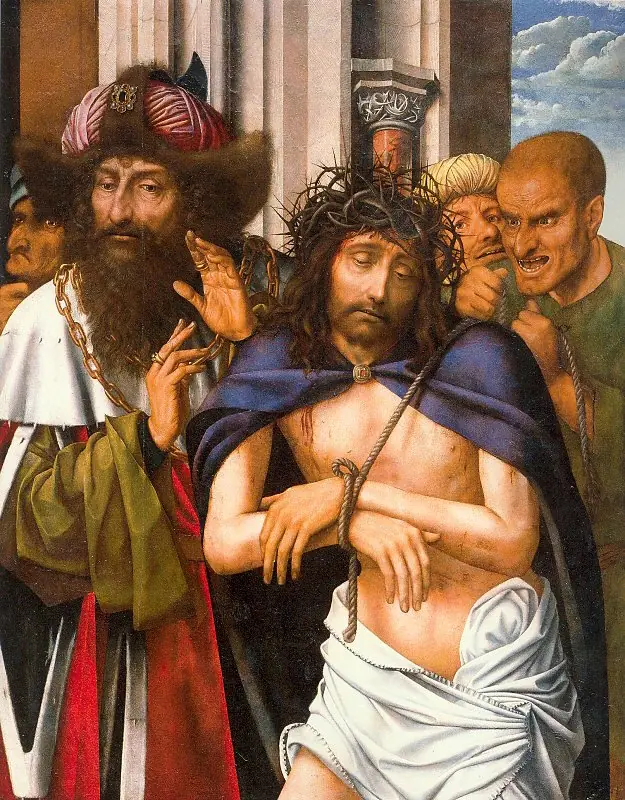
Ecce Homo is an oil painting by the Mannerist artist Jan Sanders van Hemessen. It dates from 1544 and is held in the collection of the Bavarian State Painting Collections.
About this work
Overview
Van Hemessen, a Flemish artist, synthesized Italian Renaissance techniques with Northern European traditions after traveling to Italy and France.
Painted in 1544 by Jan Sanders van Hemessen, *Ecce Homo* is an oil-on-panel work that captures a moment from the Passion of Christ. Van Hemessen, a Flemish artist, synthesized Italian Renaissance techniques with Northern European traditions after traveling to Italy and France. The painting is now part of the Alte Pinakothek’s collection in Munich, where it remains a key example of mid-16th-century religious imagery shaped by cross-regional artistic exchange.
Subject & Meaning
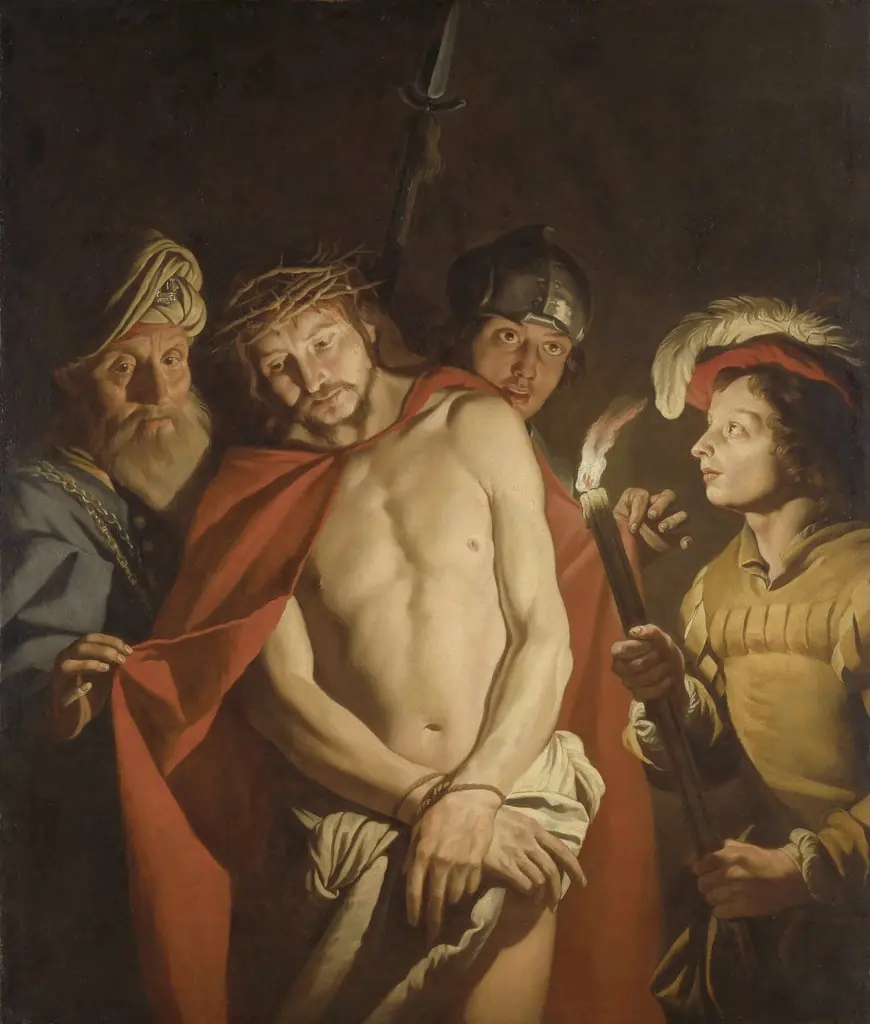
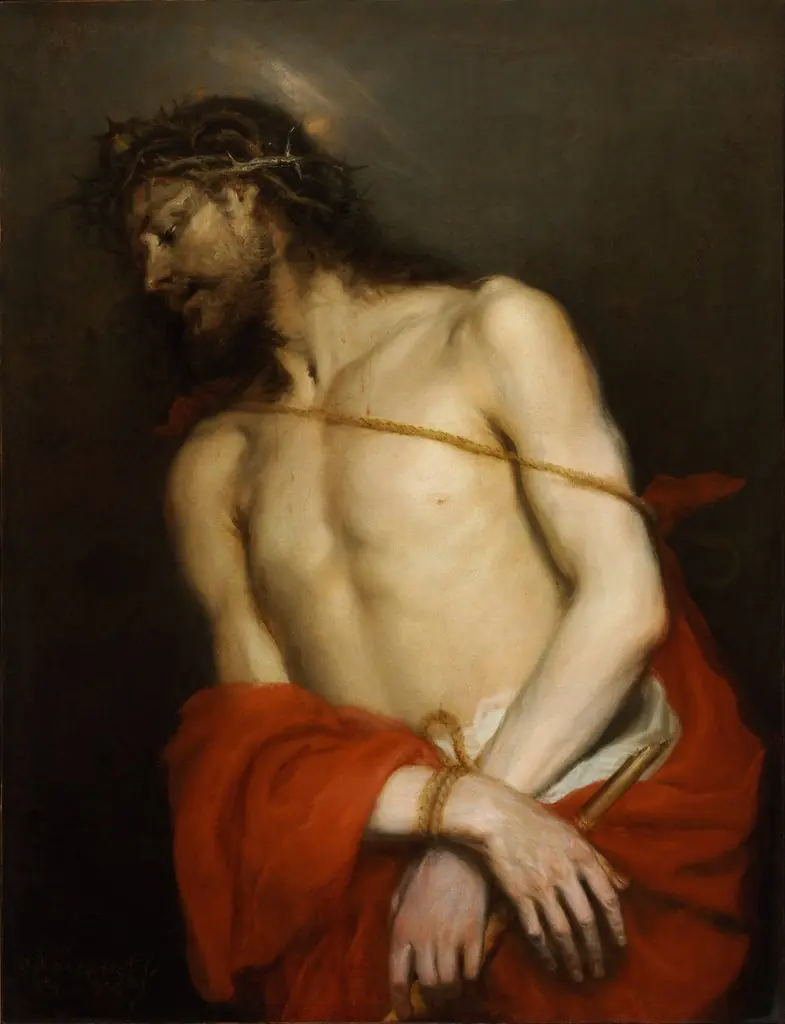
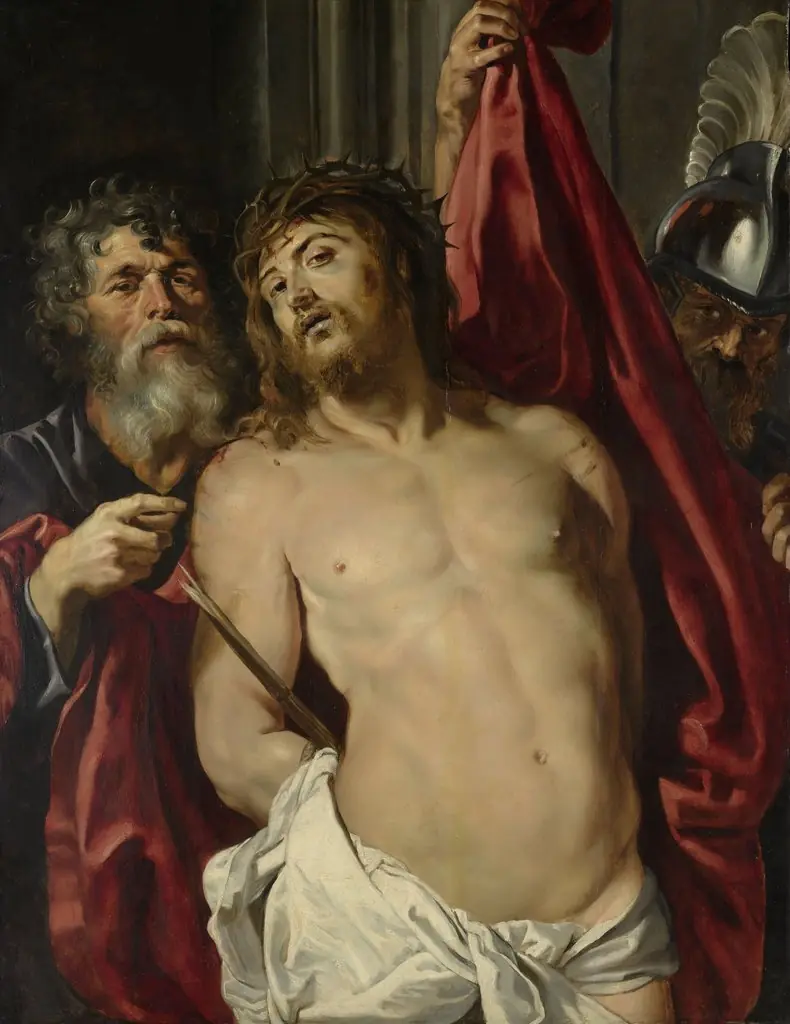
The scene portrays Christ before Pontius Pilate, identified by the crown of thorns and bound arms. The title, meaning 'Behold the Man,' references Pilate’s words in the Gospel of John. Surrounding figures—some hostile, others bewildered—embody the human response to divine suffering. The composition invites contemplation of judgment, innocence, and the tension between cruelty and compassion, grounding the sacred in visceral human emotion.
Technique & Style
Van Hemessen employs chiaroscuro to model Christ’s pale torso, isolating him in a pool of light against a shadowed stone backdrop. The figures around him are rendered with varied expressions and textured garments, suggesting individualized reactions. Brushwork is precise yet unidealized, avoiding Mannerist exaggeration in favor of psychological realism. The dark, indistinct background focuses attention on the central group, enhancing the scene’s intimacy and emotional weight.
History & Provenance
Created in Antwerp during van Hemessen’s mature period, the painting entered the Bavarian royal collection by the late 18th century. Its presence in the Alte Pinakothek since the museum’s founding reflects its recognized status within early modern Flemish art. No significant alterations or reworkings are documented, and its condition remains consistent with careful preservation over centuries.
Context
Van Hemessen’s exposure to Italian art in the 1520s and the First School of Fontainebleau in the 1530s informed his approach to anatomy and spatial depth. While his style retained Northern attention to detail, he absorbed Italian compositional clarity. *Ecce Homo* reflects a broader trend in the Low Countries of adapting Renaissance ideals to devotional subjects, responding to both Catholic piety and humanist interests in emotional expression.
Legacy
The painting exemplifies how Northern artists integrated Italian innovations without abandoning their regional sensibilities. Though not widely reproduced, it influenced later Flemish depictions of Christ’s suffering through its restrained drama and psychological nuance. Its preservation in a major European museum ensures continued study of how religious themes were visualized during the Reformation era.
Artist & collection
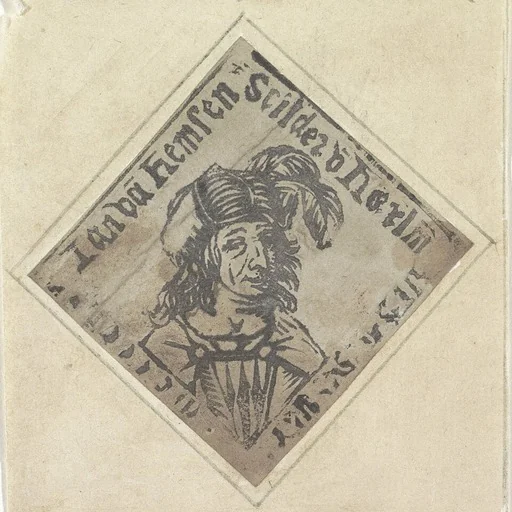
Artist
Jan Sanders van Hemessen (c. 1500 – c. 1566) was a leading Flemish Renaissance painter, belonging to the group of Italianizing Flemish painters called the Romanists, who were influenced by Italian Renaissance painting.…