Artwork
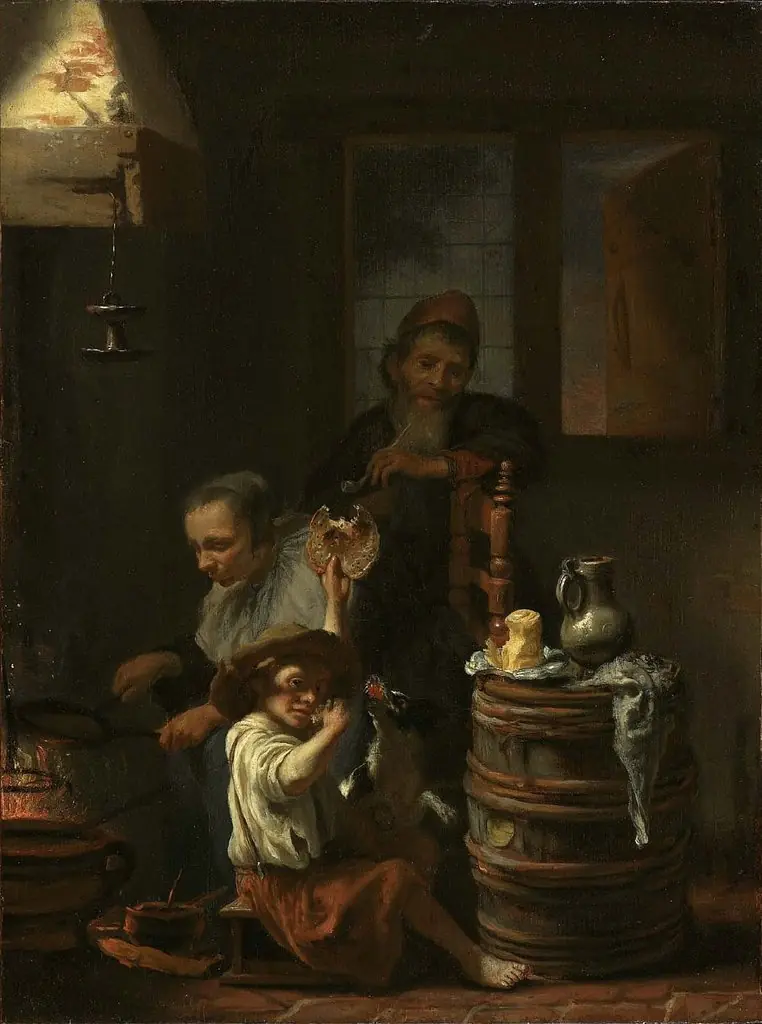
Children Teaching a Cat to Dance, Known as ‘The Dancing Lesson’
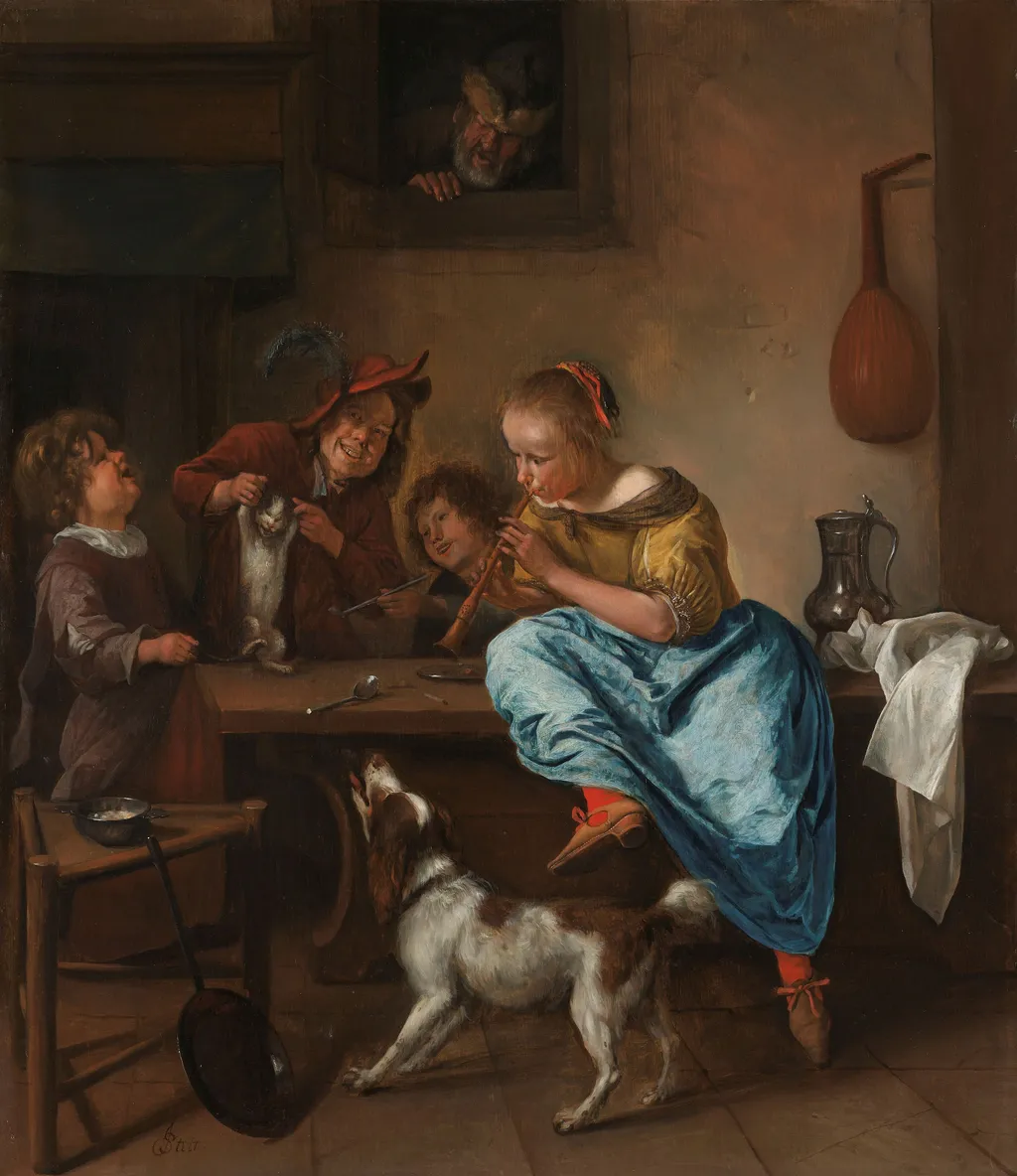
Children Teaching a Cat to Dance, Known as ‘The Dancing Lesson’ is an oil painting by the Dutch Golden Age artist Jan Steen. It dates from 1669 and is held in the collection of the Rijksmuseum.
About this work
Children Teaching a Cat to Dance, also called The Dancing Lesson, is an oil‑on‑panel painting by Dutch artist Jan Steen.
Children Teaching a Cat to Dance, also called The Dancing Lesson, is an oil‑on‑panel painting by Dutch artist Jan Steen. It was made around 1669. The work is a genre painting that shows a light‑hearted domestic scene, a typical subject for Steen. It was executed in oil paint, a common medium for Dutch painters of the period. The piece is not linked to any specific art movement. It now belongs to the Rijksmuseum’s collection in Amsterdam. You can explore more at the Rijksmuseum.
Overview
Children Teaching a Cat to Dance, also known as The Dancing Lesson, is an oil-on-panel painting by Jan Steen, created around 1669. It is a genre painting depicting a domestic scene.
Subject & Meaning
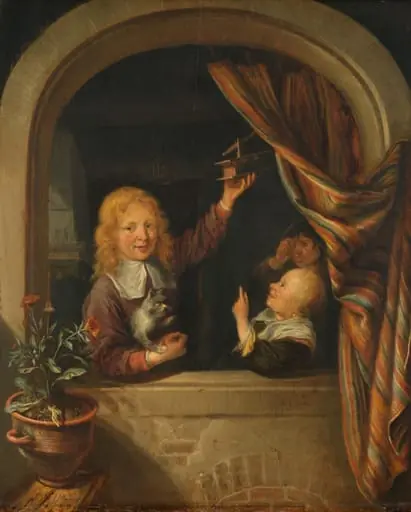
The painting shows children trying to make a cat dance to the sound of a shawm, while a dog barks and the cat screeches. An older man at the window appears disapproving, contrasting with the children's enjoyment.
Technique & Style
Executed in oil paint, a typical medium for Dutch painters of the time, the work represents Steen's characteristic style of capturing everyday Dutch life in indoor settings.
History & Provenance
The painting is now part of the Rijksmuseum's collection in Amsterdam.
Own this work as a print
Artist & collection
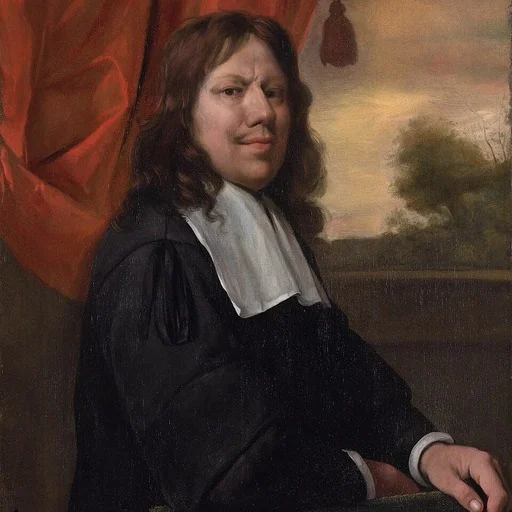
Artist
Jan Havickszoon Steen was a Dutch Golden Age painter, one of the leading genre painters of the 17th century.

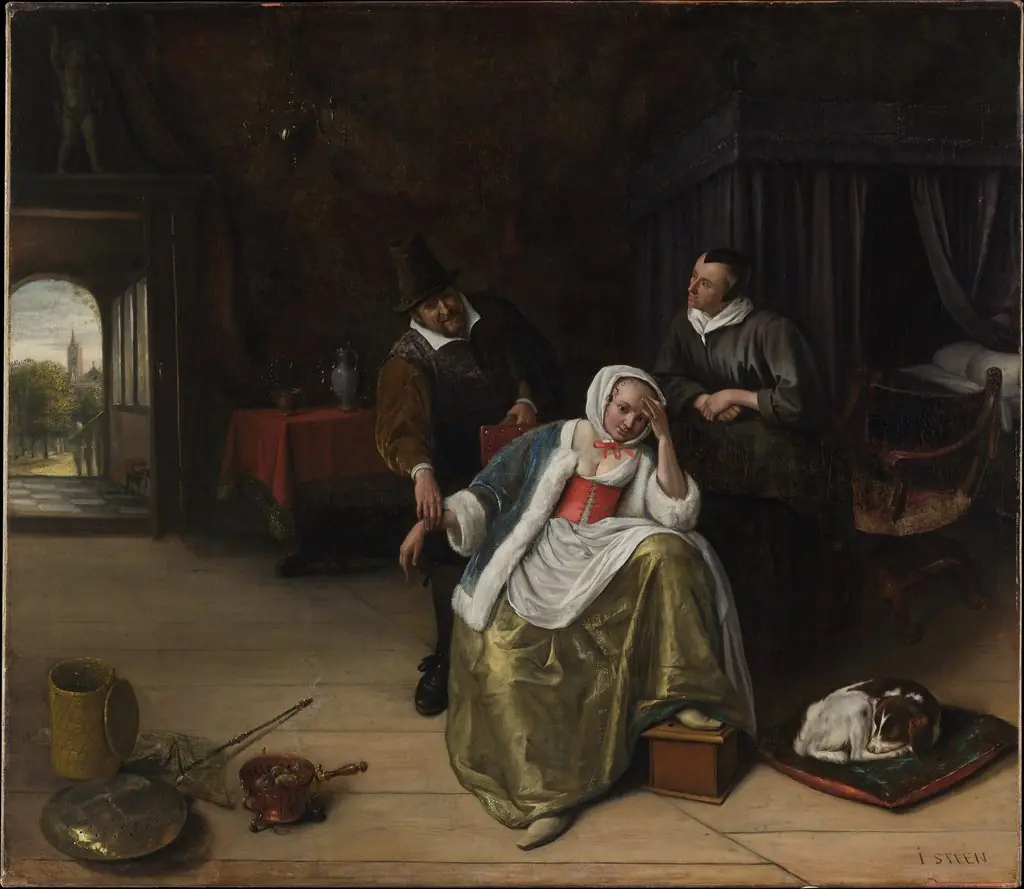 Paintings of physicians by Jan Steen
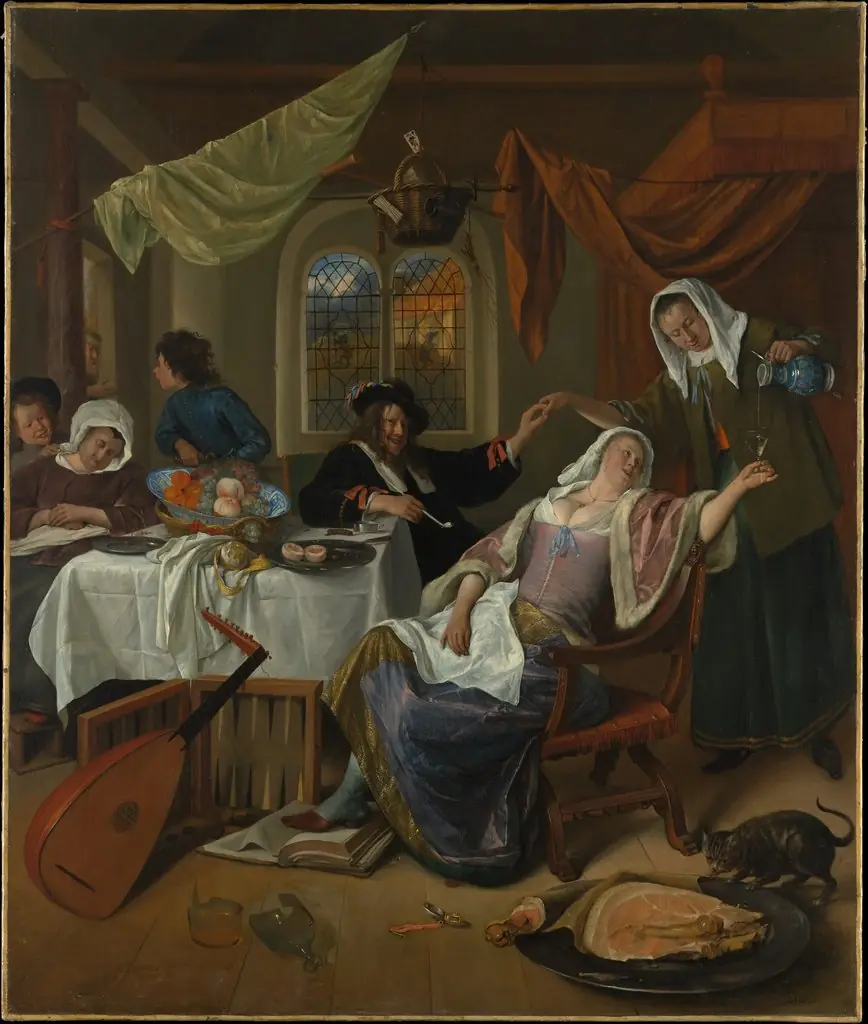 The Dissolute Household
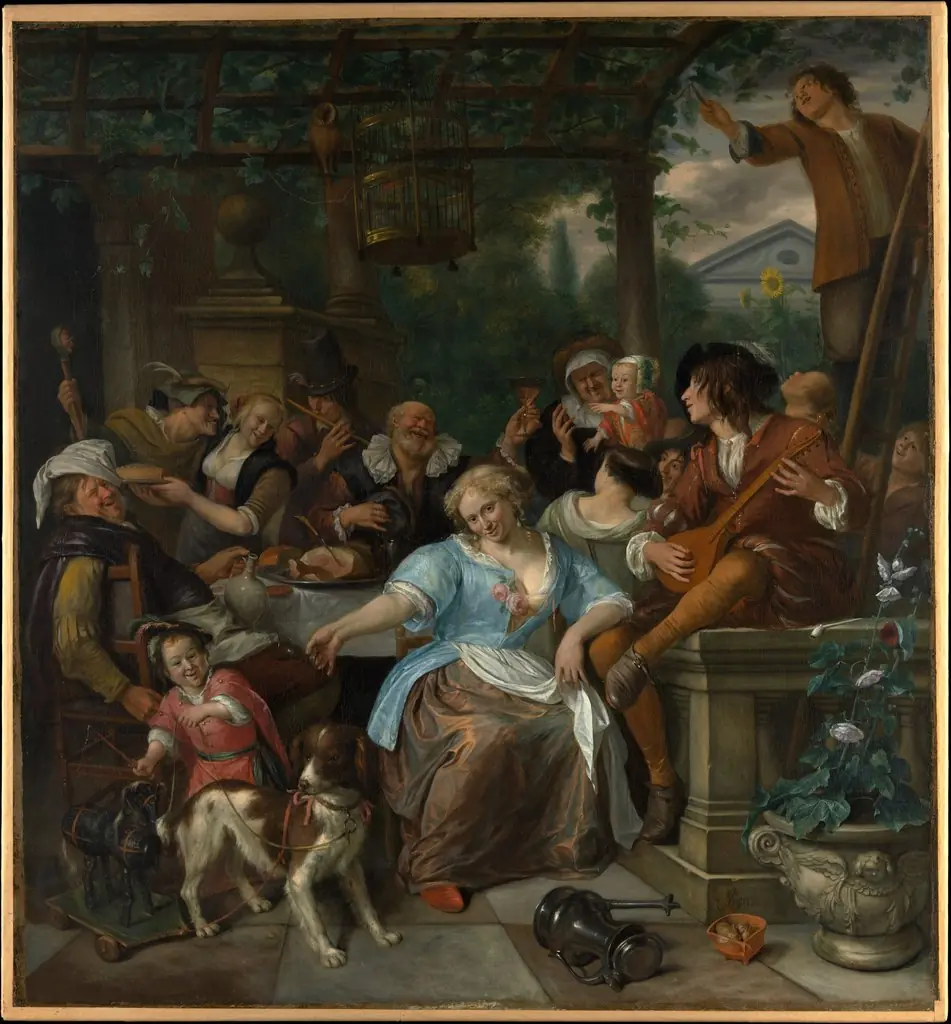 Merry Company on a Terrace
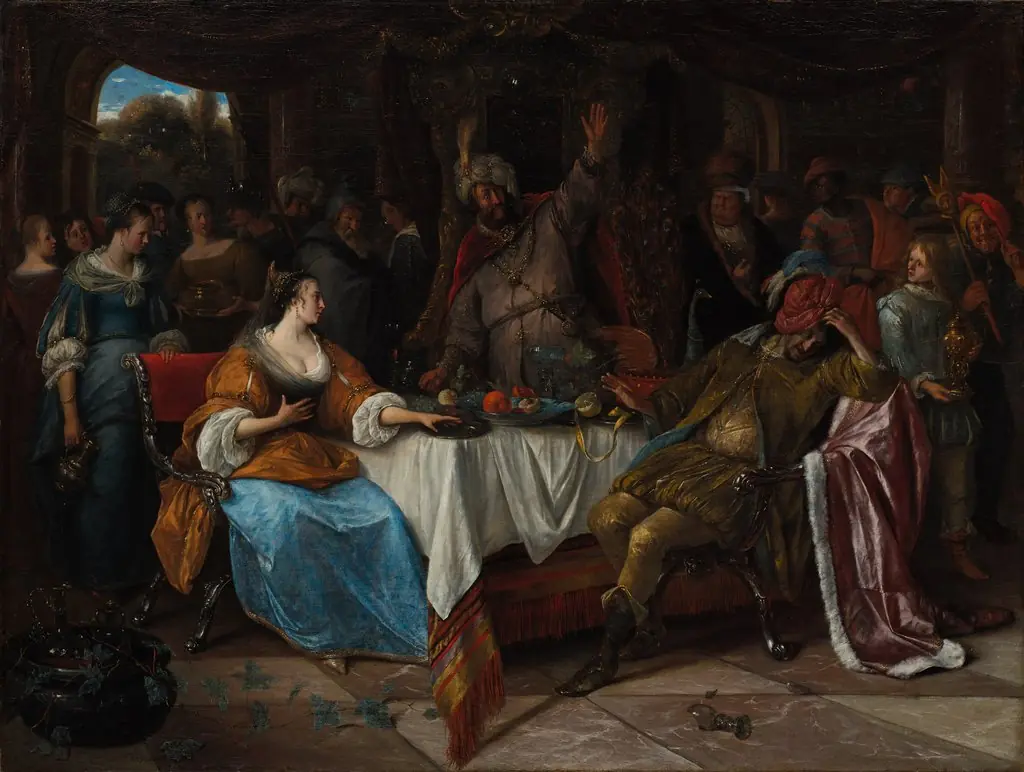 Esther, Ahasuerus, and Haman
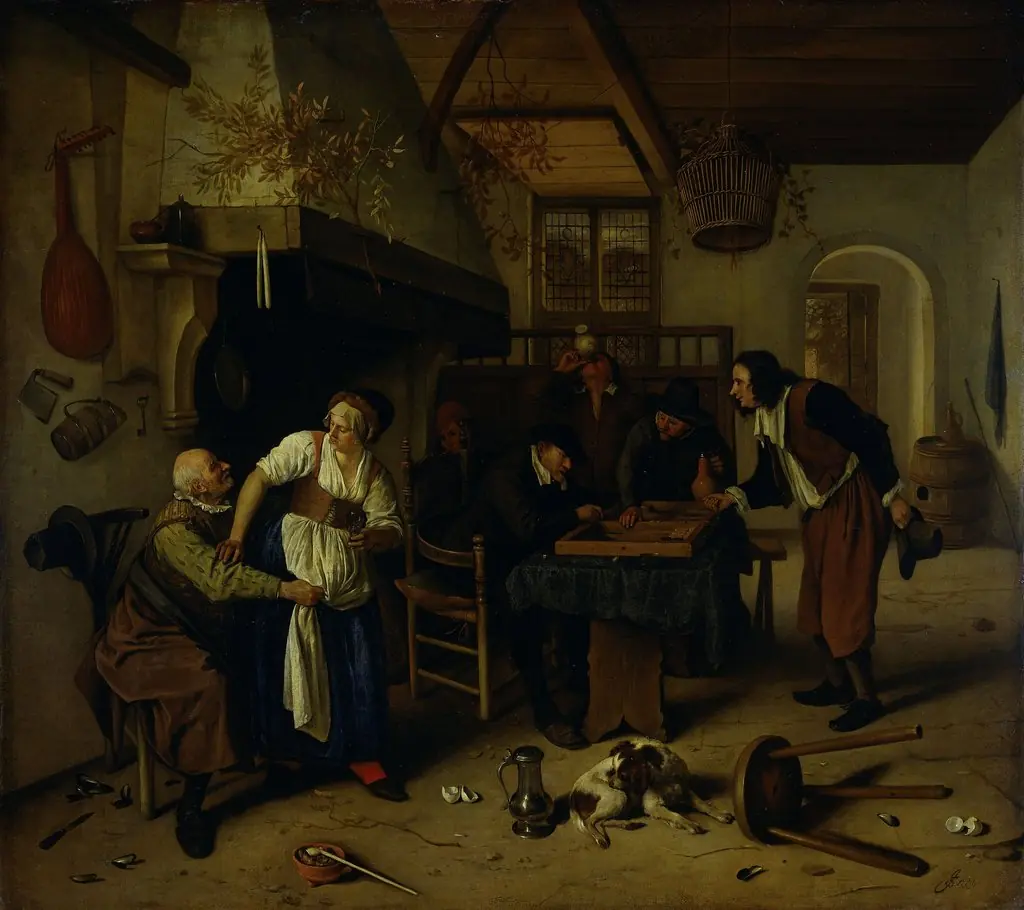 Interior of an inn with an old man amusing himself with the landlady and two men playing backgammon, known as 'Two kinds of games'
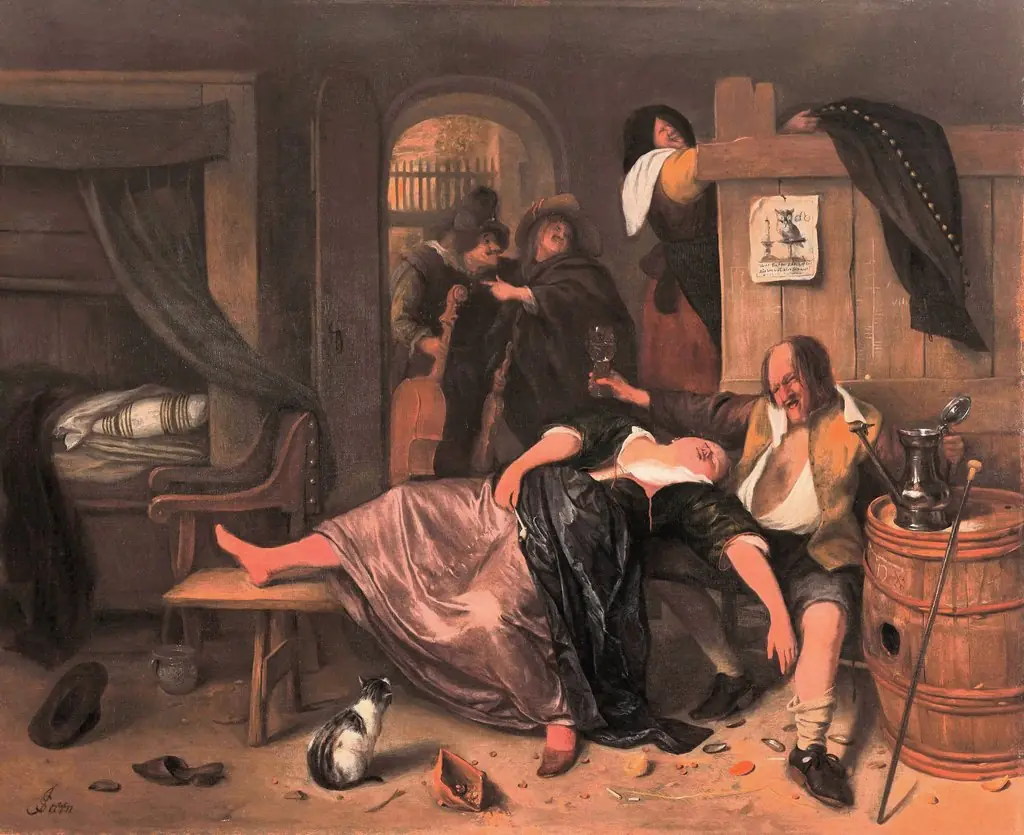 The Drunken Couple
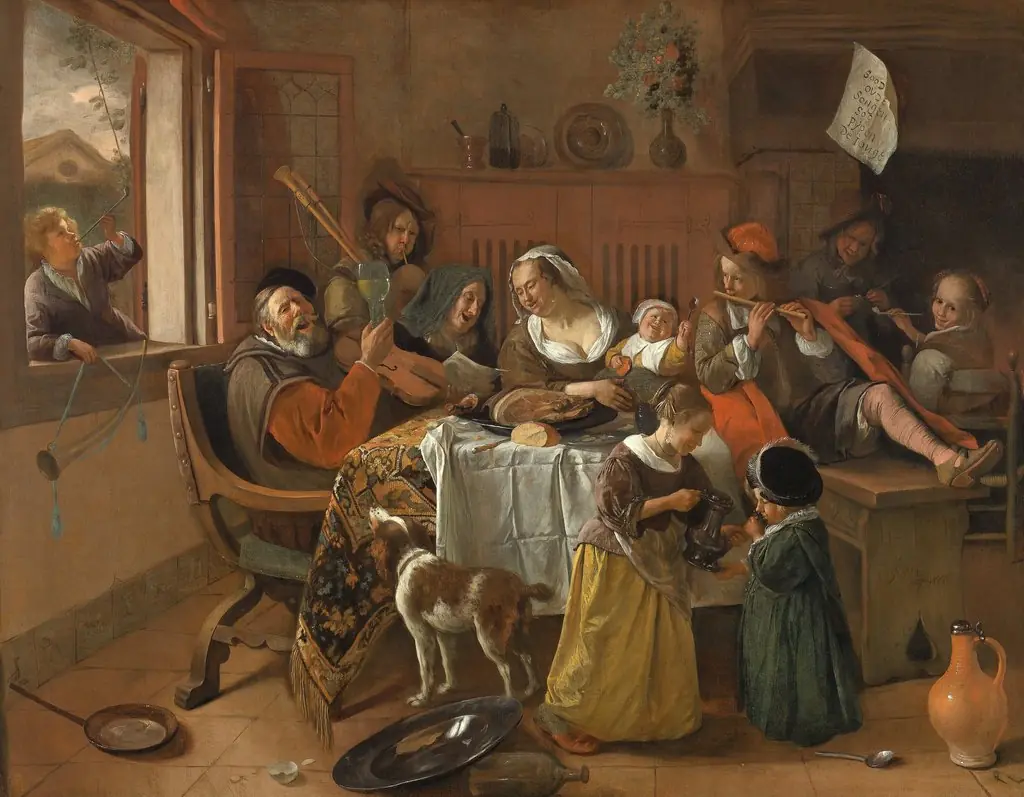 The Happy Family
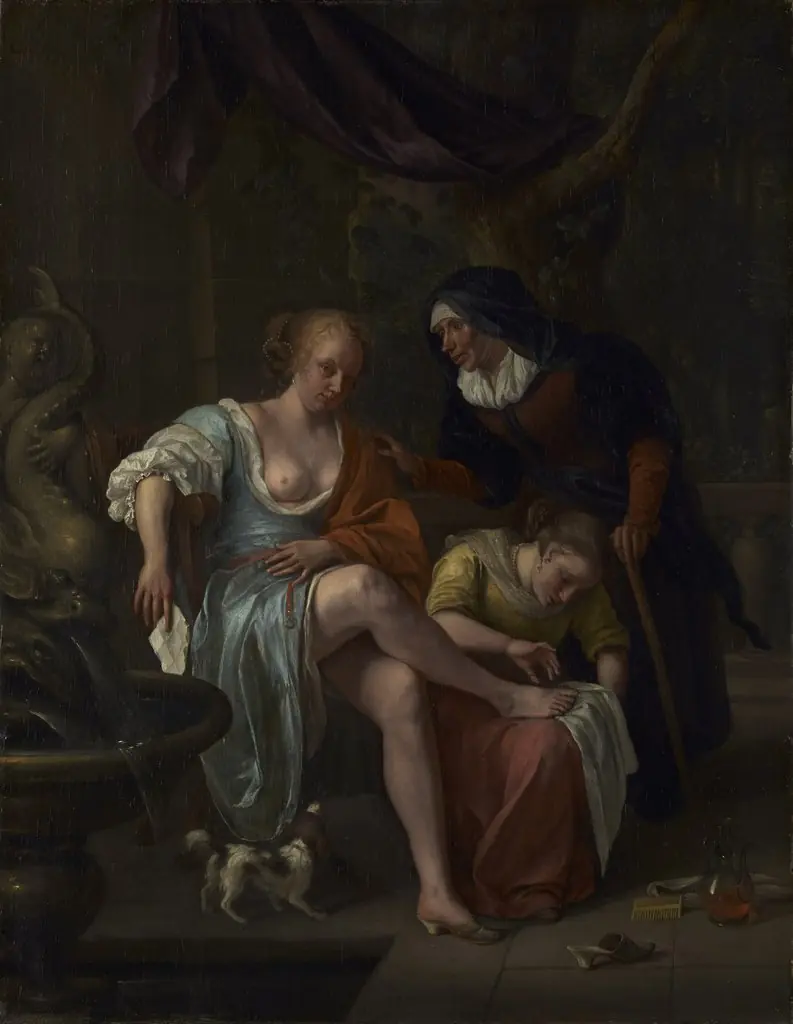 Bathsheba after the Bath