Artwork
Portrait of Bernardina Margriet van Raesfelt, also known as 'The Chicken Yard'
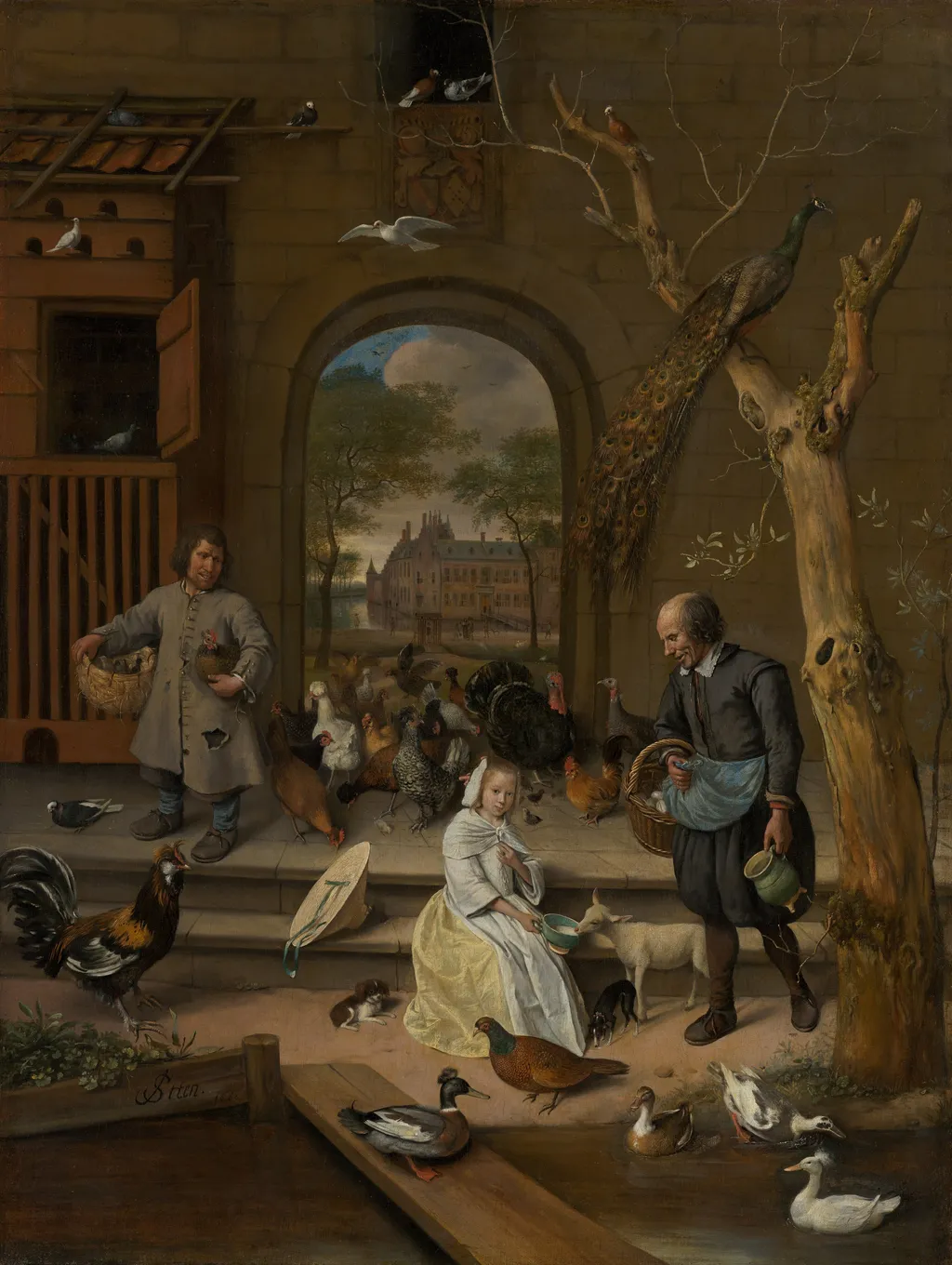
Portrait of Bernardina Margriet van Raesfelt, also known as 'The Chicken Yard' is an oil painting by the Dutch Golden Age artist Jan Steen. It dates from 1660 and is held in the collection of the Mauritshuis.
About this work
Overview
The work belongs to the Dutch Golden Age and is in the collection of the Mauritshuis.
Jan Steen’s oil painting dated 1660, known both as Portrait of Bernardina Margriet van Raesfelt and “The Chicken Yard,” presents a domestic tableau set before a stone façade with an arched doorway. The composition includes a young girl seated on steps amid a group of animals—chickens, ducks, a peacock, a dog and a goat—while two men, one with a basket and the other with a jug, stand nearby. The work belongs to the Dutch Golden Age and is in the collection of the Mauritshuis.
Subject & Meaning
The central figure, a youthful girl identified as Bernardina Margriet van Raesfelt, is surrounded by a lively menagerie that suggests a harmonious rural setting. The inclusion of domestic animals alongside human figures reflects Steen’s interest in everyday life and may allude to themes of abundance, stewardship, or the social status of the sitter’s family within a pastoral environment.
Technique & Style
Steen employs a balanced palette that contrasts the muted earth tones of the stone architecture with the vivid colors of the peacock’s plumage and the varied feathers of the birds. His handling of light creates a calm atmosphere, while the careful rendering of textures—from the rough stone to the soft fur of the dog—demonstrates the painter’s skill in depicting both human and animal forms with naturalistic detail.
History & Provenance
Created in 1660, the portrait entered the Dutch art market shortly after its completion and eventually became part of the Mauritshuis collection, where it remains on public display. Documentation traces its ownership through several private collections before its acquisition by the museum, confirming its attribution to Jan Steen and its status as a representative work of his portraiture.
Context
The painting reflects the broader trends of the Dutch Golden Age, a period marked by an increased focus on genre scenes and portraiture that celebrated everyday life. Steen, known for his narrative compositions, integrates genre elements into a formal portrait, blurring the line between personal likeness and a depiction of rural domesticity that was popular among the Dutch bourgeoisie of the mid‑17th century.
Own this work as a print
Artist & collection
Artist
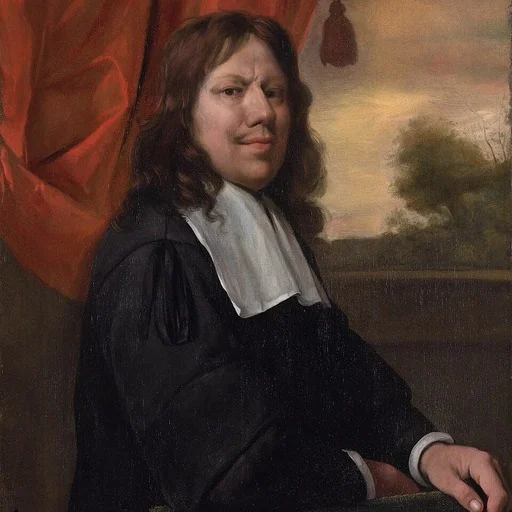
Jan Havickszoon Steen was a Dutch Golden Age painter, one of the leading genre painters of the 17th century.

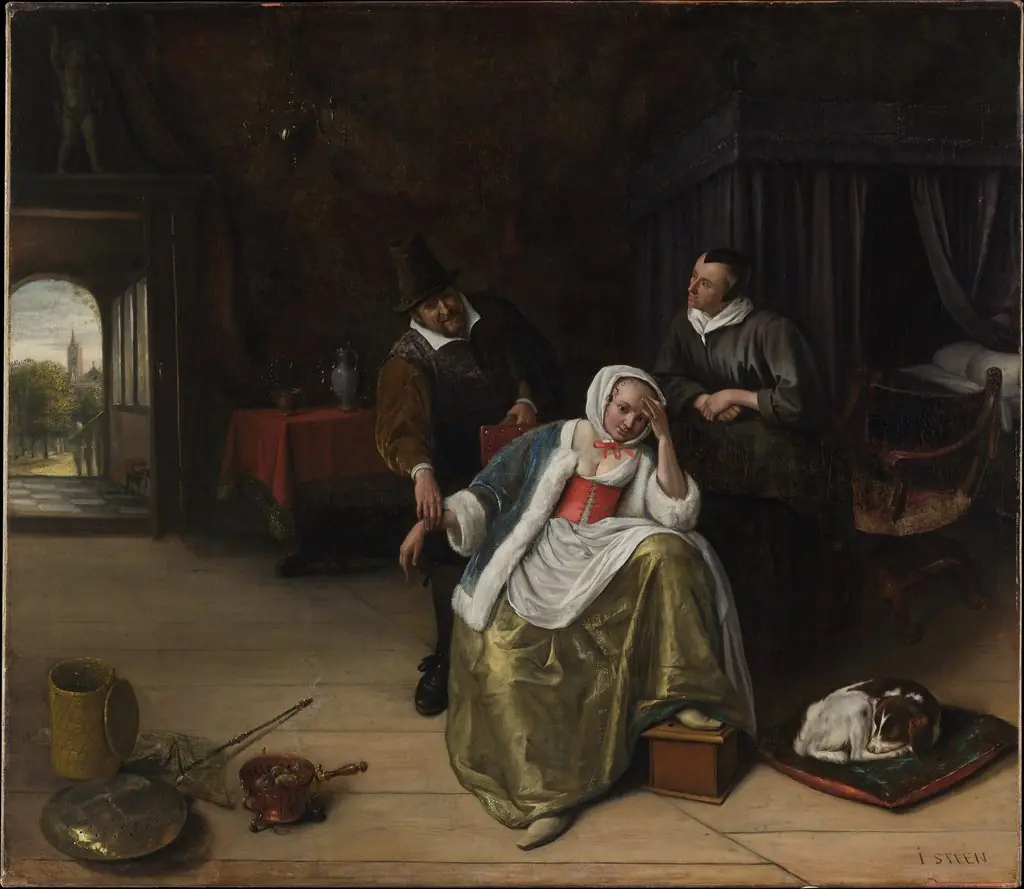 Paintings of physicians by Jan Steen
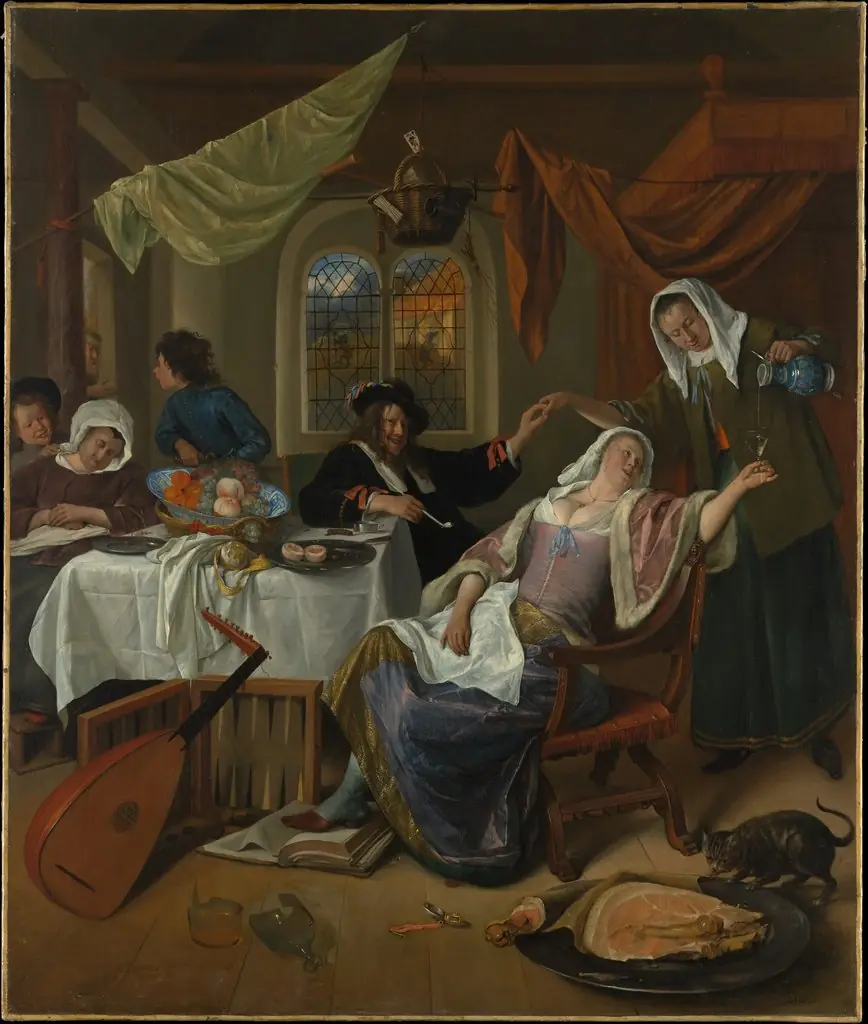 The Dissolute Household
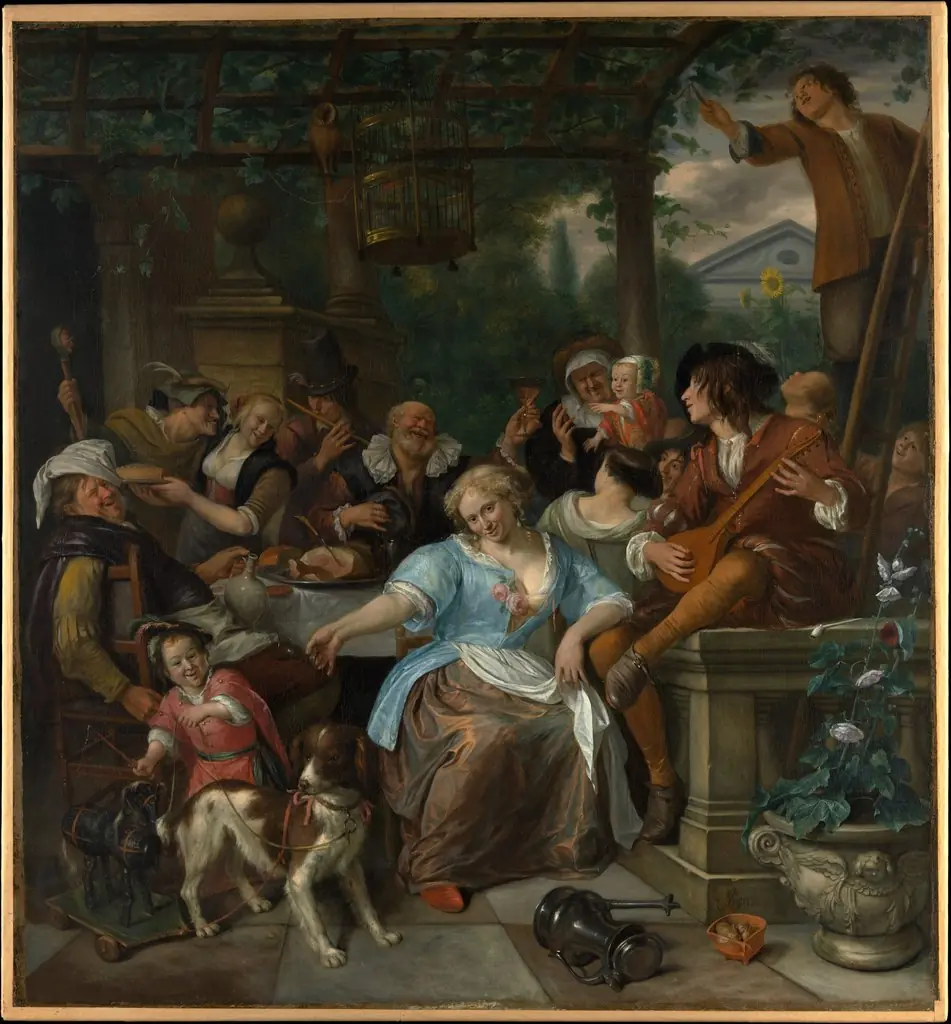 Merry Company on a Terrace
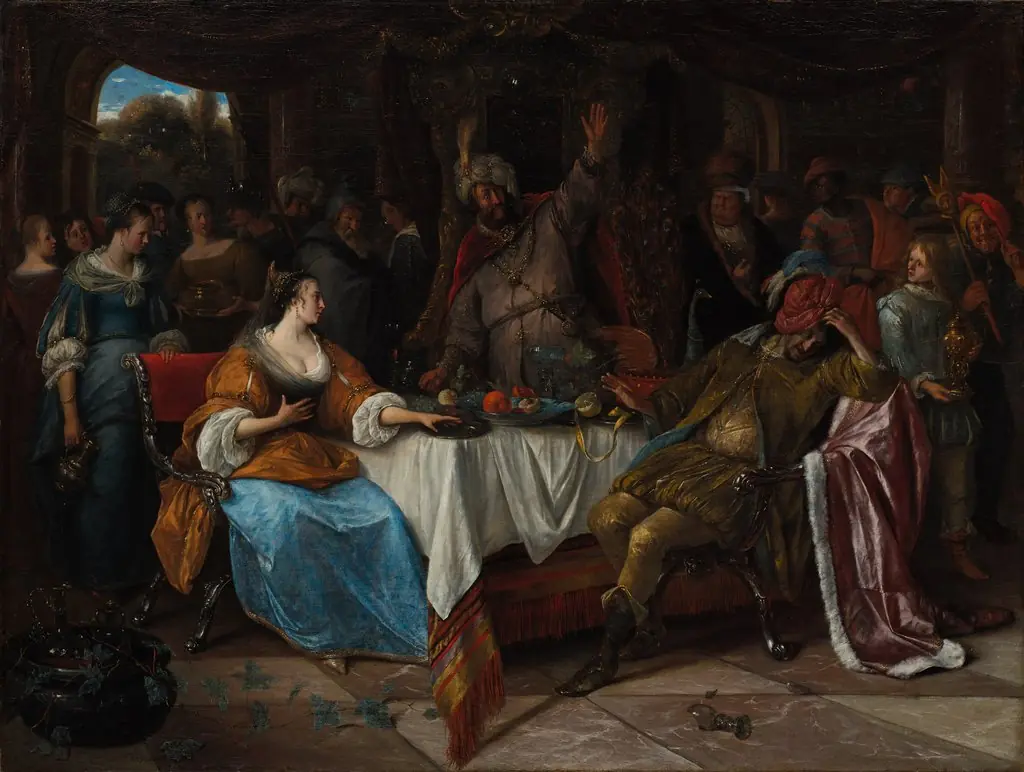 Esther, Ahasuerus, and Haman
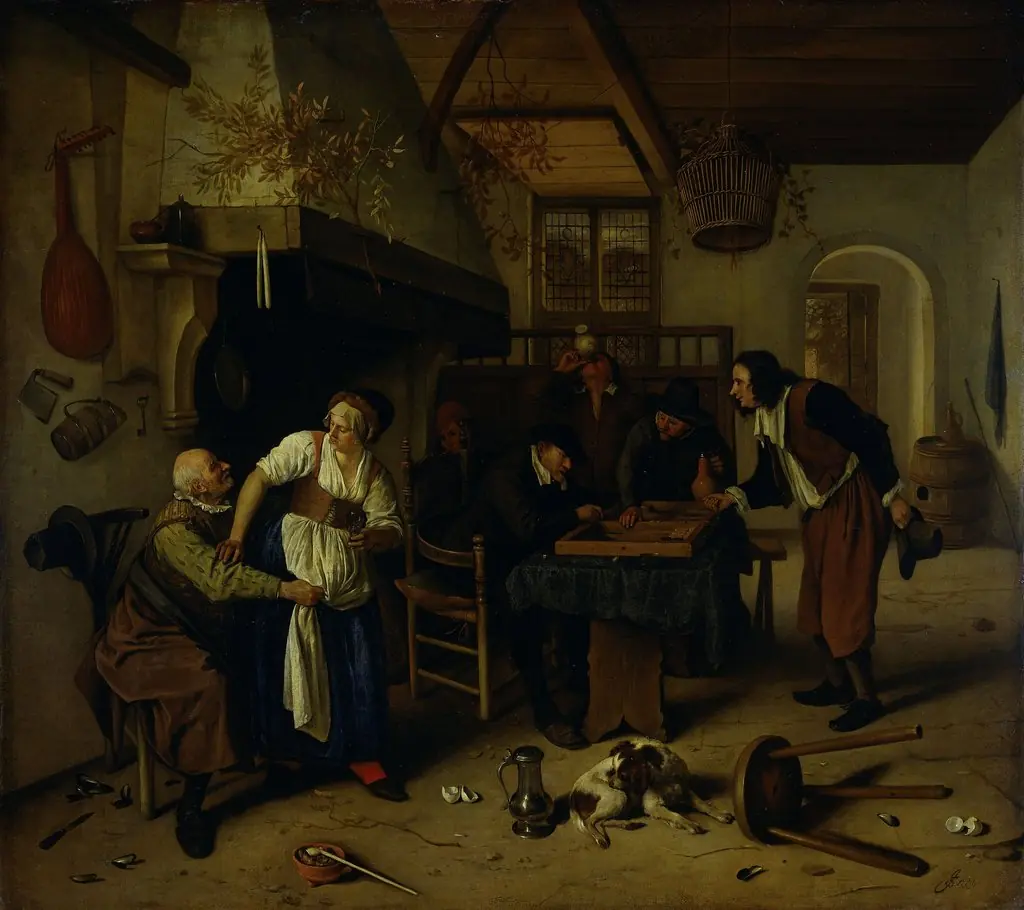 Interior of an inn with an old man amusing himself with the landlady and two men playing backgammon, known as 'Two kinds of games'
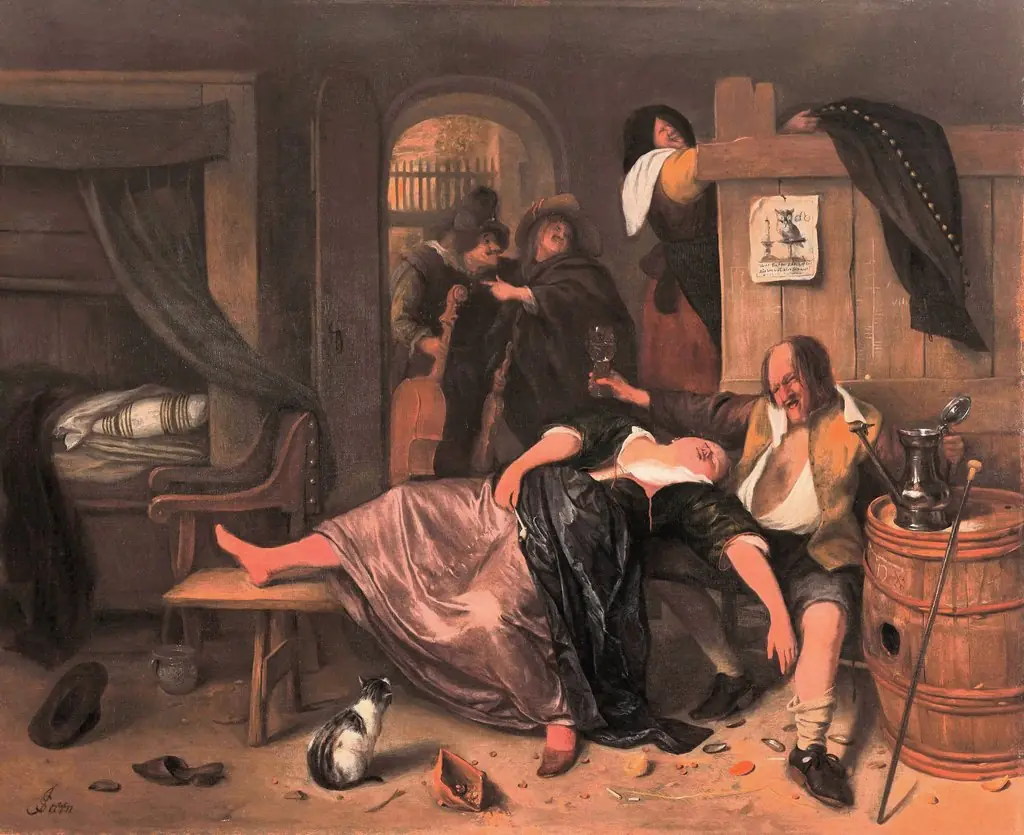 The Drunken Couple
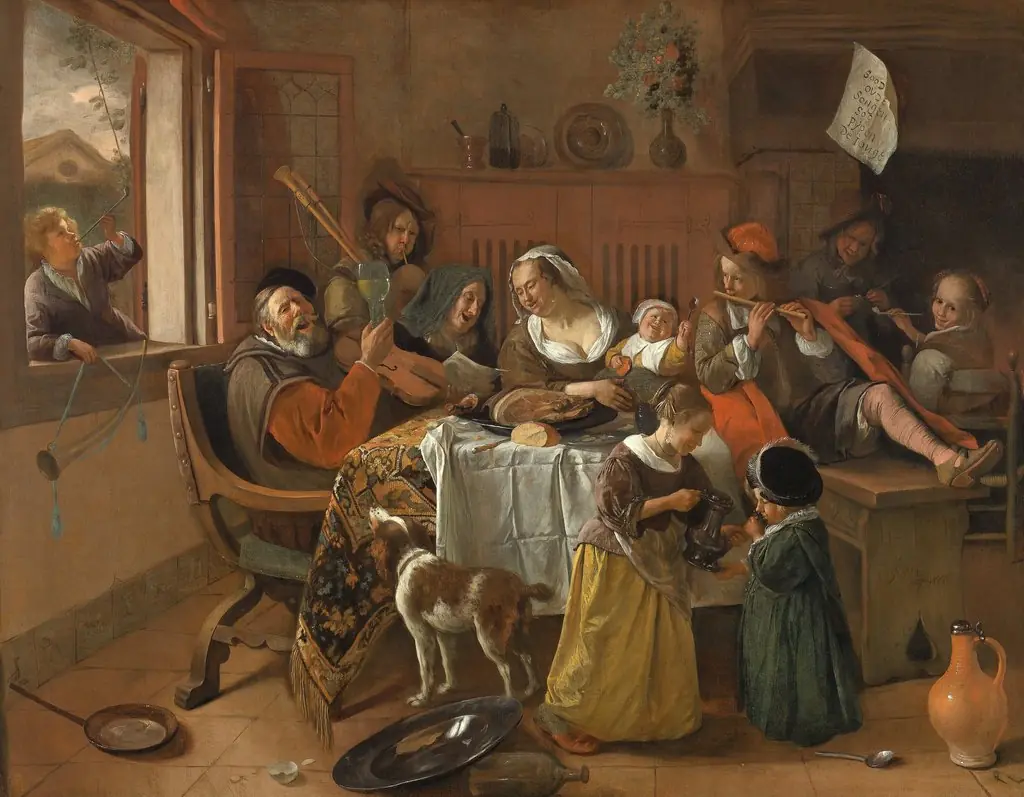 The Happy Family
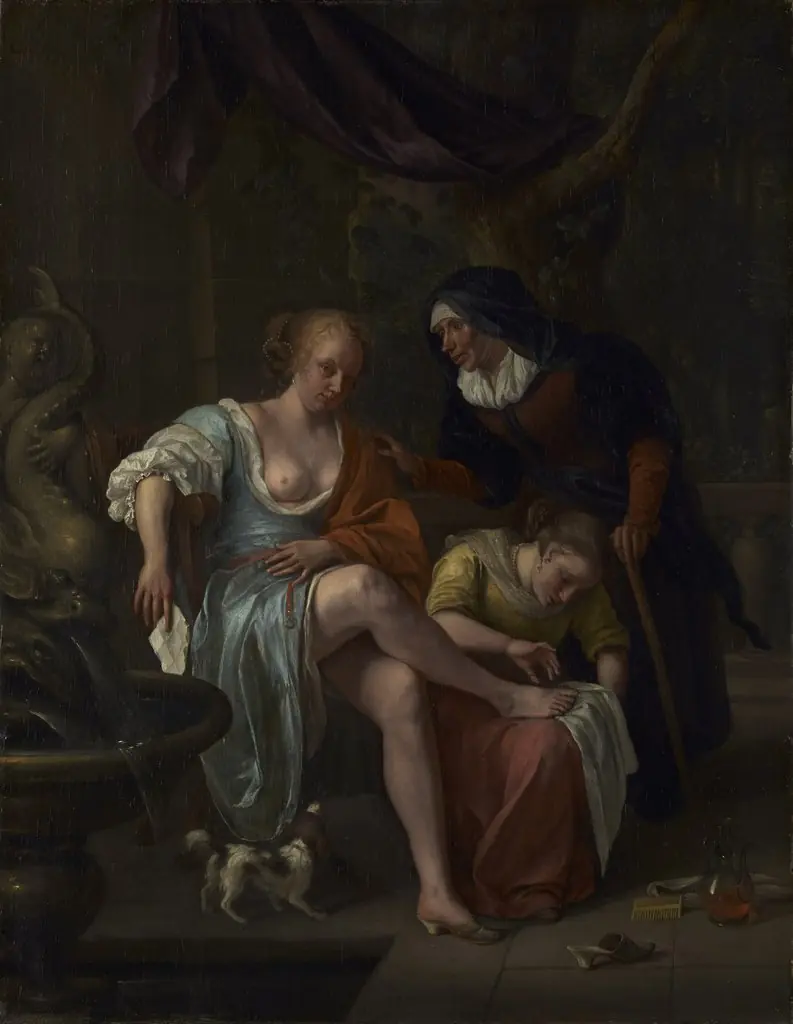 Bathsheba after the Bath