Artwork
Calm Sea
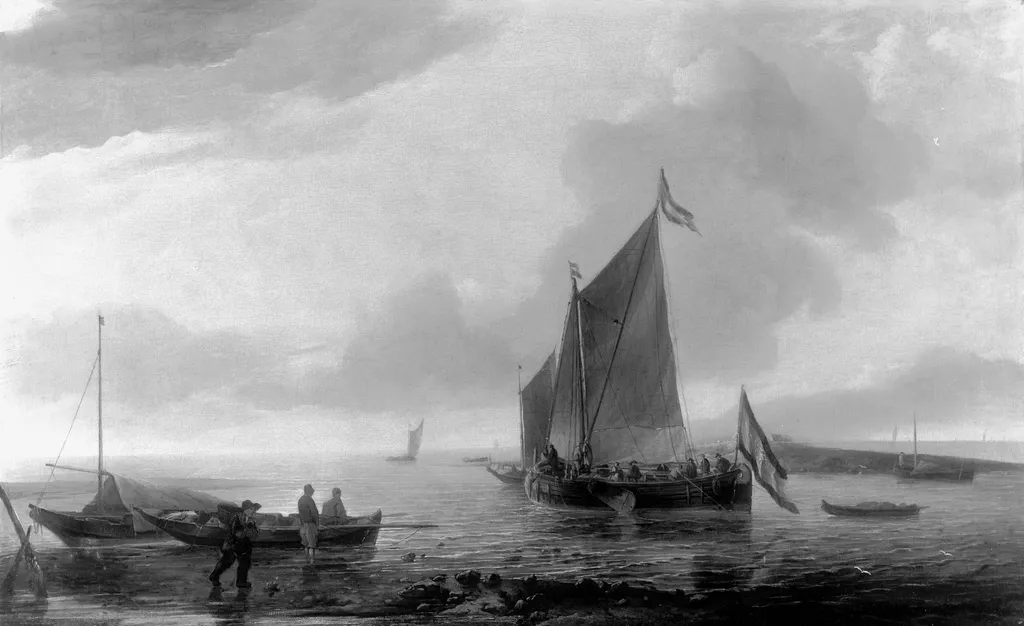
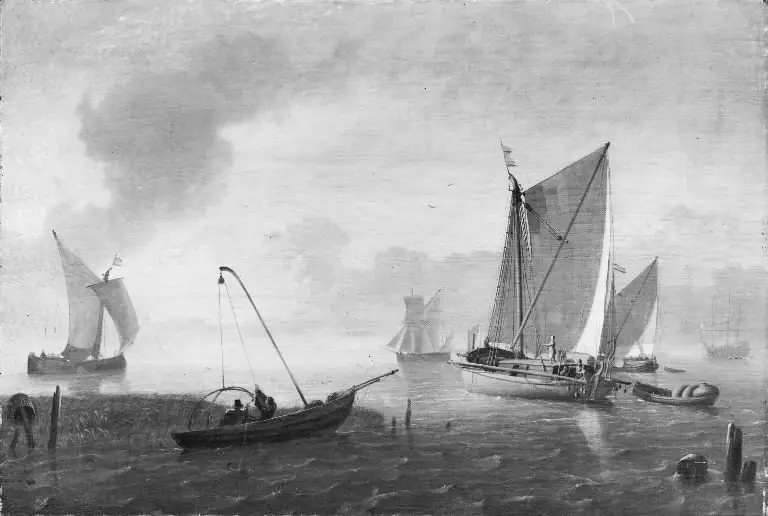
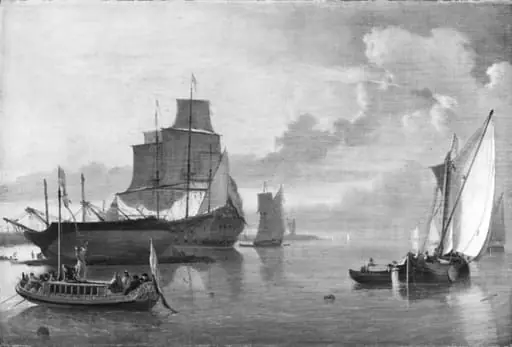
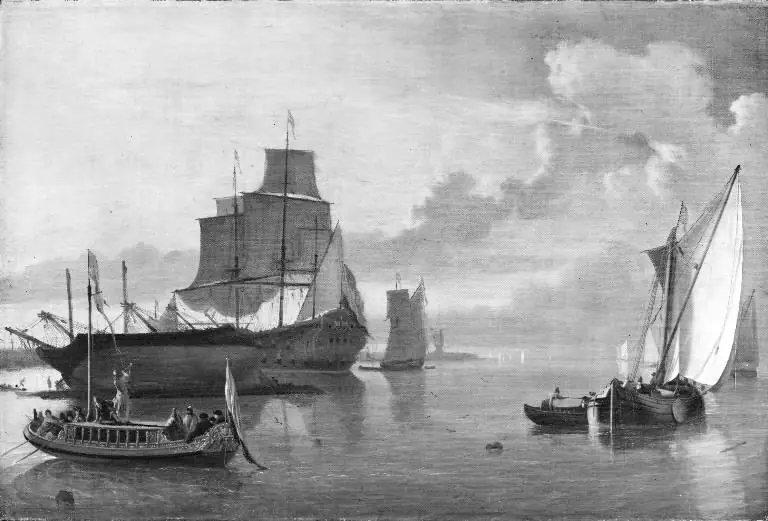
Calm Sea is an oil painting by the Dutch Golden Age artist Jan van de Cappelle. It dates from 1655 and is held in the collection of the Bode Museum.
About this work
Overview
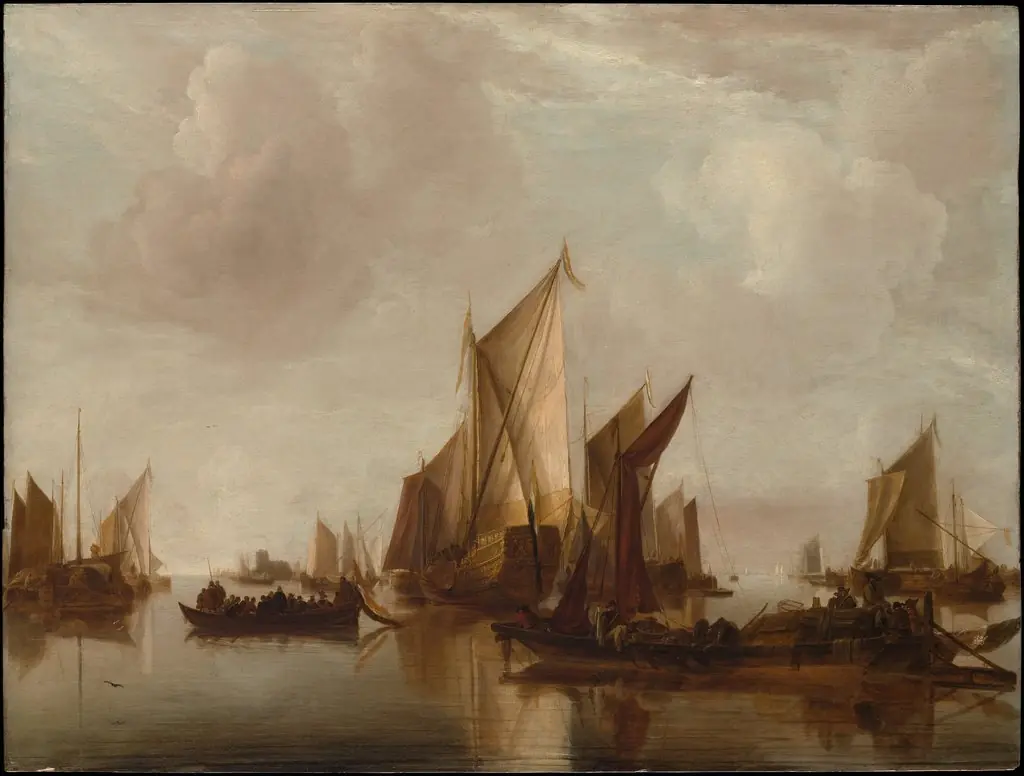
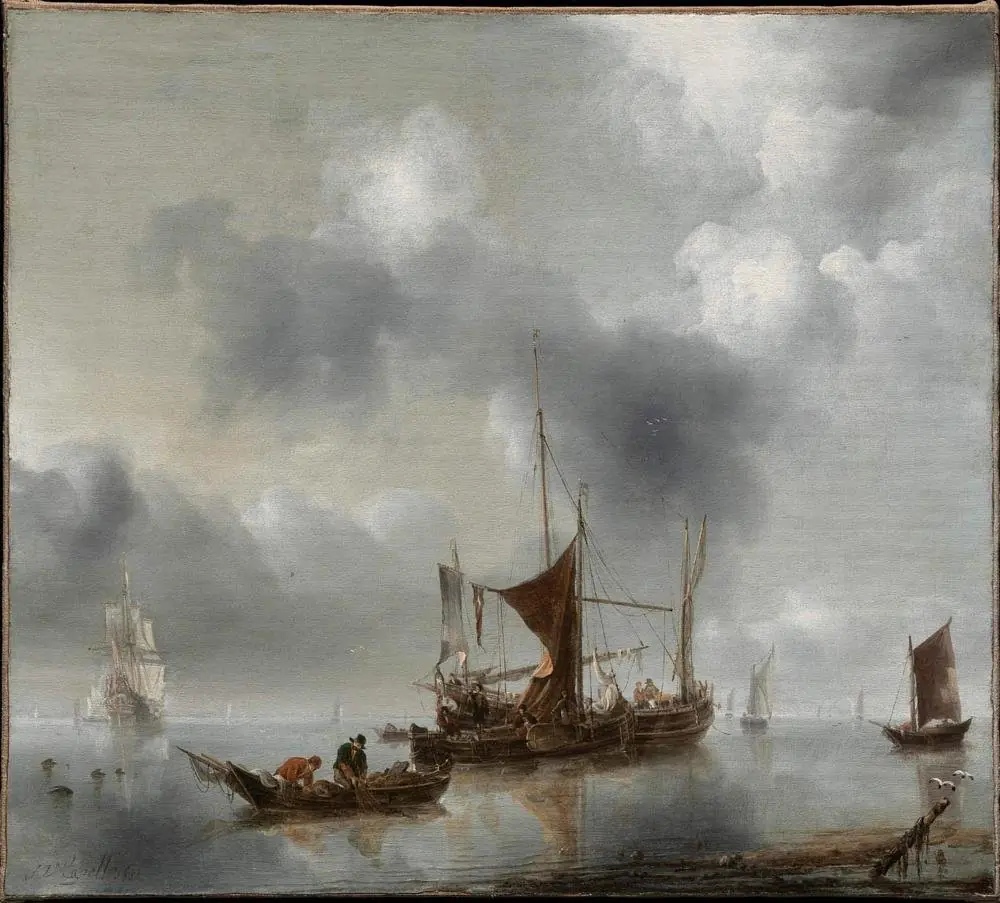
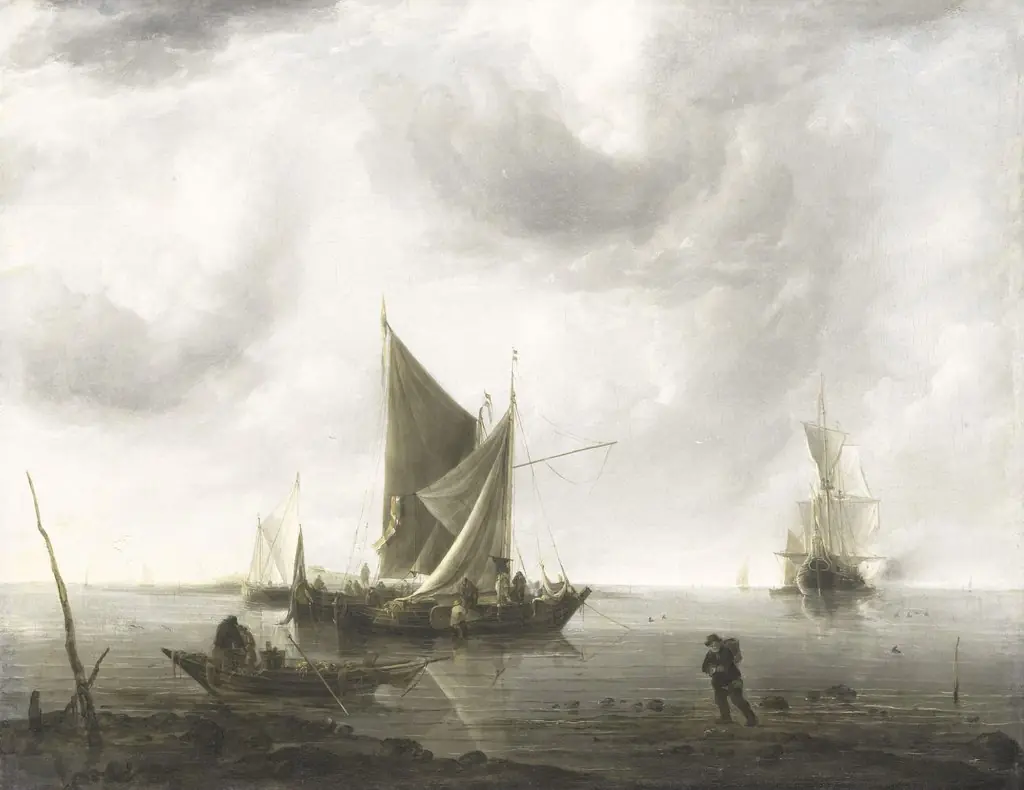
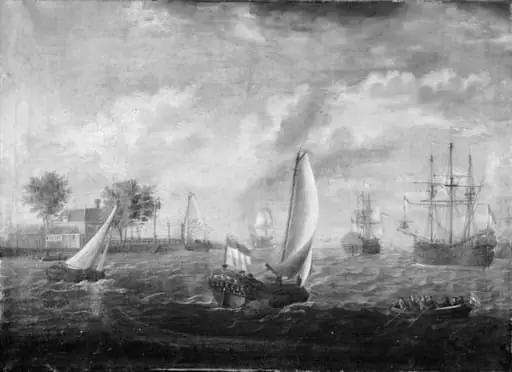
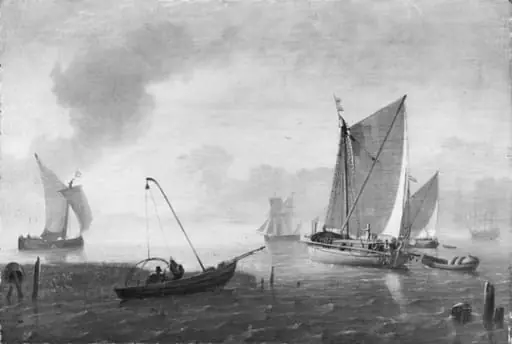
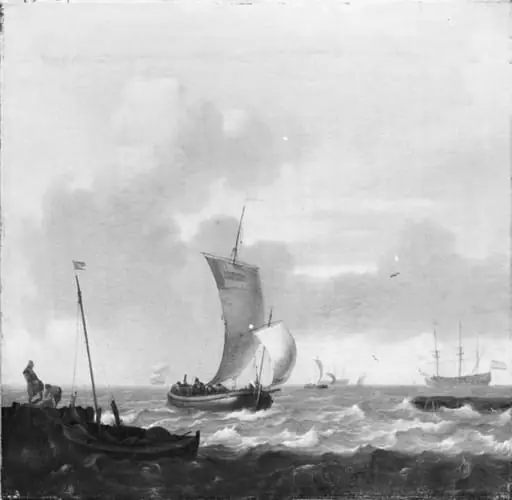
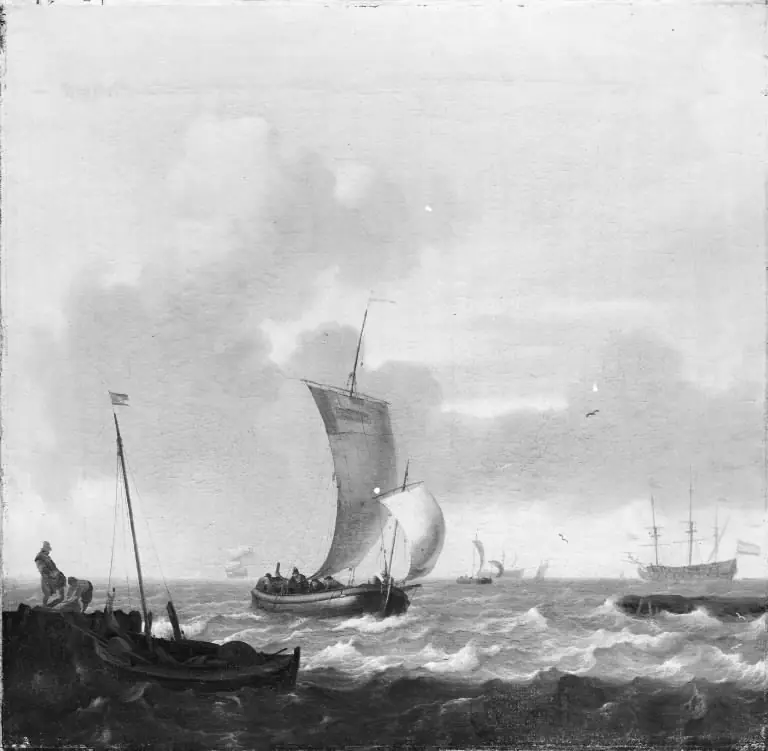
Jan van de Cappelle’s *Calm Sea* (1655) is an oil on canvas that exemplifies the Dutch Golden Age’s focus on maritime subjects. Executed in Amsterdam, the work presents a peaceful coastal scene where a sailboat drifts on still water under a pale sky, conveying a sense of quiet stillness.
Subject & Meaning
The composition centers on a solitary vessel with its sails catching a gentle breeze, positioned near a shoreline where figures stand on the beach and in smaller boats. Distant ships with darker sails punctuate the horizon, reinforcing the theme of tranquil navigation and the harmonious relationship between man and sea.
Technique & Style
Van de Cappelle employs a restrained palette of blues, browns, and soft whites, using subtle variations of light and shadow to model the water’s surface and the sky’s depth. The delicate rendering of clouds and the nuanced reflections create a three‑dimensional effect that draws the eye across the canvas.
History & Provenance
Born in Amsterdam, van de Cappelle balanced his painting career with overseeing his family’s dyeworks, which supplied the expensive carmine dye. *Calm Sea* entered the collection of the Gemäldegalerie in Berlin, where it remains on display as part of the museum’s Dutch Golden Age holdings.
Context
The painting belongs to a broader tradition of 17th‑century Dutch marine art, which celebrated the Republic’s seafaring prowess and the everyday life of its coastal communities. Van de Cappelle’s work reflects the period’s interest in atmospheric effects and the accurate depiction of light on water.
Own this work as a print
Artist & collection
Artist
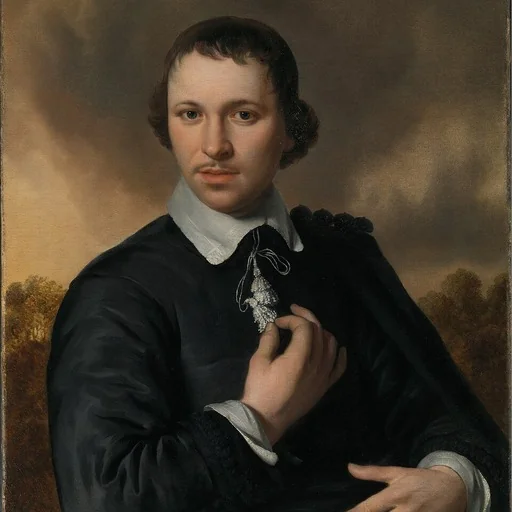
Jan van de Cappelle (or Joannes / van der / Capelle in various combinations; 25 January 1626 (baptized) – 22 December 1679 (buried)) was a Dutch Golden Age painter of seascapes and winter landscapes, also notable as an industrialist and…