Artwork
Marine
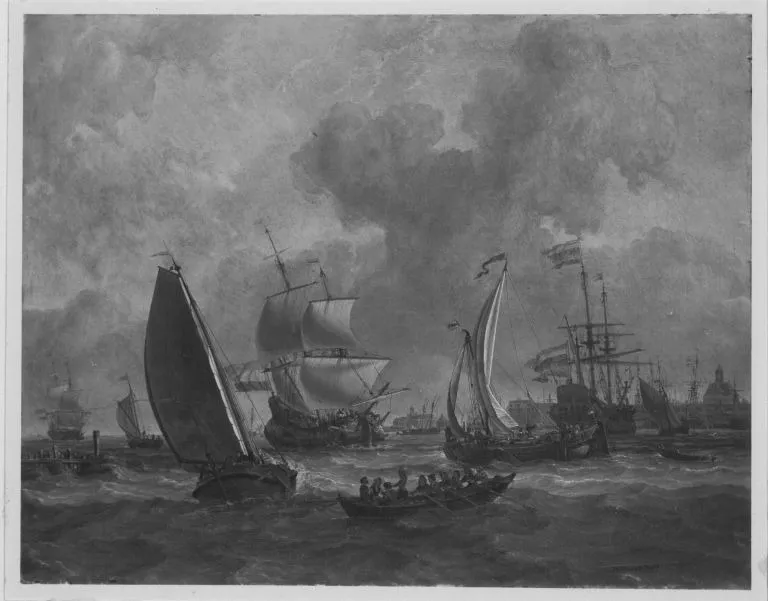
Marine is an unspecified painting by the Dutch Golden Age artist Abraham Storck. It dates from 1694 and is held in the collection of the Bavarian State Painting Collections.
About this work
Overview
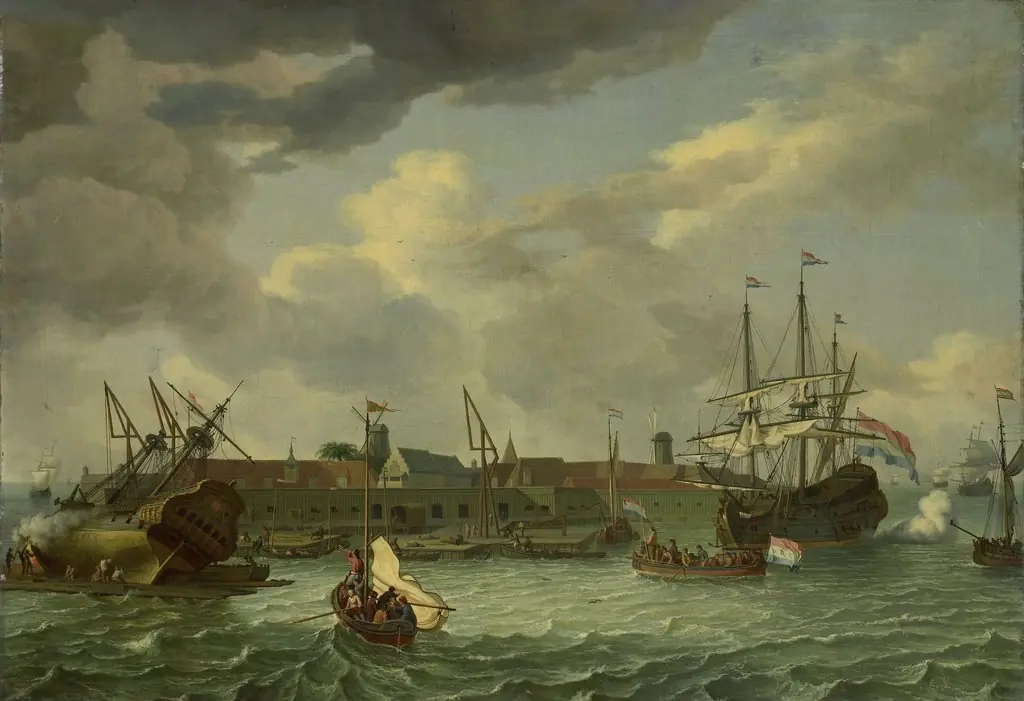
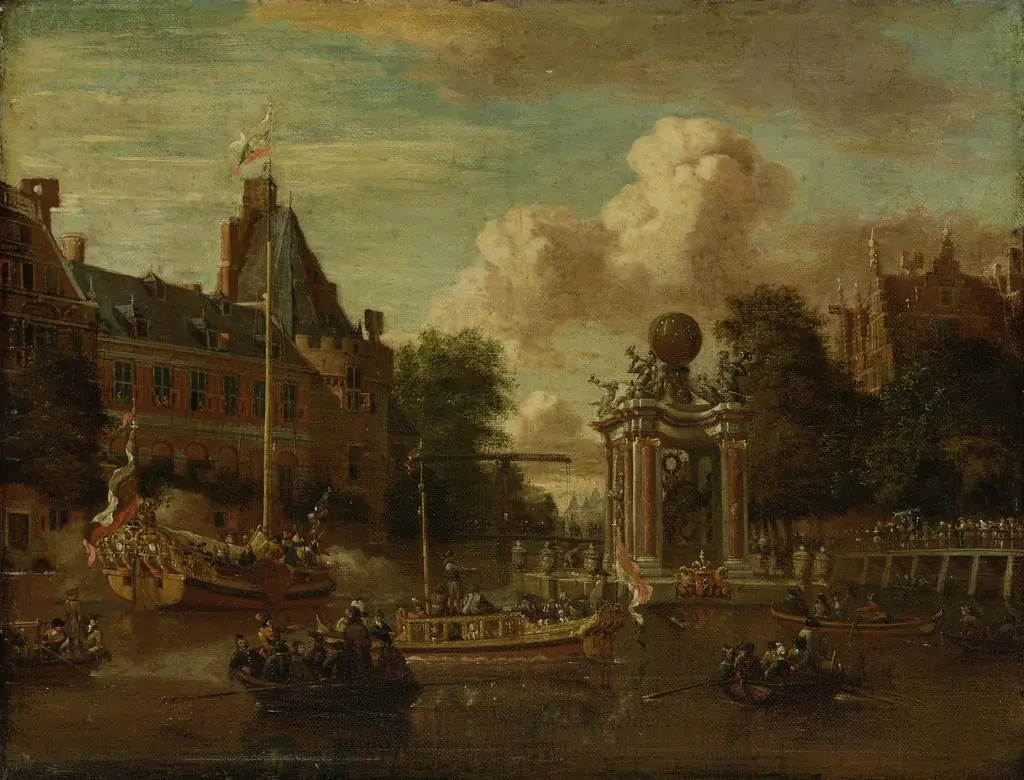
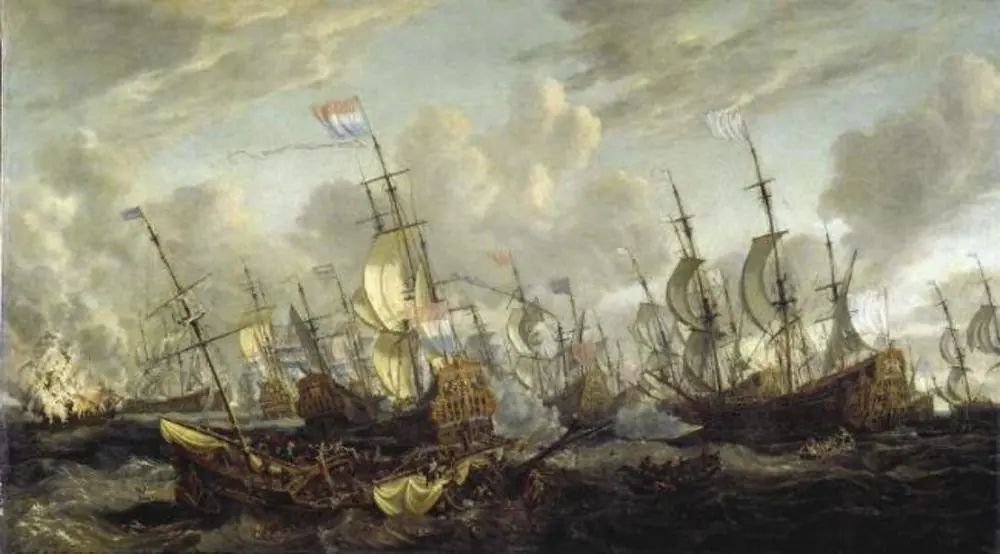
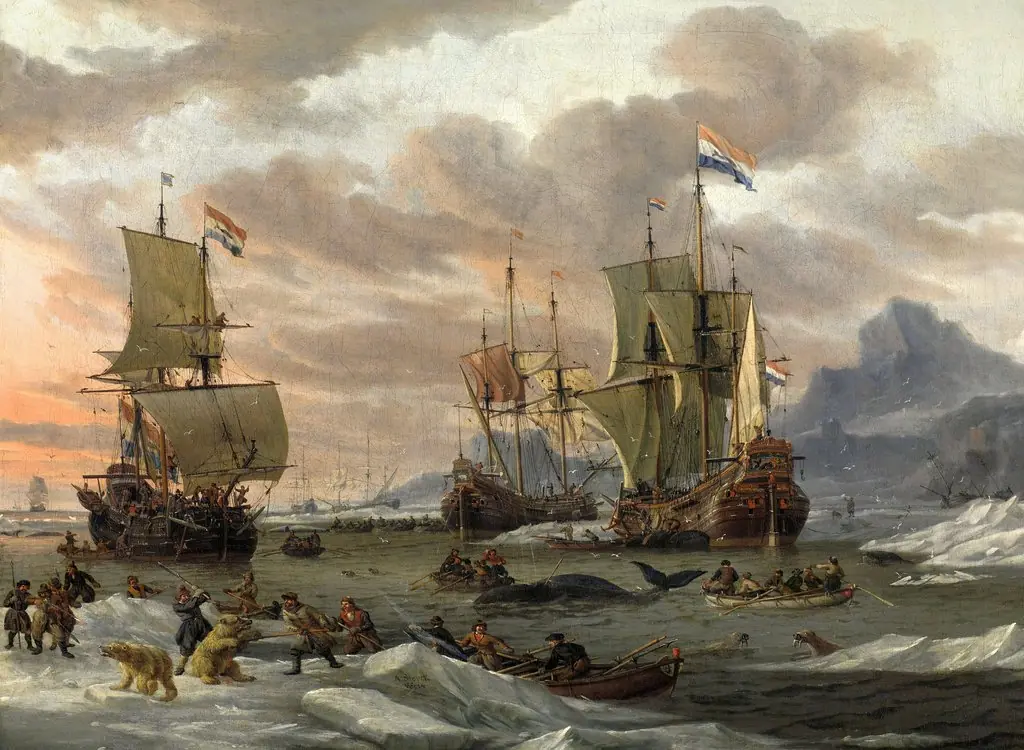
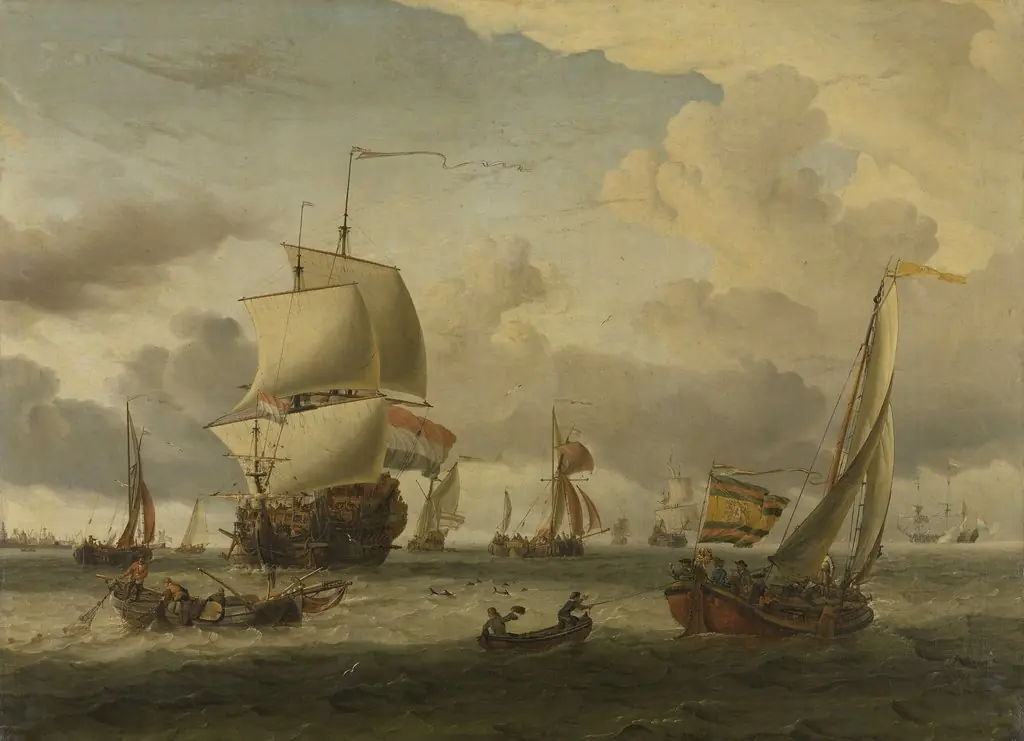
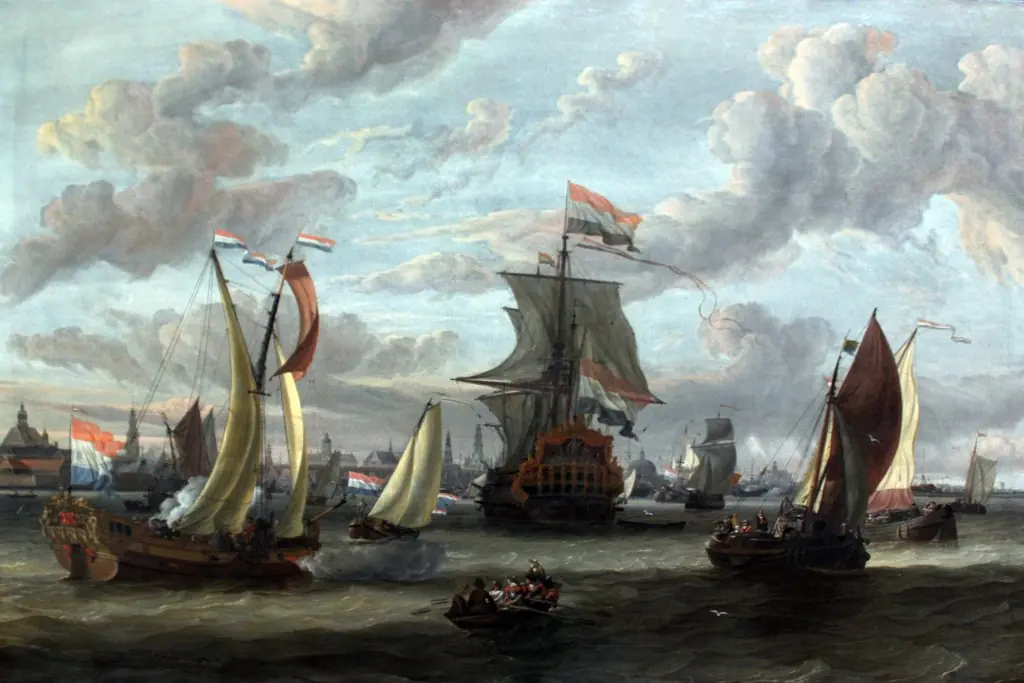
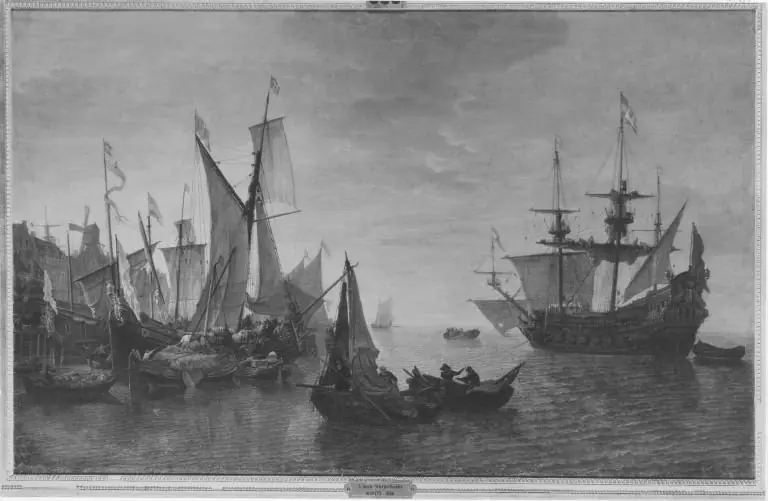
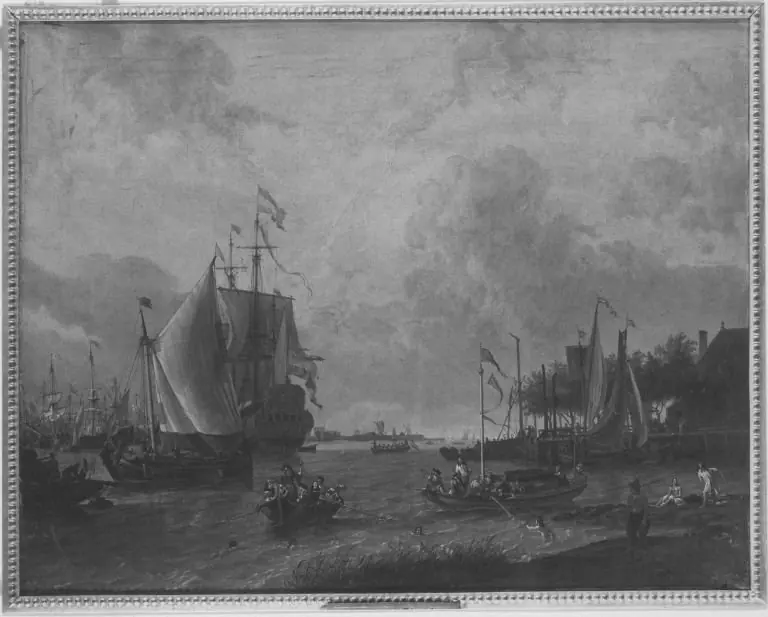
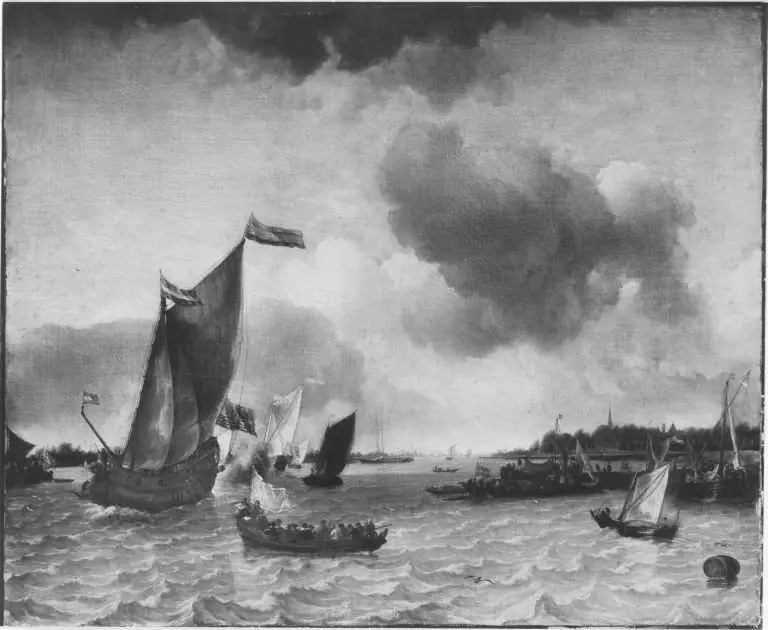
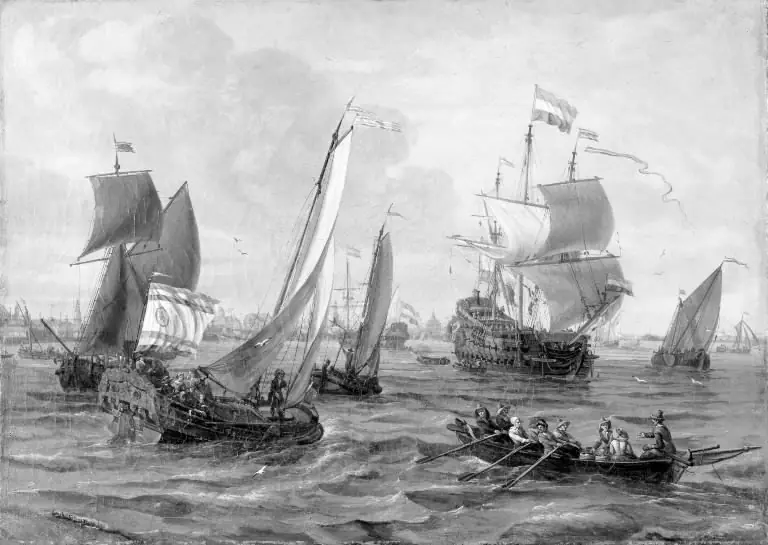
This oil on canvas depicts a lively harbor teeming with vessels of varying types and sizes, reflecting the commercial vitality of the Netherlands at the time.
Painted in 1694 by Abraham Storck, *Marine* is a representative work of Dutch Golden Age maritime art. Storck, based in Amsterdam, specialized in scenes of seafaring life, capturing the rhythm of port activity with precision. This oil on canvas depicts a lively harbor teeming with vessels of varying types and sizes, reflecting the commercial vitality of the Netherlands at the time. The painting is now part of the Alte Pinakothek’s collection in Munich.
Subject & Meaning
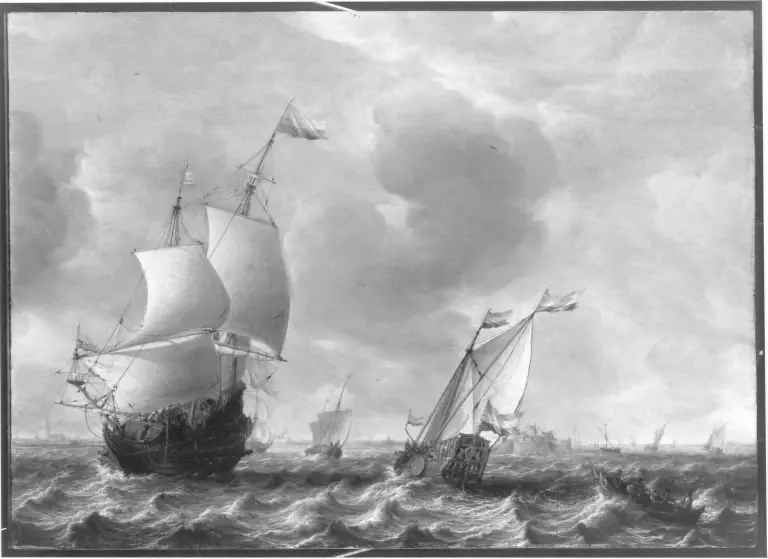
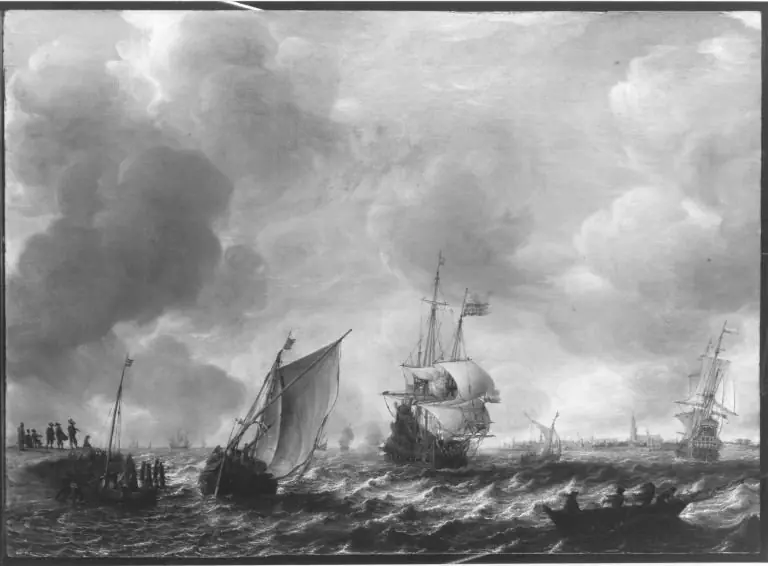
The scene portrays a bustling harbor where ships are engaged in transit, docking, or anchoring. A small foreground boat with figures suggests human activity at the heart of maritime commerce. No single narrative dominates; instead, the painting conveys the everyday pulse of port life—trade, labor, and movement. The absence of battle or spectacle shifts focus to the quiet endurance of seafaring routines, emblematic of Dutch maritime culture.
Technique & Style
Storck employed fine brushwork to render the textures of wood, sail, and water with clarity. Ships are differentiated by hull shape, rigging, and flag, indicating careful observation. The palette favors muted earth tones—browns, grays, and off-whites—contrasted against a diffuse, cloud-filled sky that softens the light. Atmospheric perspective and layered brushstrokes create depth, while the composition guides the eye across the harbor’s horizontal expanse.
History & Provenance
Created during the waning years of the Dutch Golden Age, the painting entered the Alte Pinakothek’s collection in the 19th century, likely through royal or institutional acquisition. Its presence in Munich reflects the broader European interest in Dutch maritime art during the Romantic era. No significant alterations or documented restorations are recorded, preserving its original condition and Storck’s intended composition.
Context
In late 17th-century Amsterdam, maritime trade underpinned the Republic’s wealth, and art reflected this reality. Paintings like *Marine* served not merely as decoration but as records of national identity and economic strength. Storck’s work aligns with a tradition of marine painting that included artists like Willem van de Velde, though his focus remained on harbor life rather than naval conflict or open sea drama.
Legacy
Storck’s *Marine* exemplifies the Dutch commitment to documenting everyday maritime activity with accuracy and restraint. While less celebrated than contemporaries, his oeuvre contributed to a visual archive of seafaring culture. The painting remains a reference for historians studying port logistics, ship design, and the social fabric of coastal cities in early modern Europe.
Artist & collection
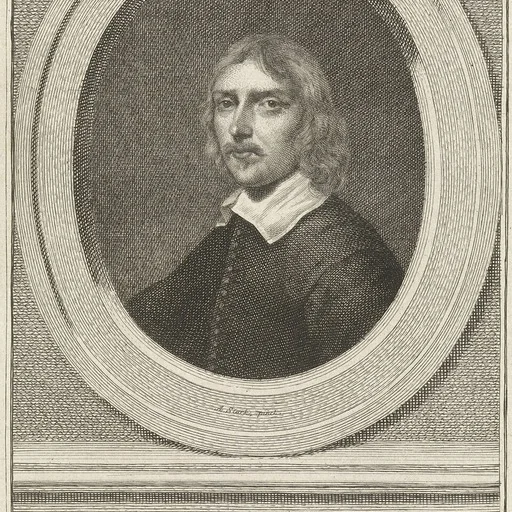
Artist
Abraham Storck (or Sturckenburch; bapt. 17 April 1644 in Amsterdam – buried 8 April 1708) was a Dutch painter and draughtsman, who was known for his marine paintings, topographical views, Italianate harbour scenes and…