Artwork
The Stone Bridge
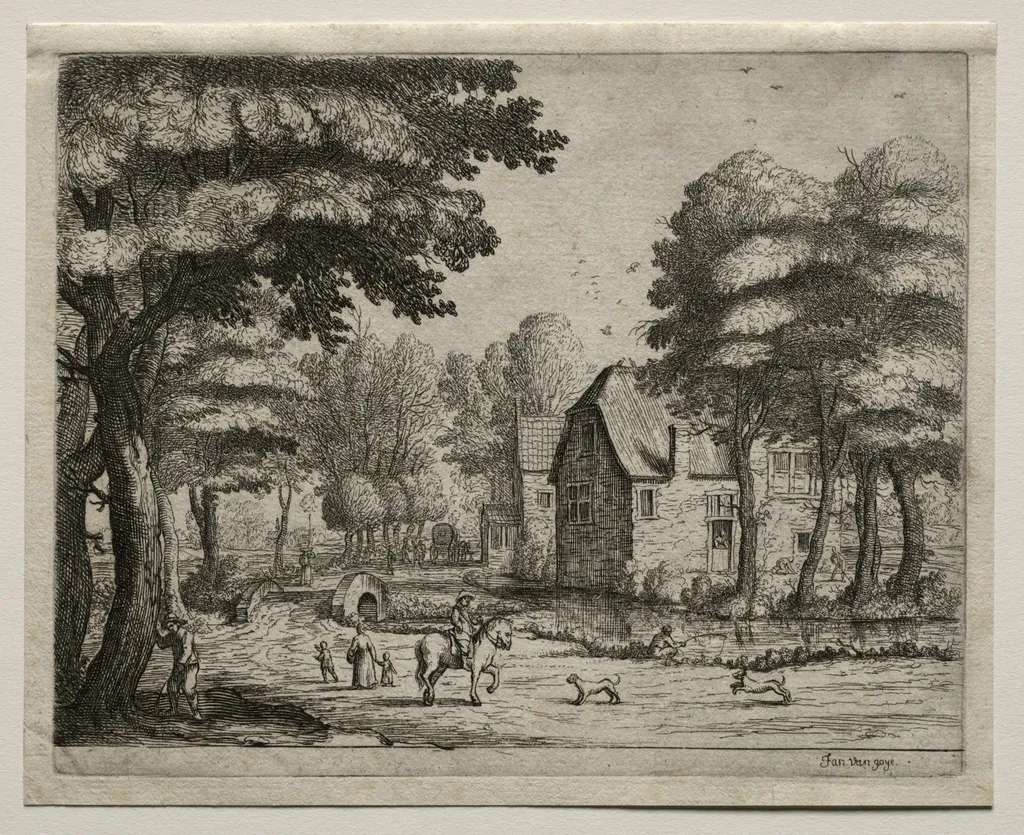
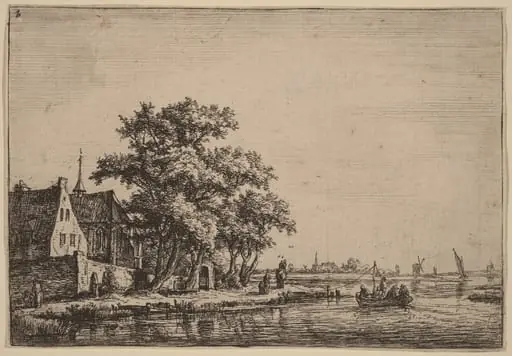
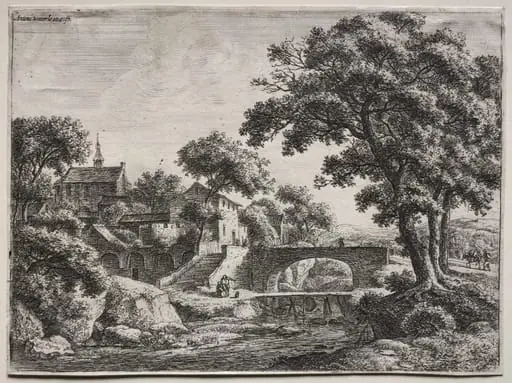
The Stone Bridge is a print by the Baroque artist Jan van Goyen. It dates from 1650 and is held in the collection of the Cleveland Museum of Art.
About this work
Overview
This work exemplifies his quiet, observational style, focusing on the interplay of natural elements and modest human presence without dramatic narrative.
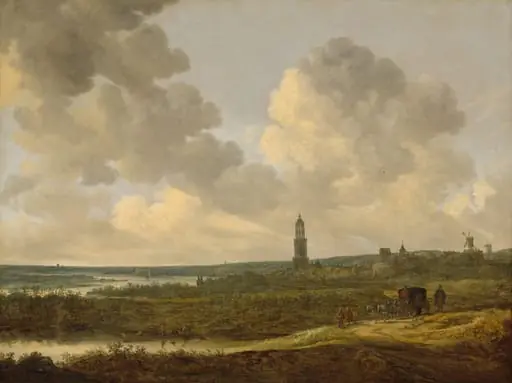
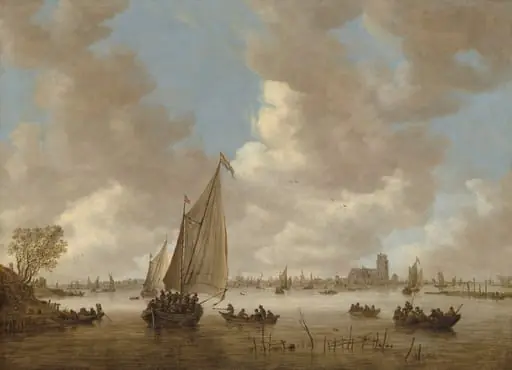
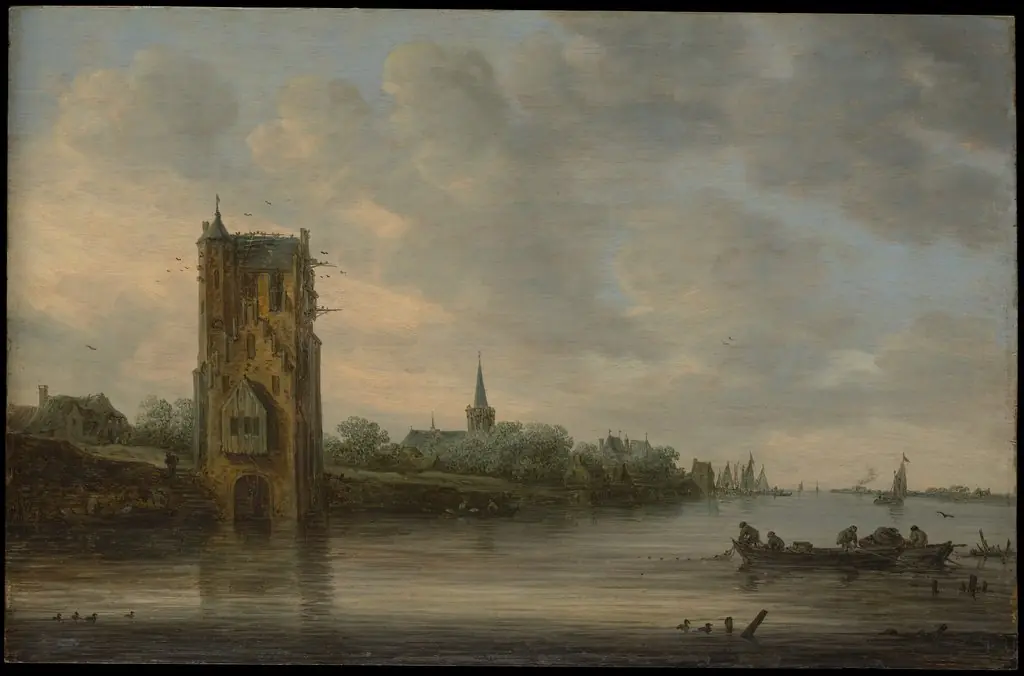
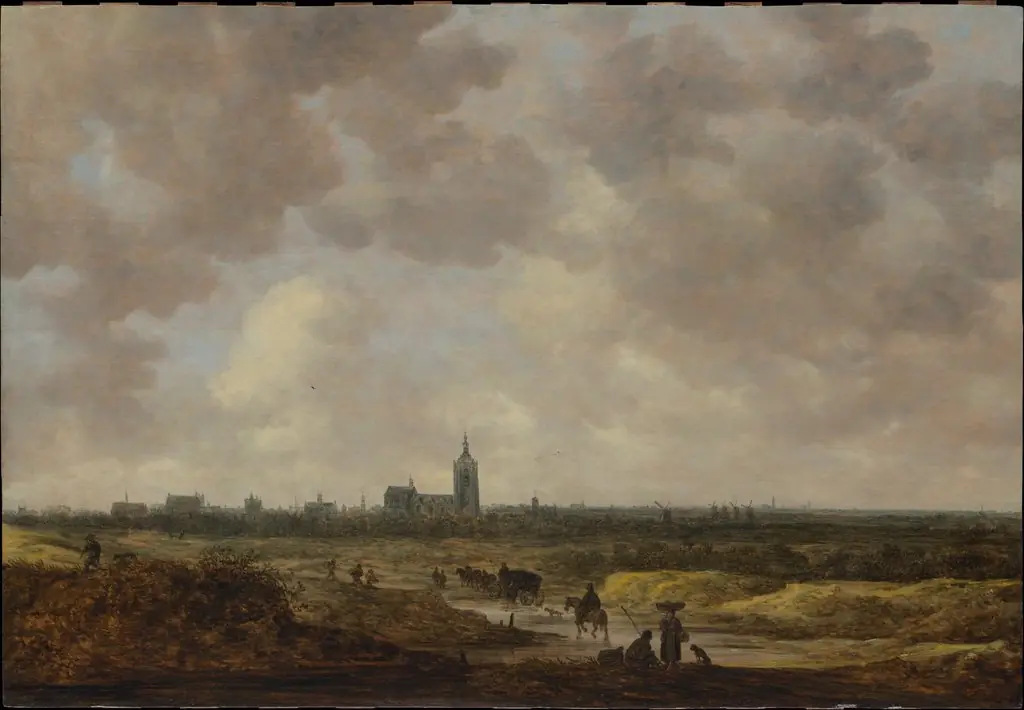
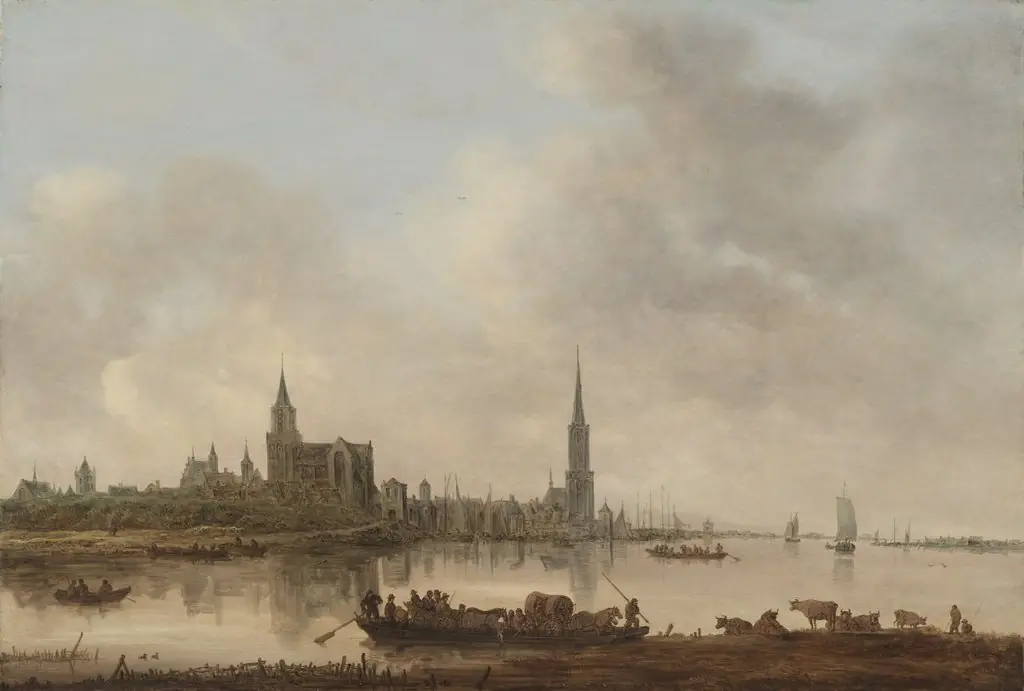
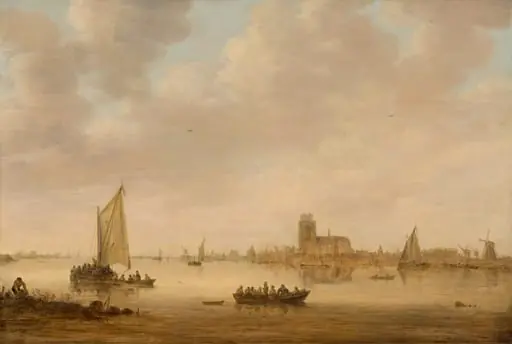
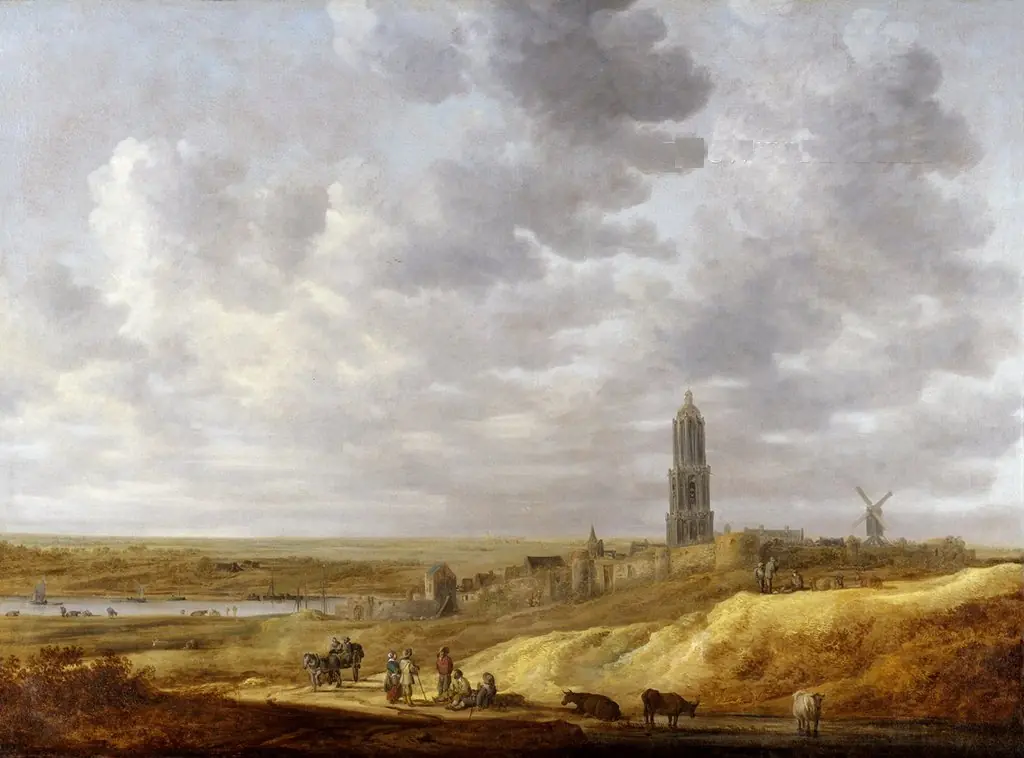
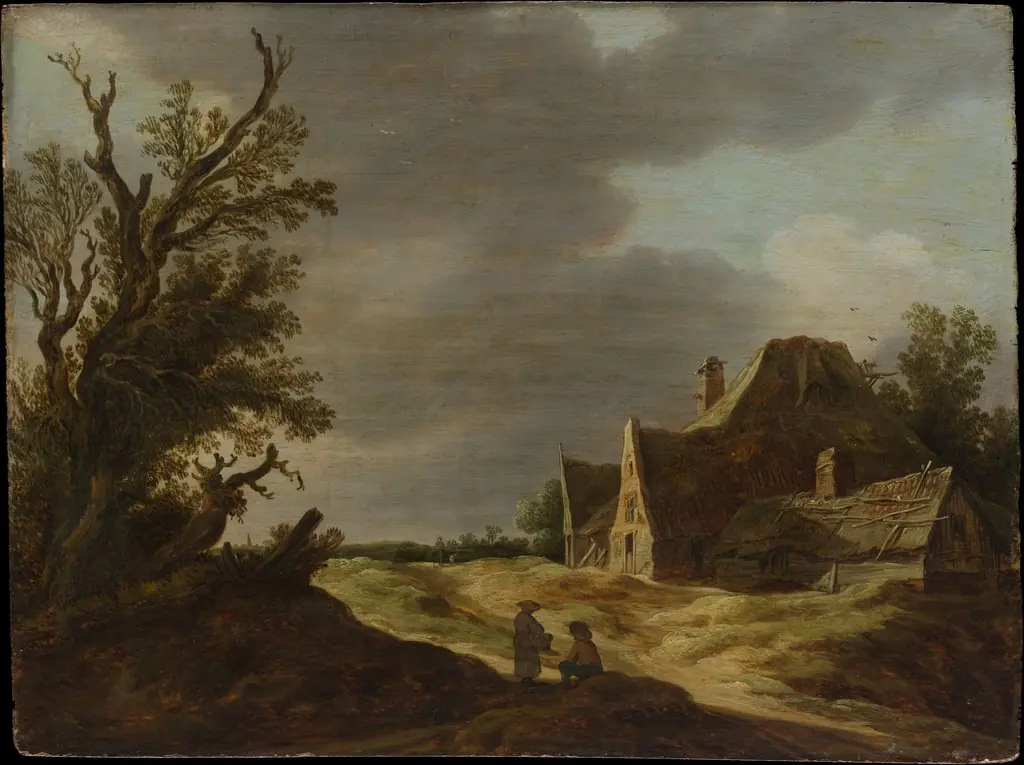
Created around 1650, *The Stone Bridge* is a landscape print by Jan van Goyen, a leading Dutch artist of the mid-17th century. Known for his prolific output—over a thousand drawings and nearly twelve hundred paintings—van Goyen specialized in tranquil, atmospheric scenes of rivers, towns, and rural infrastructure. This work exemplifies his quiet, observational style, focusing on the interplay of natural elements and modest human presence without dramatic narrative.
Subject & Meaning
The scene centers on a sturdy stone bridge arching over a calm river, flanked by sparse trees and distant figures engaged in routine activities. There is no grand event or mythological reference; instead, the painting elevates the ordinary—a crossing, a walk, a moment of transit. The composition suggests harmony between human movement and the natural environment, reflecting a Dutch cultural appreciation for everyday life and the quiet rhythms of the countryside.
Technique & Style
Van Goyen employed subtle tonal gradations and restrained color to evoke depth and atmosphere. Soft washes of gray, ochre, and green suggest distance and air, while delicate brushwork defines foliage and water ripples. Light is diffused, casting gentle shadows that model forms without harsh contrast. The brushwork is economical yet precise, allowing the viewer’s eye to move naturally from foreground bridge to receding riverbank and sky, reinforcing the painting’s meditative tone.
History & Provenance
The work emerged during van Goyen’s mature period, when he frequently produced landscapes for a growing middle-class market in Leiden and The Hague. While the exact early ownership of this print is undocumented, it aligns with the widespread circulation of his drawings and etchings among collectors. Its survival as a print suggests it was reproduced and disseminated, contributing to van Goyen’s reputation beyond his painted works.
Context
In mid-17th century Holland, landscape painting flourished as a distinct genre, detached from religious or historical themes. Artists like van Goyen responded to a public eager for depictions of familiar terrain—rivers, bridges, and fields. This work reflects a broader cultural shift toward valuing the natural world as worthy of contemplation, shaped by urbanization, trade prosperity, and a Protestant emphasis on modesty and observation.
Legacy
Van Goyen’s approach to landscape—unadorned, atmospheric, and grounded in observed reality—influenced later Dutch and Flemish painters. His ability to convey mood through tonal harmony rather than detail became a model for 18th-century landscape traditions. Though less celebrated today than Rembrandt or Hals, his quiet, consistent output helped define the aesthetic of Dutch naturalism, leaving a quiet but enduring imprint on European landscape art.
Own this work as a print
Artist & collection
Artist
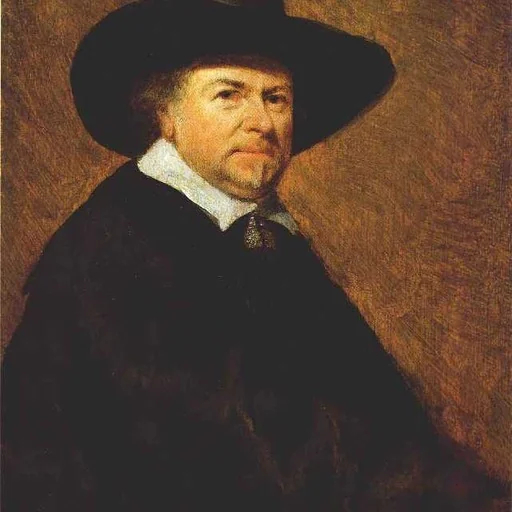
Jan Josephszoon van Goyen (Dutch pronunciation: ; 13 January 1596 – 27 April 1656) was a Dutch landscape painter.