Artwork
Landscape
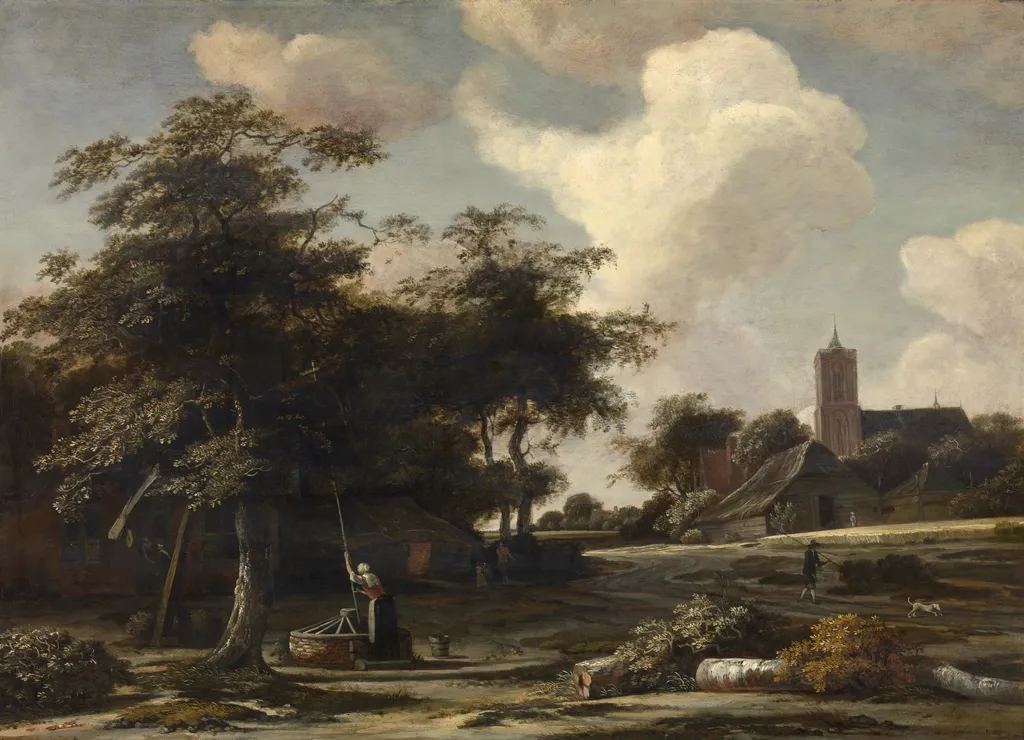
Landscape is an oil painting by Jan van Kessel the Elder. It is held in the collection of the Royal Museum of Fine Arts Antwerp.
About this work
Overview
The work resides in the Royal Museum of Fine Arts Antwerp, reflecting its regional significance and the artist’s ties to the city’s artistic community.
Jan van Kessel the Elder, a Flemish painter active in Antwerp between 1626 and 1679, produced this oil-on-panel landscape as part of a broader practice spanning genre scenes and natural studies. Though less known for landscapes than his grandfather Jan Brueghel the Elder, van Kessel absorbed the detailed observational style of earlier Netherlandish traditions. The work resides in the Royal Museum of Fine Arts Antwerp, reflecting its regional significance and the artist’s ties to the city’s artistic community.
Subject & Meaning
The painting presents a quiet rural scene: a winding path leads the eye toward a distant church steeple, anchoring the composition in spiritual and communal life. A woman draws water from a well in the foreground, while a man walks a dog further back, suggesting daily rhythms rather than narrative drama. The absence of human conflict or grandeur emphasizes harmony between people and environment, evoking a sense of ordinary, enduring life in the Flemish countryside.
Technique & Style
Van Kessel employed oil paint with layered glazes to achieve subtle tonal transitions and rich surface depth. Brushwork is deliberate but not overtly expressive; textures of foliage, earth, and stone are rendered with careful attention to natural variation. The framing trees and bushes create a structured yet organic border, guiding the viewer’s gaze inward. The technique reflects a lineage from Brueghel, prioritizing clarity and atmospheric coherence over dramatic lighting or emotional intensity.
History & Provenance
The painting has remained in Antwerp since its creation, entering the collection of the Royal Museum of Fine Arts Antwerp in the 19th century. Its continuous presence in the city underscores its local importance and the museum’s commitment to preserving regional artistic heritage. No significant alterations or reattributions are documented, supporting its attribution to van Kessel as a representative work of his mature period.
Context
In mid-17th-century Flanders, landscape painting flourished as a genre distinct from religious or mythological subjects. Artists like van Kessel responded to growing urban interest in nature as a subject of contemplation, not just utility. His work aligns with a broader trend of intimate, detailed views that valued observation over idealization, reflecting both artistic tradition and shifting cultural attitudes toward the natural world.
Legacy
Van Kessel’s landscape work contributed to the continuity of Flemish naturalism into the late Baroque period. Though overshadowed by contemporaries focused on grandeur or emotion, his quiet, meticulously observed scenes preserved a tradition of detailed realism that influenced later regional painters. The painting remains a quiet testament to the value placed on everyday rural life in 17th-century Antwerp’s artistic culture.
Own this work as a print
Artist & collection
Artist
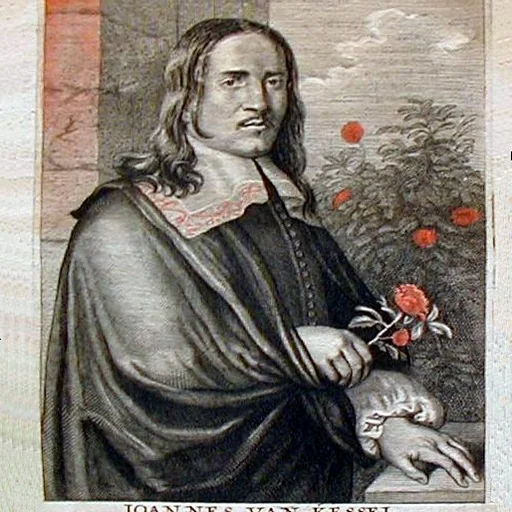
Jan van Kessel the Elder or Jan van Kessel (I) (baptized 5 April 1626, Antwerp – 17 April 1679, Antwerp) was a Flemish painter active in Antwerp in the mid-17th century.

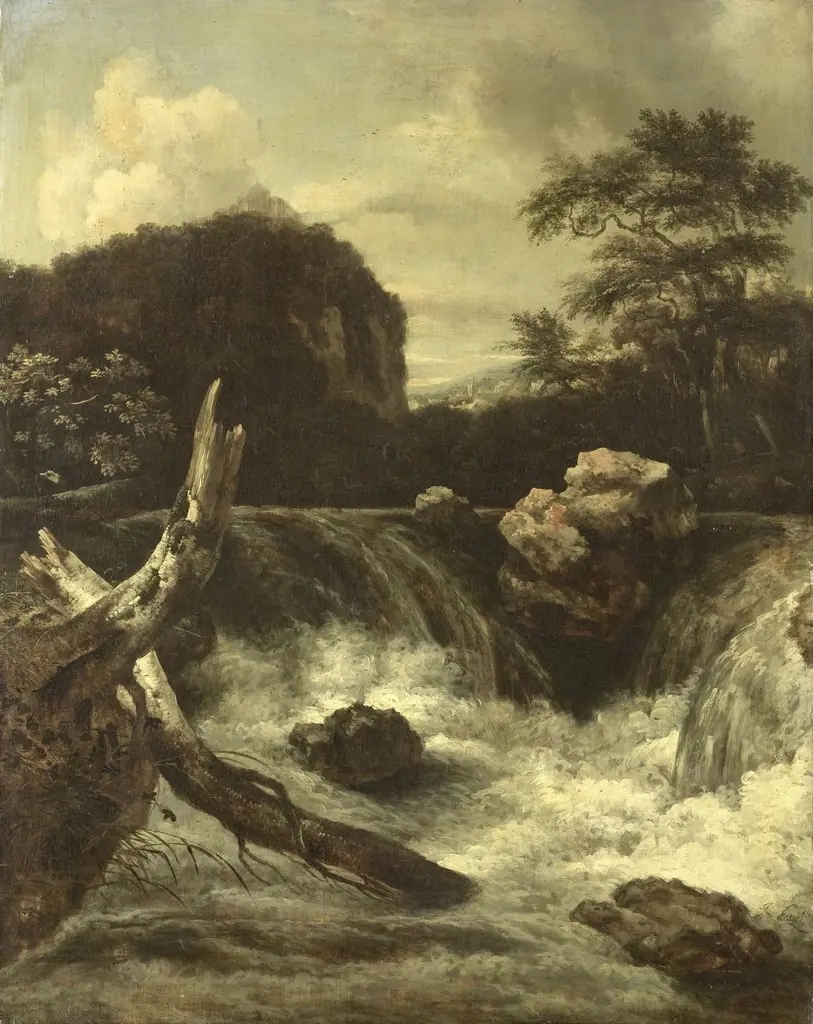
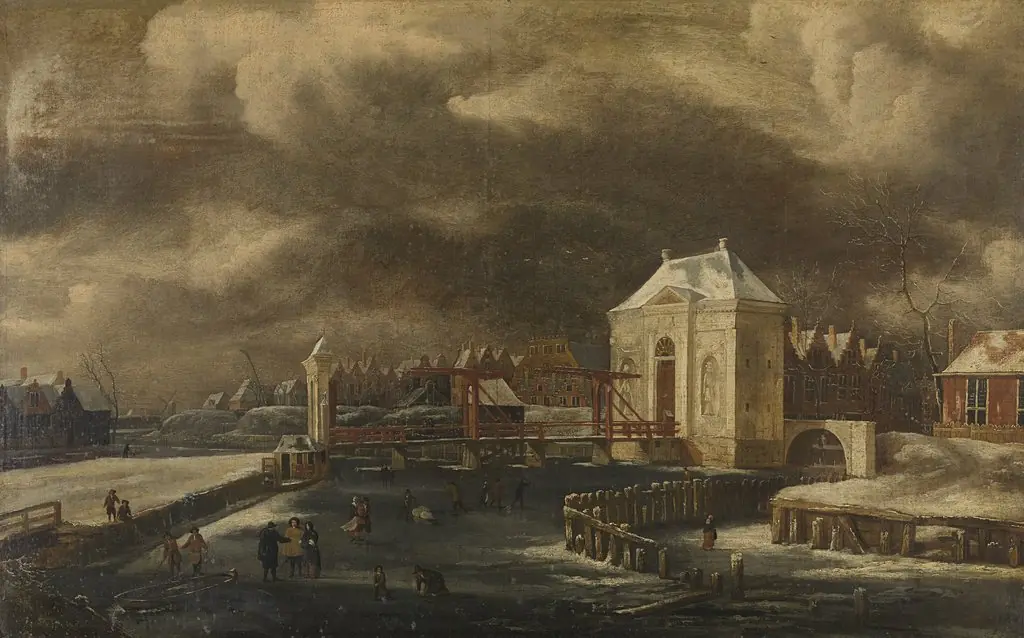
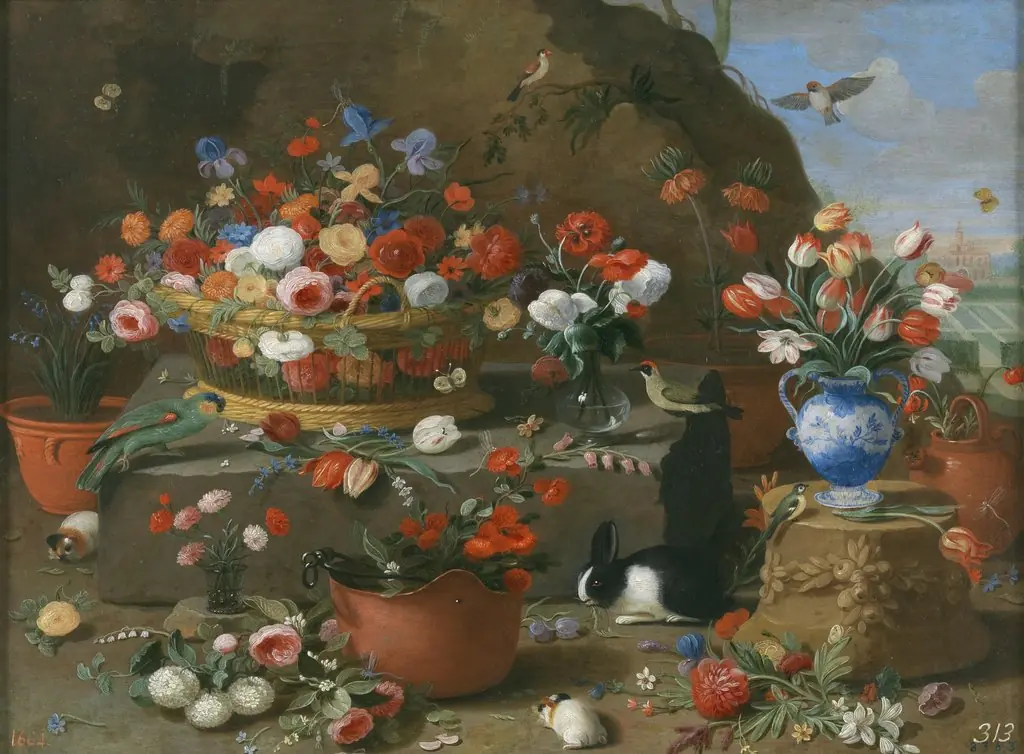
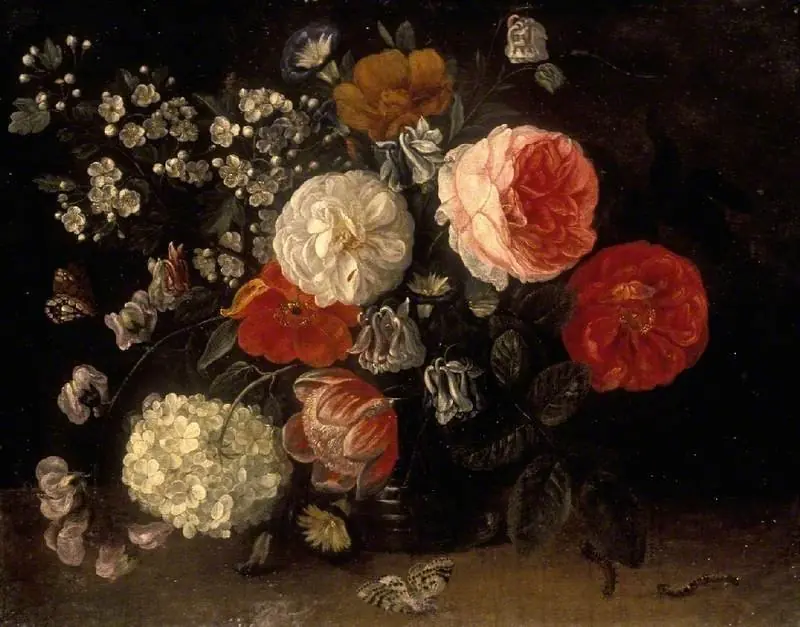
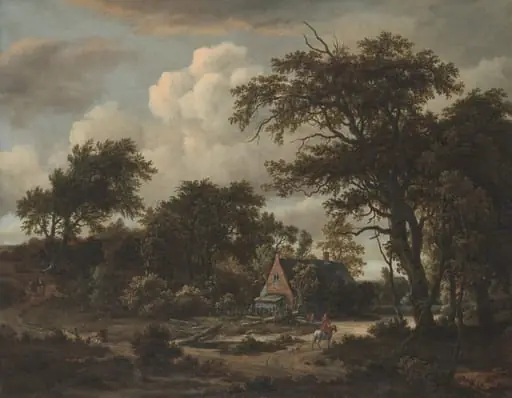 Wooded Landscape with Cottage and Horseman
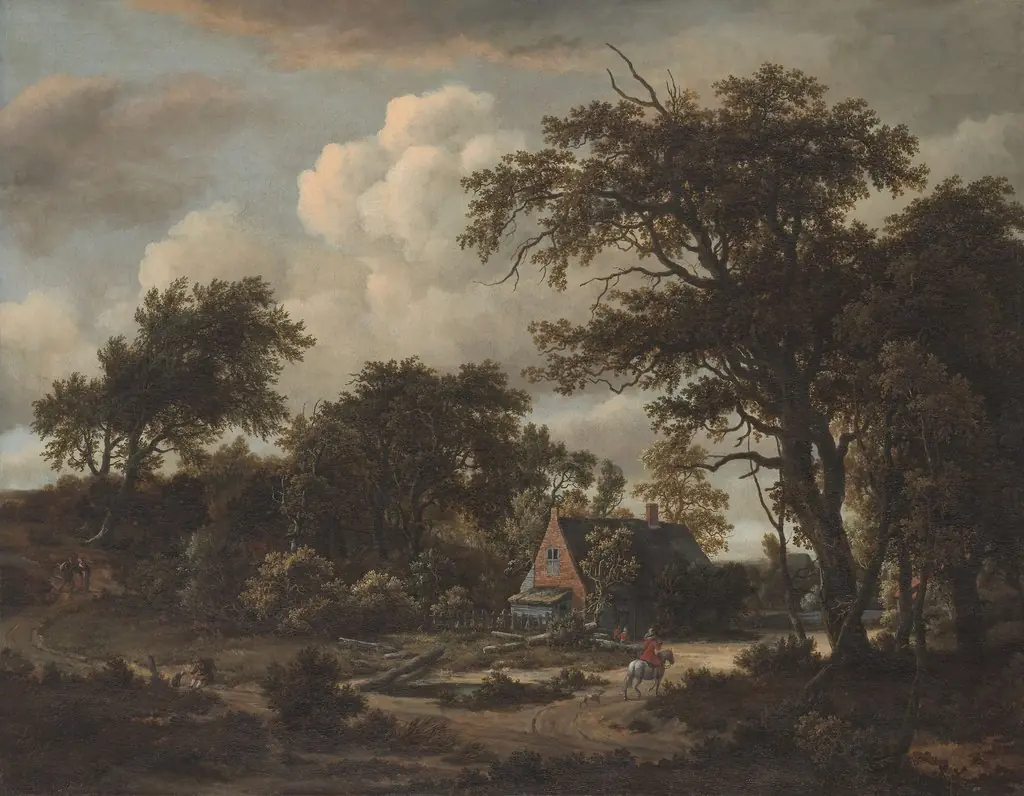 Wooded Landscape with Cottage and Horseman
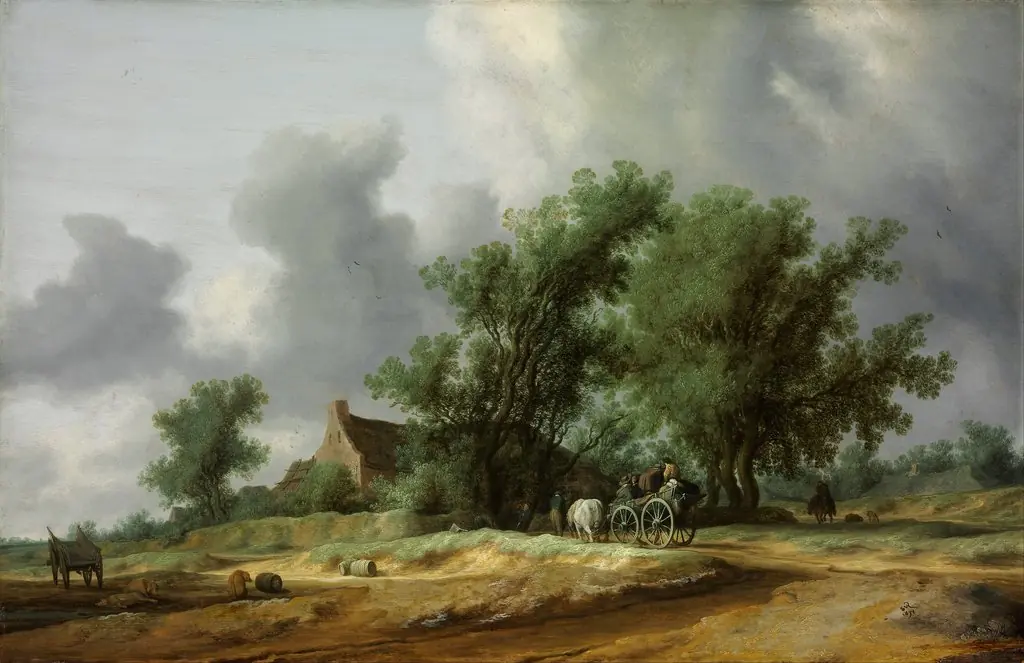 Road in the Dunes
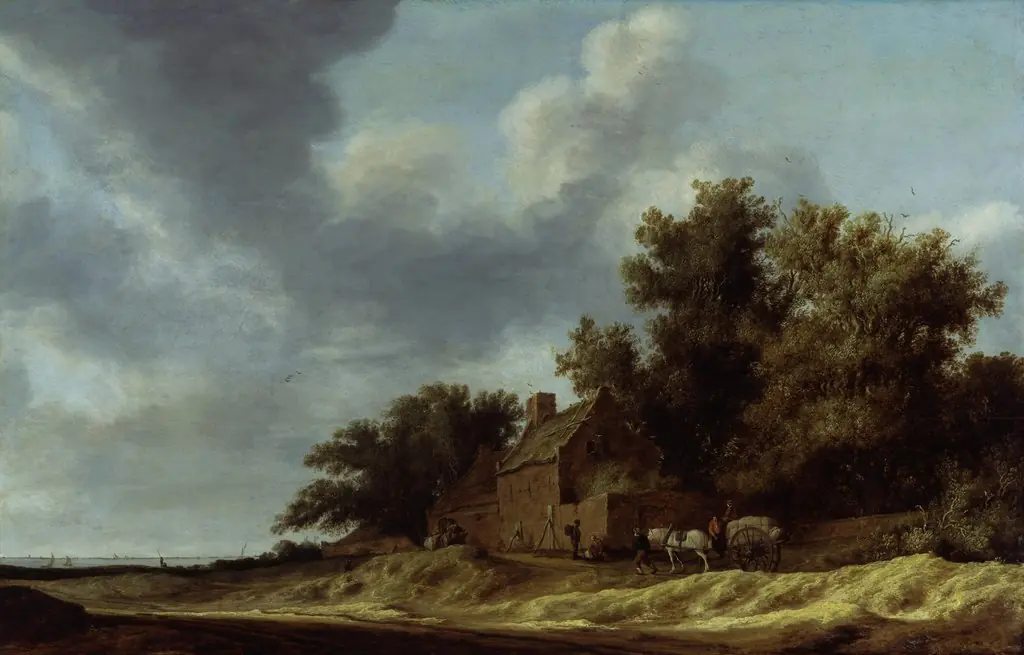 A Landscape with a Farmstead
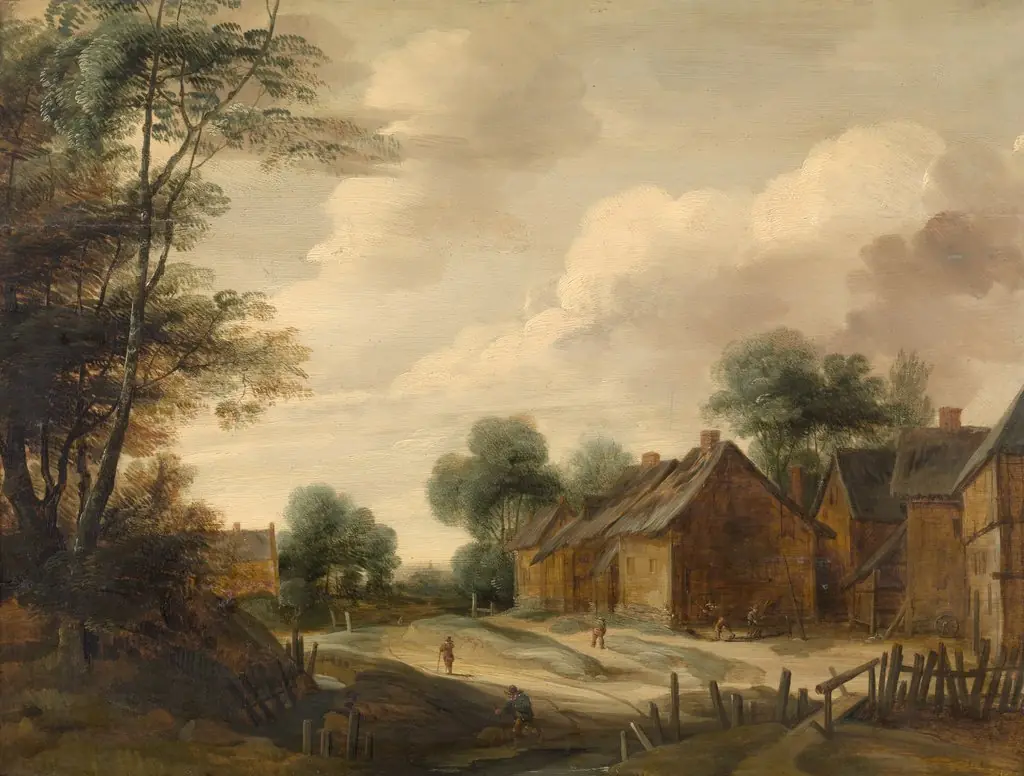 Landscape with a Farm
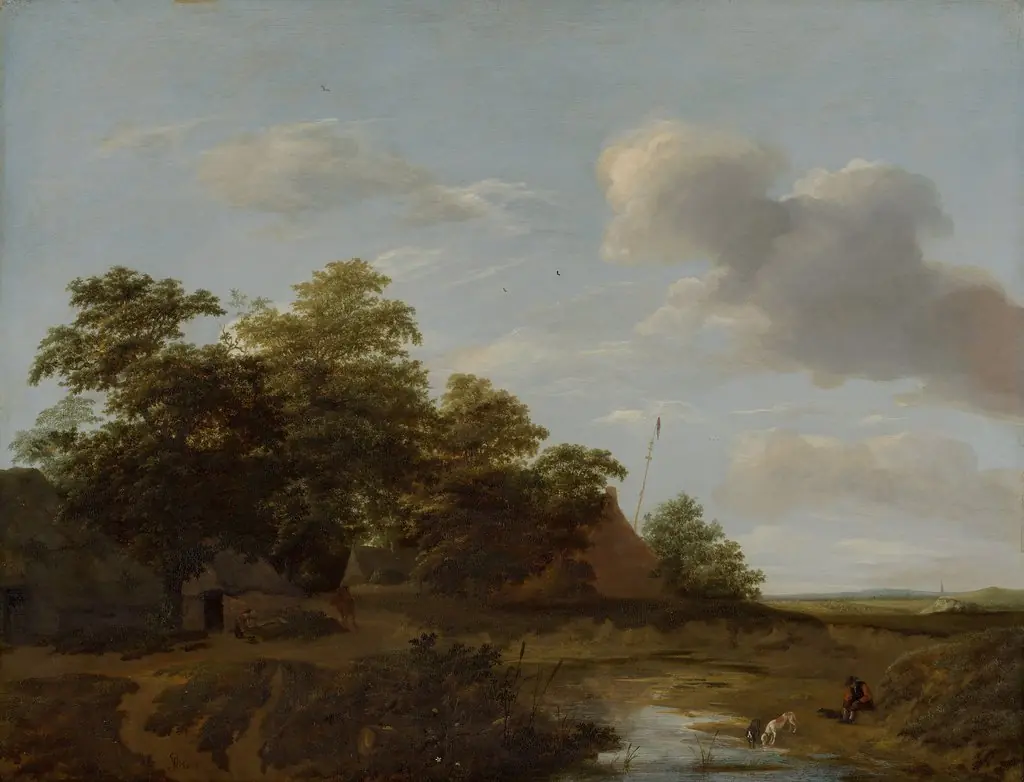 Landscape with a farm
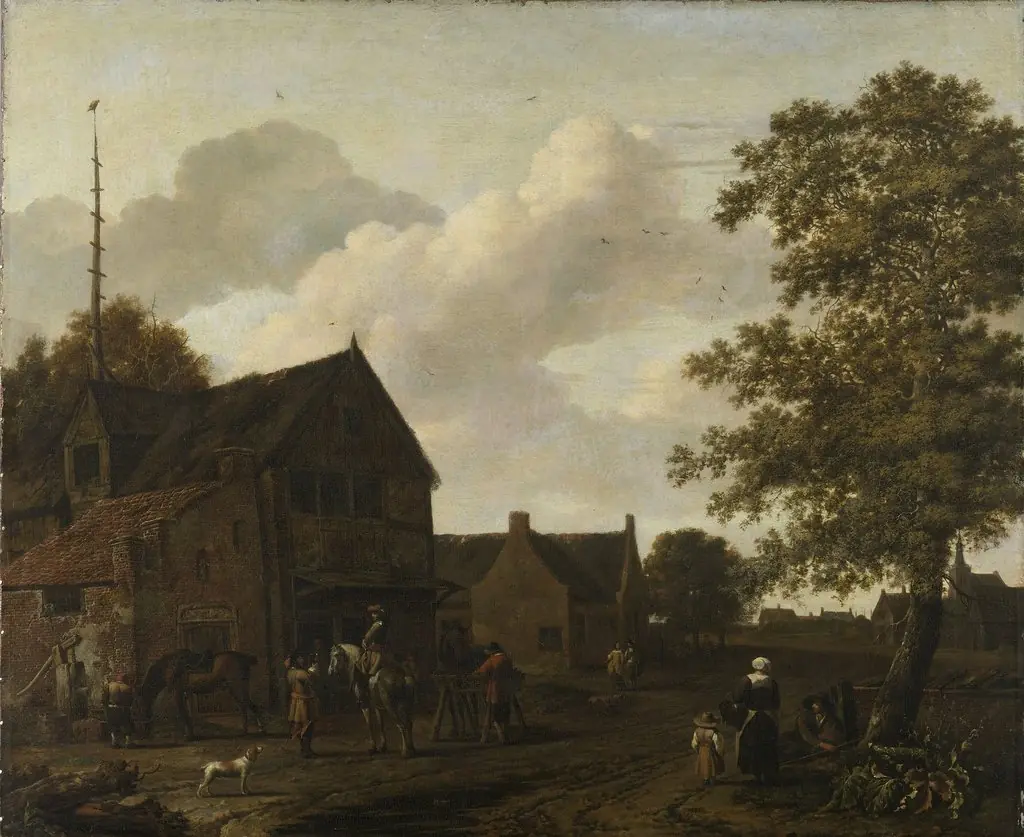 The watering place
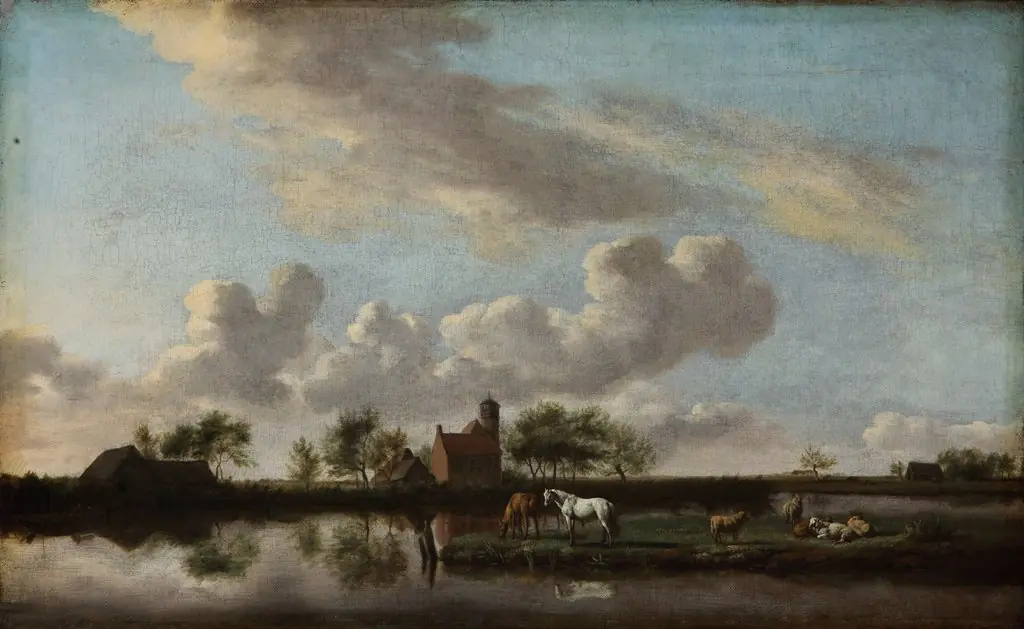 A Flat Canal Landscape
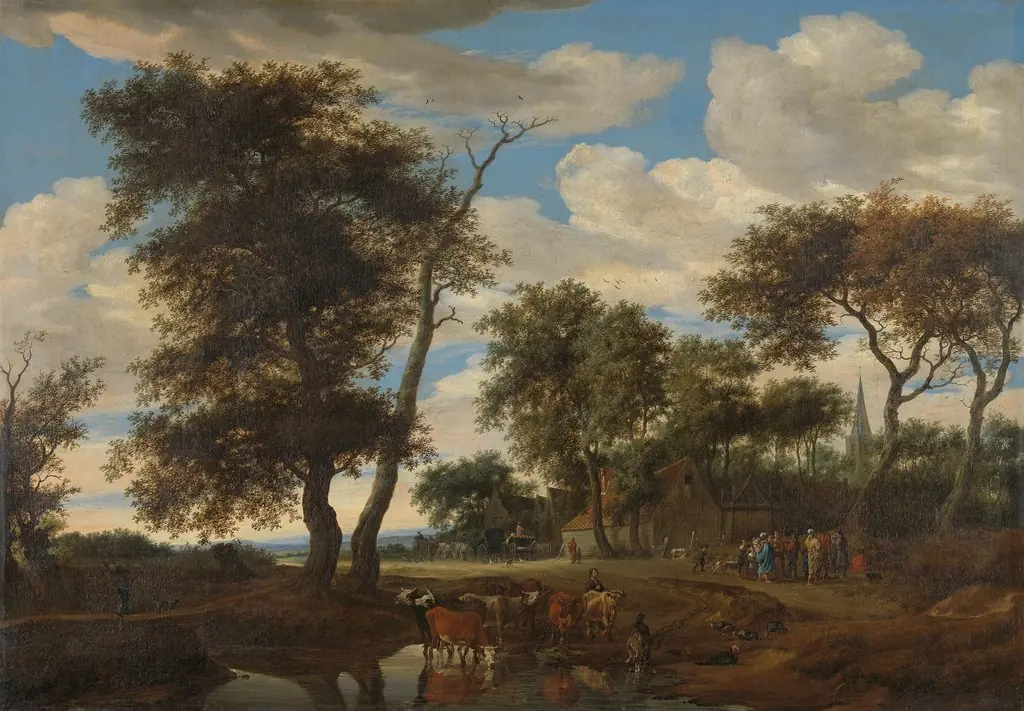 View of a village
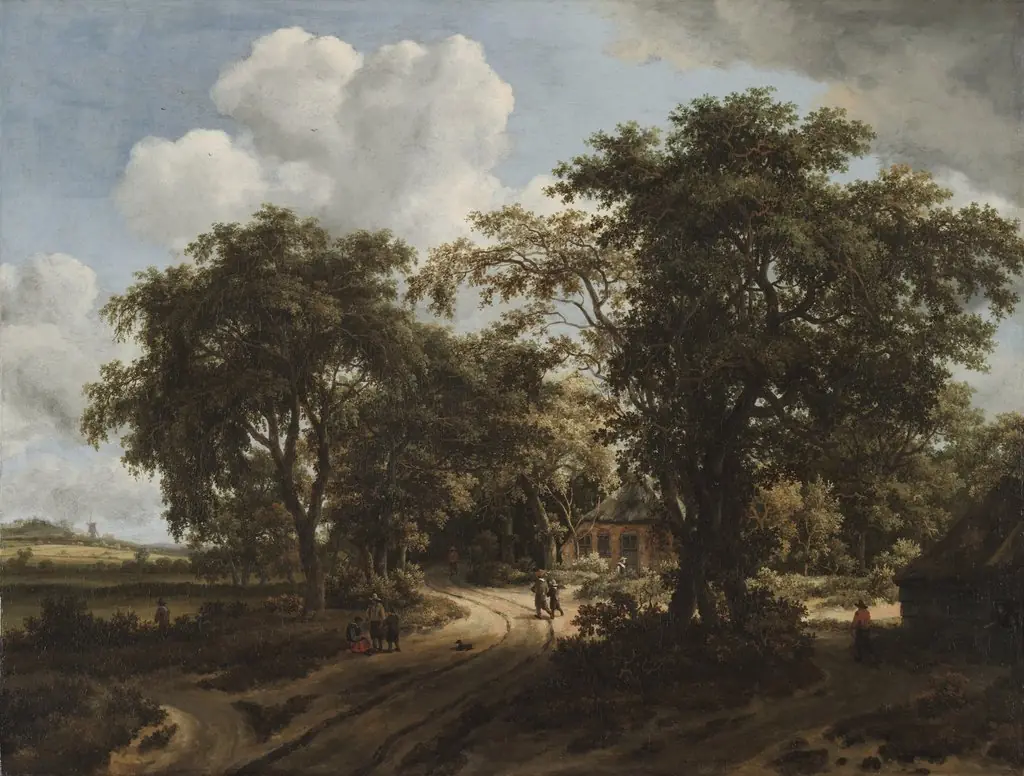 A Cottage in the Woods
 The Watermill with the Great Red Roof
 Road through a wet forest