Artwork
A Study of Butterflies, Moths, Spiders, and Insects
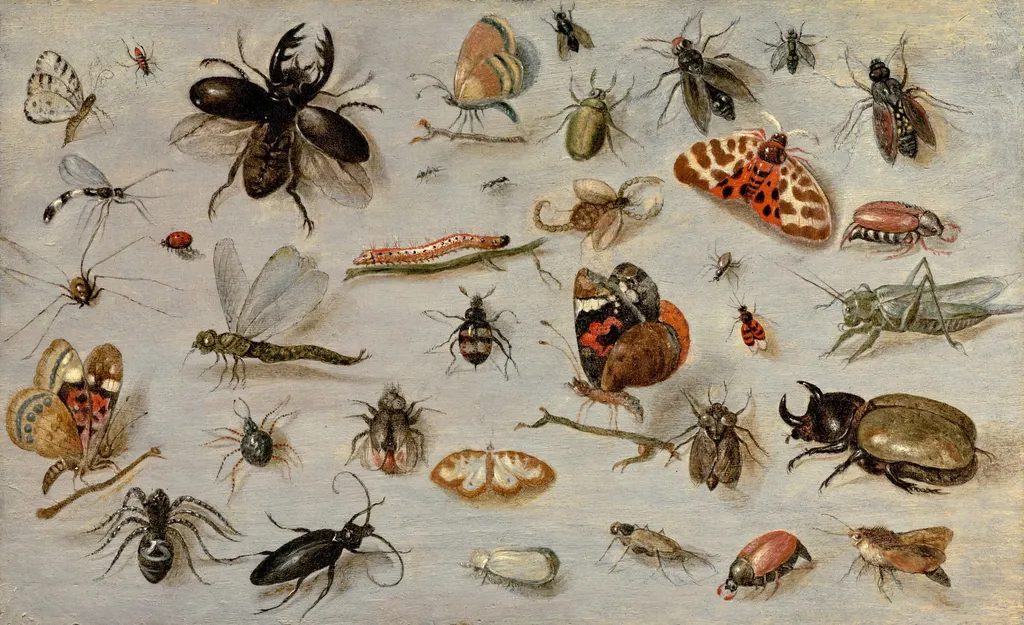
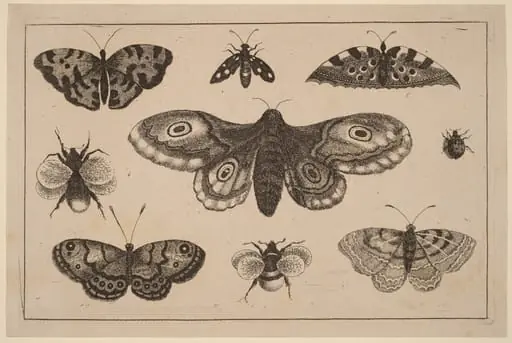
A Study of Butterflies, Moths, Spiders, and Insects is an unspecified painting by the Flemish Baroque painting artist Jan van Kessel the Elder. It dates from 1662 and is held in the collection of the Museum of Fine Arts, Houston.
About this work
Overview
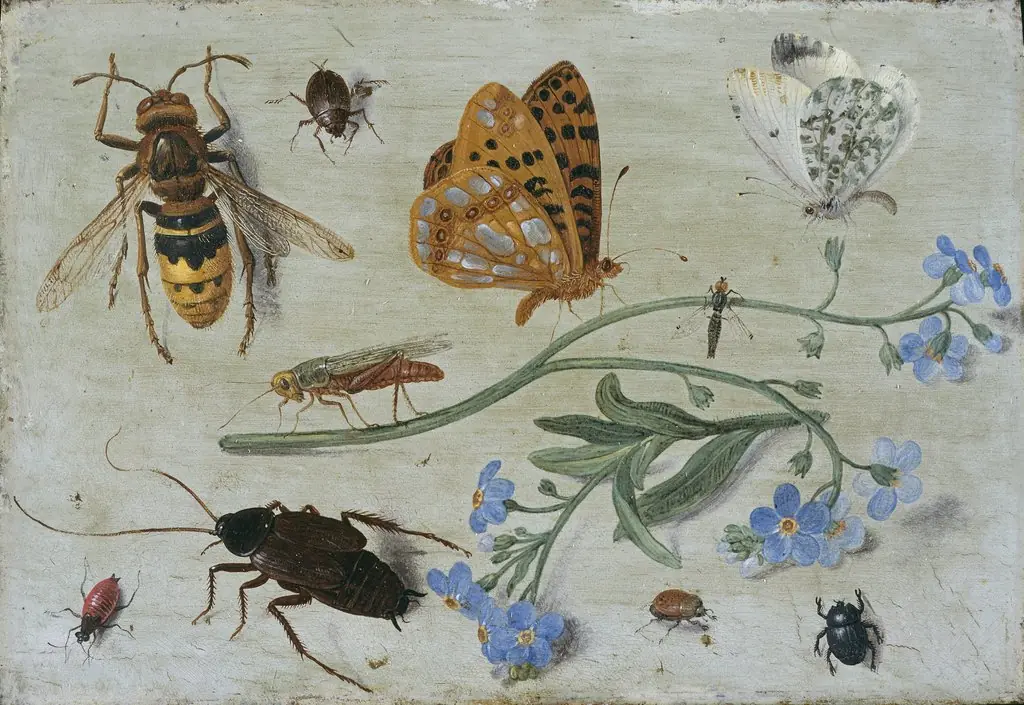
Painted around 1662, this work by Jan van Kessel the Elder presents a meticulously arranged assembly of butterflies, moths, spiders, and other small creatures.
Painted around 1662, this work by Jan van Kessel the Elder presents a meticulously arranged assembly of butterflies, moths, spiders, and other small creatures. It belongs to a tradition of Flemish naturalist painting that valued close observation and technical precision. Van Kessel, known for his versatility, focused on the minute details of the natural world, distinguishing his work within the broader Baroque context.
Subject & Meaning
The painting gathers a variety of insects and arachnids without narrative or symbolic intent, emphasizing their physical presence over allegory. Each creature is rendered with scientific care, suggesting an interest in classification and biological accuracy. This approach reflects a growing 17th-century fascination with the natural world as something to be studied, not merely admired.
Technique & Style
Van Kessel employed fine brushwork and layered glazes to capture the delicate wings, hairy bodies, and translucent membranes of his subjects. The composition is tightly packed yet orderly, with each insect positioned to highlight its form and texture. His technique reveals a deep familiarity with optical detail, likely developed through direct observation and possibly the use of magnifying tools.
History & Provenance
The painting has remained in private and institutional collections since its creation, eventually entering the Museum of Fine Arts, Houston’s holdings. Its survival in good condition reflects its enduring appeal among collectors of natural history art. While its early ownership is undocumented, its style aligns with other works by van Kessel from the 1660s, a period of intense productivity.
Context
In mid-17th-century Flanders, detailed studies of flora and fauna flourished alongside scientific inquiry. Van Kessel’s work resonates with the cabinets of curiosities and emerging entomological texts of the time. His imagery bridges art and early science, contributing to a visual culture that sought to document nature’s diversity with accuracy and reverence.
Legacy
Van Kessel’s insect studies influenced later naturalist painters and contributed to the development of scientific illustration. His commitment to precision helped elevate small-scale natural subjects to serious artistic subjects. Though not widely known today, his works remain important examples of how art engaged with empirical observation during the Scientific Revolution.
Own this work as a print
Artist & collection
Artist
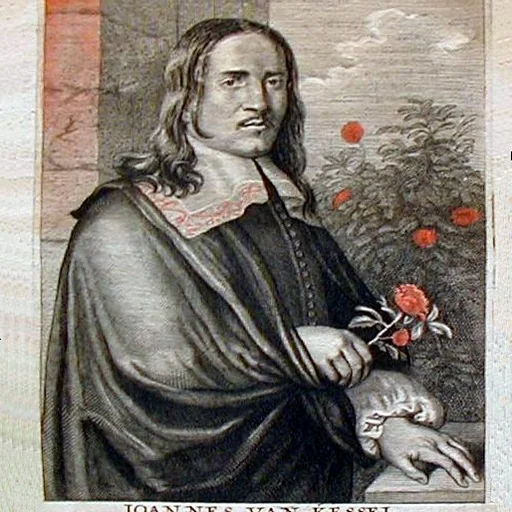
Jan van Kessel the Elder or Jan van Kessel (I) (baptized 5 April 1626, Antwerp – 17 April 1679, Antwerp) was a Flemish painter active in Antwerp in the mid-17th century.

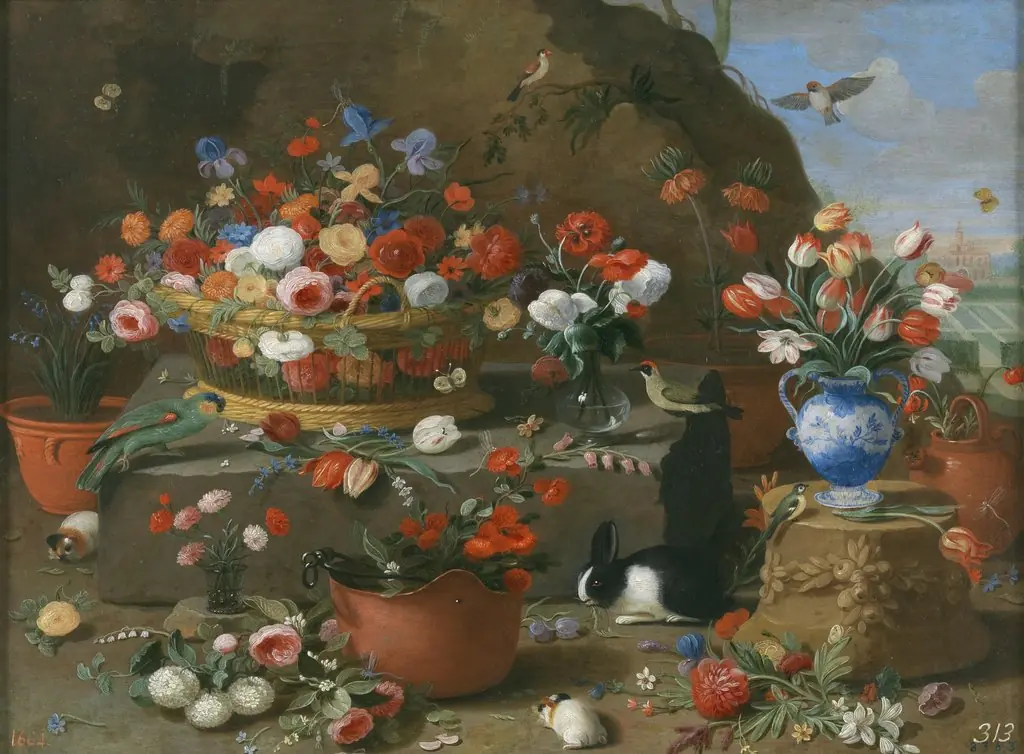
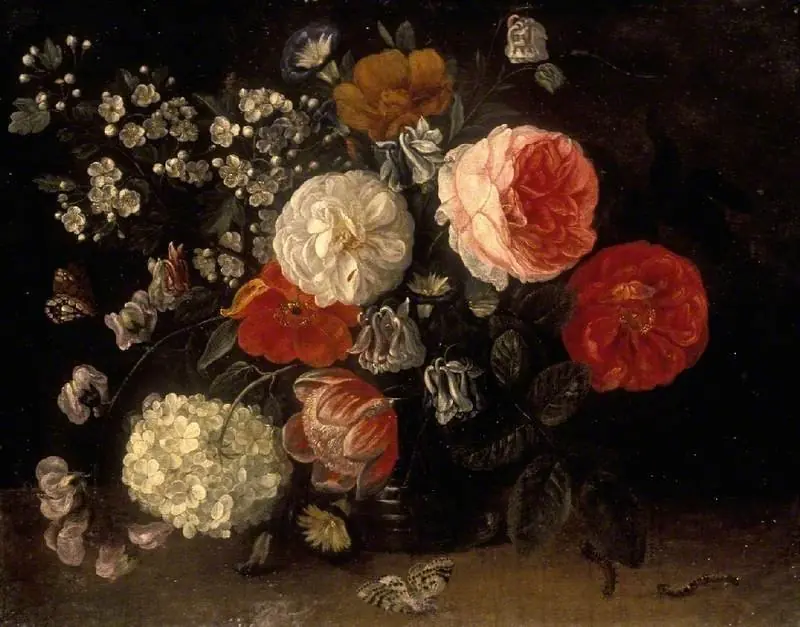
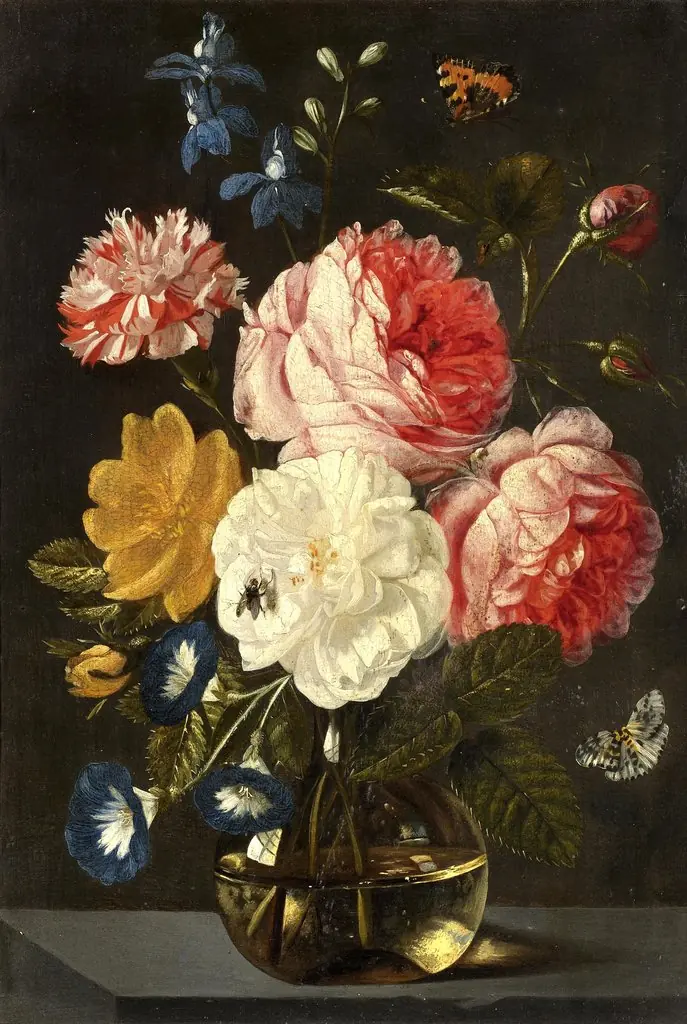
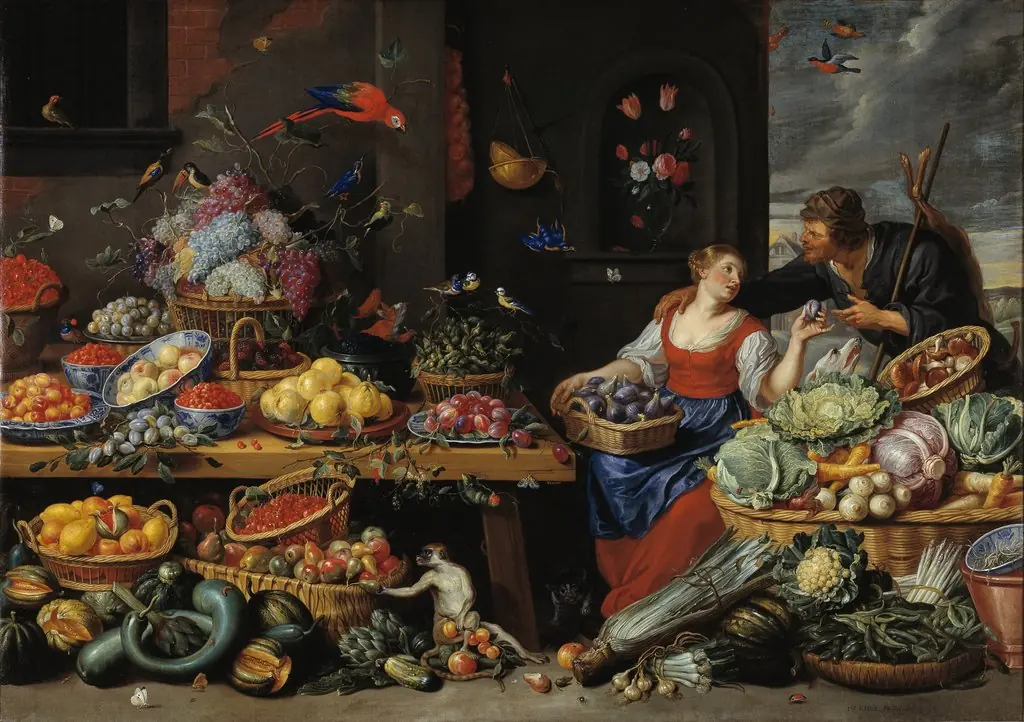
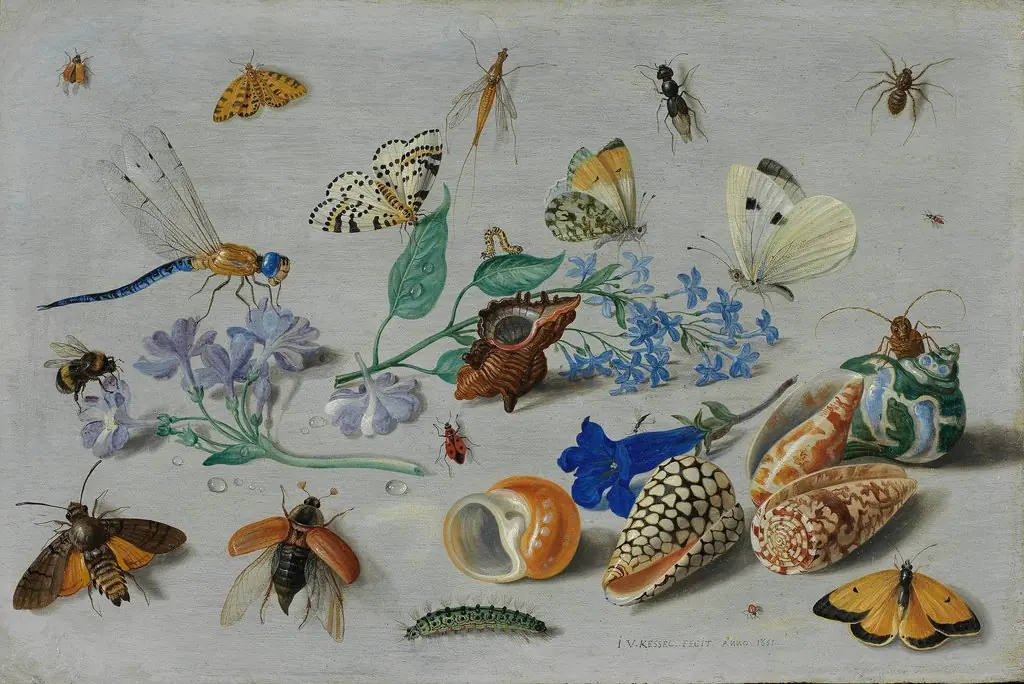 Butterflies and other insects
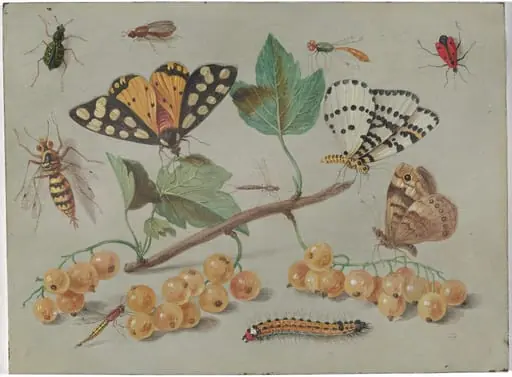 Study of Butterfly and Insects
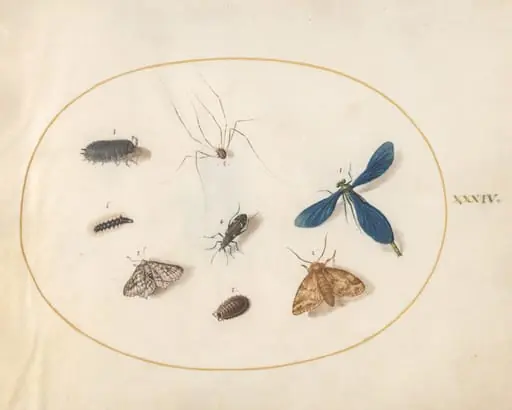 Plate 34: Two Moths with a Spider, a Caterpillar, a Damselfly, and Other Insects
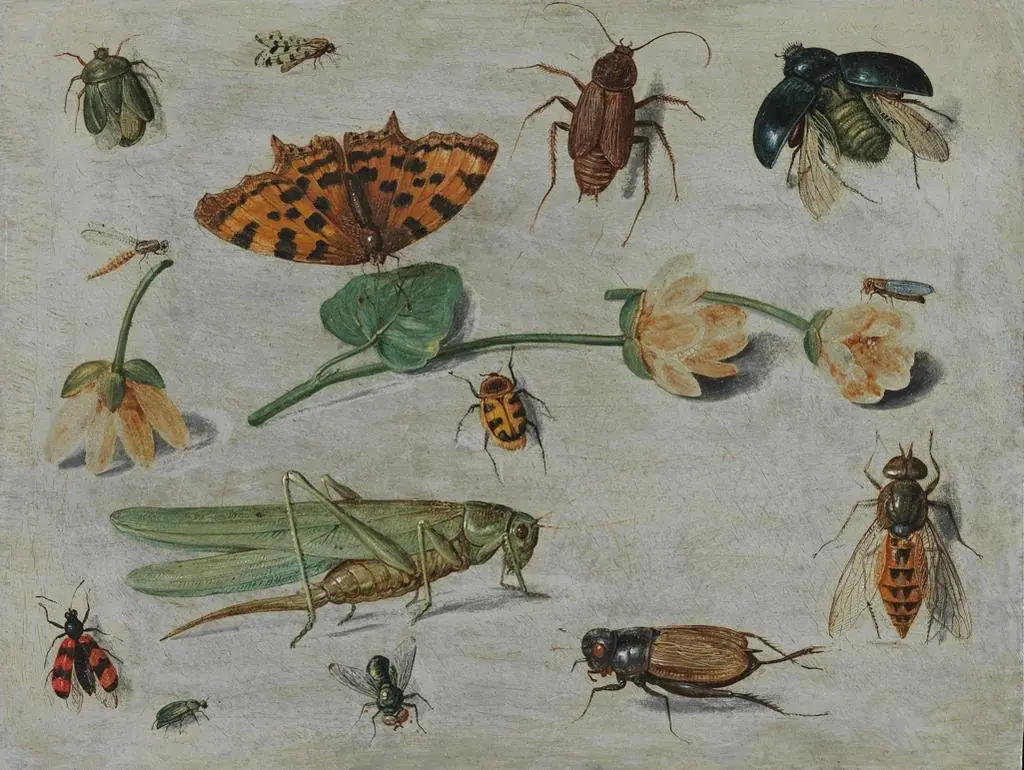 Insects
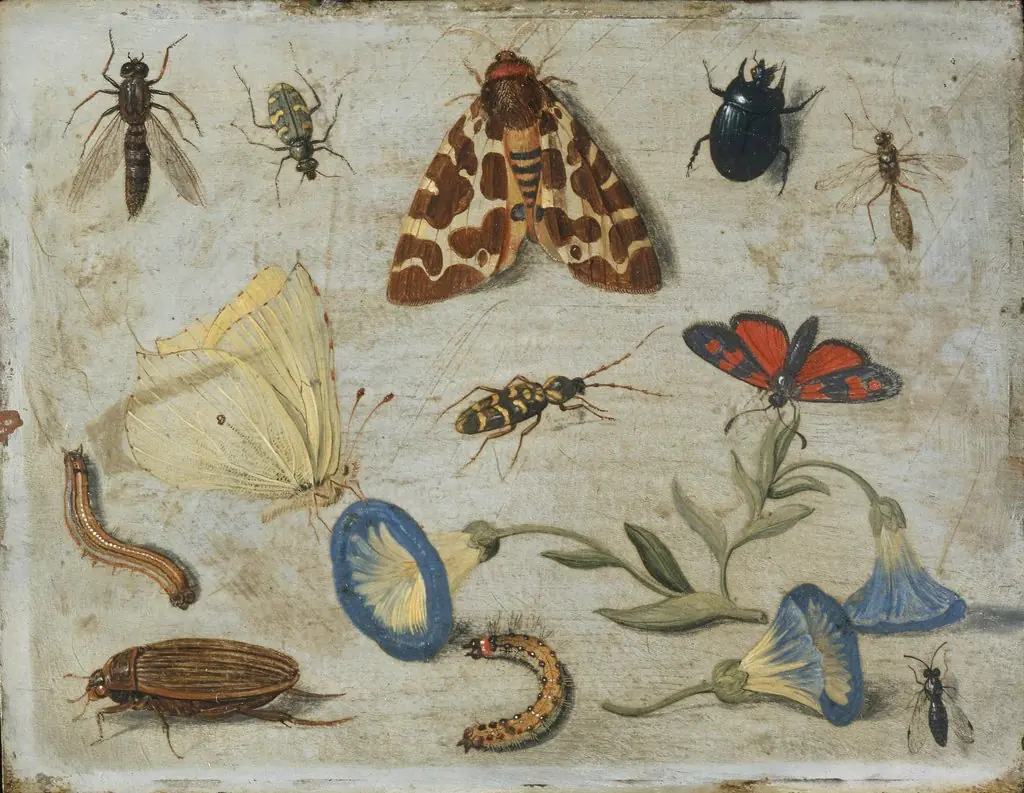 Insects
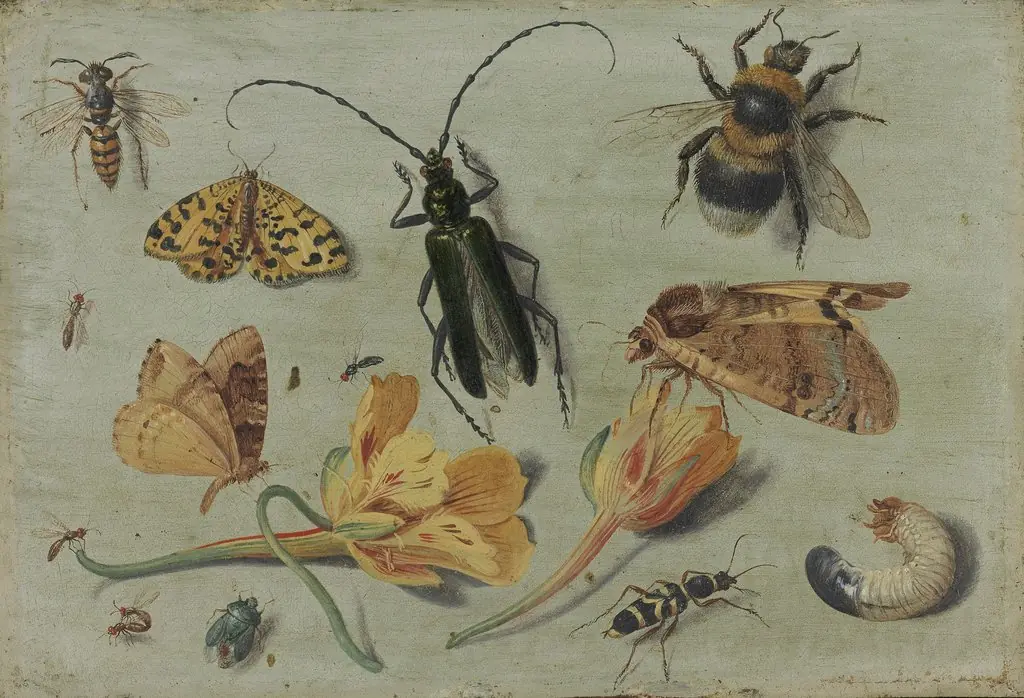 Insects
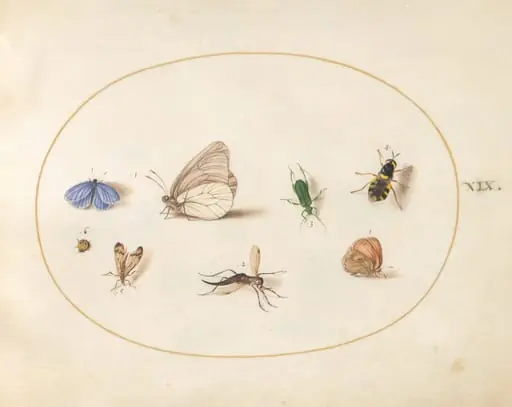 Plate 19: Two Butterflies with Five Other Insects
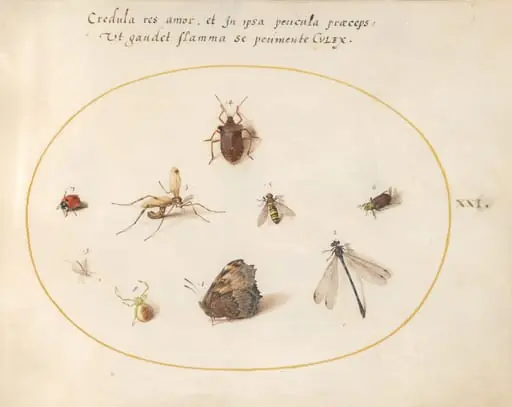 Plate 21: A Butterfly with a Dragonfly, a Ladybug, and Five other Insects
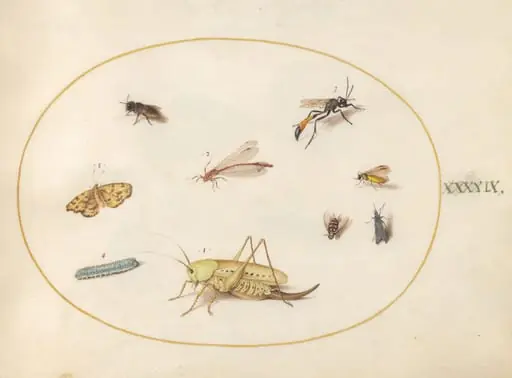 Plate 49: A Grasshopper, a Caterpillar, a Butterfly, a Moth, and Other Insects
 Insects
 Moth, Butterflies, and Bees