Artwork
Portrait of a Man as a Hunter
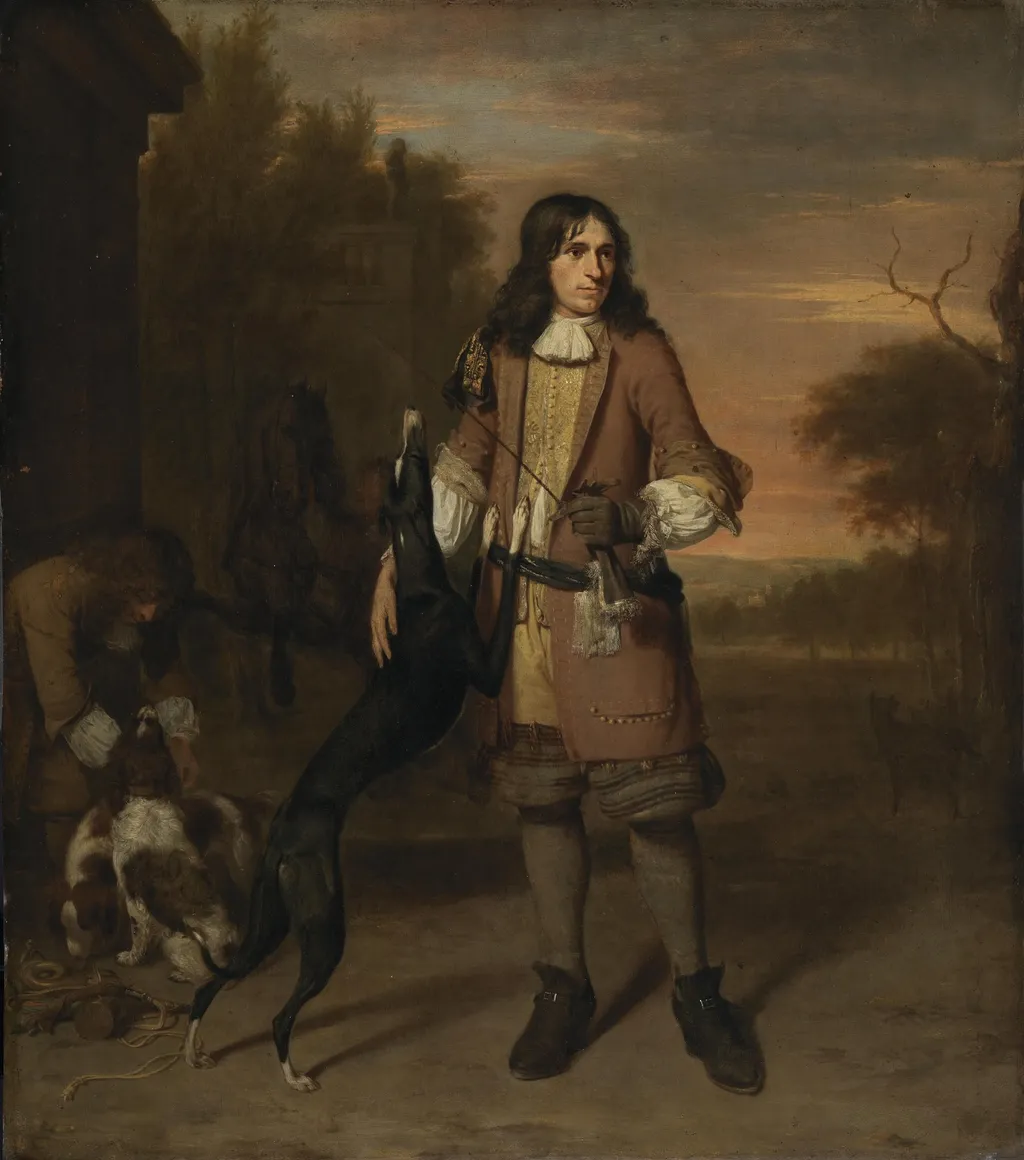
Portrait of a Man as a Hunter is an oil painting by the Dutch Golden Age artist Jan Verkolje. It dates from 1670 and is held in the collection of the National Gallery of Ireland.
About this work
Overview
Jan Verkolje’s *Portrait of a Man as a Hunter* was executed in 1670 on a copper plate, a material favoured for modestly sized works during the Dutch Golden Age. The composition presents a gentleman in hunting attire, flanked by two dogs, against a modest landscape that includes trees and a distant building.
Subject & Meaning
The sitter’s brown coat, yellow vest, and the bow with a quiver of arrows identify him as a hunter, a role that conveyed both leisure and social standing in 17th‑century Dutch society. The accompanying dogs, one black and one white‑brown, reinforce the hunting theme and may serve as symbols of loyalty and wealth.
Technique & Style
Verkolje employed the smooth surface of copper to achieve fine detail and luminous colour, allowing the warm palette and gentle lighting to convey intimacy. Subtle contrasts between illuminated areas and deeper shadows hint at chiaroscuro, giving the figures a modest three‑dimensional presence without dramatic theatricality.
History & Provenance
Trained in Amsterdam before settling in Delft, Verkolje catered to affluent patrons who valued personalized portraiture. The work reflects his typical output of refined genre scenes and individual likenesses, though specific ownership records for this piece remain limited.
Context
During the late 1600s, Dutch art increasingly emphasized individualized representation, often embedding occupational attributes to signal status. Hunting scenes, in particular, were popular among the mercantile elite, who used such imagery to display both wealth and cultivated taste.
Own this work as a print
Artist & collection
Artist
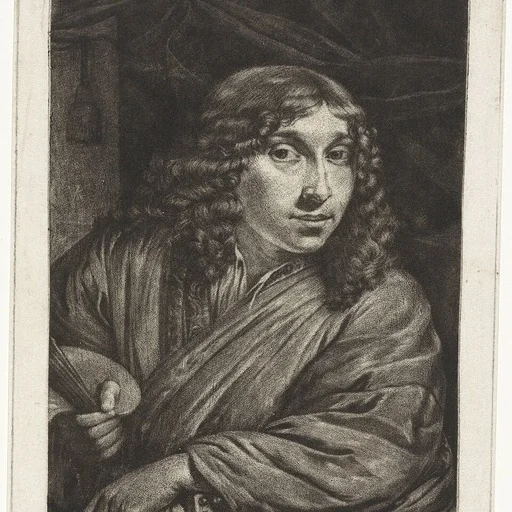
Jan Verkolje or Johannes Verkolje (9 February 1650 (baptized) – 8 May 1693 (buried)) was a Dutch painter, draughtsman and engraver.

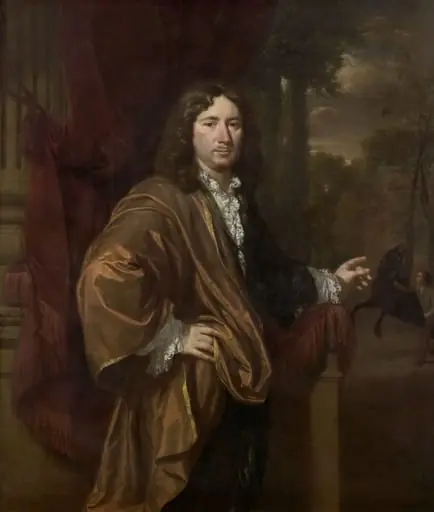 Portrait of a Man
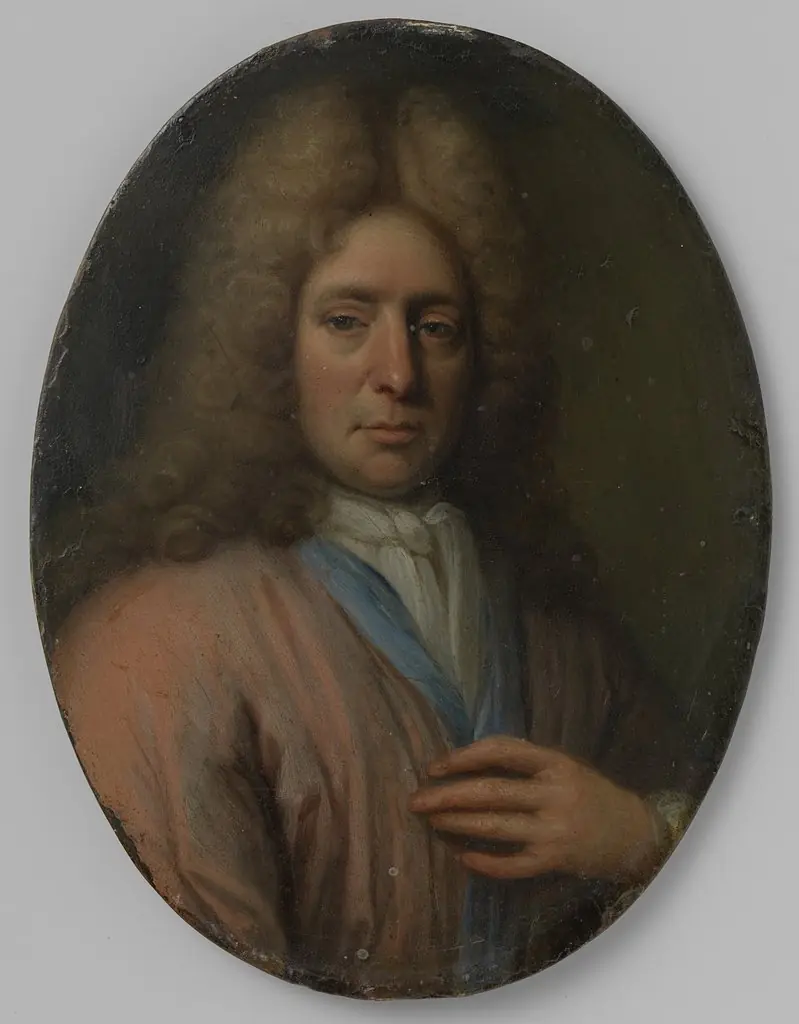 Portrait of a Man, perhaps a Self Portrait
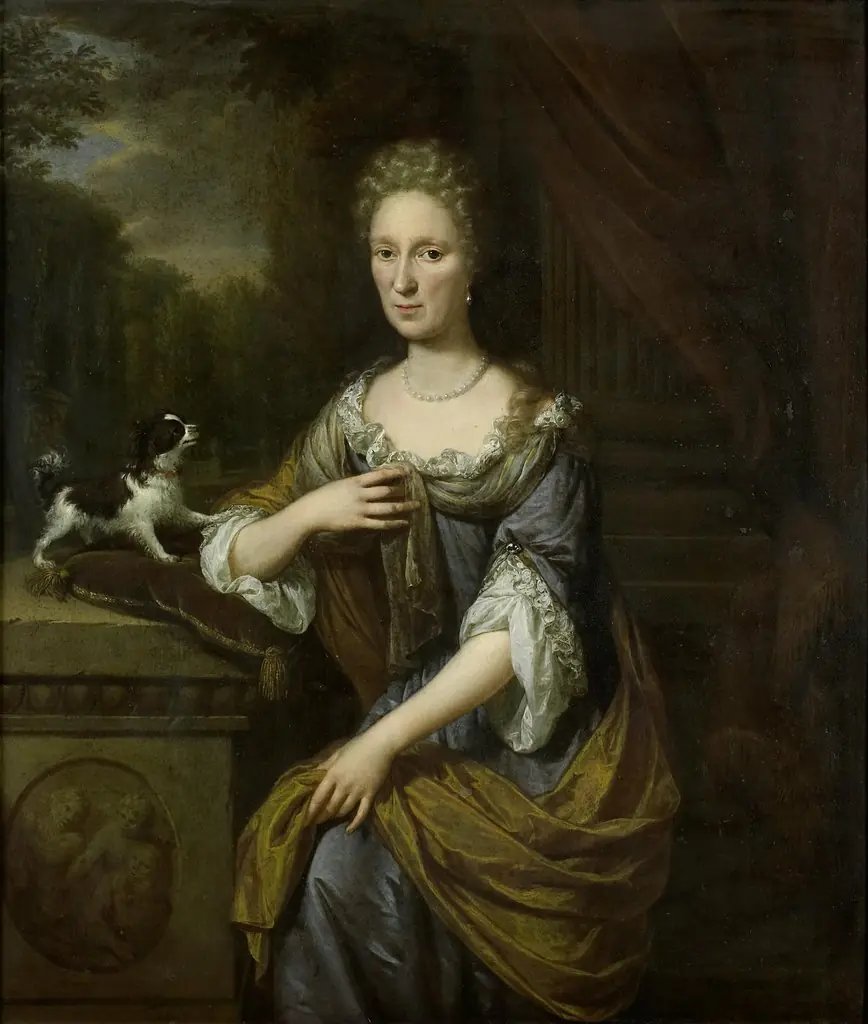 Portrait of a Woman
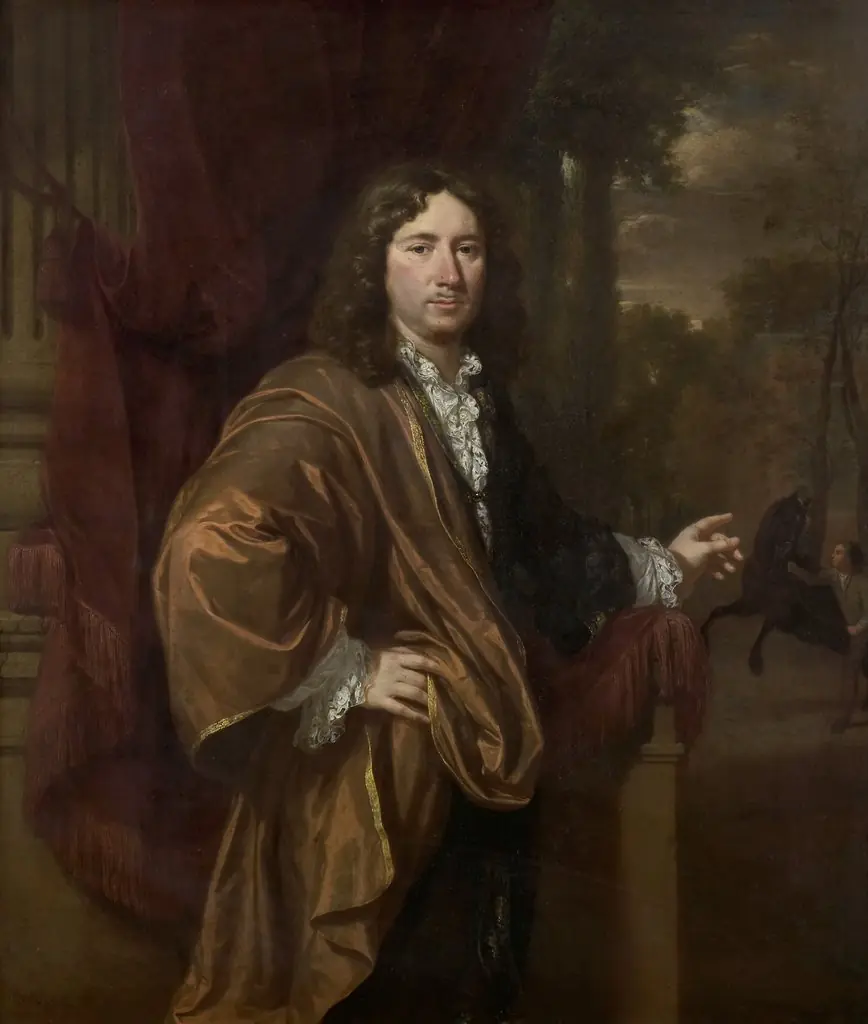 Portrait of a Man
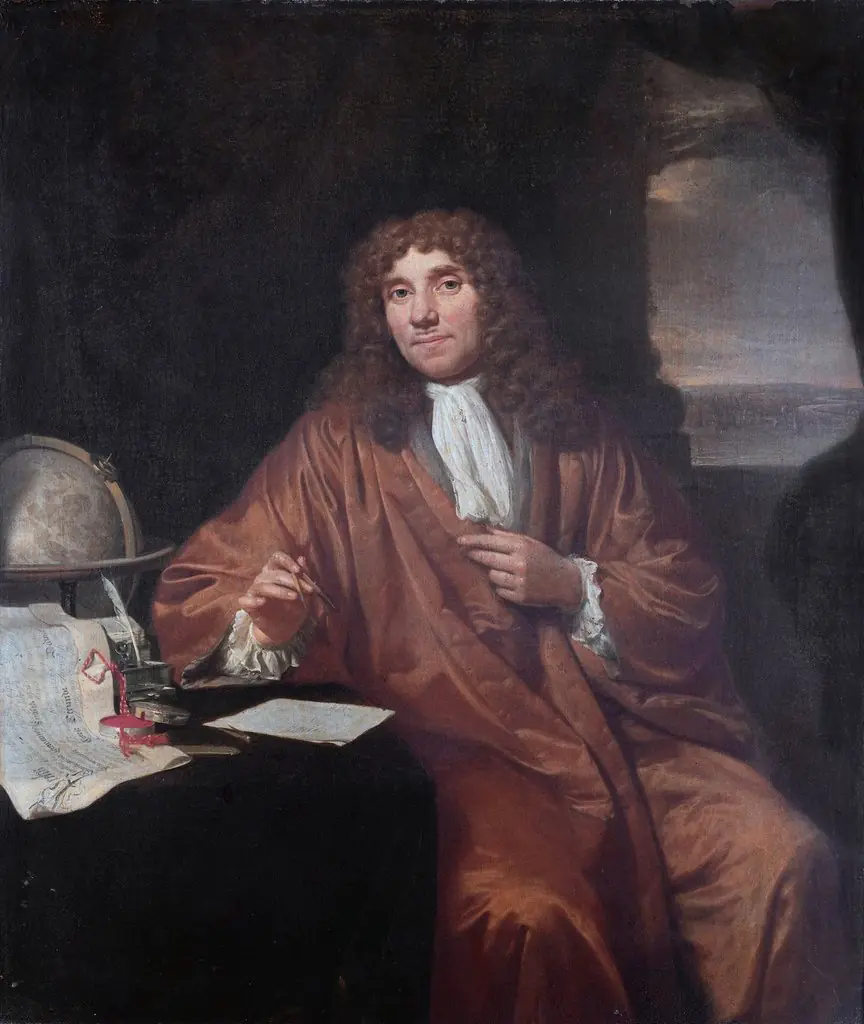 Portrait of Anthonie van Leeuwenhoek, Natural Philosopher and Zoologist in Delft
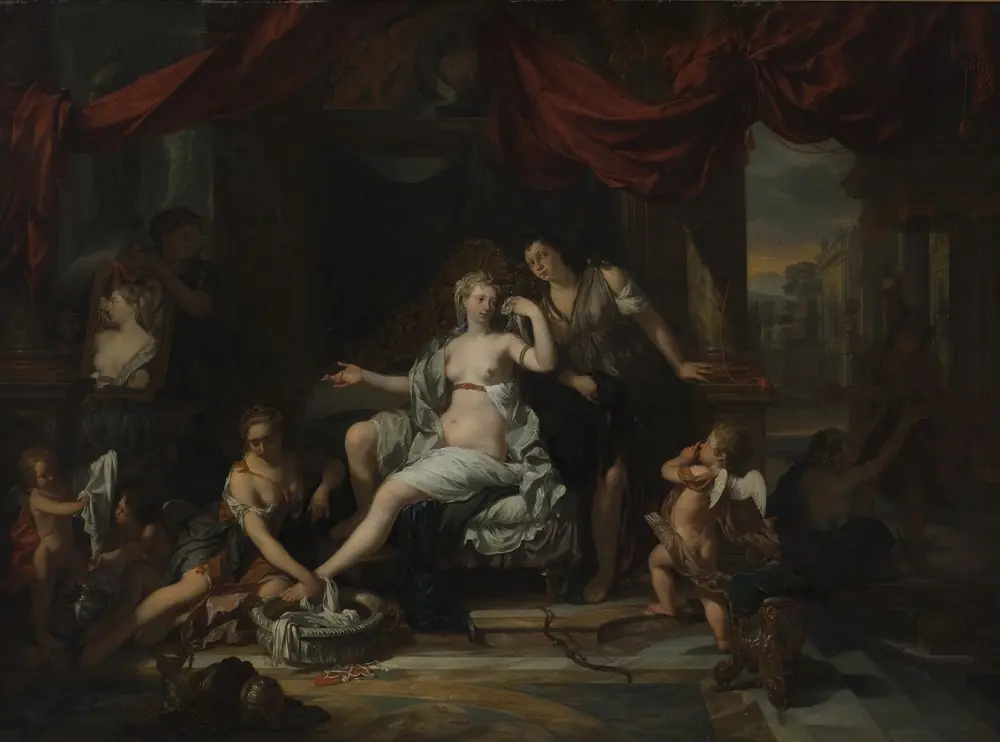 Herse Preparing to Receive Mercury
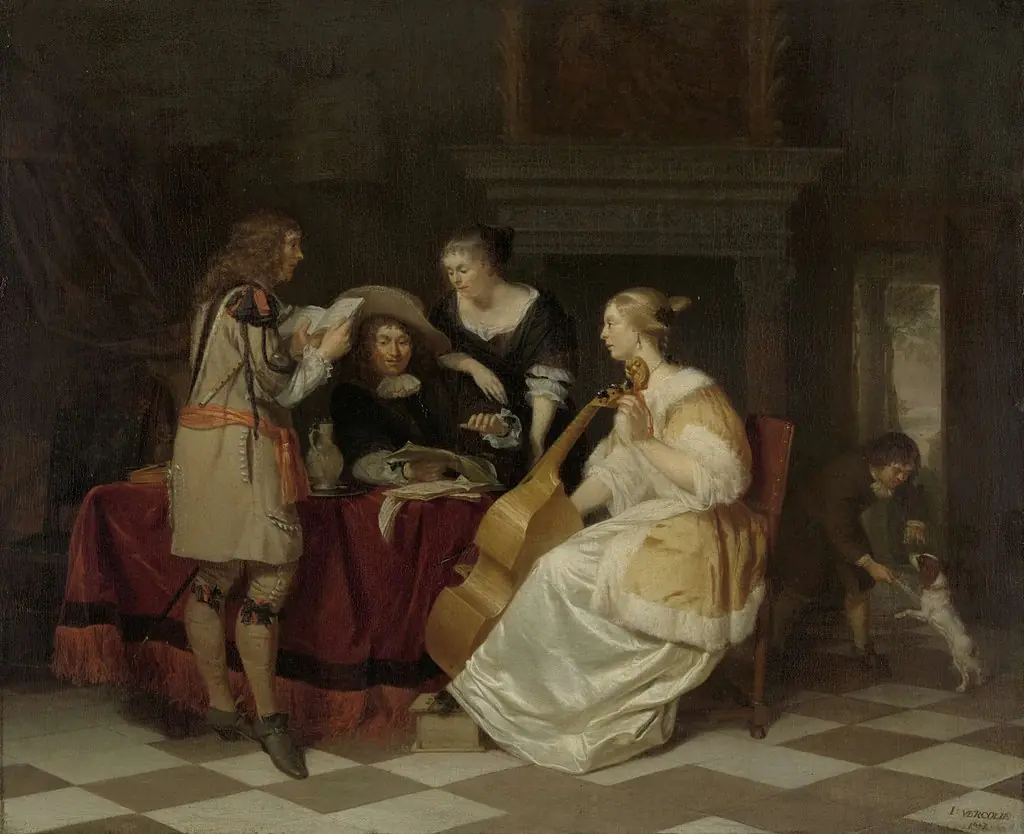 A Musical Company
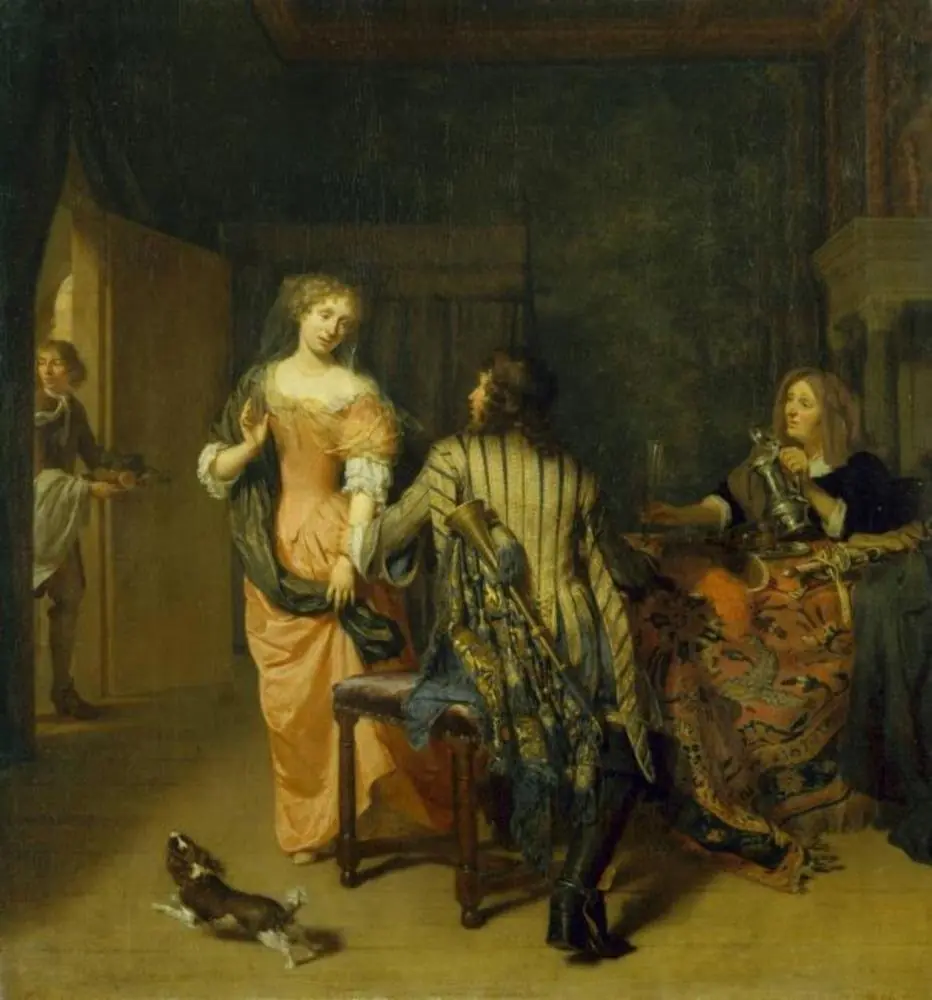 Elegant interior in which a soldier with a trumpet grabs a young woman by the arm
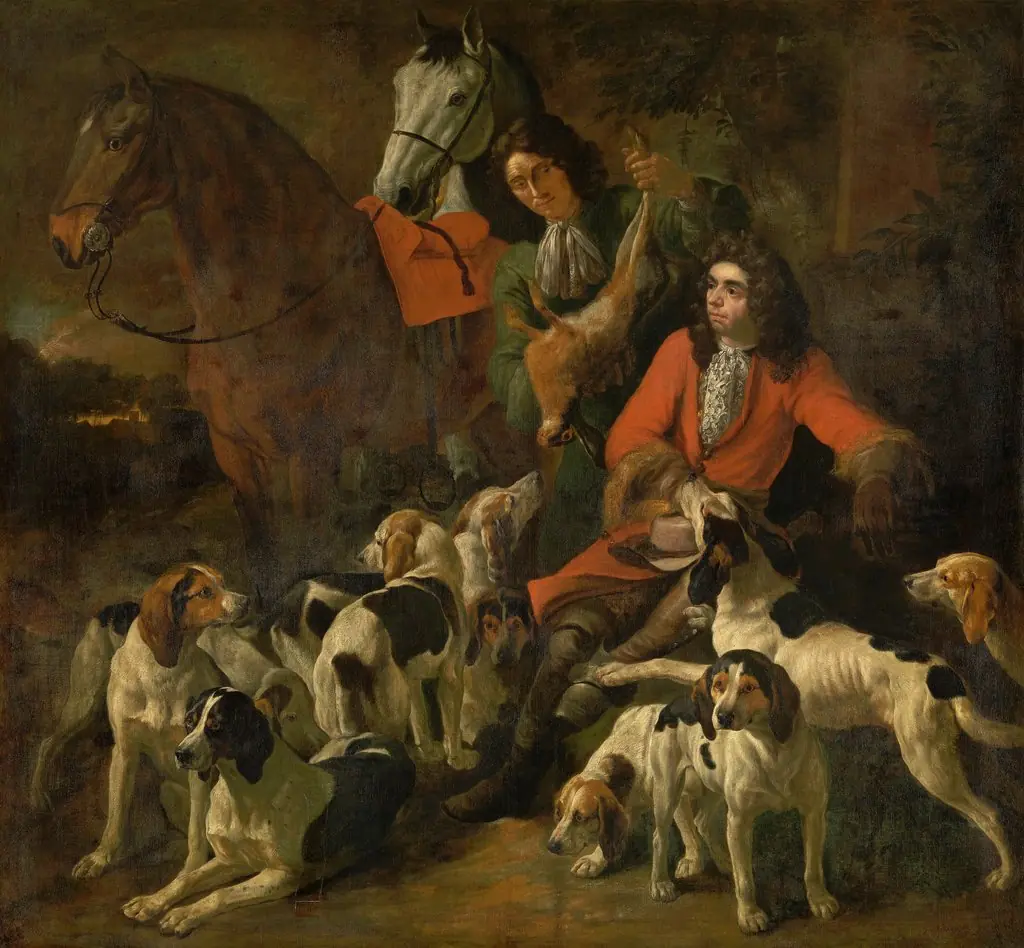 Return from the hunt
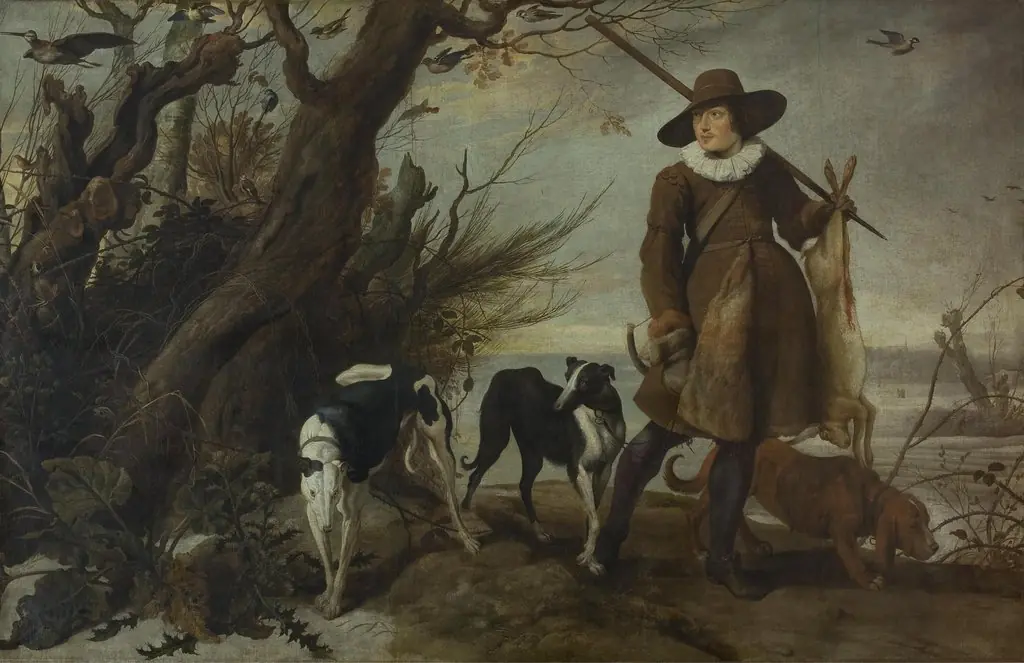 Hunter with Dogs in a Landscape
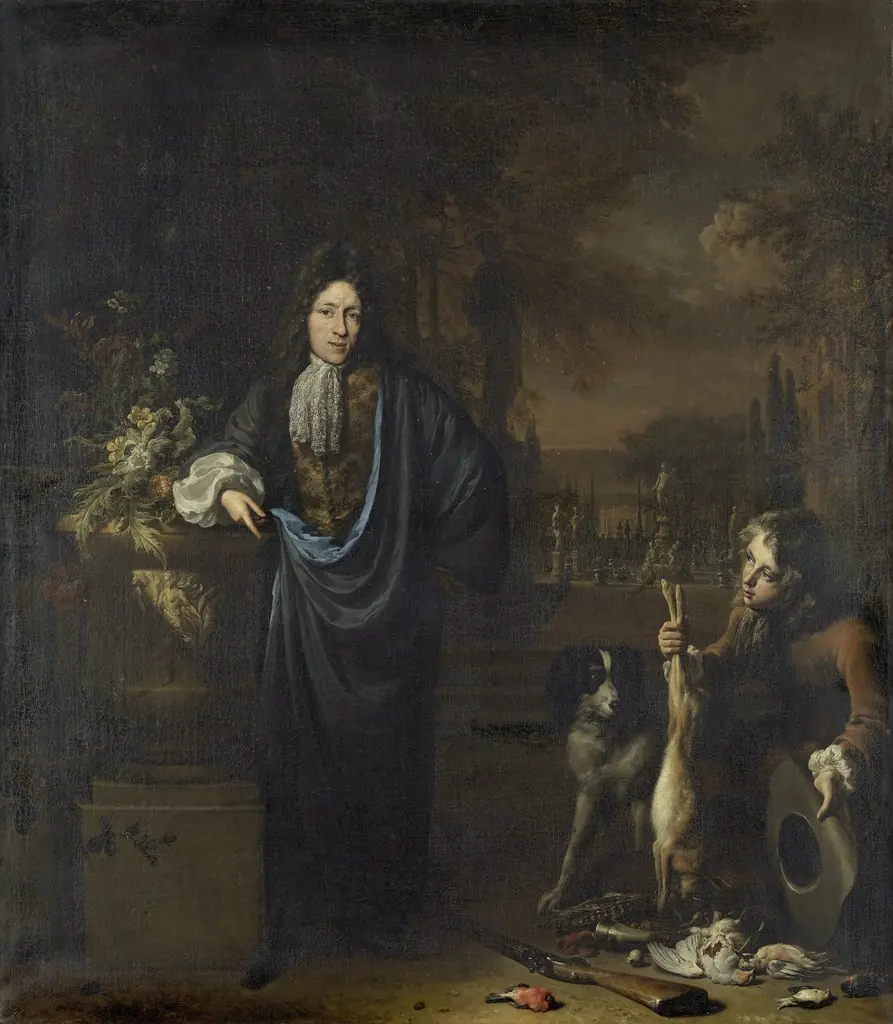 Portrait of Silvester van Tongeren
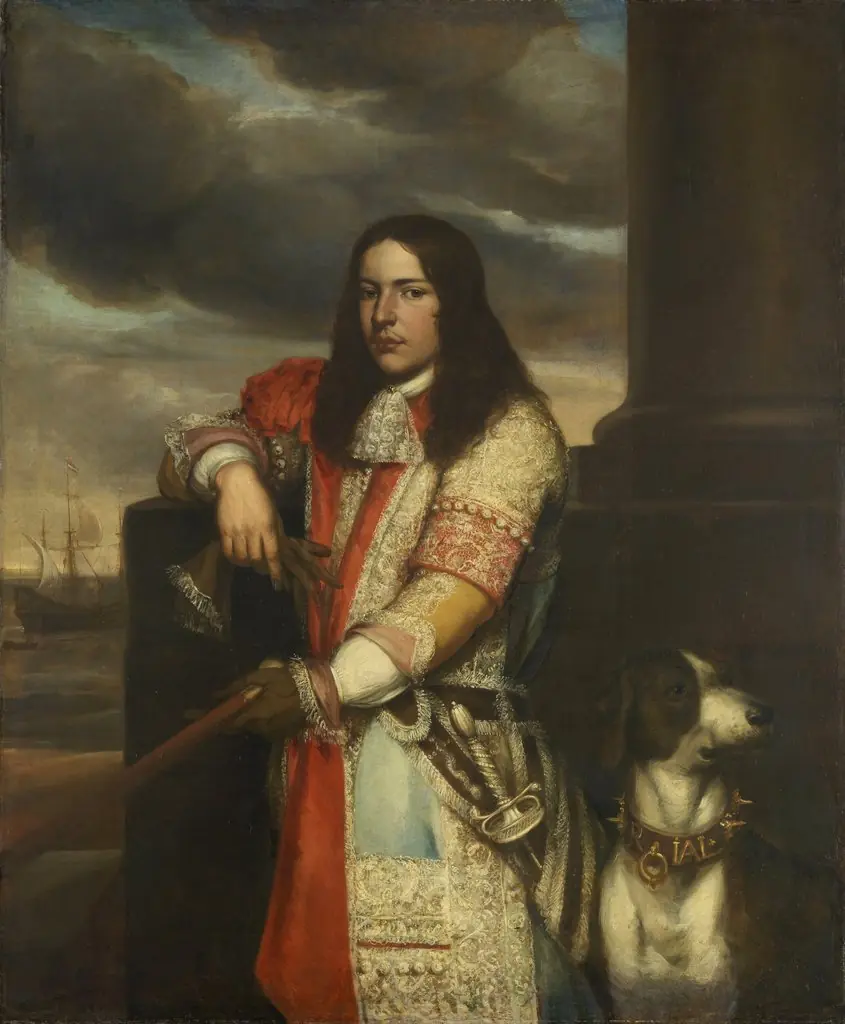 Portrait of Engel de Ruyter (1649-83), Vice-admiral and son of Michiel Adriaensz de Ruyter
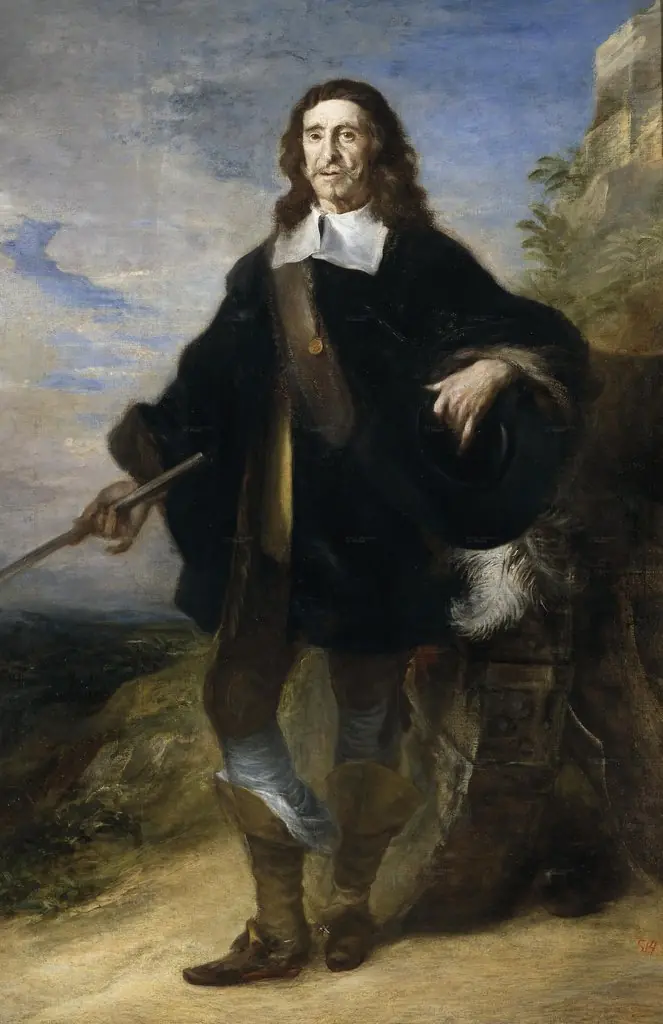 An Artillery General
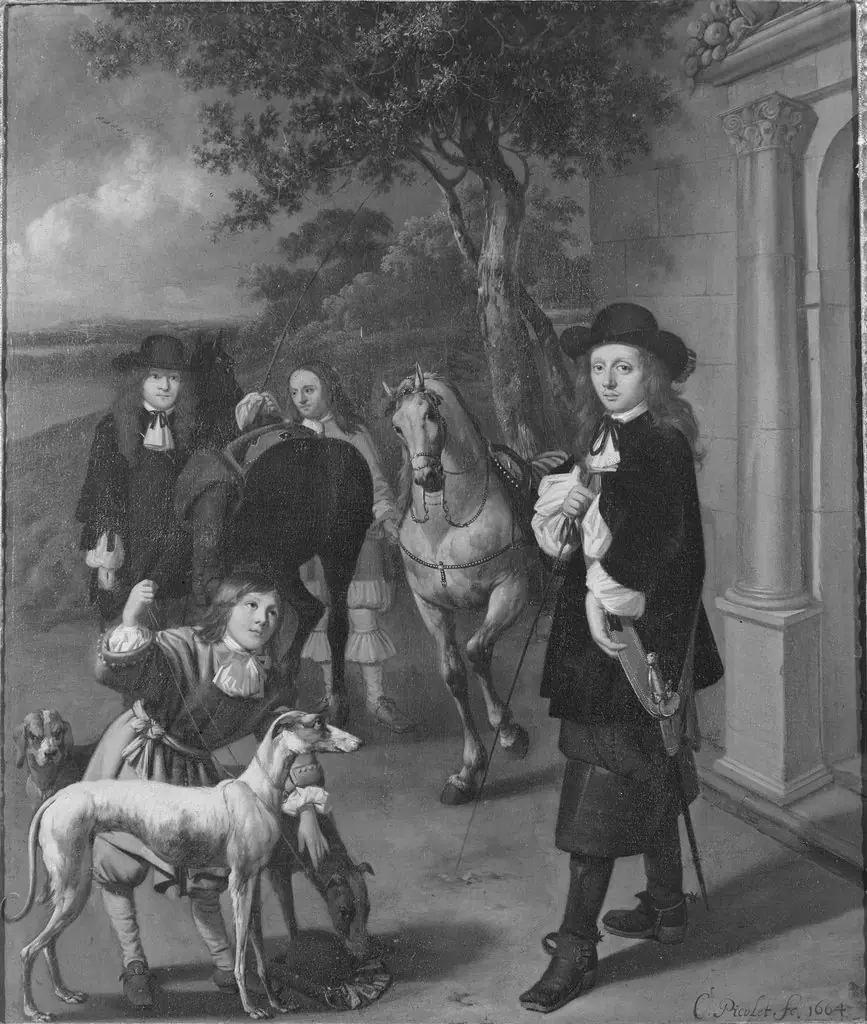 Two young men preparing to go horseback riding
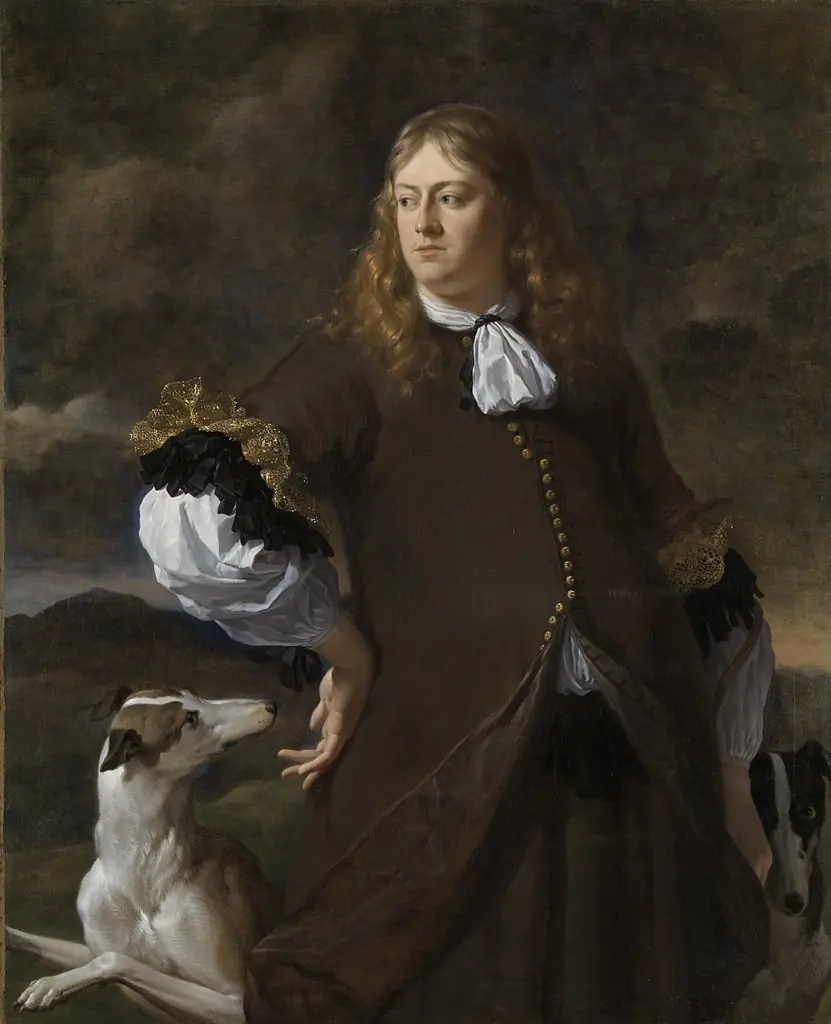 Joan Reynst (1636-1695), lord of Drakestein and the Vuursche. Captain of the Amsterdam militia in 1672
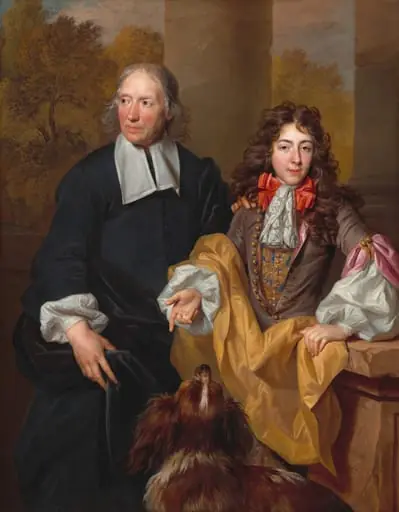 Portrait of a Young Man and His Tutor