Artwork
Landscape
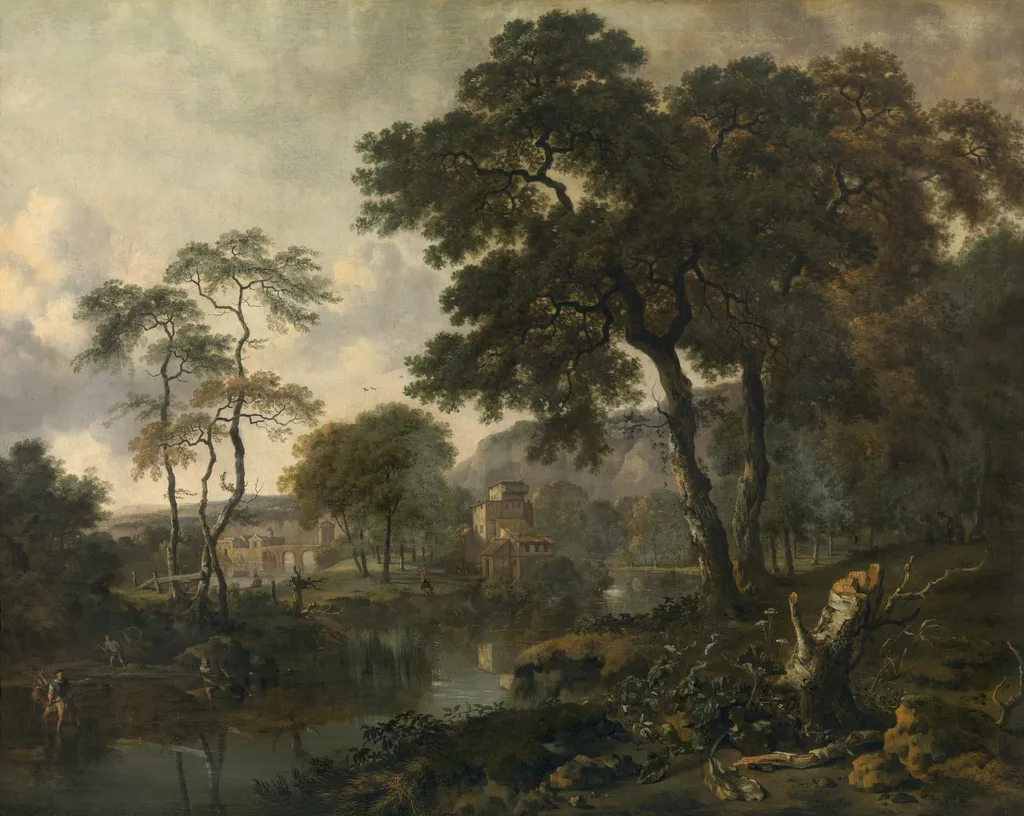
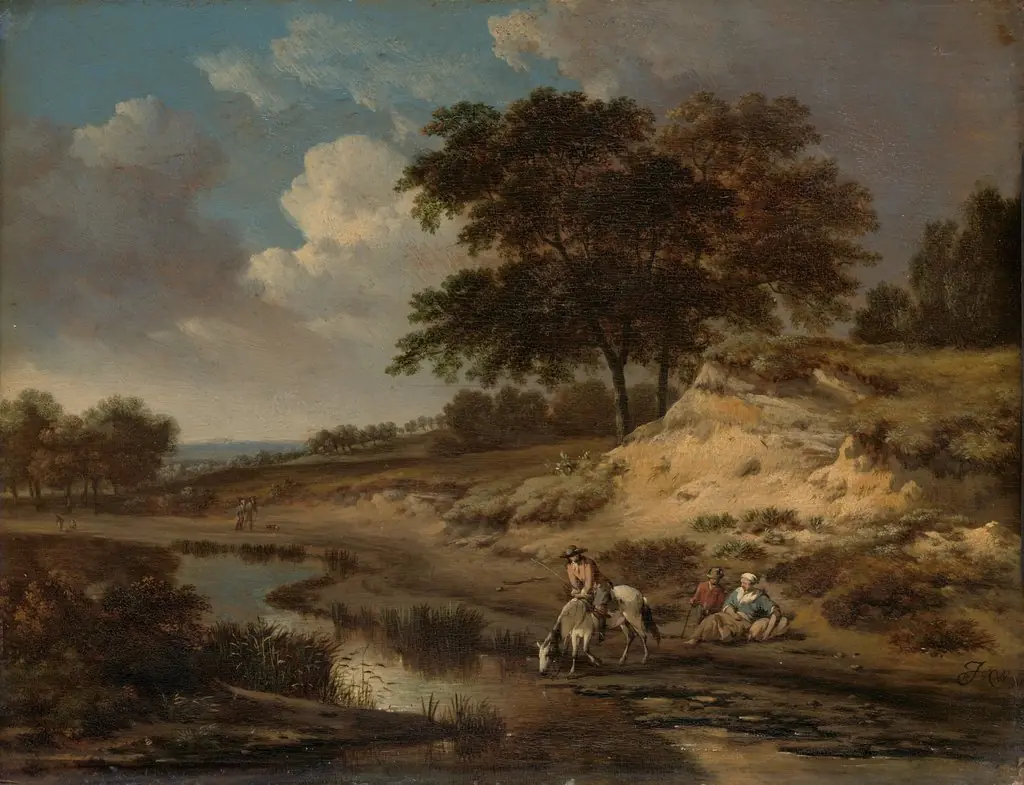
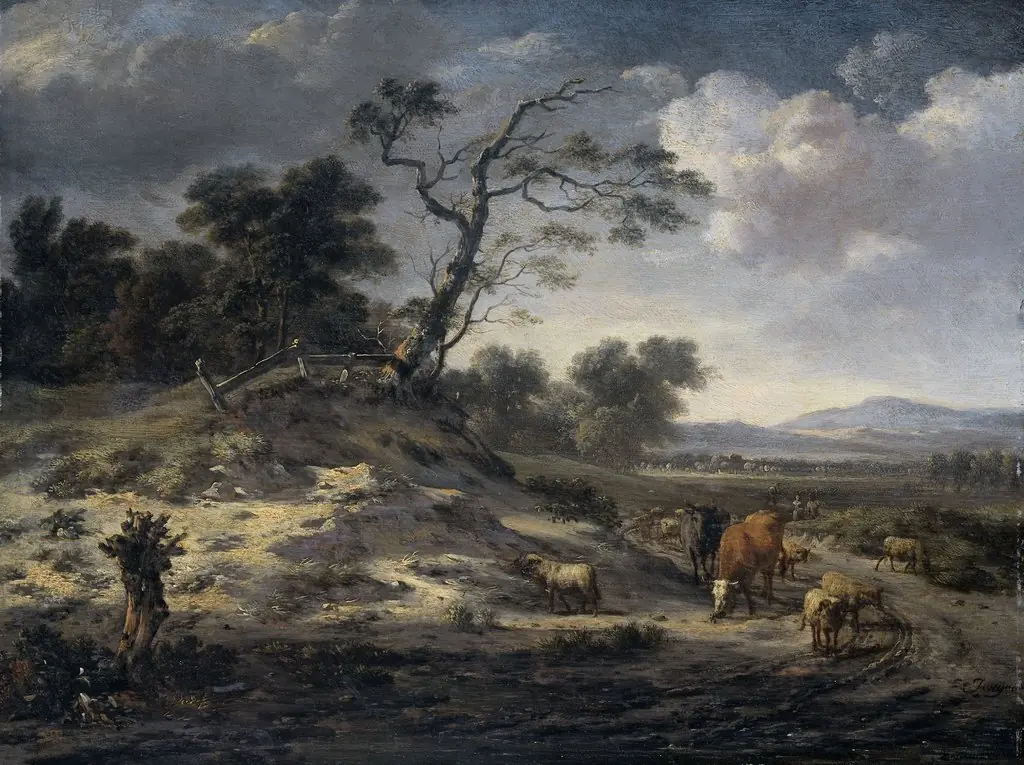
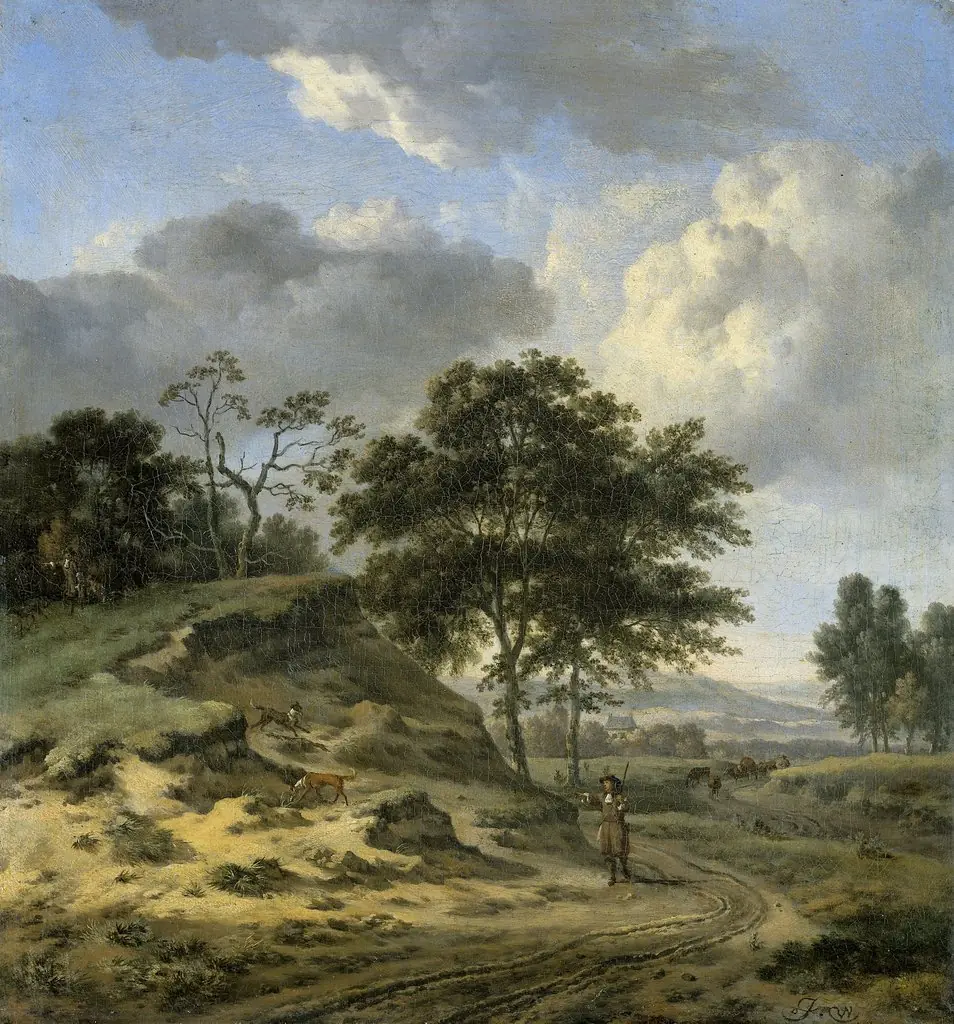
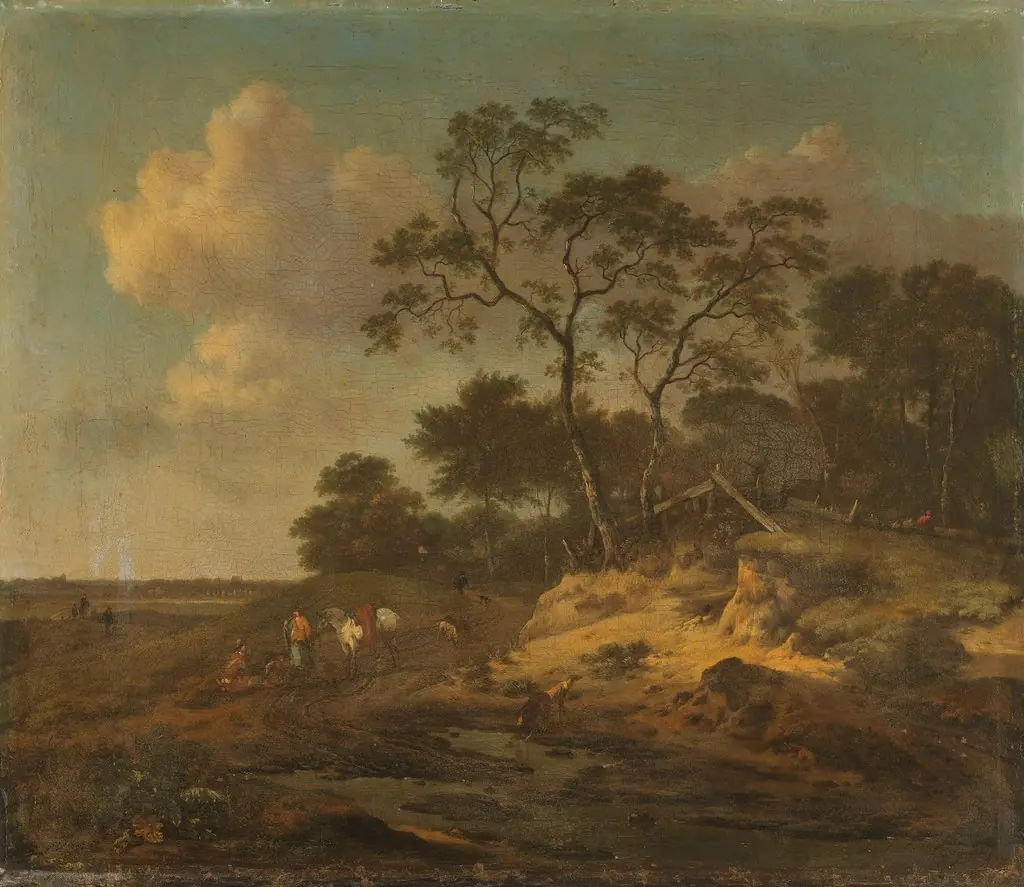
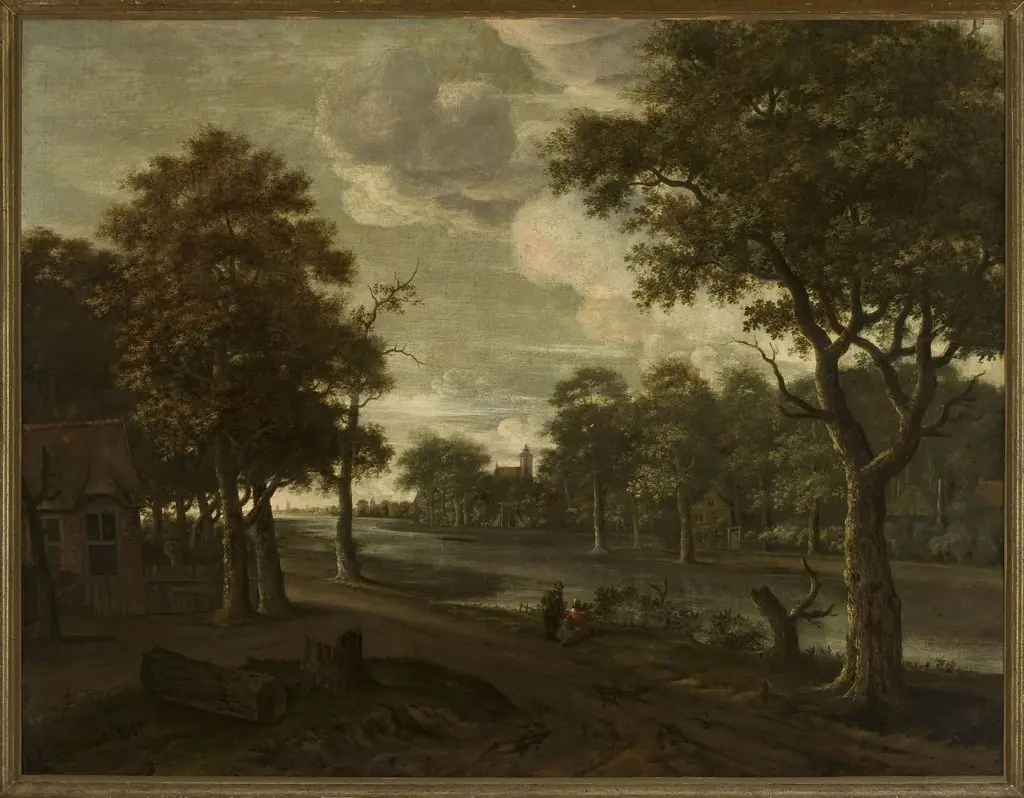
Landscape is an oil painting by the Dutch Golden Age artist Jan Wijnants. It dates from 1670 and is held in the collection of the Royal Museum of Fine Arts Antwerp.
About this work
Overview
Painted in 1670, this oil-on-canvas landscape is attributed to Jan Wijnants, a Dutch artist known for his quiet rural scenes. It resides in the Royal Museum of Fine Arts Antwerp, where it exemplifies the Northern European tradition of landscape painting during the late seventeenth century. The composition balances natural elements with subtle human presence, reflecting a calm, contemplative mood.
Subject & Meaning
Distant structures and water suggest a quiet rural settlement, while a solitary figure near the shore introduces a human scale without narrative intrusion.
The scene presents a tranquil countryside with a dominant tree in the foreground, its limbs reaching into a clouded sky. Distant structures and water suggest a quiet rural settlement, while a solitary figure near the shore introduces a human scale without narrative intrusion. The absence of activity emphasizes stillness, aligning with contemporary ideals of harmony between people and the natural world.
Technique & Style
Wijnants employed a restrained palette of muted greens, browns, and grays to evoke atmospheric depth. Brushwork is delicate, with soft transitions between land, sky, and water. The tree’s form anchors the composition, while the distant horizon and sparse birds suggest spatial recession. Light is diffused, enhancing the sense of quietude without dramatic contrast.
History & Provenance
The painting entered the collection of the Royal Museum of Fine Arts Antwerp in the nineteenth century, likely through acquisitions of Dutch and Flemish works from private collections. Its attribution to Wijnants is consistent with stylistic parallels in his known oeuvre, though no earlier documentation of its ownership before the 1800s has been firmly established.
Context
In the 1670s, Dutch and Flemish artists increasingly turned to landscapes as subjects worthy of independent study, detached from religious or mythological themes. Wijnants contributed to this trend by emphasizing mood over detail, favoring serene, open vistas that appealed to urban patrons seeking respite from city life through art.
Legacy
Wijnants’s landscapes, including this work, influenced later generations of Northern painters who prioritized atmosphere and subtle tonal variation. Though less celebrated than contemporaries like Ruisdael, his restrained approach helped shape a quieter strand of landscape tradition, valued for its introspective quality rather than grandeur.
Own this work as a print
Artist & collection

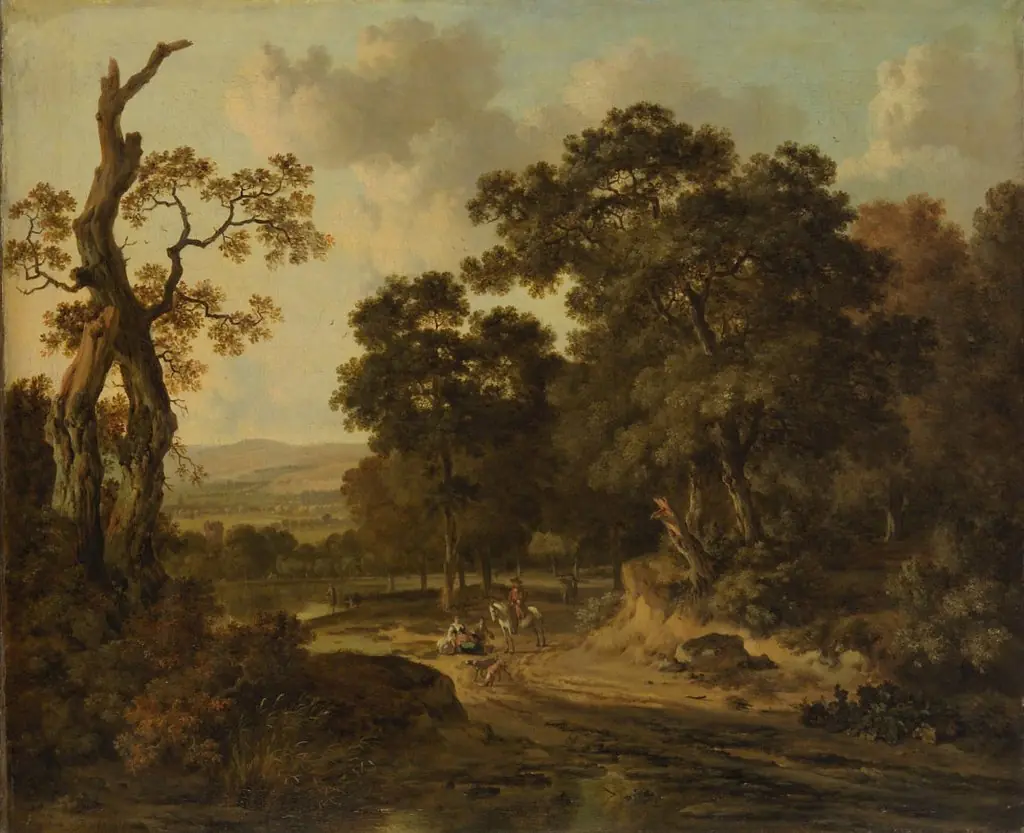 Waldeingang
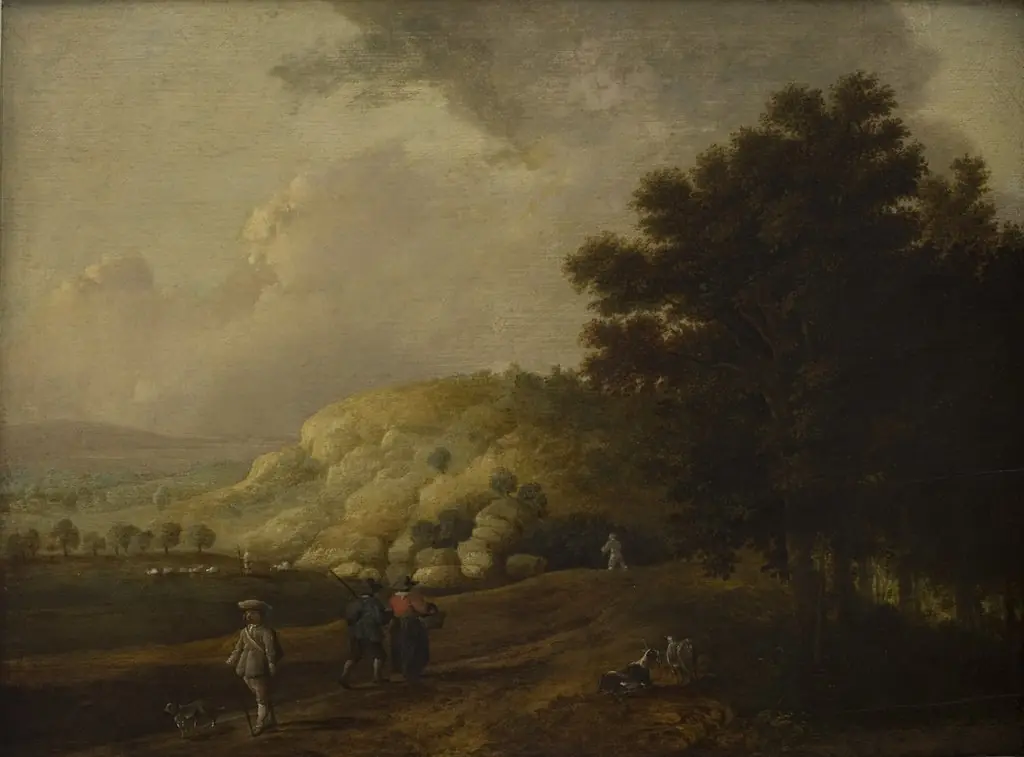 Landscape
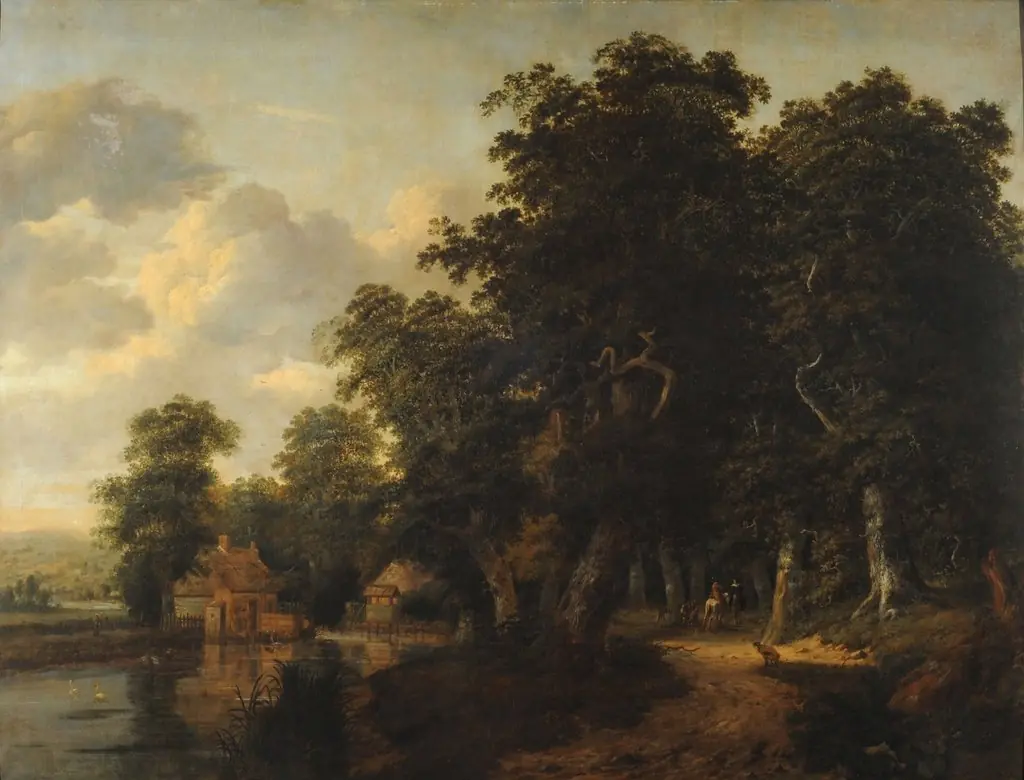 Wooded landscape with river and characters
 Small blue
 Mountainous landscape
 Landscape with Anglers and a Distant Town
 Landscape with fisherman with a square net
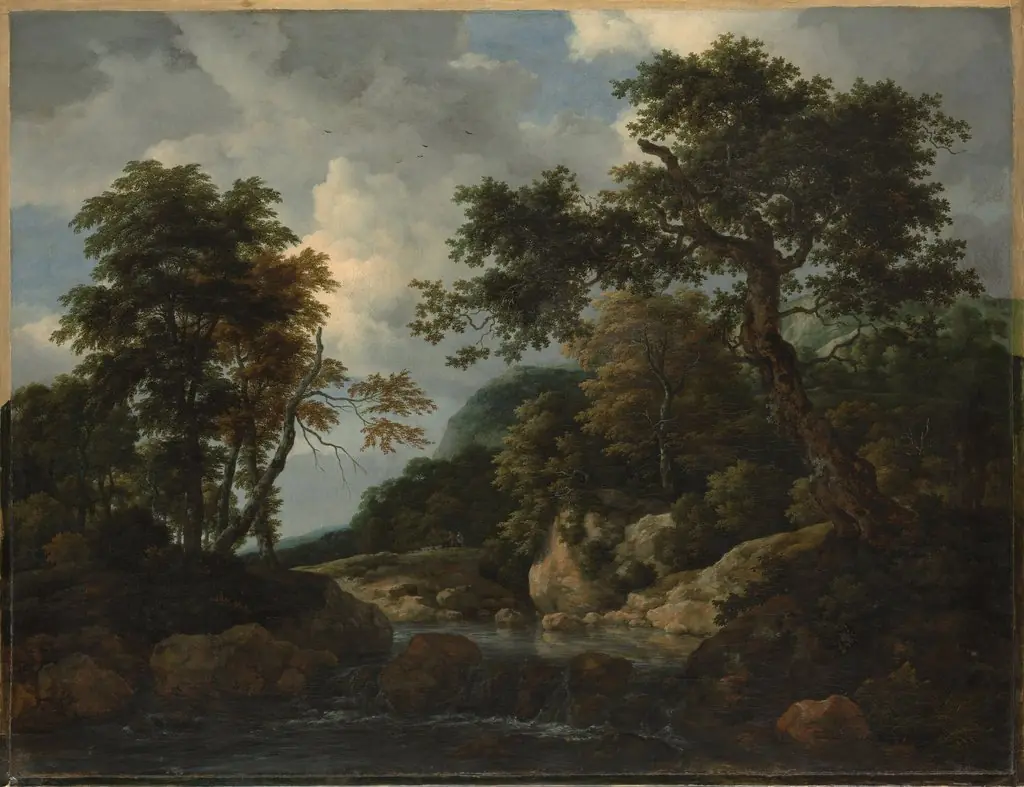 The Forest Stream
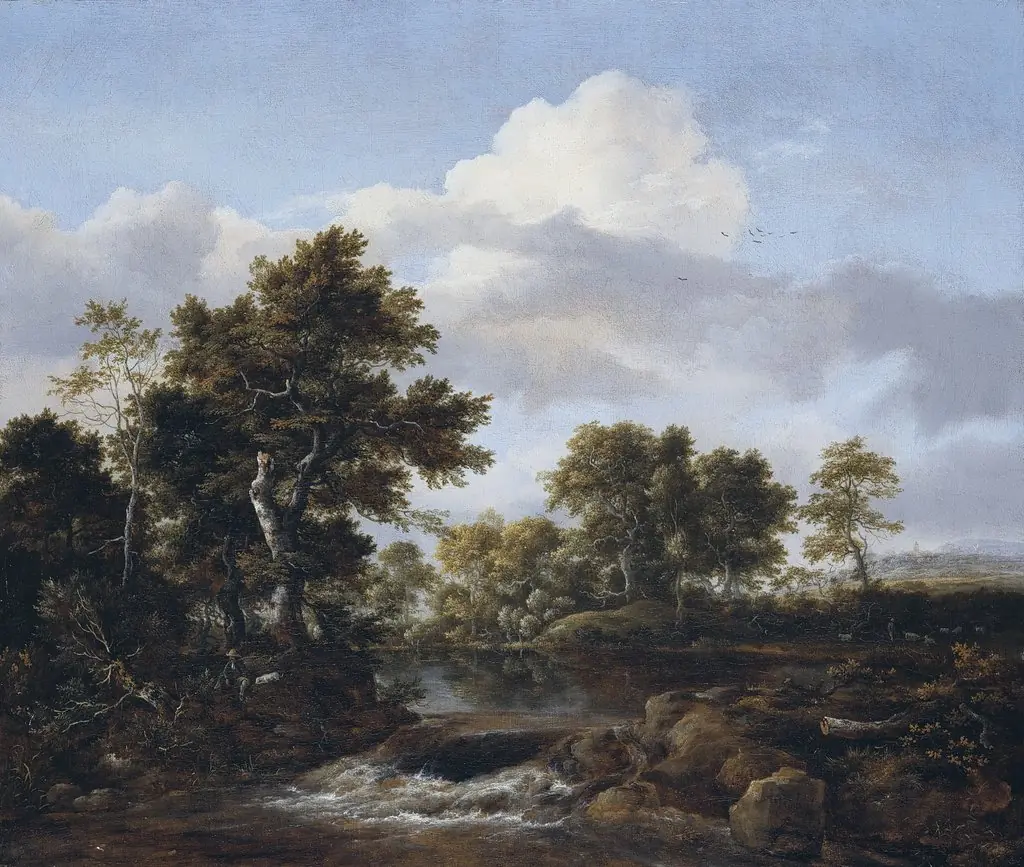 Wooded Landscape with a Stream
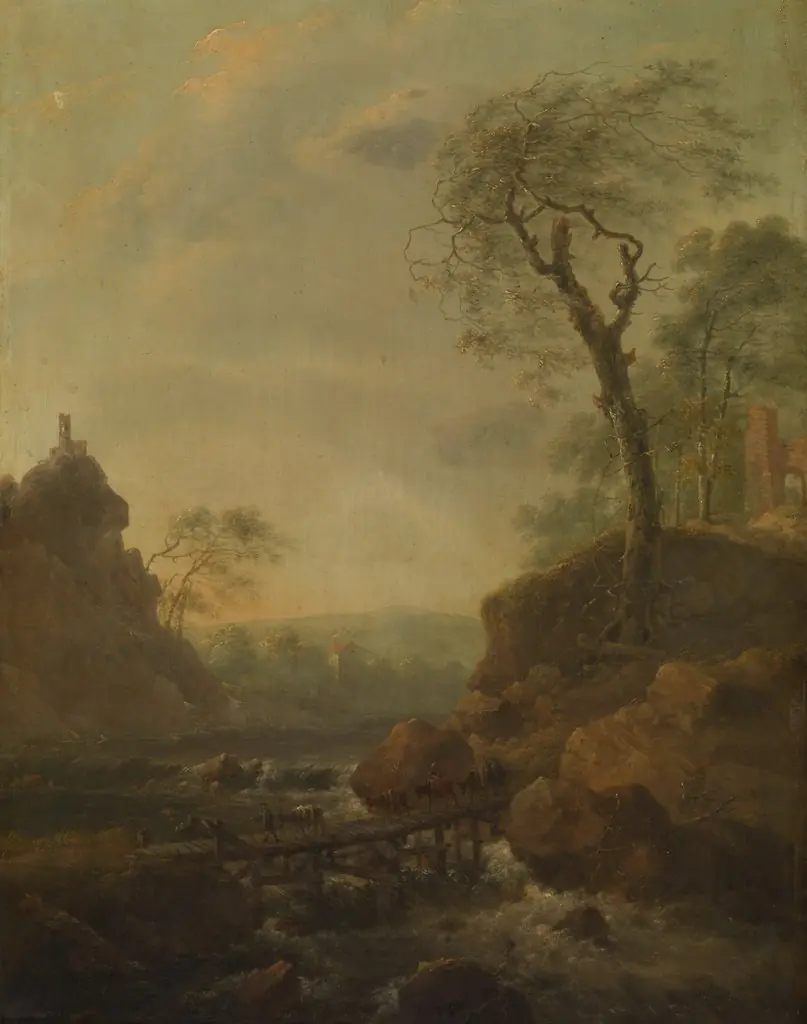 Landscape
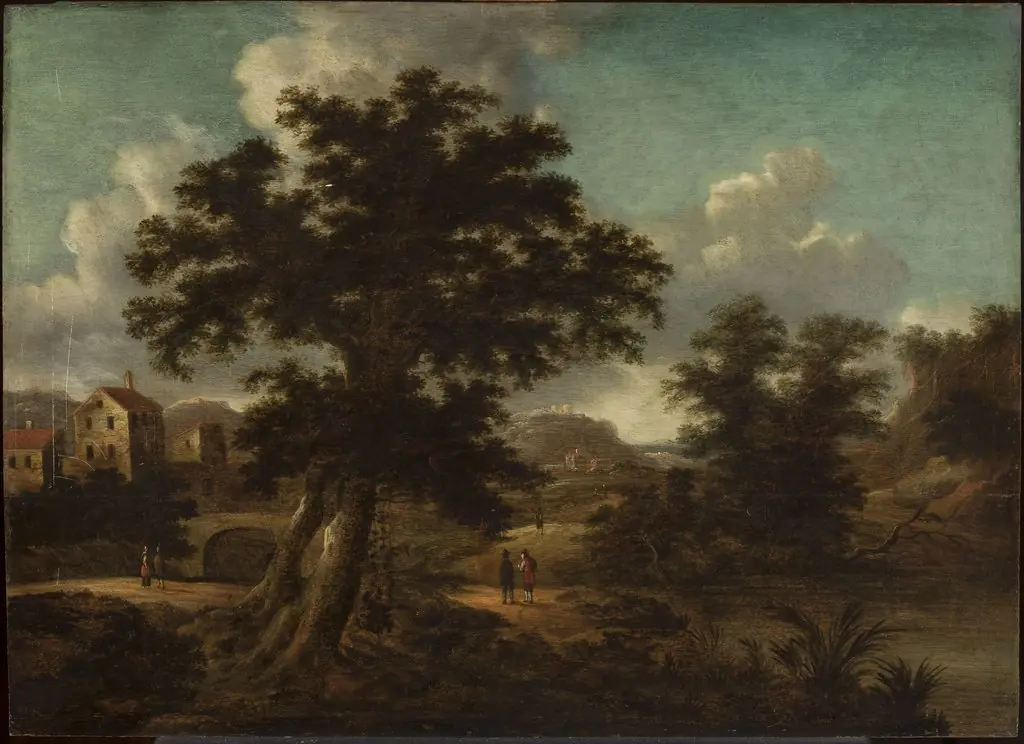 Landscape with a bridge, a large tree and travellers
 Riverside landscape