Artwork
Portrait of Józef Pakies
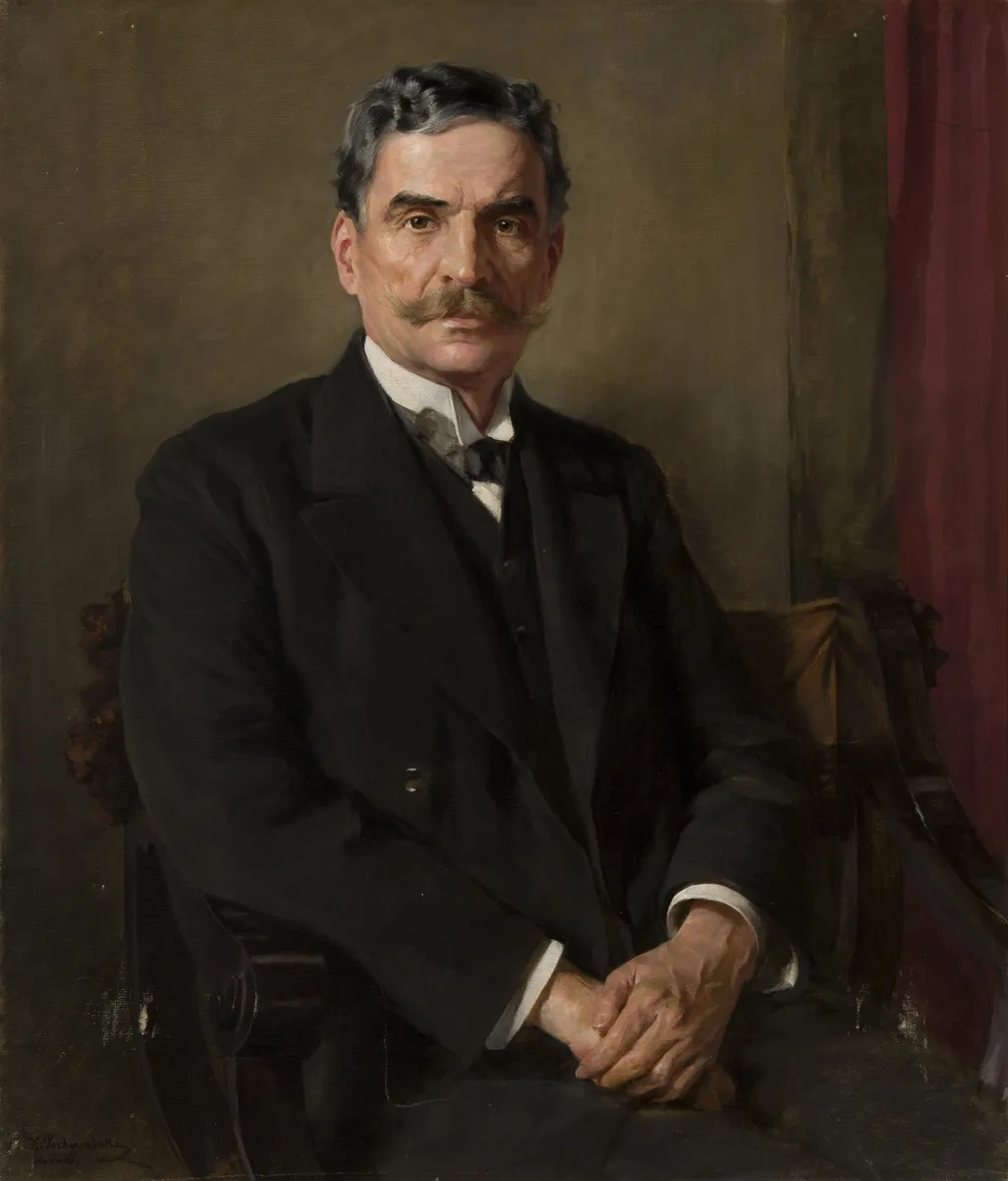
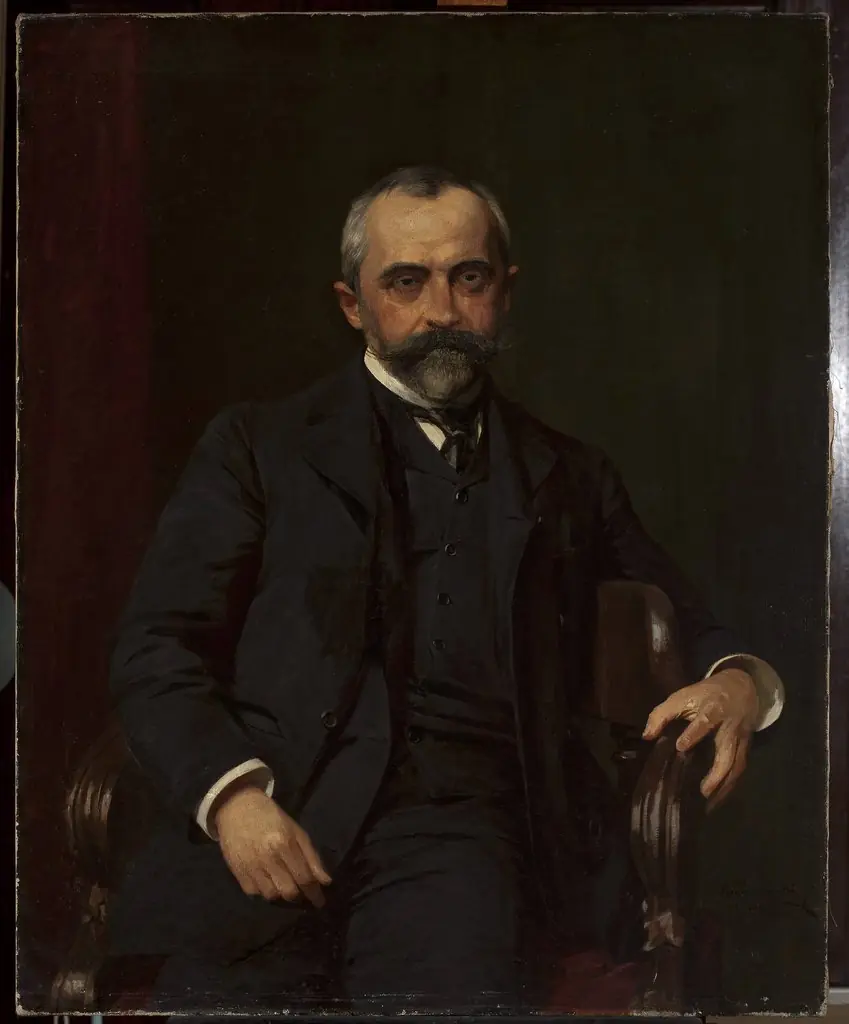
Portrait of Józef Pakies is an oil painting by Kazimierz Pochwalski. It dates from 1914 and is held in the collection of the National Museum in Kraków.
About this work
Overview
Rendered with restrained elegance, the painting reflects early 20th-century Polish academic traditions, emphasizing quiet dignity over theatricality.
Painted in 1914 by Polish artist Kazimierz Pochwalski, this oil portrait captures Józef Henryk Pakies, a figure of modest public prominence. The work is part of the National Museum in Kraków’s permanent collection and exemplifies Pochwalski’s focus on psychological portraiture. Rendered with restrained elegance, the painting reflects early 20th-century Polish academic traditions, emphasizing quiet dignity over theatricality.
Subject & Meaning
Józef Pakies is depicted seated, hands gently clasped, his gaze directed slightly downward. His dark suit and white collar suggest formality, perhaps professional or civic status, though no symbols of rank are present. The absence of props or elaborate setting directs focus to his expression—an unsmiling, contemplative stillness. The portrait conveys inner gravity rather than external achievement, inviting quiet reflection on the sitter’s character.
Technique & Style
Pochwalski employs chiaroscuro to model the face and hands with subtle gradations of light, lending volume and tactile presence. The background, a soft brown gradient, recedes without distraction, enhancing the figure’s solidity. Brushwork is precise yet unobtrusive, avoiding overt flourish. The palette is muted, dominated by earth tones and neutral contrasts, reinforcing the painting’s solemn tone and psychological depth.
History & Provenance
The portrait entered the National Museum in Kraków’s collection shortly after its completion in 1914. No record indicates prior private ownership, suggesting it may have been commissioned directly by the sitter or a close associate. Its preservation within a public institution reflects its recognition as a representative example of Polish academic portraiture during the final years of the Austro-Hungarian partition.
Context
Created on the eve of World War I, the portrait reflects a moment when Polish artists, operating under foreign rule, cultivated a quiet cultural identity through domestic subjects. Pochwalski’s style aligned with late 19th-century academic norms, yet his focus on introspective realism distinguished him from more ornate contemporaries. This work embodies a broader trend of dignified, unadorned portraiture among Central European intelligentsia.
Legacy
Though not widely exhibited beyond regional collections, the portrait remains a reference point in studies of Polish interwar portraiture. Pochwalski’s restrained approach influenced later generations who sought emotional authenticity over spectacle. The painting’s endurance in the National Museum underscores its value as a quiet, enduring record of individual presence amid historical upheaval.
Own this work as a print
Artist & collection
Artist
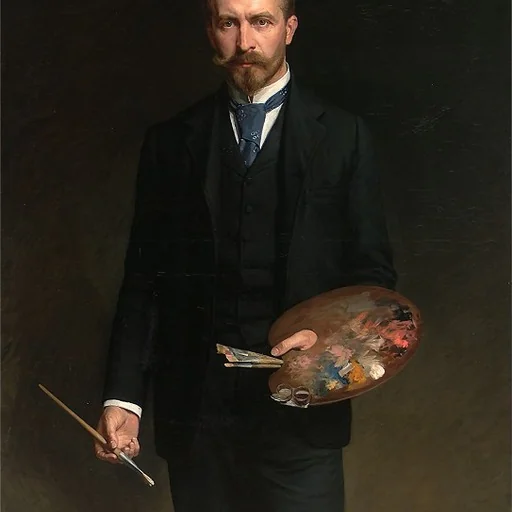
Kazimierz Teofil Pochwalski (25 December 1855 – 7 November 1940) was a Polish painter known primarily for his portraits, although he produced works in a wide variety of genres.

 Jacob Christiaan Koningsberger (1867-1951). Chairman of the People's Council (1918-19)
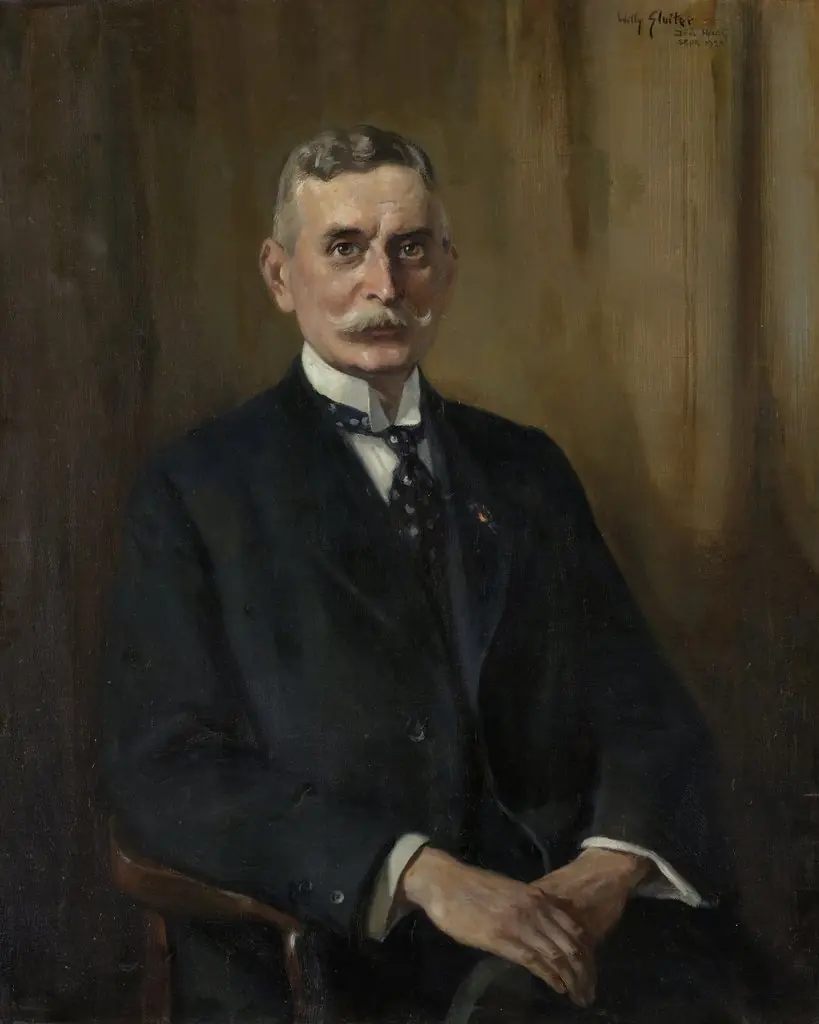 Jacob Christiaan Koningsberger (1867-1951). Chairman of the People's Council (1918-19)
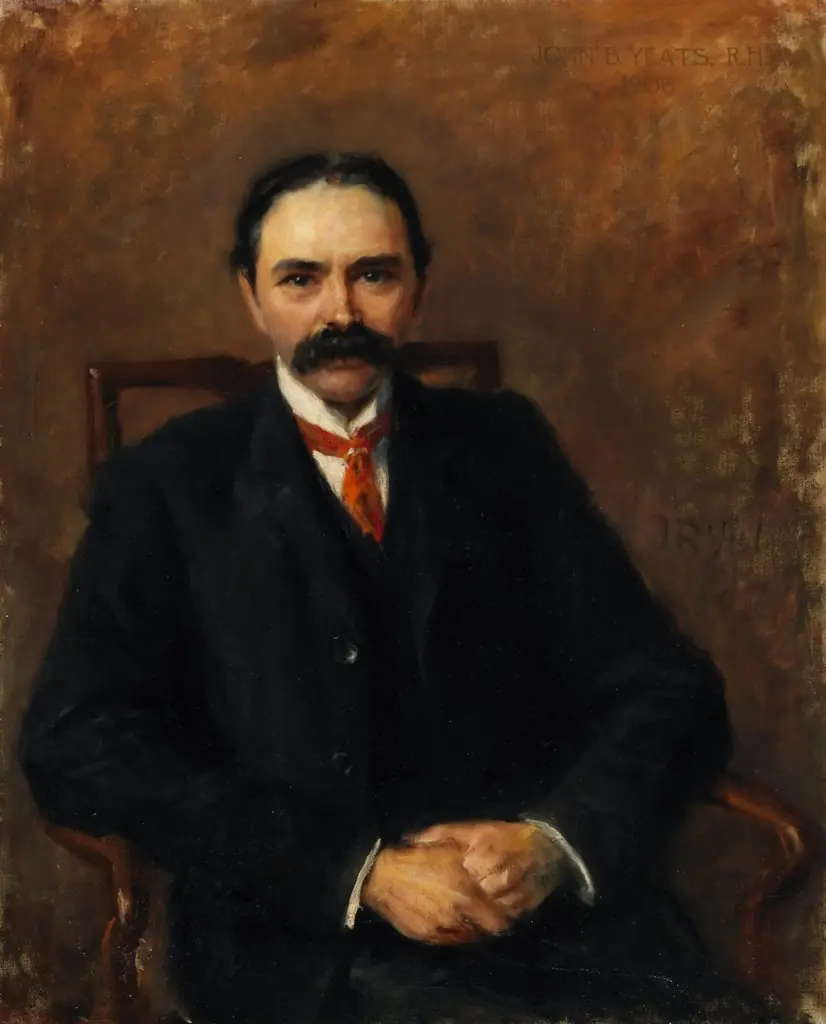 Portrait of Douglas Hyde, First President of Ireland (1860-1949), Poet and Scholar
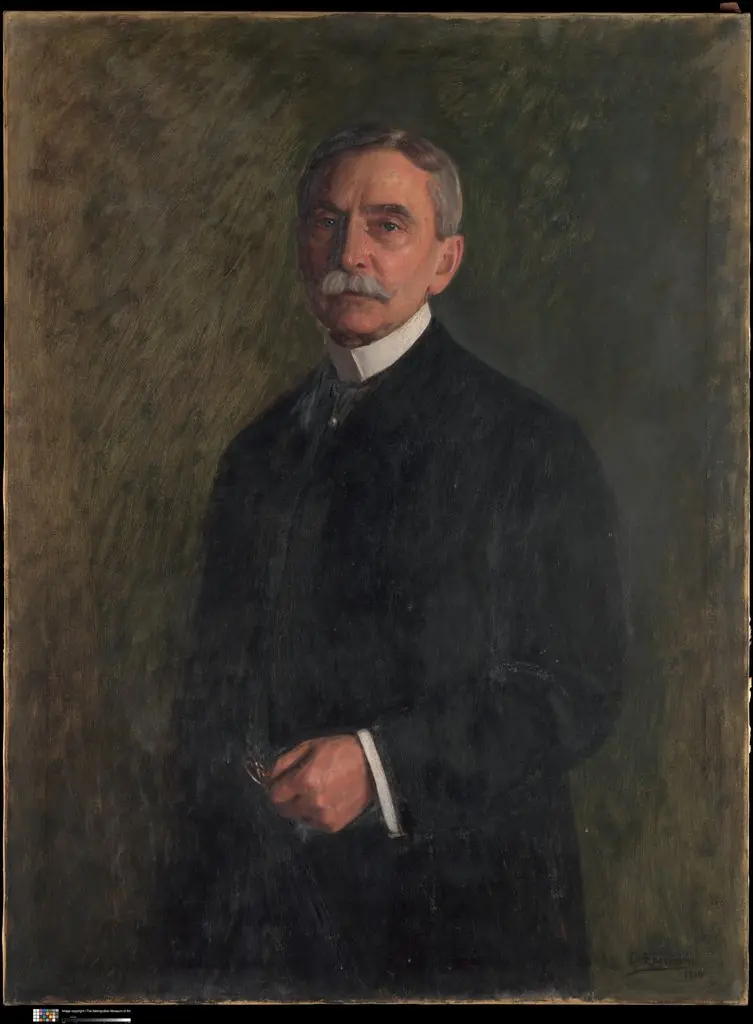 Portrait of Isaac D. Fletcher
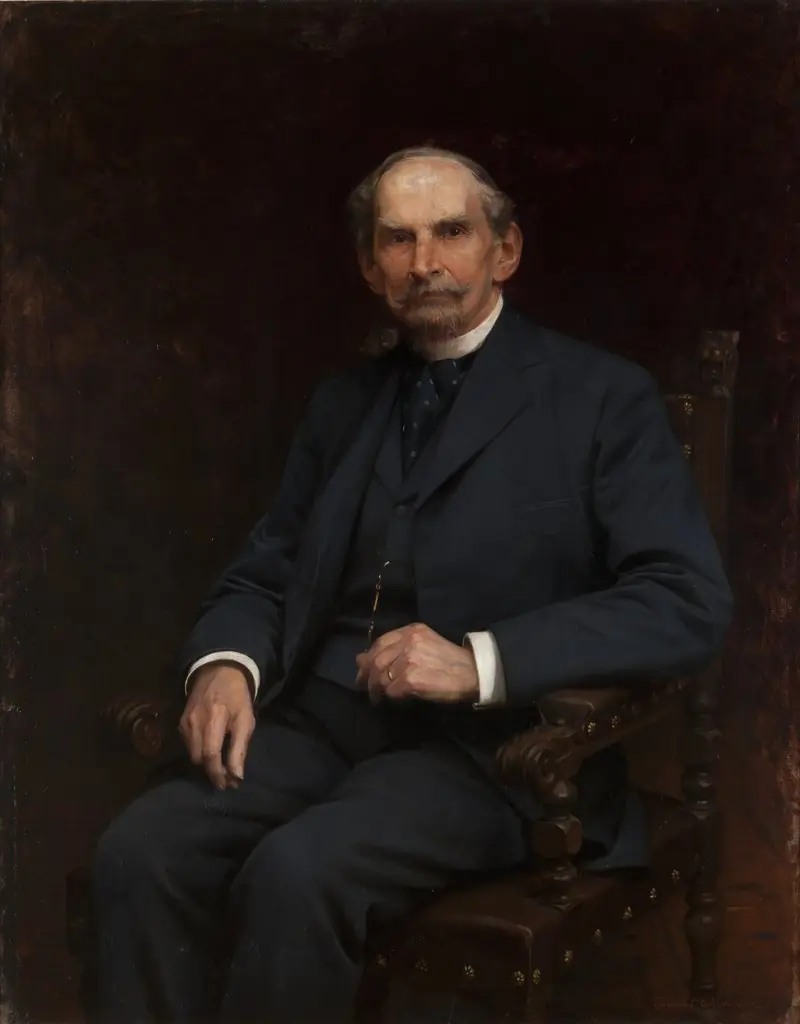 Portrait of Florian Ziemiałkowski
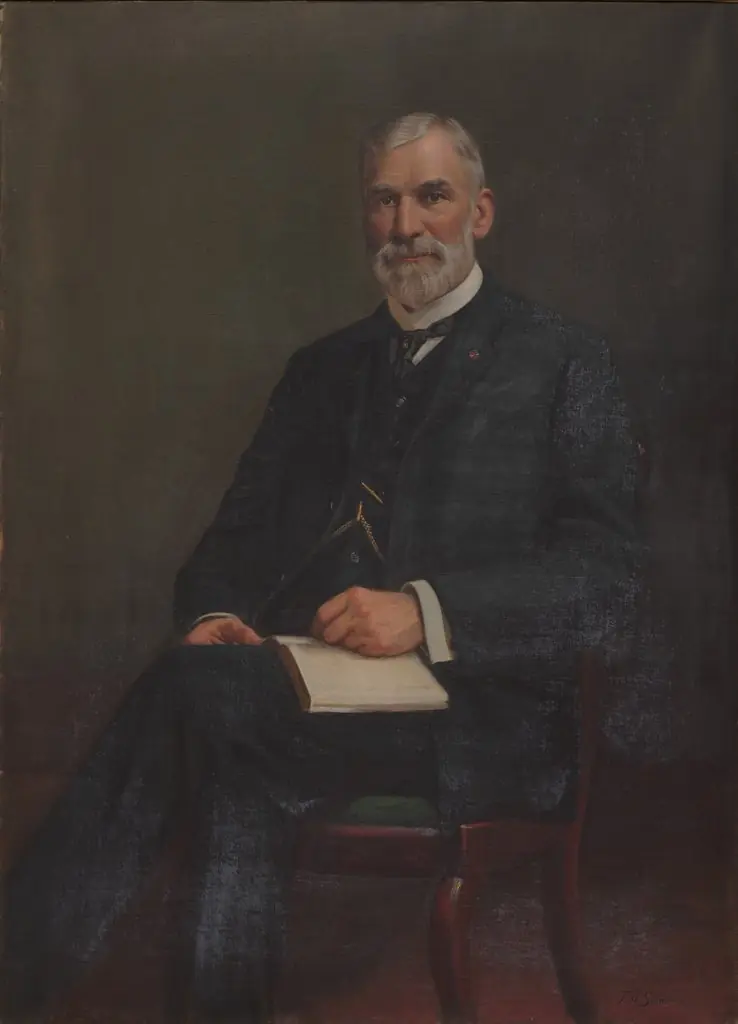 Henry C. Ranney
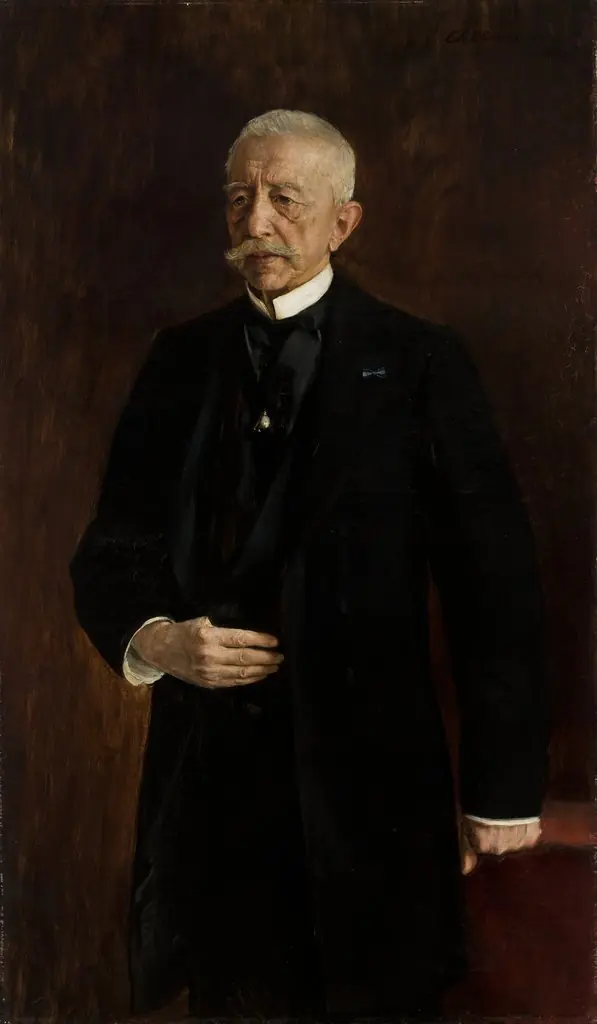 Portrait of Wiktor Osławski
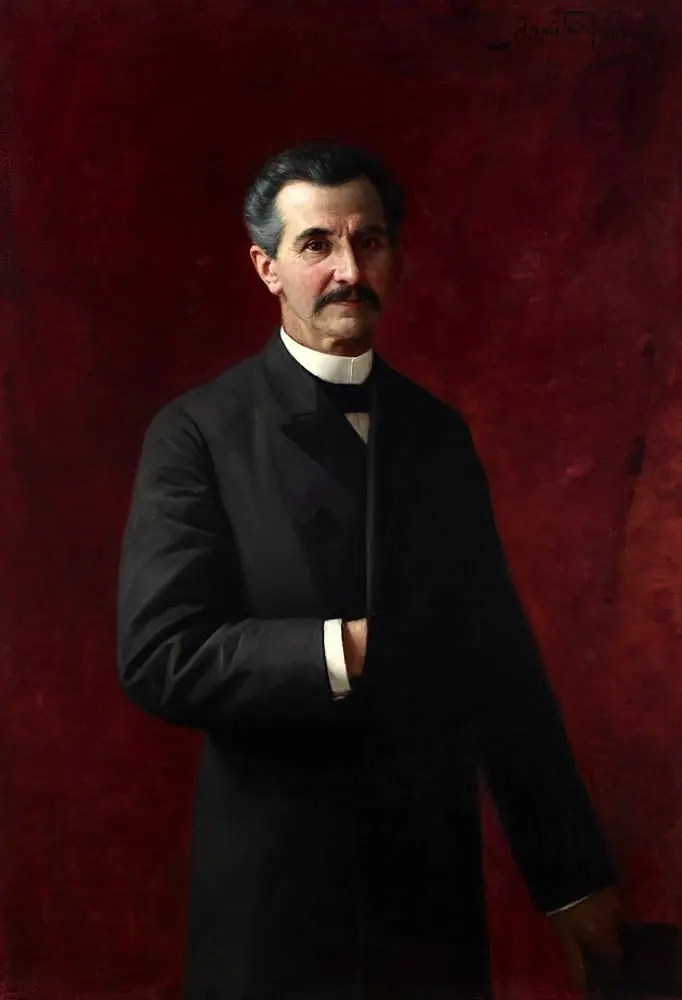 Portrait of Dr Feliks Sommer
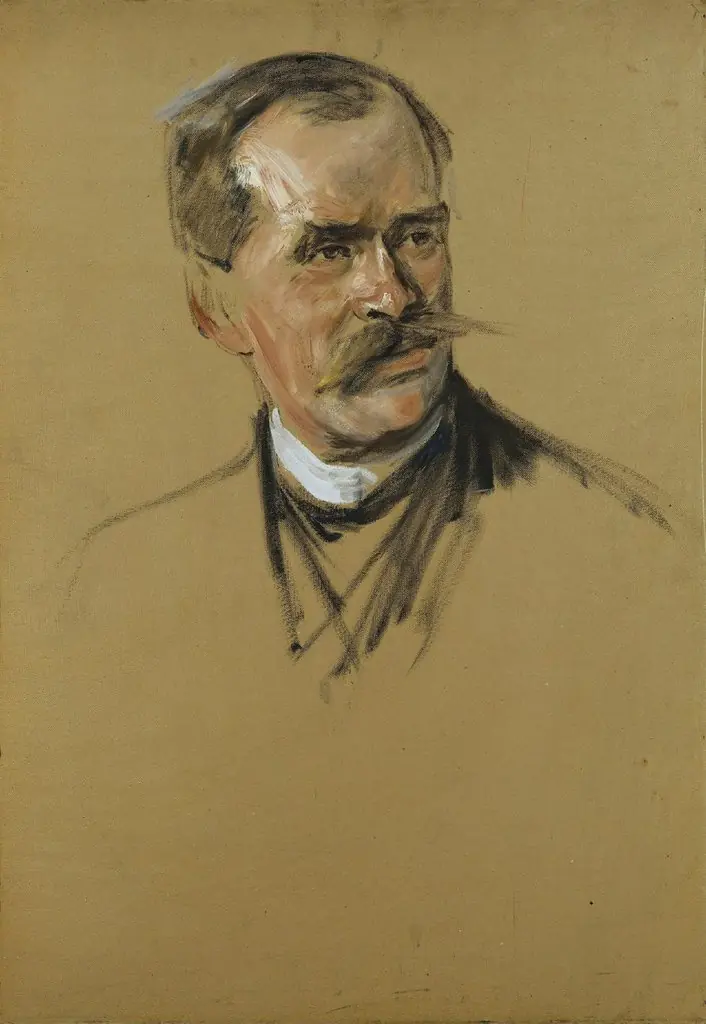 Professor Eduard Zacharias
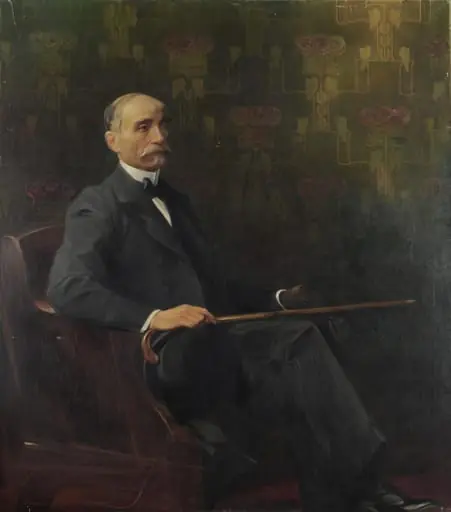 Προσωπογραφία του Ανάργυρου Σιμόπουλου
 Portret van Isaac de Bruijn (1872-1953)
 Portrait of Stanisław Łomiński