Artwork
Lady Seated in a Boston Rocker
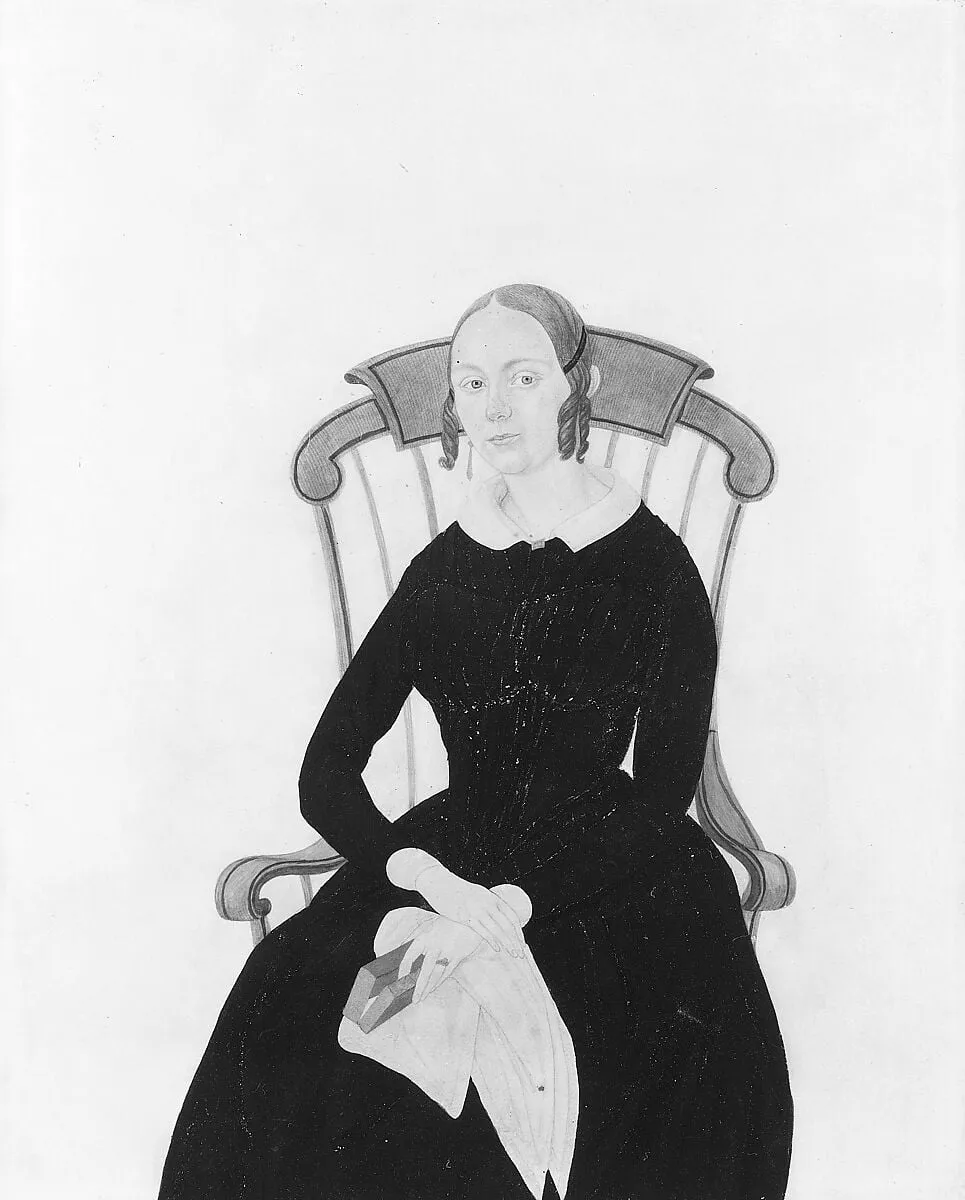
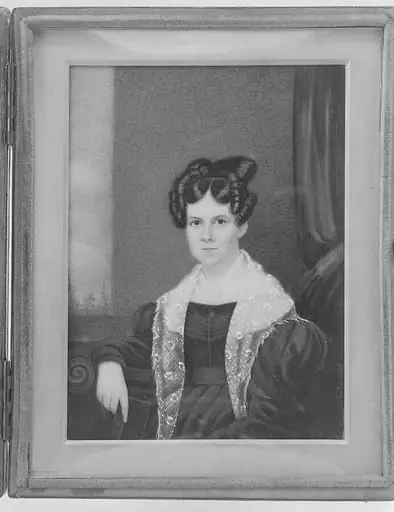
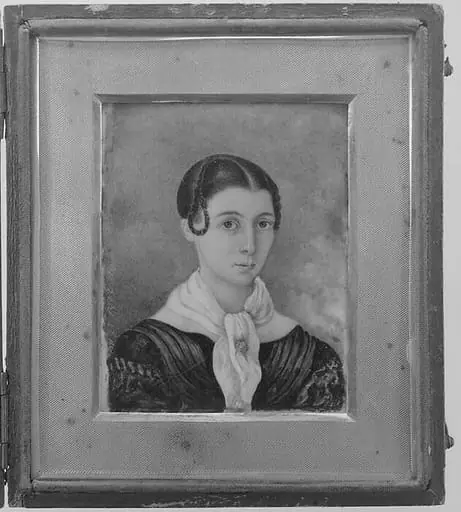
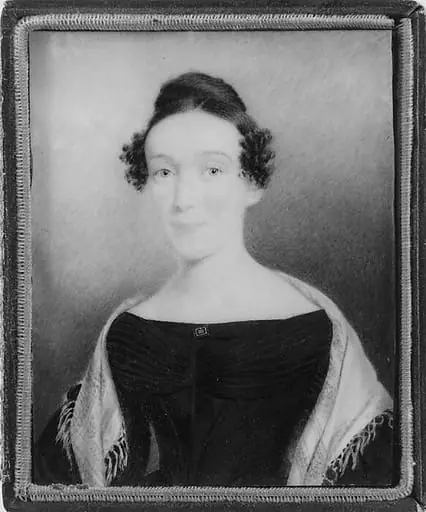
Lady Seated in a Boston Rocker is a watercolor work on paper by the American Folk Art artist Jane Anthony Davis. It dates from 1838 and is held in the collection of the Metropolitan Museum of Art.
About this work
If you like this, look up the subject portraits, women, american, woman for more faces from the same time.
A woman sits sideways in a wooden rocking chair, her hands folded in her lap. The chair’s curved slats and woven seat fill the right side of the picture. Soft light falls on her face and the ruffles of her dress.
This watercolor was painted in 1850, when most portraits were oil on canvas. Davis used thin, see-through layers—called glazing—to build up color without losing the paper’s grain. The result feels quiet, almost like a photograph.
If you like this, look up the subject portraits, women, american, woman for more faces from the same time.
Overview
Lady Seated in a Boston Rocker is a small portrait executed in watercolor and graphite on smooth tan wove paper. The composition shows a woman turned slightly away from the viewer, seated in a wooden rocker with its curved slats and woven seat dominating the right side of the image. Soft illumination highlights the sitter’s face and the delicate folds of her dress, creating a calm, intimate atmosphere.
Subject & Meaning
The work depicts an unnamed woman, hands folded calmly in her lap, suggesting a moment of quiet contemplation. The pose and domestic setting reflect mid‑nineteenth‑century ideals of feminine modesty and interiority, common themes in American folk portraiture, where the sitter’s demeanor often conveys moral virtue and personal steadiness.
Technique & Style
Davis employed thin, translucent washes of watercolor, building color through successive glazing that preserves the paper’s texture. Graphite outlines define the figure and furniture, while the delicate handling of light gives the surface a photographic subtlety unusual for the period, when oil on canvas was the dominant medium for portraiture.
History & Provenance
Born in Warwick, Rhode Island, in 1821, Jane Anthony Davis created the piece in the late 1830s or early 1850s, during her formative years before marriage in 1841. The drawing entered the American Wing collection of the museum, where it remains documented as an example of early American folk art.
Context
At a time when most American portraitists worked in oil, Davis’s choice of watercolor on paper aligns with the folk tradition that favored accessible materials and a more informal aesthetic. Her education at the Warren Ladies Seminary and her later domestic life situate the work within the broader pattern of women artists who combined genteel training with personal artistic practice.
Artist & collection

Artist
Jane Anthony Davis (September 2, 1821 – April 1855), was an American artist. Until 1981 she was known only as J. A. Davis. Davis was born Jane Anthony in Warwick, Rhode Island, the daughter of Giles Anthony and Sara…