Artwork
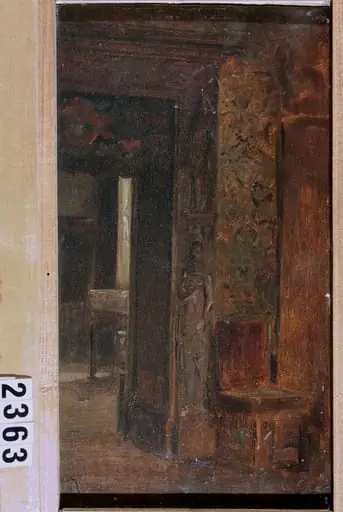
Vanha talonpoikaiskaappi, luonnos
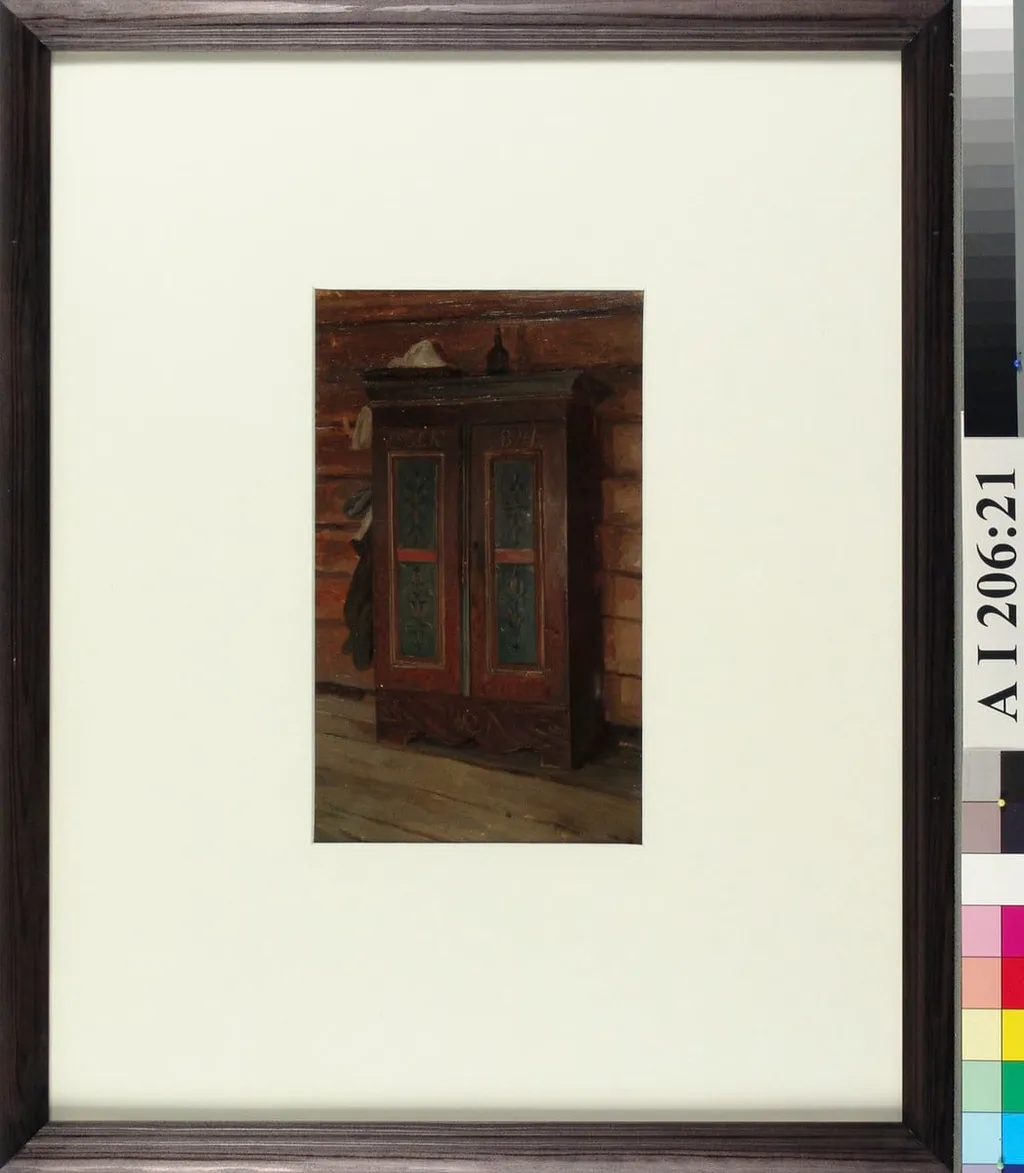
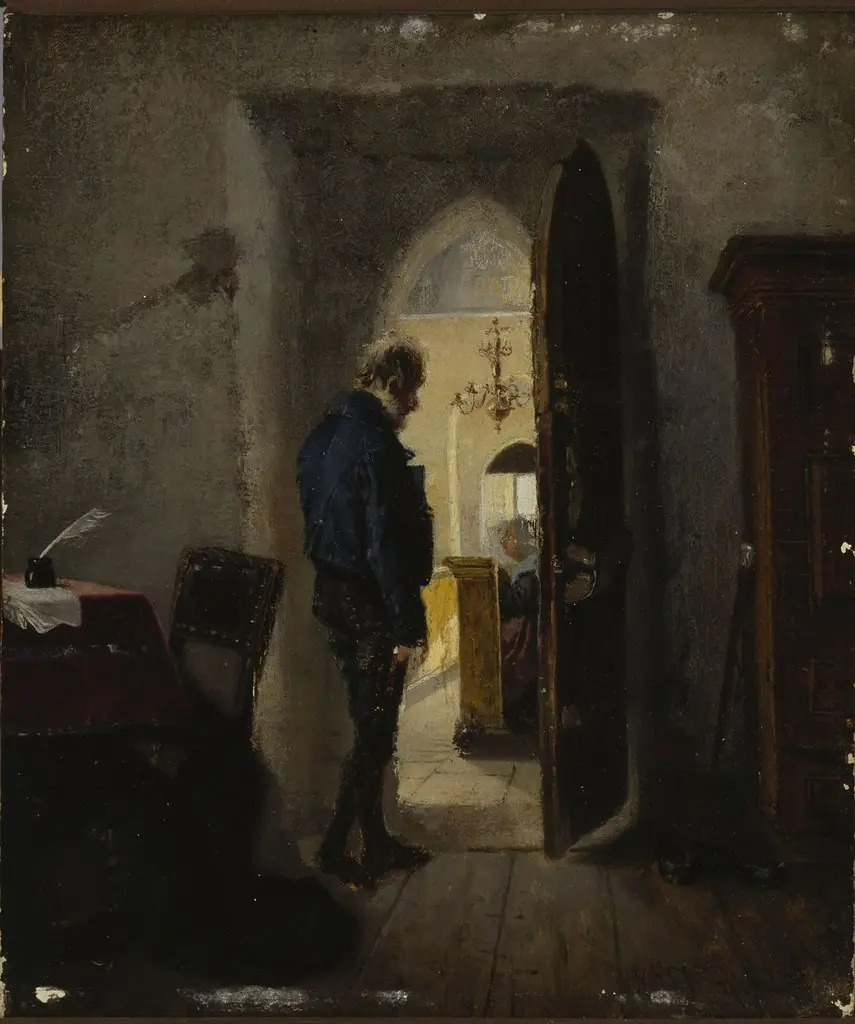
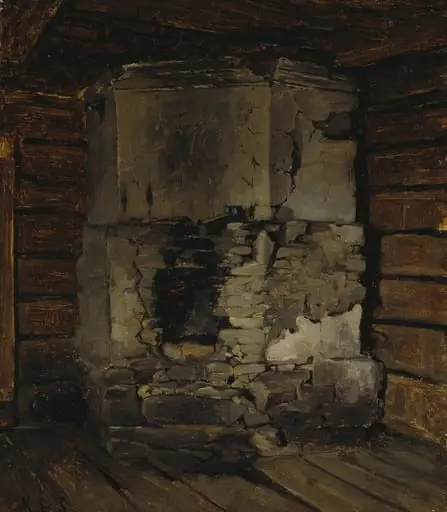
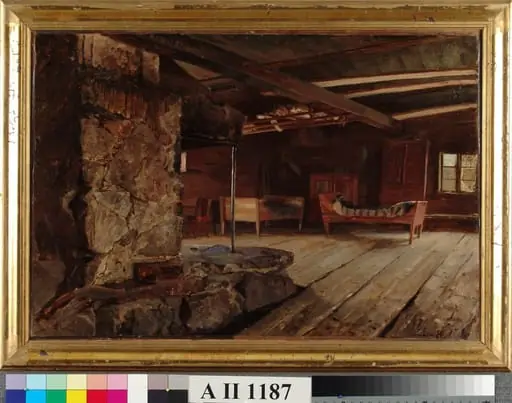
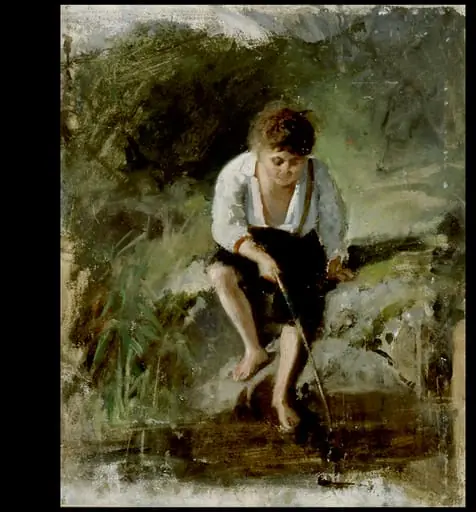
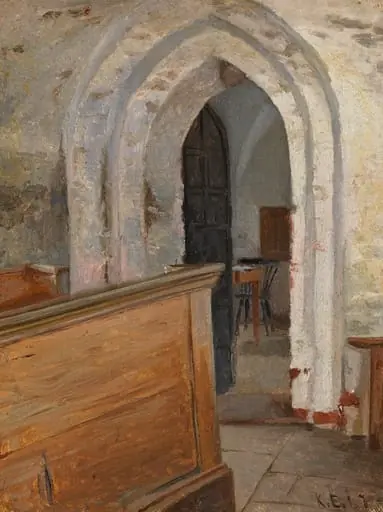
Vanha talonpoikaiskaappi, luonnos is an unspecified painting by Karl Jansson. It dates from 1870 and is held in the collection of the Finnish National Gallery. Created around 1870 by Karl Emanuel Jansson, this drawing captures a rural Finnish cabinet in quiet detail.
About this work
Overview
Rendered in monochrome, the work focuses on a weathered wooden storage unit with glass doors, situated within a modest interior.
Created around 1870 by Karl Emanuel Jansson, this drawing captures a rural Finnish cabinet in quiet detail. Rendered in monochrome, the work focuses on a weathered wooden storage unit with glass doors, situated within a modest interior. The composition avoids ornamentation, emphasizing the cabinet’s age and functional presence in domestic life. The artist’s attention to texture and shadow suggests a deliberate study of ordinary objects rather than a decorative piece.
Subject & Meaning
The cabinet, likely used for storing household goods such as ceramics or food vessels, represents the material culture of rural Finnish households in the 19th century. Its worn surfaces and faded interior paintings reflect years of use and modest means. The presence of a white cloth or hat on the upper shelf hints at personal, everyday rituals. The scene holds no narrative drama, instead conveying dignity in routine and the quiet endurance of domestic objects.
Technique & Style
Jansson employed a restrained, observational approach, using tonal contrasts to define the cabinet’s grain and the room’s rough surfaces. The drawing’s soft lines and muted shading suggest pencil or charcoal on paper, with careful attention to the play of light on glass and wood. The absence of color heightens the sense of age and simplicity, aligning with 19th-century Nordic realism that valued truth over embellishment.
History & Provenance
The work dates from Jansson’s period of interest in Finnish folk life, likely produced during his travels or studies in rural areas. It was not exhibited publicly in its time but remained in private or academic collections. Its survival as a preparatory study indicates its value as a document of material culture, later recognized by institutions focused on ethnographic heritage.
Context
In late 19th-century Finland, a growing interest in national identity led artists and scholars to record traditional rural customs and objects. Jansson’s drawing aligns with this movement, capturing everyday items before industrialization altered domestic life. Similar studies were undertaken by ethnographers and painters seeking to preserve a vanishing way of life, often through precise, unembellished observation.
Legacy
Though not widely known outside Finland, the drawing contributes to a broader archive of Nordic domestic artifacts. It is referenced in studies of folk material culture and occasionally displayed in institutions like the Museum of Ethnography, where it serves as a quiet testament to the aesthetics of utility and the dignity of ordinary things in pre-industrial society.
Artist & collection
Artist
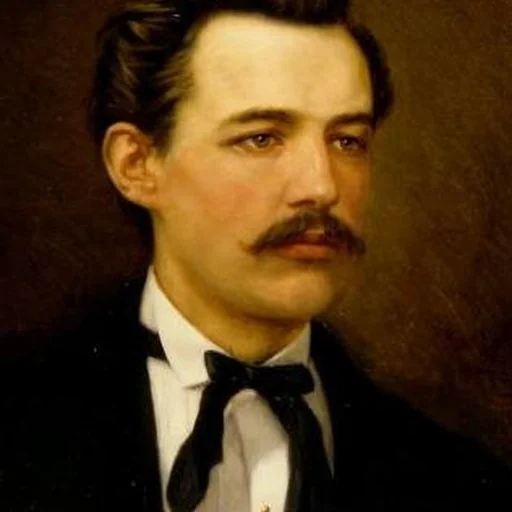
Karl Emanuel Jansson (7 July 1846, in Finström – 1 June 1874, in Jomala) was a Finnish painter, primarily of genre scenes.