Artwork
Flodlejet ved Bordighera
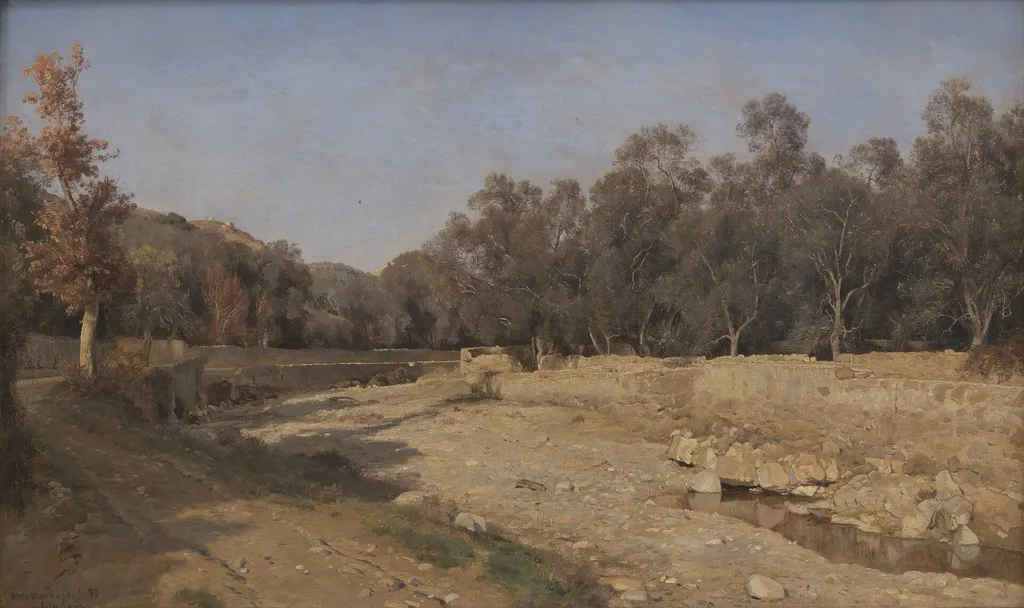
Flodlejet ved Bordighera is an oil painting by the Impressionist artist Janus la Cour. It dates from 1900 and is held in the collection of the Statens Museum for Kunst.
About this work
Overview
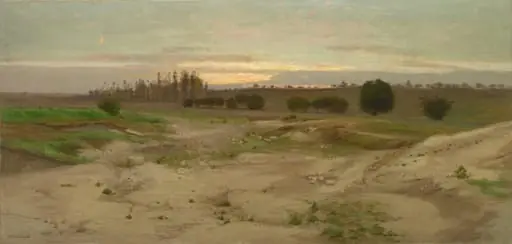
Flodlejet ved Bordighera is an oil painting by Danish artist Janus la Cour, created in 1900. It captures a serene landscape of a dry riverbed near Bordighera, characterized by cracked earth, sparse greenery, and the remnants of rocky ruins.
Subject & Meaning
The painting depicts a tranquil, seasonal scene with a small stream, bare and autumn-leafed trees, and distant hills with a faint building. The emphasis is on the natural landscape and the interplay of light on its elements.
Technique & Style
Executed in a style that blends classical landscape traditions with impressionist sensibilities, the work features smooth yet textured brushstrokes, particularly evident in the rendering of rocks and water. The artist meticulously captures the effects of light, creating warm and cool contrasts across the landscape.
History & Provenance
Created in 1900, Flodlejet ved Bordighera is part of the collection at Statens Museum for Kunst. It reflects Janus la Cour's association with the Eckersberg school, while also aligning with the broader impressionist movement of its time.
Context
As a member of the Eckersberg school, Janus la Cour's work, including this piece, was influenced by the tradition of Danish Golden Age painting, which emphasized realism and the depiction of everyday life and landscapes. The impressionist elements in Flodlejet ved Bordighera, such as the focus on light and color, reflect the artist's engagement with contemporary European art movements.
Legacy
Flodlejet ved Bordighera contributes to Janus la Cour's reputation as a landscape painter who successfully merged classical techniques with impressionist innovations, leaving a mark on Danish art history.
Artist & collection
Artist
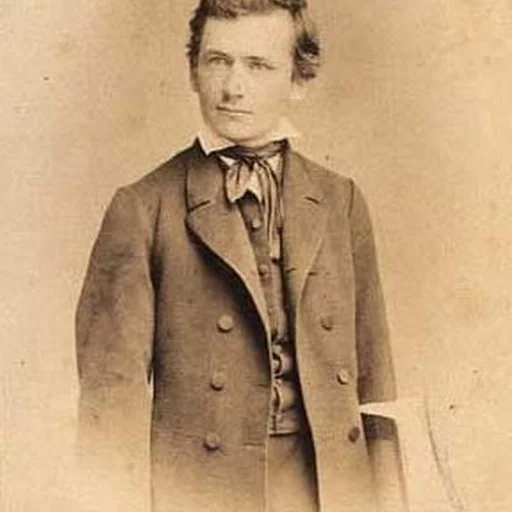
Janus Andreas Bartholin la Cour (5 September 1837 – 13 October 1909) was a Danish painter who is remembered for his landscapes painted in the classical style of the Eckersberg school.

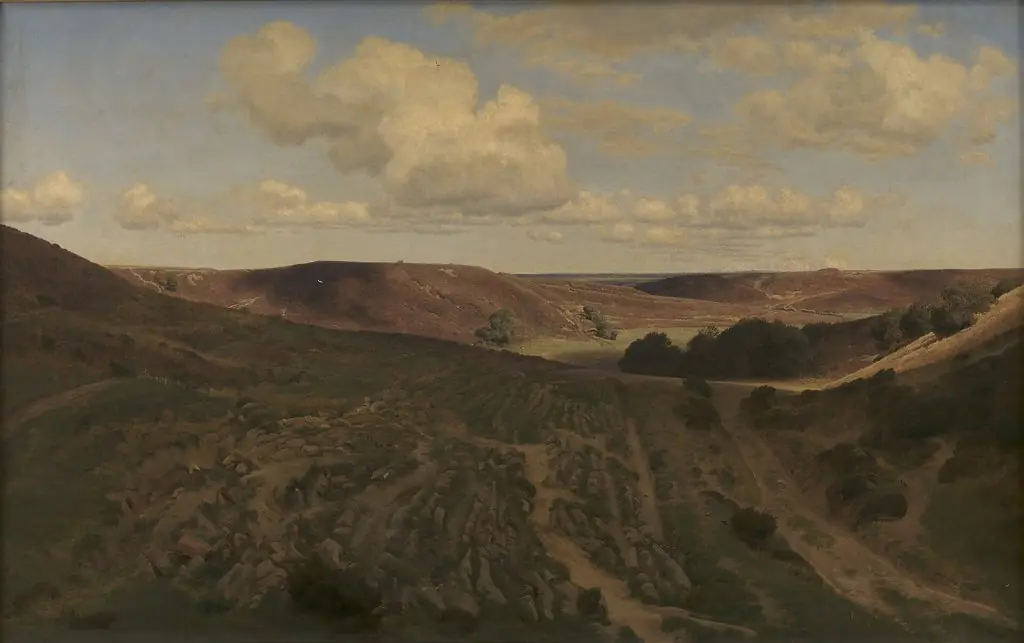
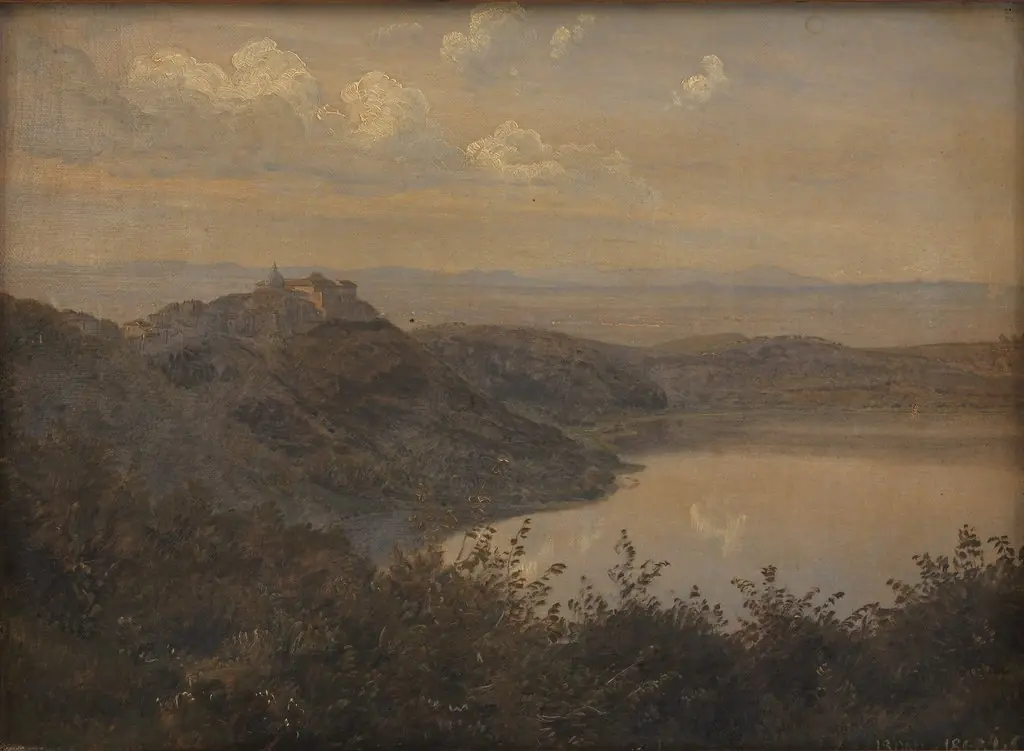
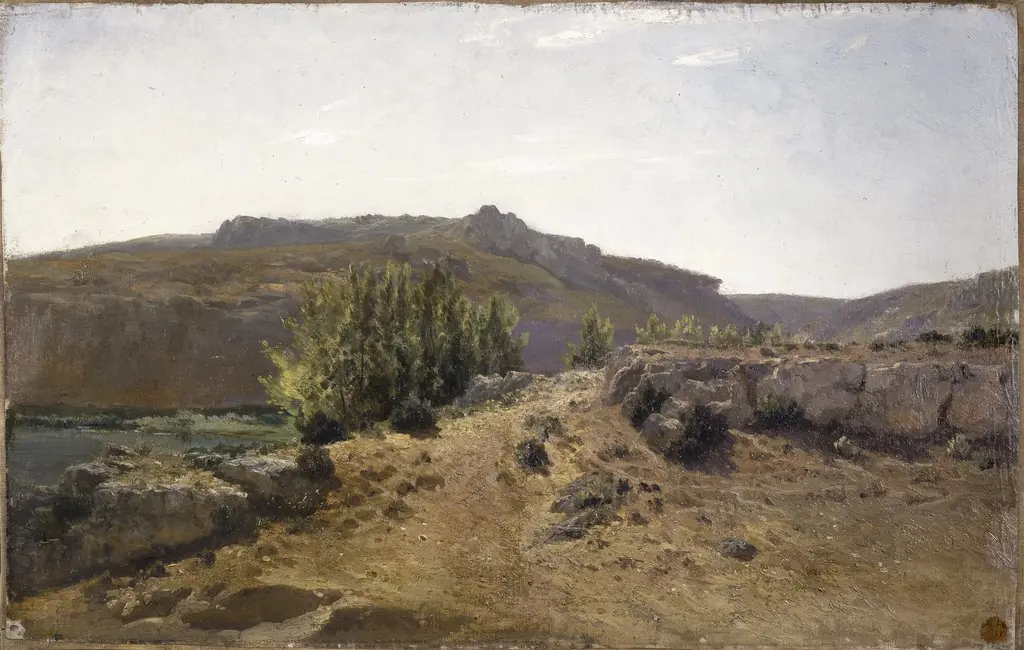 Nuévalos (Aragón)
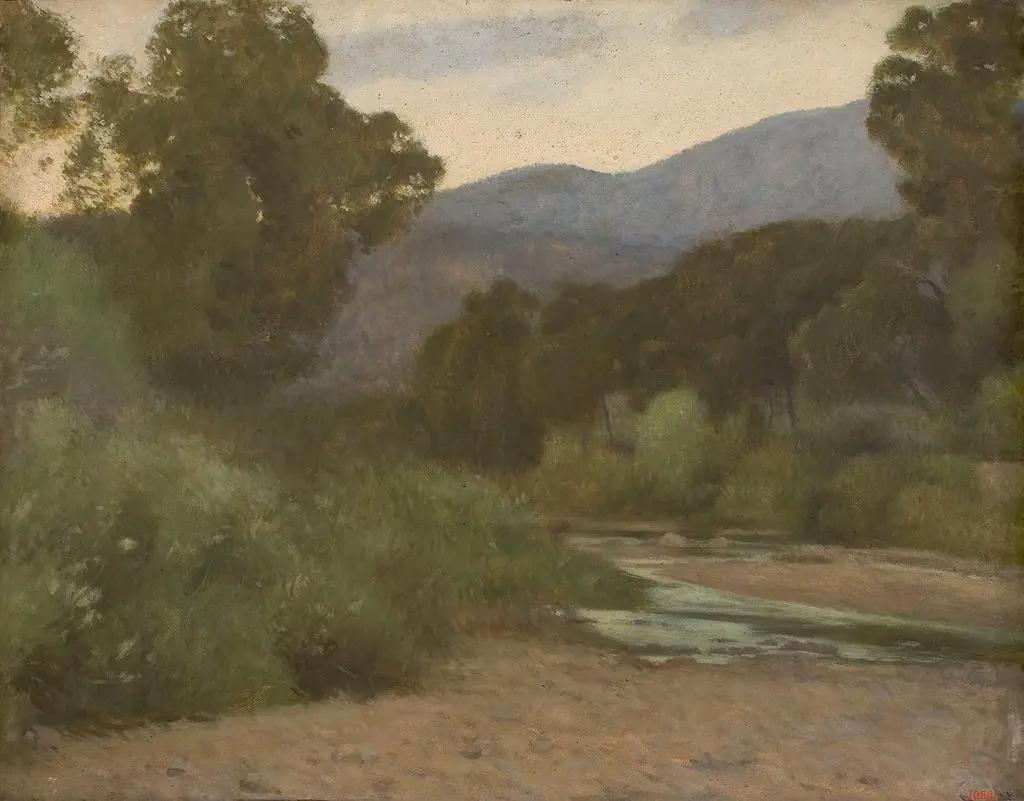 Paisatge (Museu Nacional d'Art de Catalunya, inv 010881-000)
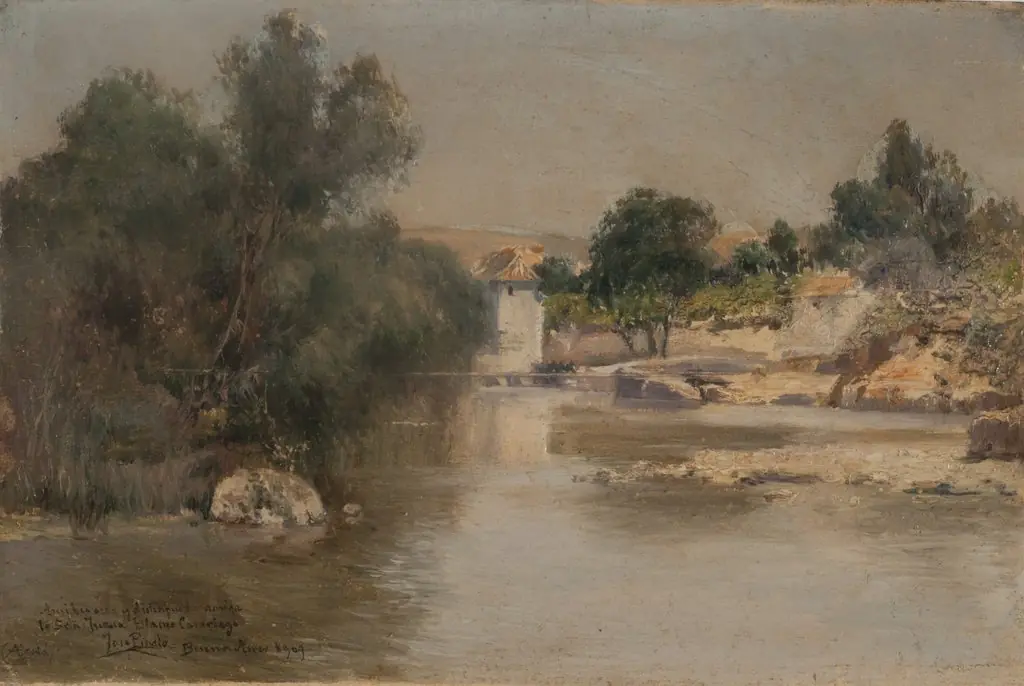 Banks of Guadaira
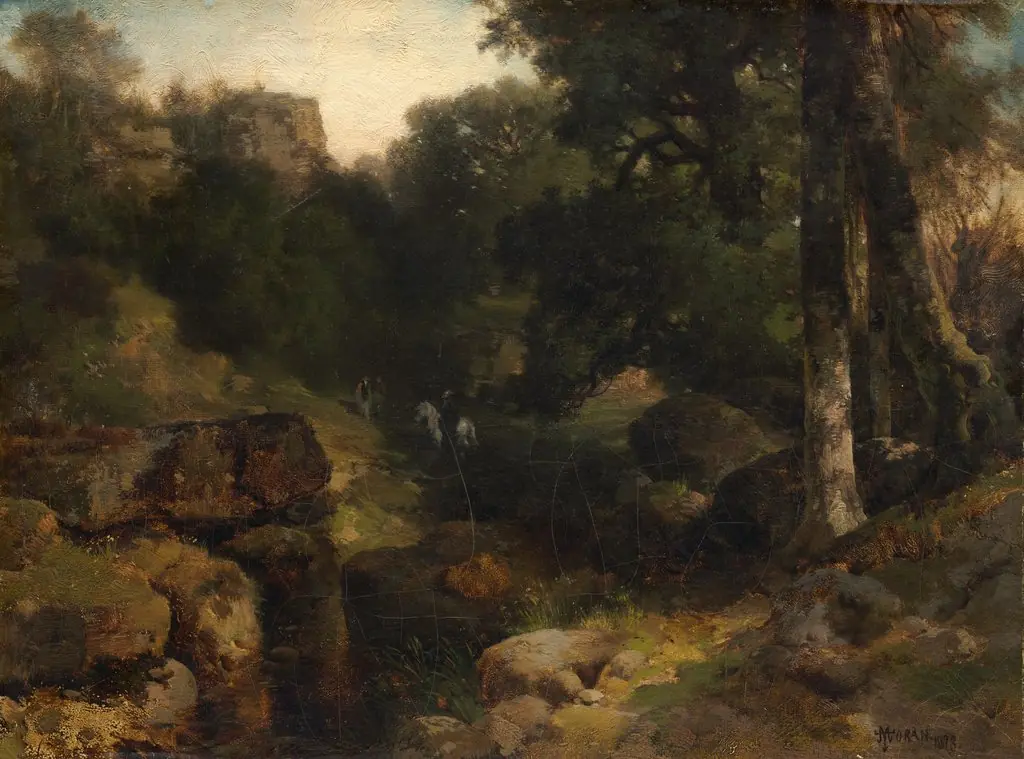 The Dell
 Formiddag ved Garonne. Montréjeau
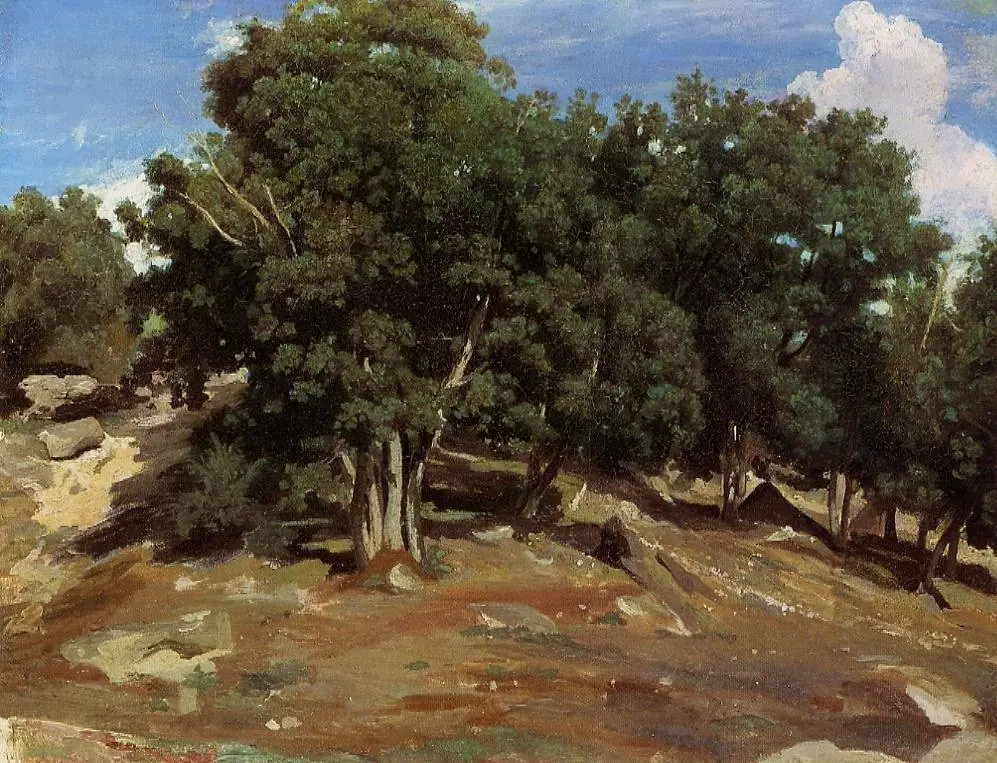 Fontainebleau: Oak Trees at Bas-Bréau
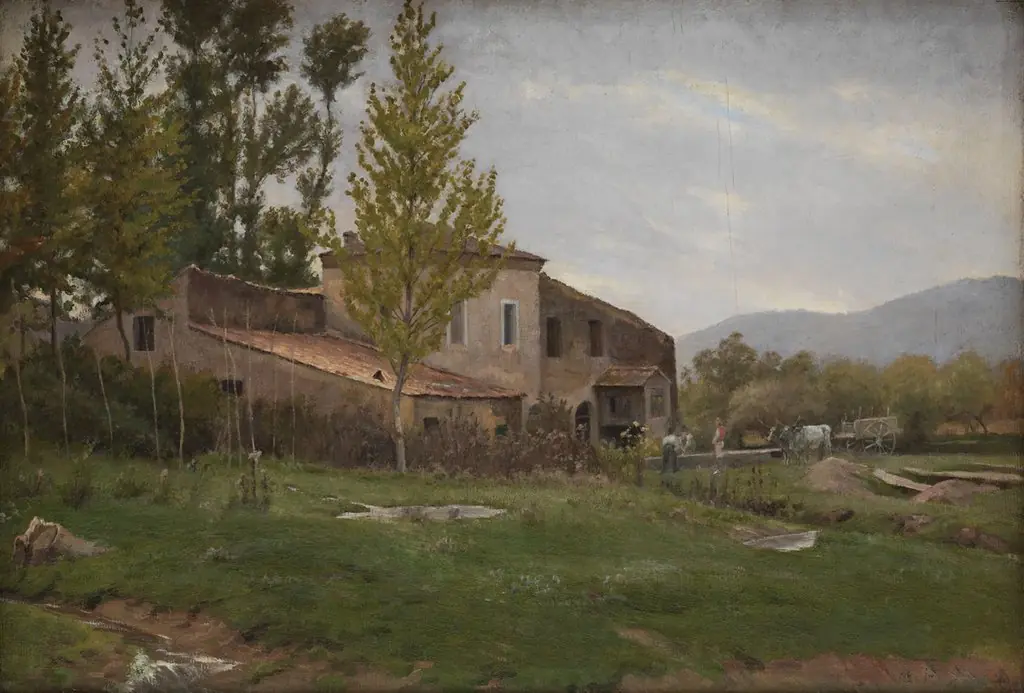 Isola del Liri, Italy. Overcast Day
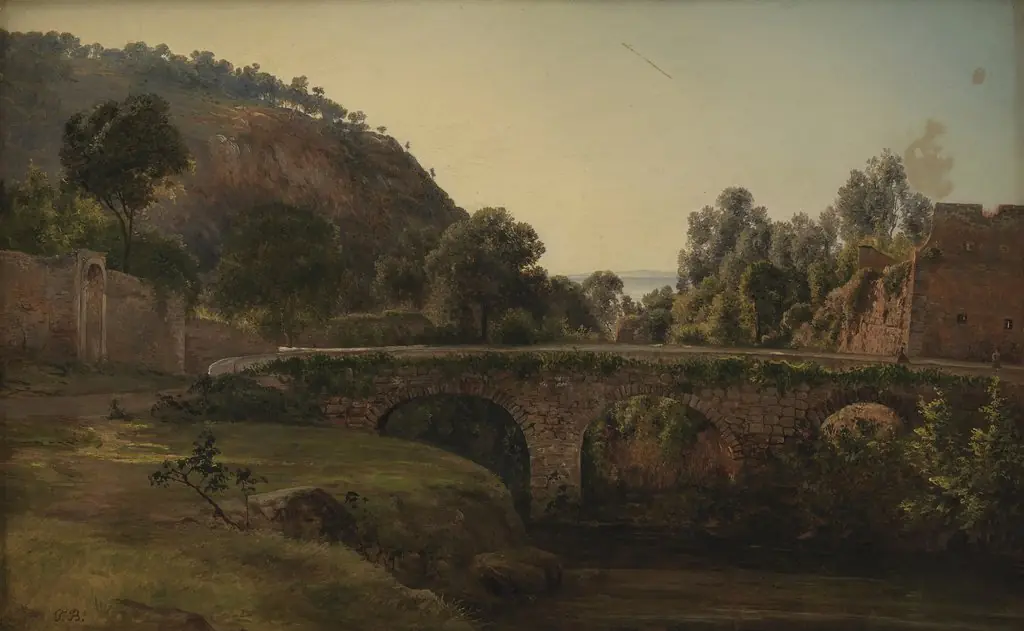 A Bridge near Sorrento
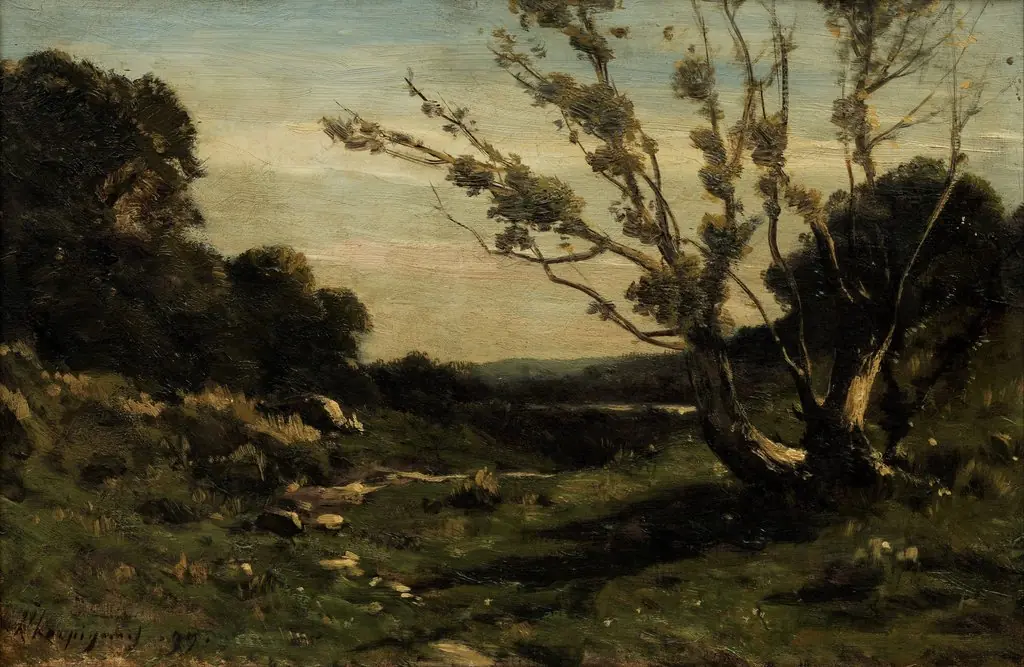 Morning in the Nievre
 A Bridge near Sorrento
 The Marl Pit at Mulcent: Evening