Artwork
Nuévalos (Aragón)
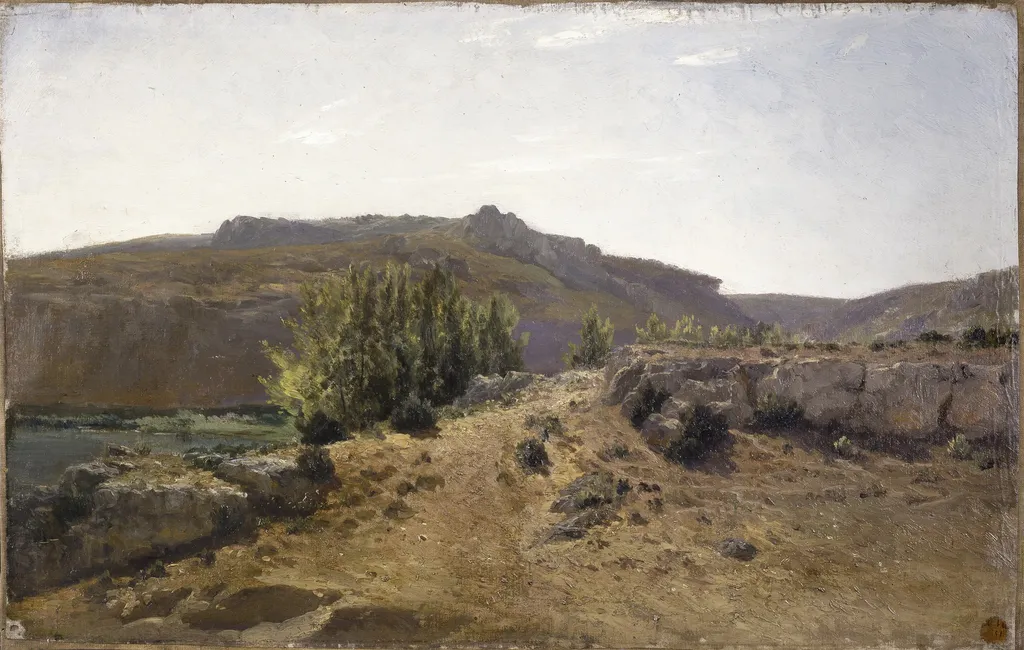
Nuévalos (Aragón) is an oil painting by the Realist artist Carlos de Haes. It dates from 1856 and is held in the collection of the Museo del Prado.
About this work
Overview
Carlos de Haes painted *Nuévalos (Aragón)* in 1856 with oil on canvas. The work is held by the Museo del Prado and exemplifies the Realist landscape tradition that Haes helped establish in mid‑nineteenth‑century Spain.
Subject & Meaning
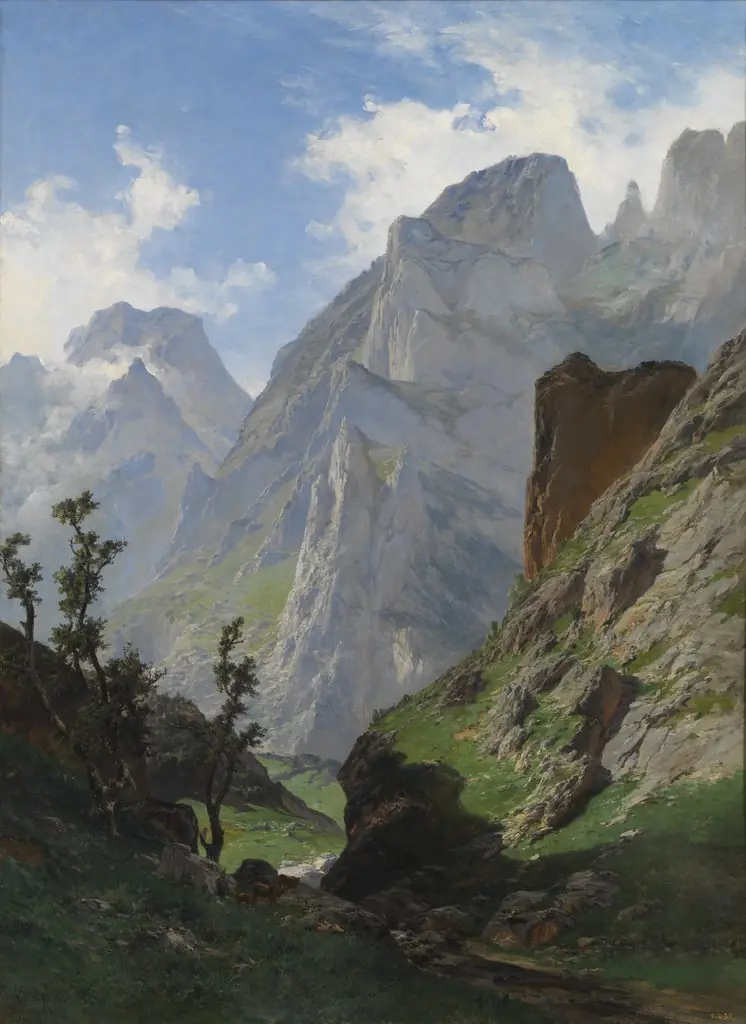
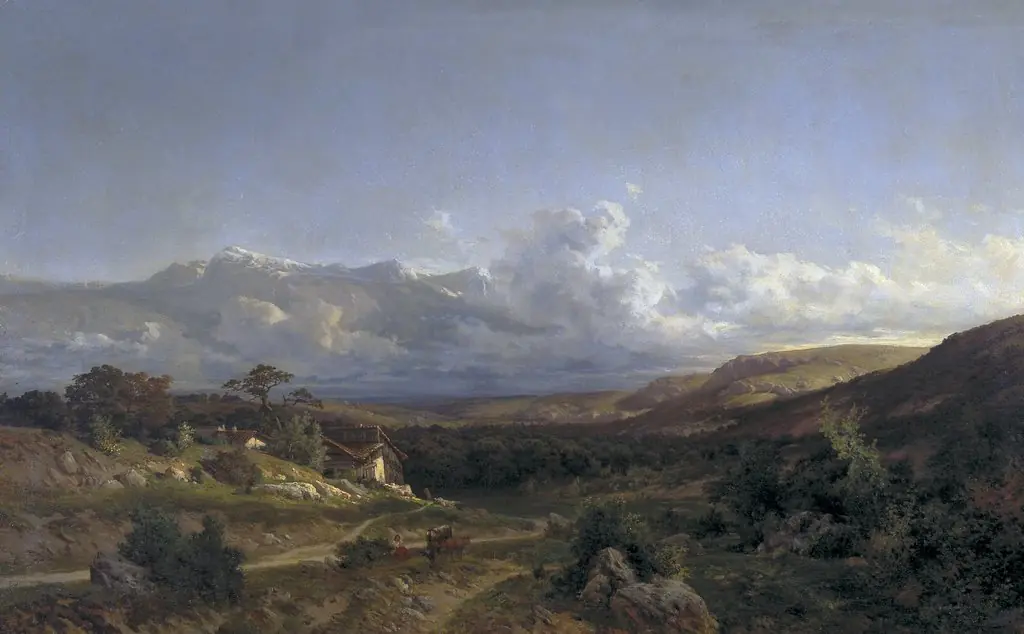
The composition presents a quiet countryside scene: a rocky slope in the foreground, dotted with sparse vegetation and a few trees, recedes toward a distant mountain chain under a pale blue sky streaked with thin clouds. The muted palette and tranquil atmosphere convey a straightforward observation of the Aragonese terrain.
Technique & Style
Haes employs earth‑toned browns and greens, applying visible brushwork that adds surface texture to the rocks and foliage. The rendering is detailed yet unembellished, reflecting the Realist emphasis on faithful, unidealized representation of natural light and landforms.
History & Provenance
Born in Belgium and later naturalized as a Spanish citizen, Haes became a leading figure among Spanish landscape painters. *Nuévalos (Aragón)* entered the Prado’s collection as part of the museum’s effort to acquire representative works of 19th‑century Spanish Realism.
Context
During the 1850s, Spanish art saw a shift toward realistic depictions of the countryside, moving away from Romantic dramatization. Haes worked alongside contemporaries such as Jenaro Pérez Villaamil, and his approach influenced younger artists, notably his pupil Aureliano de Beruete, who continued the realist landscape tradition.
Own this work as a print
Artist & collection
Artist
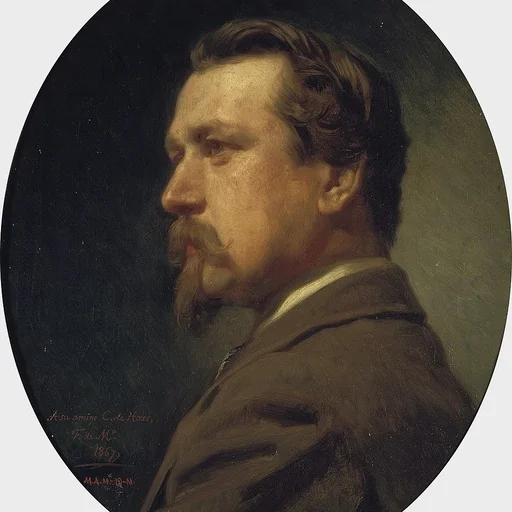
Carlos Sebastián Pedro Hubert de Haes (January 25, 1829 – June 17, 1898) was a Spanish painter from Belgium.

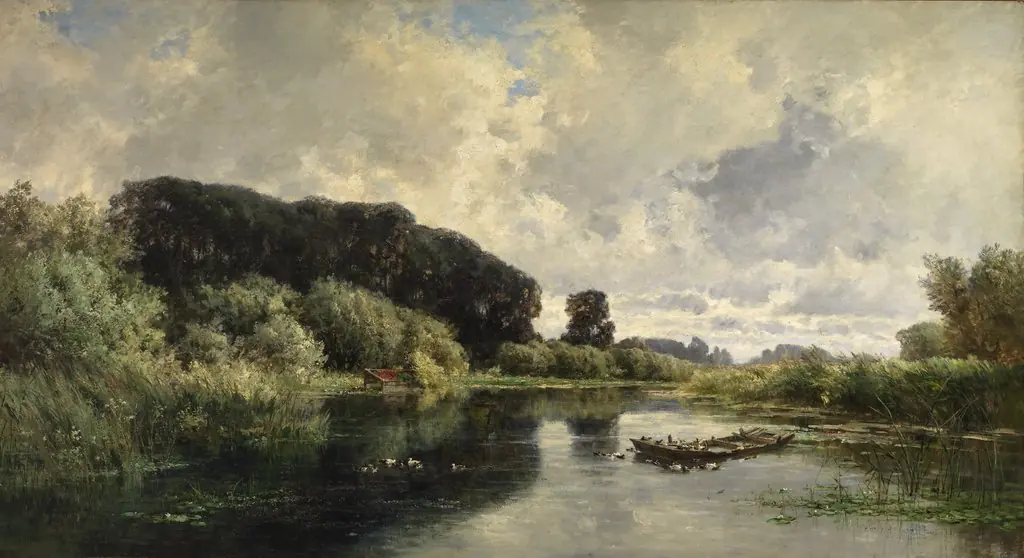
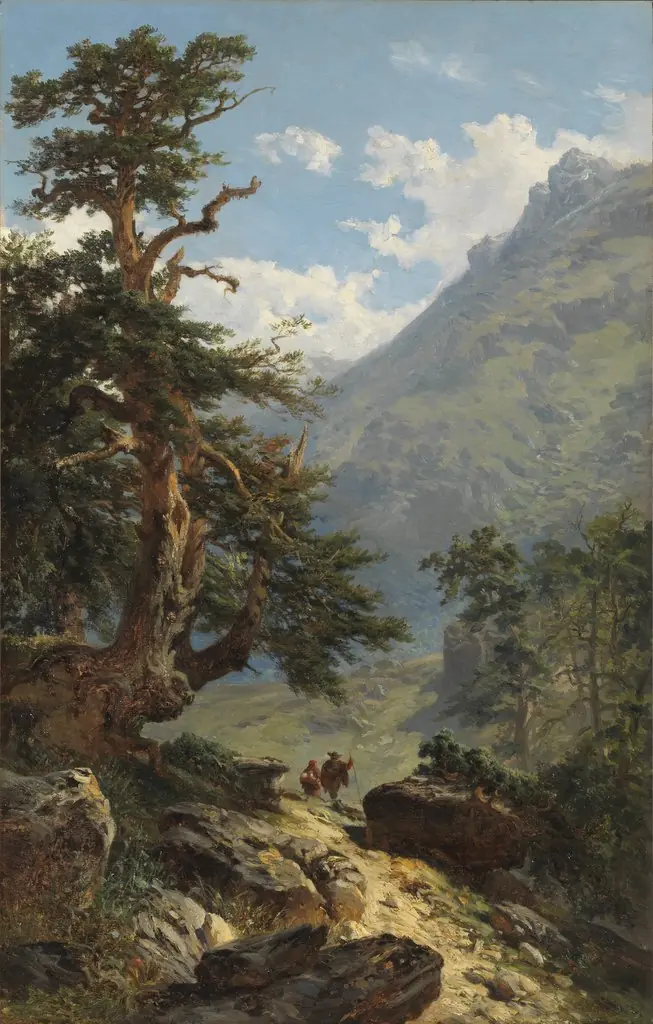
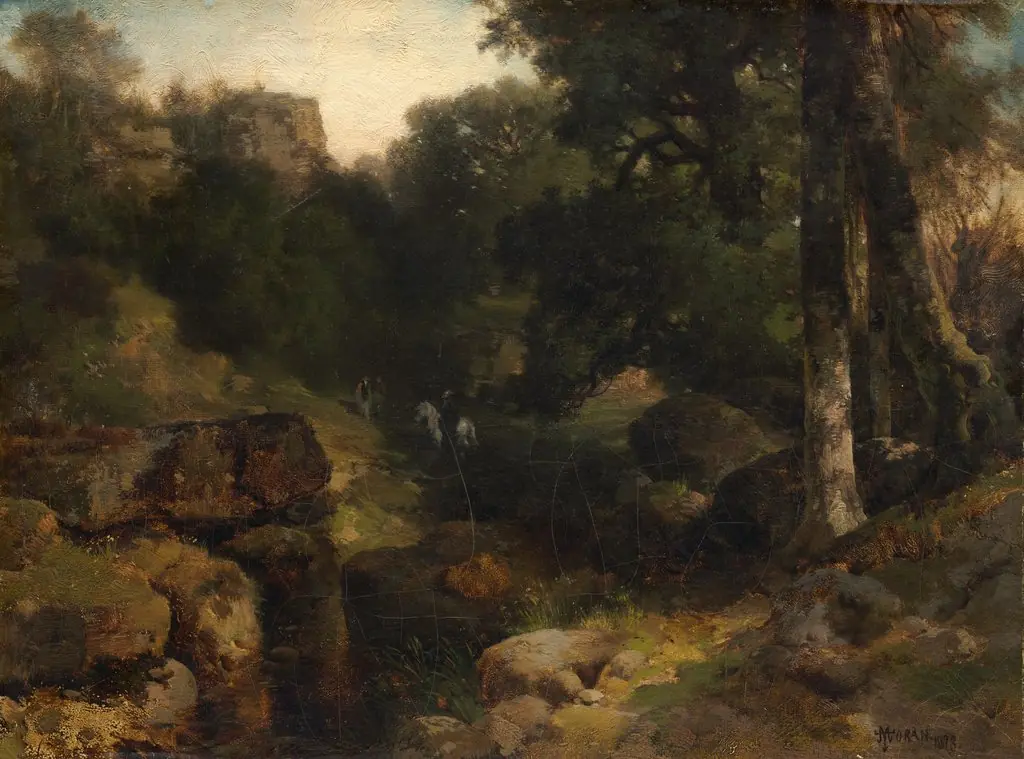 The Dell
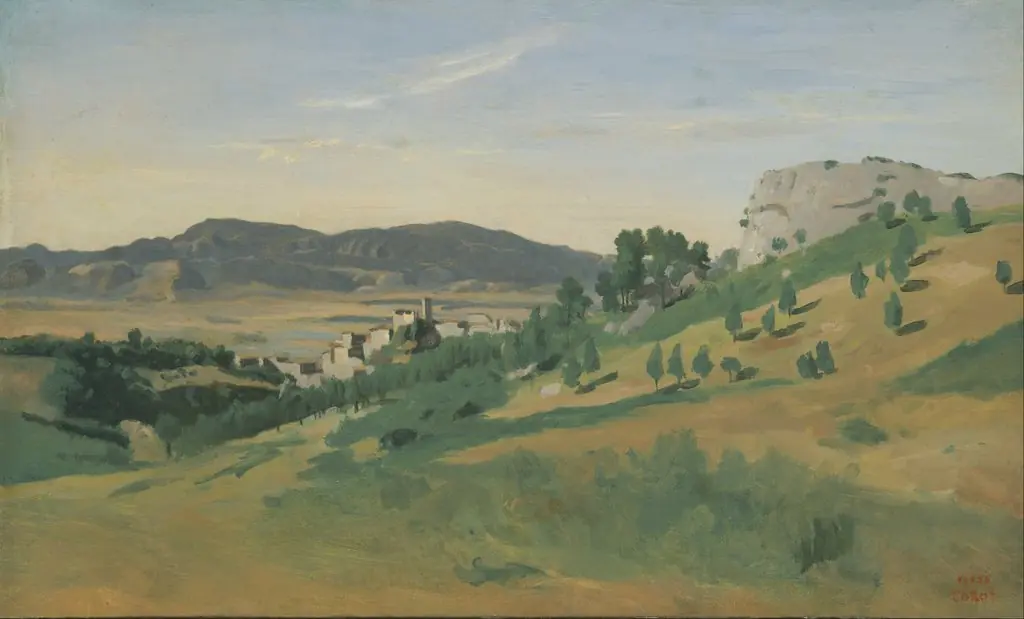 View of Olevano
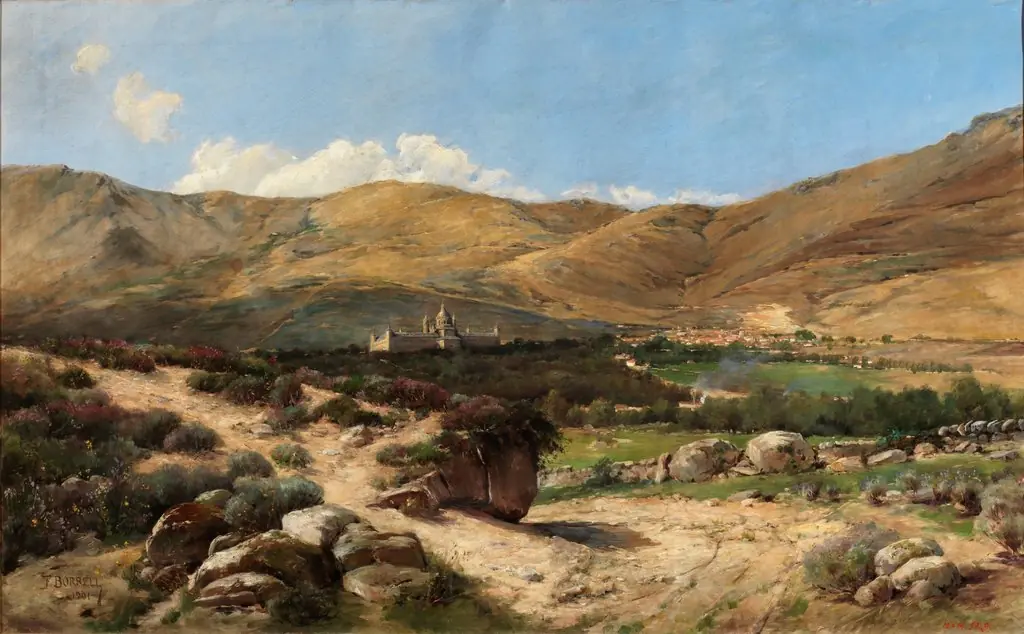 Paisaje de El Escorial
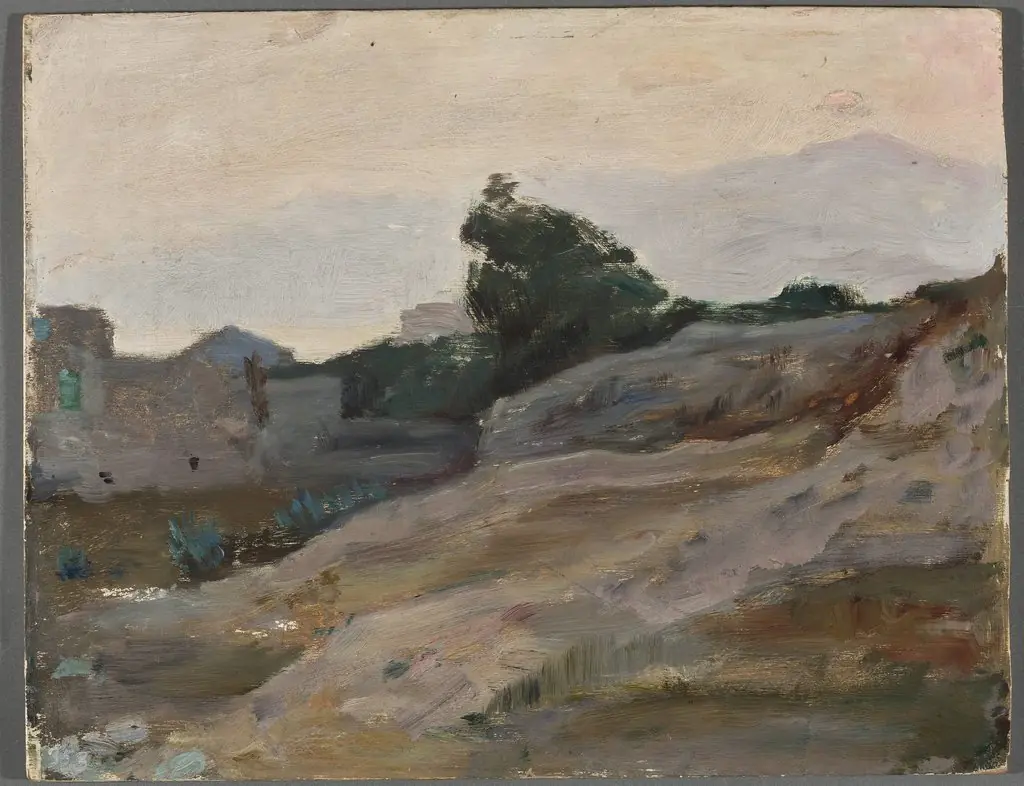 Bordighera. From the journey to Italy
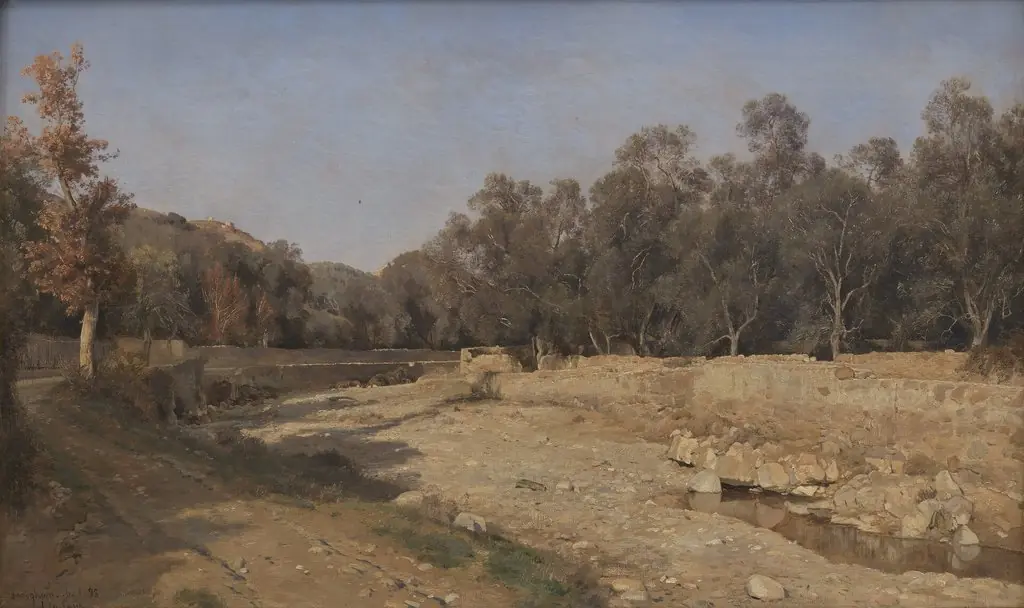 Flodlejet ved Bordighera
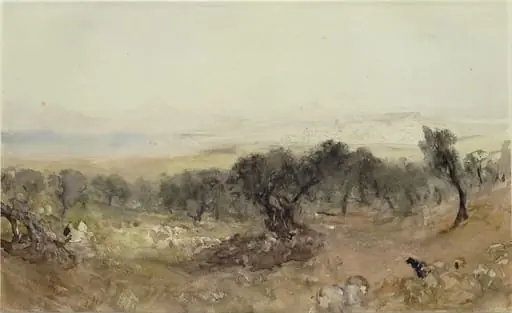 Tunis
Tunis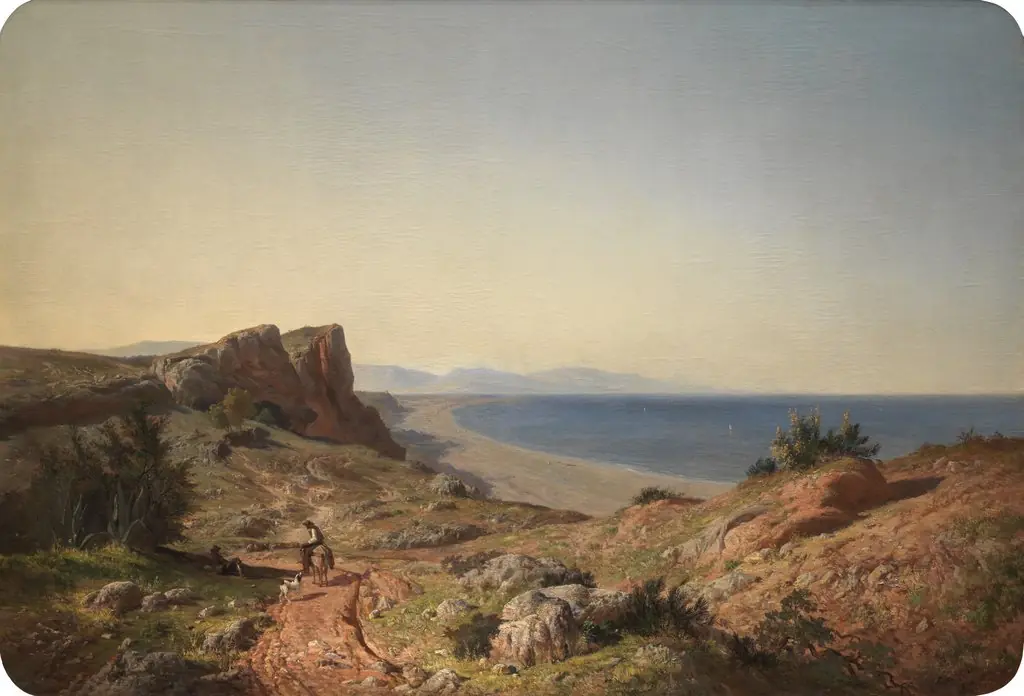 A Landscape. Recollections of Andalusia: the Mediterranean coast near Torremolinos
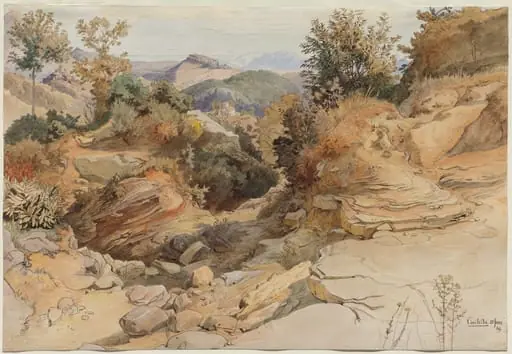 The Sabine Hills and Rocca Santo Stefano, Seen from Civitella
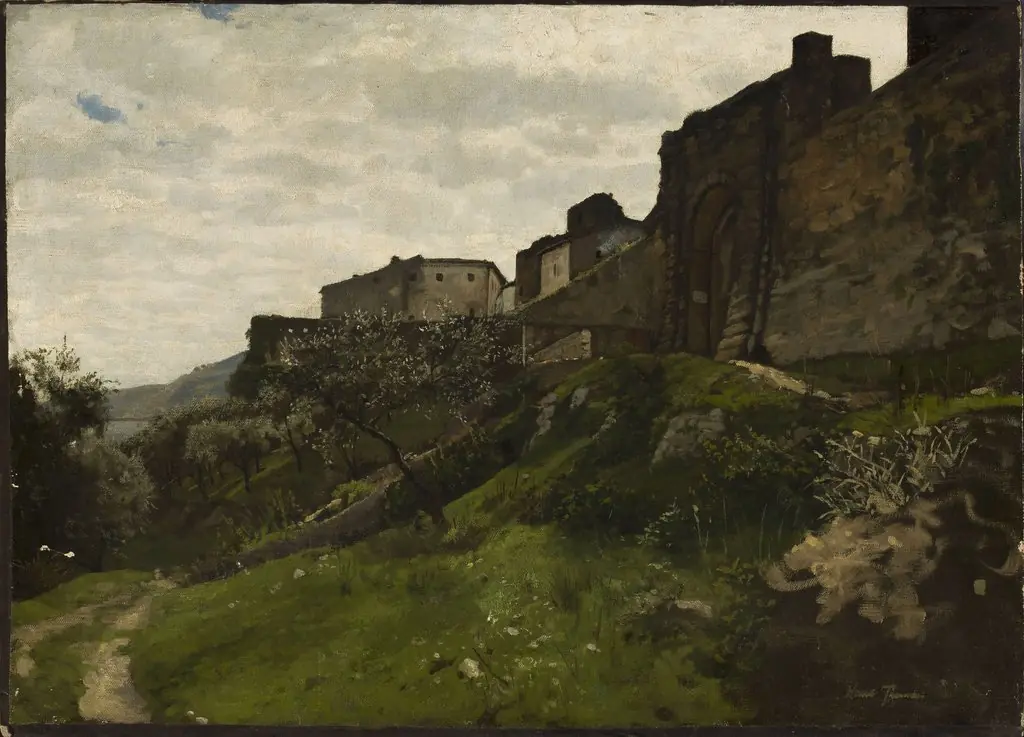 Fragment of defensive walls
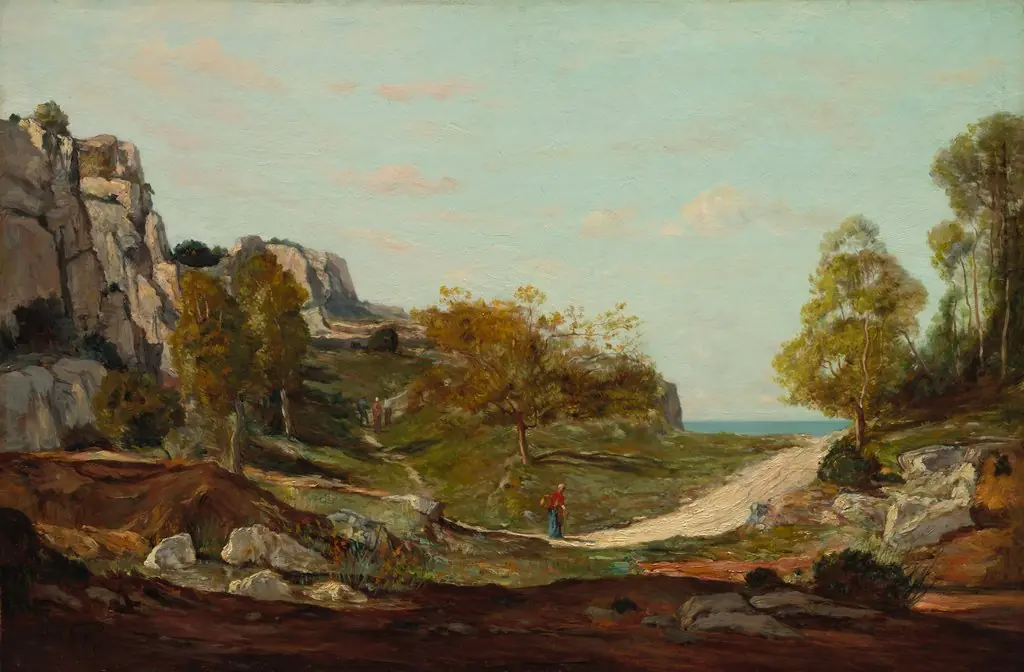 Landscape at Saint-André, Near Marseilles
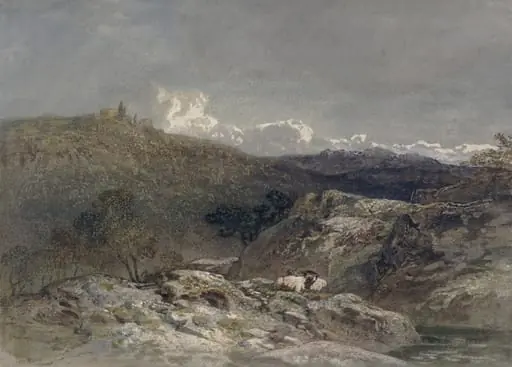 Mountainous landscape in 'Salvator Rosa's country'
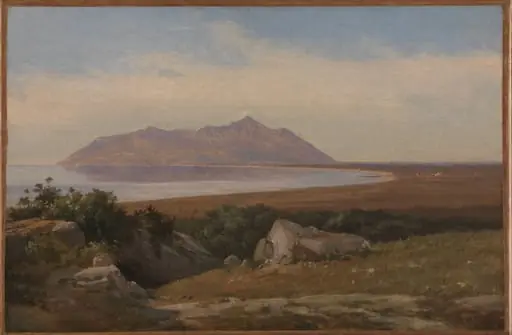 Monte Circeo Seen from the District of Terracina