Artwork
A Sleeping Odalisque
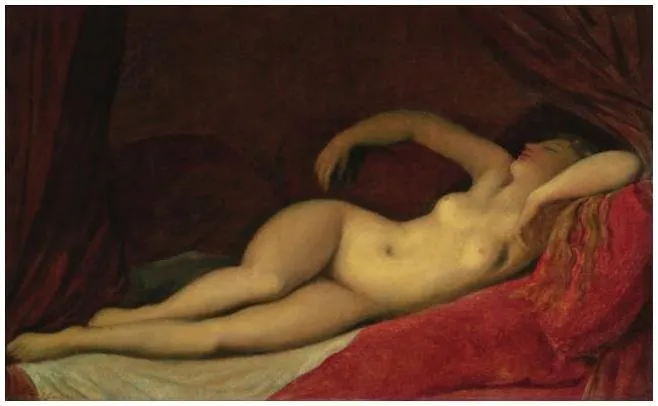
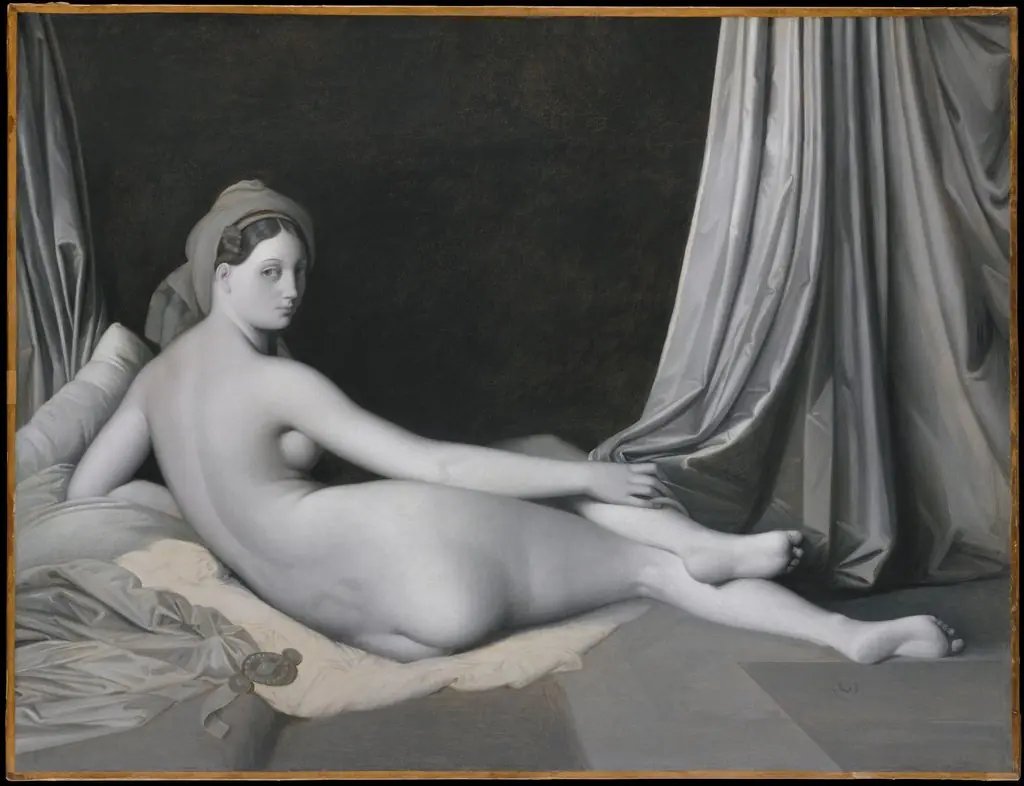
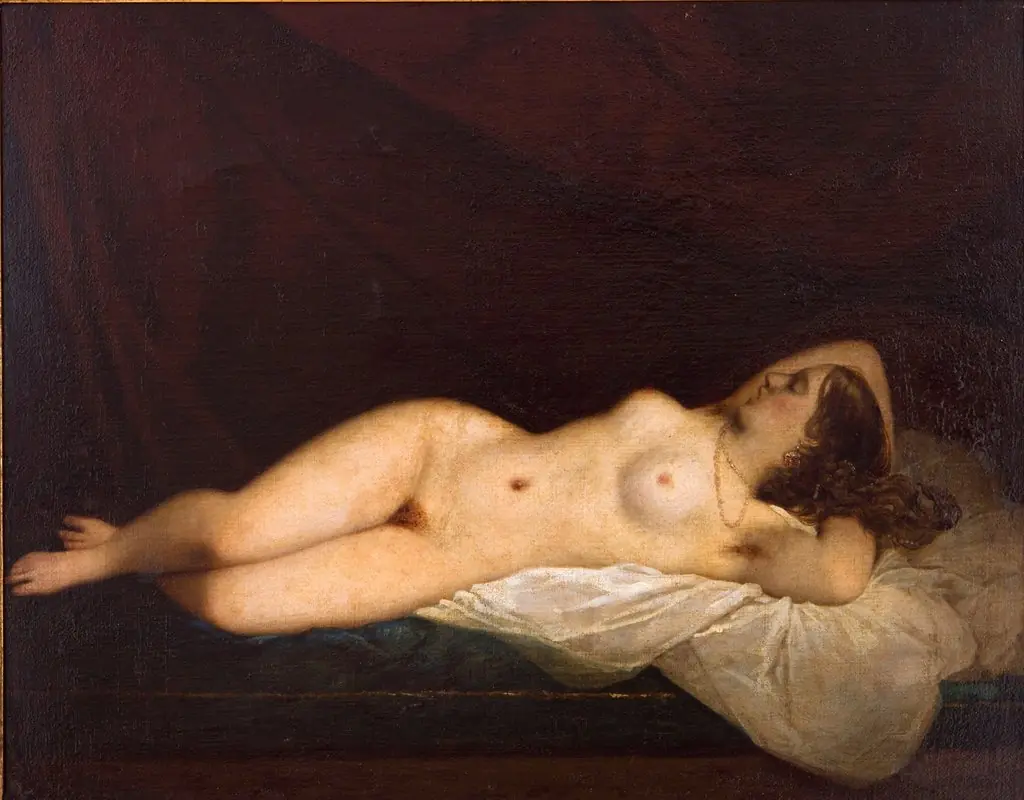
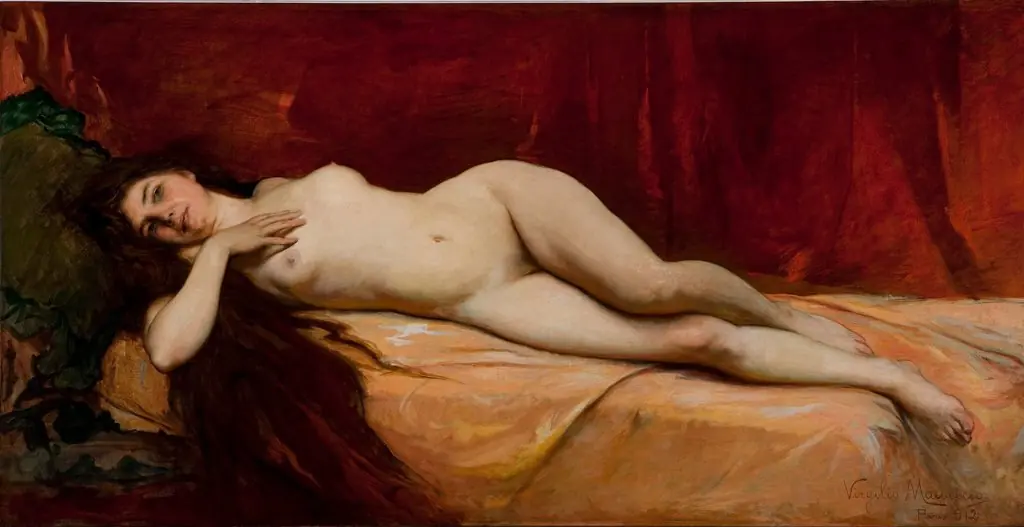
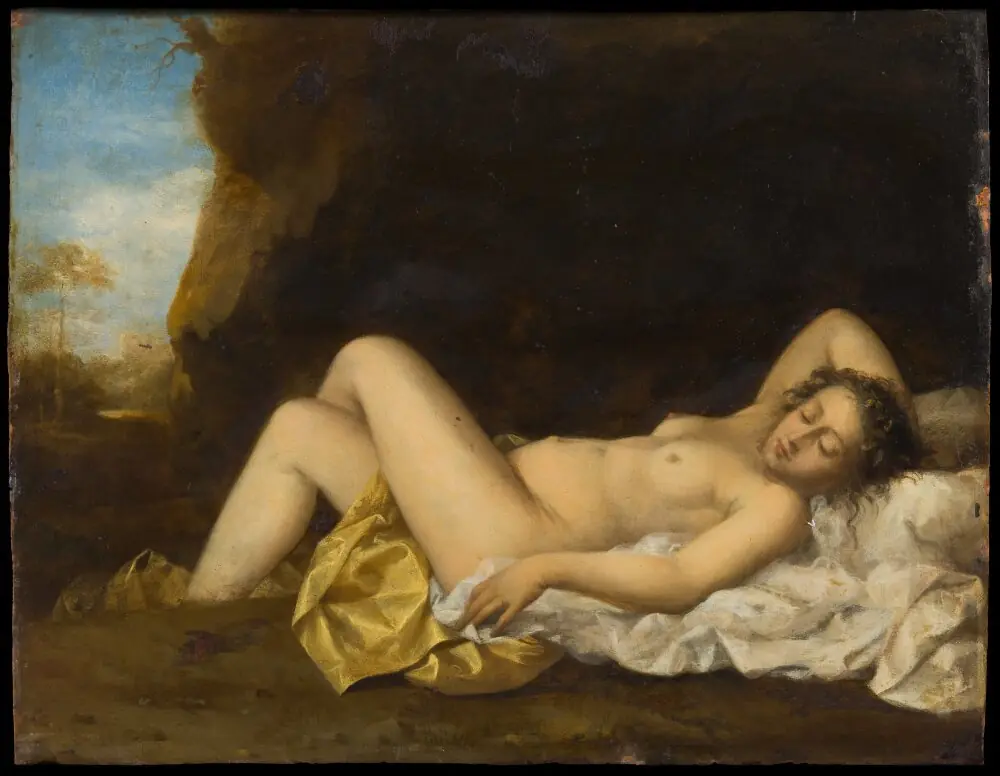
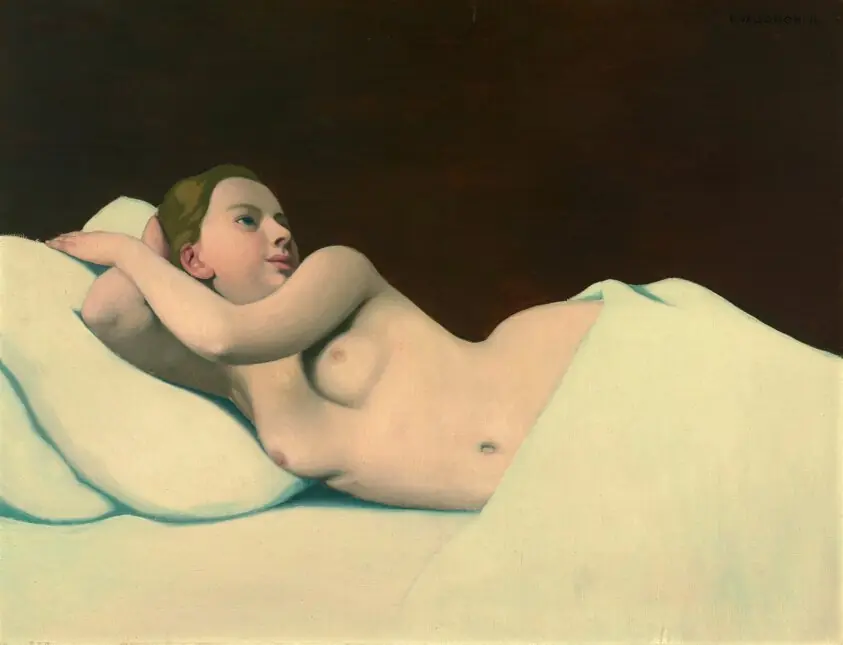
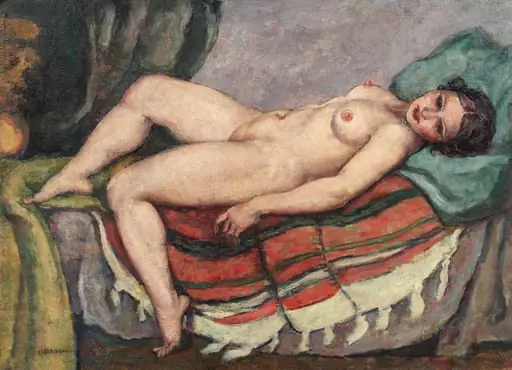
A Sleeping Odalisque is an oil painting by the Neoclassicist artist Jean Auguste Dominique Ingres. It dates from 1835 and is held in the collection of the Victoria and Albert Museum.
About this work
Overview
Painted in 1835 by Jean-Auguste-Dominique Ingres, A Sleeping Odalisque is an oil-on-canvas work depicting a reclining female figure.
Painted in 1835 by Jean-Auguste-Dominique Ingres, A Sleeping Odalisque is an oil-on-canvas work depicting a reclining female figure. It is currently held in the collection of the Victoria and Albert Museum in London. The composition centers on a nude woman in a tranquil, private setting, rendered with meticulous attention to form and surface. The painting exemplifies Ingres’s interest in idealized anatomy and quiet introspection.
Subject & Meaning
The figure is presented as an odalisque—a term historically associated with women in Ottoman harems—though the scene lacks overt narrative or exotic detail. Her relaxed posture and closed eyes suggest rest rather than performance. Ingres avoids theatricality, focusing instead on the quiet dignity of the moment. The absence of narrative context invites contemplation of the figure’s inner state rather than her social role.
Technique & Style
Ingres employed smooth, controlled brushwork to achieve a polished, almost sculptural surface. The skin is rendered with subtle gradations of tone, emphasizing softness and continuity. Chiaroscuro is used sparingly but effectively to model the body’s form against the deep background. The red drapery and couch provide a muted contrast, enhancing the figure’s luminosity without distracting from her stillness.
History & Provenance
Commissioned by a French patron, the painting entered the Victoria and Albert Museum’s collection in the 19th century. It was not widely exhibited during Ingres’s lifetime and remained relatively obscure until later scholarly interest in his Orientalist works. Its provenance reflects the museum’s broader acquisition of European academic art from the early 1800s.
Context
Created during a period when European artists frequently drew on imagined Eastern themes, the painting reflects a fascination with the exotic that was more aesthetic than ethnographic. Ingres, though never traveling to the Ottoman Empire, relied on contemporary prints and objects. His approach prioritized formal harmony over cultural accuracy, aligning with broader academic traditions of idealized representation.
Legacy
Though less famous than Ingres’s other odalisque paintings, this work contributes to understanding his evolving treatment of the female form. Its restrained mood and technical precision influenced later artists interested in quiet, intimate portraiture. The painting remains a quiet example of 19th-century academic ideals, valued for its restraint rather than its spectacle.
Artist & collection

Artist
Jean-Auguste-Dominique Ingres was a French Neoclassical painter. Ingres was profoundly influenced by past artistic traditions and aspired to become the guardian of academic orthodoxy against the ascendant Romantic…