Artwork
Odalisque
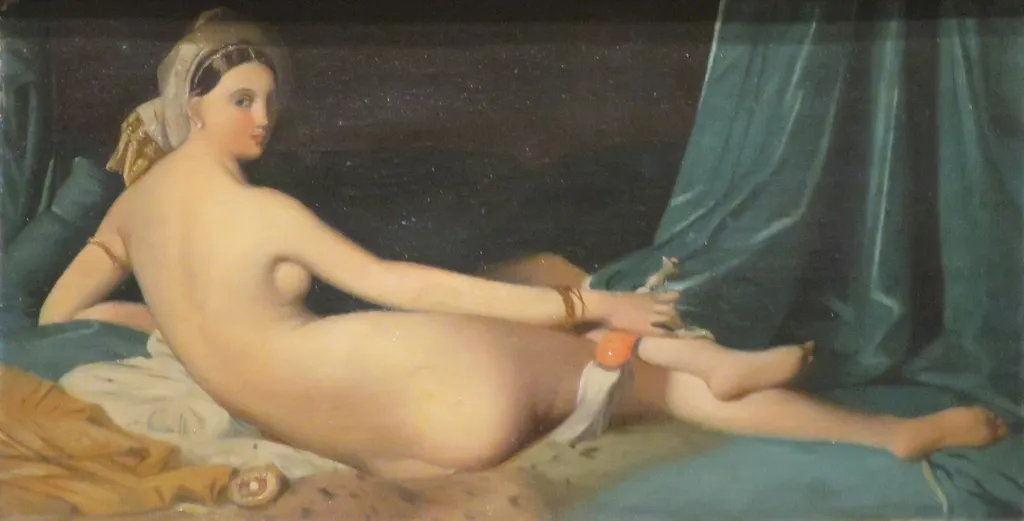
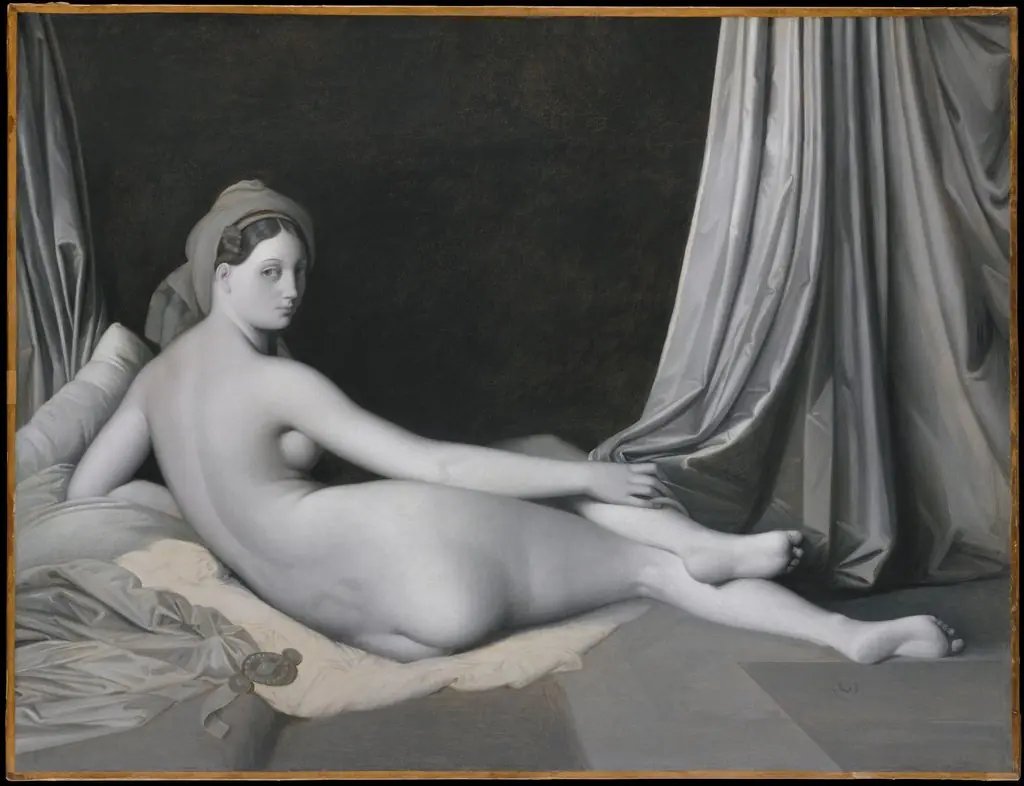
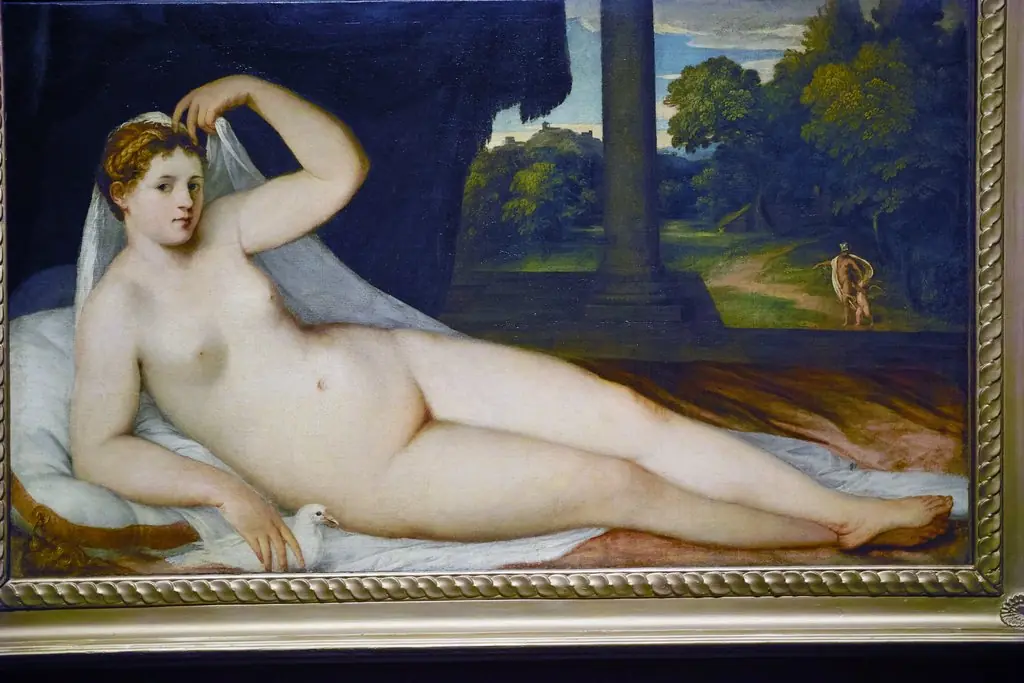
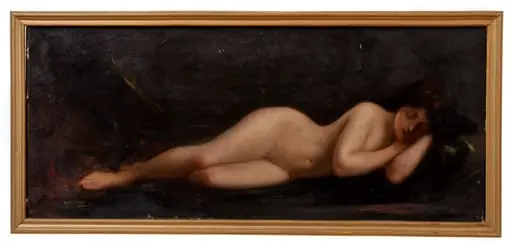
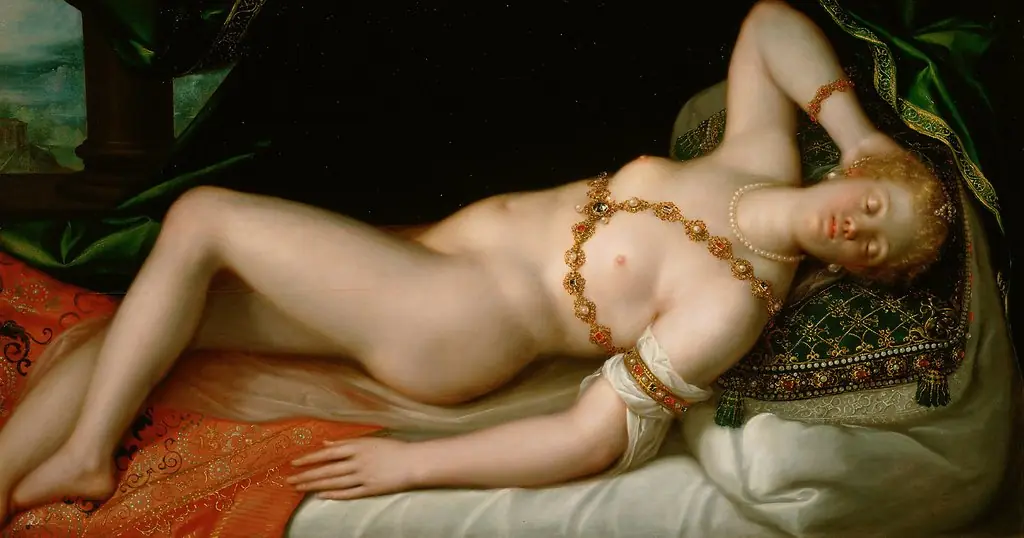
Odalisque is an oil painting by the Neoclassicist artist Jean Auguste Dominique Ingres. It dates from 1830 and is held in the collection of the Los Angeles County Museum of Art.
About this work
Overview
Painted in 1830 by Jean-Auguste-Dominique Ingres, Odalisque is an oil-on-canvas work depicting a reclining female figure.
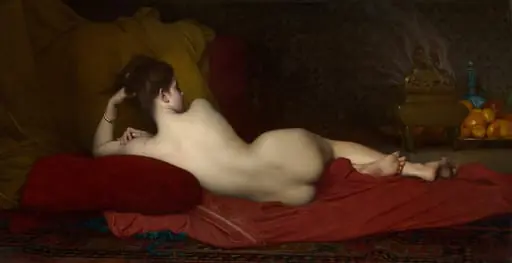
Painted in 1830 by Jean-Auguste-Dominique Ingres, Odalisque is an oil-on-canvas work depicting a reclining female figure. The painting is part of the collection at the Los Angeles County Museum of Art. It exemplifies Ingres’s interest in Orientalist themes and his meticulous attention to form, rendered with smooth, controlled brushwork and a restrained palette dominated by pale skin against dark surroundings.
Subject & Meaning
The figure is a reclining nude, positioned with her back to the viewer and her face turned toward them, creating a quiet, direct engagement. Her covered hair and ornamental bracelet suggest an exoticized, idealized femininity common in 19th-century European depictions of the East. The serene expression and stillness evoke contemplation rather than narrative, inviting the viewer into a private, almost ritualized space.
Technique & Style
Ingres employed subtle chiaroscuro to model the figure’s form, emphasizing soft transitions between light and shadow. The skin appears luminous against the deep background, while the green curtain and white head covering provide muted contrast. Lines are precise and contours smooth, reflecting Ingres’s academic training and his preference for linear clarity over atmospheric texture.
History & Provenance
Commissioned by a French patron, the painting entered the collection of the Musée du Louvre before being transferred to LACMA in the 20th century. Its journey reflects shifting tastes in Orientalist art and institutional collecting practices. The work has remained relatively unchanged since its creation, preserving Ingres’s original composition and surface.
Context
Created during a period of growing European fascination with the Ottoman Empire, Odalisque aligns with a broader trend of Orientalist imagery in French art. While presented as an intimate scene, it reflects colonial-era fantasies rather than documented reality. Ingres, though trained in classical ideals, adapted these to exotic subjects popular among patrons seeking novelty and sensuality.
Legacy
The painting influenced later artists’ approaches to the reclining nude, particularly in its emphasis on formal harmony over emotional drama. Though once celebrated for its elegance, it is now examined critically for its cultural assumptions and the objectification inherent in its gaze. It remains a key example of 19th-century academic painting’s engagement with the Other.
Artist & collection

Artist
Jean-Auguste-Dominique Ingres was a French Neoclassical painter. Ingres was profoundly influenced by past artistic traditions and aspired to become the guardian of academic orthodoxy against the ascendant Romantic…