Artwork
Resting Venus
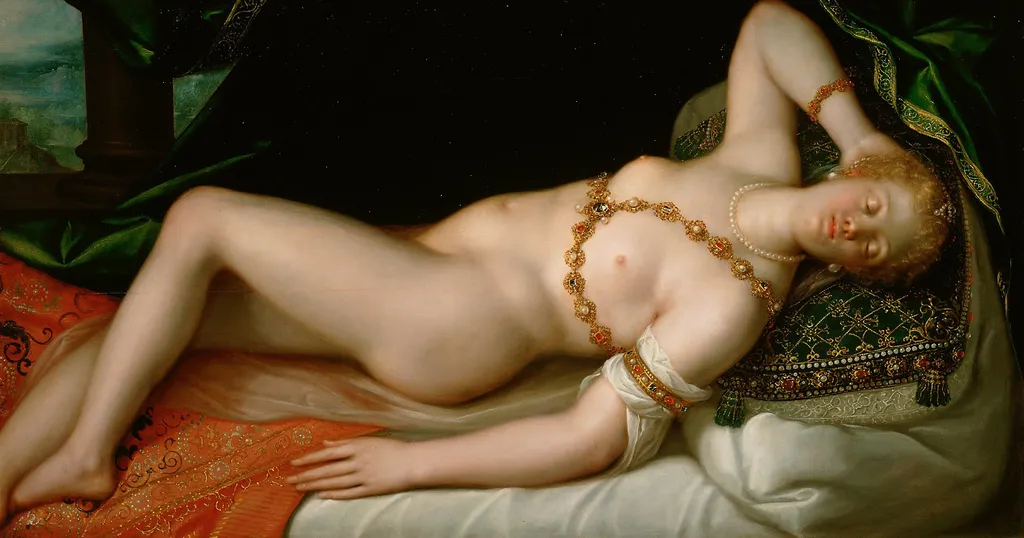
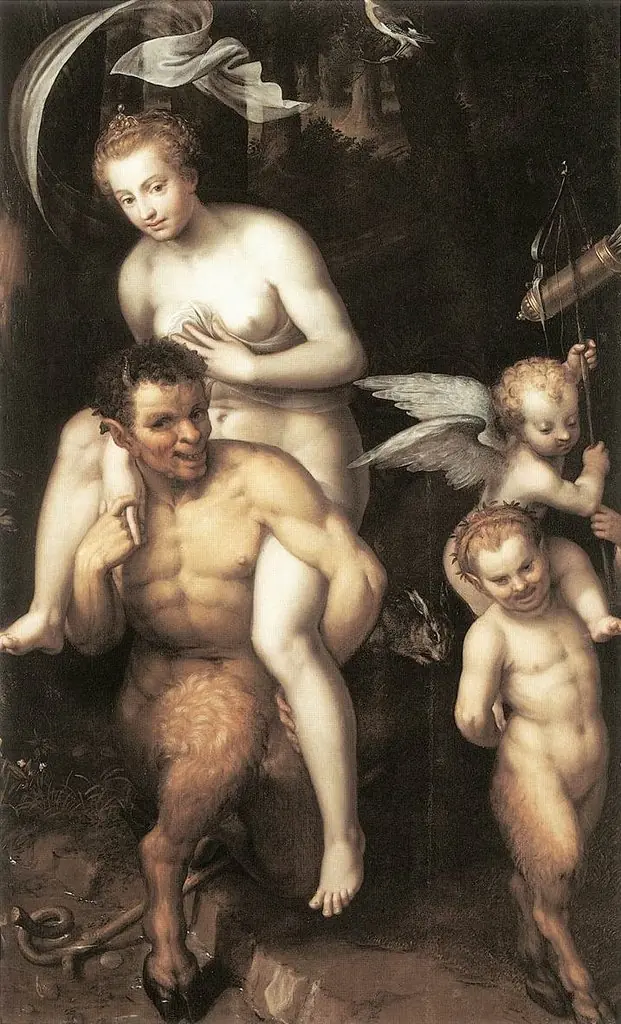
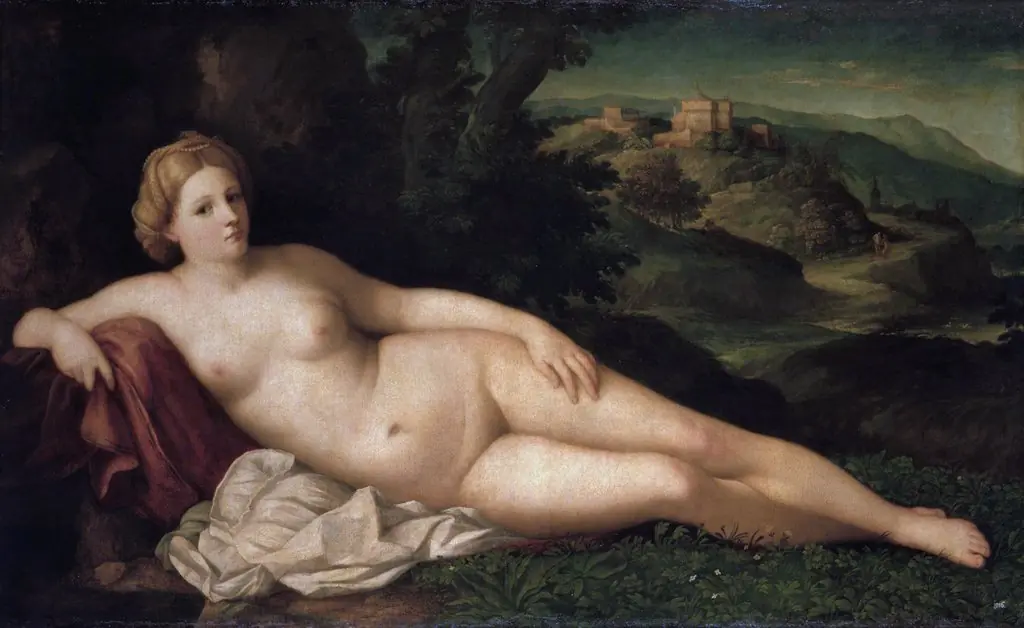
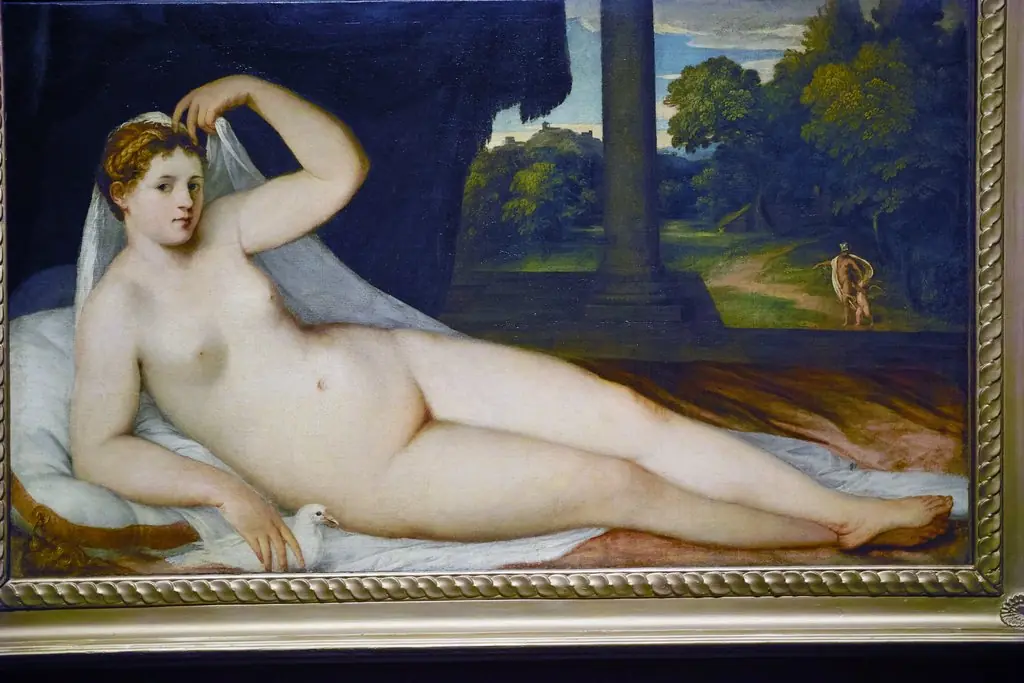
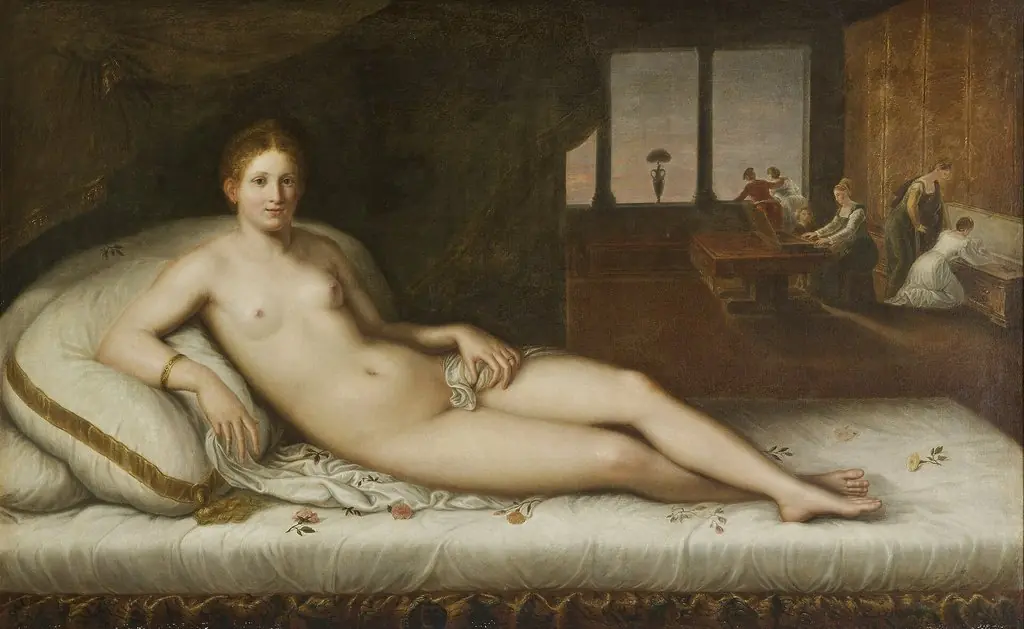
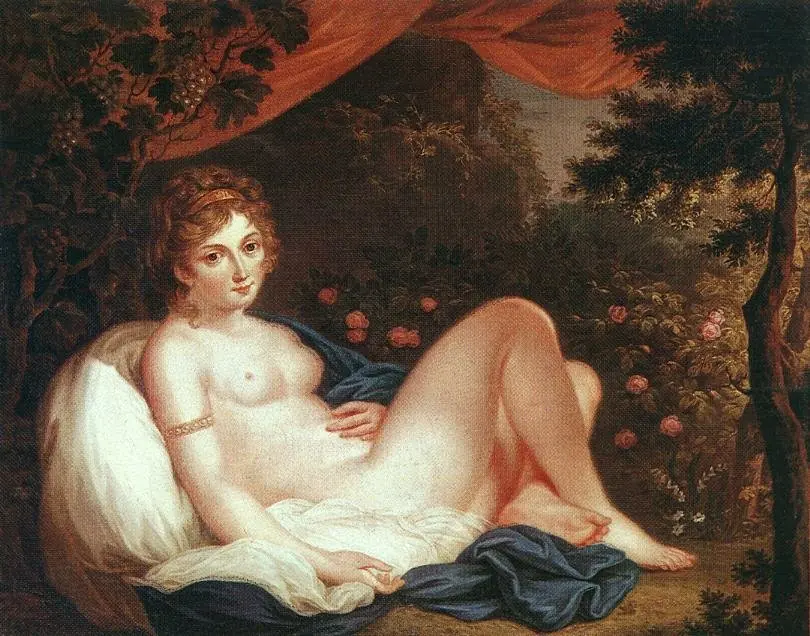
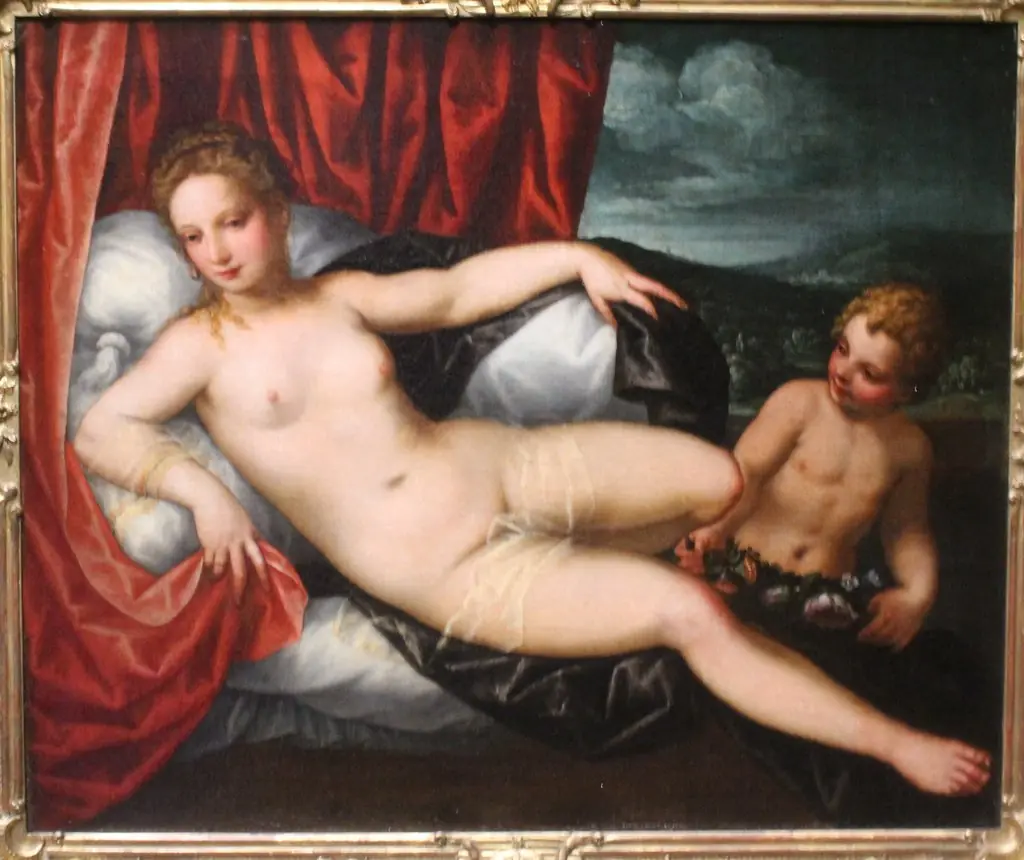
Resting Venus is an oil painting by the Early Baroque Italian artist Dirck de Quade van Ravesteyn. It dates from 1608 and is held in the collection of the Kunsthistorisches Museum.
About this work
Overview
Created in 1608 by Dirck de Quade van Ravesteyn, this oil painting presents a reclining nude figure identified as the Roman goddess Venus. The work is part of the Kunsthistorisches Museum’s collection and reflects the early Baroque sensibility that was spreading from Italy to northern Europe during the Dutch Golden Age.
Subject & Meaning
The composition centers on a sensuous Venus lying on a couch, her body relaxed and partially draped with jewelry. Her right hand supports her forehead while the left arm stretches along the chaise, suggesting a moment of private contemplation. The inclusion of a faint landscape in the dark background hints at the goddess’s connection to the natural world.
Technique & Style
Ravesteyn employs chiaroscuro to model the figure, using strong contrasts of light and shadow to give the flesh a three‑dimensional presence against a muted backdrop. The subtle green‑and‑gold embroidered pillow behind her head adds a decorative touch, while the overall composition balances Baroque dynamism with the restrained elegance typical of Dutch court portraiture.
History & Provenance
Ravesteyn, who worked at the imperial court of Rudolf II, produced the painting during a period of intense cultural exchange between the Netherlands and Italy. After remaining in private hands for centuries, the canvas entered the Kunsthistorisches Museum’s holdings, where it now serves as a representative example of early Baroque influence on Dutch painting.
Artist & collection
Artist
Dirck de Quade van Ravesteyn (1565 – 1620), was a Dutch Golden Age painter active in the court of Rudolf II, Holy Roman Emperor.