Artwork
Barbershop
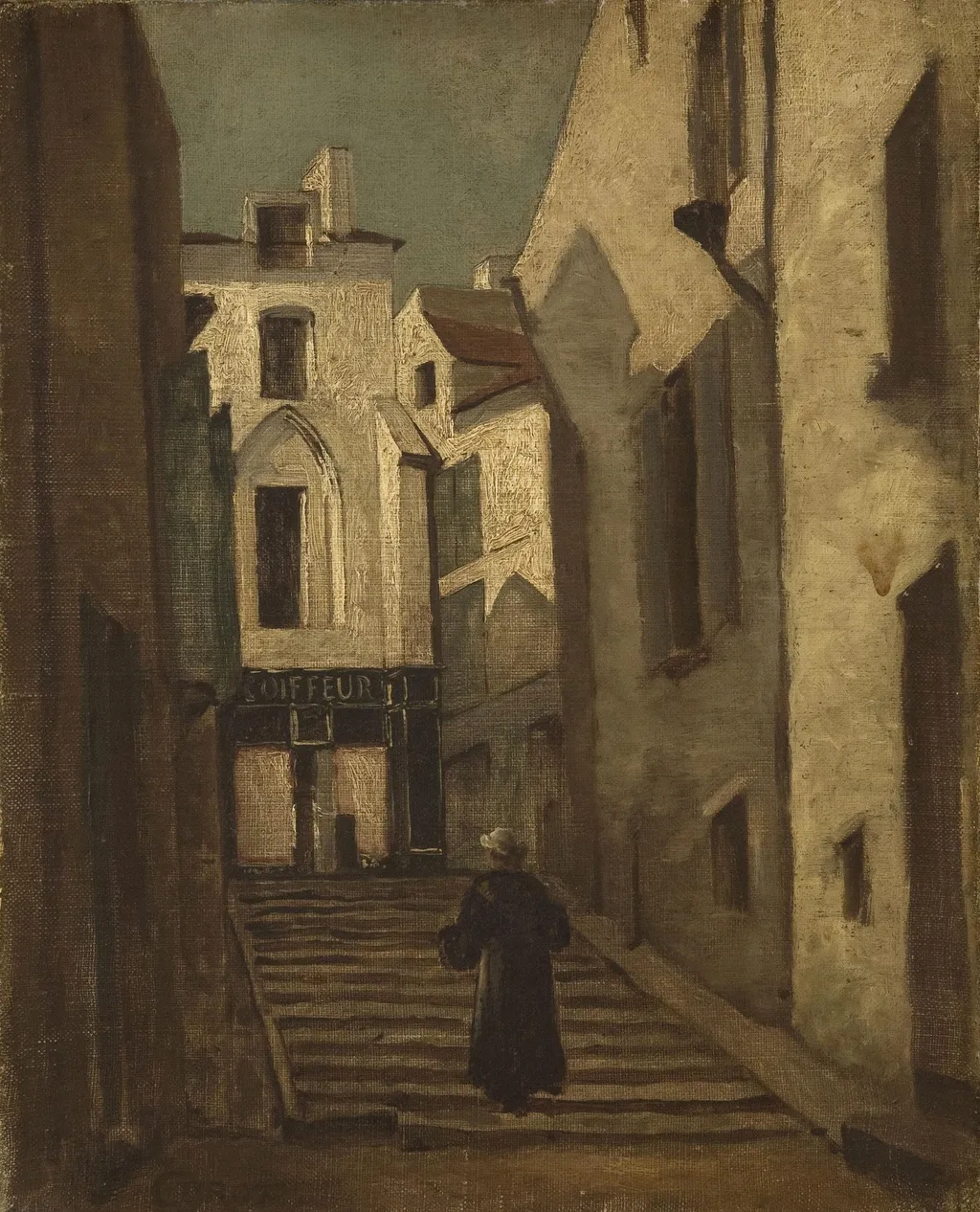
Barbershop is an oil painting by the Barbizon school artist Jean Baptiste Camille Corot. It dates from 1845 and is held in the collection of the Philadelphia Museum of Art.
About this work
Overview
Barbershop is a painting created by Jean-Baptiste-Camille Corot around 1845. It is an oil-on-canvas work held in the Philadelphia Museum of Art.
Subject & Meaning
The painting depicts a quiet street scene with a cobblestone road, flanked by buildings, under a gray sky. A figure walks down the street, and a building with a 'COIFFEUR' sign is visible in the background, suggesting a barbershop.
Technique & Style
The work is characterized by muted colors and soft lighting, evoking a contemplative atmosphere. Corot's use of chiaroscuro, a technique emphasizing contrasts between light and dark, contributes to the scene's quiet mood.
Context
Barbershop is associated with the Barbizon School, a movement that focused on naturalistic representations of rural life. Corot was a key figure in 19th-century French art, known for his landscapes, portraits, and etchings that bridged Neo-Classical and plein-air techniques.
Own this work as a print
Artist & collection
Artist
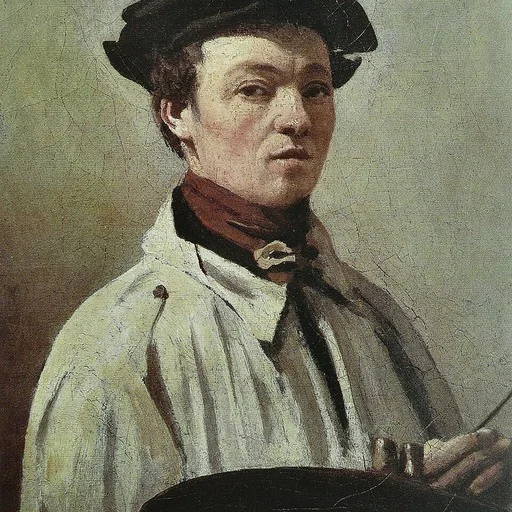
Jean-Baptiste-Camille Corot (UK: KORR-oh, US: kə-ROH, kor-OH; French: ; 16 July 1796 – 22 February 1875), or simply Camille Corot, was a French landscape and portrait painter as well as a printmaker in etching.

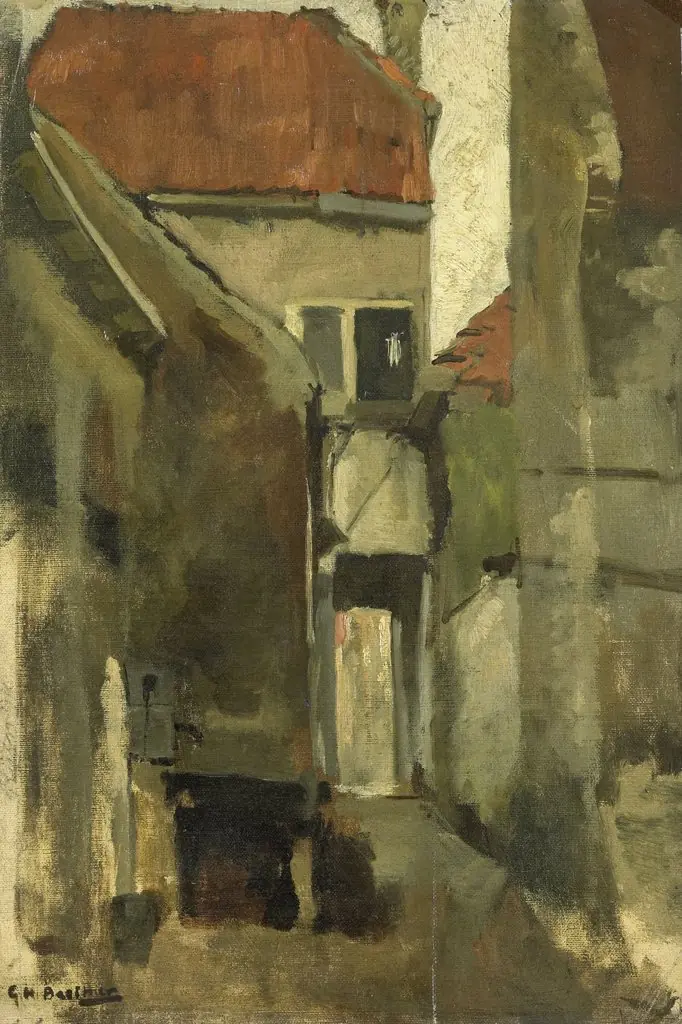 Neighborhood Street in Rijswijk near The Hague
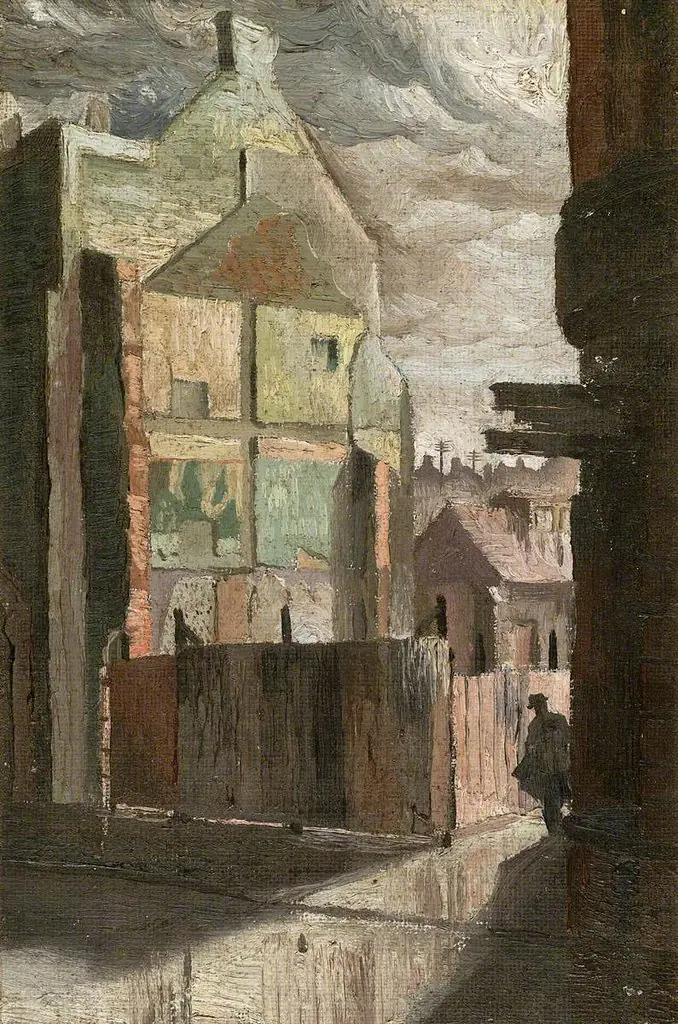 Cleared Site with Hoarding and a Figure
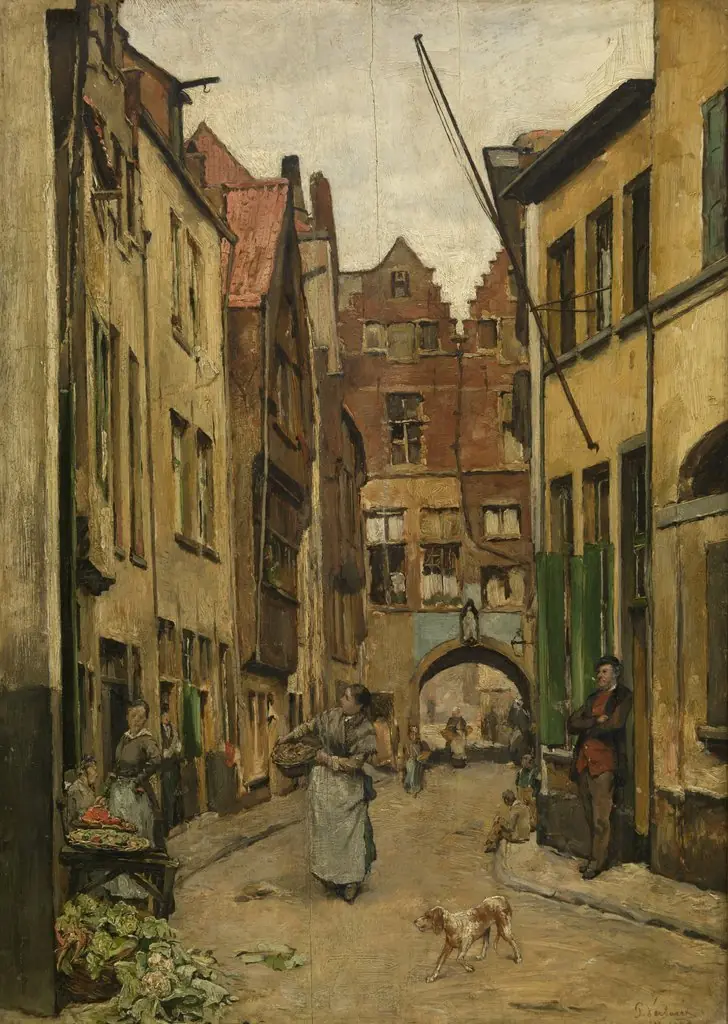 Palingbrugstraat
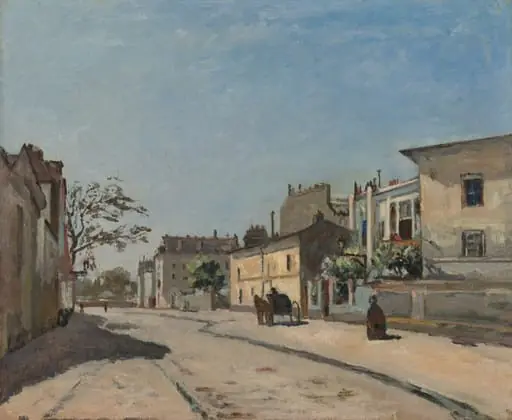 French Street Scene
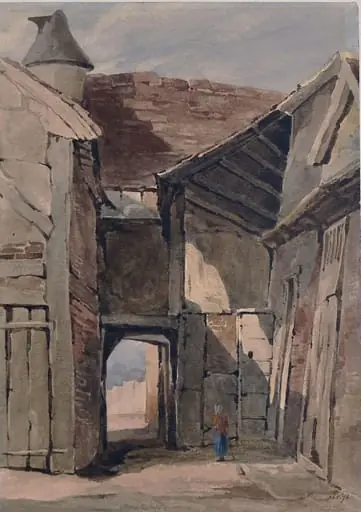 Old House, Bristol
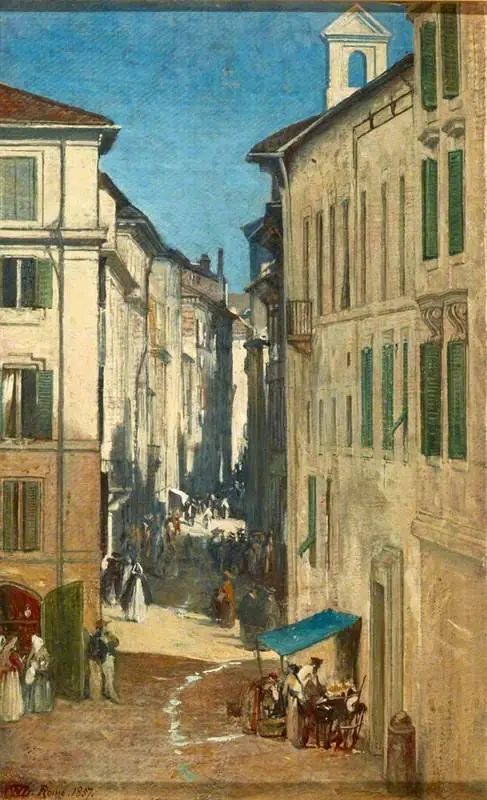 A Street in Rome
 Murcia
 Archway
 A Gateway in a Norman Town
 Houses along a road near a mountain (Innsbruck?)
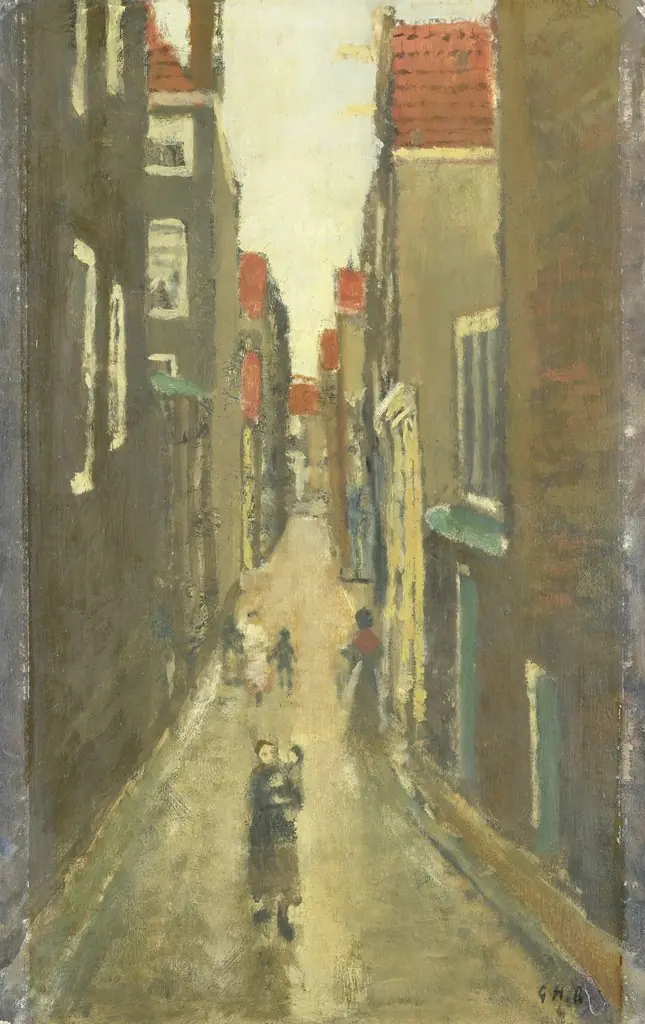 Neighborhood in the Jordaan, Amsterdam
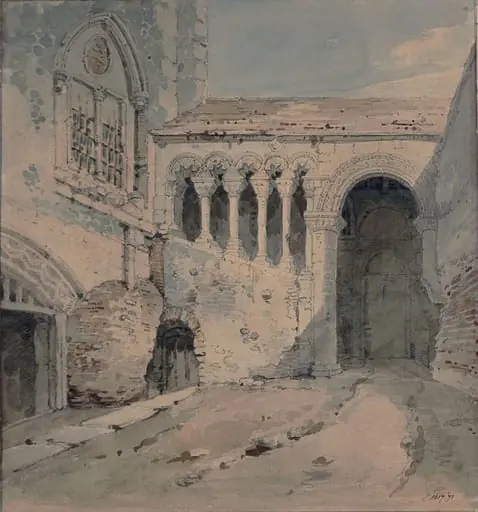 The Square at Canterbury