Artwork
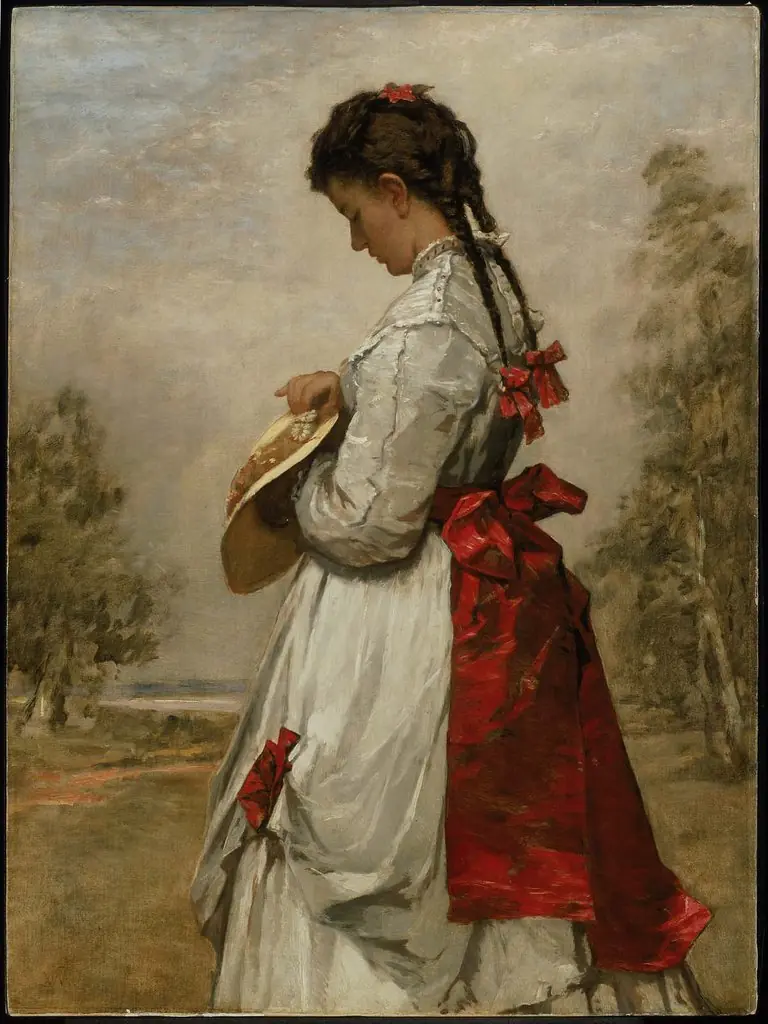
La Cigale (The Grasshopper)
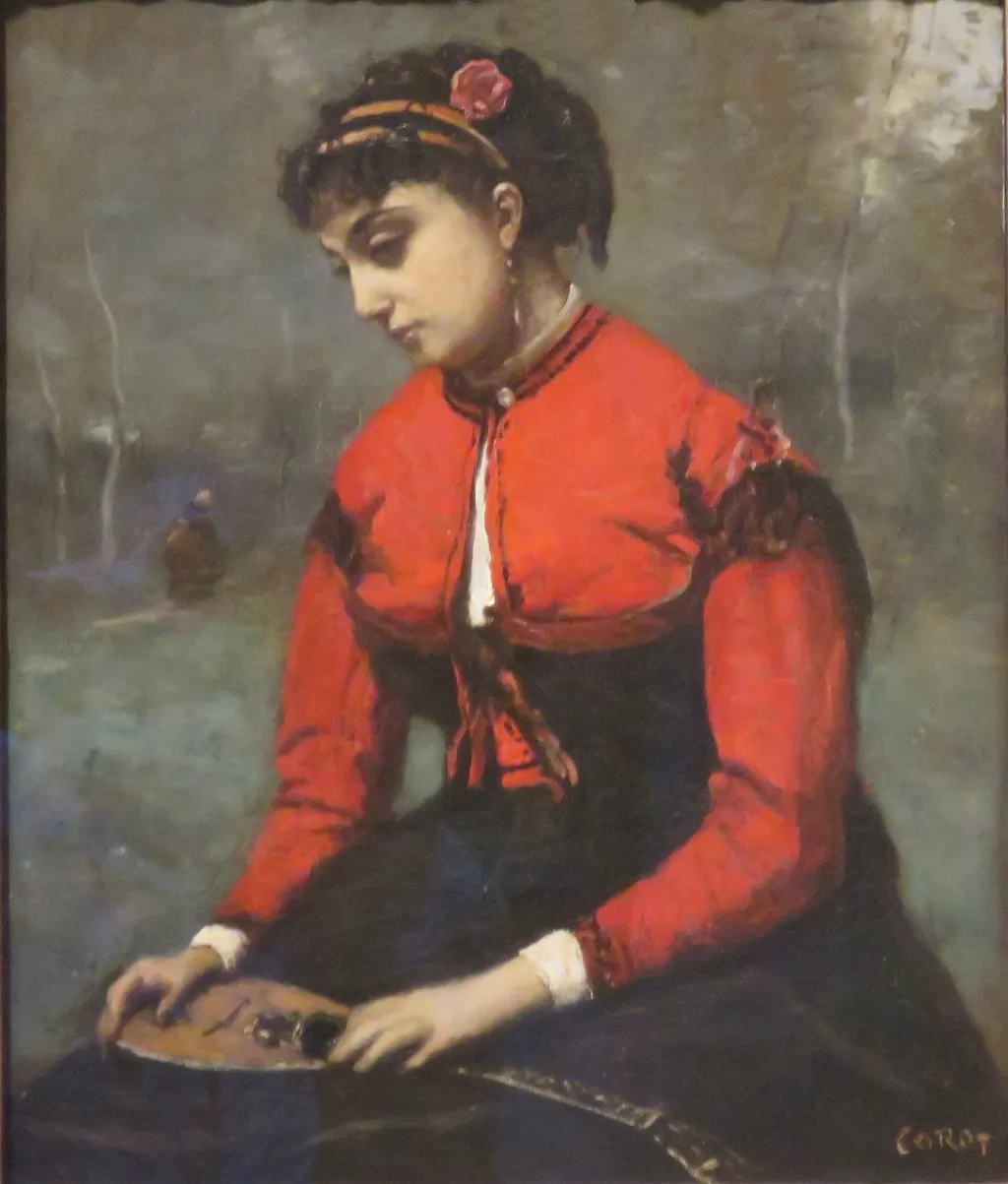
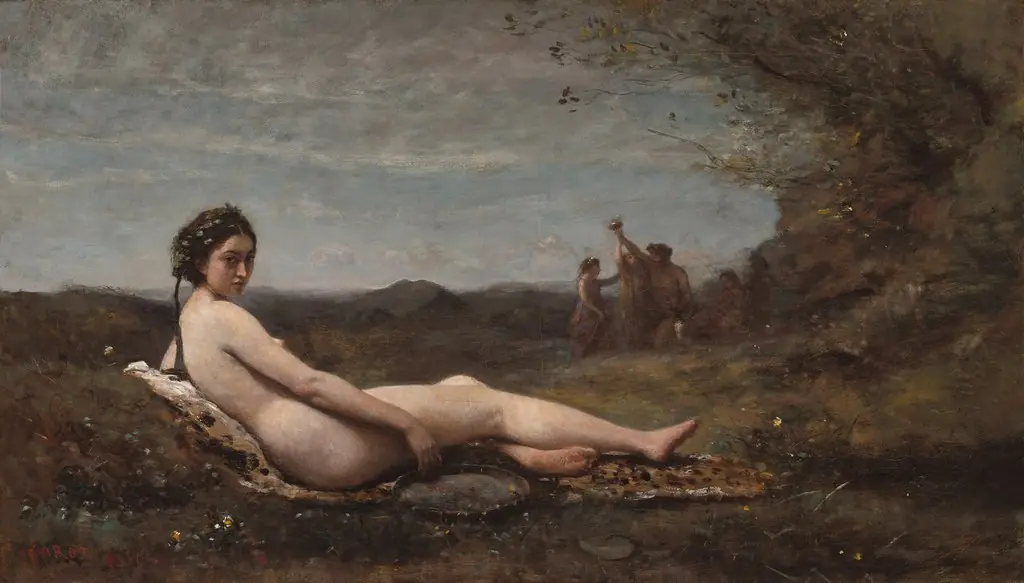
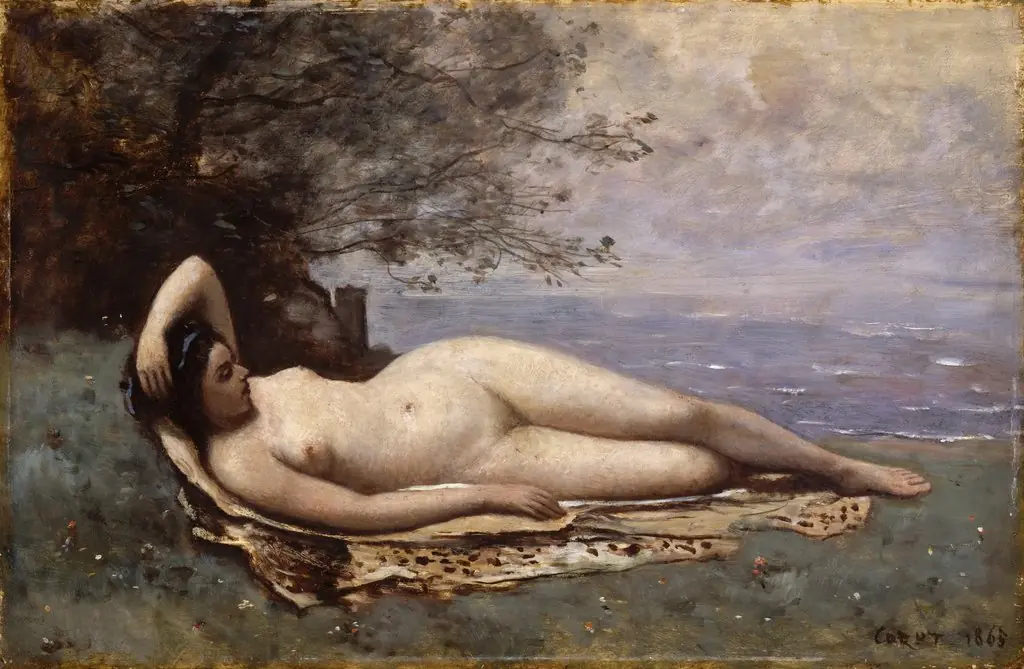
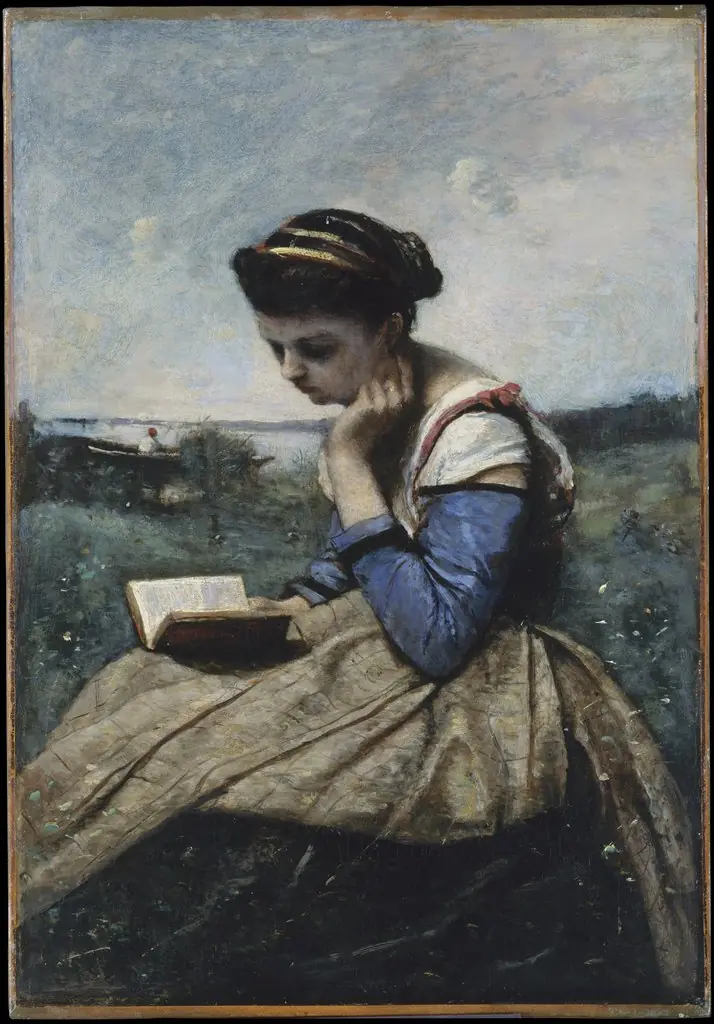
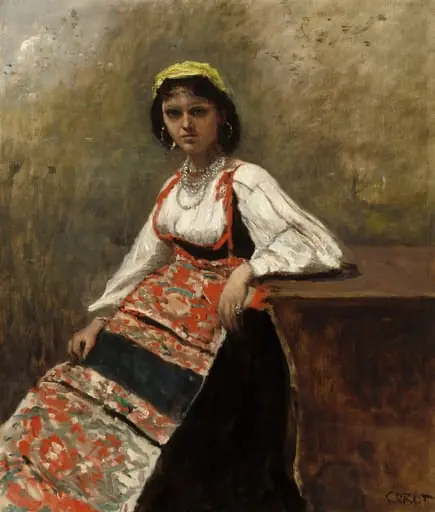
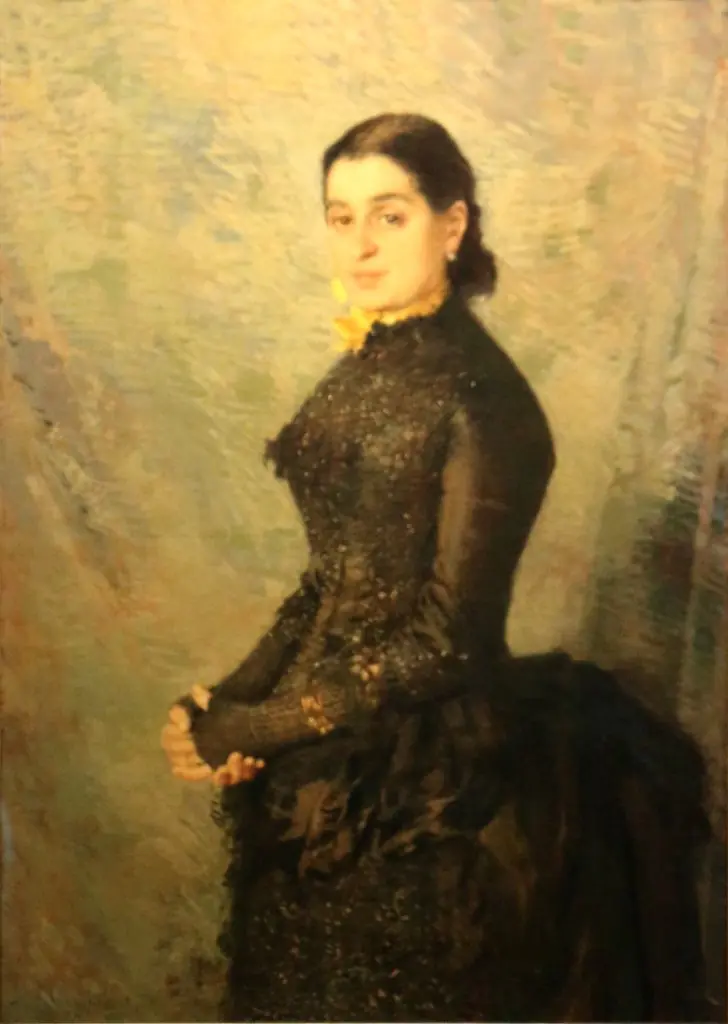
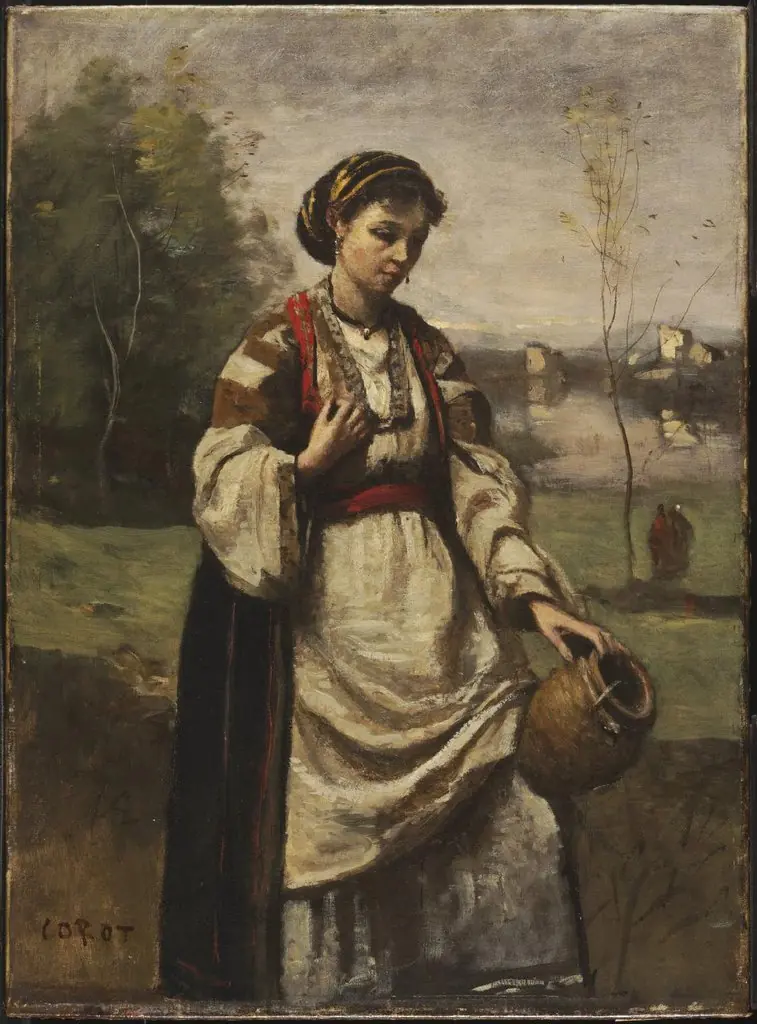
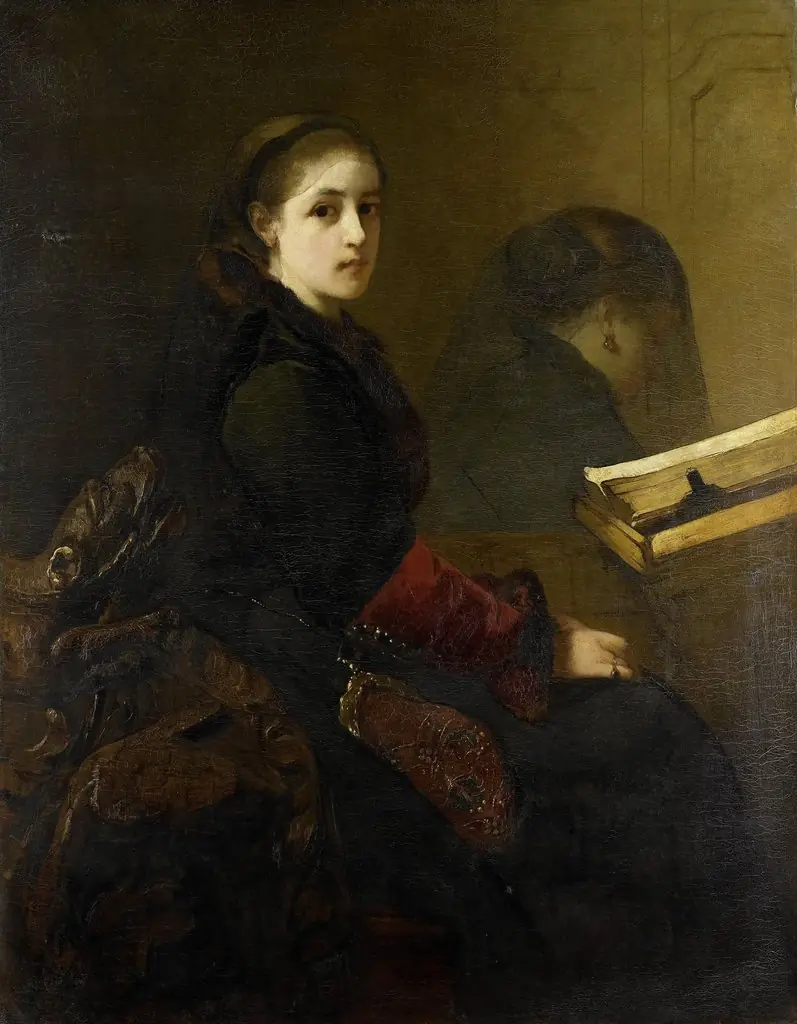
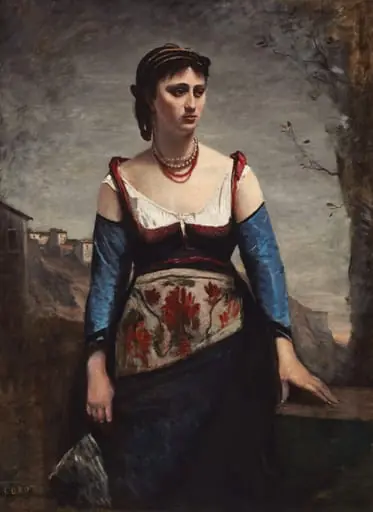
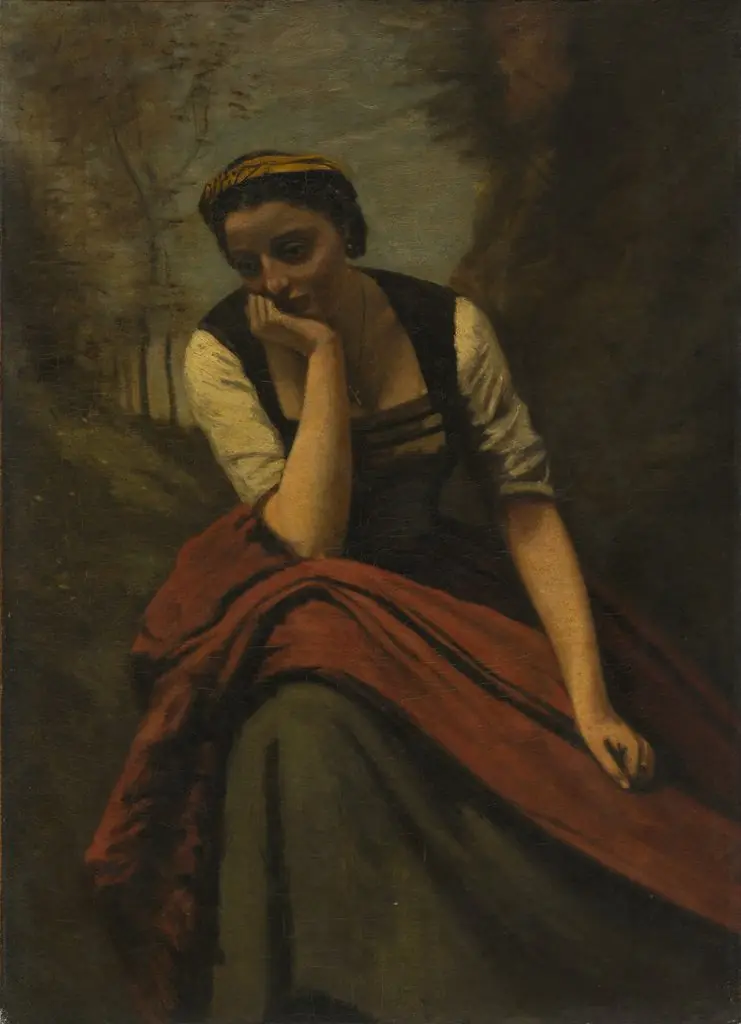
La Cigale (The Grasshopper) is an oil painting by the Barbizon school artist Jean Baptiste Camille Corot. It dates from 1865 and is held in the collection of the Norton Simon Museum.
About this work
Overview
Though rooted in the Barbizon School’s focus on quiet, observed reality, the work diverges from landscape to center a solitary figure.
Painted in 1865 by Jean-Baptiste-Camille Corot, *La Cigale (The Grasshopper)* is an oil portrait that reflects the artist’s transition between classical composition and emerging naturalism. Though rooted in the Barbizon School’s focus on quiet, observed reality, the work diverges from landscape to center a solitary figure. Its subdued palette and gentle lighting evoke introspection, aligning with Corot’s broader interest in mood over narrative.
Subject & Meaning
The subject is a young woman seated in stillness, her gaze lowered and hands folded in her lap. Her attire—a red jacket, white blouse, and dark skirt—suggests modest refinement, while the floral headband adds a touch of personal adornment. The title, referencing the grasshopper, may allude to themes of transience or lyrical solitude, though Corot offers no explicit narrative. The figure’s quiet demeanor invites contemplation rather than storytelling.
Technique & Style
Corot employed soft brushwork and muted tones to create a hazy, atmospheric effect, characteristic of his mature style. The woman’s form is defined with subtle gradations of light, avoiding sharp contours. The background remains indistinct, drawing focus to her presence. This blending of structured pose with loose, luminous rendering bridges academic tradition and the emerging emphasis on sensory experience in 19th-century French painting.
History & Provenance
Completed in 1865, the painting entered the Norton Simon Museum’s collection through the museum’s founding acquisitions. It has remained in institutional hands since, with no documented public exhibitions prior to the 20th century. Its title, *La Cigale*, appears in Corot’s records but lacks clear contextual explanation, leaving its symbolic intent open to interpretation.
Context
In mid-19th century France, artists like Corot moved away from grand historical themes toward intimate, everyday subjects. While the Barbizon School championed rural landscapes, Corot extended its ethos to portraiture, infusing figures with the same quiet reverence for light and atmosphere. *La Cigale* reflects this shift, positioning the individual as a vessel for emotional resonance rather than social statement.
Legacy
Though not among Corot’s most widely reproduced works, *La Cigale* exemplifies his ability to merge classical poise with atmospheric sensitivity. It influenced later generations of painters who sought to capture psychological depth through subdued color and composed stillness. The painting remains a quiet testament to his role in redefining portraiture beyond formal convention.
Artist & collection
Artist
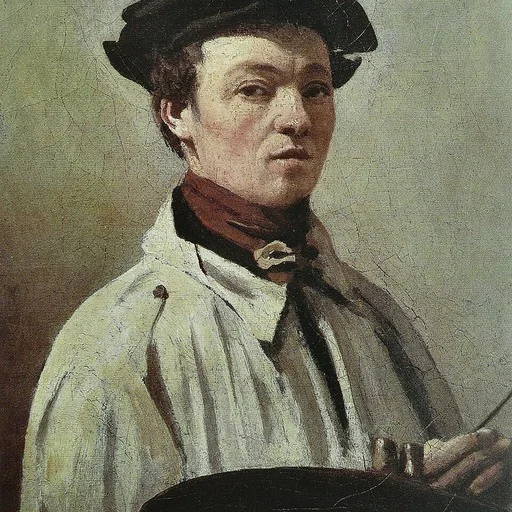
Jean-Baptiste-Camille Corot (UK: KORR-oh, US: kə-ROH, kor-OH; French: ; 16 July 1796 – 22 February 1875), or simply Camille Corot, was a French landscape and portrait painter as well as a printmaker in etching.