Artwork
Landscape
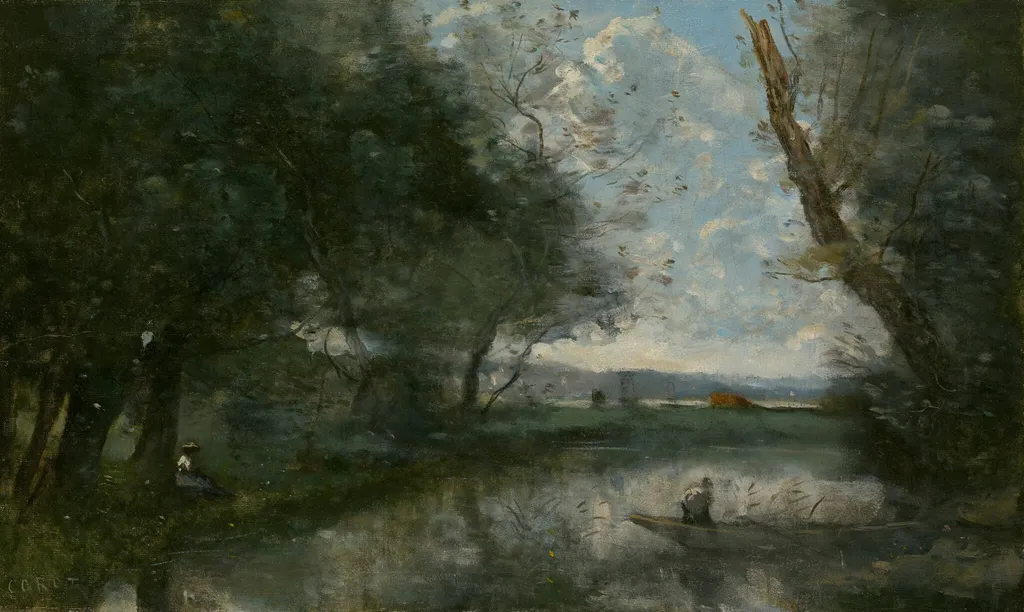
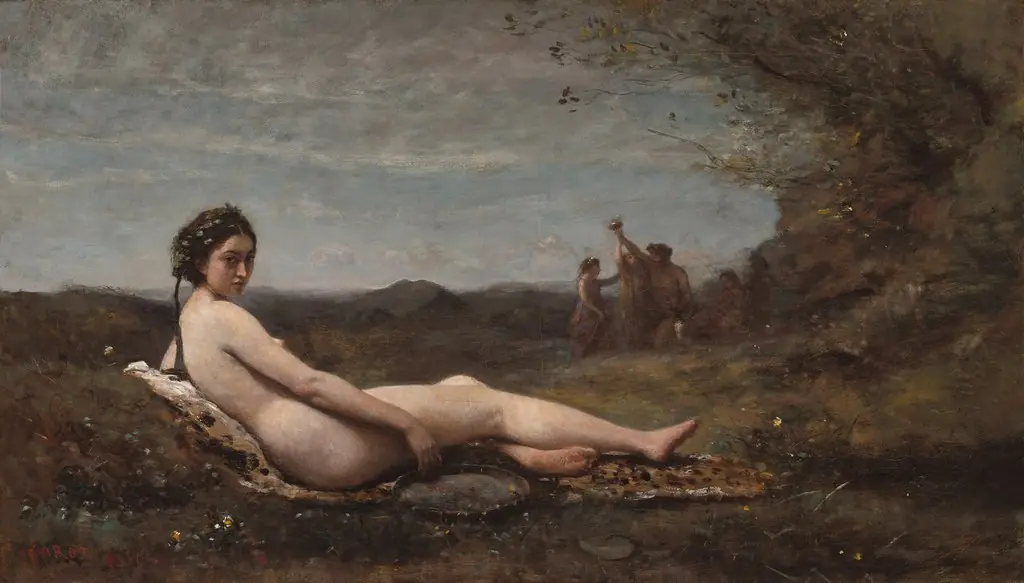
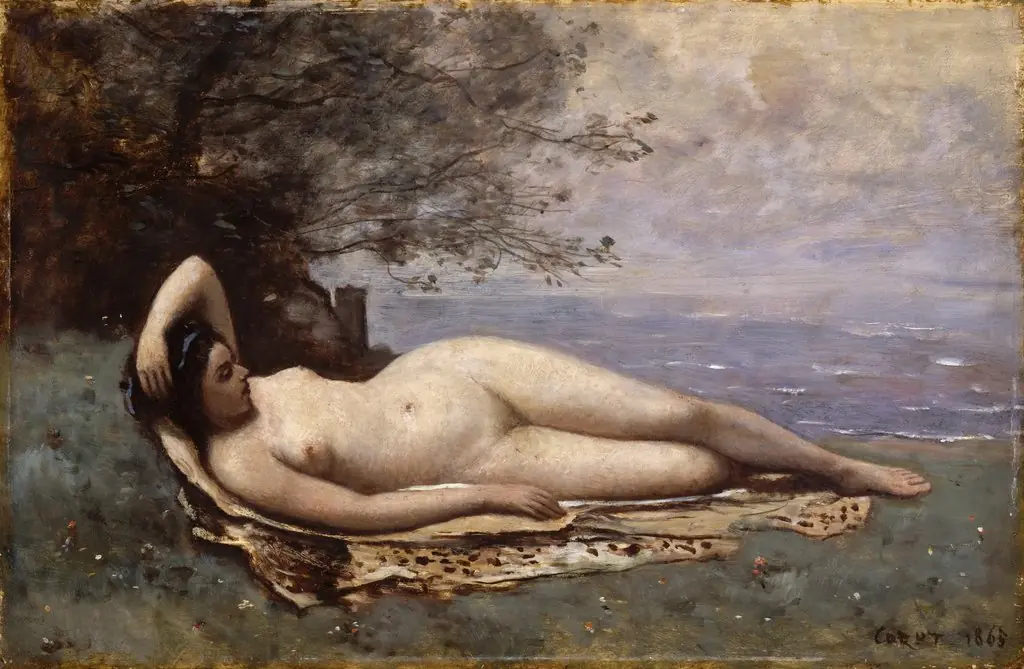
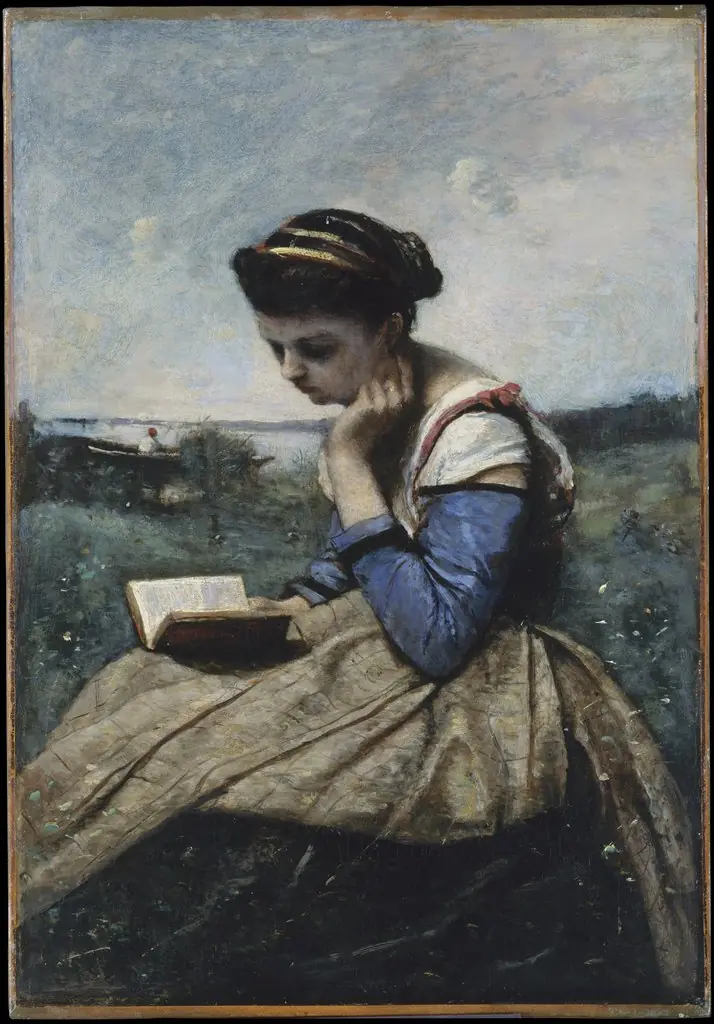
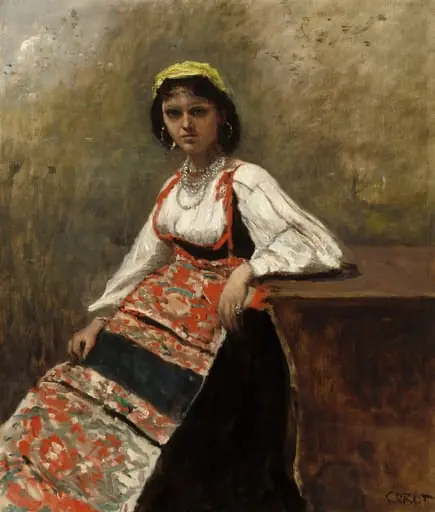
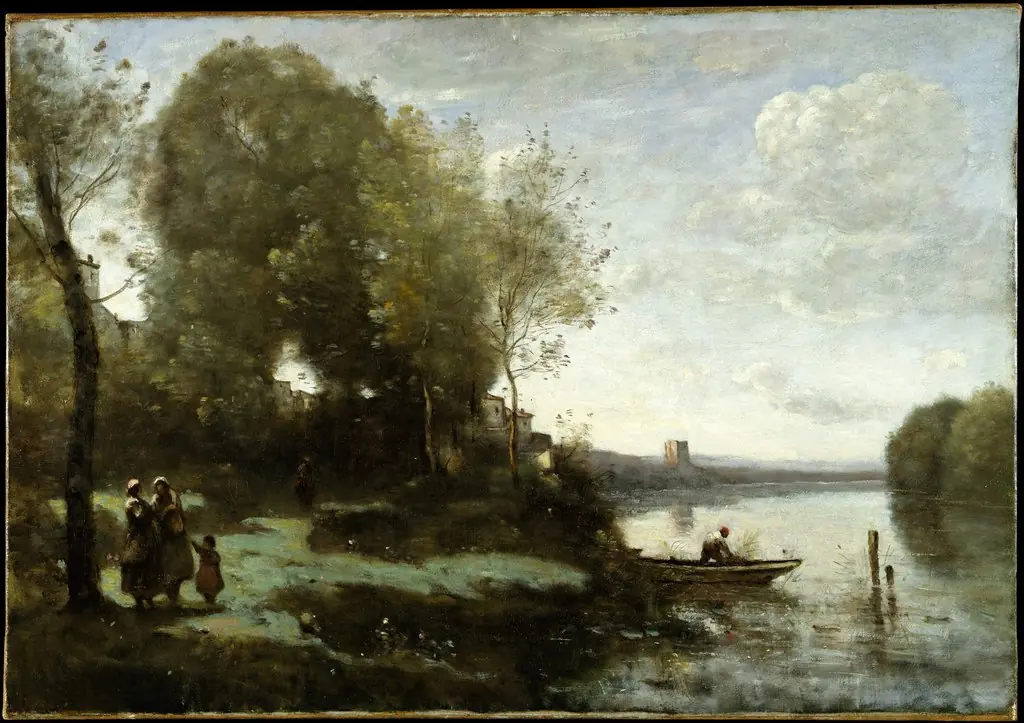
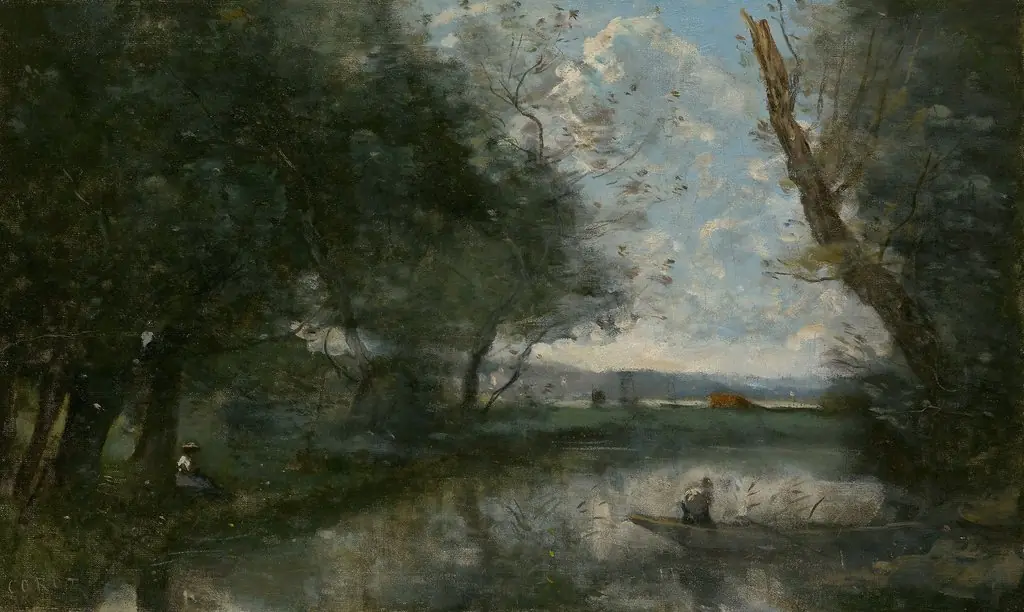
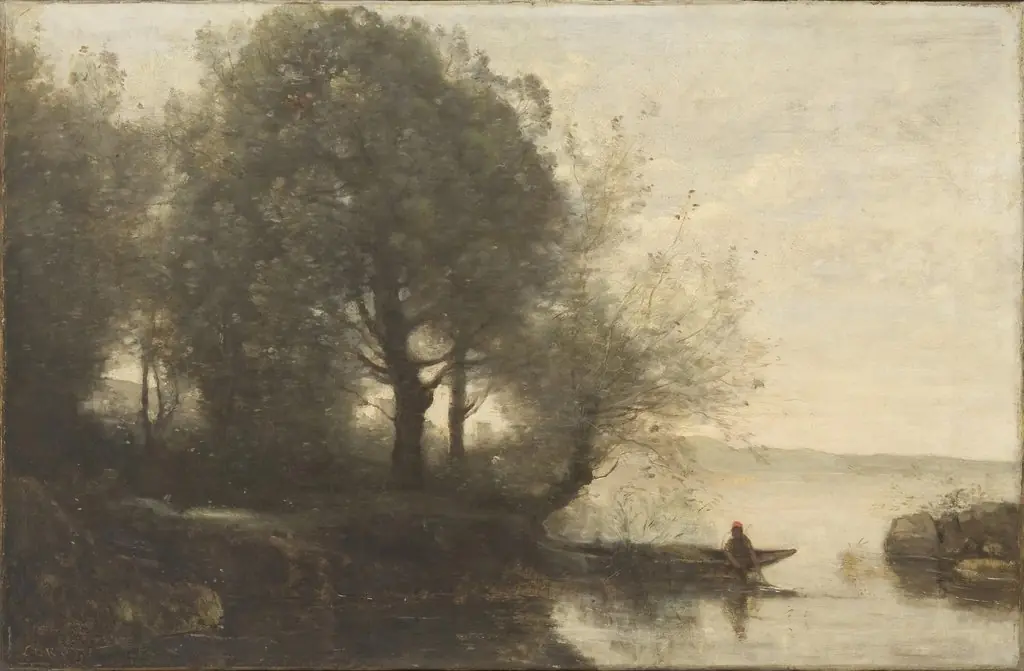
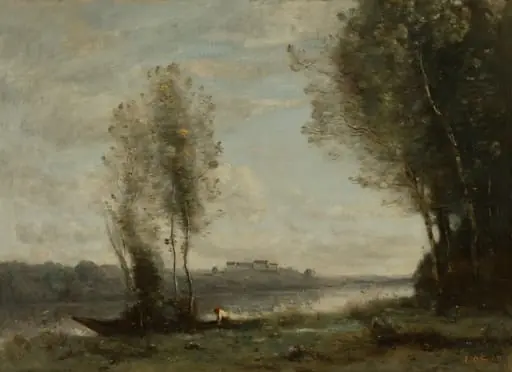
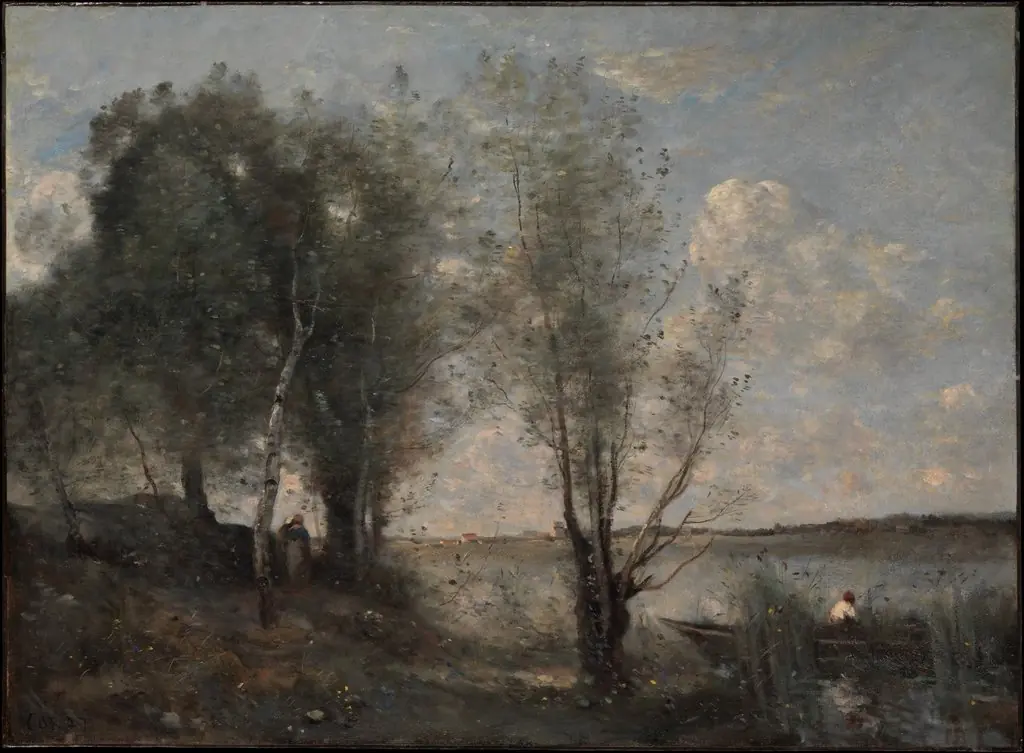
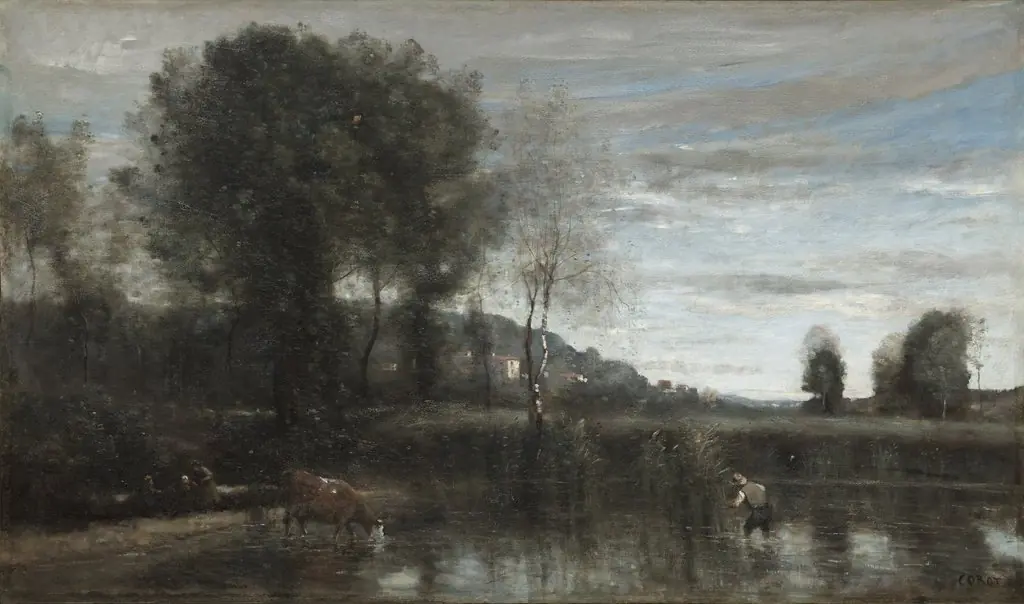
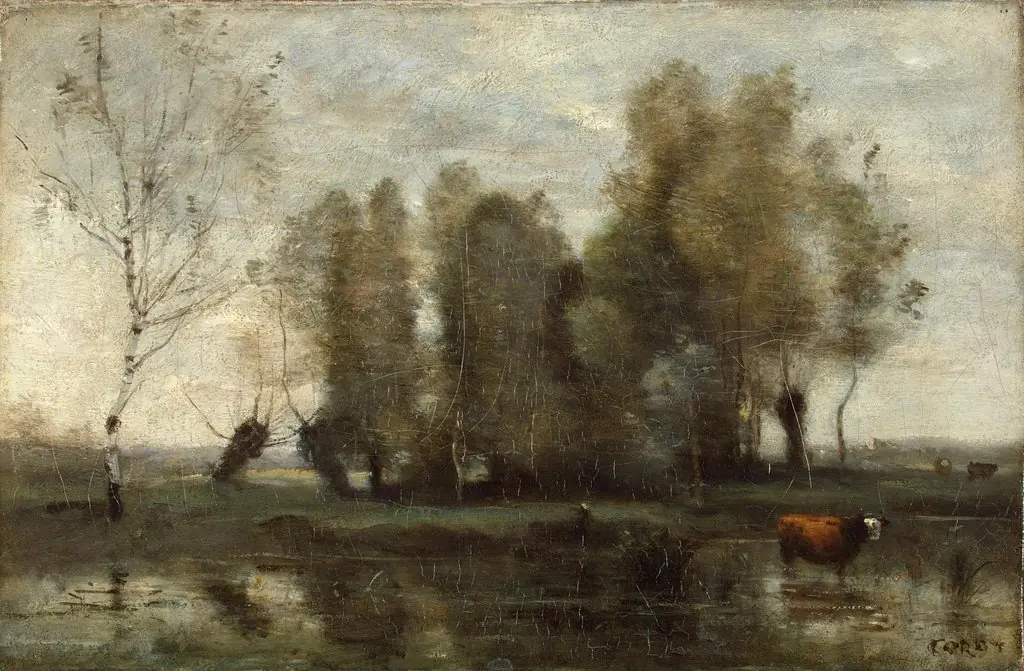
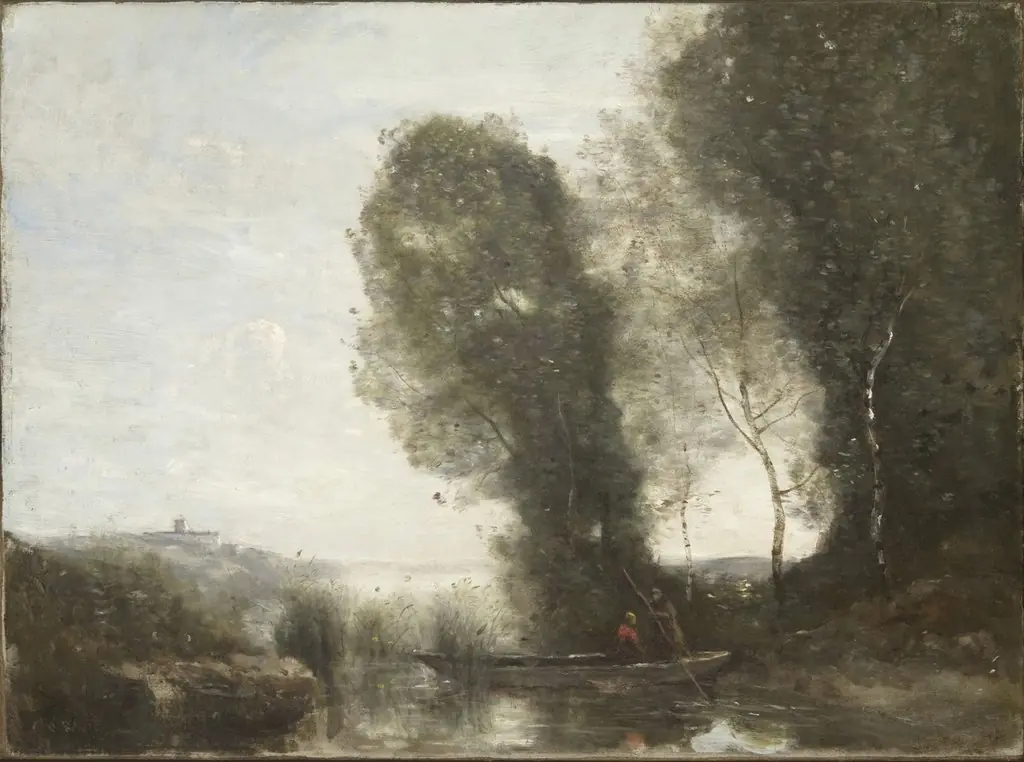
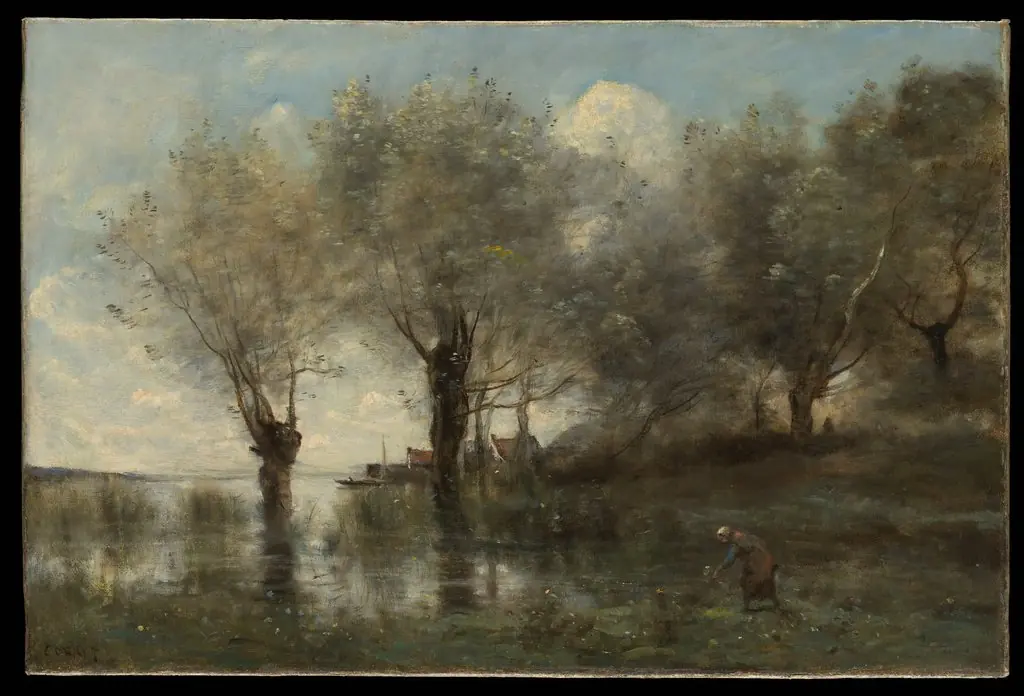
Landscape is an oil painting by the Impressionist artist Jean Baptiste Camille Corot. It dates from 1868 and is held in the collection of the Art Institute of Chicago.
About this work
Overview
Working within the Realist tradition, Corot avoided theatricality, instead focusing on quiet, observed moments in the countryside.
Painted in 1868, this oil on canvas landscape by Jean-Baptiste-Camille Corot reflects his mature approach to natural scenery. Working within the Realist tradition, Corot avoided theatricality, instead focusing on quiet, observed moments in the countryside. The painting is part of the Art Institute of Chicago’s permanent collection and exemplifies his role in transitioning French landscape painting from academic conventions toward more direct, atmospheric rendering.
Subject & Meaning
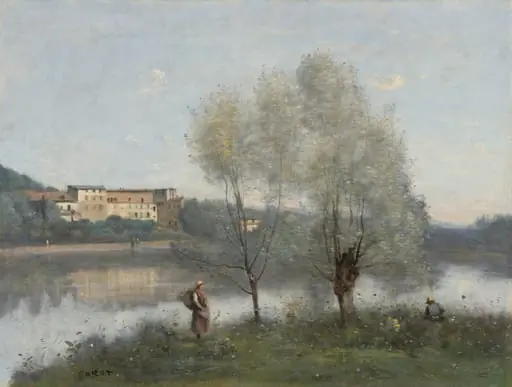
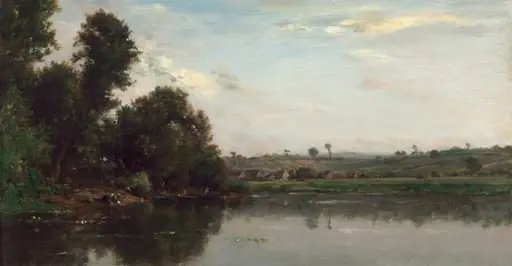
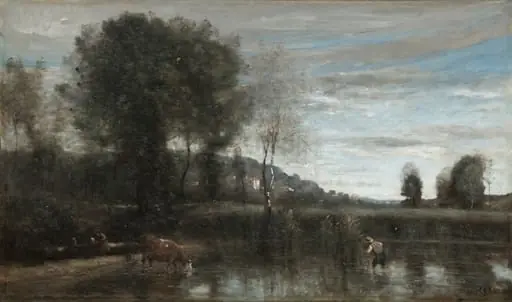
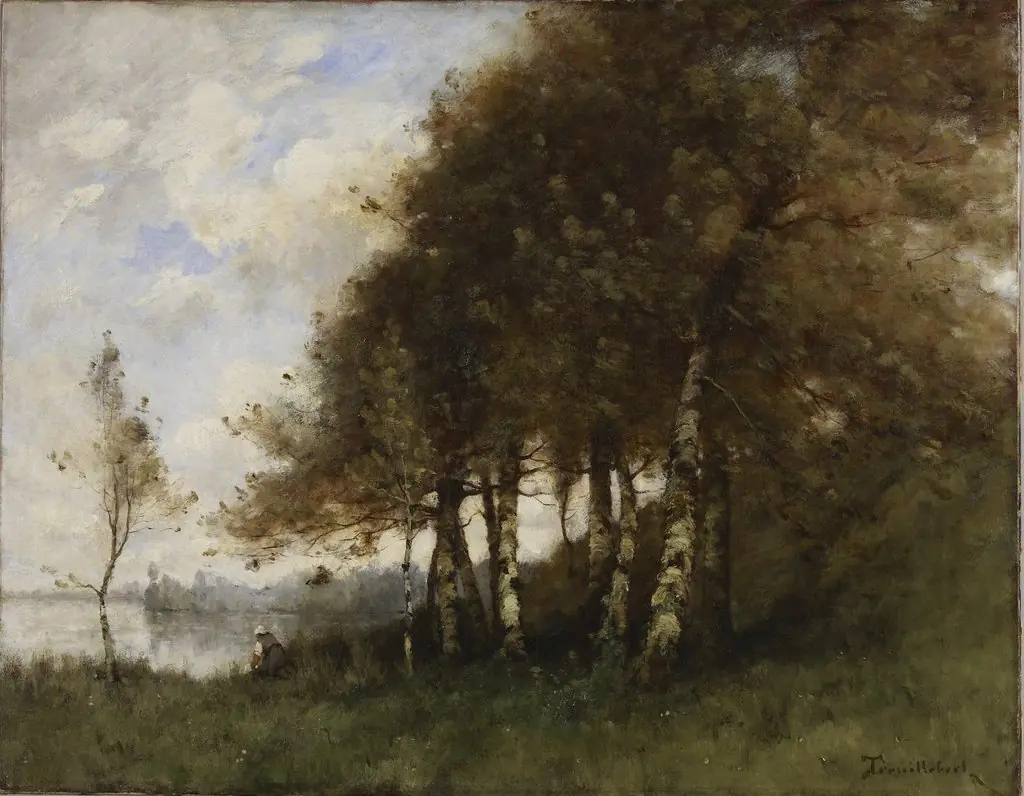
The scene depicts a tranquil expanse of water flanked by trees under a soft sky, with no human figures or architectural elements to distract from the natural setting. Corot’s choice of a serene, uneventful vista suggests a contemplative engagement with nature, valuing stillness and light over narrative or symbolism. The composition invites quiet observation rather than dramatic interpretation.
Technique & Style
Corot employed thin layers of oil paint, using glazing to achieve subtle tonal transitions and a hazy atmospheric effect. His brushwork is restrained, avoiding sharp detail in favor of soft edges and muted hues. This method creates depth through color modulation rather than linear perspective, emphasizing mood over topographical accuracy and anticipating the optical concerns of later Impressionists.
History & Provenance
Created during the height of Corot’s career, the painting reflects his decades-long commitment to outdoor sketching and studio refinement. It entered the Art Institute of Chicago’s collection in the early 20th century, following the broader American interest in French landscape painting. Its provenance remains unbroken since acquisition, with no record of significant alteration or restoration.
Context
In the 1860s, French art was shifting from idealized historical landscapes toward direct observation of nature. Corot stood between the academic tradition and the new generation of plein-air painters. While not a radical innovator, his sensitivity to light and tone provided a model for artists like Monet and Pissarro, who would later develop Impressionism through similar, more radical means.
Legacy
Corot’s landscapes, including this work, helped redefine how nature could be represented in painting—not as a stage for myth or moral allegory, but as a subject worthy of quiet, truthful attention. His influence extended beyond his lifetime, shaping the aesthetic priorities of modern landscape painting through emphasis on atmosphere, tonal harmony, and restrained composition.
Own this work as a print
Artist & collection
Artist
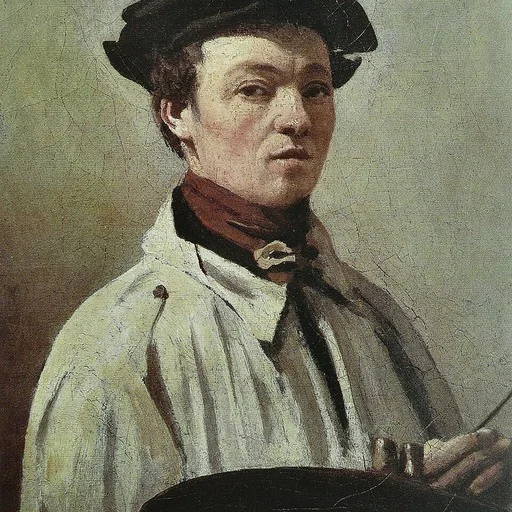
Jean-Baptiste-Camille Corot (UK: KORR-oh, US: kə-ROH, kor-OH; French: ; 16 July 1796 – 22 February 1875), or simply Camille Corot, was a French landscape and portrait painter as well as a printmaker in etching.