Artwork
Fisherman
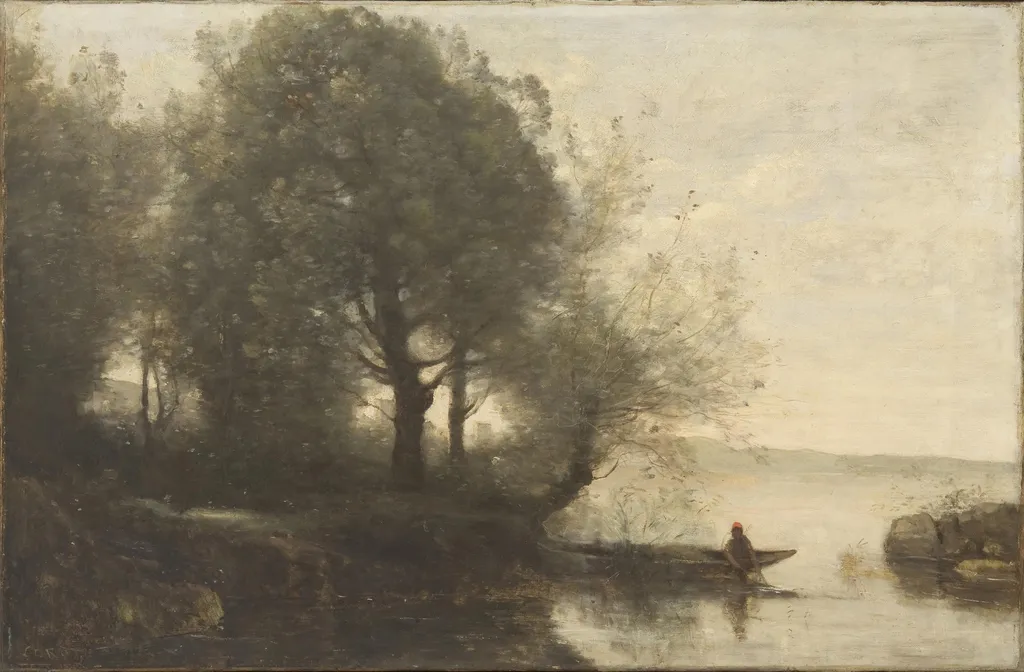
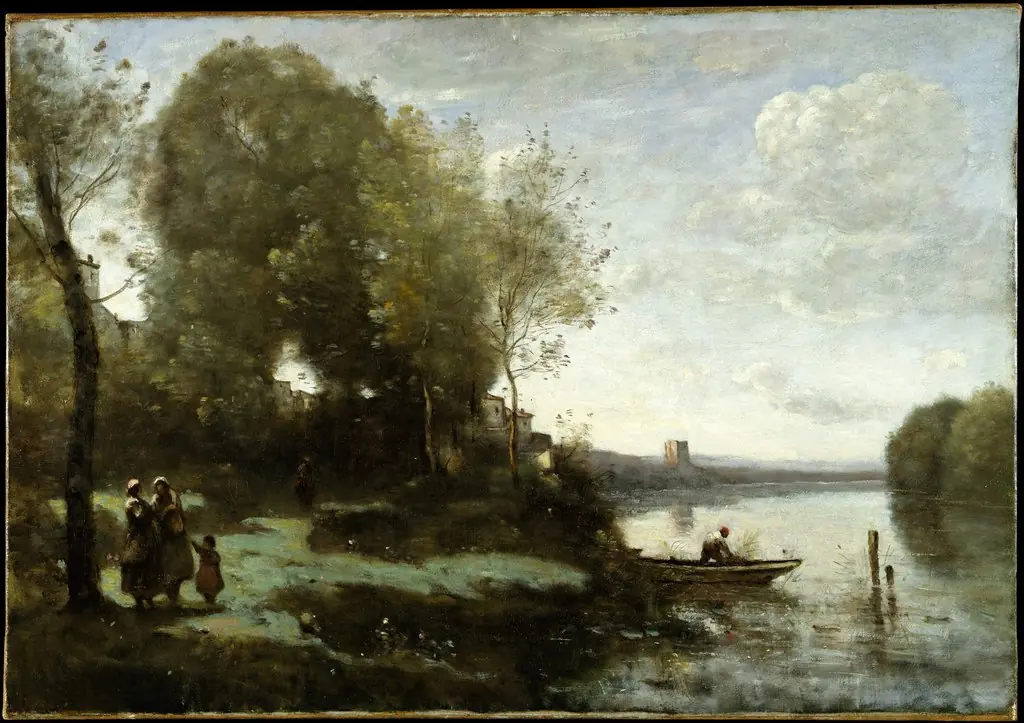
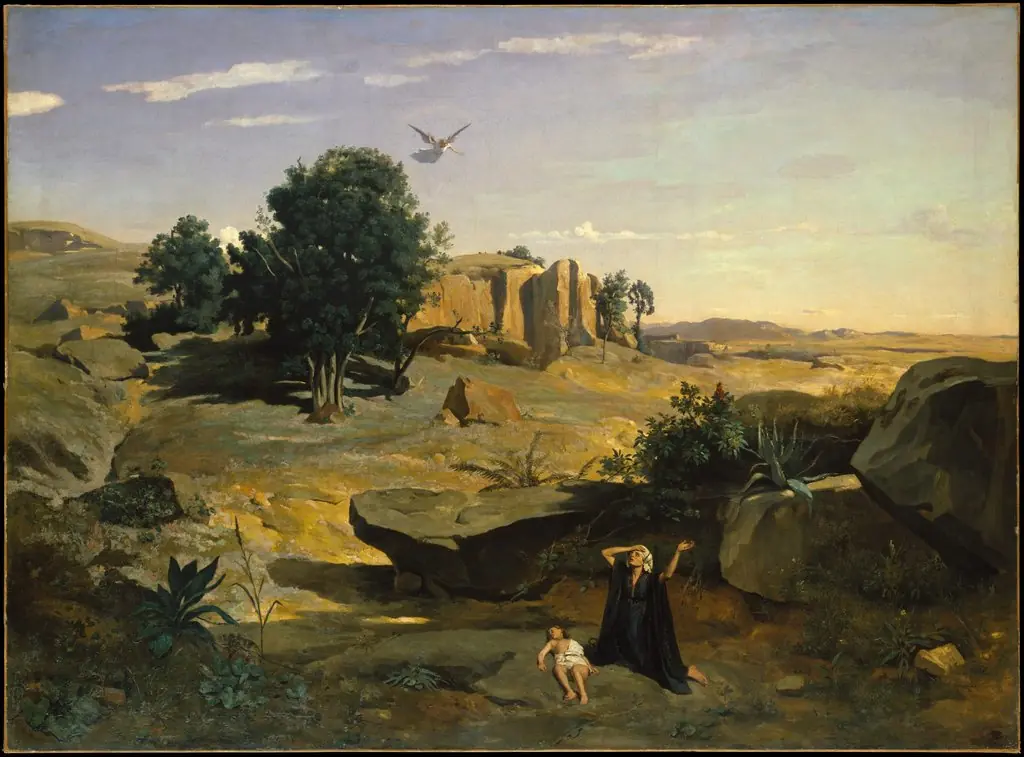
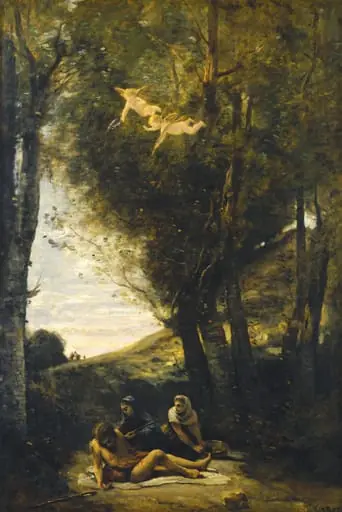
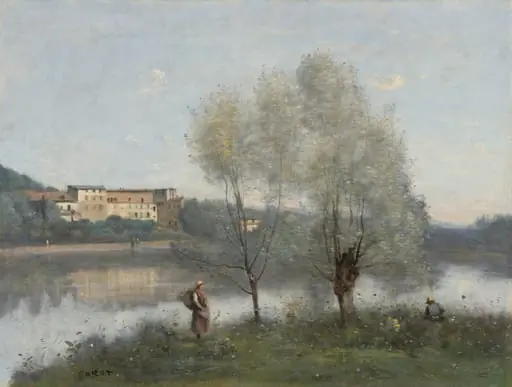
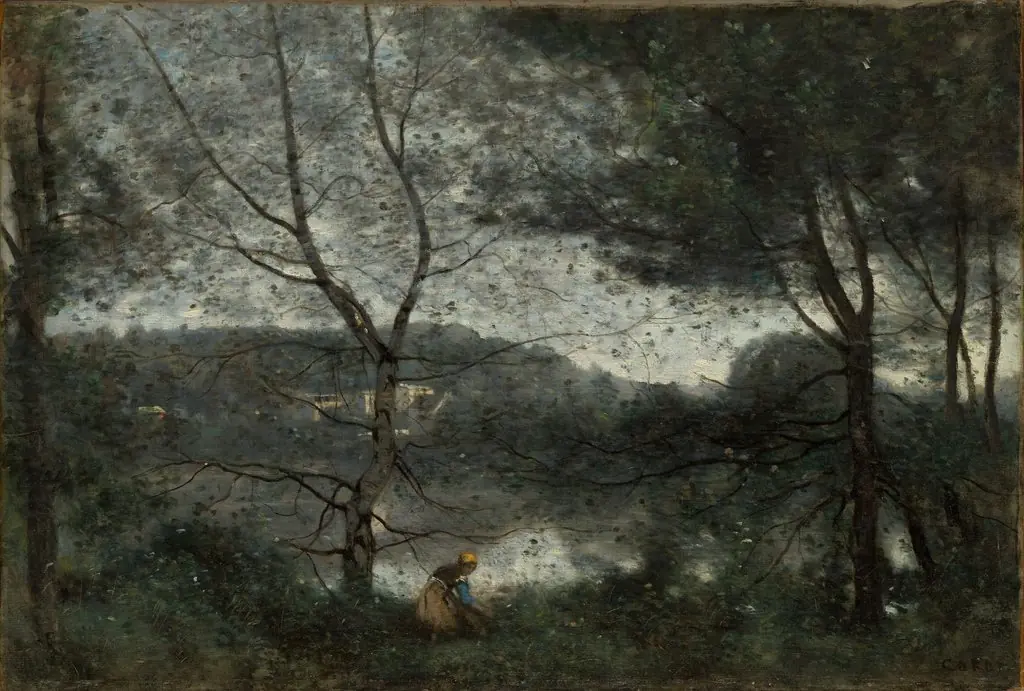
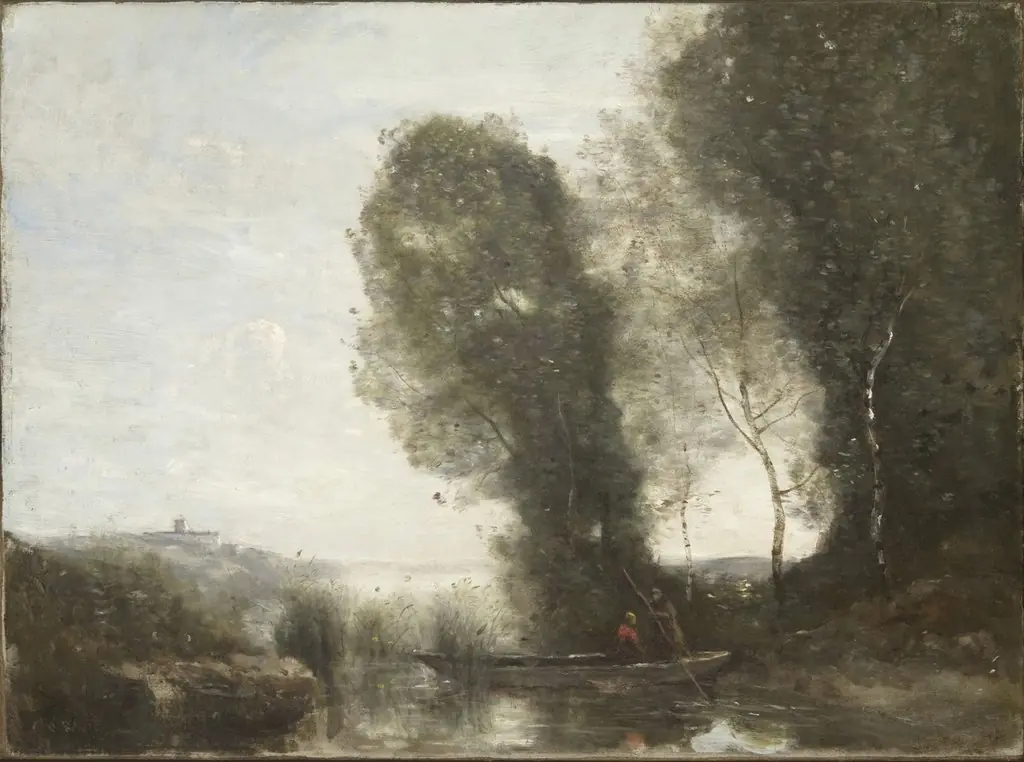
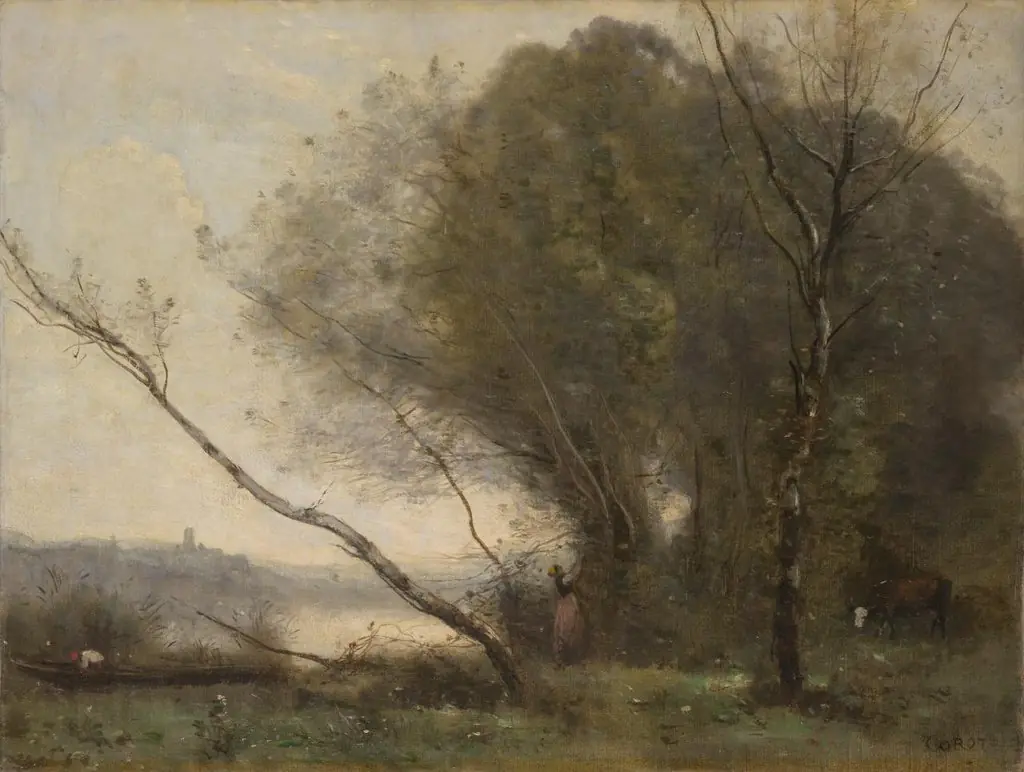
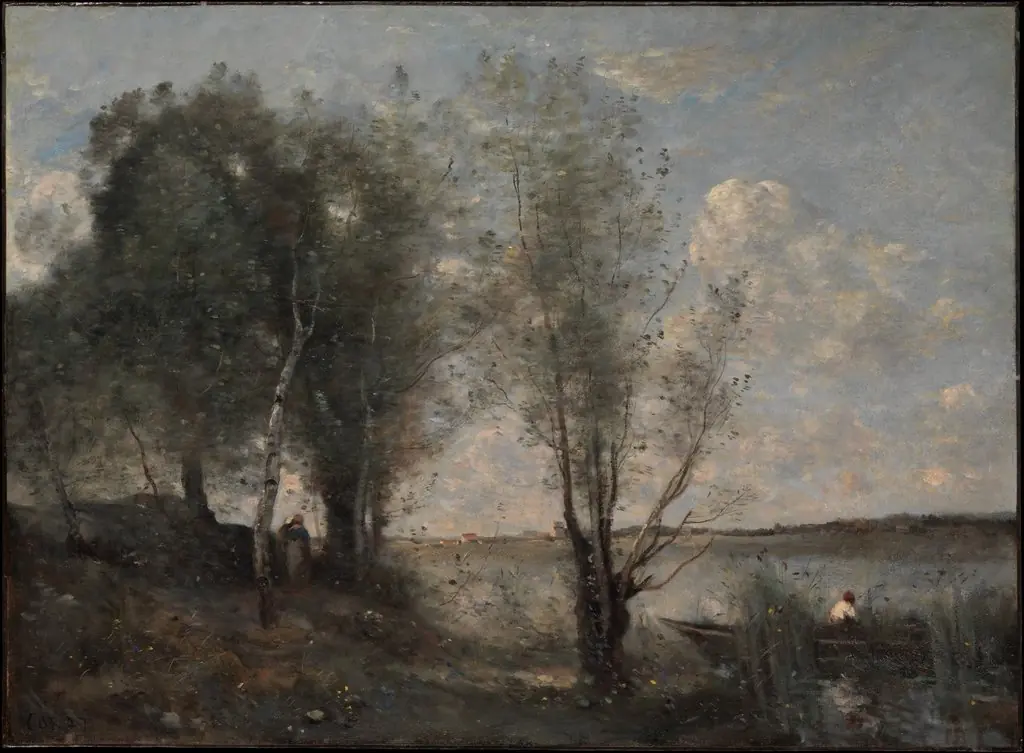
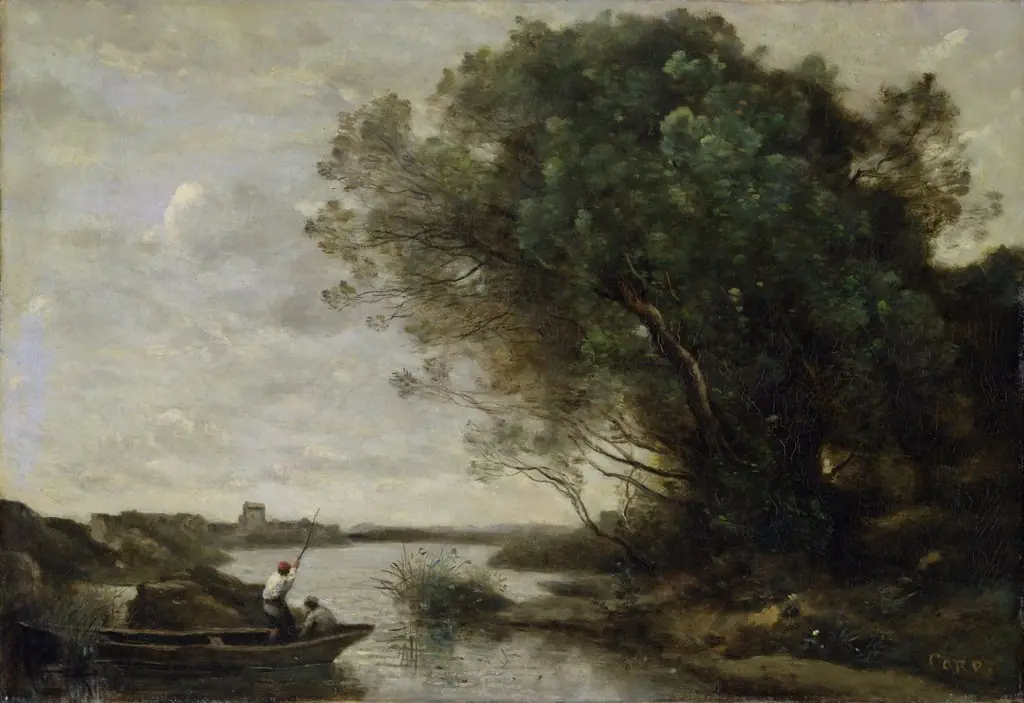
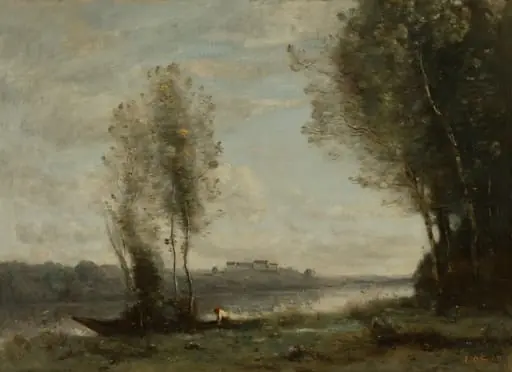
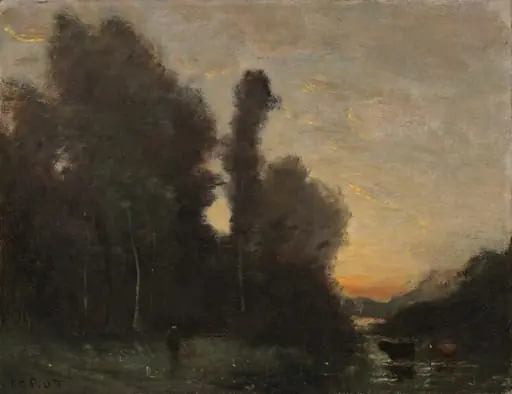
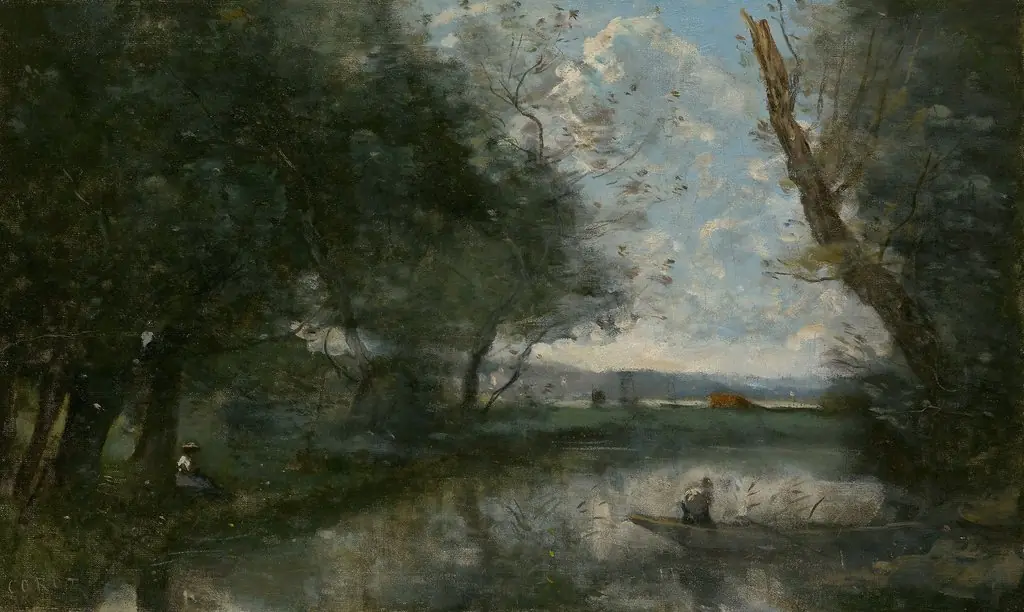
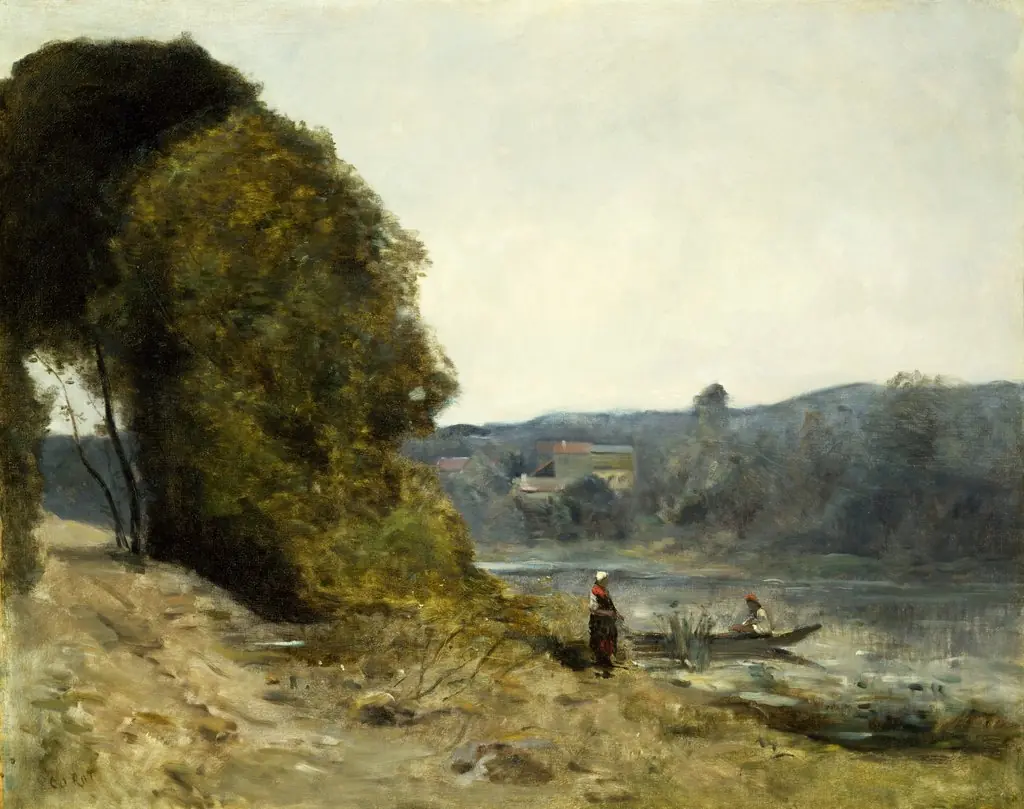
Fisherman is an oil painting by the Barbizon school artist Jean Baptiste Camille Corot. It dates from 1867 and is held in the collection of the Philadelphia Museum of Art.
About this work
Overview
Fisherman is an 1867 oil painting by Jean-Baptiste-Camille Corot, a pivotal French artist known for blending Neo-Classical and plein-air approaches.
Subject & Meaning
The painting depicts a rural scene focusing on a fisherman, embodying the Barbizon School's emphasis on naturalistic representations of everyday country life.
Technique & Style
Corot's use of oil paint in Fisherman showcases his ability to capture subtle natural light and atmosphere, foreshadowing influences on Impressionist techniques.
History & Provenance
Created in 1867, Fisherman is now part of the Philadelphia Museum of Art's collection, reflecting Corot's enduring legacy across his diverse oeuvre of landscapes, portraits, and etchings.
Context
Painted during Corot's later career, Fisherman represents a culmination of his stylistic evolution, bridging traditional and innovative 19th-century French art movements.
Legacy
Fisherman contributes to Corot's impact on the development of Impressionism, particularly in capturing light and atmosphere, influencing subsequent generations of artists.
Artist & collection
Artist
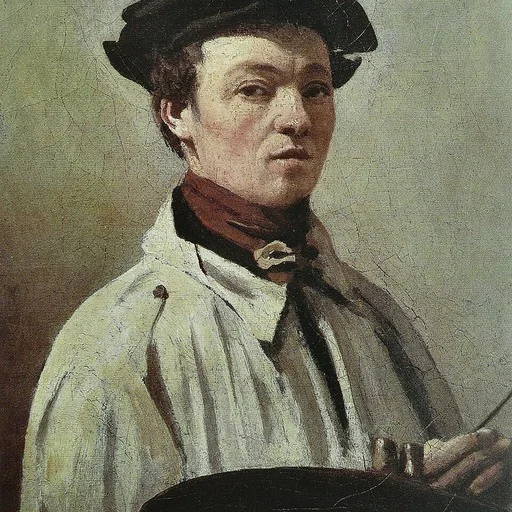
Jean-Baptiste-Camille Corot (UK: KORR-oh, US: kə-ROH, kor-OH; French: ; 16 July 1796 – 22 February 1875), or simply Camille Corot, was a French landscape and portrait painter as well as a printmaker in etching.