Artwork
Laurent-Denis Sennegon
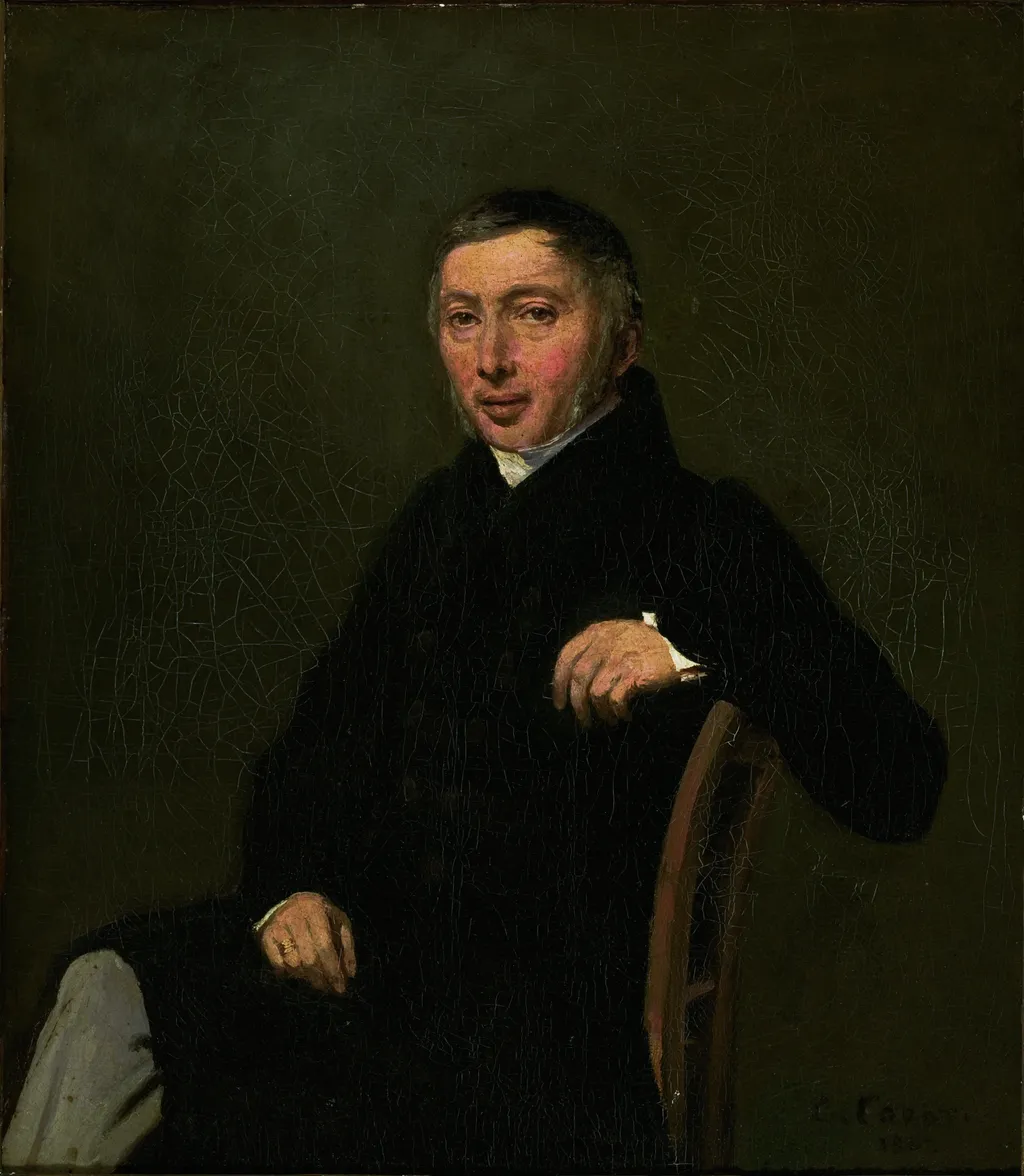
Laurent-Denis Sennegon is an oil painting by the Realist artist Jean Baptiste Camille Corot. It dates from 1842 and is held in the collection of the São Paulo Museum of Art.
About this work
Overview
It resides in the collection of the São Paulo Museum of Art, reflecting the international reach of 19th-century French artistic production.
Laurent-Denis Sennegon is an oil portrait painted by Jean-Baptiste-Camille Corot in 1842. It depicts a seated male figure in quiet repose, rendered with subtle tonal gradations and restrained color. The work belongs to Corot’s broader exploration of portraiture alongside his more widely recognized landscapes. It resides in the collection of the São Paulo Museum of Art, reflecting the international reach of 19th-century French artistic production.
Subject & Meaning
The subject, Laurent-Denis Sennegon, is portrayed with calm composure, his neutral expression and averted gaze suggesting introspection rather than performative engagement. Dressed in dark formal attire, he appears as a figure of quiet dignity, possibly a local resident or acquaintance of the artist. The absence of narrative detail or symbolic elements shifts focus to the individual’s presence, emphasizing character over circumstance.
Technique & Style
Corot employs chiaroscuro to model the figure with soft transitions between light and shadow, particularly around the face and hands. The dark, unmodeled background isolates the subject, enhancing three-dimensionality without theatricality. Brushwork is restrained yet deliberate, avoiding sharp outlines in favor of blended tones that convey texture and volume. This approach reflects Corot’s synthesis of academic training and emerging observational methods.
History & Provenance
Painted in 1842, the portrait emerged during Corot’s early career, a period when he was refining his approach to both landscape and figure painting. It remained in private hands until entering the São Paulo Museum of Art’s collection, likely through acquisition in the 20th century. Its documented history is limited, but its inclusion in a major public collection affirms its status as a significant, if understudied, example of Corot’s portraiture.
Context
Created during the rise of Realism, the portrait aligns with a broader cultural shift toward depicting ordinary individuals with psychological nuance. While Corot is often associated with lyrical landscapes, his portraits like this one reveal a parallel interest in human presence. The work avoids Romantic idealization, instead favoring quiet observation—a hallmark of his evolving style amid changing artistic priorities in mid-19th-century France.
Legacy
Though less prominent than Corot’s landscapes, portraits such as this contribute to understanding his versatility and sensitivity to individual character. The painting exemplifies his ability to convey stillness and presence through tonal harmony rather than dramatic gesture. It remains a quiet testament to his role in transitioning from academic conventions toward more intimate, observational modes of representation.
Own this work as a print
Artist & collection
Artist
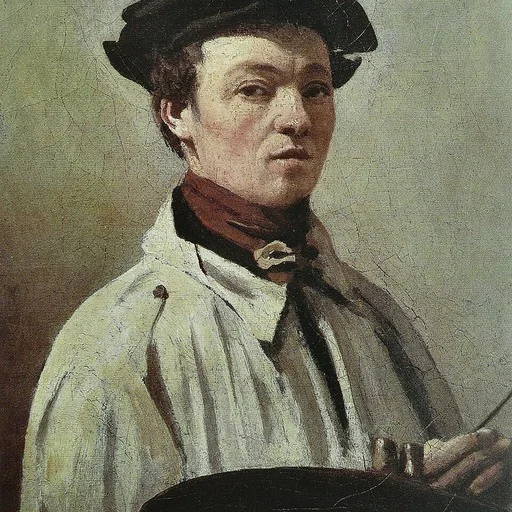
Jean-Baptiste-Camille Corot (UK: KORR-oh, US: kə-ROH, kor-OH; French: ; 16 July 1796 – 22 February 1875), or simply Camille Corot, was a French landscape and portrait painter as well as a printmaker in etching.

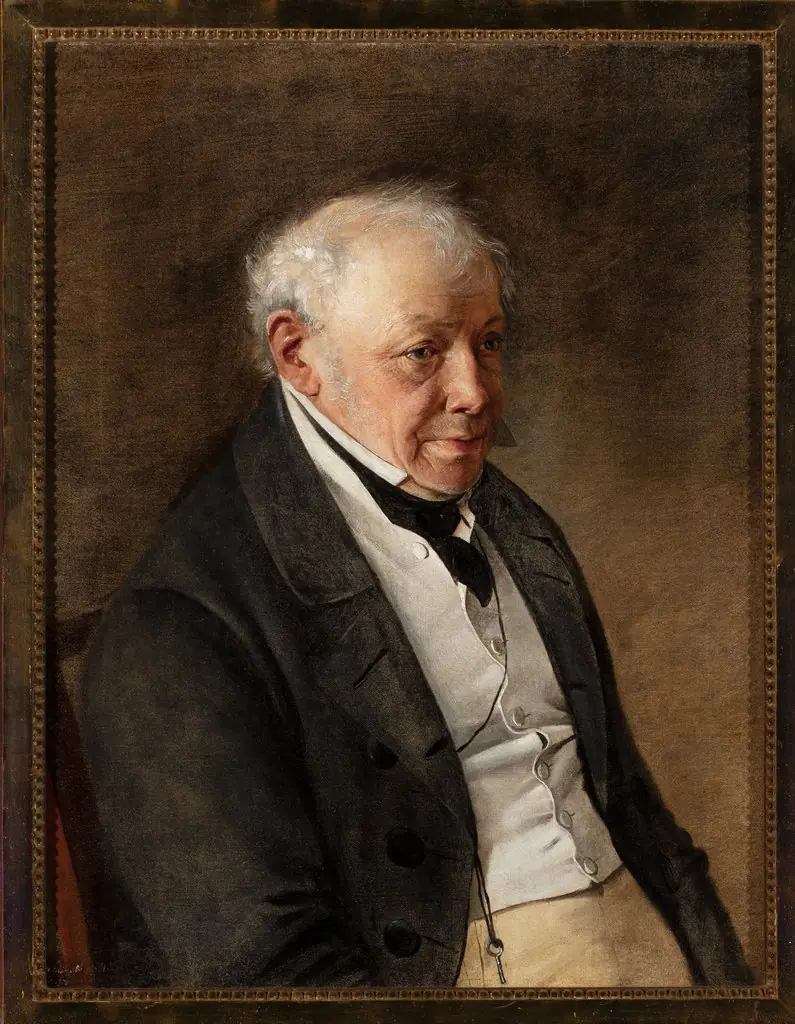 Portrait of Ksawery Bębnowski, artist's father-in-law, captain in Kościuszko's army
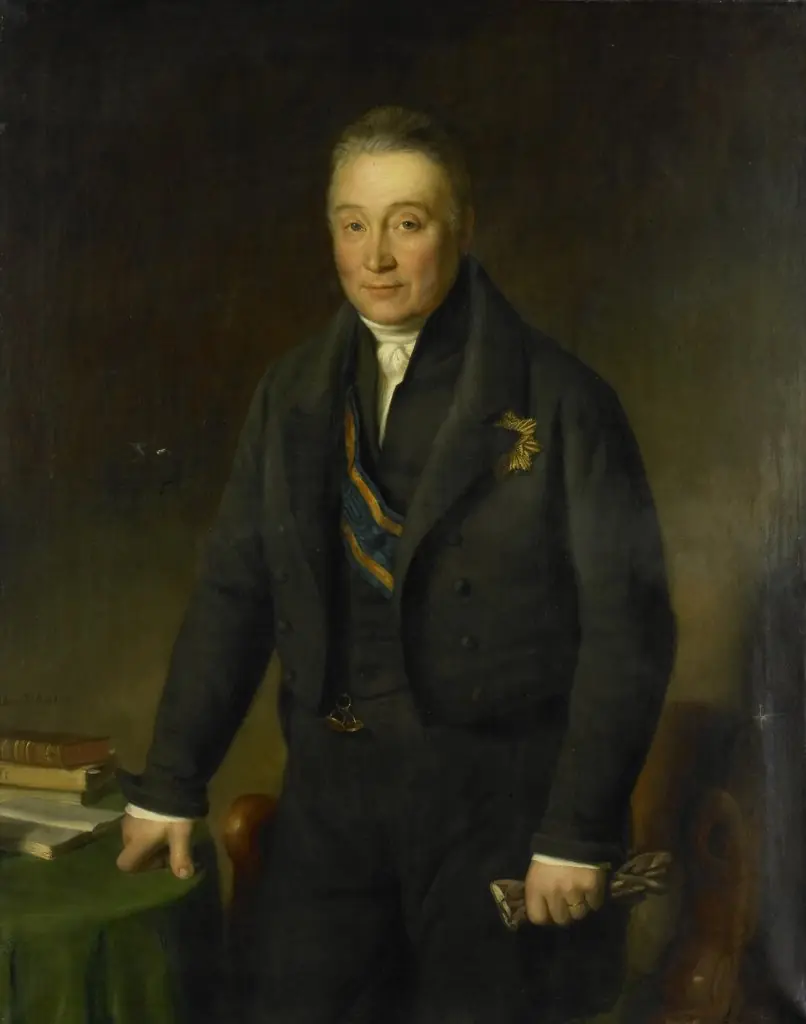 Portrait of Count Adam-François-Jules-Armand van der Duyn van Maasdam
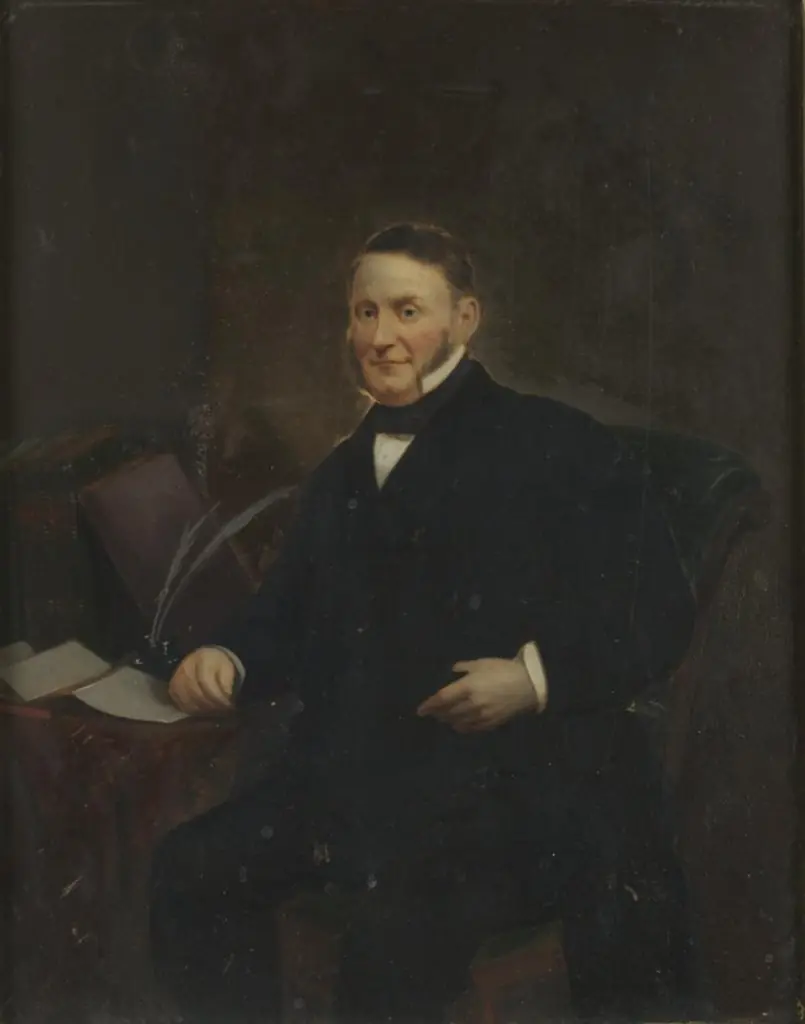 Ebenezer Cooper, Llangollen
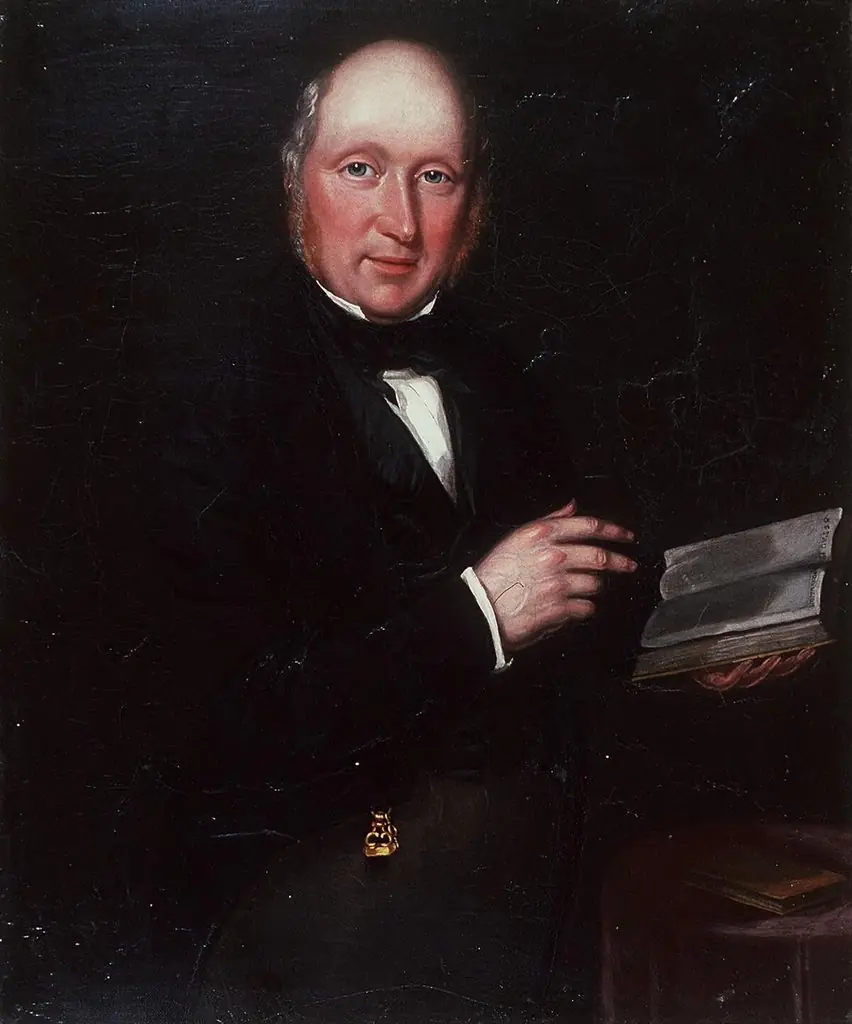 Portrait of an unidentified cleric
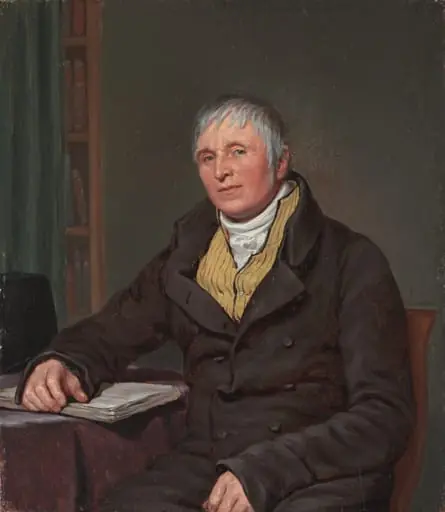 Charles Thompson
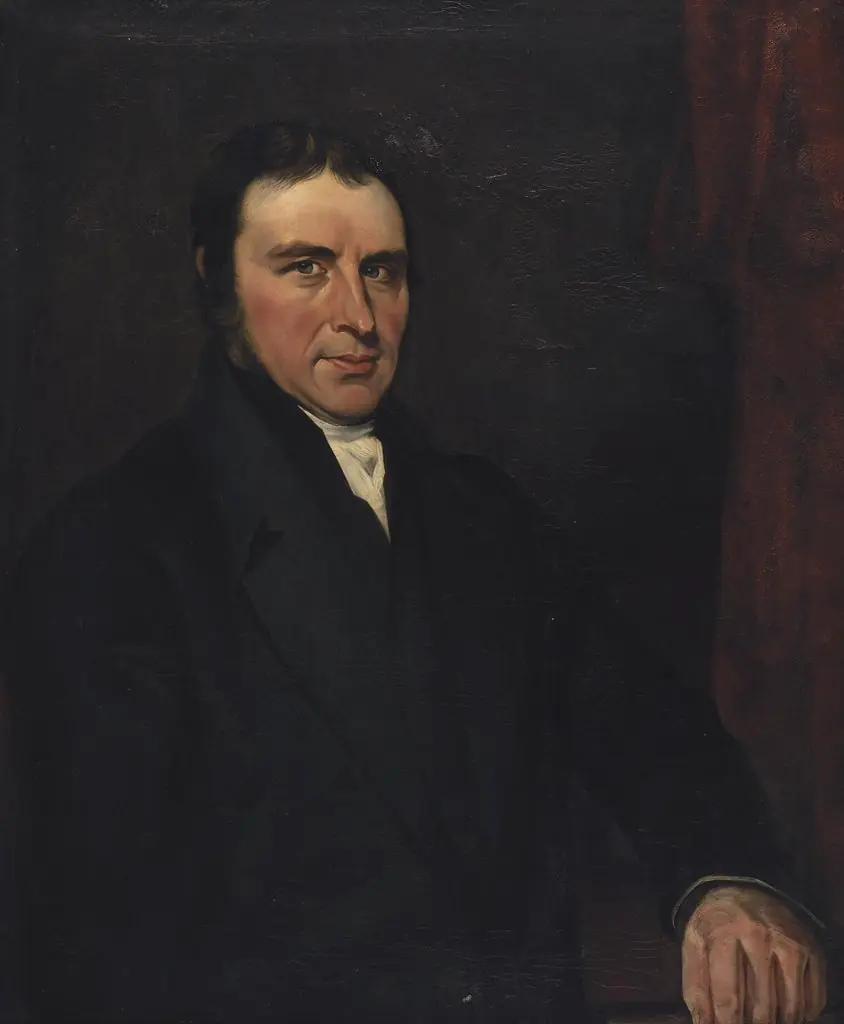 Revd John Jones, Talysarn 1796-1857
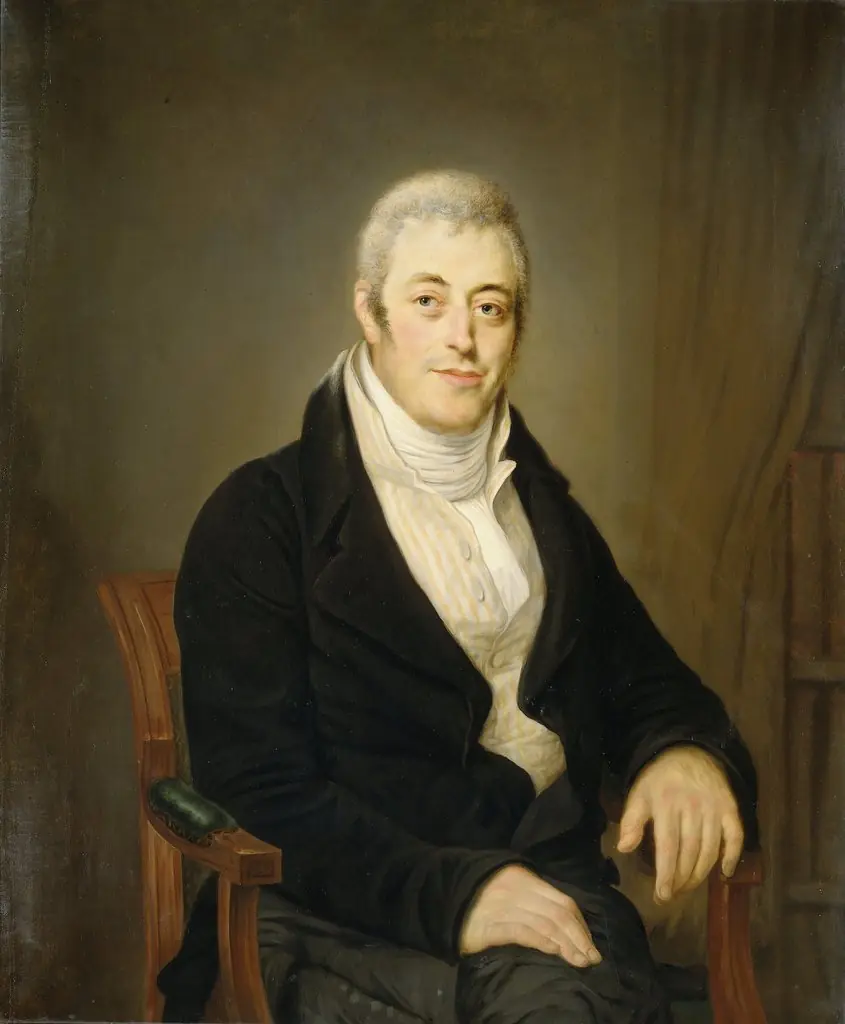 Portrait of Jonas Daniel Meijer, Lawyer
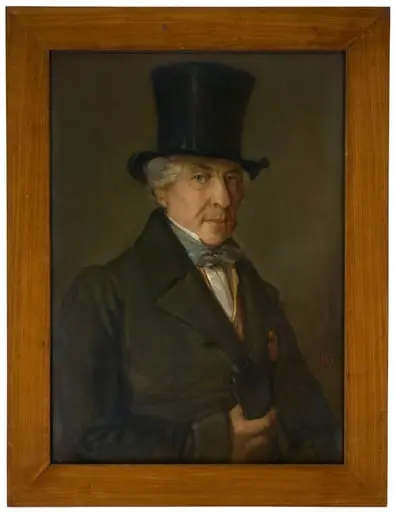 Brustbild von Nikolaus Dold
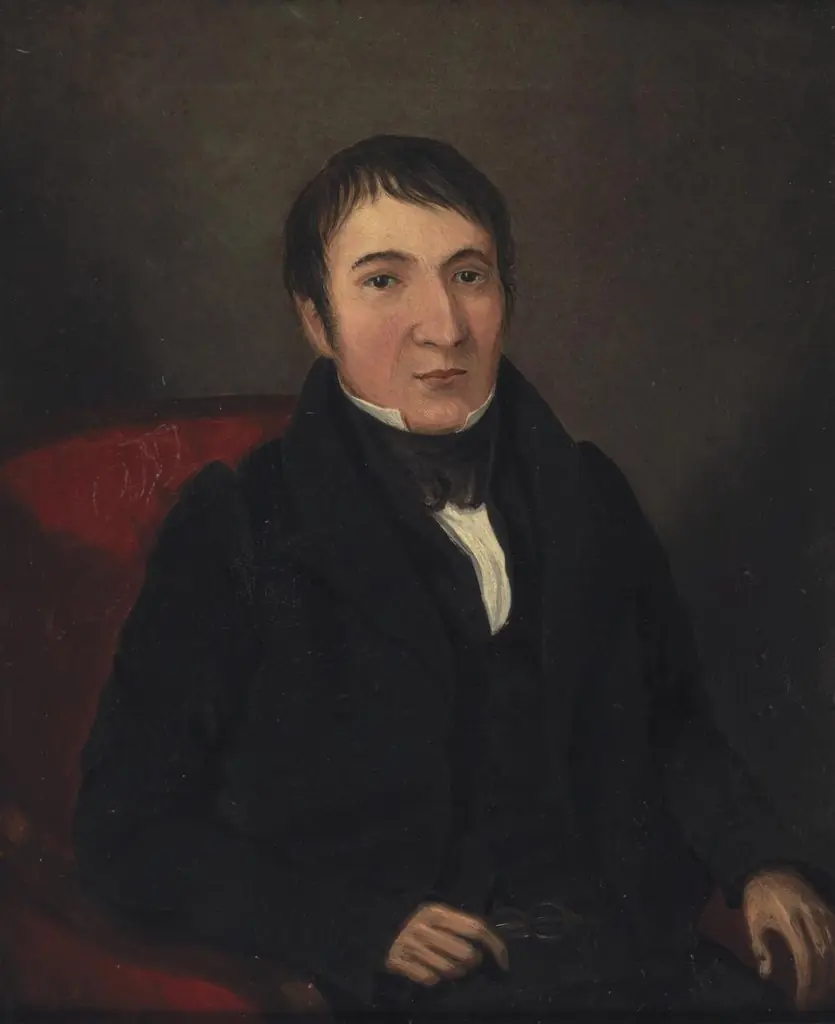 John Thomas,Pengwern
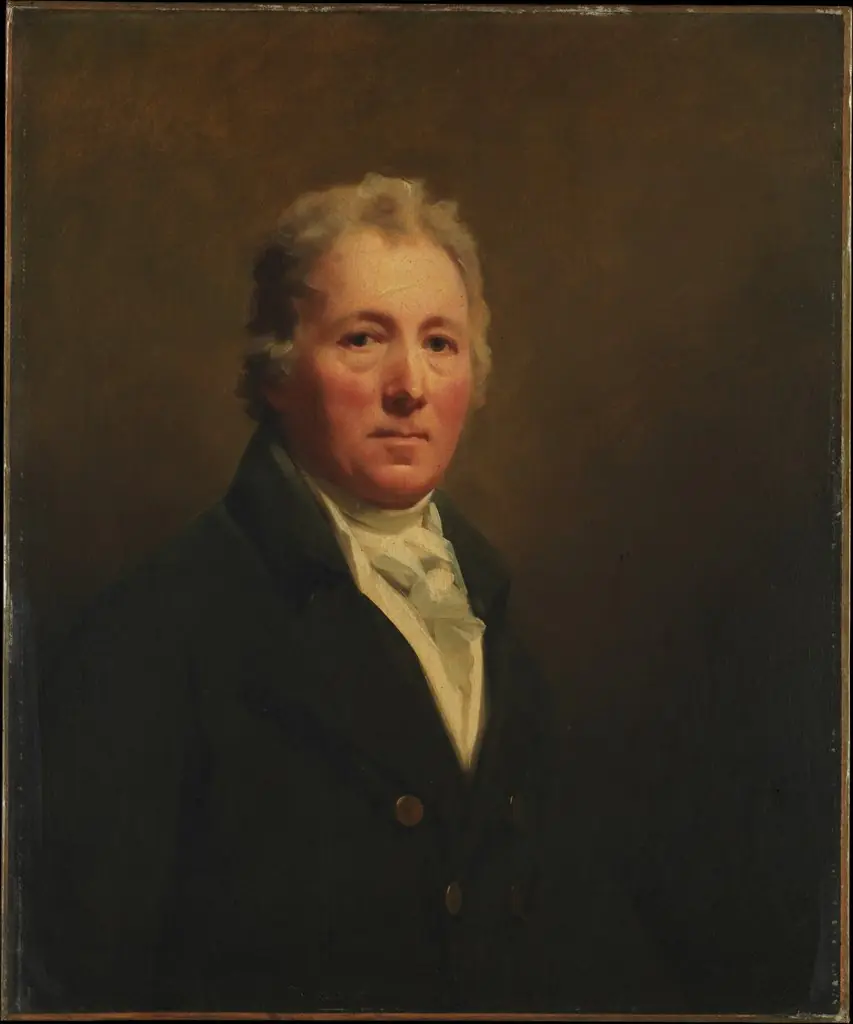 William Forsyth (1749–1814)
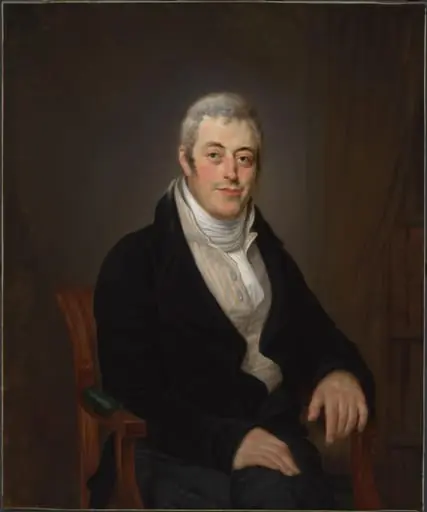 Portrait of Jonas Daniel Meijer (1780-1834)
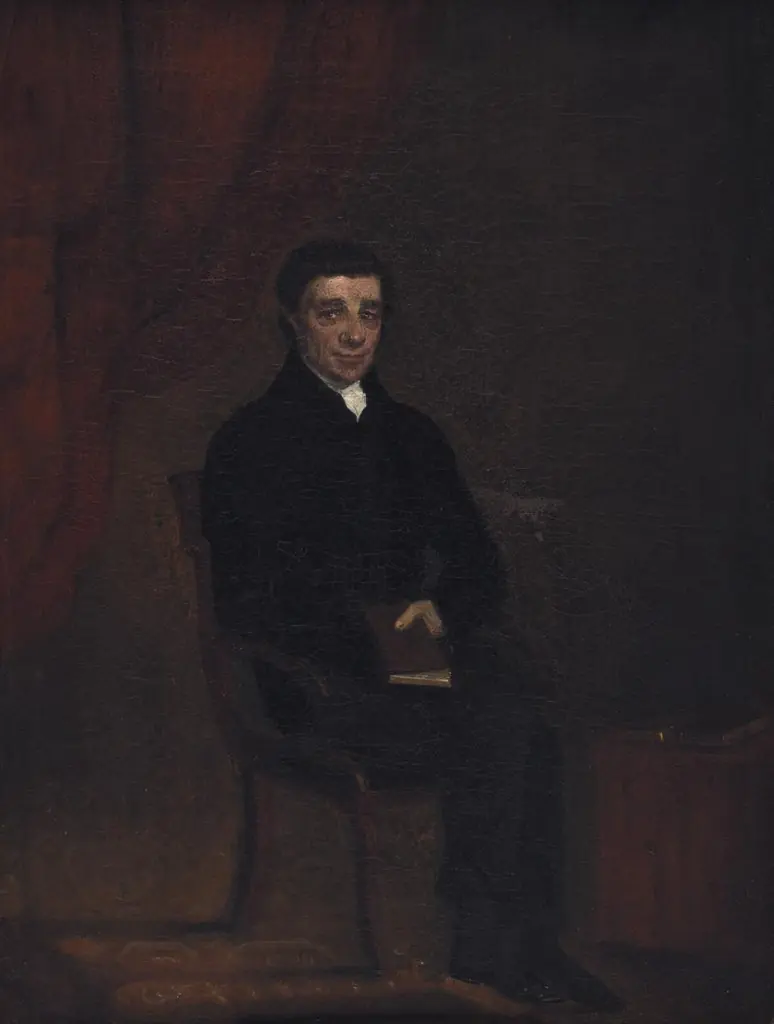 Rev. Morgan Howells