Artwork
The Stonecutters
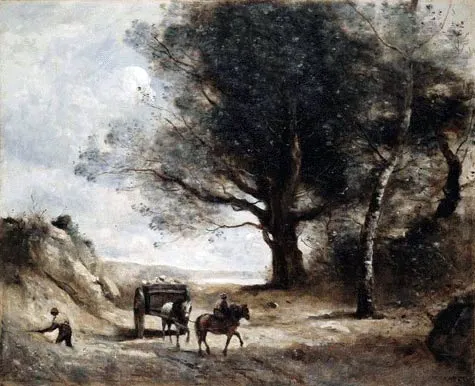
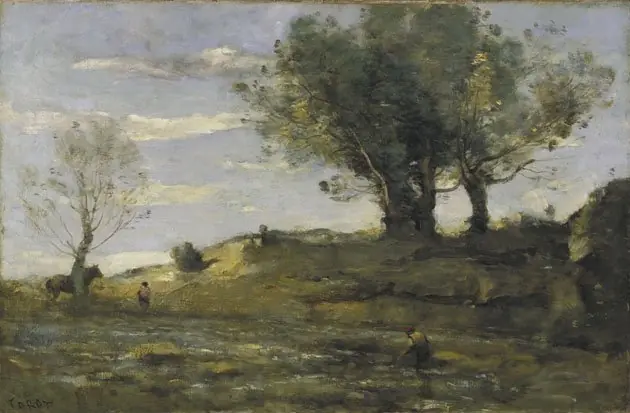
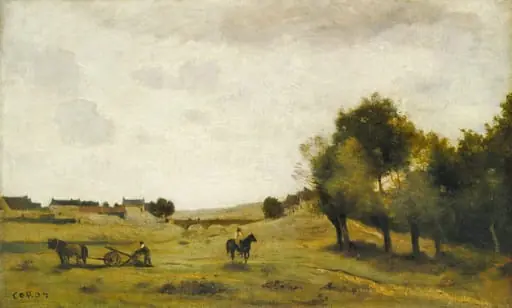
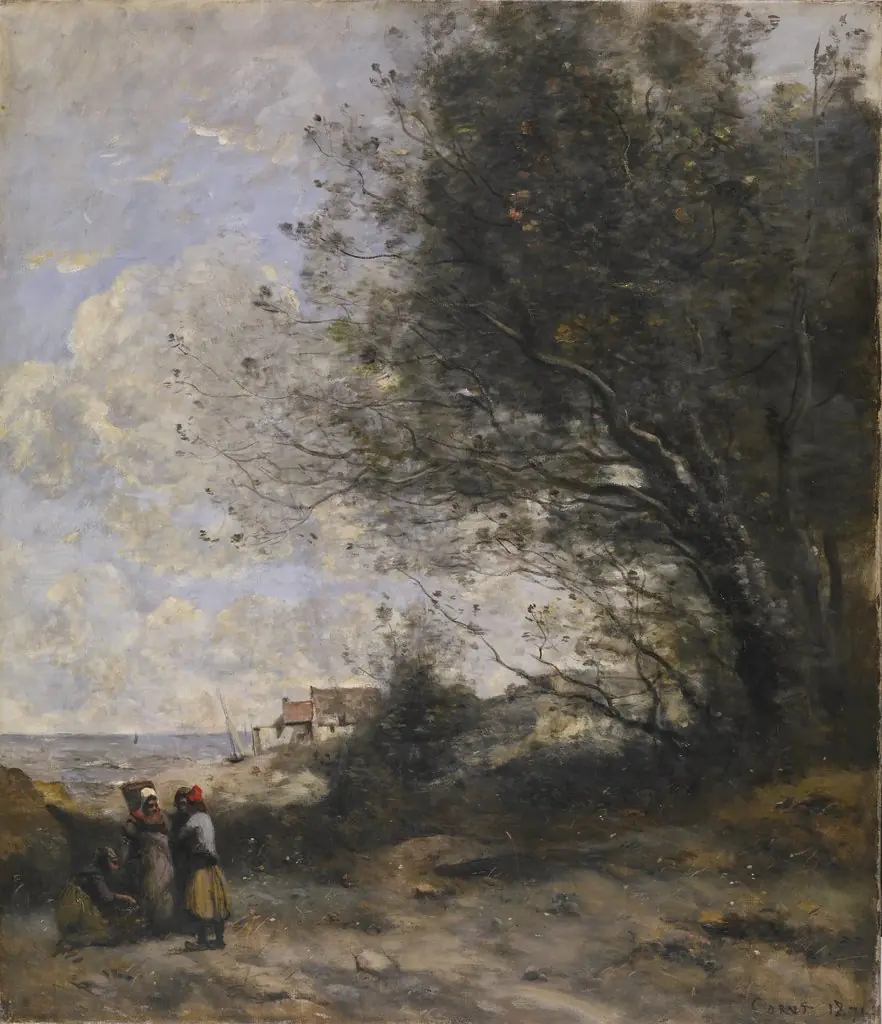
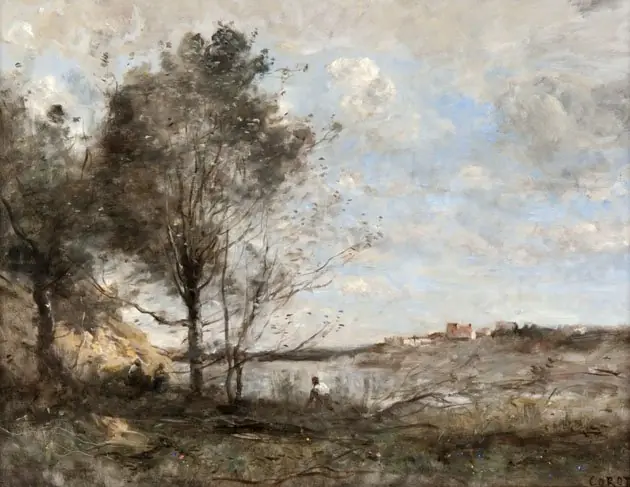
The Stonecutters is an oil painting by the Impressionist artist Jean Baptiste Camille Corot. It dates from 1872 and is held in the collection of the Kimbell Art Museum.
About this work
Overview
Painted in 1872, *The Stonecutters* is an oil-on-canvas work by Jean-Baptiste-Camille Corot that captures rural labor in a quiet, atmospheric setting.
Painted in 1872, *The Stonecutters* is an oil-on-canvas work by Jean-Baptiste-Camille Corot that captures rural labor in a quiet, atmospheric setting. Though associated with the transition toward Impressionism, the piece retains a contemplative tone rooted in earlier traditions. It reflects Corot’s sustained focus on ordinary life and the natural world, rendered with sensitivity rather than dramatic emphasis.
Subject & Meaning
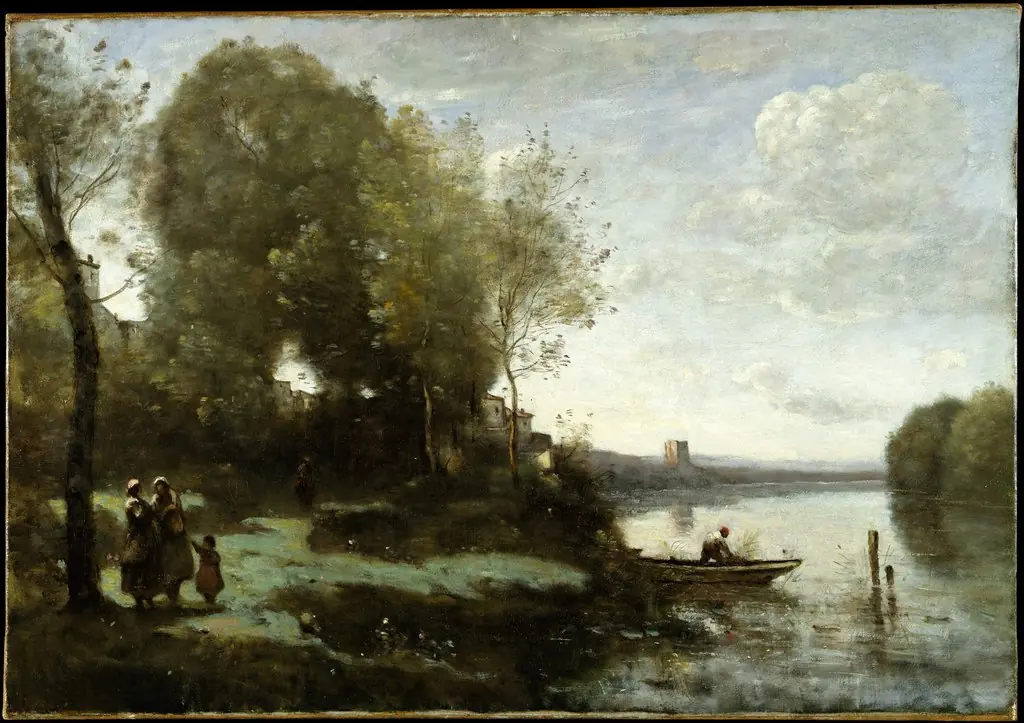
The painting portrays two laborers at rest or work beside a horse-drawn cart, engaged in the physical task of stonecutting. One figure wields a pickaxe, while the other stands nearby, suggesting a pause in labor. The scene avoids idealization, presenting workers as integrated into the landscape rather than as symbolic figures. Their presence underscores the dignity of manual toil within a tranquil rural environment.
Technique & Style
Corot employed loose, fluid brushwork to suggest movement in foliage and cloud cover, while maintaining a restrained palette of earth tones and soft grays. Light filters diffusely through the sky, casting subtle shadows that define form without harsh contrast. The central tree anchors the composition, its branches echoing the rhythm of the hills, reinforcing harmony between human activity and nature.
History & Provenance
Created near the end of Corot’s career, *The Stonecutters* entered the Kimbell Art Museum’s collection in the 20th century. It was not exhibited widely during the artist’s lifetime, and its reception grew posthumously as scholars recognized his role in shaping modern landscape painting. The work remains a quiet but significant example of his late style, preserved in a public institution dedicated to European art.
Context
In the 1870s, French artists increasingly turned to everyday rural scenes as alternatives to historical or mythological subjects. Corot, though older than the Impressionists, shared their interest in observing nature directly. Yet his approach remained meditative, avoiding the bright pigments and rapid brushwork of his contemporaries. *The Stonecutters* reflects this middle ground—rooted in observation, yet composed with deliberate calm.
Legacy
The painting contributes to Corot’s reputation as a bridge between academic traditions and modern landscape painting. While not as widely known as his more luminous works, *The Stonecutters* illustrates his enduring commitment to quiet realism and atmospheric harmony. It continues to inform discussions on how labor and nature were visually reconciled in 19th-century French art.
Artist & collection
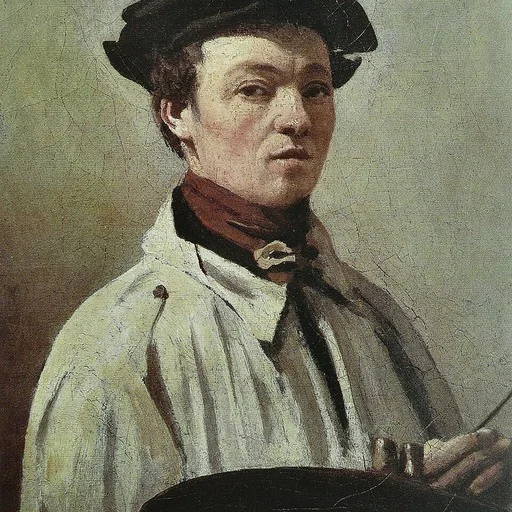
Artist
Jean-Baptiste-Camille Corot (UK: KORR-oh, US: kə-ROH, kor-OH; French: ; 16 July 1796 – 22 February 1875), or simply Camille Corot, was a French landscape and portrait painter as well as a printmaker in etching.