Artwork
Diana and Callisto
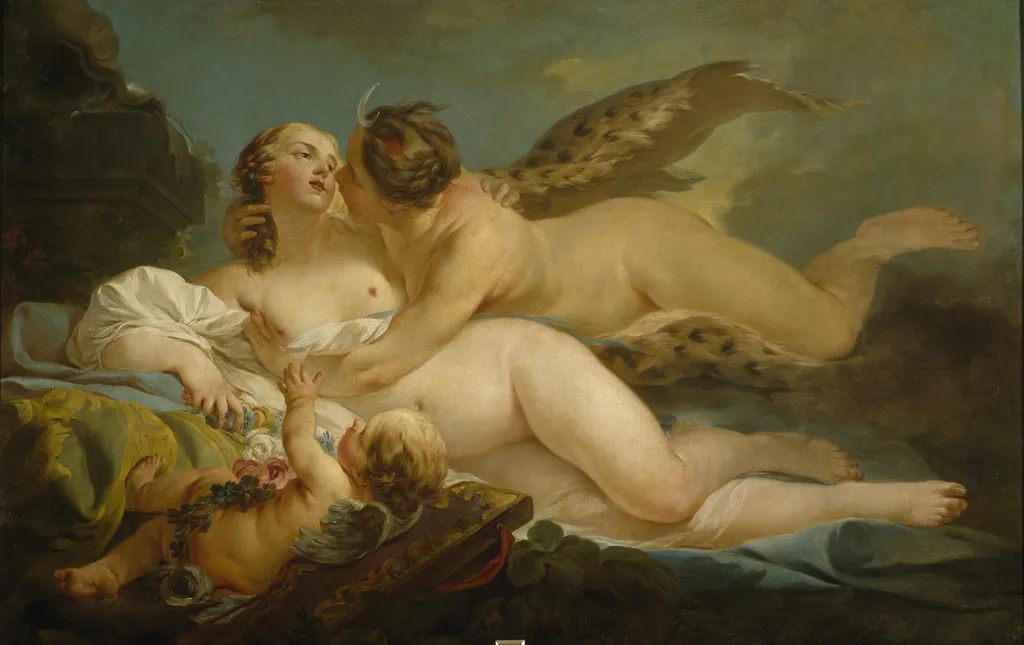
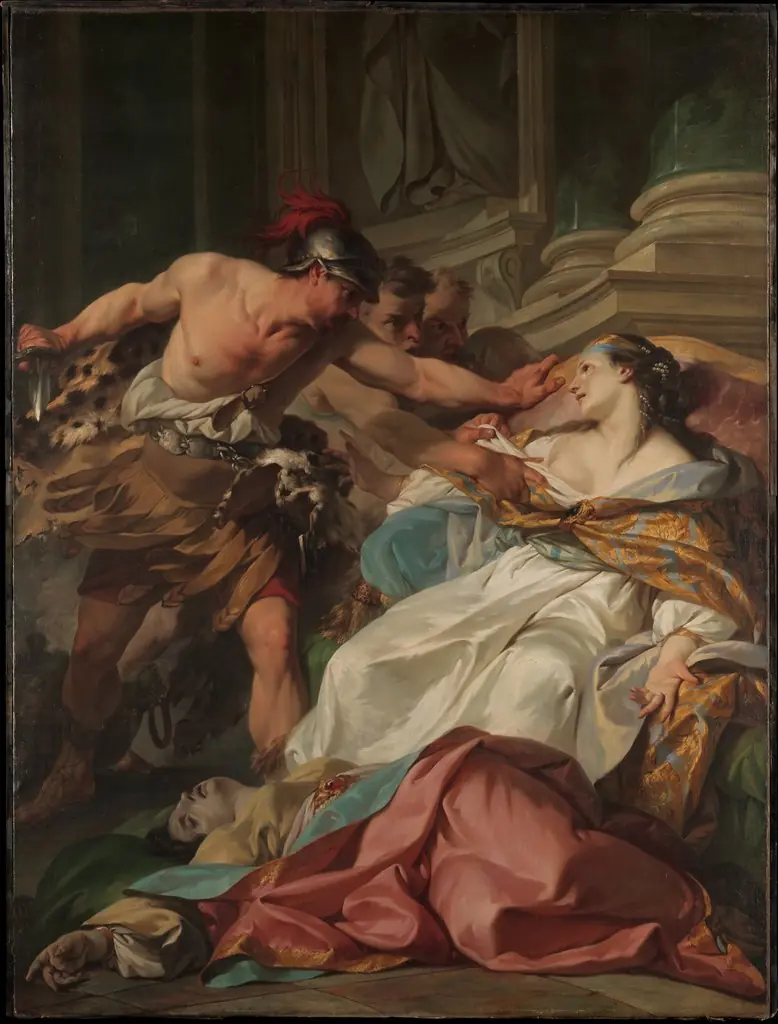
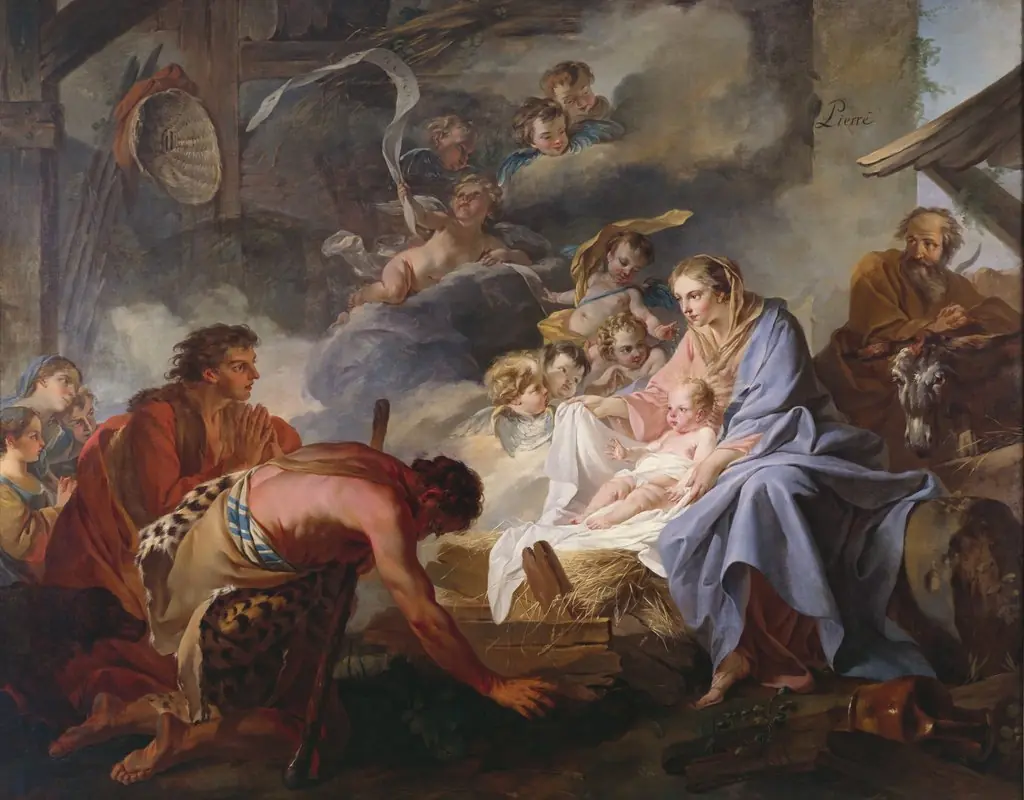
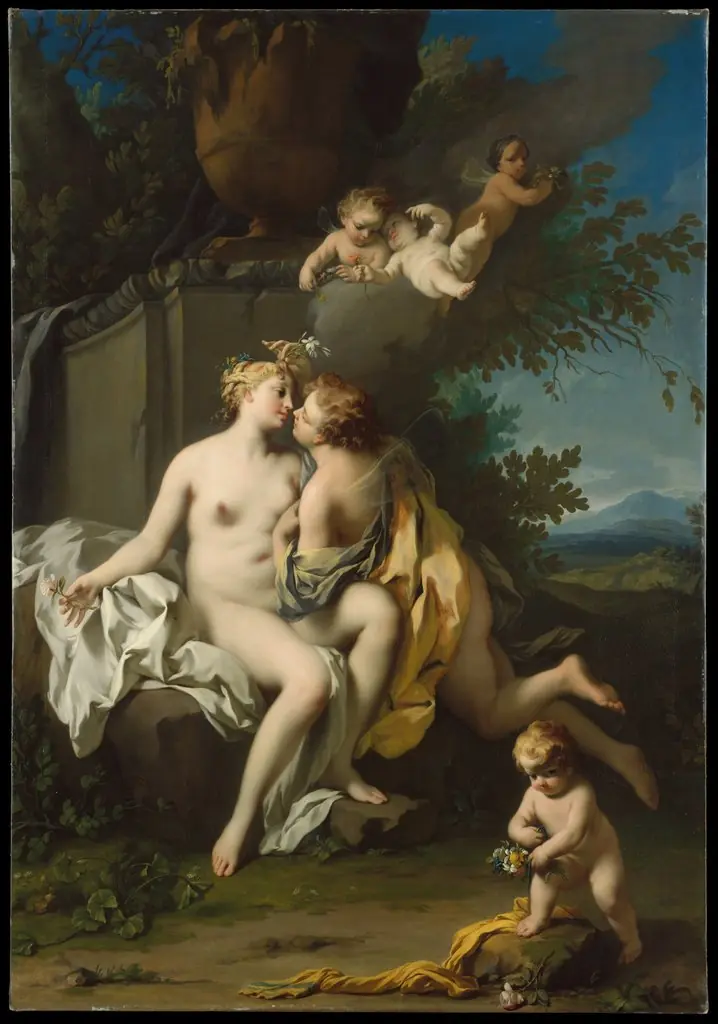
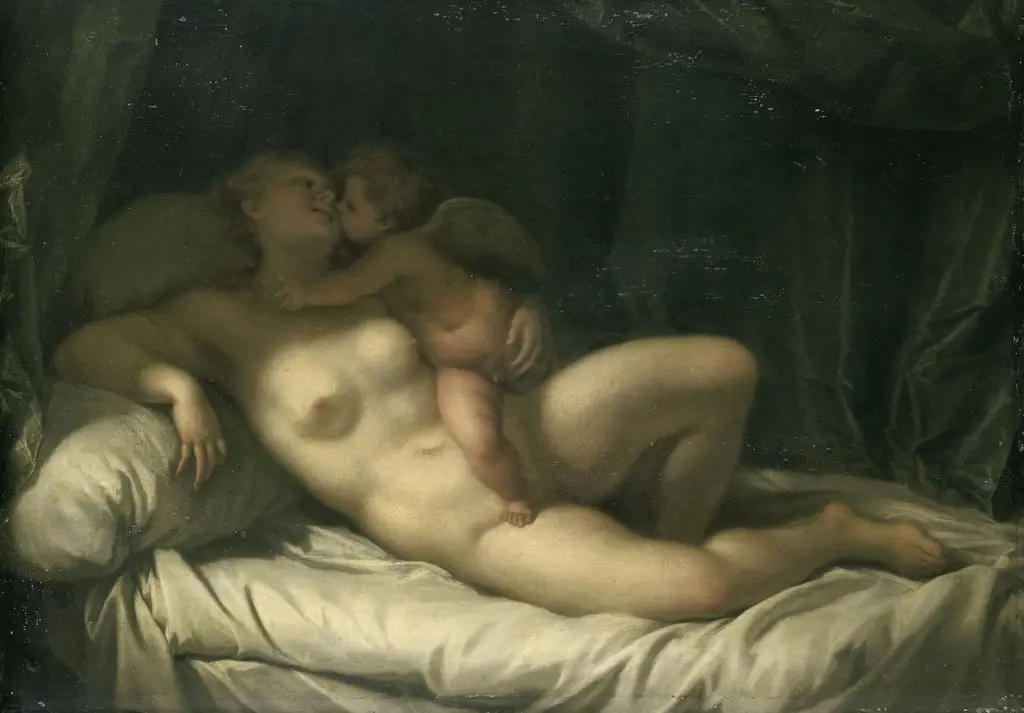
Diana and Callisto is an oil painting by the Rococo painting artist Jean-Baptiste Marie Pierre. It dates from 1745 and is held in the collection of the Museo del Prado. Jean‑Baptiste Marie Pierre’s oil on canvas, executed in 1745, presents a mythic tableau now displayed in Madrid’s Museo del Prado.
About this work
Overview
Jean‑Baptiste Marie Pierre’s oil on canvas, executed in 1745, presents a mythic tableau now displayed in Madrid’s Museo del Prado. The composition features two female figures suspended amid a sky of soft blues and billowing clouds, accompanied by a winged infant. The work reflects the Rococo fascination with classical narratives and graceful, airy arrangements.
Subject & Meaning
The scene draws on the legend of Diana and Callisto, intertwining the goddess of the hunt with the mortal woman transformed after an encounter with Jupiter. The juxtaposition of the serene, winged Diana and the grieving Callisto cradling her child suggests themes of divine intervention, loss, and the fragile boundary between humanity and the divine.
Technique & Style
Pierre employs a refined, almost polished brushwork that renders flesh with a luminous quality and fabrics with a gentle flow. Delicate modeling of light across the figures creates a subtle chiaroscuro, giving depth without harsh contrast. The miniature wings on the infant are rendered with meticulous attention, echoing the adult forms and enhancing the ethereal atmosphere.
History & Provenance
Completed in the mid‑18th century, the painting entered the Spanish royal collection before being transferred to the Prado Museum, where it remains part of the European paintings department. Its acquisition reflects the period’s interest in French academic art and the cross‑court exchange of mythological subjects.
Own this work as a print
Artist & collection
Artist
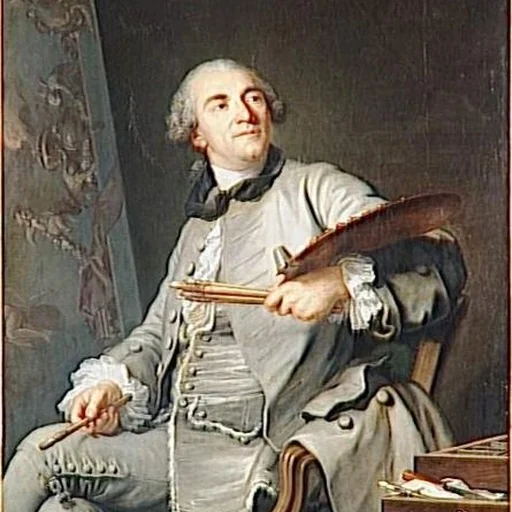
Jean-Baptiste Marie Pierre (1714–1789) was a French artist, born in Paris.