Artwork
A Flower-piece
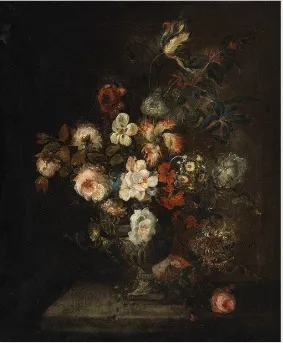
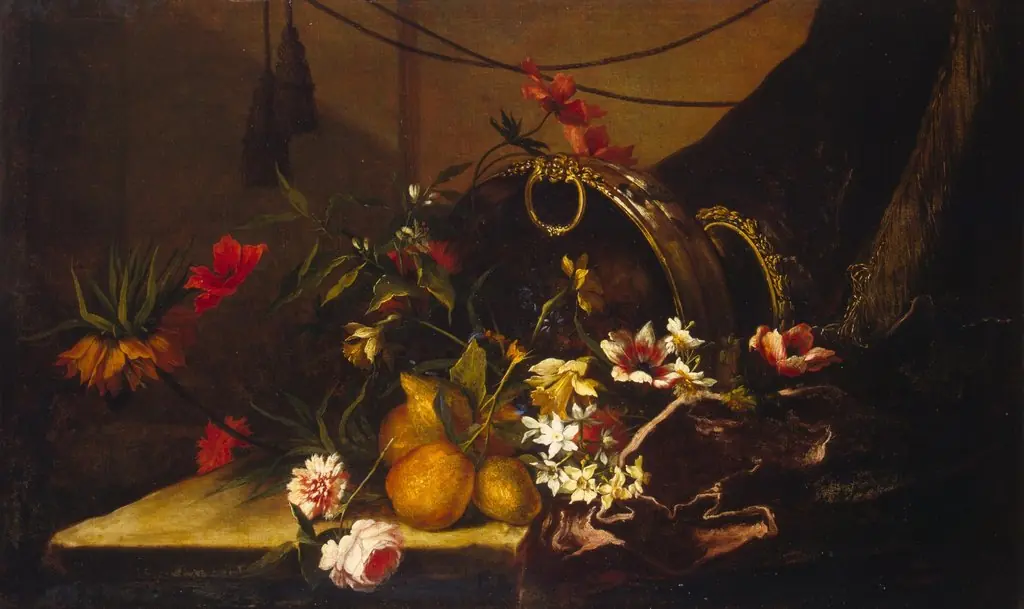
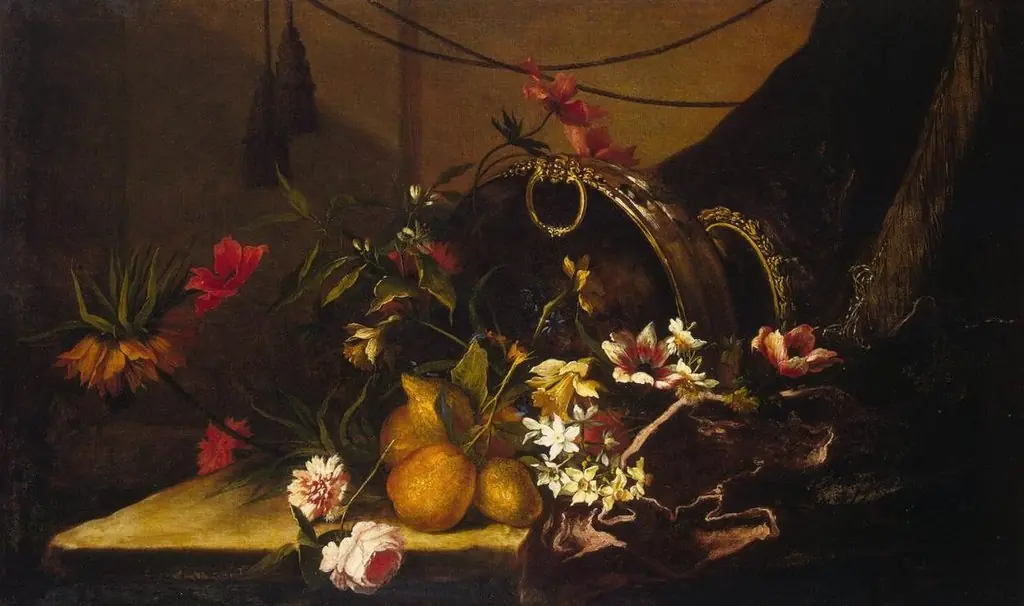
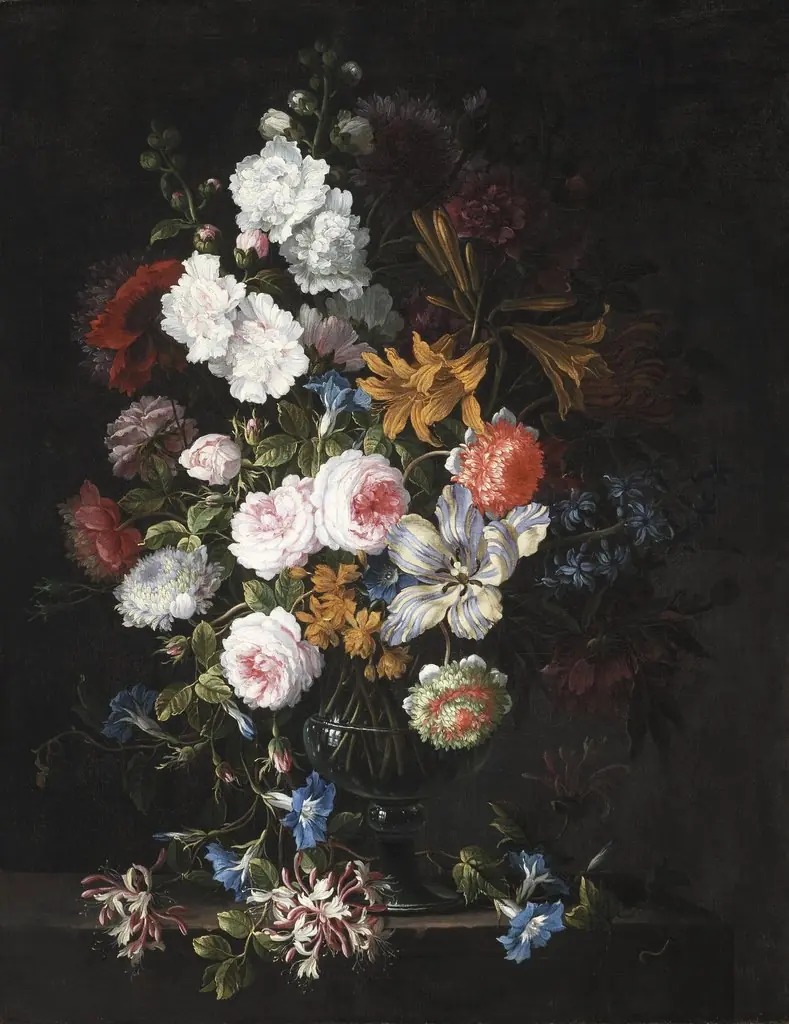
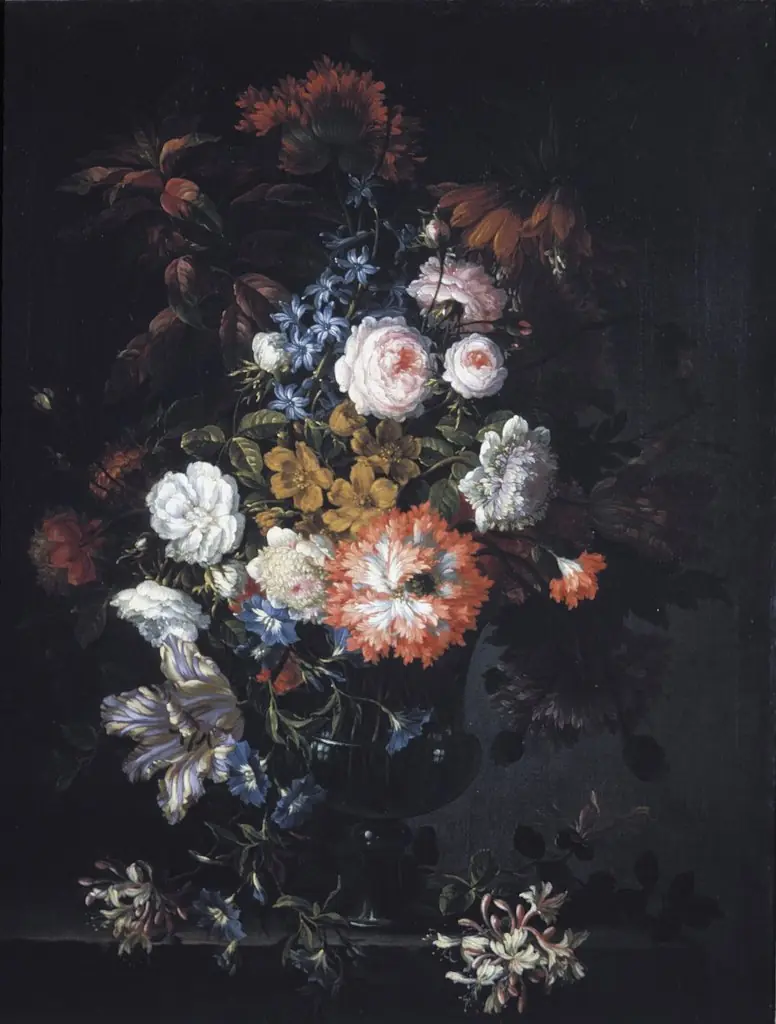
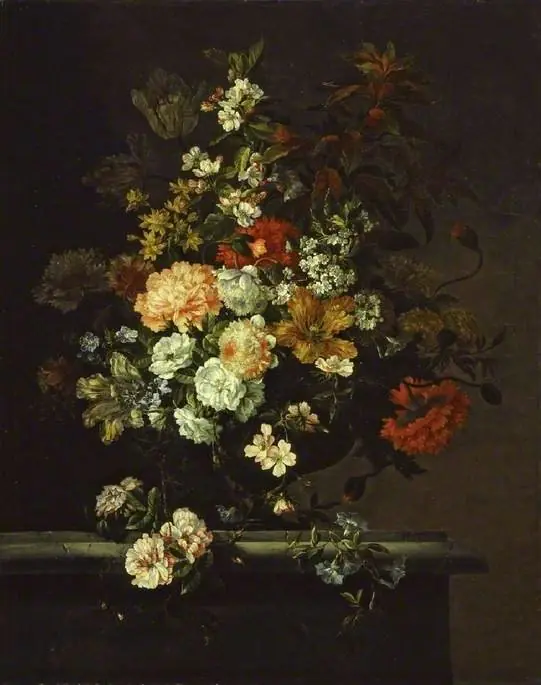
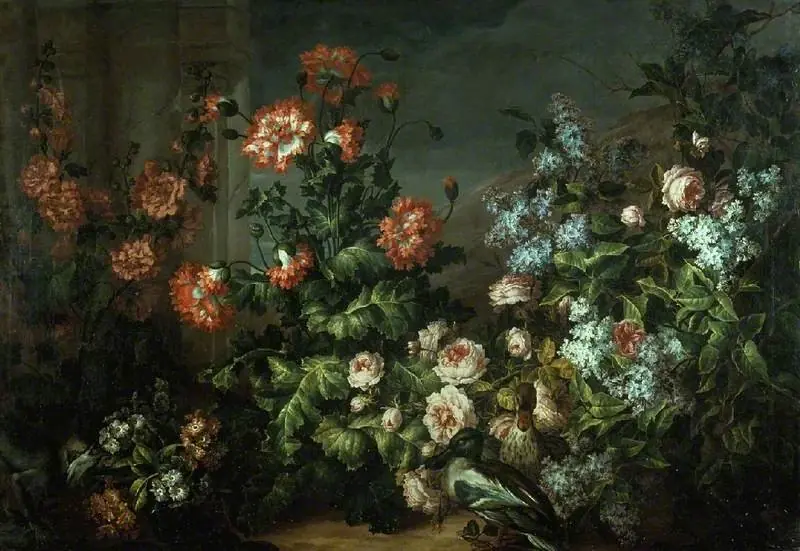
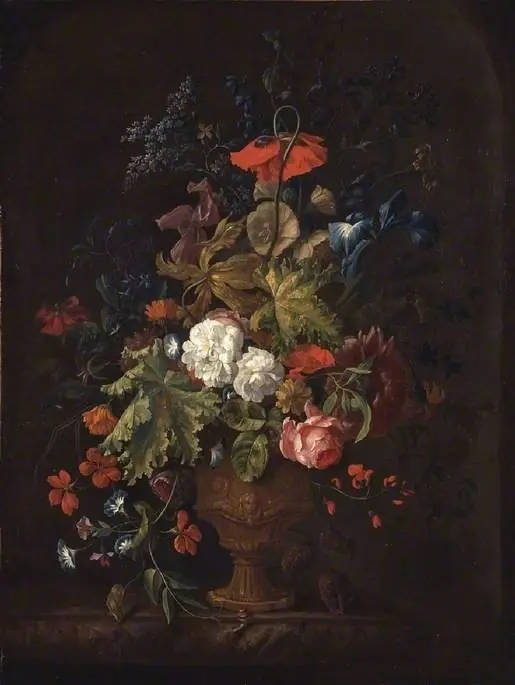
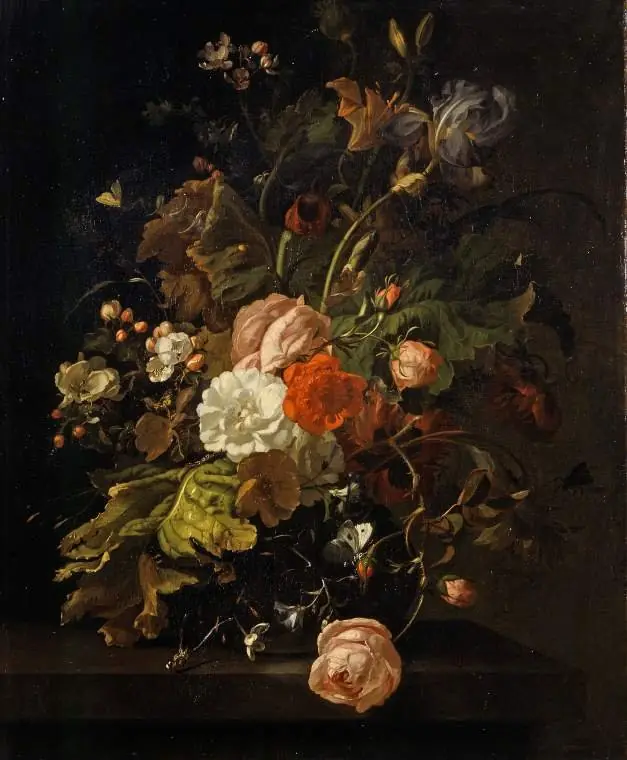
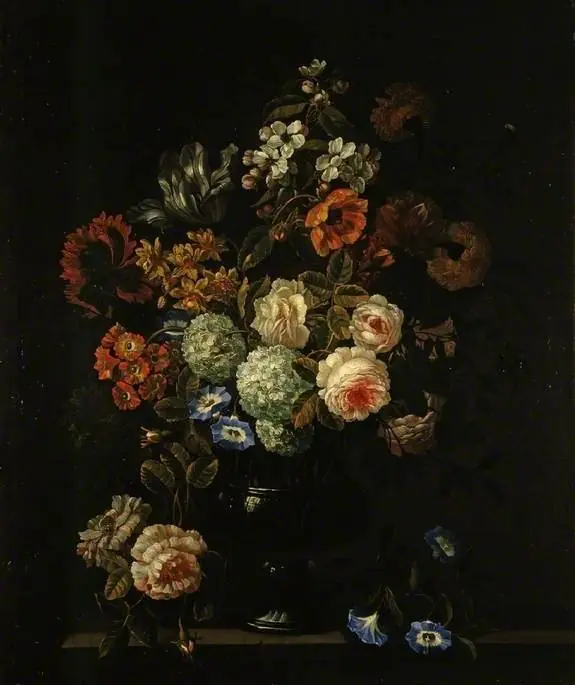
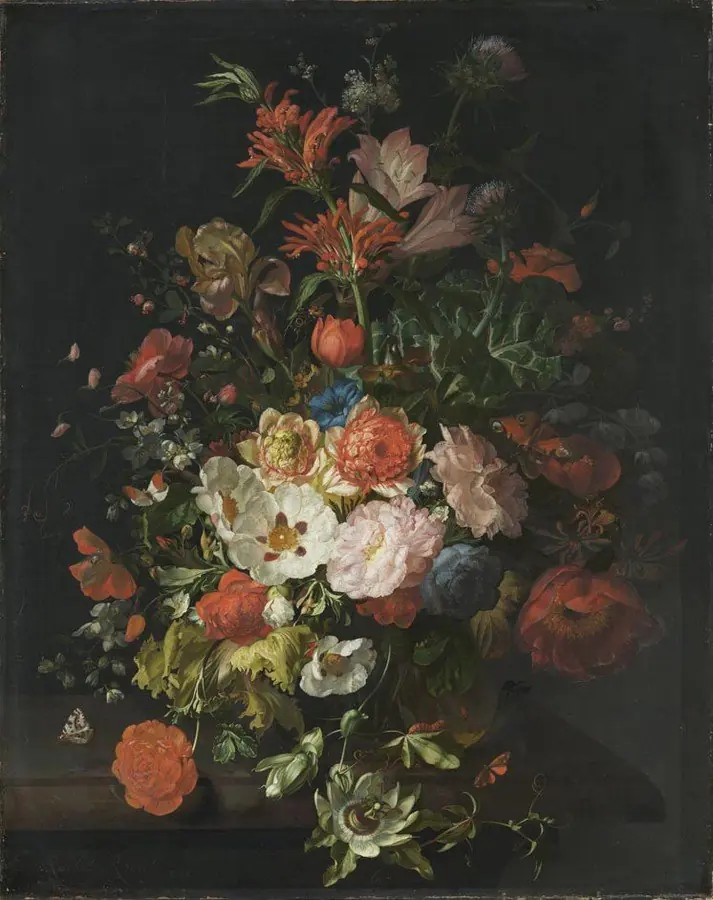
A Flower-piece is an oil painting by Jean-Baptiste Monnoyer. It dates from 1677 and is held in the collection of the National Gallery of Ireland.
About this work
Overview
The composition emphasizes natural abundance through overlapping blooms and dense foliage, rendered with careful attention to form and texture.
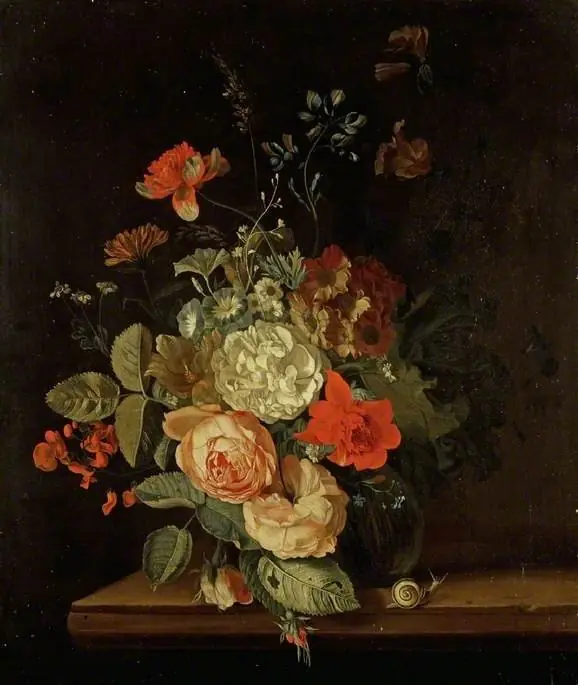
Painted around 1677, this oil-on-canvas still life by Jean-Baptiste Monnoyer presents a lush, tightly packed bouquet of flowers in a vase. The composition emphasizes natural abundance through overlapping blooms and dense foliage, rendered with careful attention to form and texture. Monnoyer, trained in the Franco-Flemish tradition, specialized in floral subjects and applied his skill in painting to textile design, particularly for royal tapestry workshops.
Subject & Meaning
The painting features a variety of seasonal flowers—white, pink, and red blooms—arranged without symbolic reference to mortality or transience, common in earlier Dutch still lifes. Instead, the focus lies in the celebration of botanical diversity and cultivated beauty. The arrangement reflects the era’s fascination with horticultural exoticism and the aesthetic pleasure derived from carefully tended gardens, rather than moral allegory.
Technique & Style
Monnoyer employed glazing techniques to build luminous color layers, enhancing the translucency of petals and the sheen of leaves. The dark, unmodulated background isolates the bouquet, heightening its three-dimensionality. Brushwork is precise yet fluid, capturing the delicate curves of stems and the varied textures of petals without overt theatricality. The lighting is even and naturalistic, avoiding dramatic contrasts to preserve the quiet harmony of the arrangement.
History & Provenance
The painting entered the collection of the National Gallery of Ireland in the 20th century, though its earlier ownership remains undocumented. It was likely created during Monnoyer’s time in France, where he worked extensively for the Gobelins and Beauvais workshops. Its survival as a standalone work is notable, as most of his output consisted of designs for tapestries rather than independent paintings.
Context
In late 17th-century France, floral still lifes gained favor among aristocratic patrons drawn to the refinement of botany and the display of cultivated nature. Monnoyer’s work aligned with royal interests in decorative arts, particularly as floral motifs were increasingly integrated into tapestries and interior design. His paintings served both as artistic achievements and as models for textile production, bridging fine and applied arts.
Legacy
Monnoyer’s influence extended beyond his own time through his tapestry designs, which shaped European decorative styles for decades. While his independent paintings are fewer in number, they exemplify the transition from symbolic Dutch still life to the more ornamental, nature-focused approach favored in French court circles. This work stands as a representative example of his refined, non-allegorical floral vision.
Artist & collection
Artist
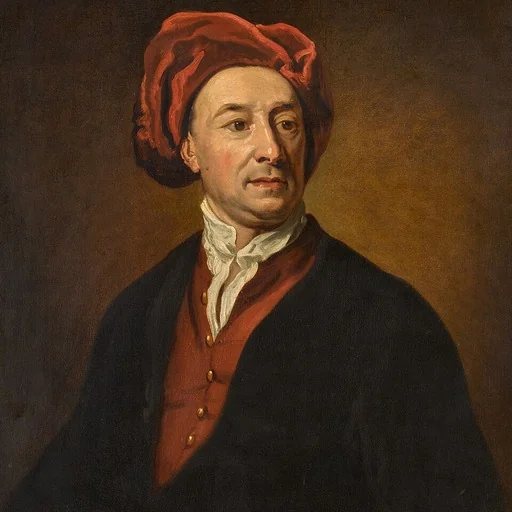
Jean-Baptiste Monnoyer (12 January 1636 – 20 February 1699) was a Franco-Flemish painter who specialised in flower pieces.