Artwork
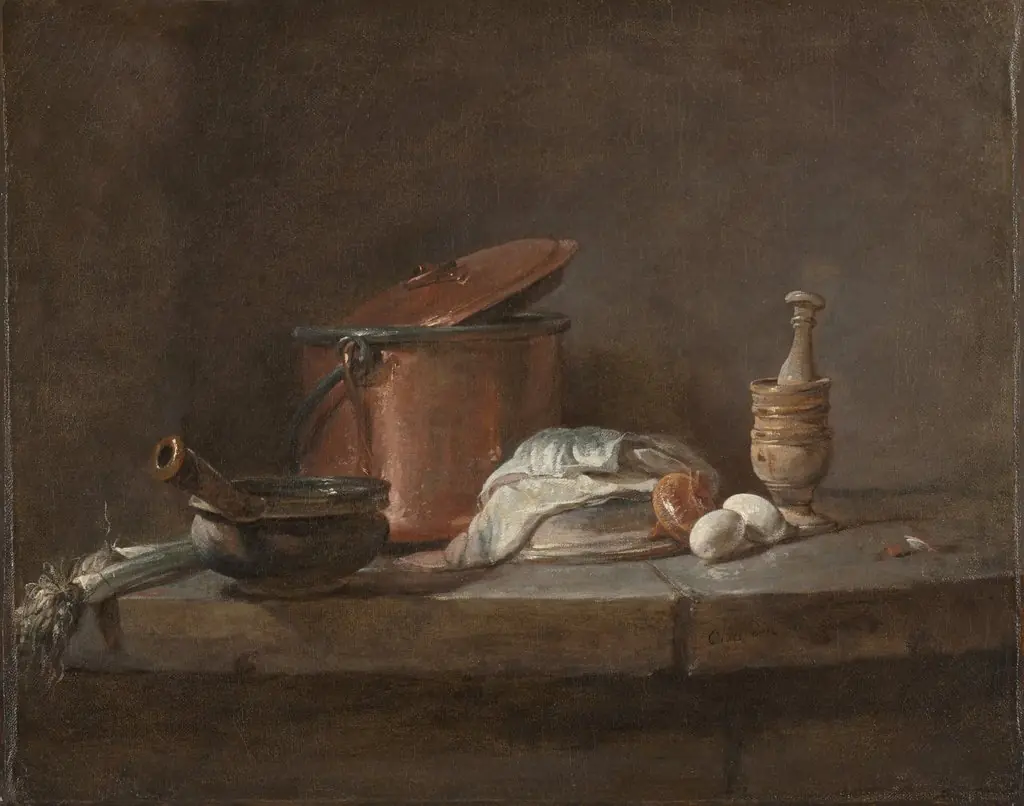
Still-life: The Kitchen Table
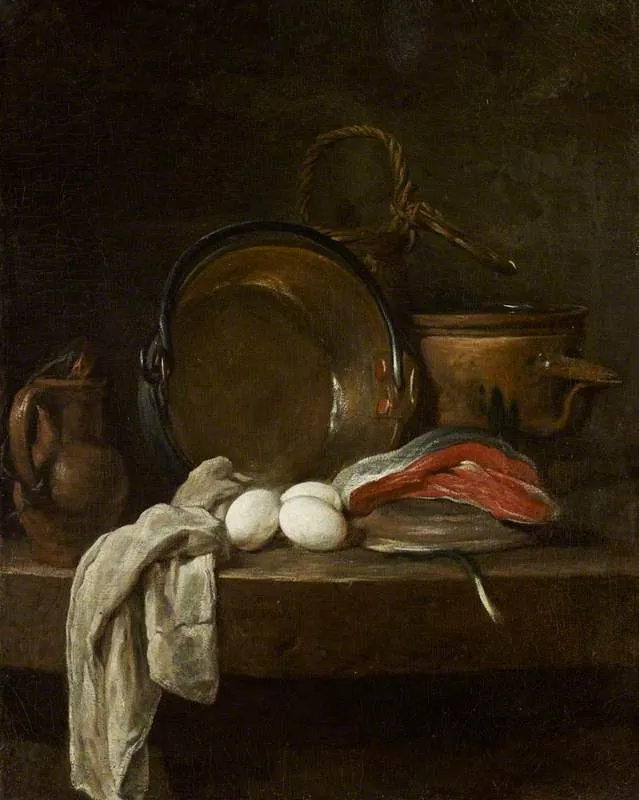
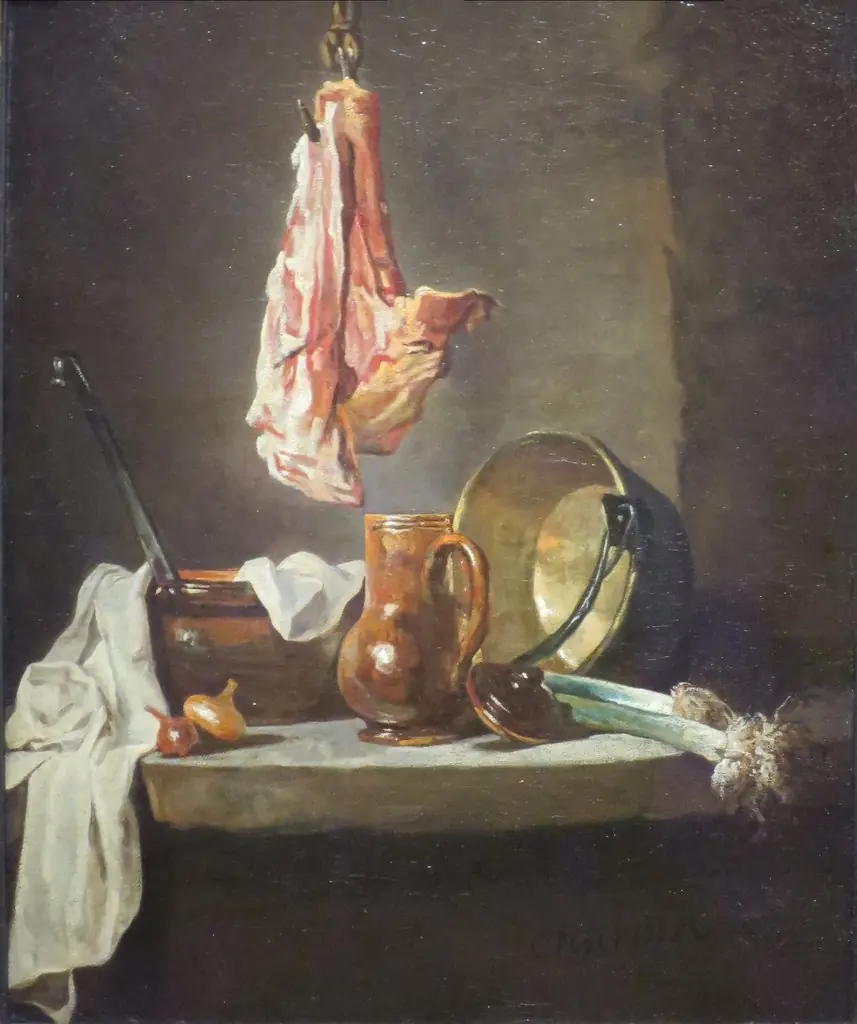
Still-life: The Kitchen Table is an oil painting by the Rococo painting artist Jean-Baptiste-Siméon Chardin. It dates from 1733 and is held in the collection of the National Galleries Scotland.
About this work
Overview
Still-life: The Kitchen Table, painted in 1733 by Jean-Baptiste-Siméon Chardin, is an 18th-century French oil painting depicting a humble kitchen setting. Characteristic of the Rococo movement, it showcases the artist's skill in capturing everyday life.
Subject & Meaning
The painting focuses on a simple, yet meticulously arranged, kitchen table scene featuring a brown pot, white cloth with eggs, and red meat against a dark backdrop. The composition conveys a sense of warmth and intimacy, highlighting the beauty in mundane domesticity.
Technique & Style
Chardin's mastery is evident in the work's subtle, nuanced lighting and expressive, textured brushwork, which together create a highly realistic and inviting atmosphere. A muted color palette dominated by browns and whites enhances the cozy ambiance.
History & Provenance
Created in 1733, the painting is now part of the collection at the Scottish National Gallery, Edinburgh.
Context
As a Rococo piece, it reflects the movement's emphasis on everyday life and the emotional depth found in ordinary subjects, distinguishing it from more ornate or aristocratically focused artworks of the time.
Legacy
While specific influences of *Still-life: The Kitchen Table* are not broadly documented, it contributes to Chardin's reputation as a leading figure in French still-life and genre painting, appreciated for his ability to evoke warmth from simple, everyday scenes.
Artist & collection
Artist
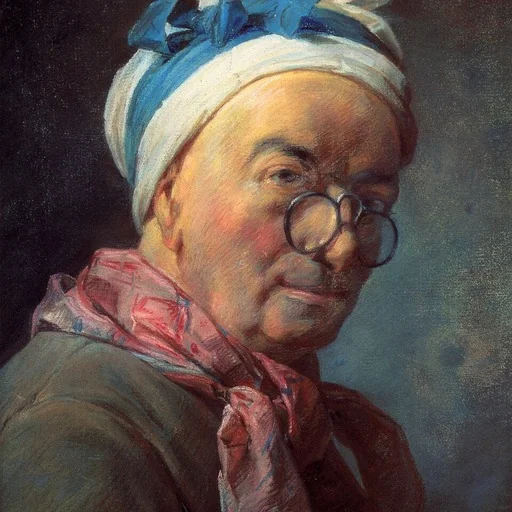
Jean Siméon Chardin (French: ; November 2, 1699 – December 6, 1779) was an 18th-century French painter.

 Still-life
 Still Life with Cooking Utensils
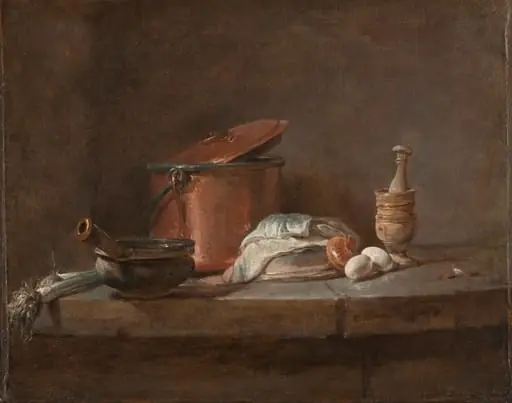 Kitchen Utensils with Leeks, Fish, and Eggs
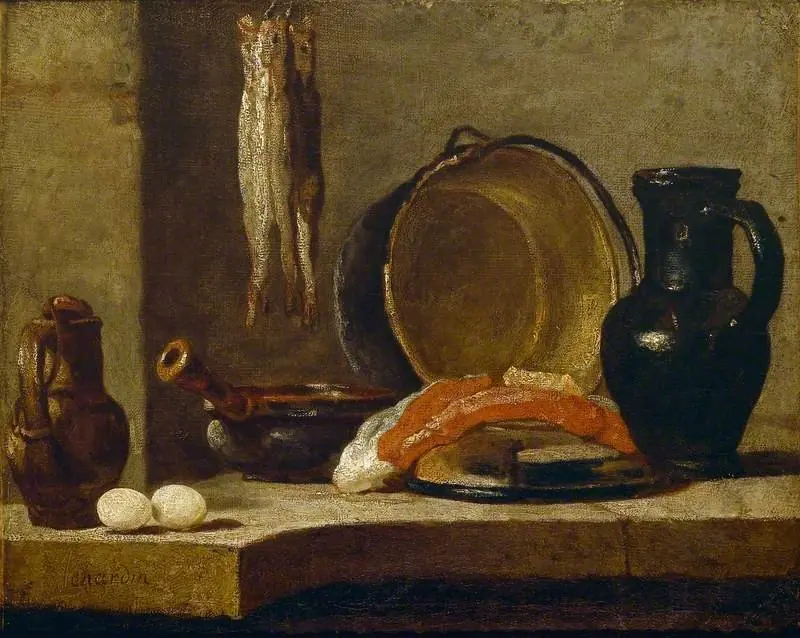 Still Life of Kitchen Utensils
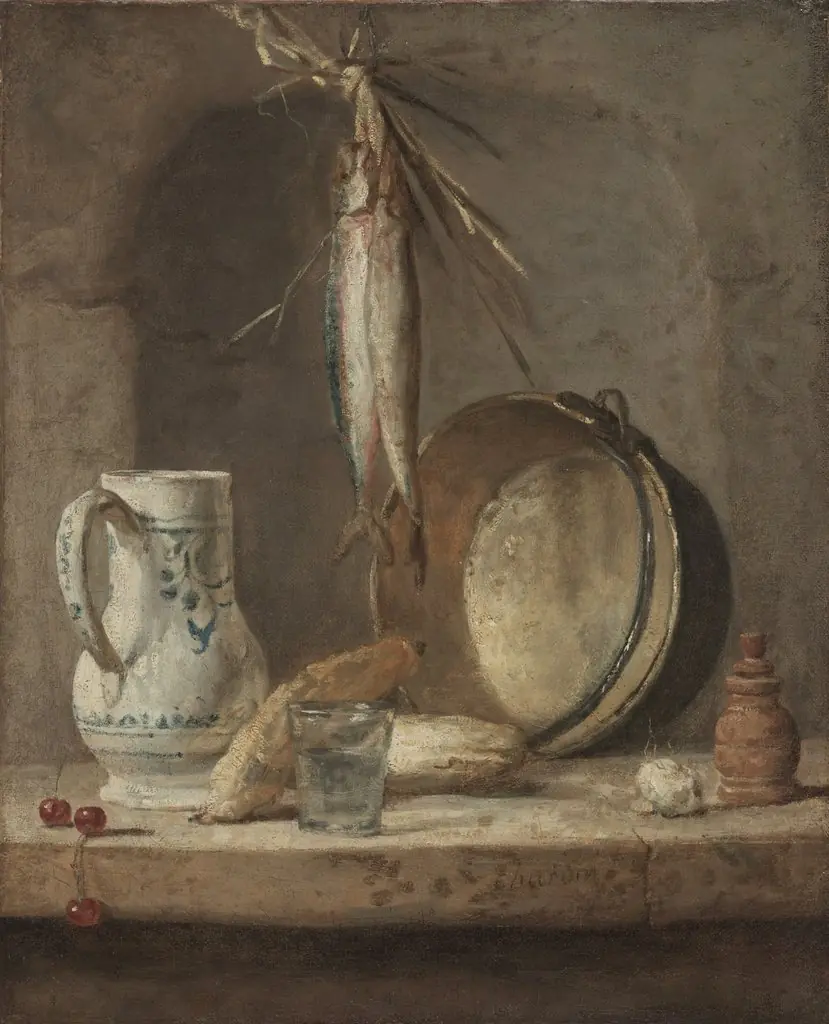
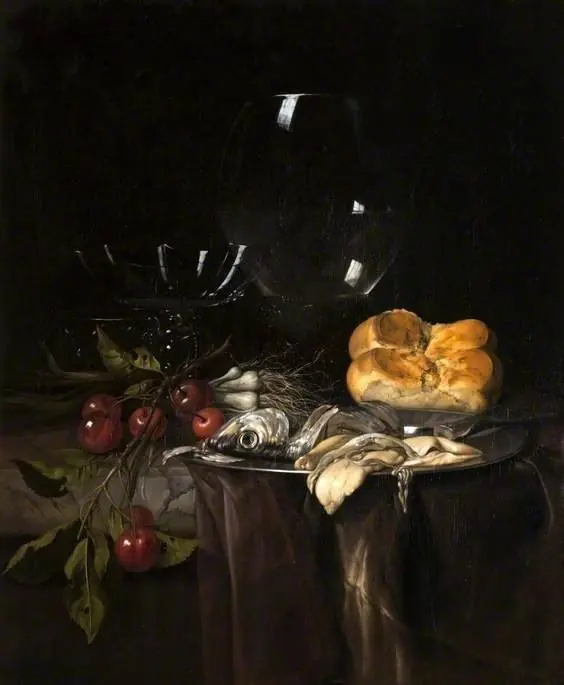 Still Life: Herring, Cherries and Glassware
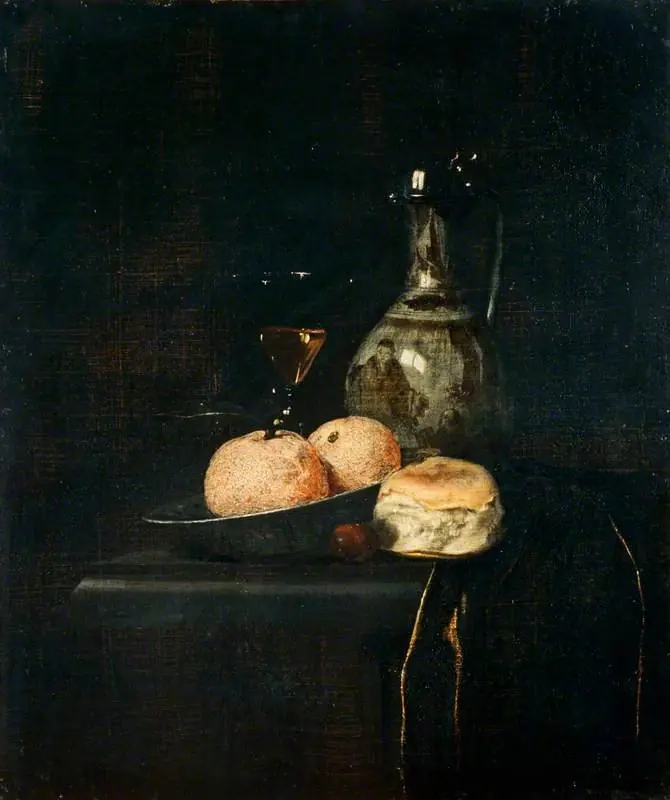
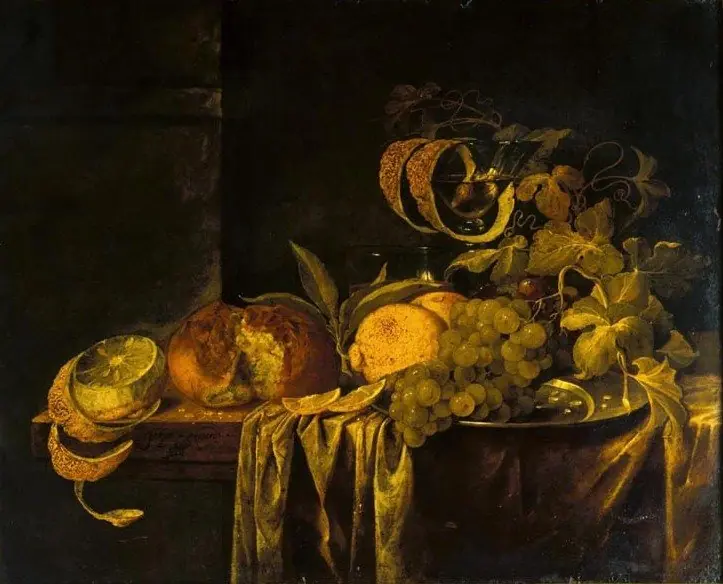 Still life with fruit, bread, and glassware
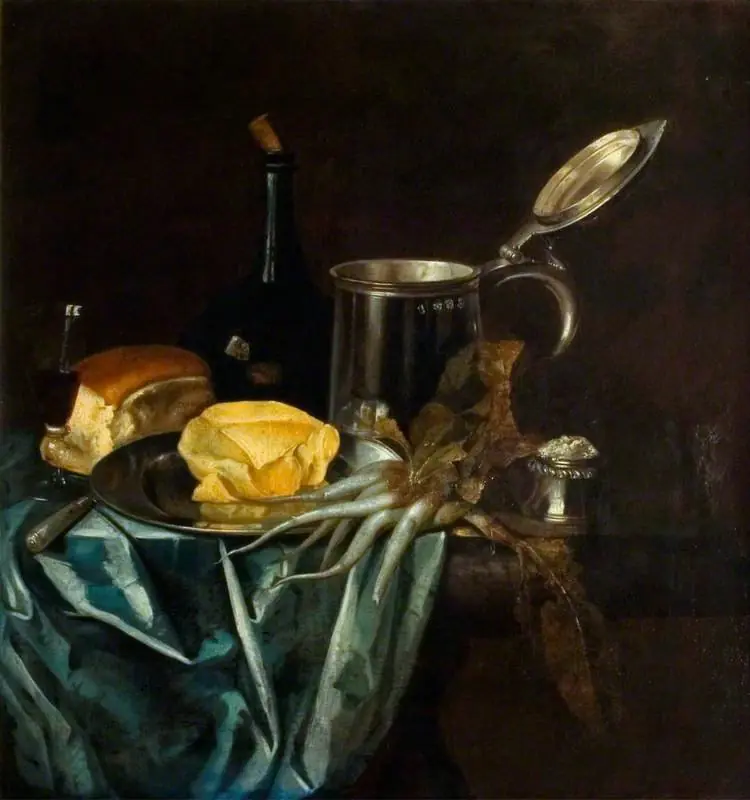 Still Life
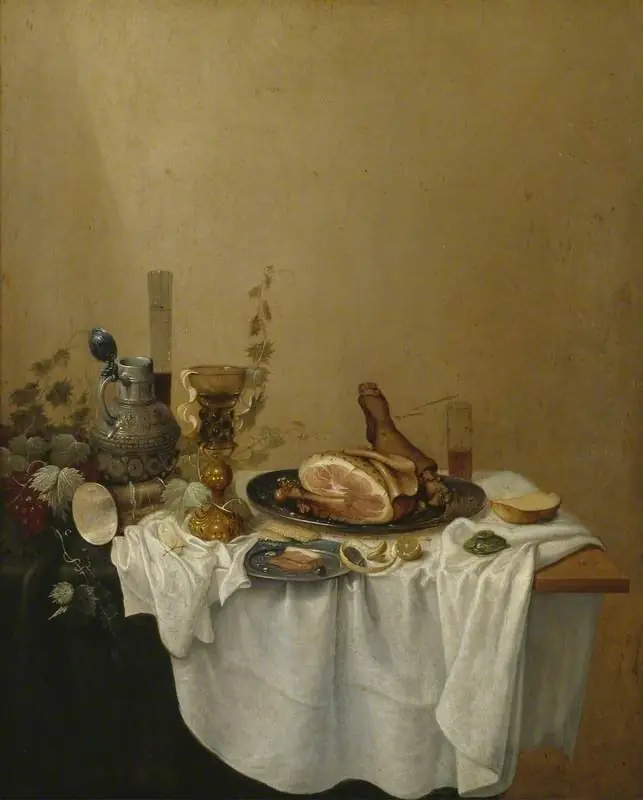 Still life with stoneware jug, bekerschroef, glassware and a leg of ham
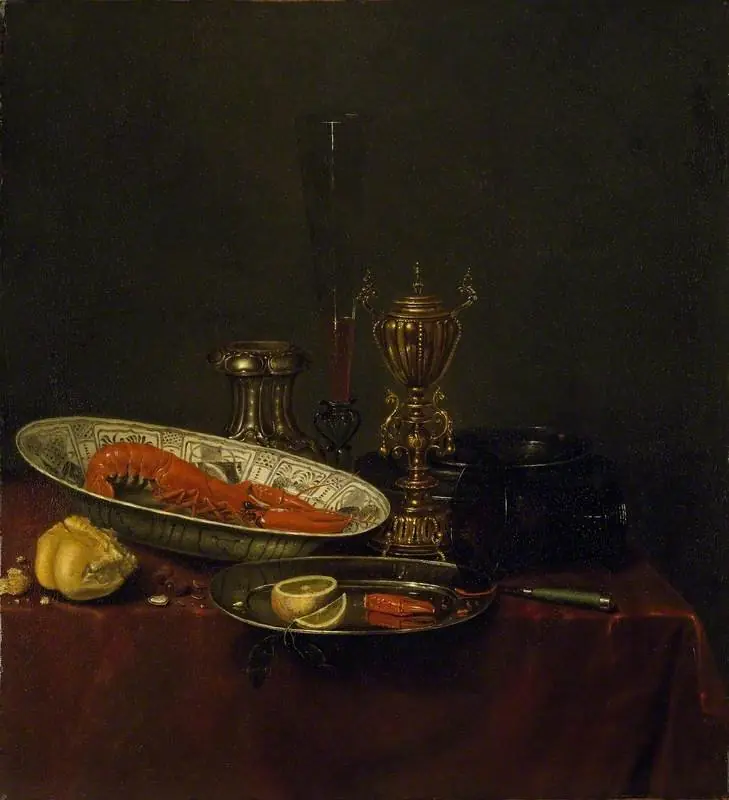 Still Life with a Lobster
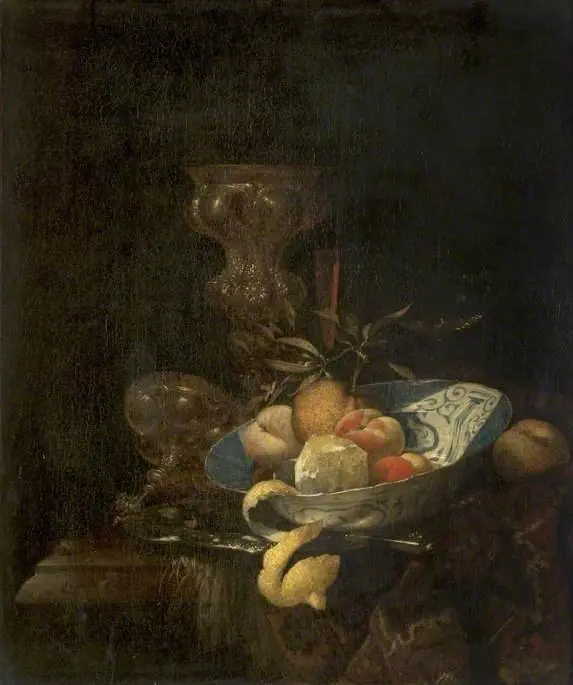 Still Life of Silver-Gilt Goblet, Porcelain Bowl, Glassware and Peeled Orange
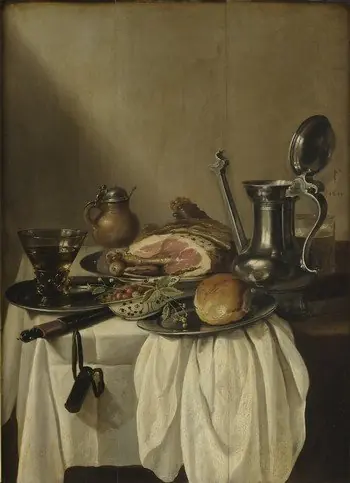 Still life of a laid table