Artwork
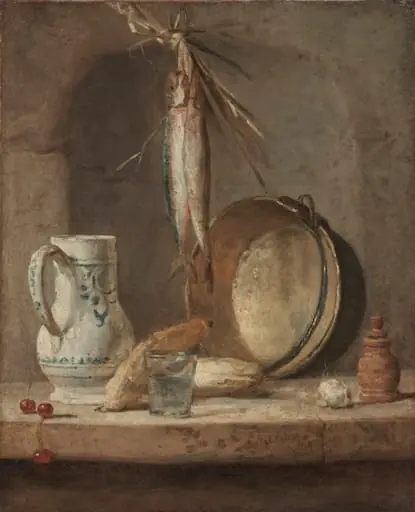
Kitchen Utensils with Leeks, Fish, and Eggs
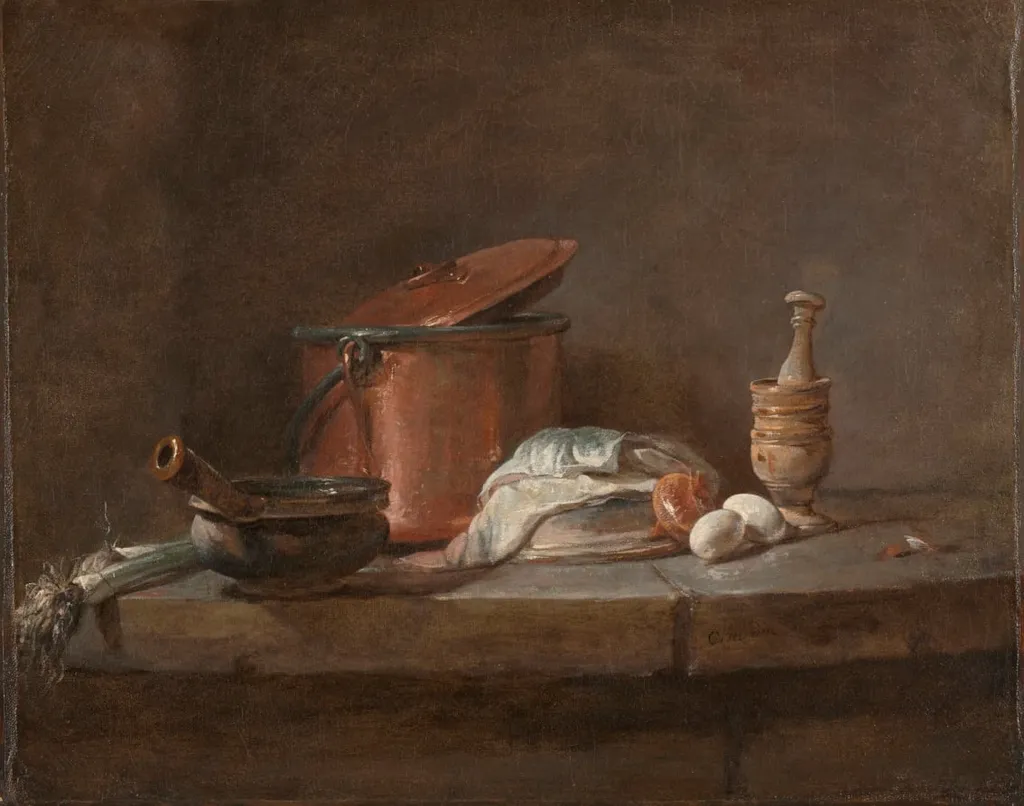
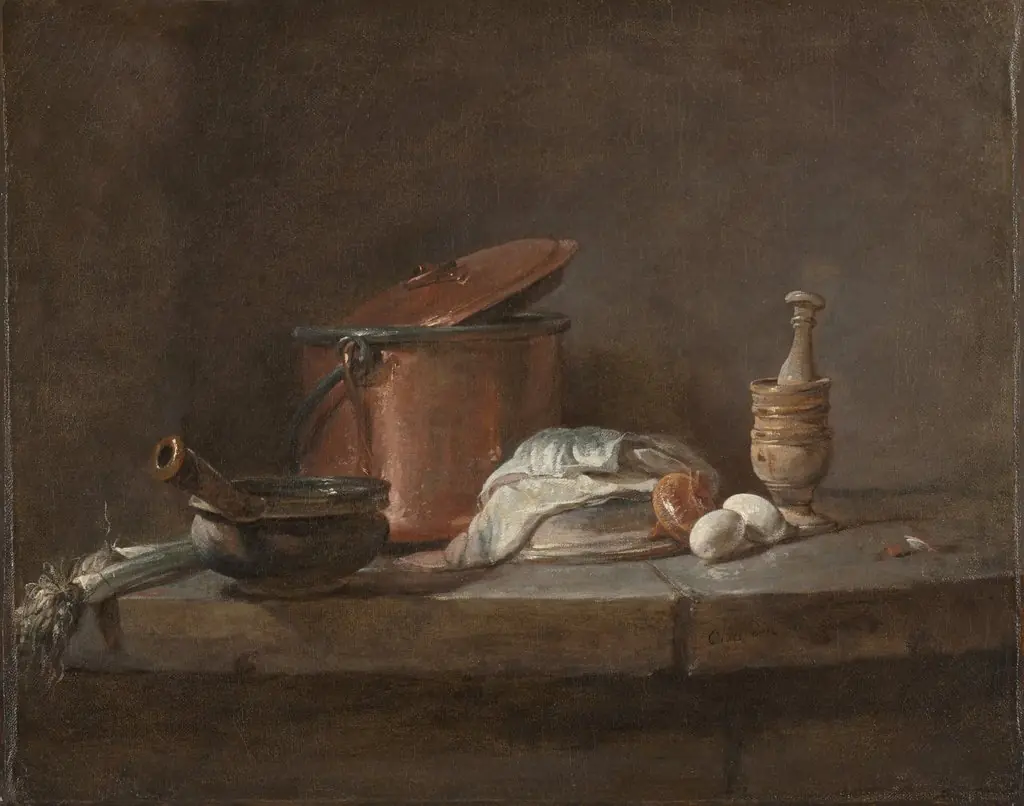
Kitchen Utensils with Leeks, Fish, and Eggs is an unspecified painting by the Baroque artist Jean-Baptiste-Siméon Chardin. It dates from 1734 and is held in the collection of the Cleveland Museum of Art.
About this work
Overview
Though modest in subject, the composition reflects Chardin’s deliberate approach to balance and spatial harmony.
Painted around 1730, this still life by Jean-Baptiste-Siméon Chardin depicts ordinary kitchen items—leeks, fish, eggs, and a knife—arranged with quiet precision on a wooden surface. Though modest in subject, the composition reflects Chardin’s deliberate approach to balance and spatial harmony. His focus on domestic objects distinguished him from contemporaries who favored grand or ornamental themes, grounding his work in the quiet rhythms of daily life.
Subject & Meaning
The painting presents no narrative, yet its arrangement suggests the aftermath of meal preparation. Leeks lean against a knife, fish rests beside eggs, and the cloth beneath bears the imprint of use. These elements, unadorned and unidealized, invite contemplation of labor and sustenance. Chardin elevates the mundane not through symbolism, but through attentive observation, revealing dignity in the routine and the overlooked.
Technique & Style
Chardin employed soft, diffused lighting to model forms with subtle gradations of tone, avoiding sharp contrasts. His brushwork is restrained, building texture through layered pigment rather than detail—rough cloth, smooth fish skin, and the matte surface of eggs emerge through careful modulation of light. Each object is placed with geometric sensitivity, creating equilibrium without symmetry, and lending the scene a stillness that feels both natural and deliberate.
History & Provenance
By the 1730s, Chardin had already gained recognition for his still lifes, which he produced in small formats suited to private collections. This painting belongs to a series in which he reused familiar objects—utensils, vegetables, fish—rearranging them to explore composition and light. Though his work was admired by peers, it remained outside the mainstream Rococo trend, appealing instead to collectors drawn to its quiet integrity and restrained aesthetics.
Context
While artists like Boucher and Fragonard embraced the Rococo’s elegance and theatricality, Chardin pursued a quieter realism rooted in the French middle class. His subjects reflected the domestic sphere, aligning with Enlightenment values of observation and sincerity. His work stood apart from the courtly tastes of the time, offering an alternative vision of beauty grounded in the ordinary, not the ornate.
Legacy
Chardin’s influence extended beyond his lifetime, shaping later realist and modernist approaches to still life. His emphasis on material presence and compositional restraint resonated with artists such as Cézanne and Morandi. By treating humble objects with solemnity and care, he redefined the potential of everyday subjects, leaving a lasting imprint on how still life could convey depth without spectacle.
Artist & collection
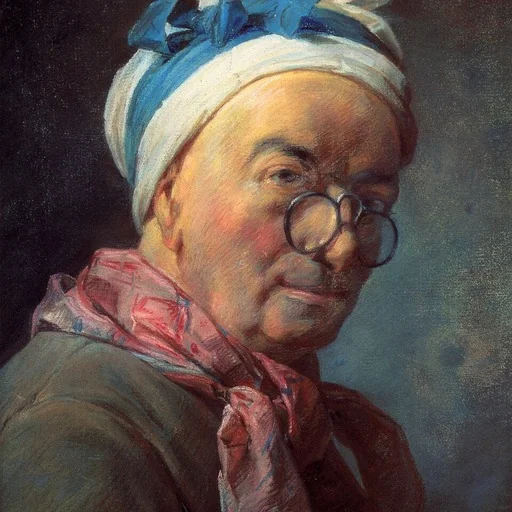
Artist
Jean Siméon Chardin (French: ; November 2, 1699 – December 6, 1779) was an 18th-century French painter.

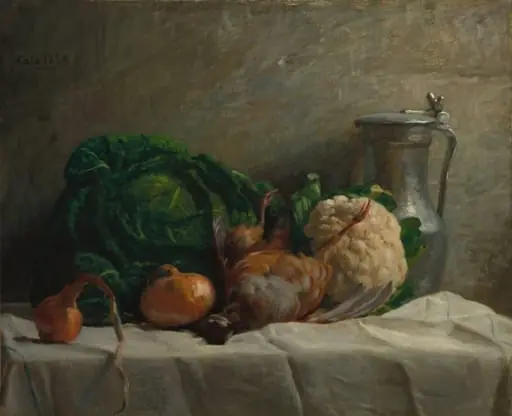 Still Life with Vegetables, Partridge, and a Jug
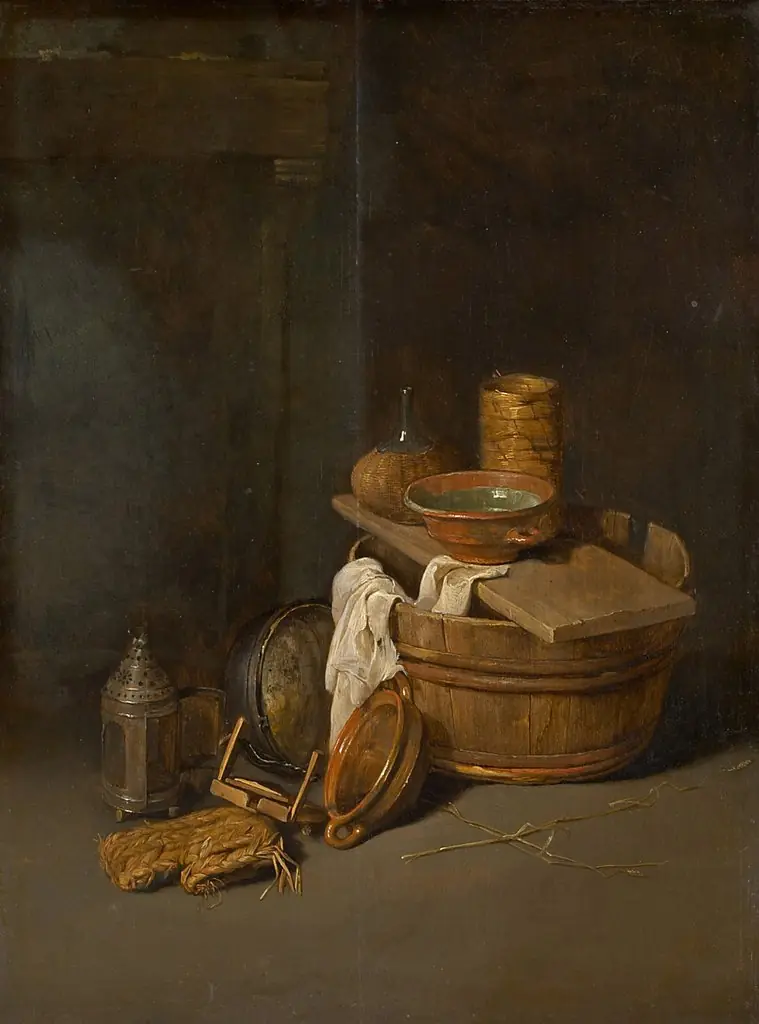 Still life of household objects
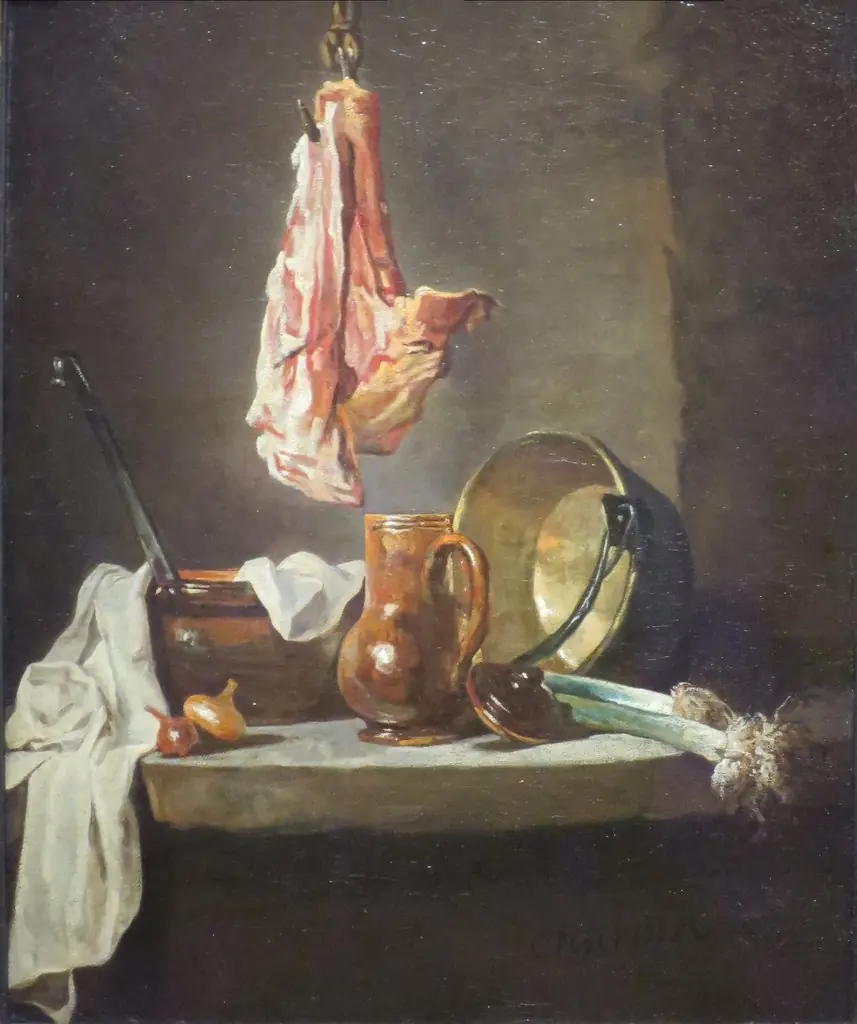 Still Life with Cooking Utensils
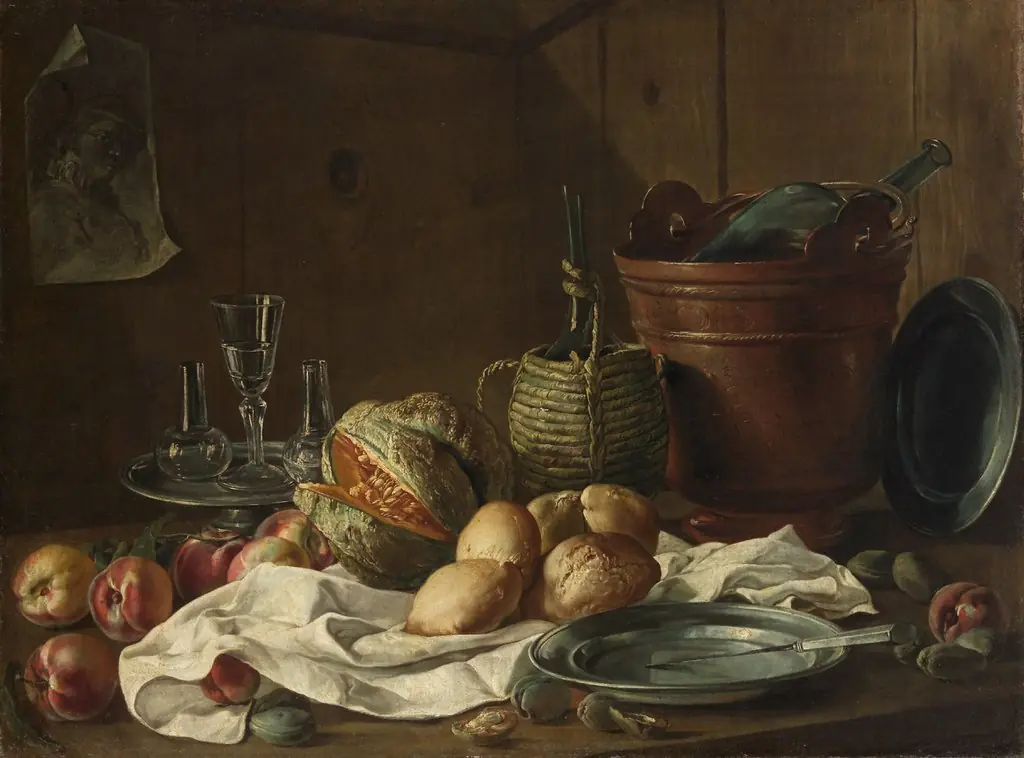 Früchtestilleben
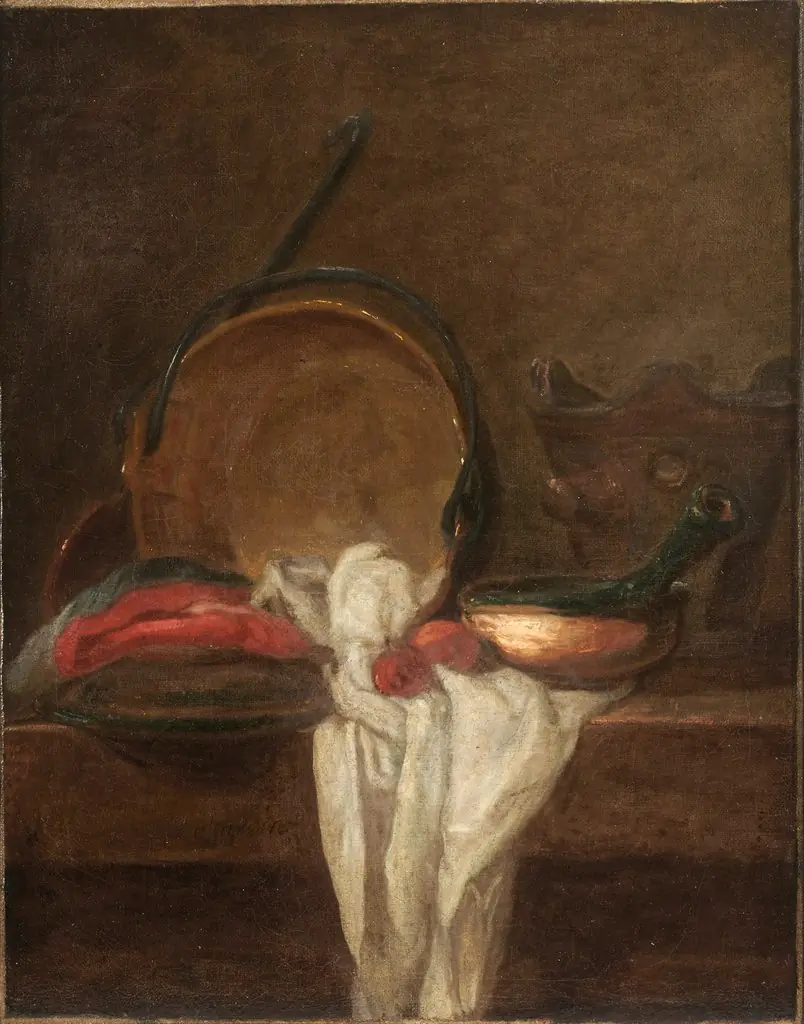 Cooking Pots and Ladle with a White Cloth
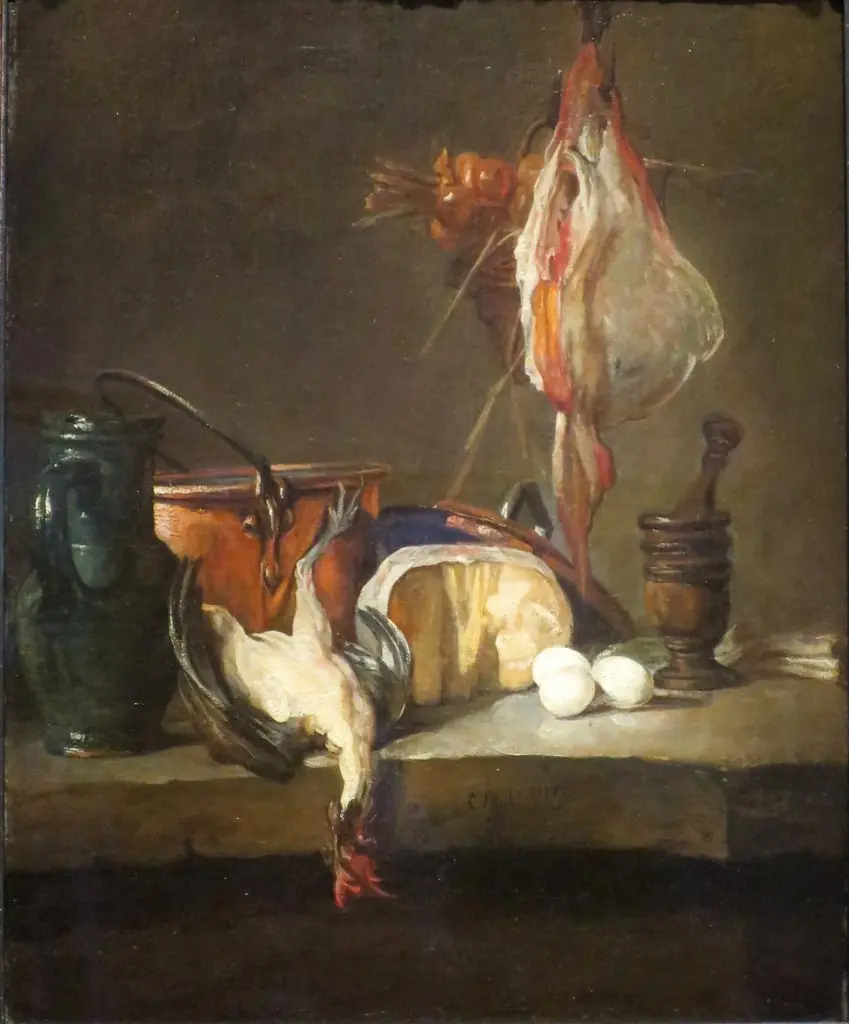 Still Life with Fowl
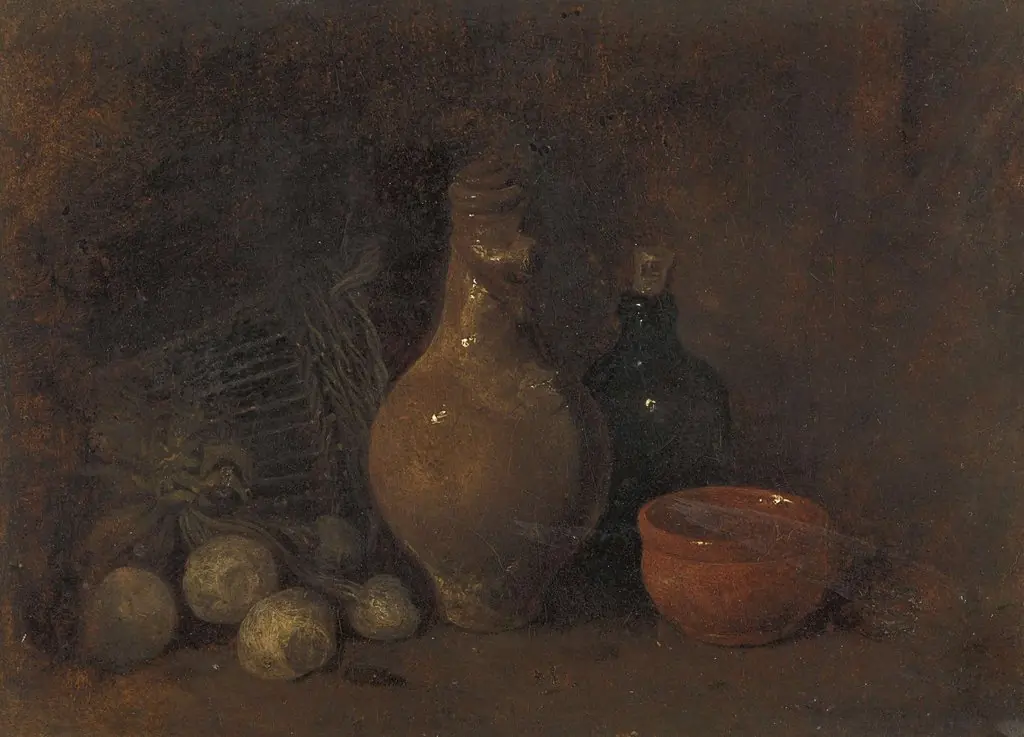 Stilleven met vier vruchten, glas en aardewerk
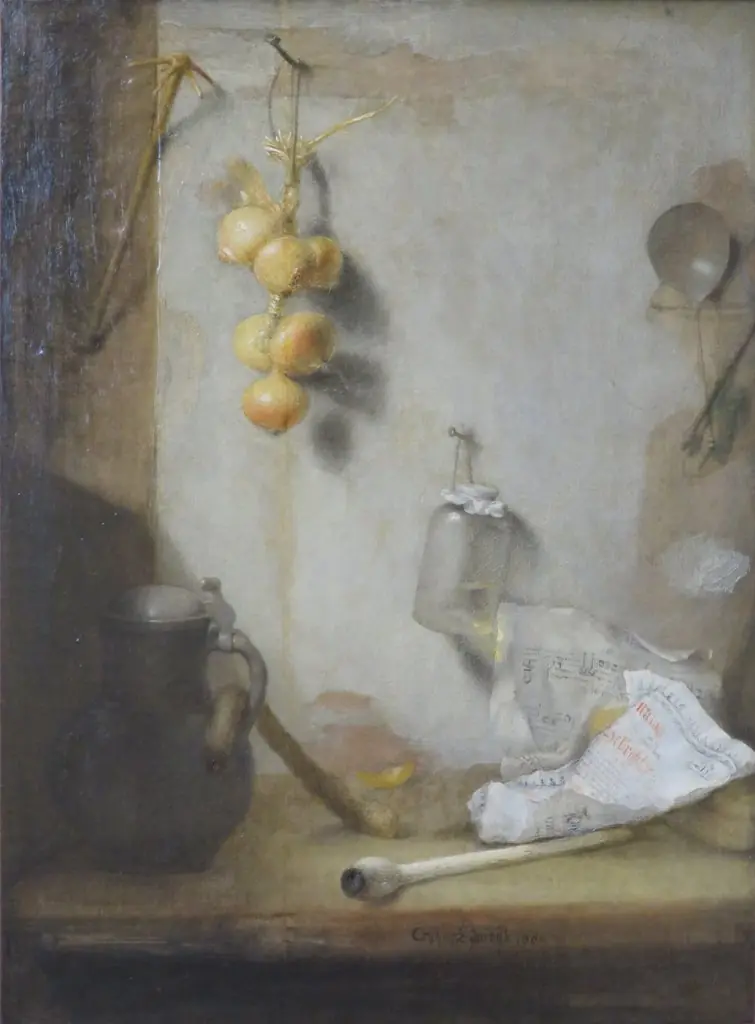 Still Life
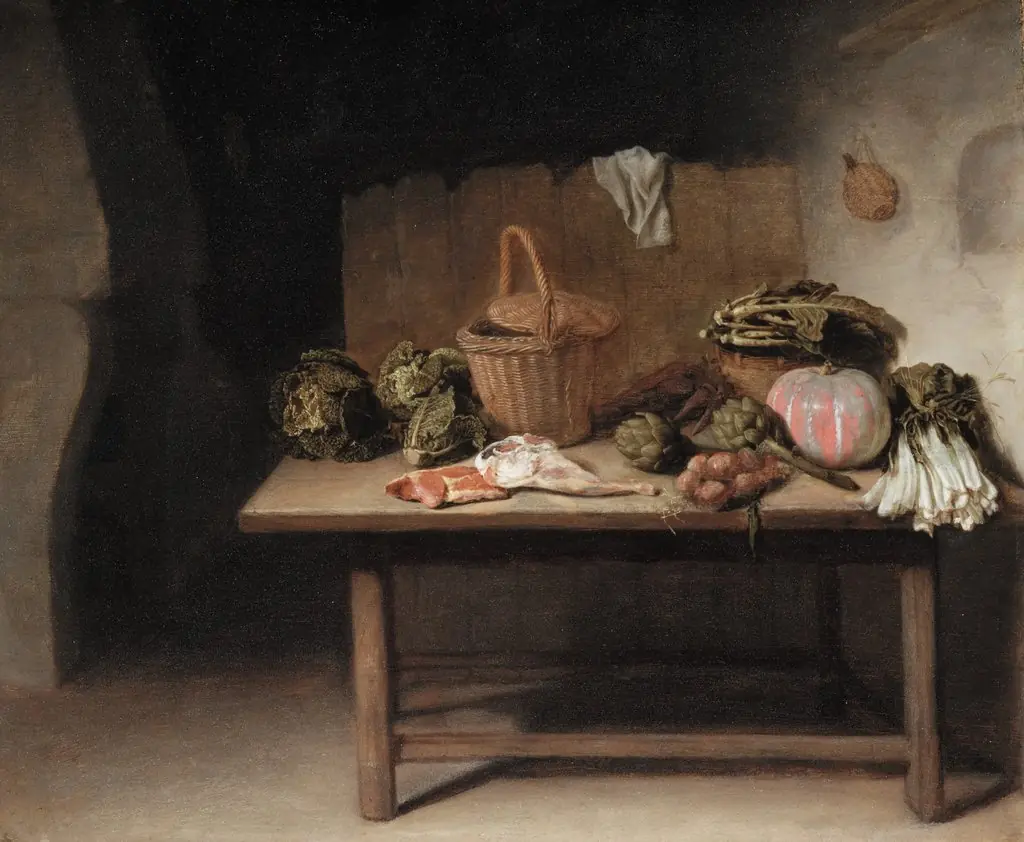 Interior with a Still Life on a Work Table
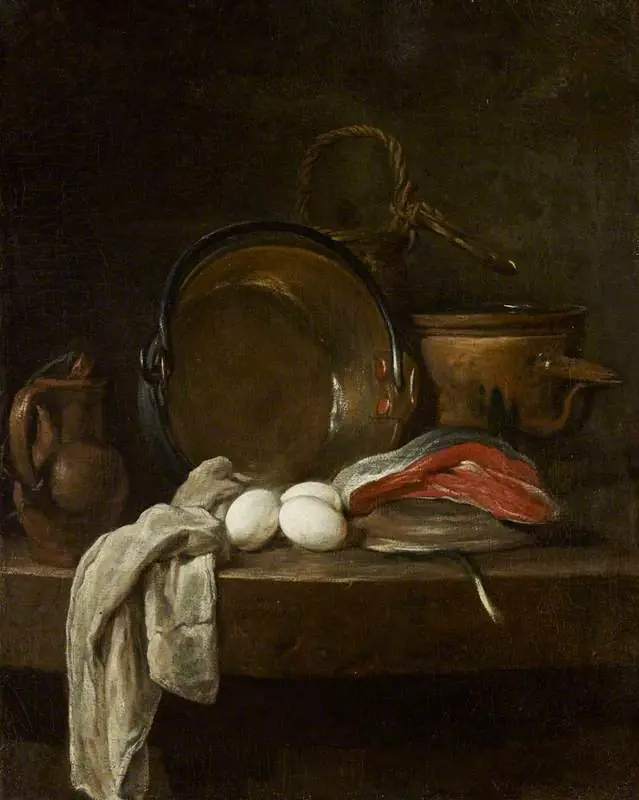 Still-life: The Kitchen Table
 Still Life with Herrings