Artwork
Dervish
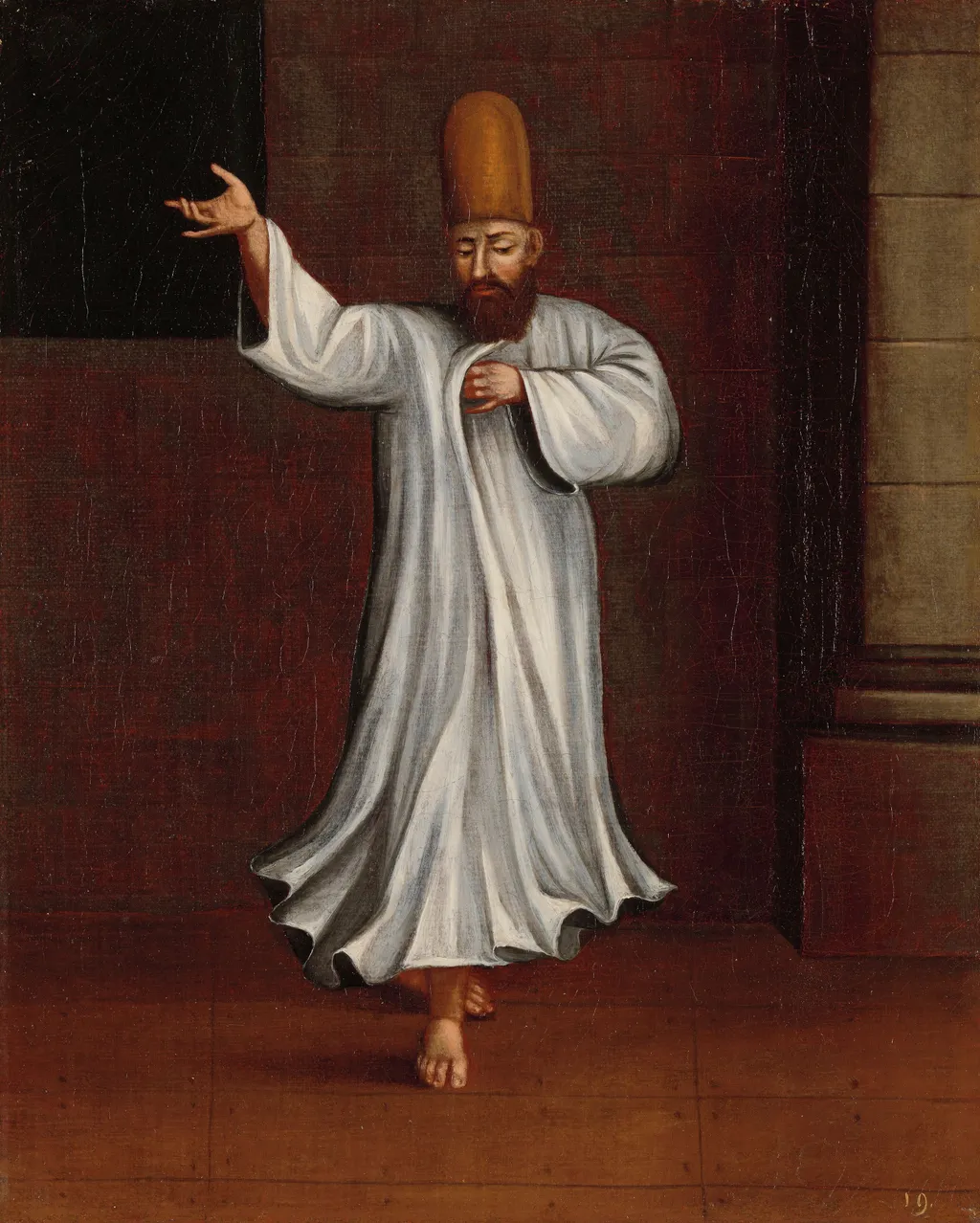
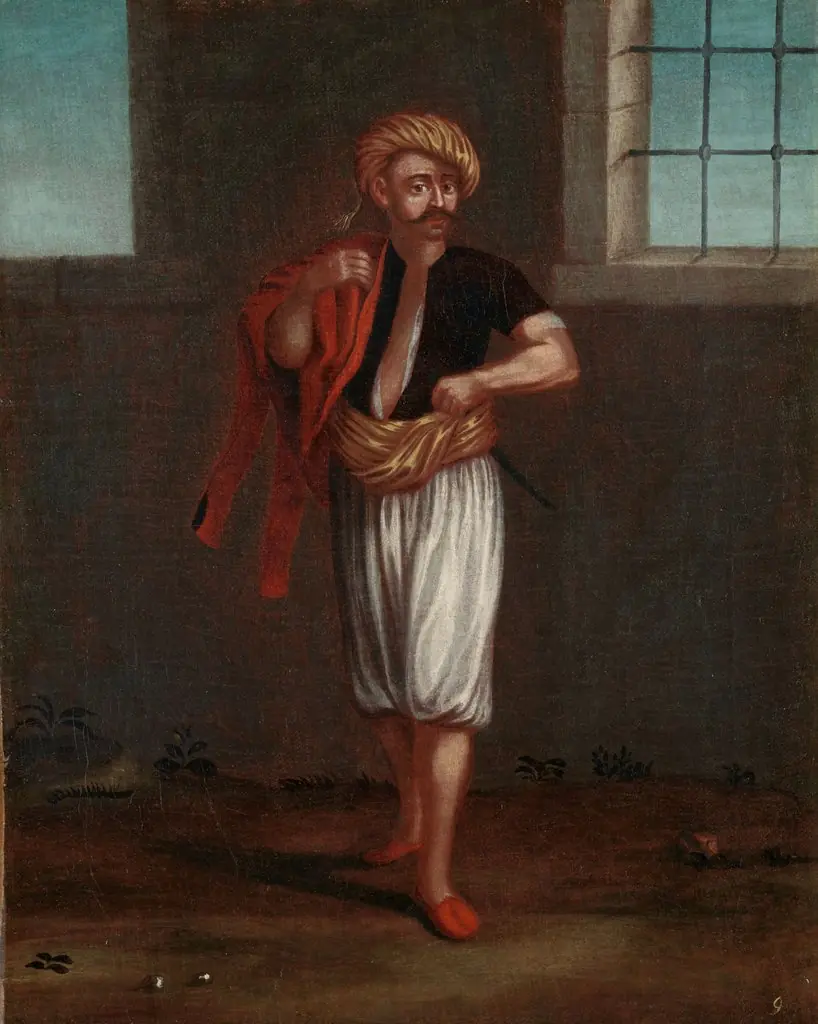
Dervish is an oil painting by the Rococo painting artist Jean Baptiste Vanmour. It dates from 1718 and is held in the collection of the Rijksmuseum.
About this work
Overview
Jean Baptiste Van Mour, a painter of Flemish origin who worked in France, completed the oil painting *Dervish* in 1718. The work presents a solitary figure in a simple interior, rendered with the careful observation typical of Van Mour’s depictions of Ottoman subjects during the early eighteenth‑century Tulip Era. It is currently part of the Rijksmuseum’s collection.
Subject & Meaning
The figure is a dervish, a member of a Sufi mystic order, identifiable by his white robe, tall brown headgear and barefoot stance. His raised right arm and the arm folded across his chest convey a contemplative pose, suggesting spiritual focus rather than worldly activity, and reflect the ascetic ideals associated with such religious practitioners.
Technique & Style
Executed in oil on canvas, Van Mour employs layered brushwork to model the folds of the robe and the texture of the wooden floor, creating a subtle sense of depth. The muted palette of whites and earth tones emphasizes the figure’s simplicity, while delicate highlights on the fabric and hat reveal the artist’s skill in rendering material qualities.
History & Provenance
Created amid Van Mour’s series of portraits documenting daily life in the Ottoman capital, the painting entered the Rijksmuseum’s holdings through acquisition in the twentieth century. Its presence in a Dutch national museum underscores the broader European interest in Eastern cultures that flourished during the early 1700s, particularly under Sultan Ahmed III’s patronage.
Own this work as a print
Artist & collection
Artist
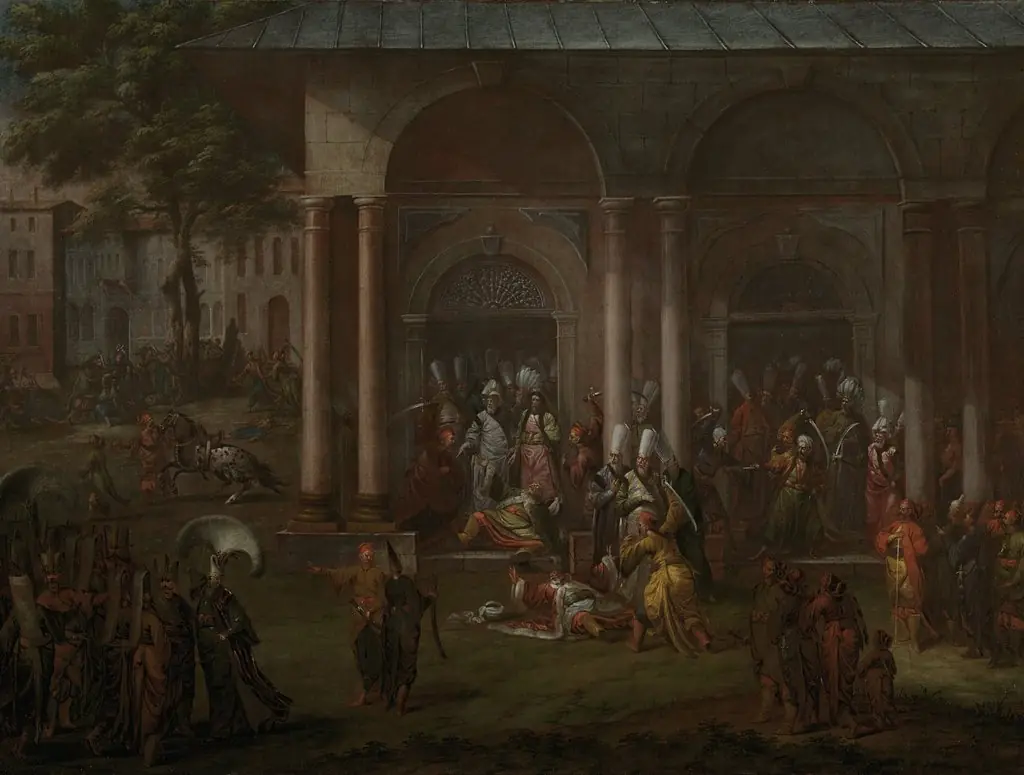
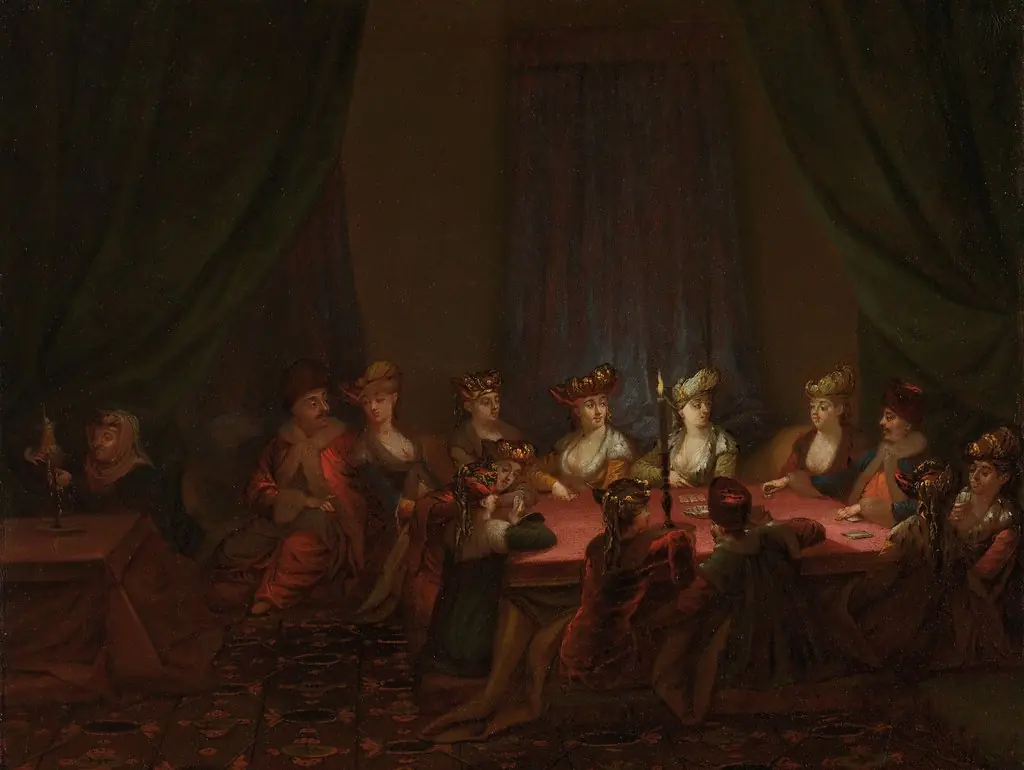
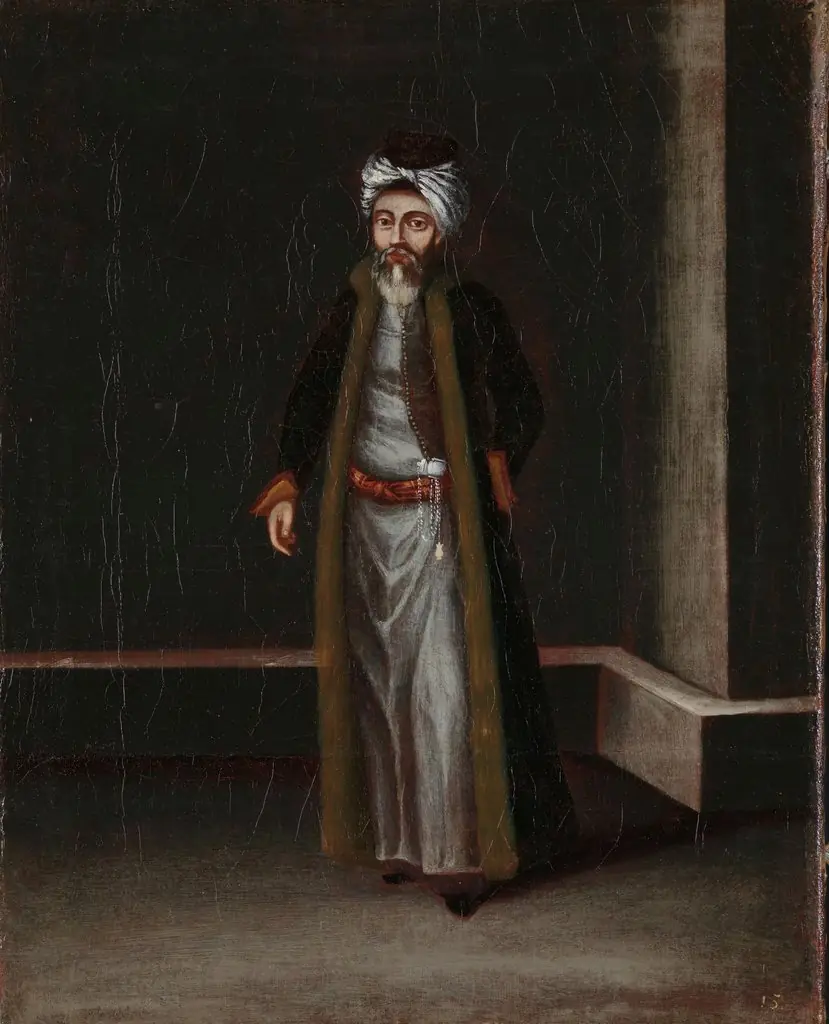
Jean Baptiste Vanmour or Van Mour (9 January 1671 – 22 January 1737) was a Flemish-French painter, remembered for his detailed portrayal of life in the Ottoman Empire during the Tulip Era and the rule of Sultan Ahmed III.