Artwork
Greek Wedding
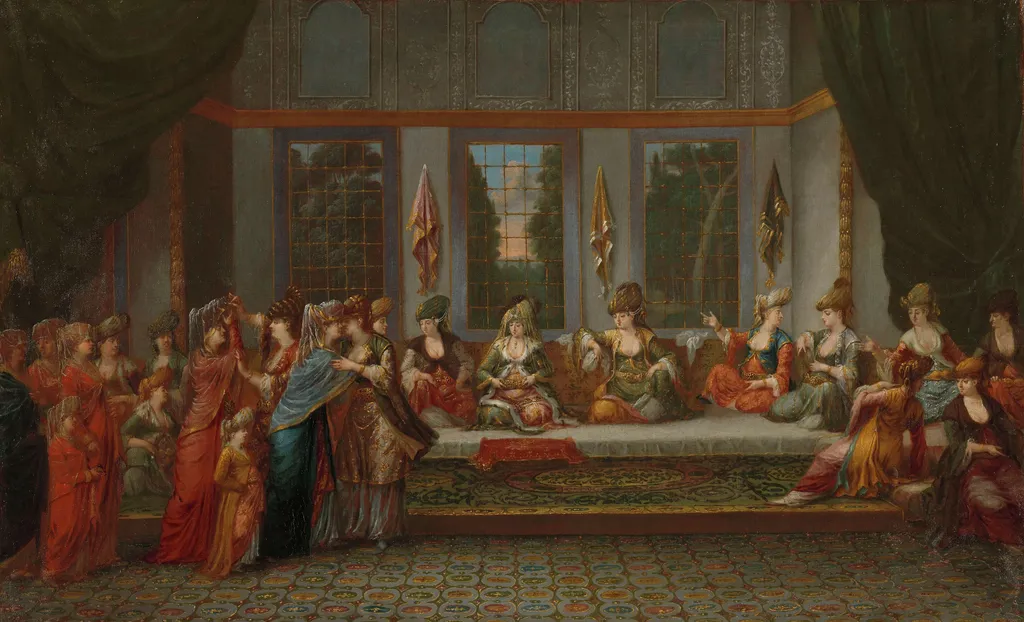
Greek Wedding is an oil painting by the Rococo painting artist Jean Baptiste Vanmour. It dates from 1728 and is held in the collection of the Rijksmuseum.
About this work
Overview
Vanmour, a Flemish artist working in France, documented Ottoman social life with precision, blending European technique with observed Eastern customs.
Painted in 1728 by Jean Baptiste Vanmour, *Greek Wedding* is an oil-on-canvas work that captures a ceremonial gathering in the Ottoman Empire during the Tulip Era. Though titled with a Greek designation, the scene reflects the multicultural environment of Istanbul under Sultan Ahmed III. Vanmour, a Flemish artist working in France, documented Ottoman social life with precision, blending European technique with observed Eastern customs.
Subject & Meaning
The painting depicts a wedding celebration within a domestic interior, featuring a mix of seated and standing figures in elaborate attire. The presence of children, shared tables, and ornate textiles suggests a communal ritual rather than a private event. While the title implies Greek tradition, the clothing and setting align more closely with Ottoman elite customs, indicating Vanmour’s focus on the cosmopolitan society of his time rather than ethnic specificity.
Technique & Style
Vanmour employed oil paint to render intricate textures of silk, velvet, and embroidery with subtle gradations of light. The composition is tightly packed, yet organized through horizontal lines of tables and verticals of figures and windows. Facial expressions remain restrained, contrasting with the vibrancy of costumes. Light enters from large arched windows, enhancing the tactile quality of fabrics without creating dramatic shadows, characteristic of Rococo’s refined realism.
History & Provenance
Created during Vanmour’s years in Istanbul, the painting stems from his commission to record Ottoman court life. It entered the Rijksmuseum’s collection in the 19th century, likely through Dutch diplomatic or trade networks. Its survival reflects the European fascination with Ottoman culture during the early 1700s, when such scenes were valued as ethnographic records rather than purely decorative works.
Context
The Tulip Era (1718–1730) marked a period of cultural openness in the Ottoman Empire, with increased interaction between Eastern and Western elites. Vanmour’s work emerged within this context, serving as visual documentation for European audiences. His paintings, including this one, contributed to a broader genre of orientalist observation, though they avoid exoticism by emphasizing everyday ceremonial detail over fantasy.
Legacy
Vanmour’s *Greek Wedding* remains a rare visual record of 18th-century Ottoman social rituals, valued for its observational accuracy. It stands apart from later orientalist works by its restraint and lack of melodrama. The painting continues to inform scholarly understanding of cross-cultural exchange in the early modern period, particularly in how European artists engaged with non-Western societies without overt stylization.
Own this work as a print
Artist & collection
Artist
Jean Baptiste Vanmour or Van Mour (9 January 1671 – 22 January 1737) was a Flemish-French painter, remembered for his detailed portrayal of life in the Ottoman Empire during the Tulip Era and the rule of Sultan Ahmed III.

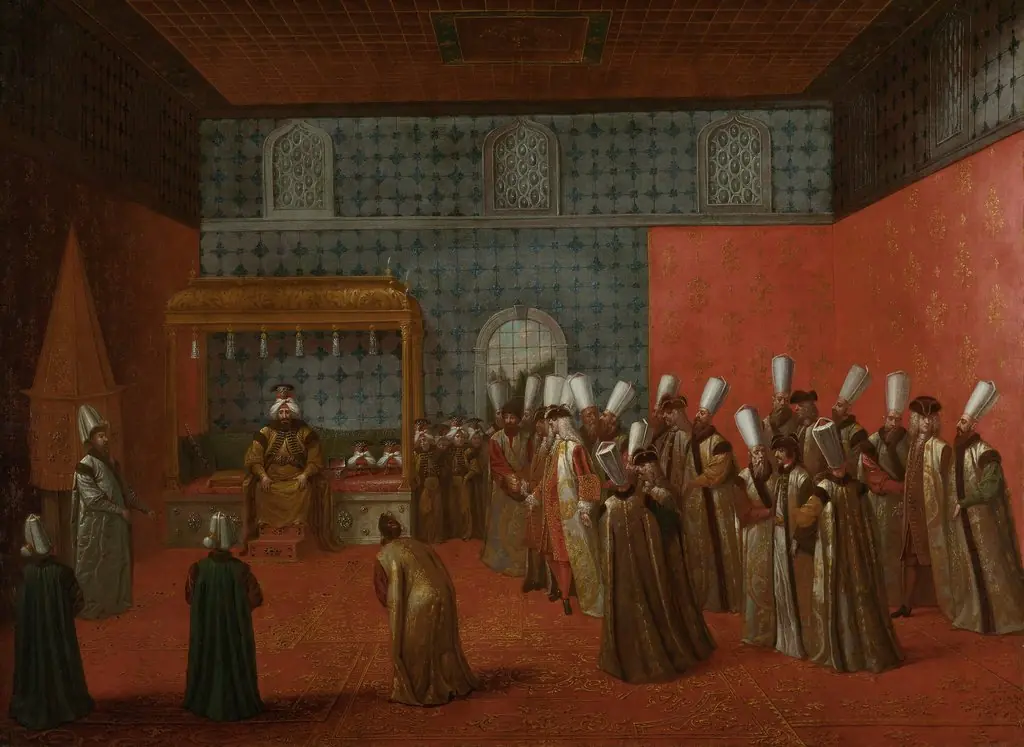
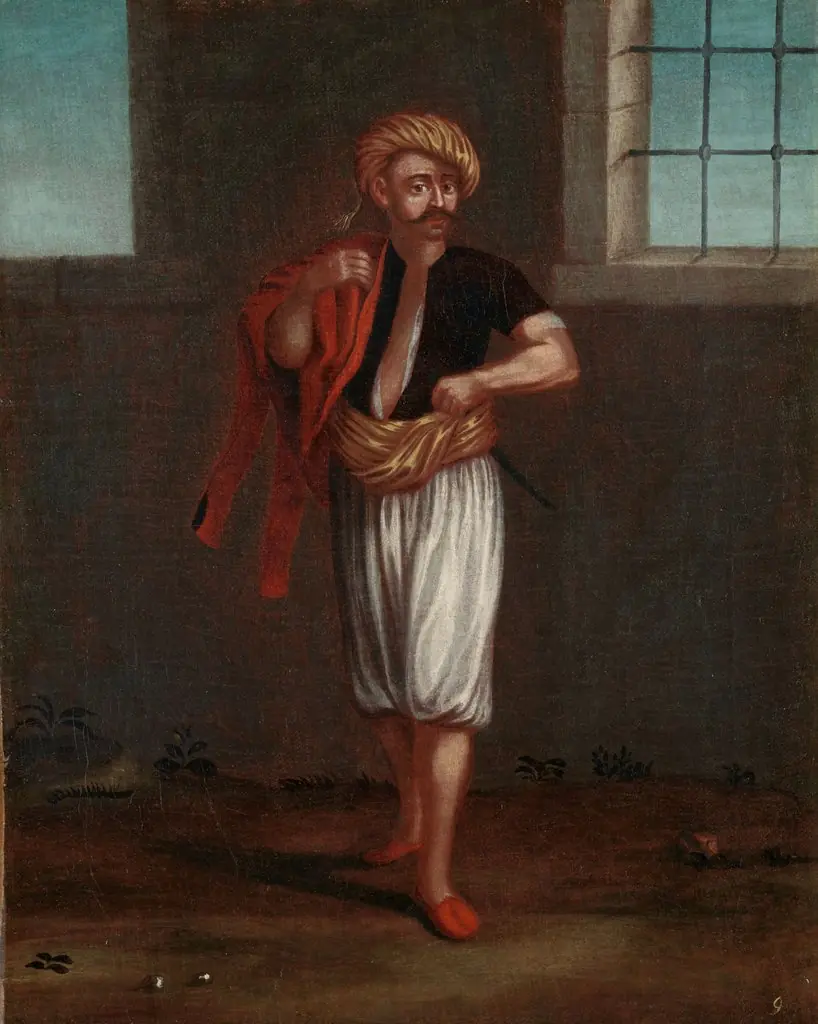
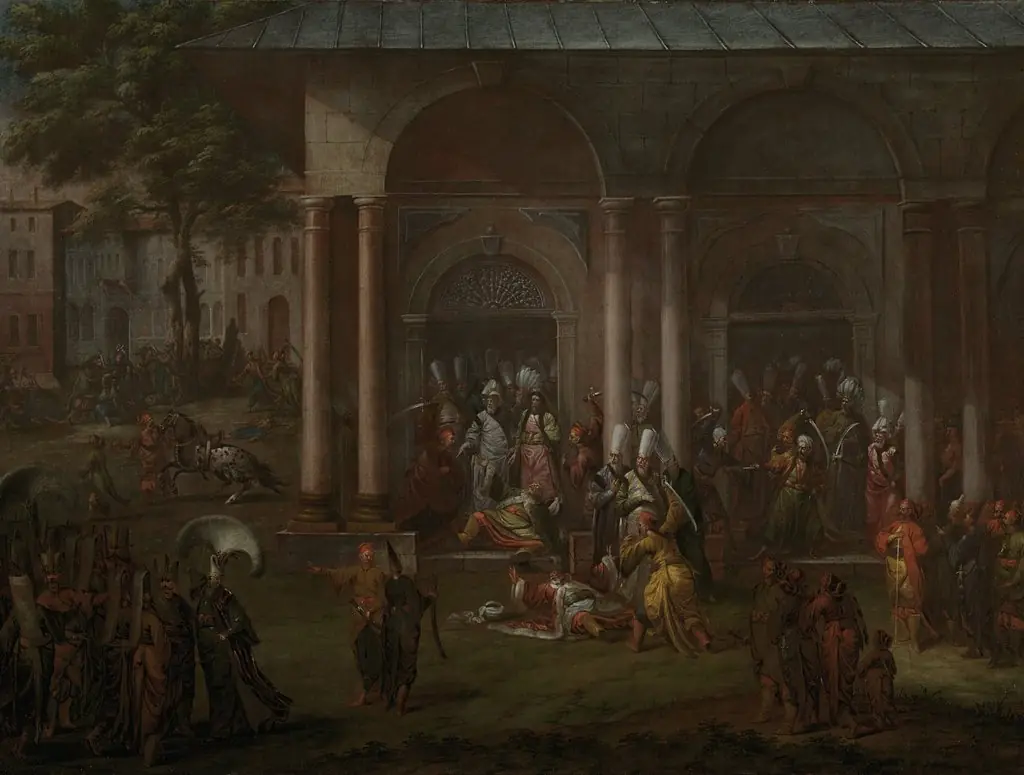
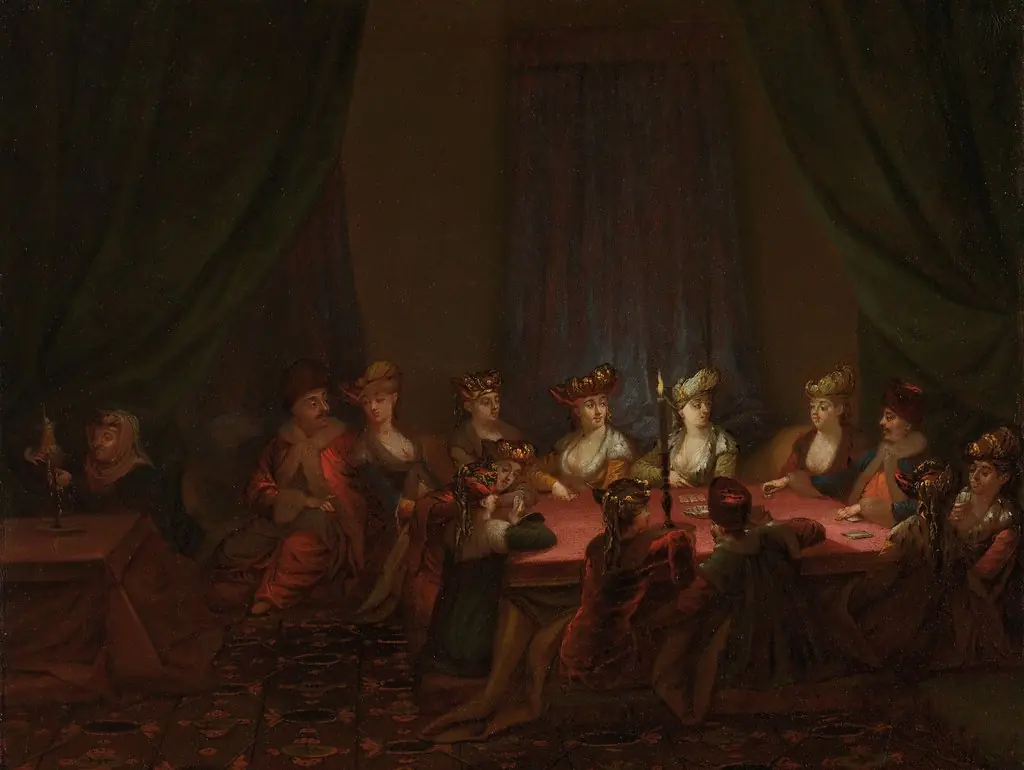
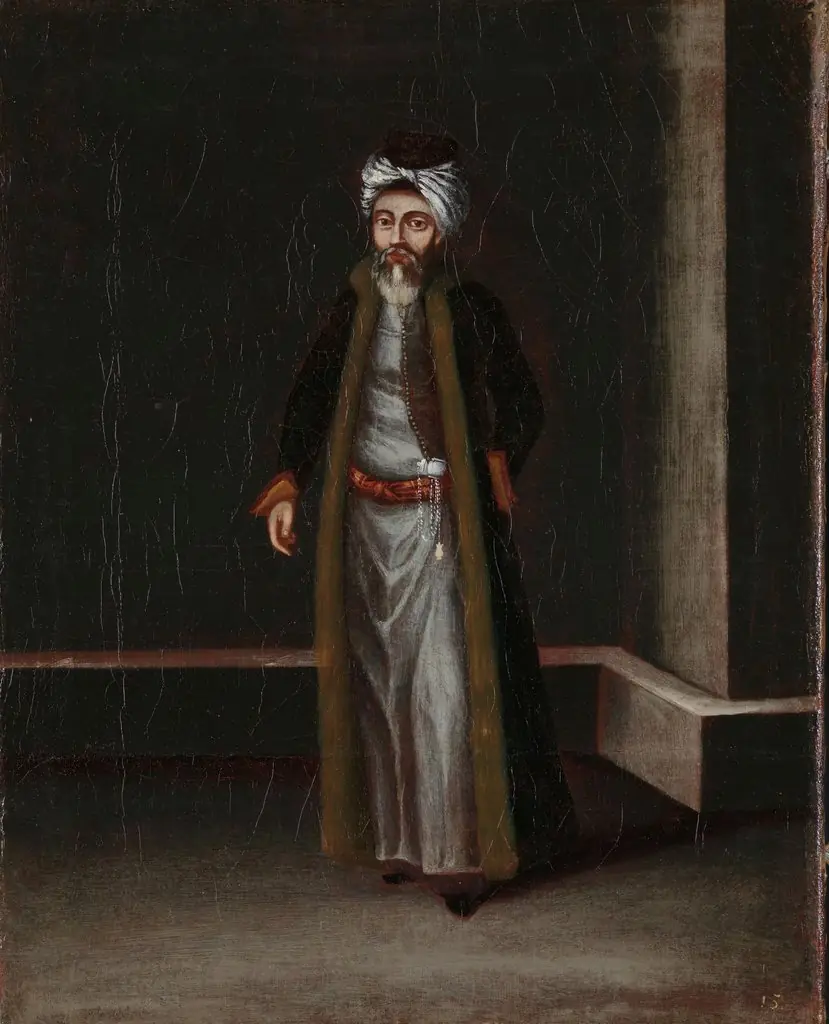
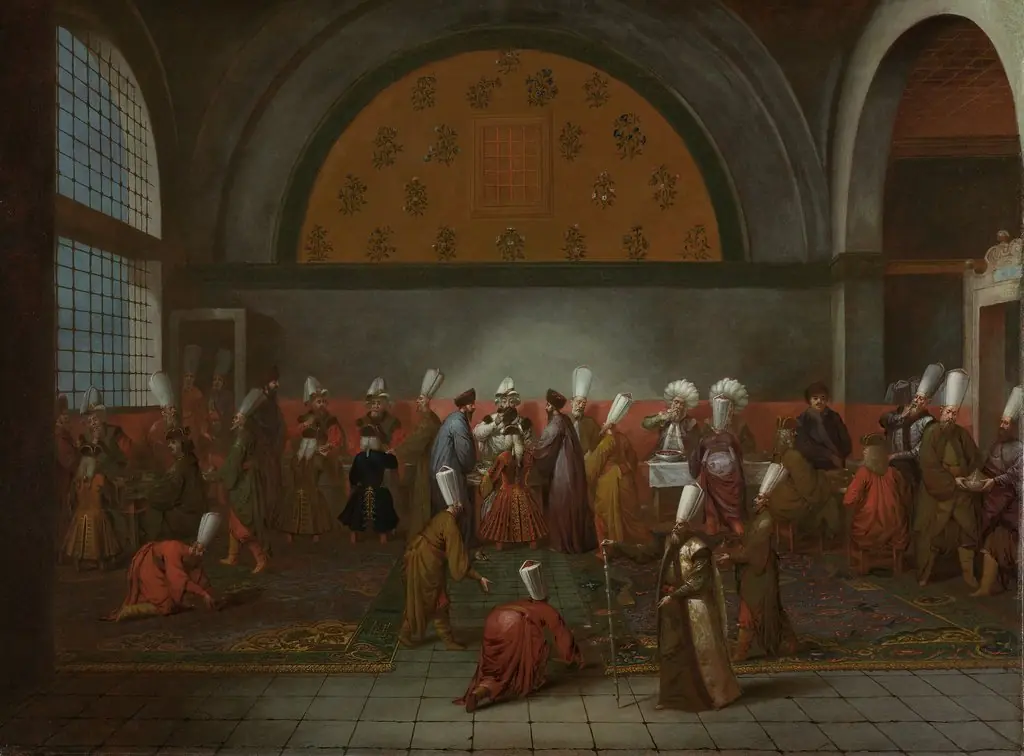 The Meal in Honour of Ambassador Cornelis Calkoen
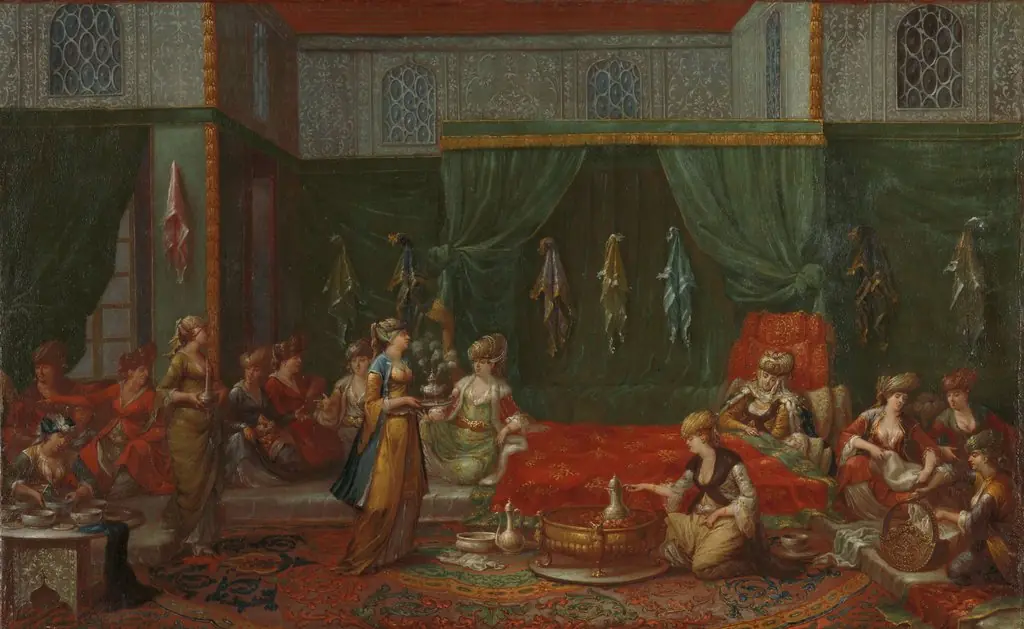 Lying-in Room of a Distinguished Turkish Woman
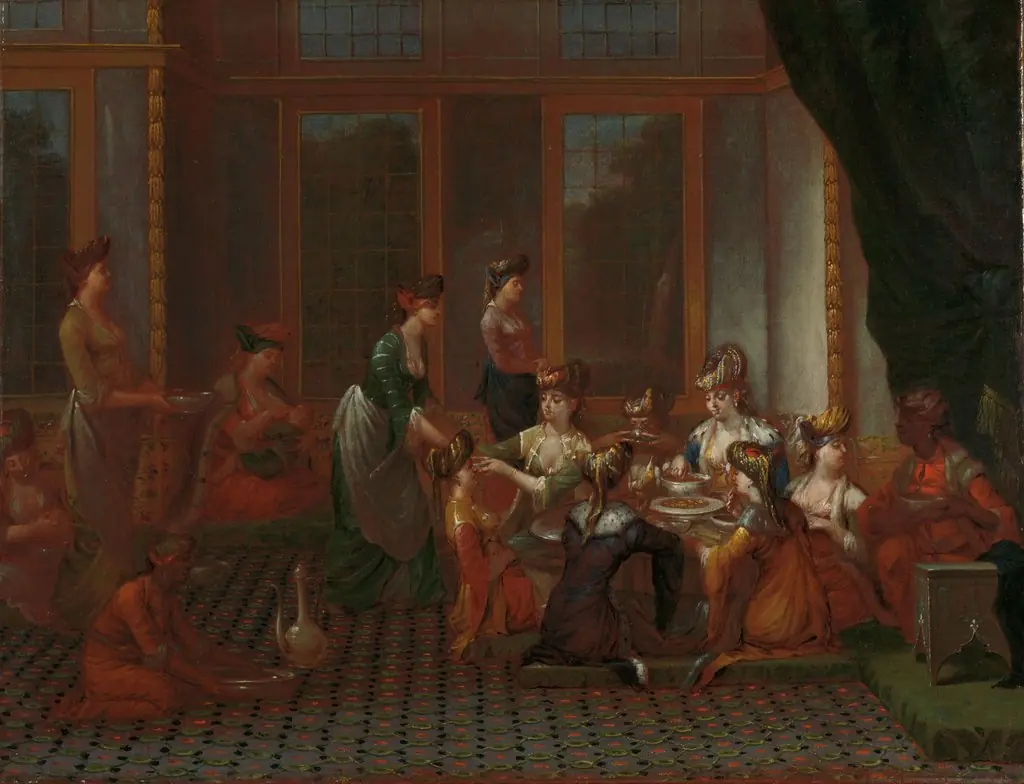 Banquet of Distinguished Turkish Women
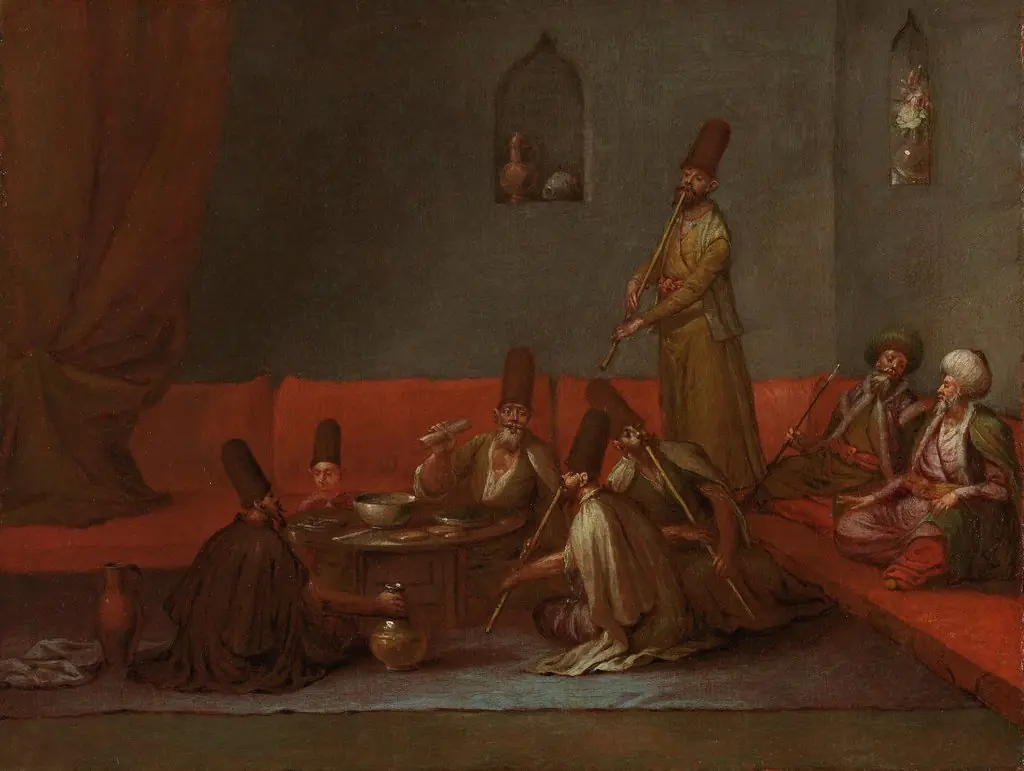 Dervishes Sharing a Meal
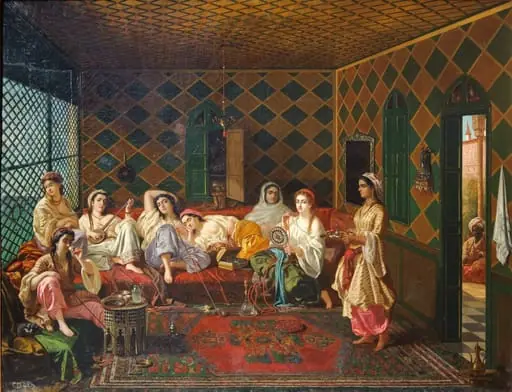 Interior de serai
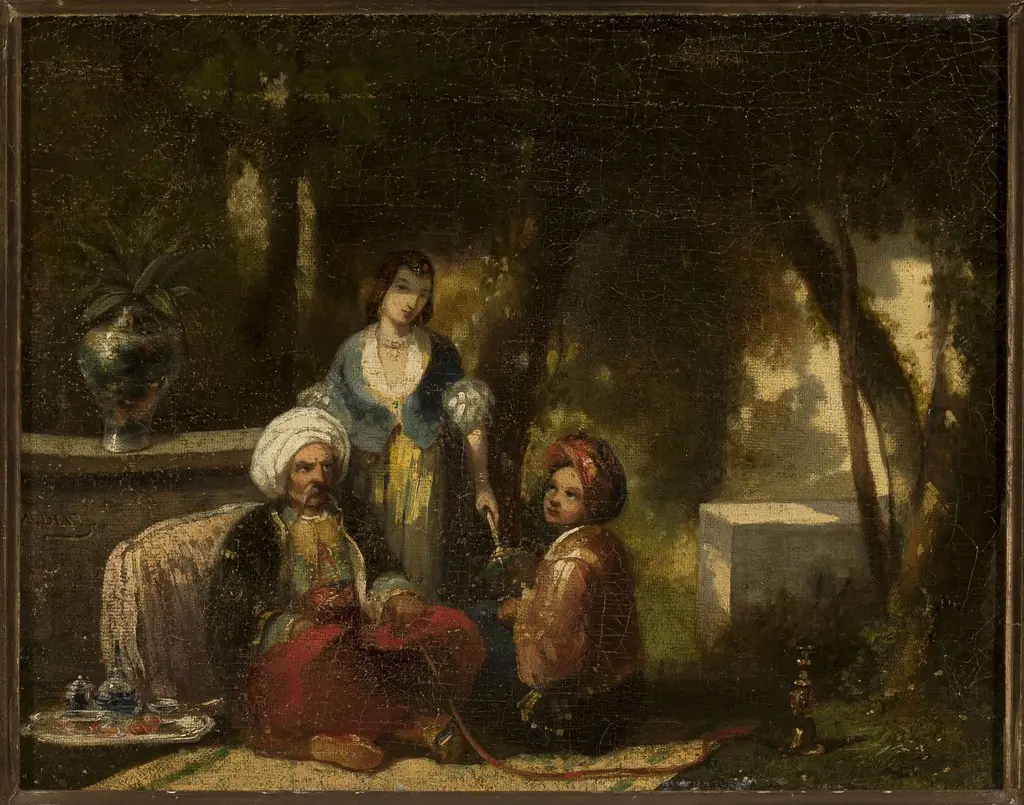 Man with a narghile against forest landscape
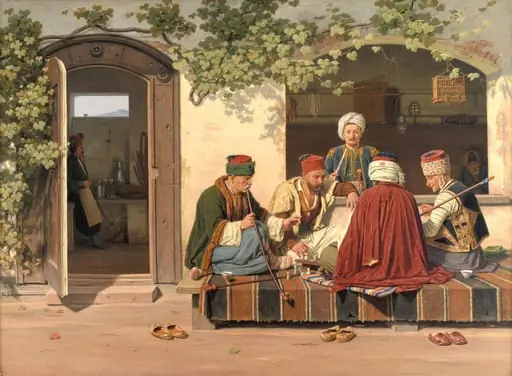 A party of chess players outside a Turkish coffeehouse and barbershop
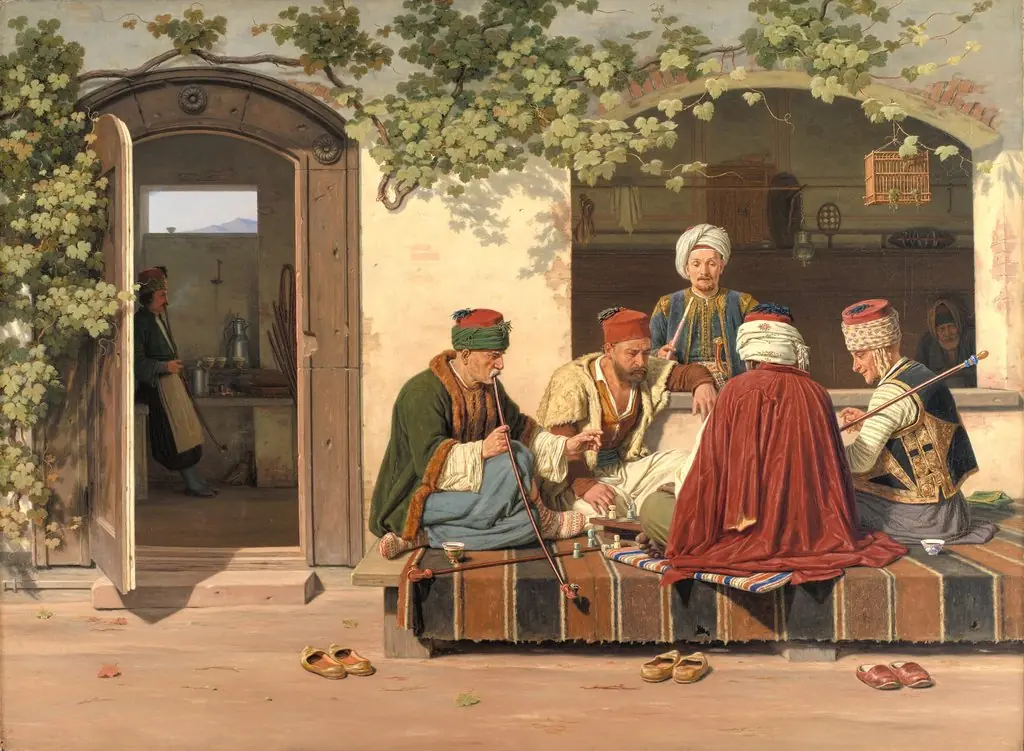 A party of chess players outside a Turkish coffeehouse and barbershop
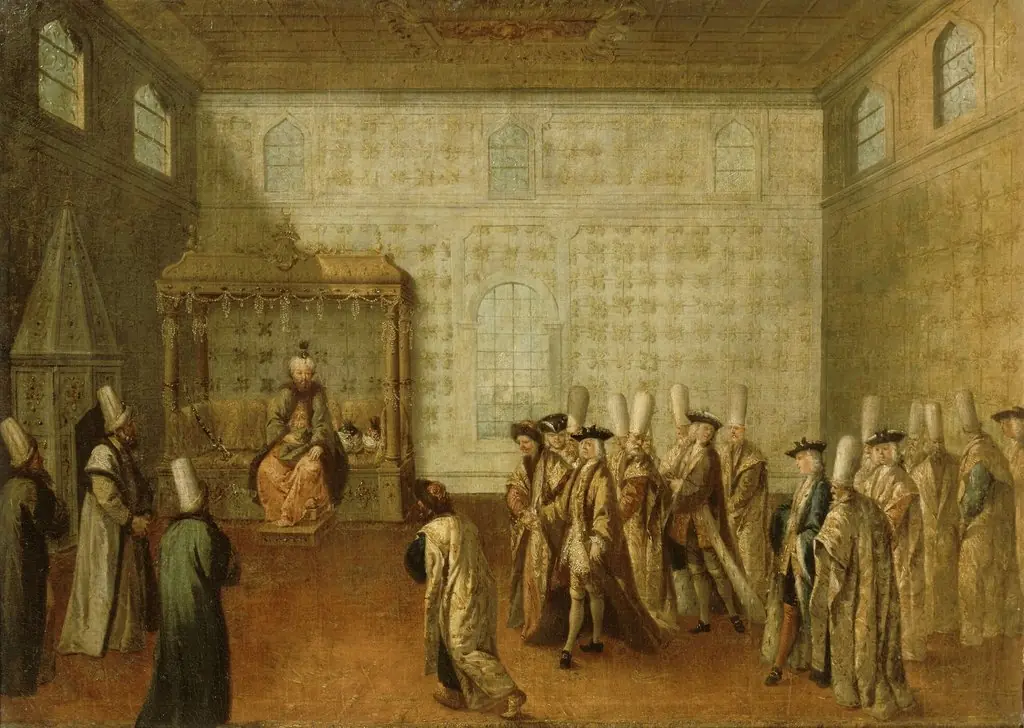 Empfang der französischen Gesandten (1699)
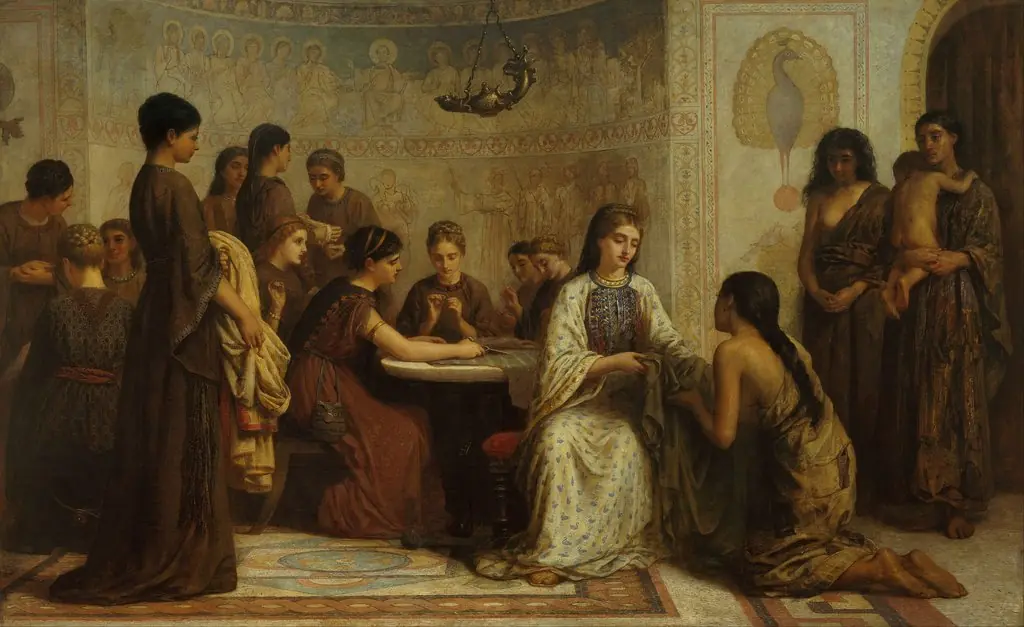 A Dorcas meeting in the 6th century
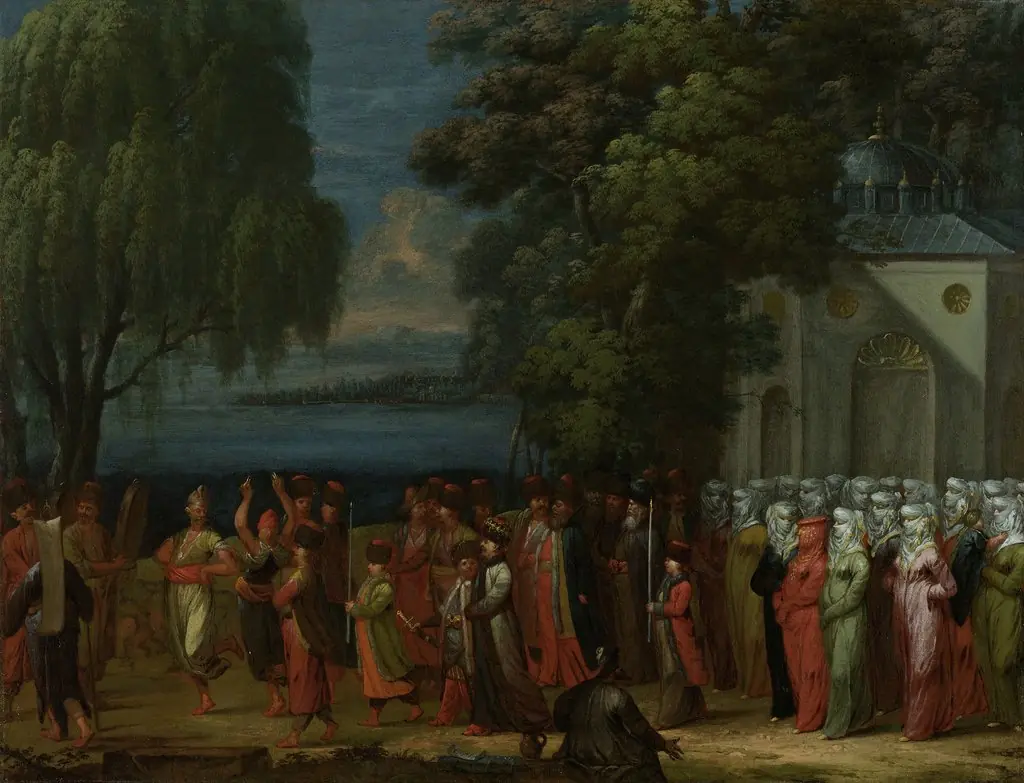 Armenian Wedding